Artwork
Major Greene, B.A.
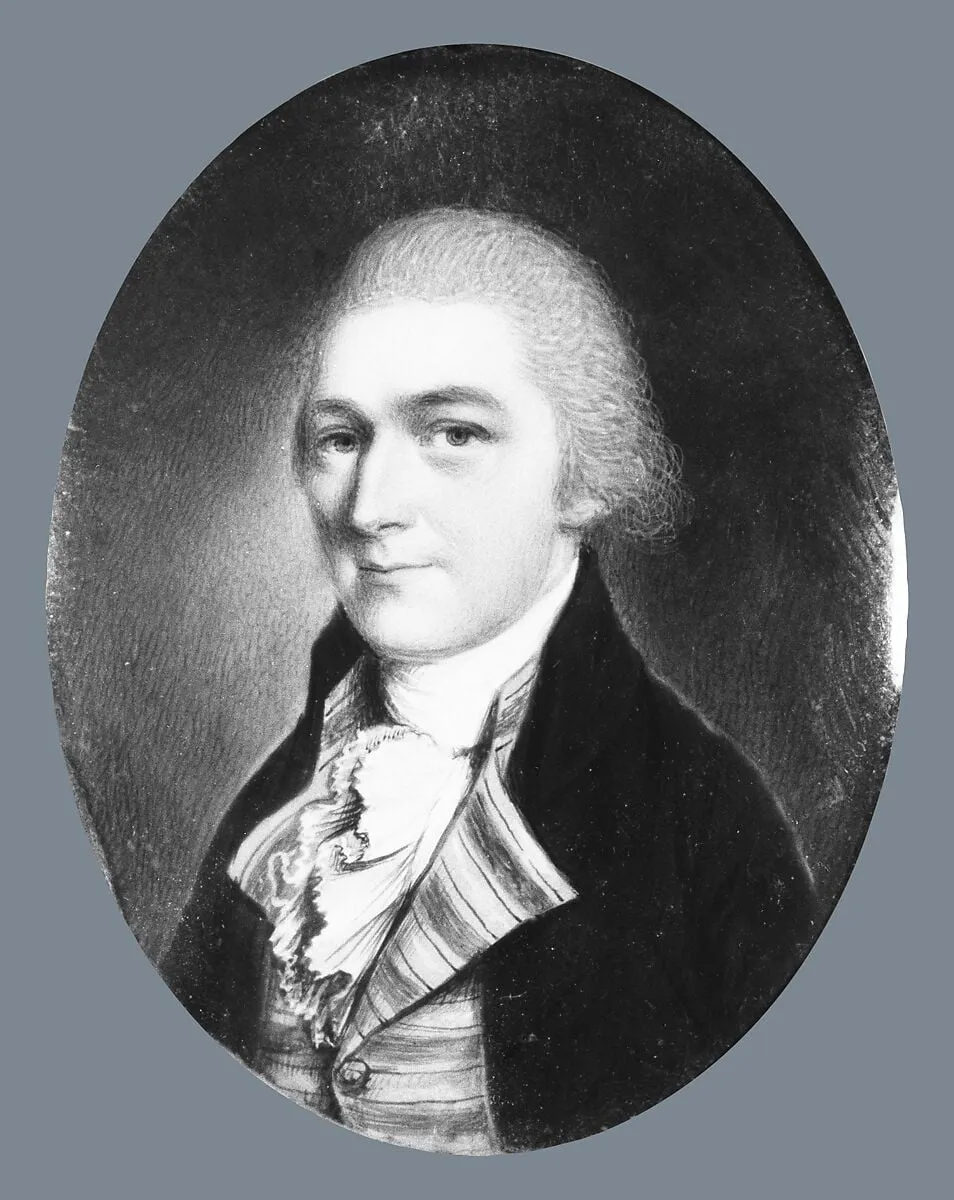
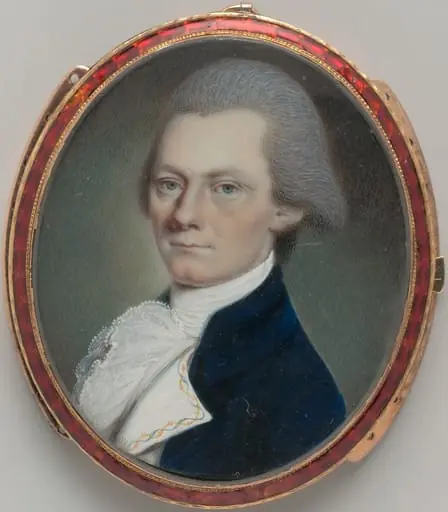
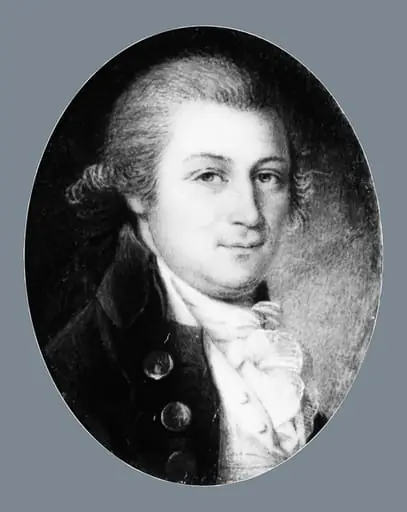
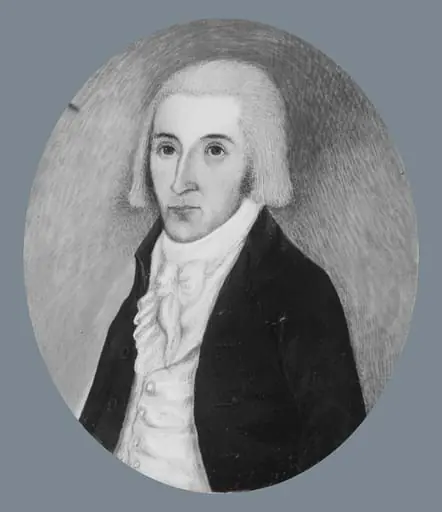
Major Greene, B.A. is a watercolor painting by the Rococo painting artist John Ramage. It dates from 1777 and is held in the collection of the Metropolitan Museum of Art.
- Accession no.
- 63.35.2
- Credit line
- Gift of Mrs. Harriet W. Field, 1963
About this work
Technique & Style
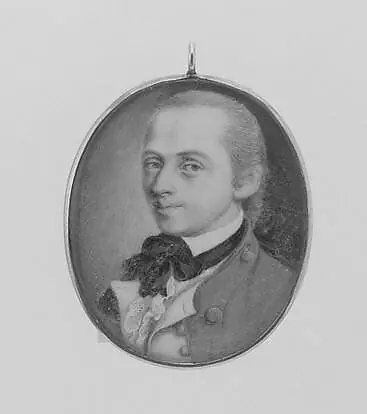
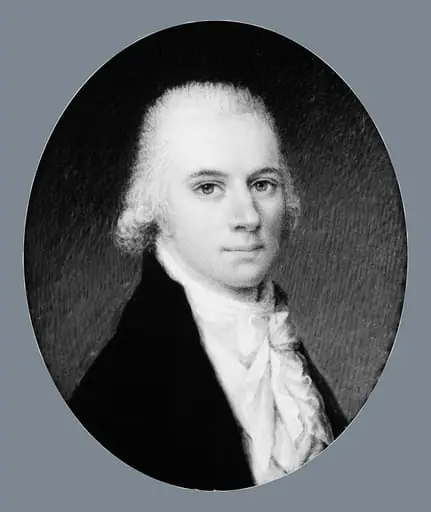
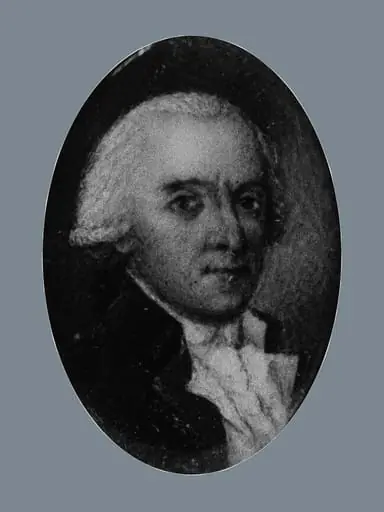
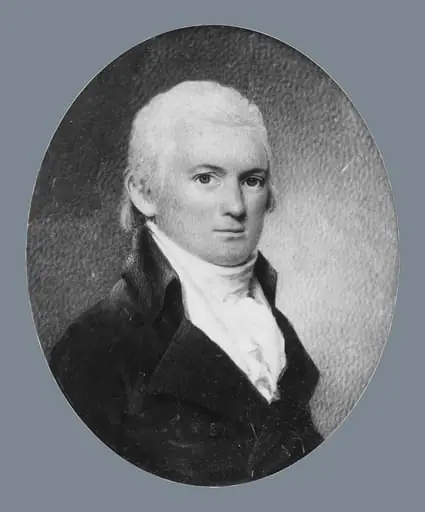
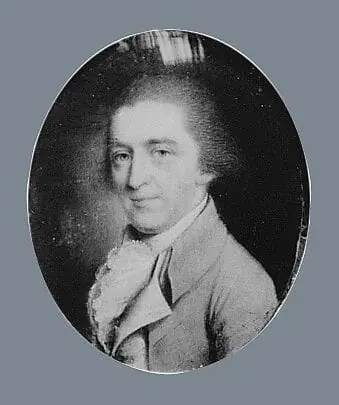
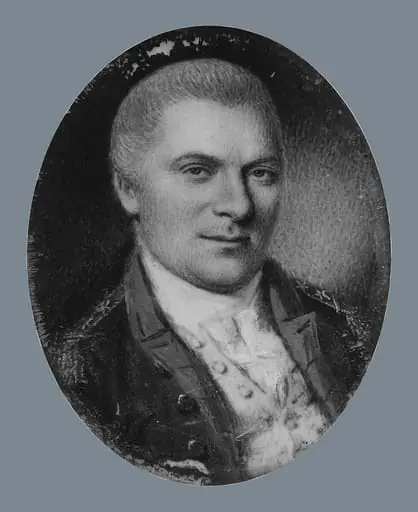
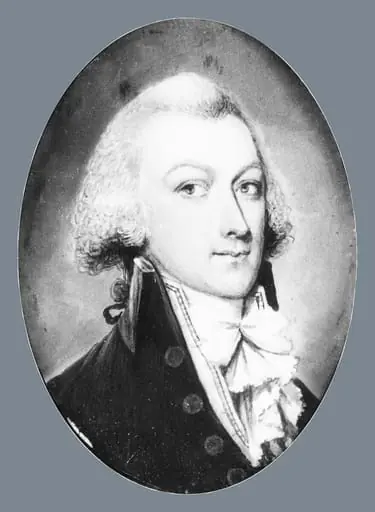
Executed in watercolor on ivory in 1777, the miniature employs a refined translucency typical of the medium, exploiting the luminous qualities of ivory to render delicate skin tones and subtle modeling of facial features. Ramage’s handling favors fine, stippled brushwork in the hair and crisp linear definition in the cravat, while the face is softly blended to suggest volume beneath the shallow pictorial field. The composition’s restraint and emphasis on physiognomic detail align with late-eighteenth-century American portrait miniatures, which favored clarity and probity over elaborate allegory.
History & Provenance
The piece depicts a male subject identified as Major Greene, representing a specific instance of portraiture from the late 18th century.
The portrait of Major Greene, B.A., was created in 1777 by the artist John Ramage. Executed as a watercolor on ivory, the work measures 5.1 cm in height and 3.8 cm in width. While the specific details regarding the initial commission or the identity of the original patron are not recorded in the available documentation, the painting is firmly dated to 1777.
The artwork is currently held within the collection of the Metropolitan Museum of Art, where it resides in The American Wing. The piece depicts a male subject identified as Major Greene, representing a specific instance of portraiture from the late 18th century.
Overview
John Ramage, an American artist of Irish origin, created this watercolor miniature, Major Greene, B.A., around 1777. This small-scale portrait, rendered on ivory, exemplifies Ramage's specialization in capturing individual likenesses during the late 18th century. It offers a glimpse into the refined portraiture favored by prominent figures of the period, often depicting military or political subjects.
Subject & Meaning
The subject, Major Greene, B.A., is depicted in a dark coat with a crisp white cravat, his gaze directed forward. The soft illumination on his face highlights his features, presenting a dignified demeanor. Ramage frequently portrayed notable individuals, including military and political figures, reflecting the social landscape and the demand for personal mementos among the elite of the American colonies.
Context
During the 18th century, miniature portraits served as intimate and portable expressions of status and personal connection. Often commissioned by affluent individuals, these small artworks functioned akin to a luxury personal identifier or a cherished keepsake. They allowed the wealthy to carry or display the likenesses of loved ones or to present themselves in a sophisticated, compact format.
Artist & collection

Artist
John Ramage (1748 – 24 October 1802) was an Irish American artist, goldsmith, patroller, and second lieutenant.