Artwork
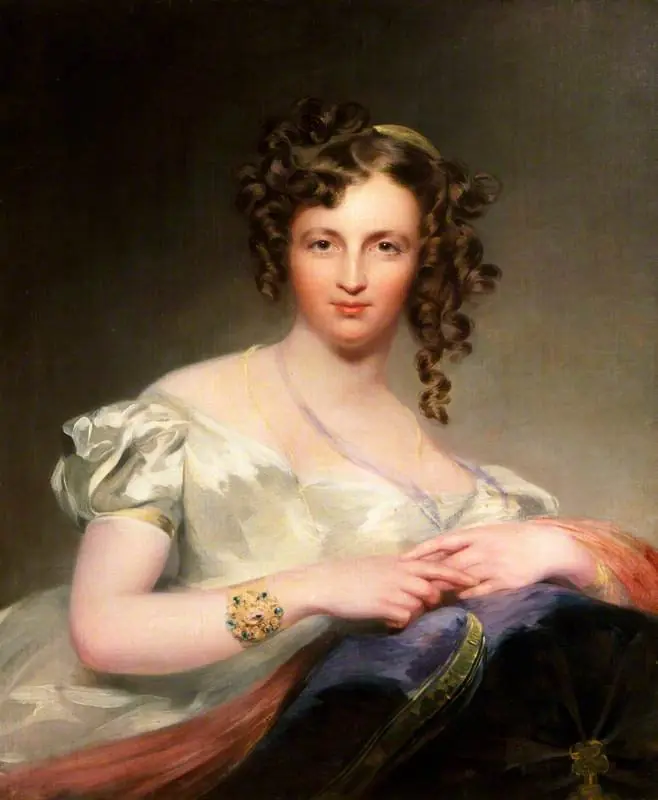
Portrait of Yevgenya Dashkova
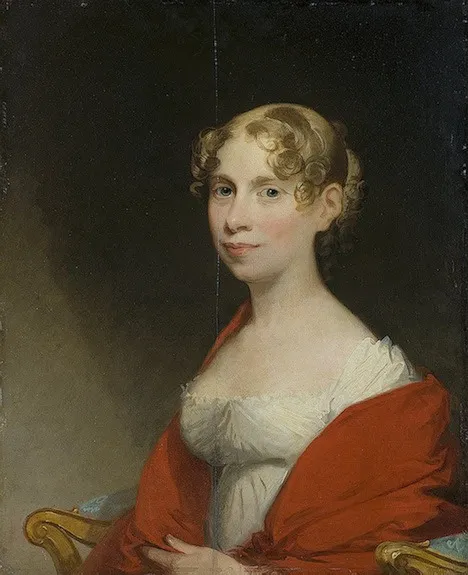
Portrait of Yevgenya Dashkova is an oil painting by the American Impressionist artist Gilbert Stuart. It dates from 1812 and is held in the collection of the Hermitage Museum.
About this work
Overview
The painting is held in the collection of the Hermitage Museum in Saint Petersburg.
The Portrait of Yevgenya Dashkova is an oil painting on panel by the American portraitist Gilbert Stuart, executed in 1812 during the artist's extended residence in Britain. Measuring 71.7 by 57.8 centimeters, the work depicts a woman in three-quarter view against a dark, muted background, seated in a carved wooden chair with gilded armrests and blue upholstery. The painting is held in the collection of the Hermitage Museum in Saint Petersburg. Created in the same year that Stuart was producing some of his most accomplished portraits, the work exemplifies the mature style of an artist who had already established himself as one of the foremost portrait painters of the Anglo-American world.
Subject & Meaning
The portrait depicts Yevgeniya Dashkova, a figure whose identity is recorded in the painting's title and cataloguing information. She is presented in a pose of composed dignity, facing slightly left with her gaze directed outward toward the viewer. Her light brown curls frame her face, and she wears a white, low-cut gown with gathered fabric at the neckline, over which a bright red shawl is draped across her shoulders. Her right hand rests at her waist, partially visible. The absence of jewelry or additional accessories focuses attention on her facial features and expression, which is calm with lips slightly parted. The lighting falls from the upper left, illuminating her face and chest while the background recedes into shadow, a treatment that emphasizes the sitter's presence and psychological immediacy. The red shawl provides the single note of vivid color in an otherwise restrained palette, perhaps suggesting warmth or social standing through its luxurious hue.
Technique & Style
Stuart executed the portrait in oil paint on panel, a support that allowed for the smooth paint surface evident in the work. The panel bears a vertical seam running through its center, indicating it was constructed from two joined pieces of wood. Stuart's technique displays the sophisticated handling for which he had become known: soft blending on the skin tones creates a lifelike complexion, while more visible brushwork in the red fabric of the shawl demonstrates varied paint application to render different textures. The background shifts from deep brown-black at the top to a lighter warm tone at the lower left, creating subtle atmospheric depth. The overall effect combines the directness of observation with the formal conventions of European portraiture, reflecting Stuart's training under Benjamin West and his exposure to British portrait traditions during his nearly two decades in Britain and Ireland.
History & Provenance
The portrait was painted in 1812 in the United Kingdom, during the final phase of Stuart's eighteen-year residence in Britain and Ireland before his return to America in 1793. The work eventually entered the collection of the Hermitage Museum, where it remains today. The painting's presence in a major Russian imperial collection suggests it may have been acquired through one of the channels by which Western European art entered Russian collections in the early nineteenth century, though the specific circumstances of its acquisition are not recorded in the available sources.
Context
By 1812, Gilbert Stuart had long since established the reputation that would make him one of America's most celebrated portraitists. Born in 1755 in Saunderstown, Rhode Island, he had trained under Cosmo Alexander in Scotland, studied with Benjamin West in London, and achieved considerable success in Britain with works such as The Skater (1782) before financial difficulties drove him to Dublin. His return to the United States in 1793 was motivated by the desire to paint George Washington, whose portraits would secure his lasting fame. The Portrait of Yevgenya Dashkova belongs to the period when Stuart was still based in Britain, producing portraits for a clientele that included figures from various European nations. The work's presence in the Hermitage Museum places it among the international dispersal of Stuart's output, which can be found in collections throughout the United States and the United Kingdom.
Legacy
The Portrait of Yevgenya Dashkova occupies a place within the broader corpus of Gilbert Stuart's approximately one thousand portraits, a body of work that documented the political and social elite of the late eighteenth and early nineteenth centuries across the Anglo-American world. While Stuart's reputation rests most securely on his iconic images of George Washington, particularly the unfinished Athenaeum portrait that has appeared on the United States one-dollar bill since the early twentieth century, his portraits of lesser-known sitters preserve individual likenesses with the same technical facility. The work's survival in the Hermitage Museum ensures its accessibility to scholars and the public, contributing to the understanding of Stuart's practice during his British period and the international reach of his portraiture.
Artist & collection

Artist
Gilbert Stuart (né Stewart; December 3, 1755 – July 9, 1828) was an American painter born in the Rhode Island Colony who is widely considered one of America's foremost portraitists.

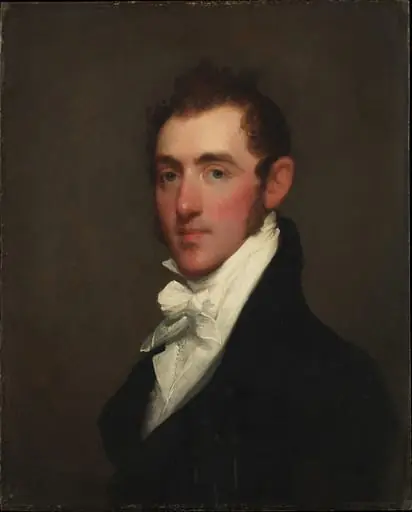
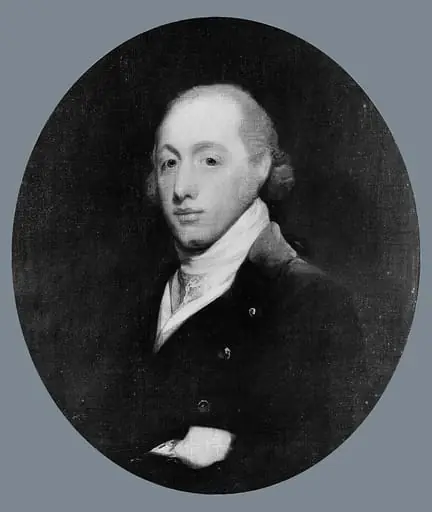
- Portrait of Charlotte Story Forrester
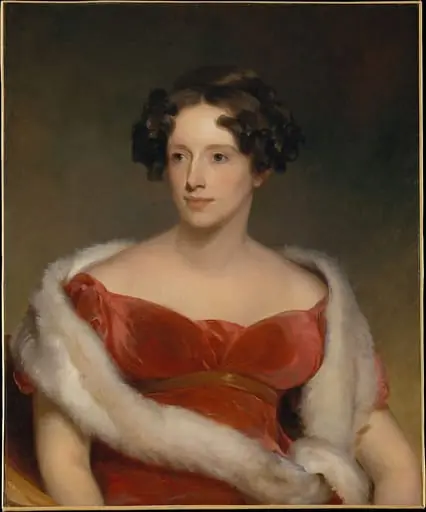 Mrs. John Biddle (Eliza Falconer Bradish)
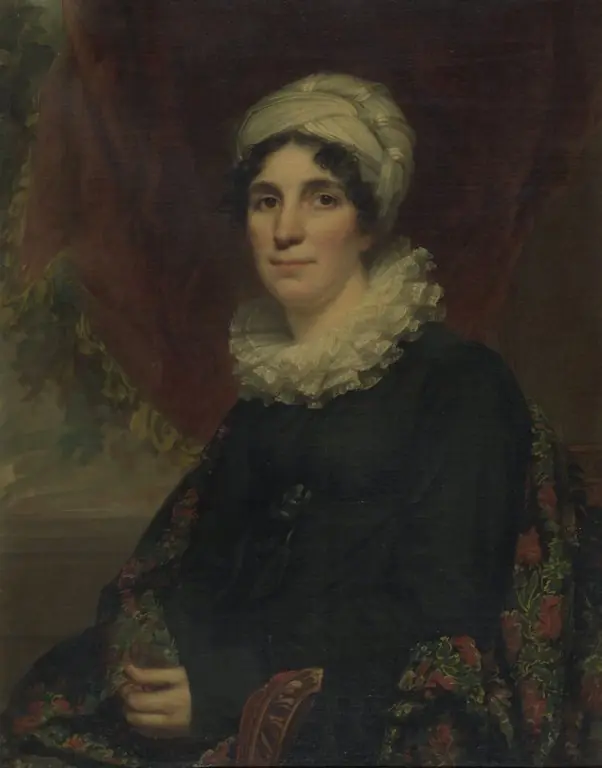 Mrs. James K. Bogert, Jr.
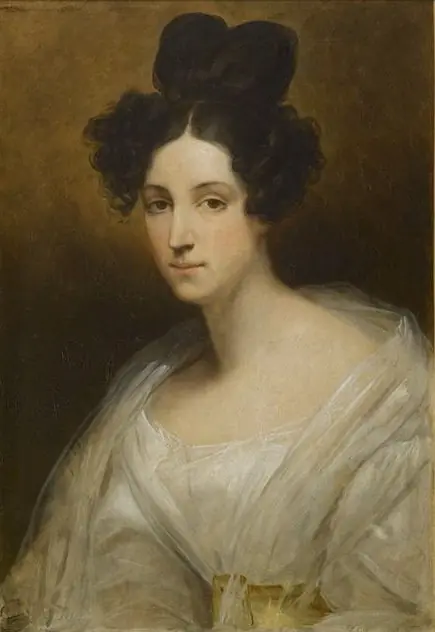 Césarine de Houdetot, Baronne de Barante (1794-1877)
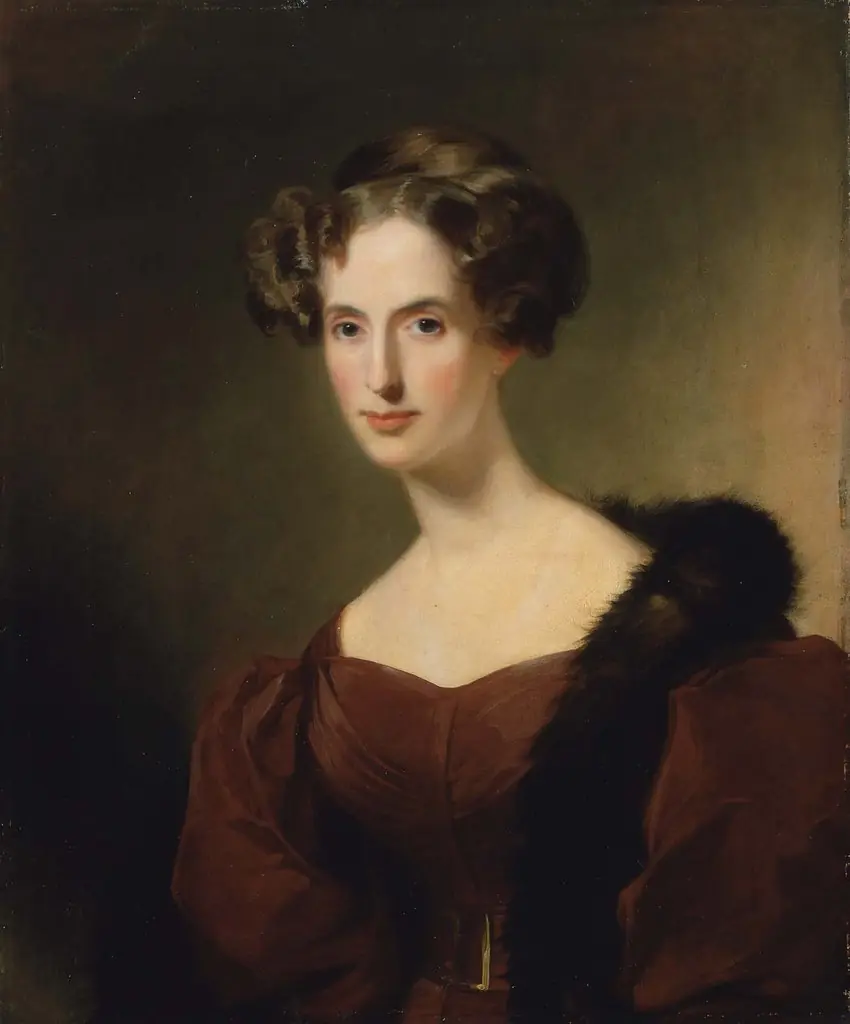 Mrs. Joseph Rotch (Anne Smith)
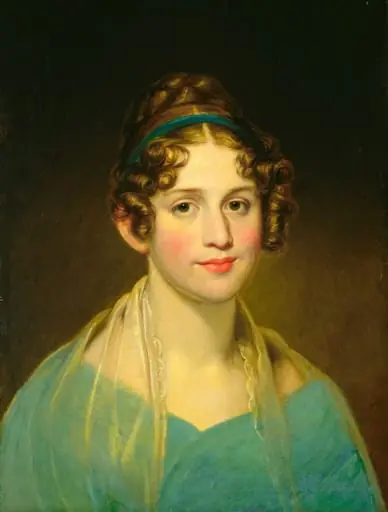 Sarah Blake Sturgis
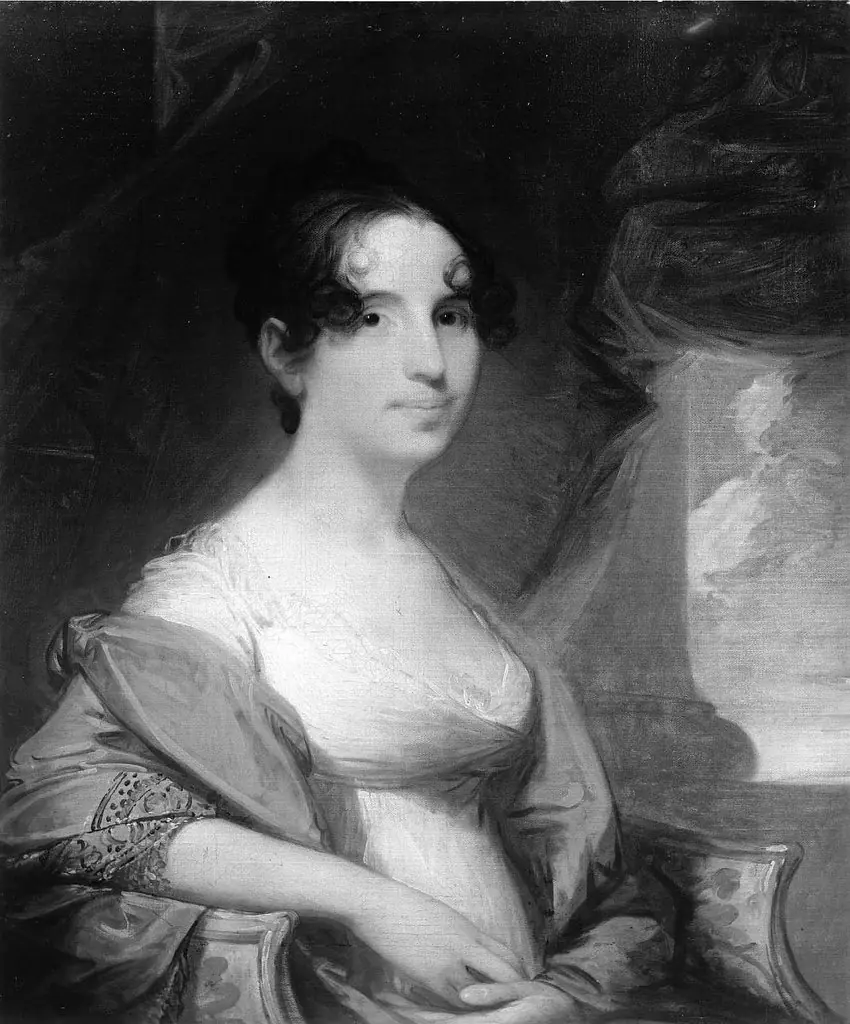 Mrs. John Gore (Mary Babcock)
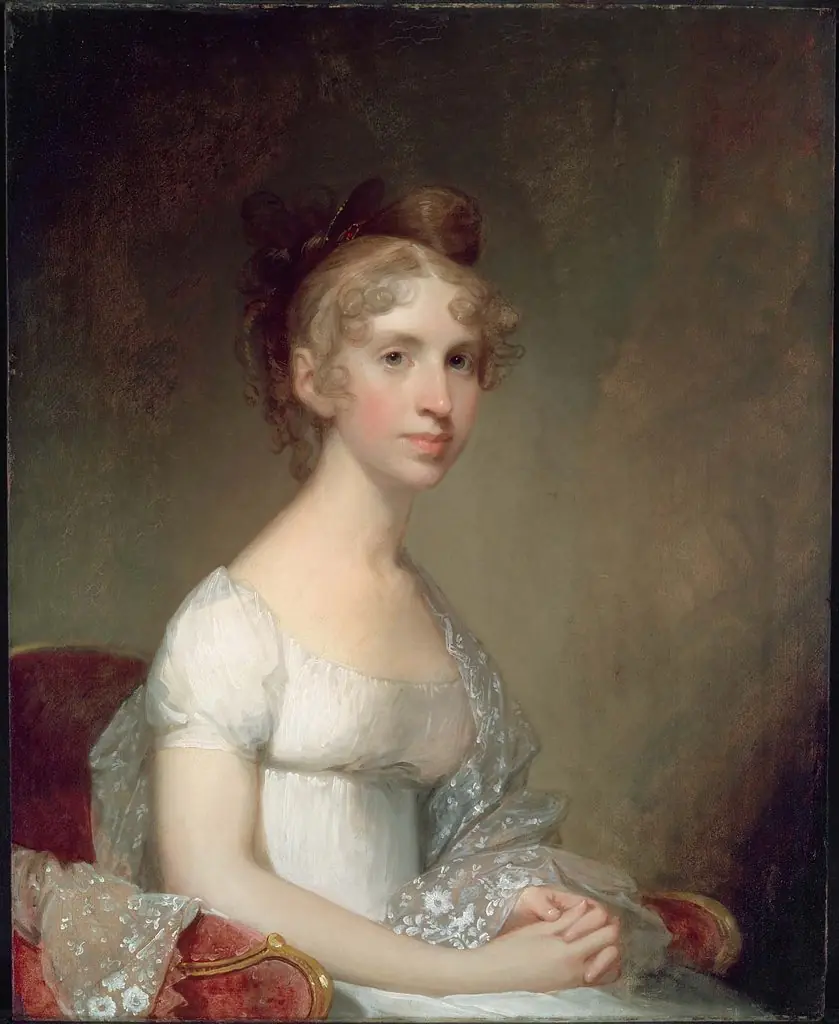 Anna Powell Mason (Mrs. Patrick Grant)
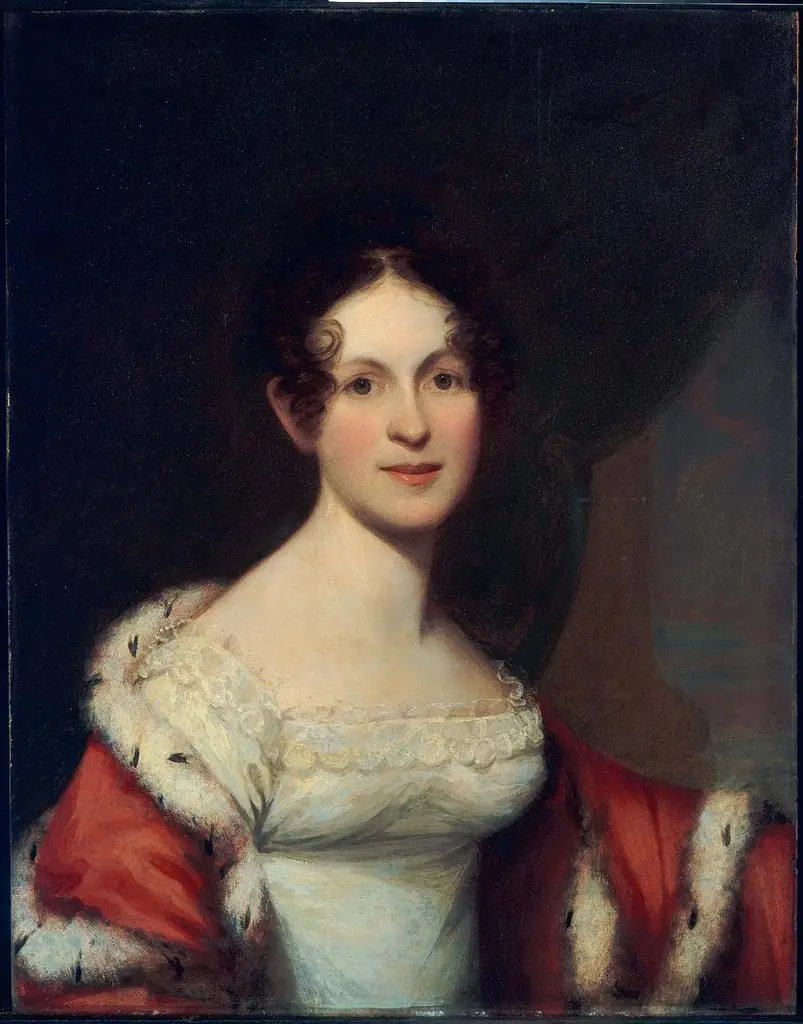 Mrs. Nathaniel West, Jr. (Mary White)
 Maria Bartlett (Mrs. Joseph Hall, Jr.)
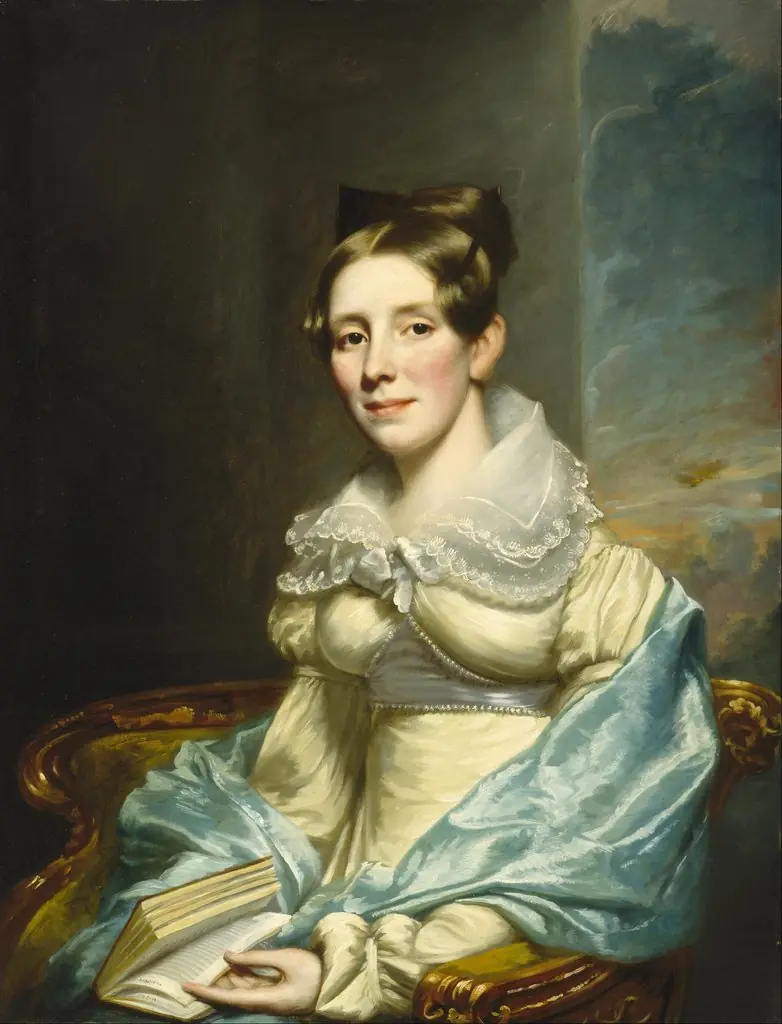 Portrait of a Woman
 Portrait of a Young Lady