Artwork
Thomas Smith
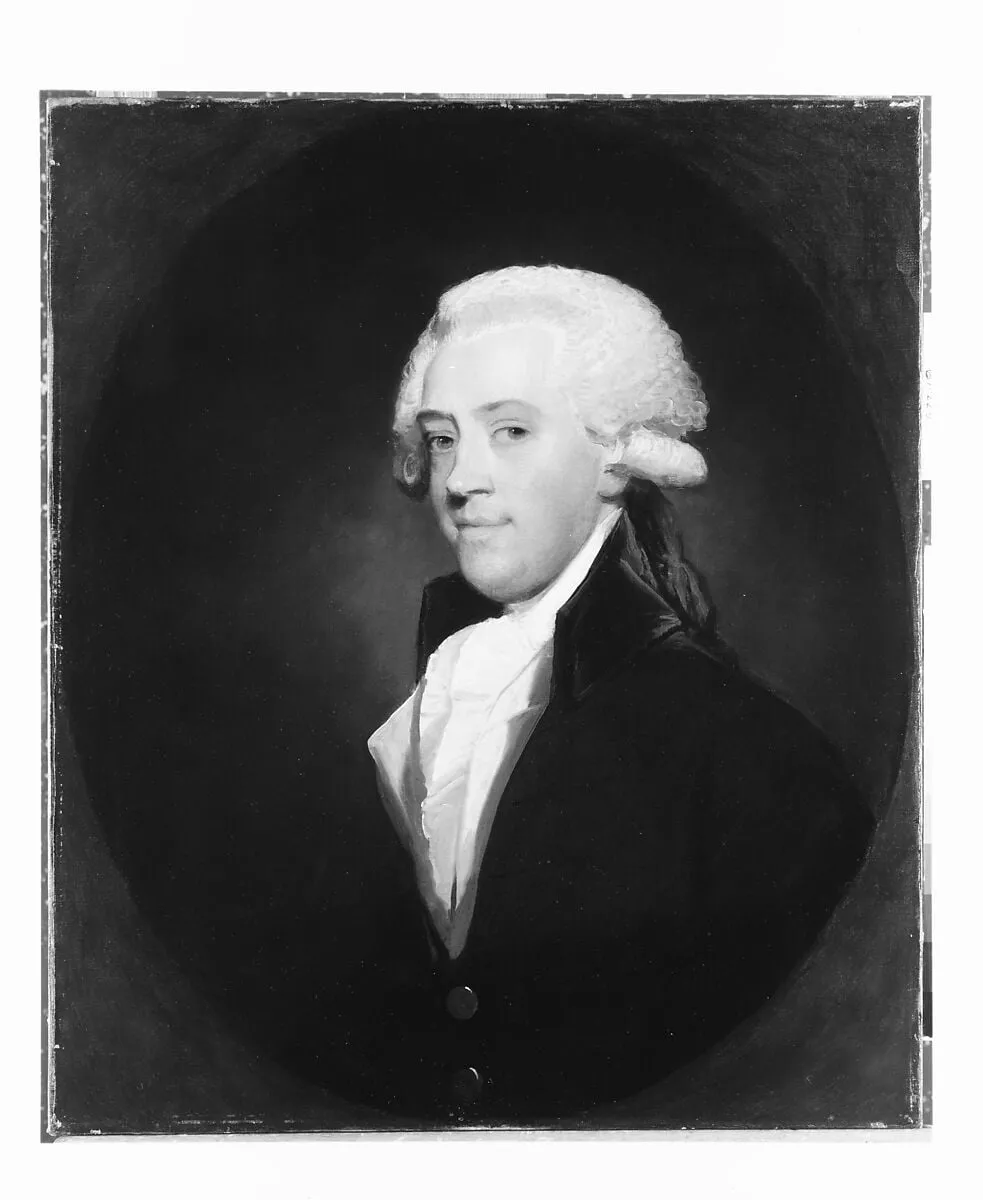
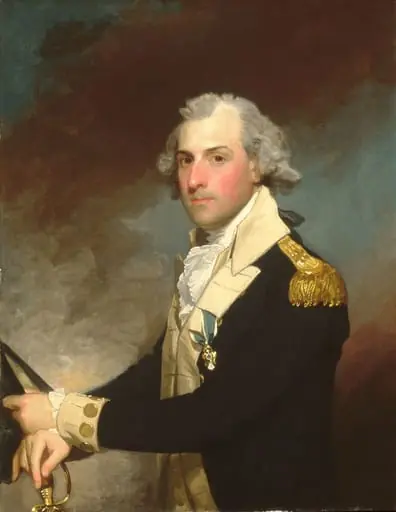
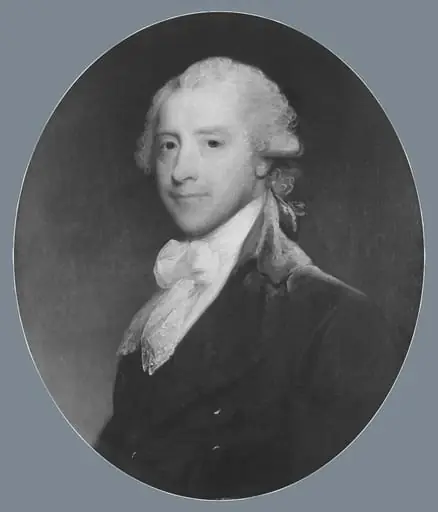
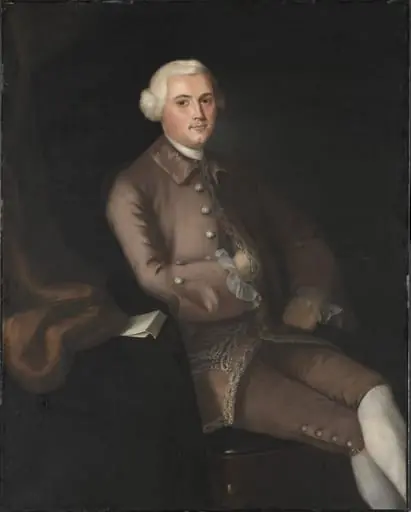
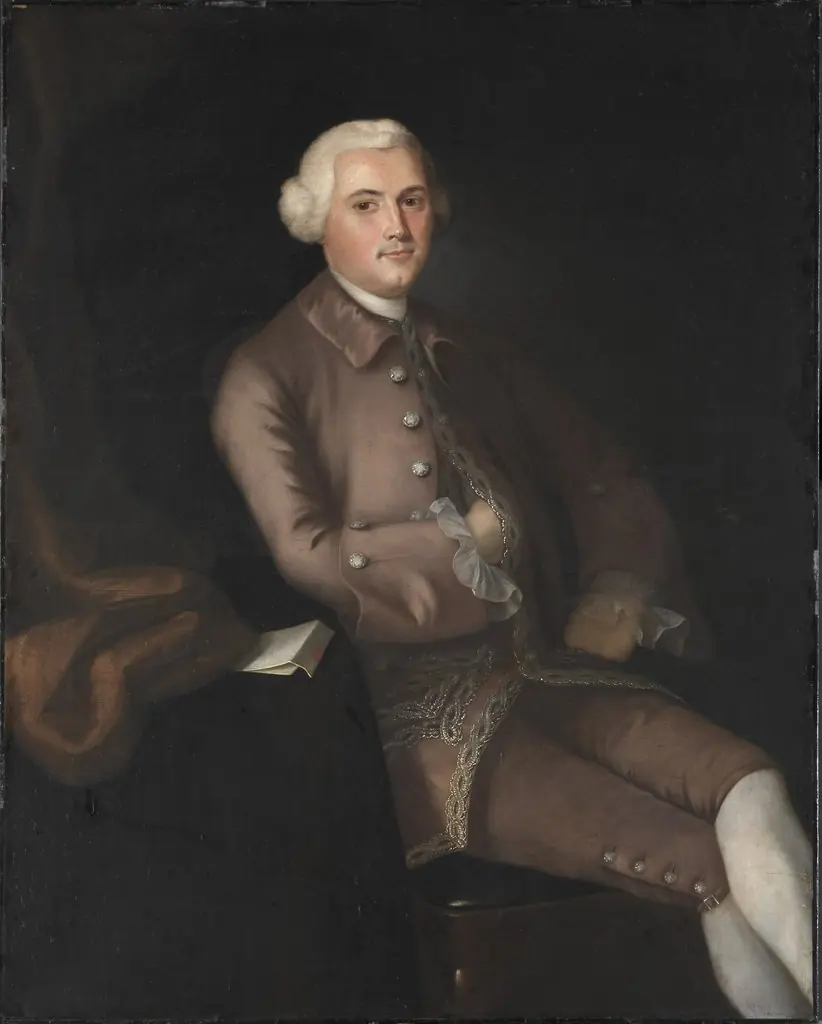
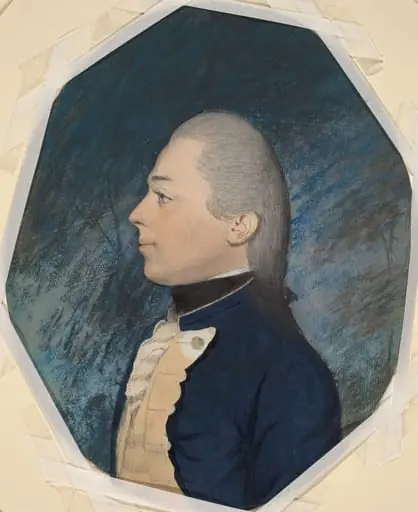
Thomas Smith is an oil painting by the American Impressionist artist Gilbert Stuart. It dates from 1786 and is held in the collection of the Metropolitan Museum of Art.
About this work
Subject & Meaning
The painting titled Thomas Smith, executed by Gilbert Stuart in 1786, portrays Thomas Smith in a conventional portrait format.
The painting titled Thomas Smith, executed by Gilbert Stuart in 1786, portrays Thomas Smith in a conventional portrait format. As a work in the American Wing of the Metropolitan Museum of Art, it exemplifies the genre of 18th-century portraiture, emphasizing the sitter's status through formal pose and muted attire. No explicit symbolic attributes are recorded; the meaning derives from the artist's skill in rendering likeness and the historical context of elite representation in the early Republic. The piece is catalogued as a portrait of a man, reflecting typical visual conventions of the period.
Technique & Style
Executed in 1786, this portrait by Gilbert Stuart utilizes oil paint applied to a canvas support. The work measures 76.2 centimeters in height and 63.5 centimeters in width. Classified as a portrait genre piece, the composition focuses on the depiction of a male subject.
The material combination of oil and canvas represents the standard medium for formal portraiture of this period within the American artistic tradition. Currently held in the collection of the Metropolitan Museum of Art, the painting's physical dimensions and material constitution are documented as part of its institutional record.
History & Provenance
Thomas Smith is a portrait painted by Gilbert Stuart in 1786 using oil on canvas. The work depicts a man and belongs to the portrait genre. It has been part of the Metropolitan Museum of Art's collection, currently displayed in The American Wing.
The painting's physical dimensions are 76.2 cm by 63.5 cm. No further ownership, accession, or commission details are recorded in the available sources, and no exhibition history is listed beyond its current placement within the Met's American Wing.
Overview
This oil on canvas portrait, titled Thomas Smith, was created by American artist Gilbert Stuart in 1786. Stuart, a native of the Rhode Island Colony, established himself as a prominent figure in American portraiture. The painting depicts a male subject, rendered with a focus on capturing his individual presence. It is part of the American Wing collection.
Legacy
Gilbert Stuart is widely recognized as one of America's foremost portrait painters. His artistic contributions extend beyond this work, notably including his unfinished Athenaeum Portrait of George Washington. This particular depiction of the first president later served as the foundational image for the United States one-dollar bill, cementing Stuart's enduring influence on American visual culture.
Artist & collection

Artist
Gilbert Stuart (né Stewart; December 3, 1755 – July 9, 1828) was an American painter born in the Rhode Island Colony who is widely considered one of America's foremost portraitists.