Artwork
Saint John the Baptist in the Desert
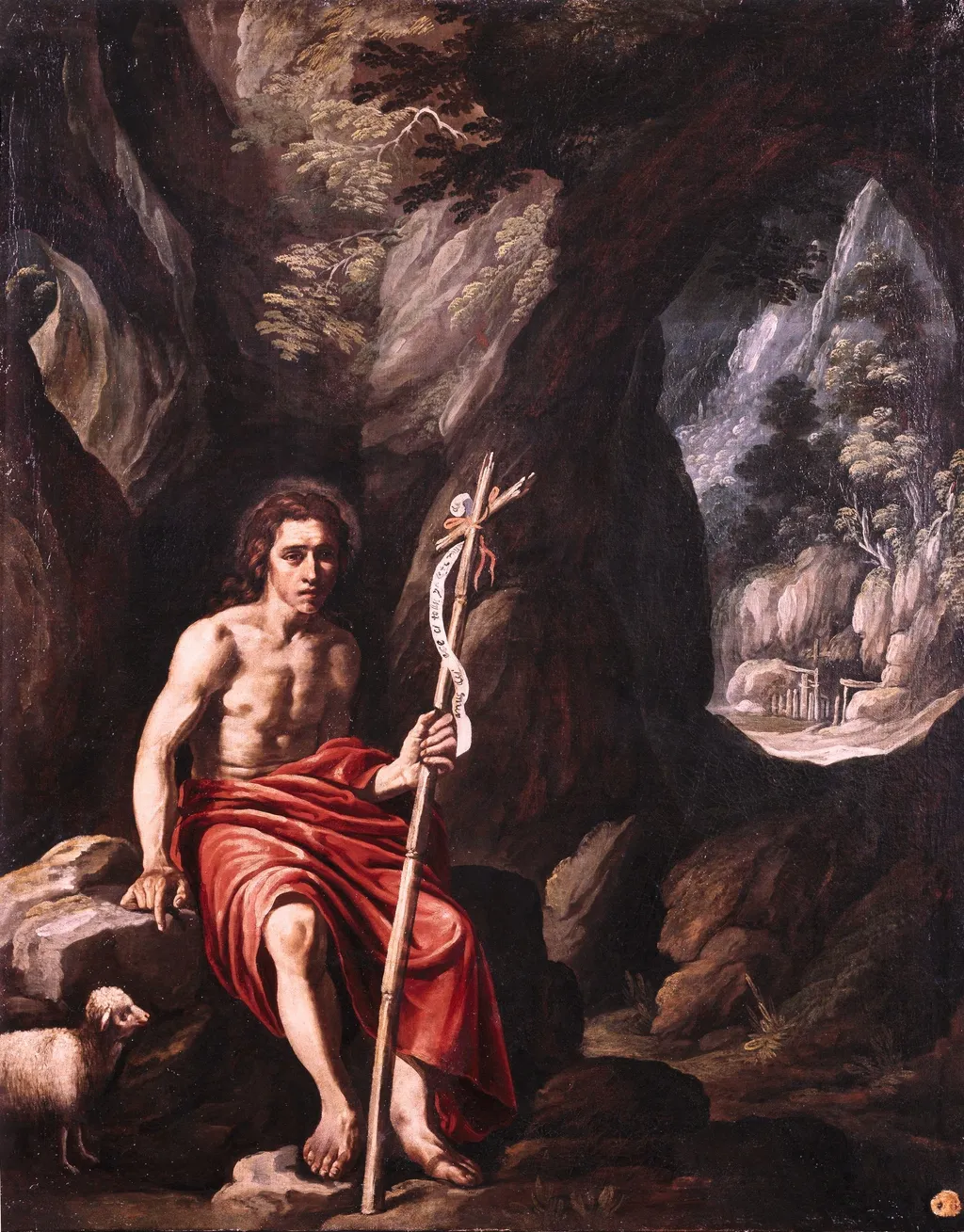
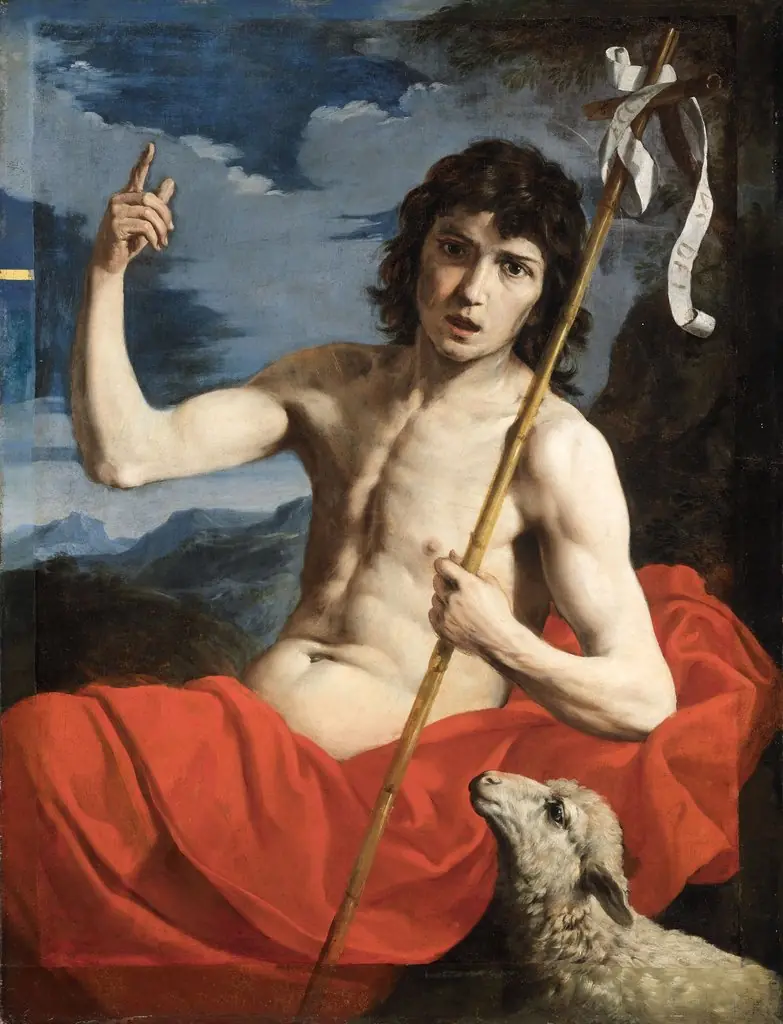
Saint John the Baptist in the Desert is an oil painting by the Early Baroque Italian artist Luis Tristán. It dates from 1601 and is held in the collection of the Museo del Prado.
About this work
Technique & Style
The work measures 104 cm in height and 83 cm in width, presenting a religious genre scene focused on the titular figure in the wilderness.
Luis Tristán executed Saint John the Baptist in the Desert in 1601 using oil paint applied to a canvas support. The work measures 104 cm in height and 83 cm in width, presenting a religious genre scene focused on the titular figure in the wilderness. As an early 17th-century painting, the piece demonstrates the artist's handling of oil medium to depict the spiritual subject of John the Baptist within a desolate landscape setting.
History & Provenance
Luis Tristán created the oil painting Saint John the Baptist in the Desert in 1601. Executed on canvas, the work depicts the biblical figure of John the Baptist within a wilderness setting. The painting's historical ownership includes the Museo de la Trinidad, which previously held the piece before it entered the collection of the Museo del Prado, where it remains located.
The painting is held in the collection of the Museo del Prado, Madrid. It is inventoried as P001190.
It was included in the exhibition "Luis Tristán" held at the Museo del Prado in 2001, marking the quatercentenary of the work’s creation.
Overview
Luis Tristán’s 1601 oil painting, Saint John the Baptist in the Desert, presents the biblical prophet seated on a craggy outcrop. He is wrapped in a simple red cloth, barefoot, and holds a staff topped with a white‑banded cross. A lone lamb rests nearby, while a muted landscape of rocks, trees and a distant building recedes behind him.
Subject & Meaning
The composition centers on John the Baptist, portrayed in a moment of solitary contemplation. The presence of the lamb alludes to his role as the herald of Christ, while the staff and modest attire emphasize his ascetic life in the wilderness, inviting viewers to reflect on themes of penitence and prophetic witness.
Context
Tristán, a disciple of the Toledo school, produced this piece during a period when Spanish art was shifting from the ornamental Mannerist style to a more direct, emotionally charged Baroque language. The painting’s isolated desert setting mirrors contemporary Counter‑Reformation interests in depicting saints in relatable, earthly environments.
Own this work as a print
Artist & collection
Artist
Luis Tristán de Escamilla, also known as Luis de Escamilla or Luis Rodríguez Tristán (c.1585, Toledo - 1624, Toledo), was a Spanish painter in the mannerist style.