Artwork
Joseph und Potiphars Weib
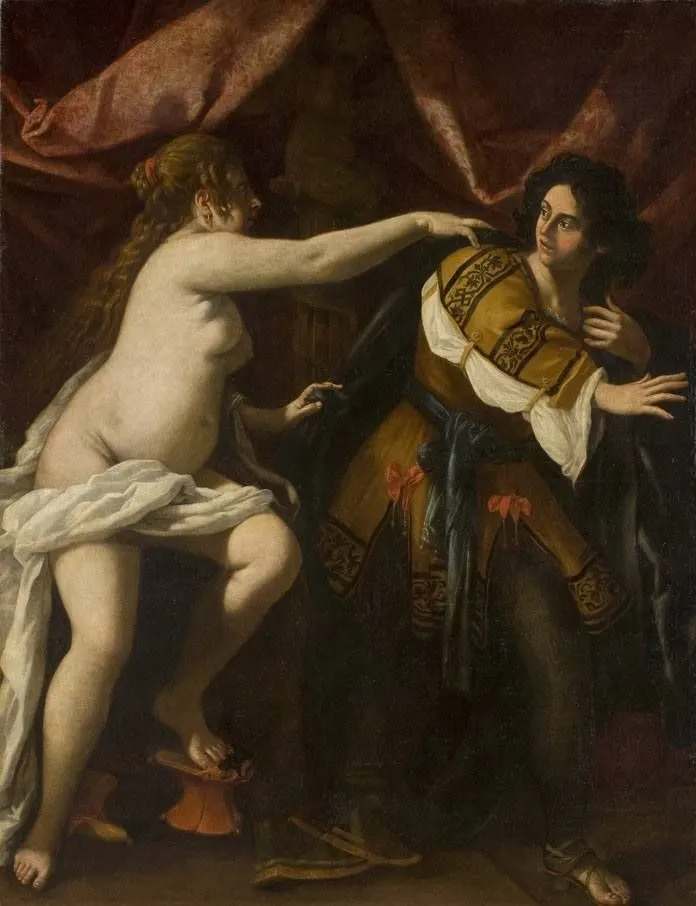
Joseph und Potiphars Weib is an unspecified painting by the Early Baroque Italian artist Giovanni Baglione. It dates from 1607 and is held in the collection of the Bavarian State Painting Collections.
About this work
Subject & Meaning
In the composition Joseph, clothed in a richly detailed robe, turns away from the woman who reaches toward him, emphasizing his moral resistance.
The painting portrays the biblical episode in which Joseph is tempted by Potiphar's wife, a scene drawn from Genesis 39. In the composition Joseph, clothed in a richly detailed robe, turns away from the woman who reaches toward him, emphasizing his moral resistance. The work functions as a visual sermon on virtue and temptation, aligning with Counter-Reformation concerns about modesty and fidelity.
Symbolically, the lavish garment underscores the seductive allure of sin, while Joseph's posture conveys steadfastness. Giovanni Baglione's rendering reflects the Baroque interest in dramatic narrative and chiaroscuro to heighten emotional intensity.
Technique & Style
The painting is executed in oil on canvas, dated 1607 and measuring 200 cm in height by 156 cm in width. Baglione’s handling emphasizes smooth modeling of flesh and drapery, with a restrained chiaroscuro that modulates softly across the figures’ surfaces. The composition organizes the scene along a shallow diagonal, drawing the viewer’s eye from the grasping figure of Potiphar’s wife toward the fleeing Joseph, whose body is rendered with elongated, elegant contours that recall late Mannerist influence.
The palette is subdued, relying on earthy ochres and muted blues, punctuated by the white of Joseph’s garment and the warm tones of Potiphar’s wife’s sleeve. Brushwork remains largely invisible under a satin-like finish, contributing to the work’s polished, courtly appearance.
History & Provenance
Giovanni Baglione created the religious painting Joseph und Potiphars Weib in 1607. The work depicts the biblical figures Joseph and Zulaikha (Potiphar's wife) and measures 200 cm in height by 156 cm in width. It is currently held by the Bavarian State Painting Collections at the Alte Pinakothek in Munich.
The sources do not provide specific details regarding the original commission, the initial owner, or the subsequent chain of ownership leading to its current institutional home.
The painting is held in the collection of the Bavarian State Painting Collections and is located at the Alte Pinakothek in Munich.
It is recorded with inventory number 7480 and accessioned as part of the state holdings. The work has not been listed in major international loan exhibitions in the documented sources provided.
Overview
Giovanni Baglione, an Italian painter working at the transition between late Mannerism and early Baroque, completed the canvas Joseph und Potiphars Weib in 1607. The work illustrates a moment from the Genesis narrative in which Joseph refuses the seduction of Potiphar’s wife. Today the painting belongs to the collection of the Alte Pinakothek in Munich.
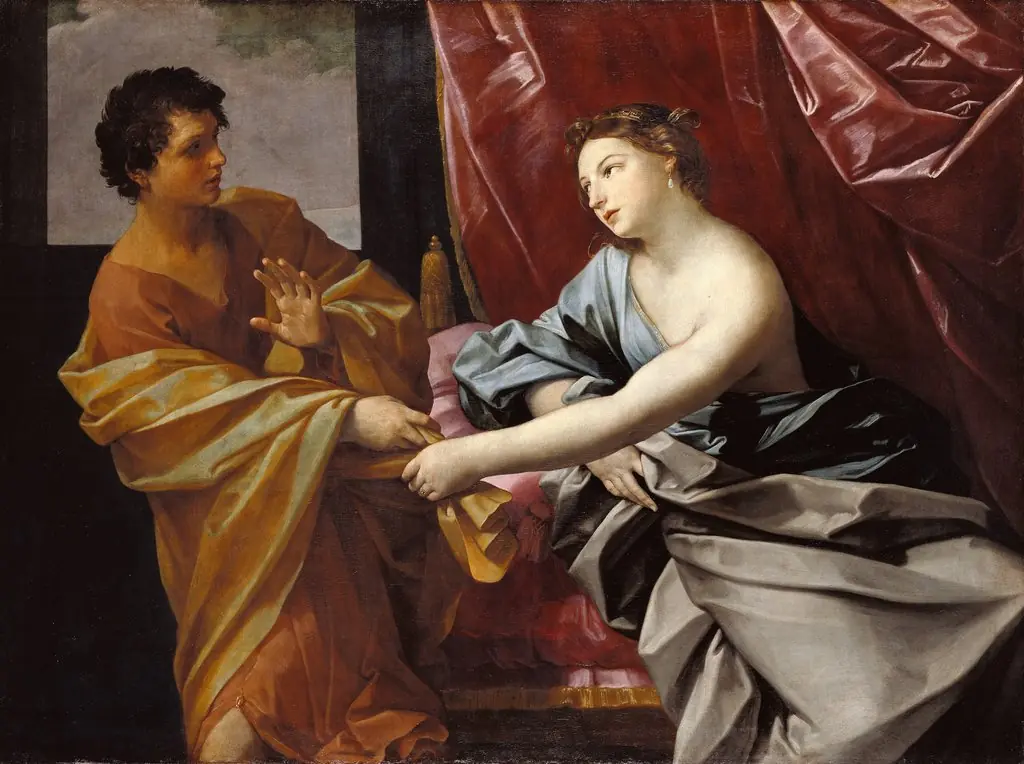
Artist & collection
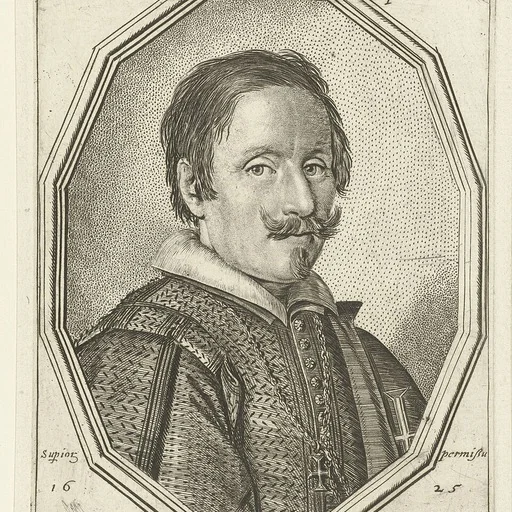
Artist
Giovanni Baglione (Italian:; 1566 – 30 December 1643) was an Italian Late Mannerist and Early Baroque painter and art historian.

- Joseph and Potiphar's Wife
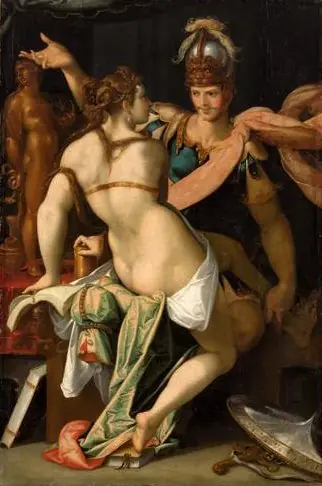 Ulysses and Circe
 Tarquin and Lucretia
 Susanna and the Elders
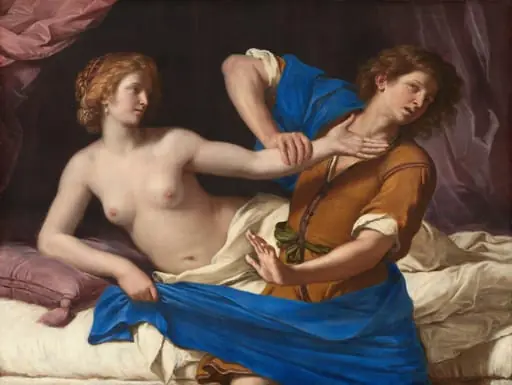 Joseph and Potiphar's Wife
 Cleopatra murind
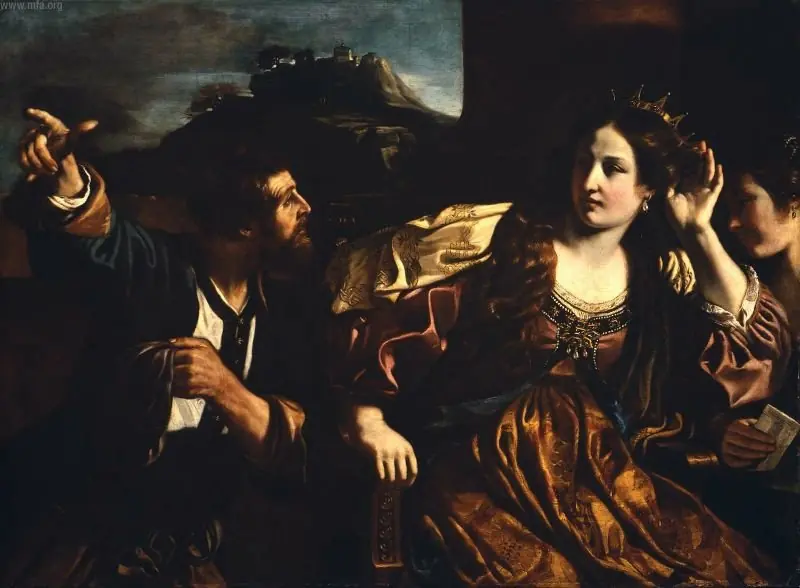 Semiramis Receiving Word of the Revolt of Babylon
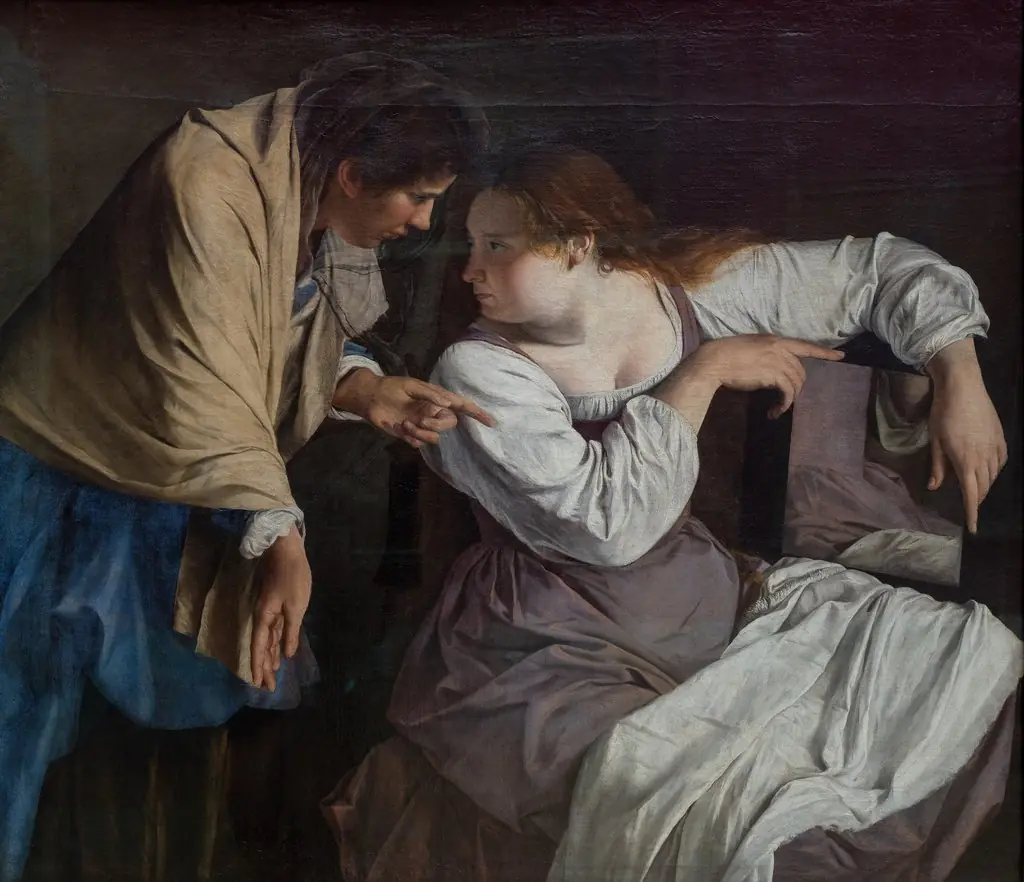 Martha reproving her sister Mary
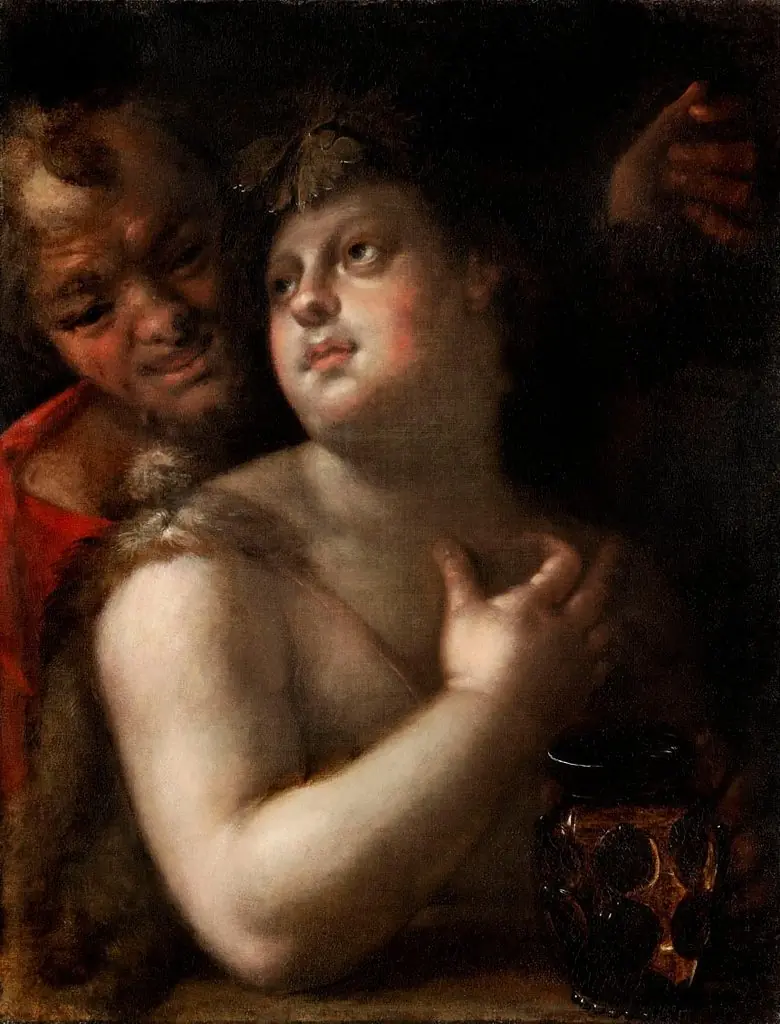 Bacchus with Silenus
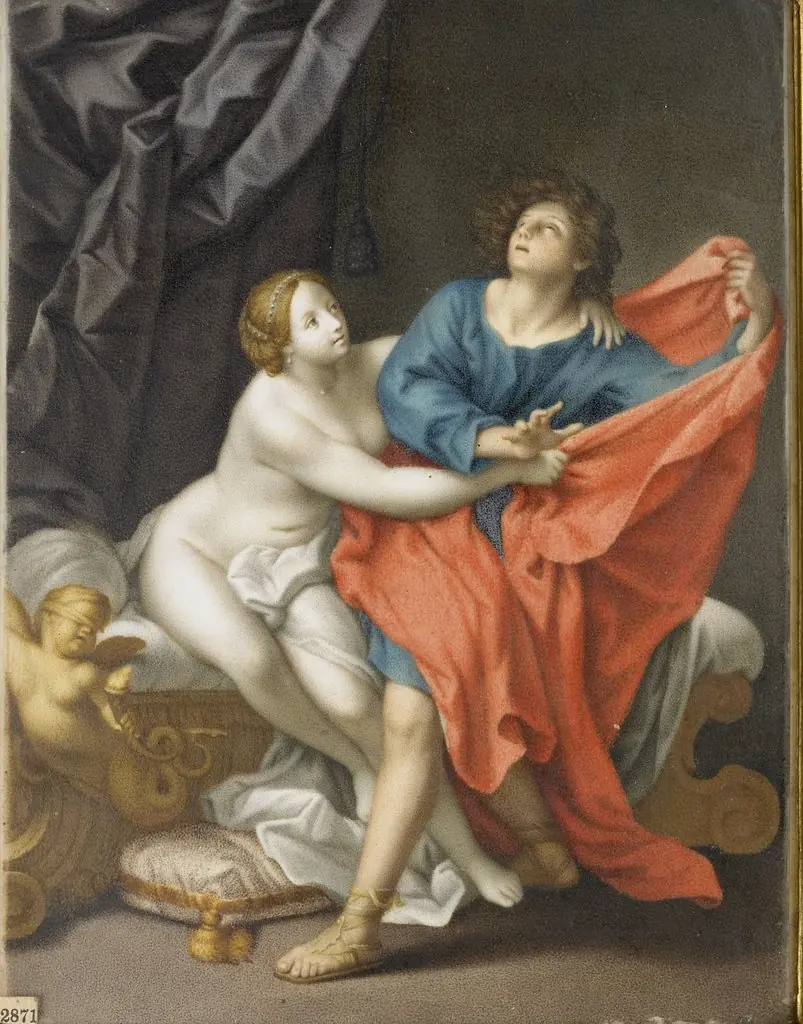 Jozef en de vrouw van Potifar
 Tarquinius und Lukrezia
 Judith and the Head of Holofernes