Artwork
Virgin and Child
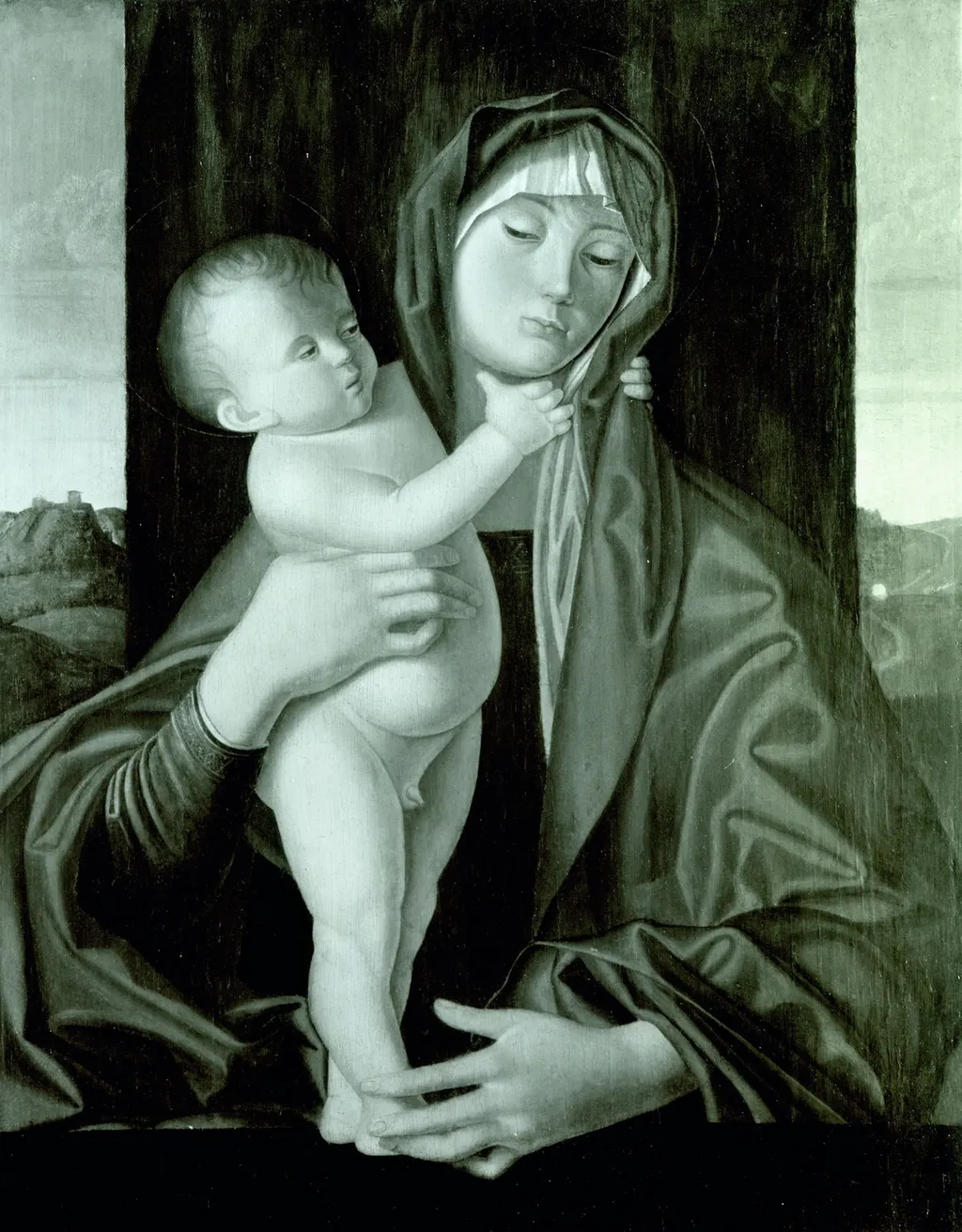
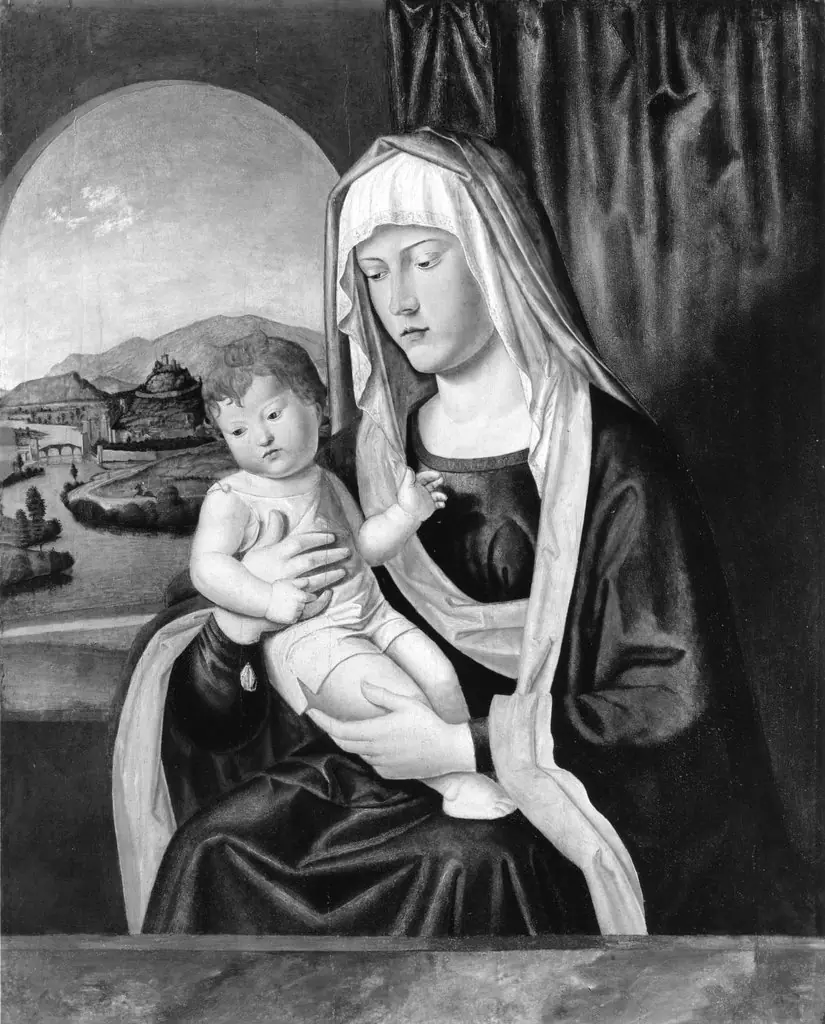
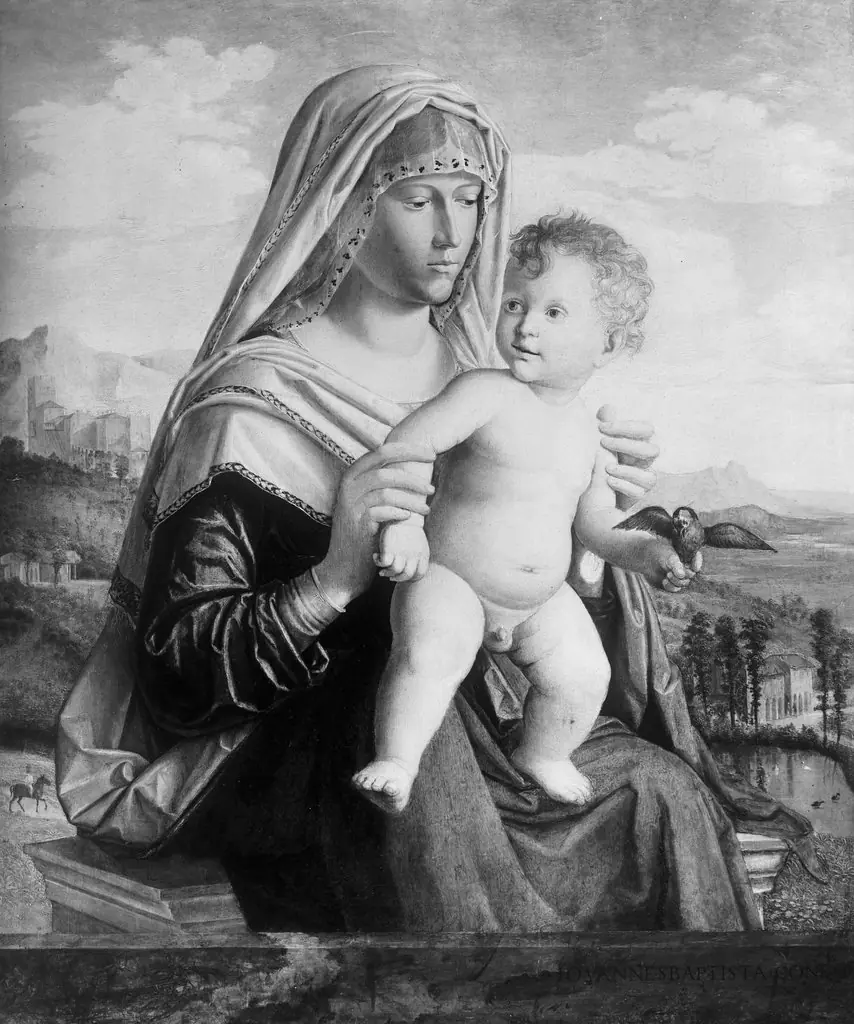
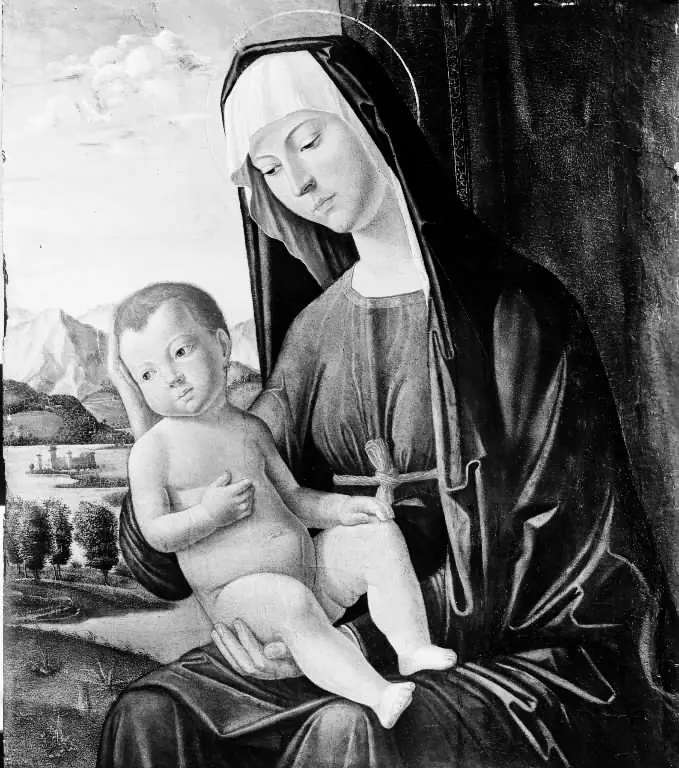
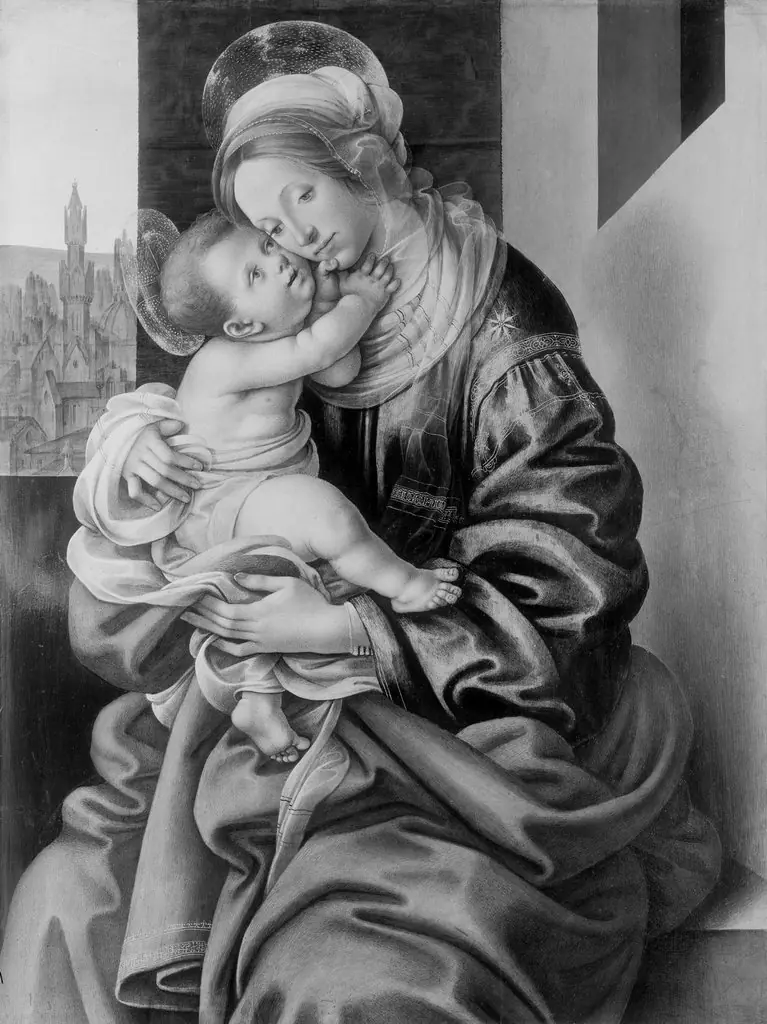
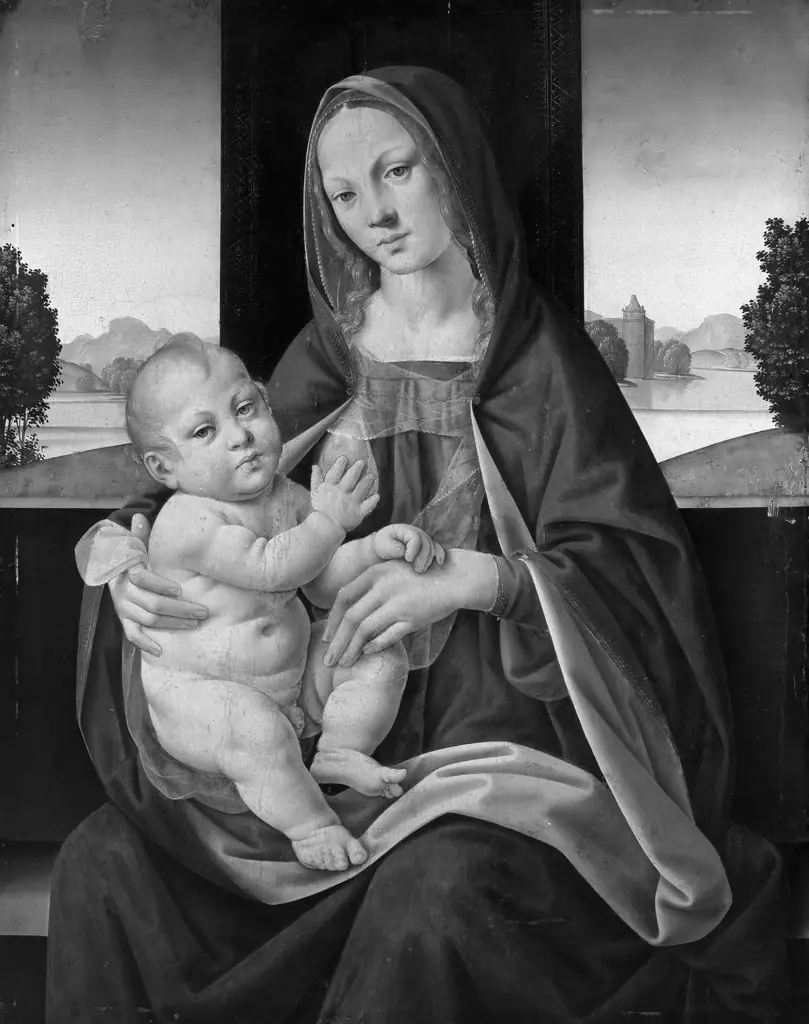
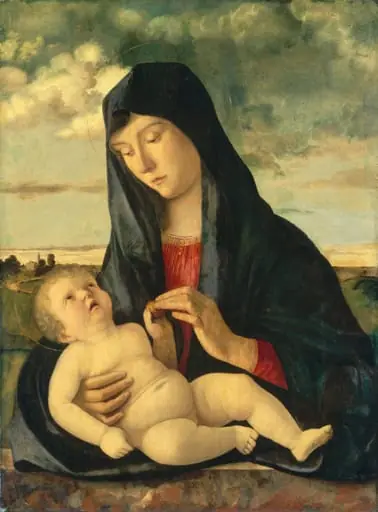
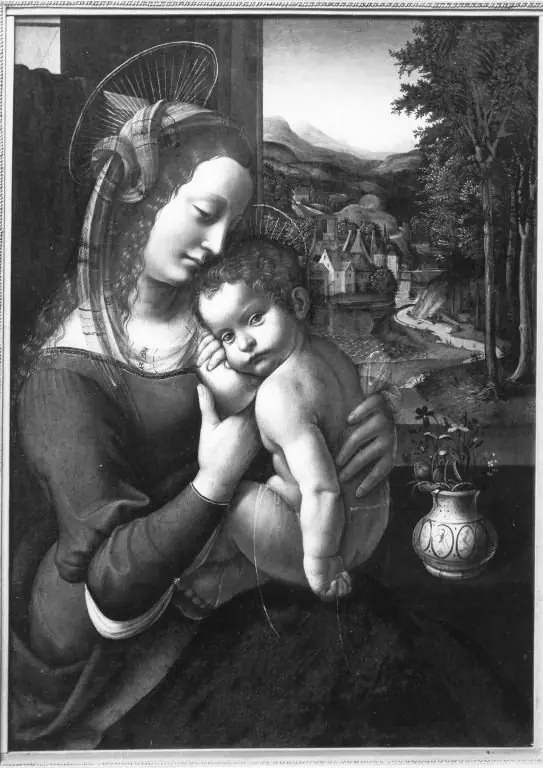
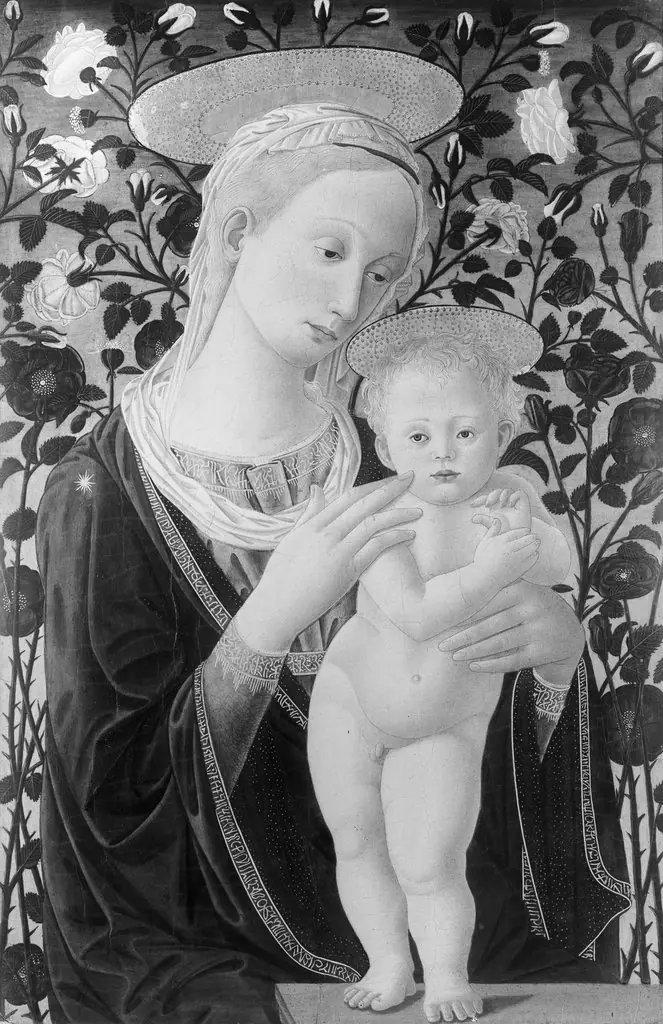
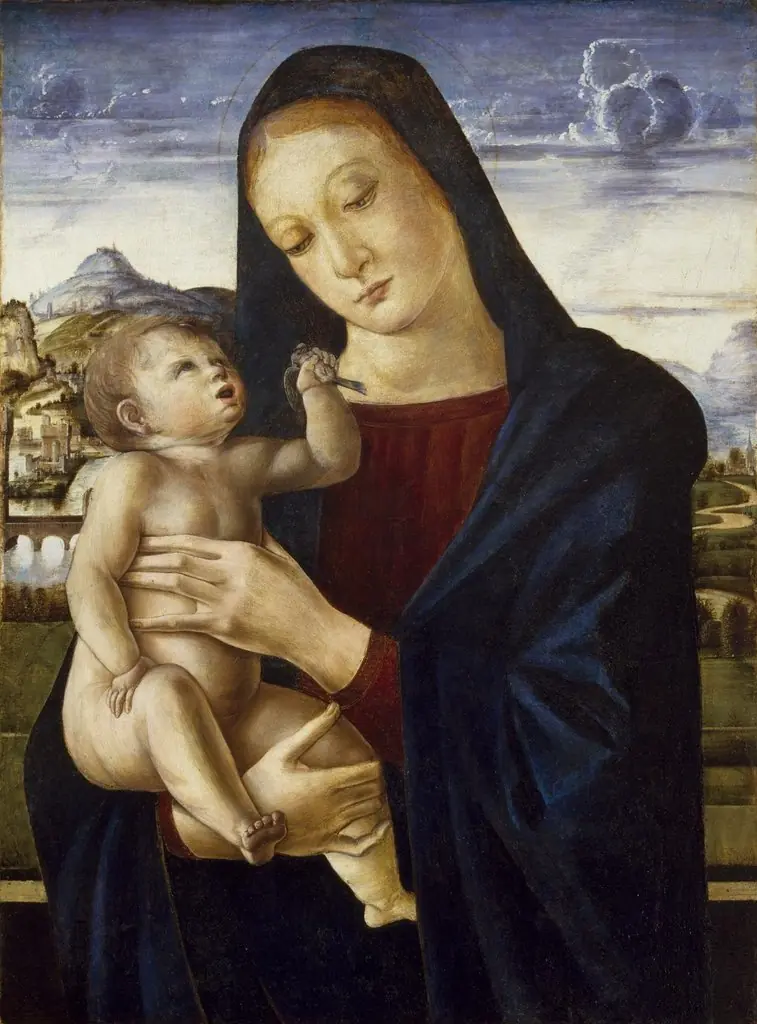
Virgin and Child is an unspecified painting by the Mannerist artist Unknown. It dates from 1550 and is held in the collection of the Art Institute of Chicago. The work depicts a veiled woman in a dark robe cradling a nude infant against her shoulder.
About this work
Subject & Meaning
The painting depicts the Madonna and Child, a devotional subject in which the Virgin Mary holds the Christ Child.
The painting depicts the Madonna and Child, a devotional subject in which the Virgin Mary holds the Christ Child. As a work of religious art, it belongs to a long devotional tradition in which the tender pairing of mother and son carries theological weight: Mary's role as the Mother of God and Christ's incarnation as the savior of humanity.
Produced in 1550 as a painting after Giovanni Bellini, the work continues the compositional and devotional conventions of the Venetian Renaissance, where intimate Madonna-and-Child images were intended for private contemplation and veneration. The religious genre signals that the painting's purpose was devotional rather than narrative or portrait-based.
The subject's enduring appeal lay in its capacity to make the divine accessible, presenting the sacred mystery of the Incarnation through the human bond between mother and child.
History & Provenance
The painting titled Virgin and Child, created in 1550, is held in the collection of the Art Institute of Chicago. The work is classified as a religious painting depicting the Madonna and Child and is described as being after Giovanni Bellini. Specific inventory or accession numbers are not provided in the available records. No exhibition history is documented in the provided sources.
Overview
The work depicts a veiled woman in a dark robe cradling a nude infant against her shoulder. She gazes downward with a composed expression, while the child clings to her arm, one hand resting on her shoulder. A muted landscape with distant hills recedes behind them, set against a deep, shadowed background.
Technique & Style
The painting employs strong chiaroscuro, with the woman's face illuminated against surrounding darkness, creating a sharp contrast that highlights her features. The subdued palette and soft modeling of flesh enhance the intimate atmosphere, while the faint landscape recedes into shadow, reinforcing the focus on the central figures.
Context
The composition follows a long tradition of Virgin and Child imagery in Western art, where the use of dramatic lighting and simplified backgrounds became common in the late medieval and early Renaissance periods, aiming to draw viewers' attention to the spiritual relationship depicted.
Artist & collection