Artwork
A Female Allegorical Figure
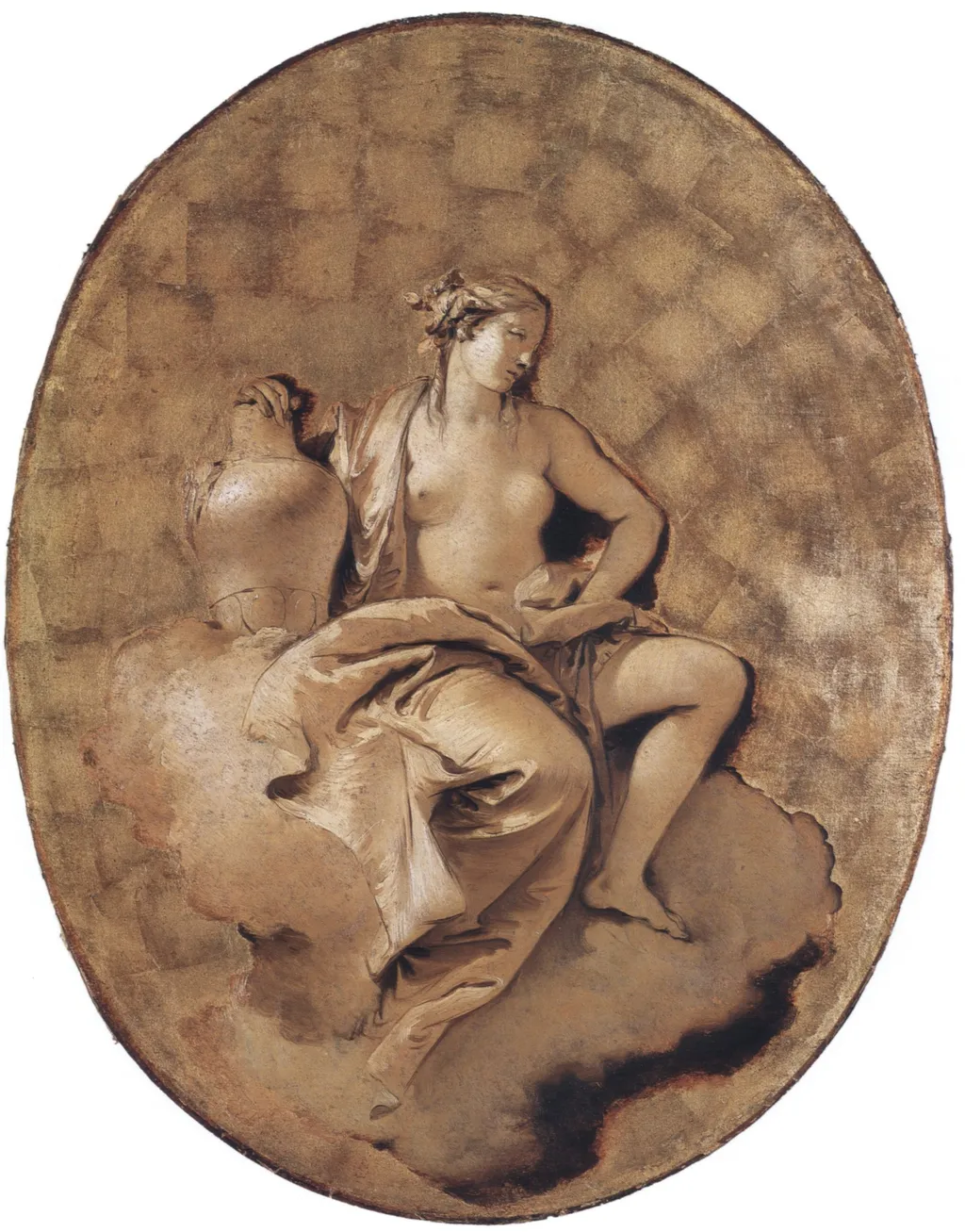
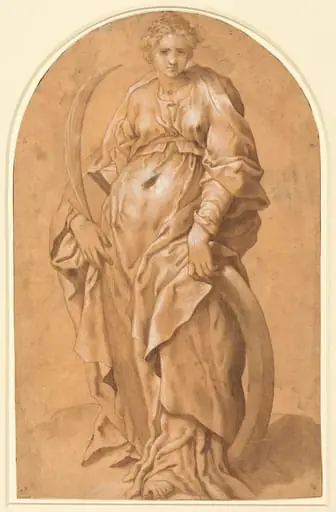
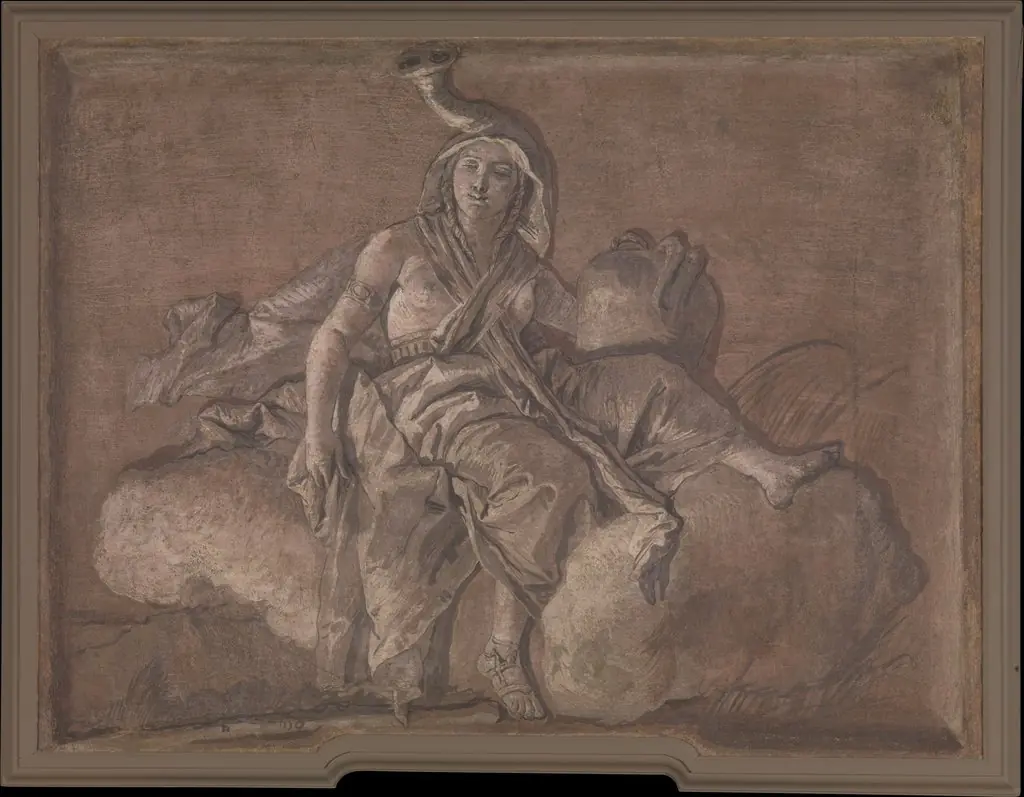
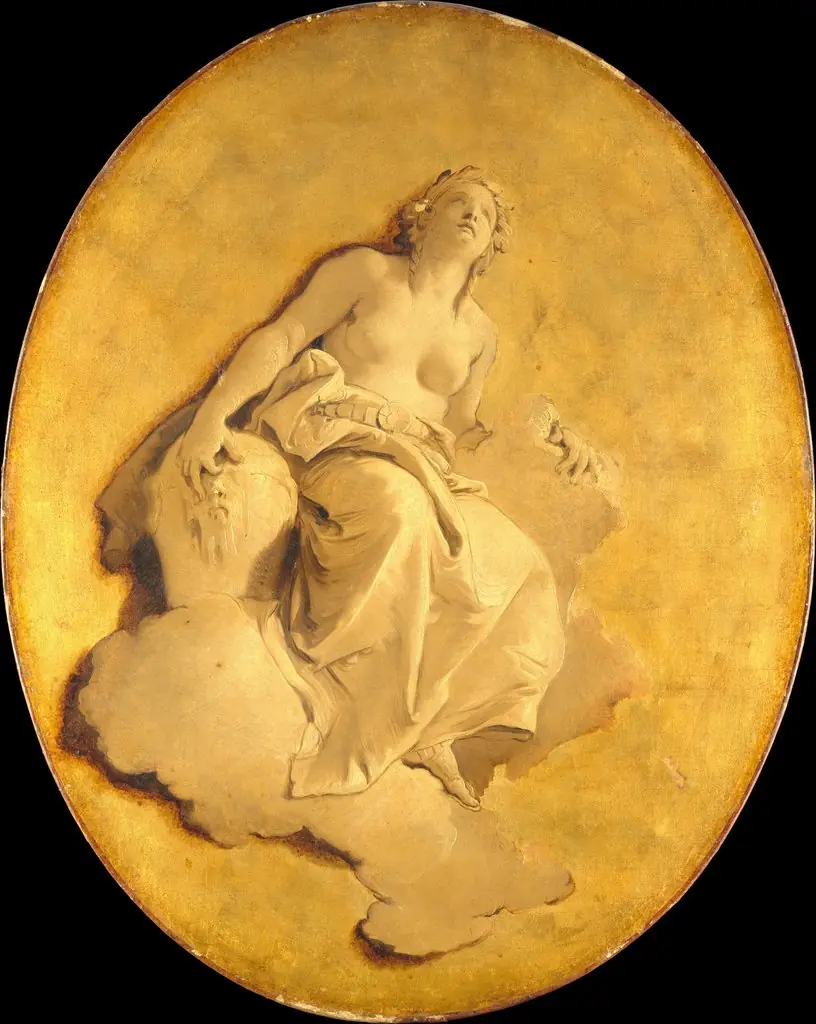
A Female Allegorical Figure is an oil painting by the Rococo painting artist Giovanni Battista Tiepolo. It dates from 1740 and is held in the collection of the Metropolitan Museum of Art.
About this work
Subject & Meaning
A Female Allegorical Figure by Giovanni Battista Tiepolo is classified as an allegorical painting, a genre in which a female figure serves as a personification embodying an abstract idea or virtue rather than portraying a specific individual. The work depicts a nude woman, a conventional visual strategy in allegorical art where the unclothed body signals idealization and timelessness rather than physical likeness, allowing the figure to function as a symbolic stand-in for a concept. Painted in oil on canvas in 1740, the composition belongs to the Rococo movement, a style that frequently favored graceful, sensuous female personifications drawn from classical, mythological, or moralizing traditions.
In this context, the female figure likely represents an allegorical personification whose precise meaning would have been communicated through attributes, gestures, or accompanying emblems, inviting viewers to interpret her as an embodiment of a particular quality or idea rather than read her as a portrait.
Technique & Style
Tiepolo applies thin, luminous layers of oil paint to achieve a delicate surface sheen, while the canvas is primed and stretched to a size of roughly 81.
The work is executed in oil on canvas, a standard support for 18th‑century Venetian painting. Tiepolo applies thin, luminous layers of oil paint to achieve a delicate surface sheen, while the canvas is primed and stretched to a size of roughly 81.3 cm by 63.2 cm, as recorded in the museum’s catalogue. The handling of the brushwork produces soft transitions and a sensual modeling of the nude allegorical figure, characteristic of Rococo elegance.
The painting’s condition is stable, with the original varnish largely intact and no significant craquelure noted in the museum’s conservation file. Stylistically, the composition balances graceful drapery with a poised, idealized form, emphasizing chiaroscuro and a pastel palette that reinforces the allegorical narrative.
History & Provenance
Giovanni Battista Tiepolo created A Female Allegorical Figure in 1740. Executed in oil paint on canvas, the artwork belongs to the Rococo movement. Measuring 81.3 by 63.2 centimeters, the painting depicts a nude allegorical subject.
While the specifics of its original commission and early ownership chain are not documented in the provided sources, the work's inception is firmly dated to 1740. The painting eventually entered the collection of the Metropolitan Museum of Art, where it is currently housed.
Context
Giovanni Battista Tiepolo’s 1740 oil painting A Female Allegorical Figure exemplifies Rococo fascination with sensual allegory, combining dynamic composition with delicate chiaroscuro; its classification as an allegorical work is documented in both the artist’s catalogue entry and the Metropolitan Museum of Art’s collection record. The painting’s dimensions (81.3 × 63.2 cm) and material specifications align with contemporary Venetian workshop practices, situating it within Tiepolo’s broader exploration of mythological and allegorical subjects that prefigure his later decorative cycles. Scholarship emphasizes its role in illustrating the transitional phase between Baroque dynamism and Enlightenment rationalism, a context underscored by its provenance in a major institutional collection.
Overview
Giovanni Battista Tiepolo's A Female Allegorical Figure, painted in oil around 1740, presents a singular female form. This painting, now part of The Metropolitan Museum of Art's collection, exemplifies the Rococo movement through its subject and aesthetic. The work invites contemplation of its symbolic meaning, characteristic of allegorical representations prevalent in the 18th century.
Own this work as a print
Artist & collection

Artist
Giovanni Battista Tiepolo, also known as Giambattista Tiepolo, was an Italian painter and printmaker from the Republic of Venice who painted in the Rococo style, considered an important member of the 18th-century Venetian school.