Artwork
The Adoration of the Magi
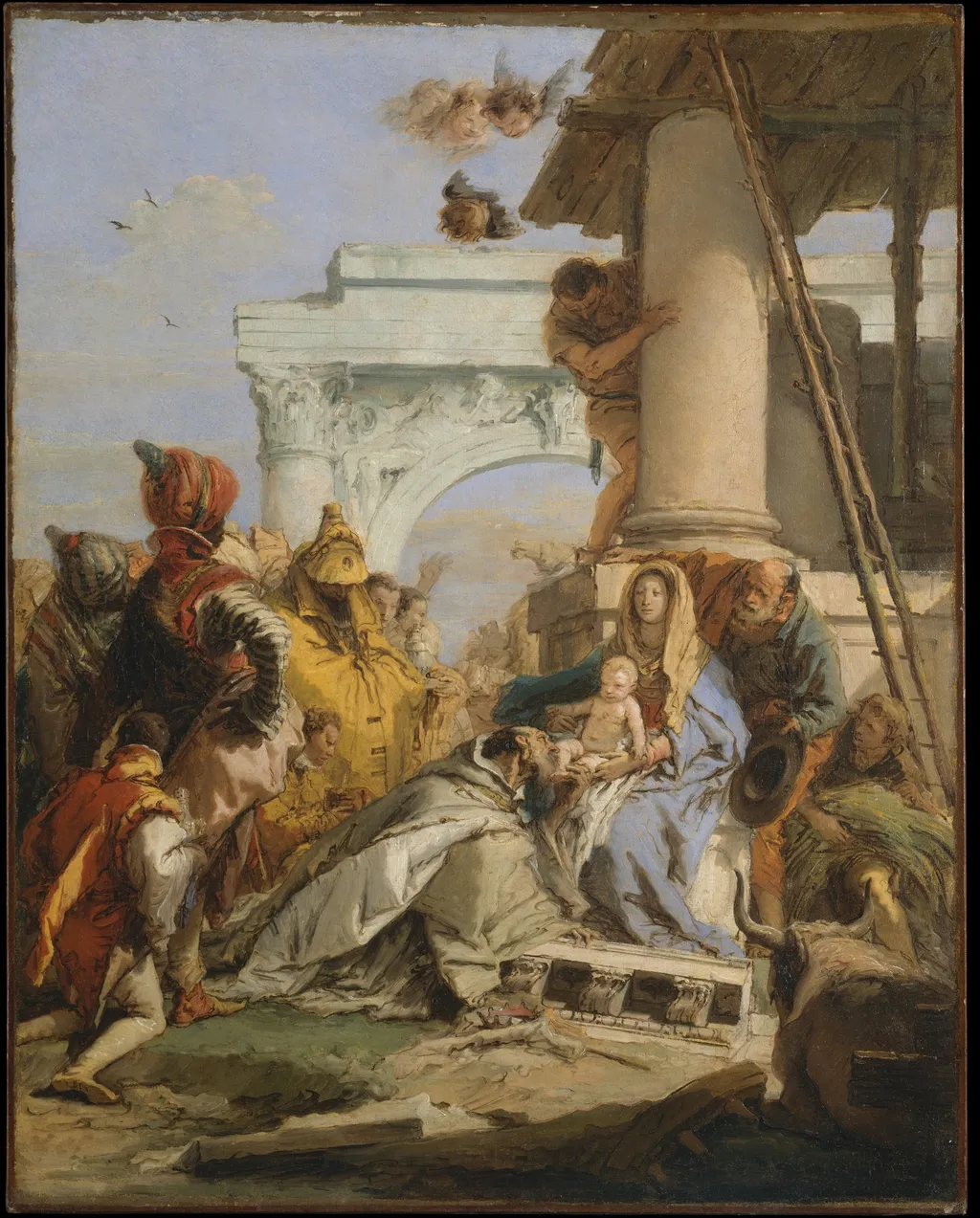
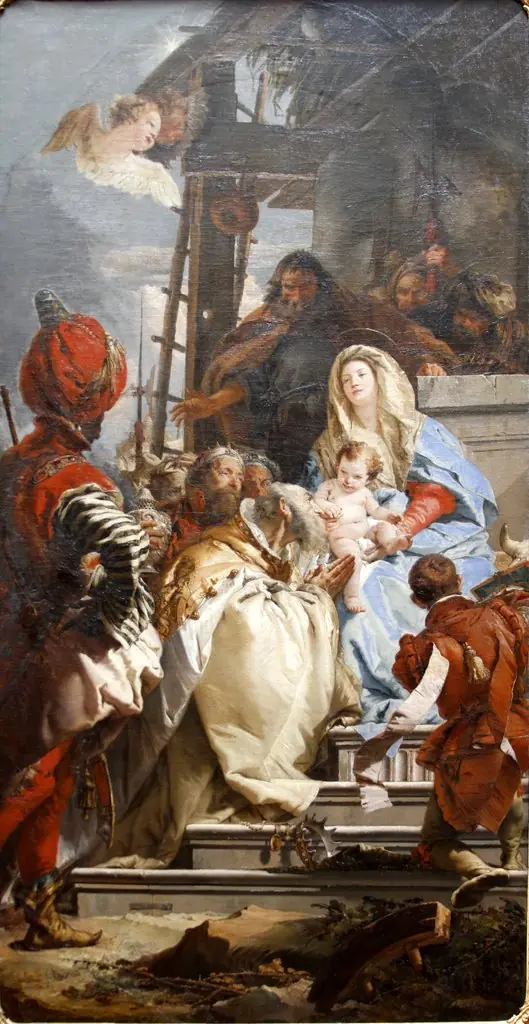
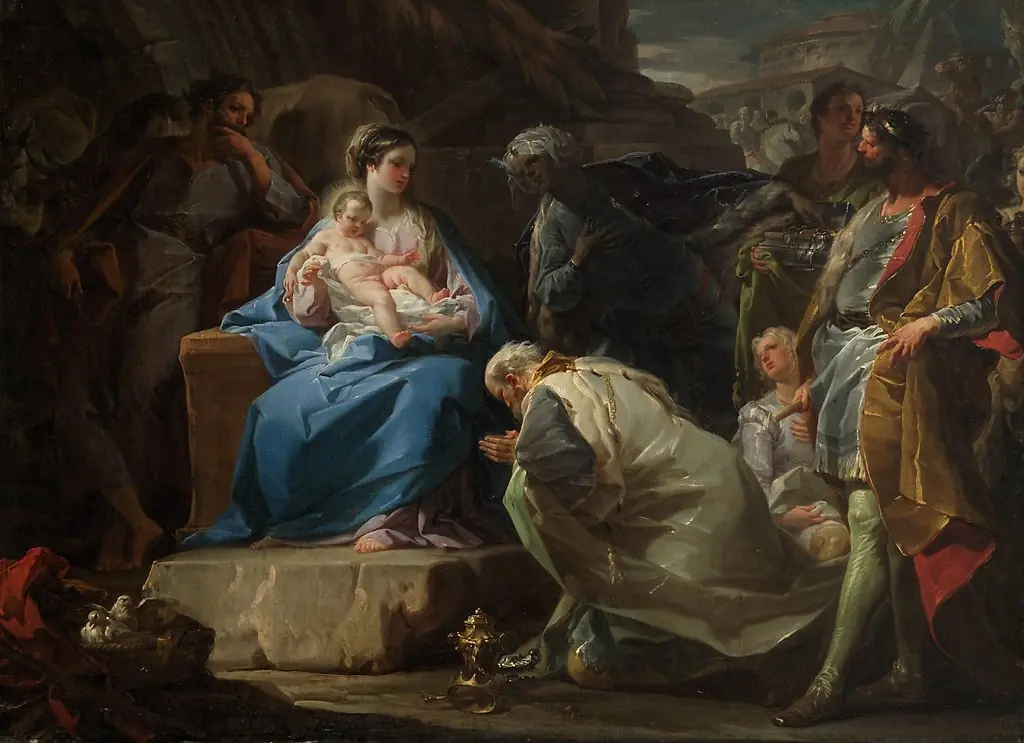
The Adoration of the Magi is an oil painting by the Rococo painting artist Giovanni Battista Tiepolo. It dates from 1758 and is held in the collection of the Metropolitan Museum of Art.
About this work
Subject & Meaning
The painting depicts the Adoration of the Magi, a religious subject in which the three Magi pay homage to the Christ Child.
The painting depicts the Adoration of the Magi, a religious subject in which the three Magi pay homage to the Christ Child. According to the Wikidata record, the Christ Child is explicitly identified among the figures shown.
As a religious work by Giovanni Battista Tiepolo, the canvas engages with the traditional iconography of the Nativity and Epiphany: the Magi's journey to present gifts to the newborn Christ is a central episode of Christian devotion, symbolizing the recognition of Christ's divinity by the wider Gentile world. The subject's religious character, combined with Tiepolo's Rococo movement context, frames the work as a devotional image rooted in this long-standing iconographic tradition.
Technique & Style
The Adoration of the Magi is an oil painting on canvas created in 1758 by Giovanni Battista Tiepolo. Executed in the Rococo style, the work measures 60.3 cm in height and 47.6 cm in width, as recorded in the Metropolitan Museum of Art's catalogue. The painting depicts the biblical scene of the Magi adoring the infant Christ, rendered with the luminous palette and dynamic composition typical of Tiepolo's decorative approach.
Its formal qualities reflect the Rococo emphasis on graceful movement and ornamental detail, while the support and medium align with the artist's customary practice of using canvas primed for oil application.
History & Provenance
The Adoration of the Magi is a 1758 oil on canvas painting by Giovanni Battista Tiepolo, portraying the biblical scene of the Magi’s adoration of the infant Christ. The work measures 60.3 cm in height and 47.6 cm in width, reflecting the modest scale typical of devotional images of the period. It entered the collection of the Metropolitan Museum of Art, where it remains on public view, establishing its modern ownership chain from the artist to the museum.
Giovanni Battista Tiepolo's oil painting, The Adoration of the Magi, is held in the collection of the Metropolitan Museum of Art. Created in 1758, the work measures 60.3 cm in height and 47.6 cm in width. While the painting is part of the museum's permanent holdings, the provided sources do not list a specific inventory or accession number for this piece. Additionally, no exhibition history is recorded in the available documentation.
Context
The Adoration of the Magi is a 1758 oil on canvas painting by Giovanni Battista Tiepolo. Executed in the Rococo style, it belongs to the religious genre and was created for a devotional context. The composition depicts the Christ Child adored by the Magi, reflecting Tiepolo’s interest in luminous color and dynamic movement characteristic of mid‑18th‑century religious art.
The work is part of the collection of the Metropolitan Museum of Art, where it remains on view. As a mature example of Tiepolo’s religious output, it illustrates the synthesis of theatricality and spiritual narrative that defines his contribution to the period.
Overview
Giovanni Battista Tiepolo's oil painting, The Adoration of the Magi, completed in 1758, depicts a central moment from Christian scripture. This large-scale work is characteristic of the Rococo movement, known for its dynamic compositions and vibrant palette. The artwork is currently housed in the collection of The Metropolitan Museum of Art, where it represents a significant example of 18th-century Venetian painting.
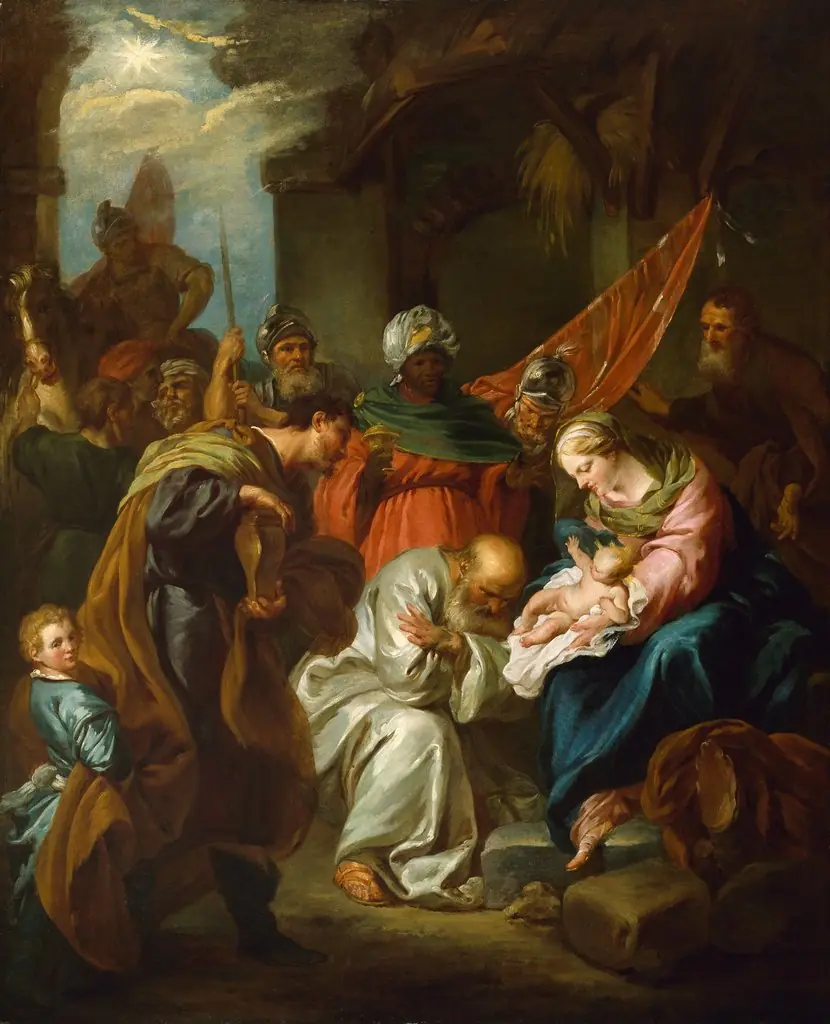
Own this work as a print
Artist & collection

Artist
Giovanni Battista Tiepolo, also known as Giambattista Tiepolo, was an Italian painter and printmaker from the Republic of Venice who painted in the Rococo style, considered an important member of the 18th-century Venetian school.

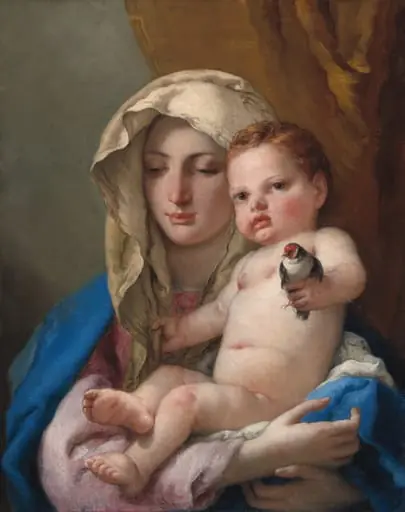
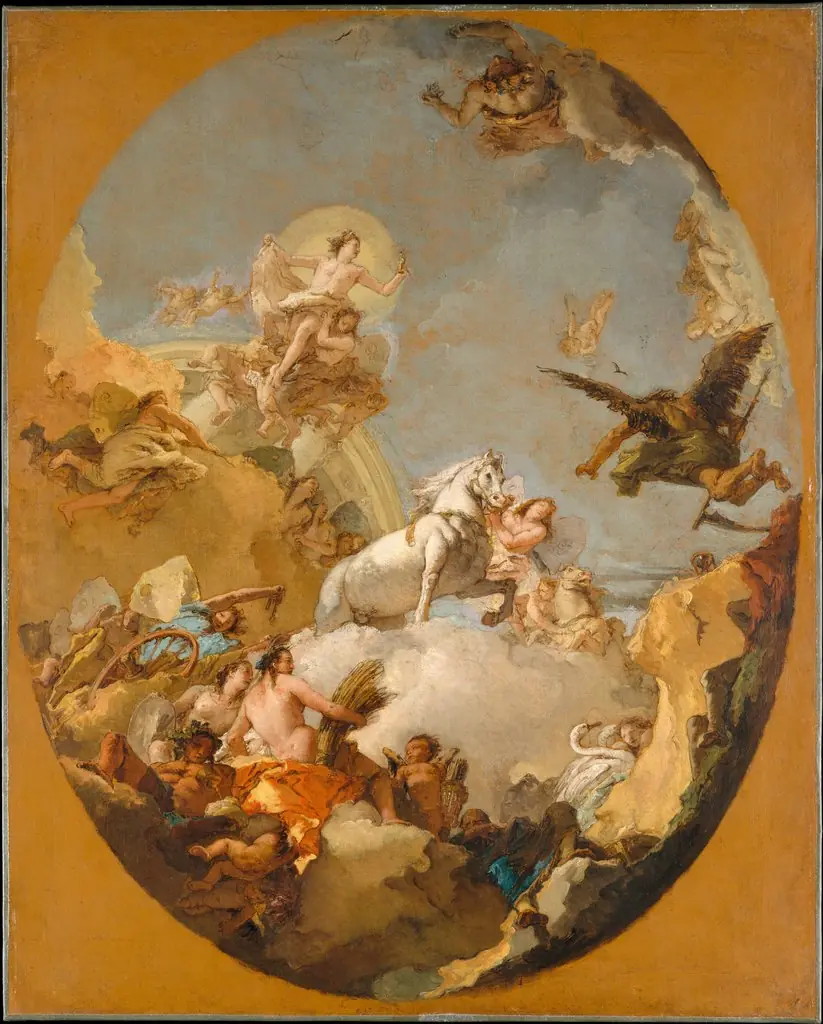
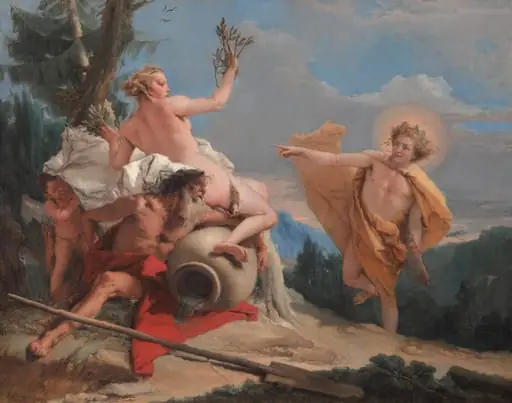
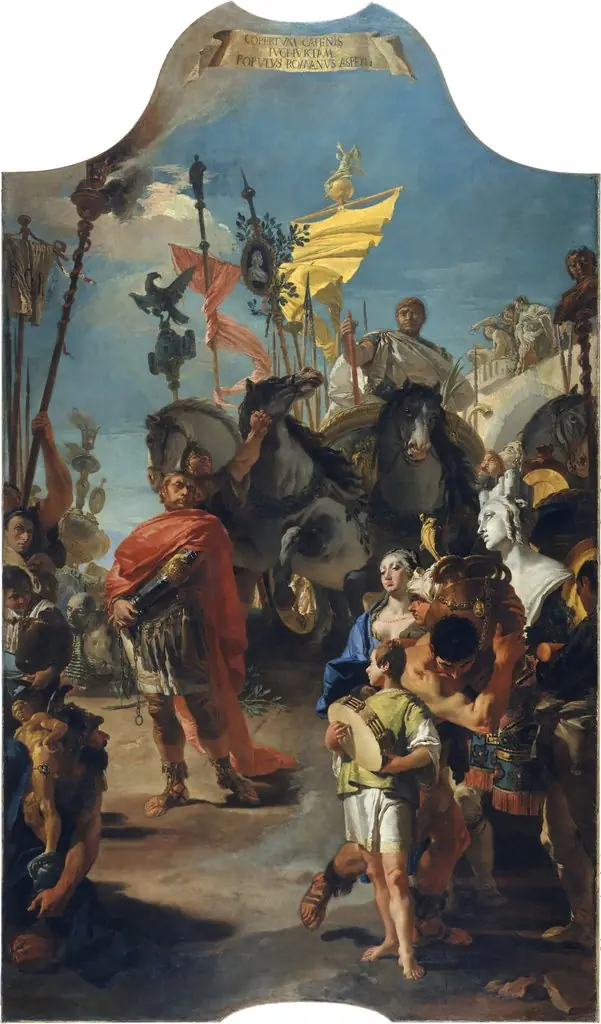
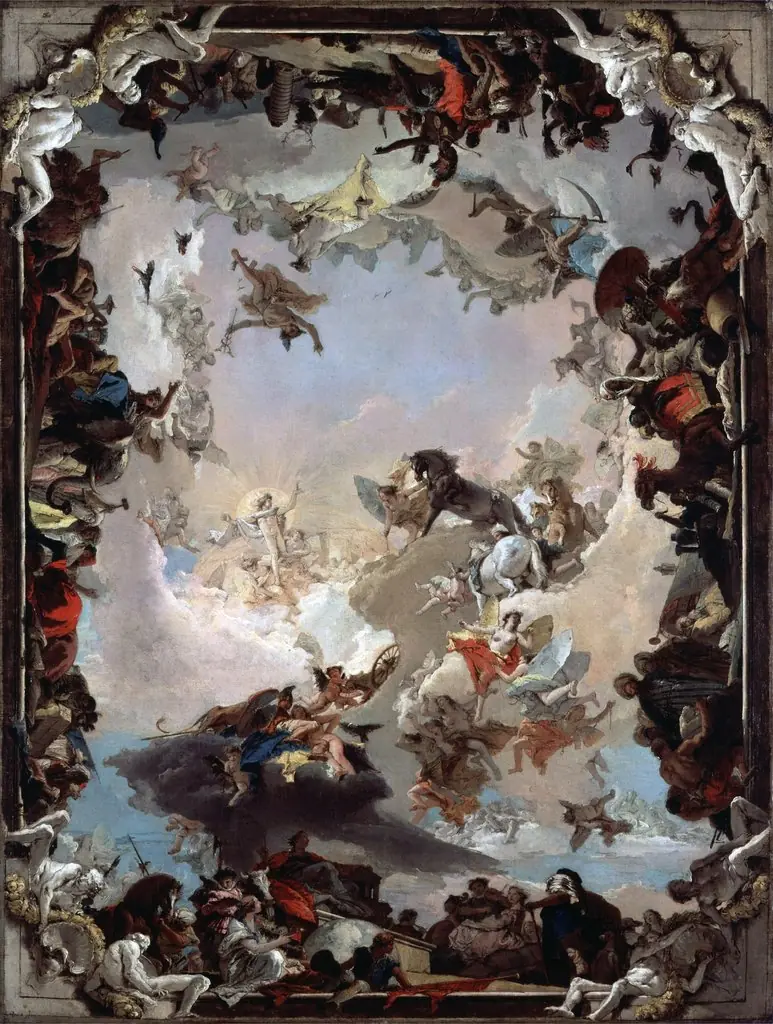
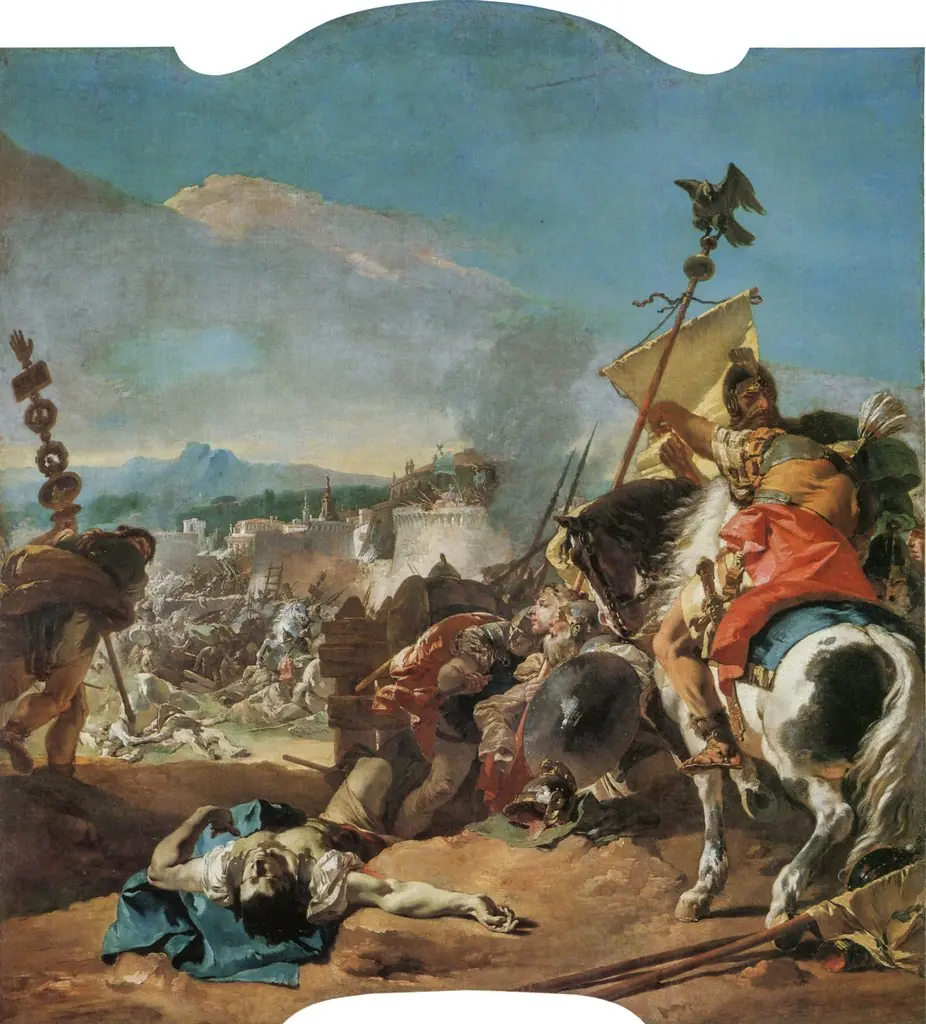
- The Adoration of the Magi
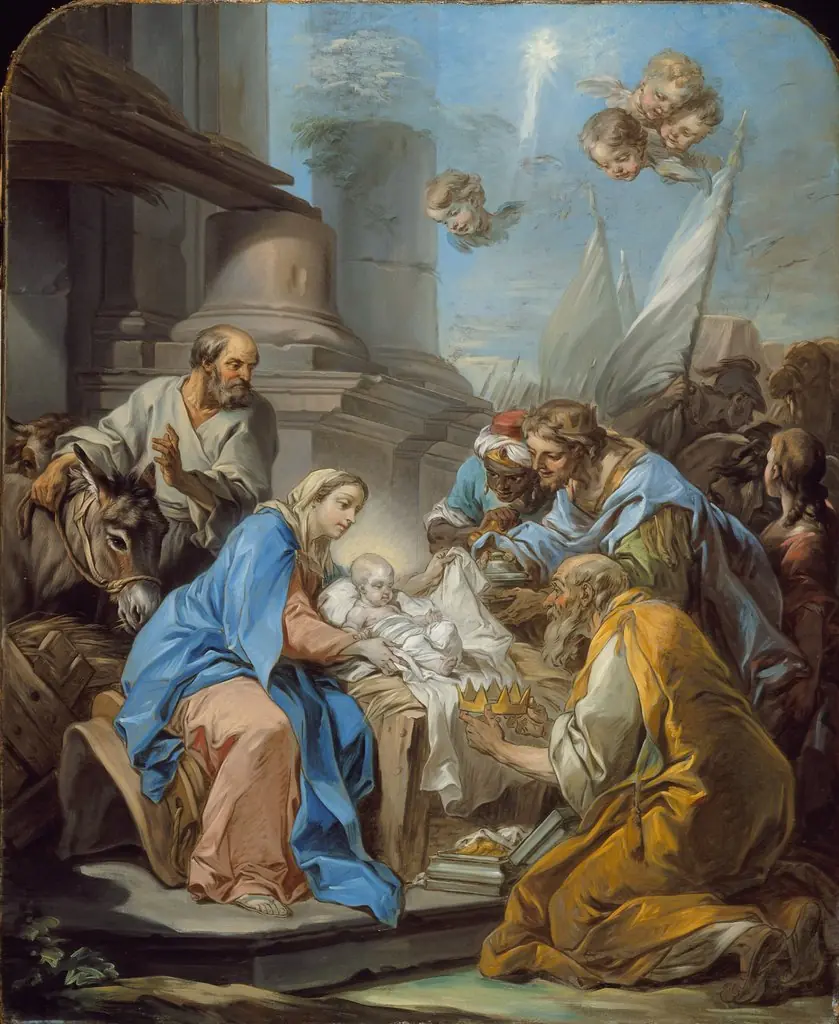 The Adoration of the Magi
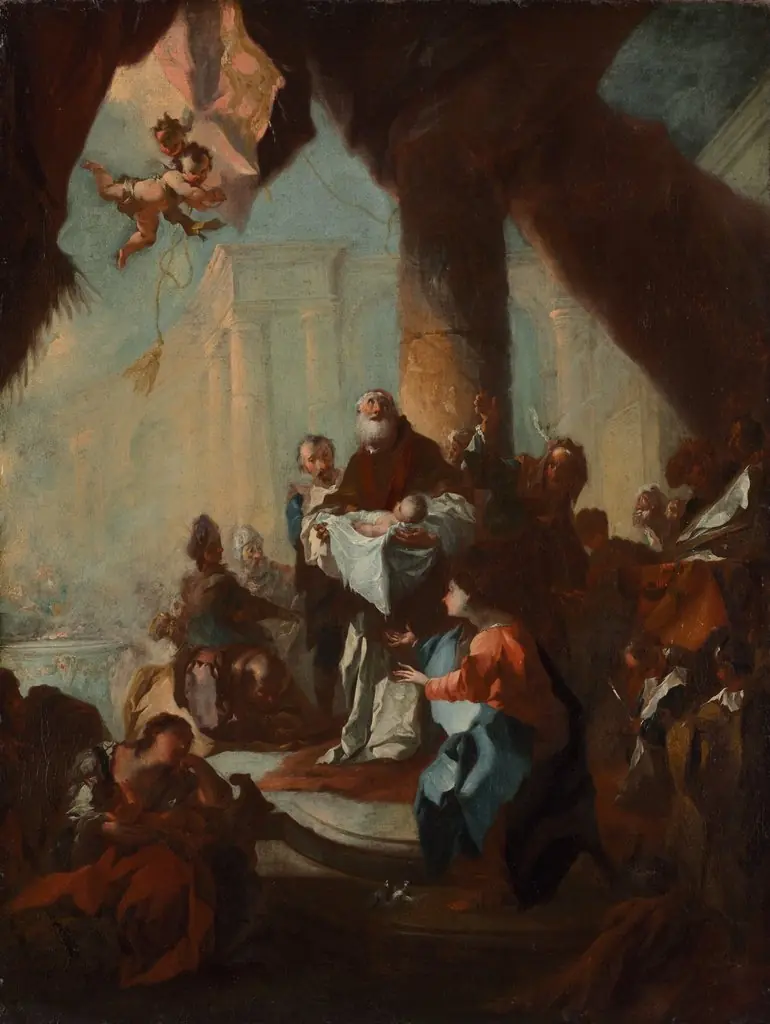 Study for "The Presentation of Christ in the Temple" (for Saint Ulrich, Vienna)
 Adoration of the Magi
 Adoration of the Magi
 Christ and the Woman Taken in Adultery
 Adoration of the Kings
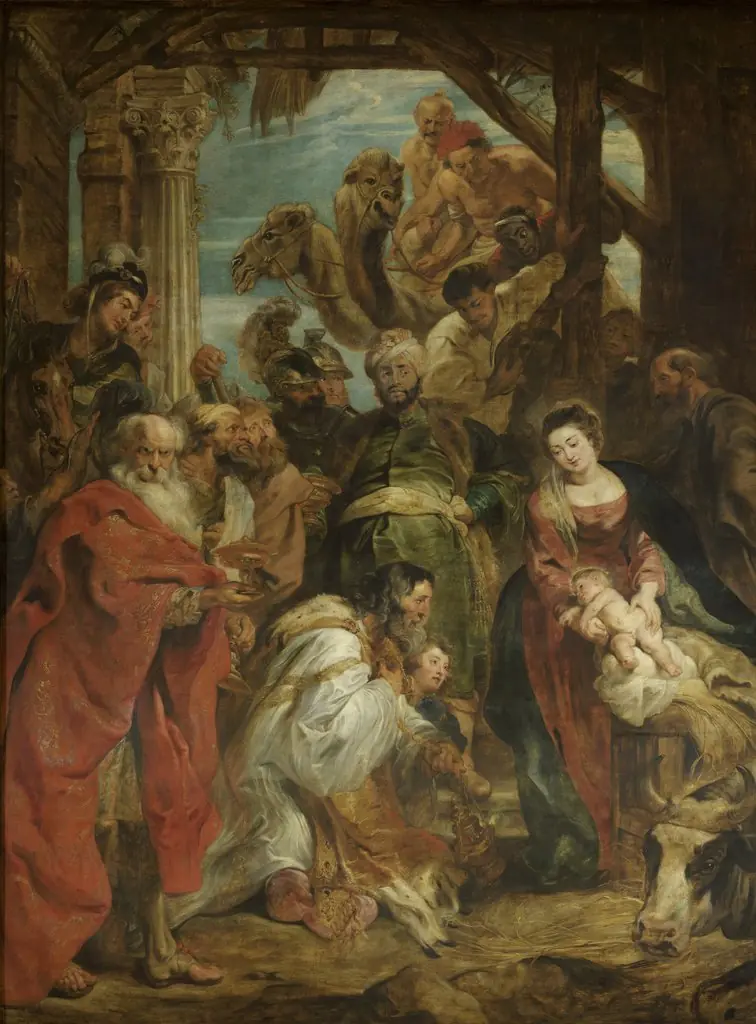 Adoration of the Magi
 Transfer of the Ark of the Covenant by David
 Christ among the Doctors
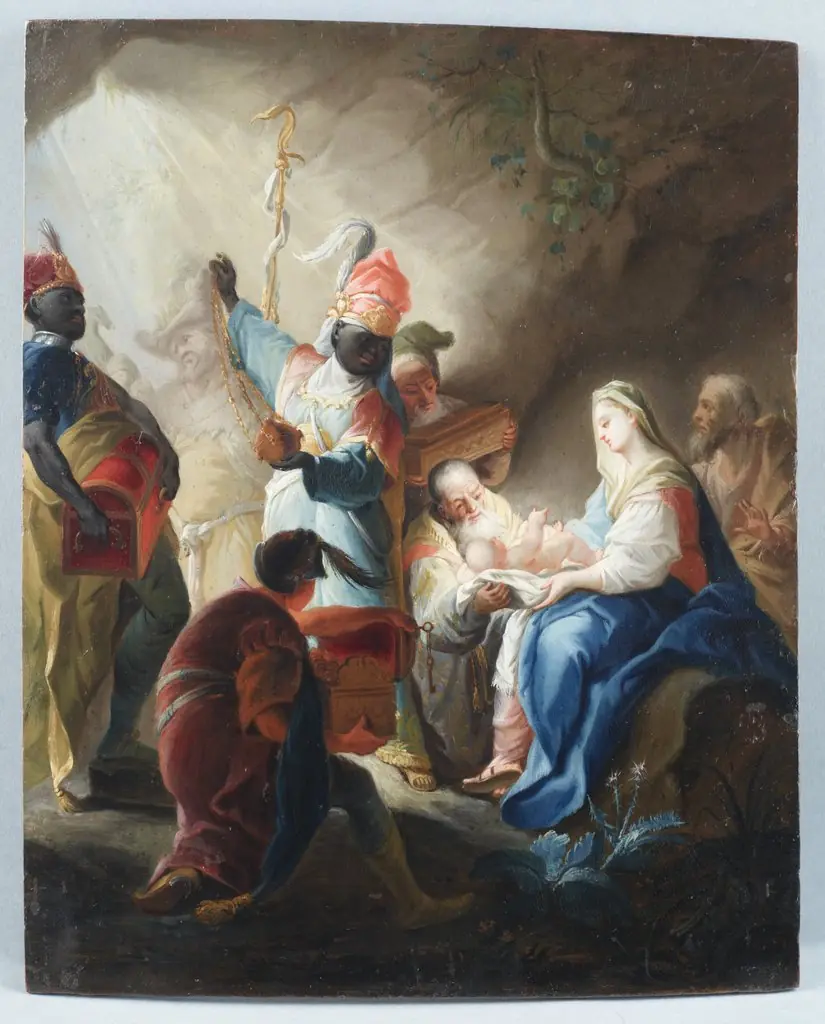 The Adoration of the Magi
 Adoration of the Magi