Artwork
Madonna of Humility (Madonna dell'Umiltà)
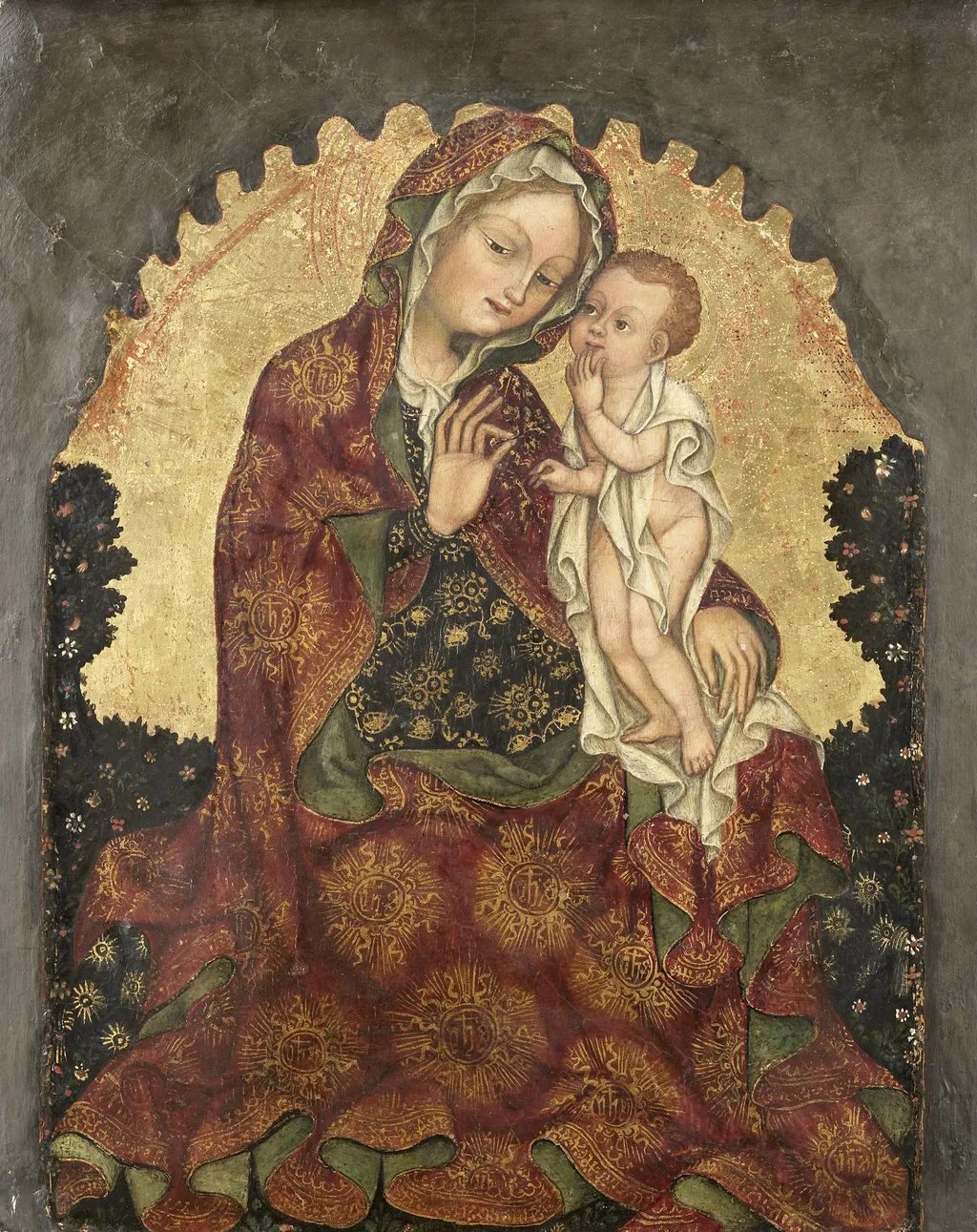
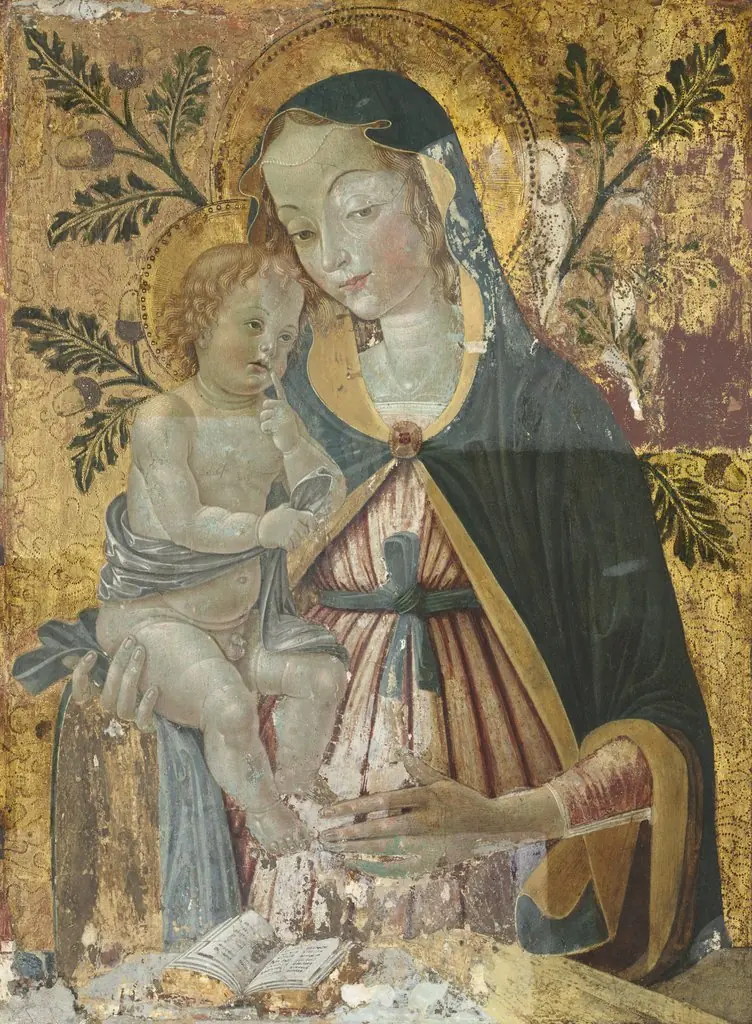
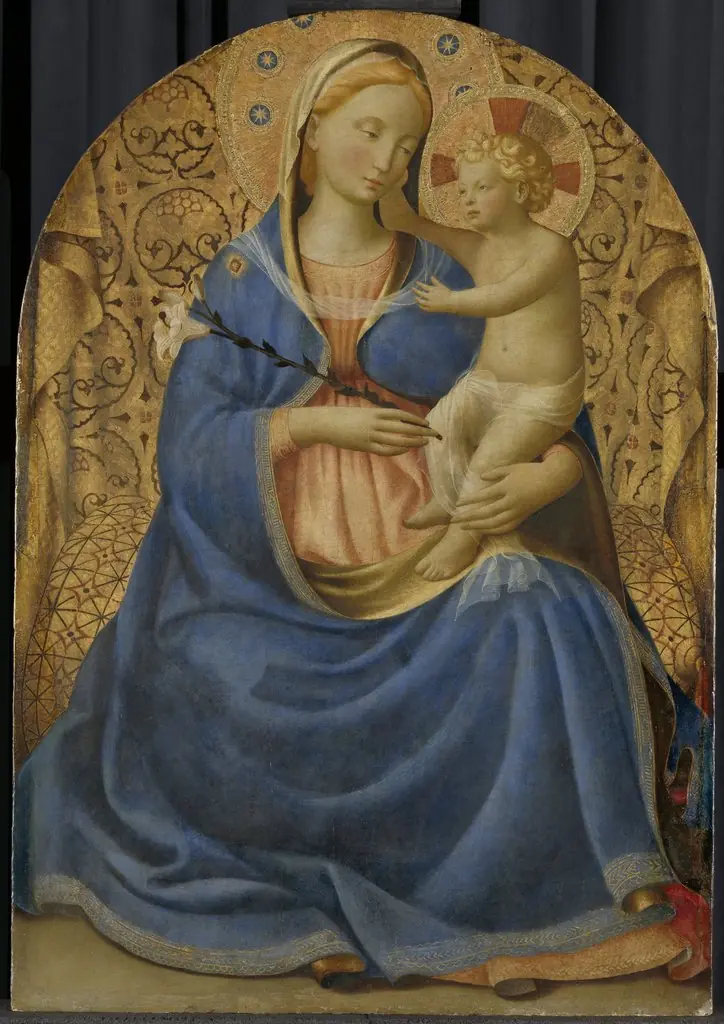
Madonna of Humility (Madonna dell'Umiltà) is a tempera painting by the High Renaissance artist Giovanni da Francia. It dates from 1450 and is held in the collection of the Rijksmuseum.
About this work
Subject & Meaning
This composition embodies the themes of humility and maternal tenderness within a sacred context, reflecting Renaissance ideals of devotional intimacy.
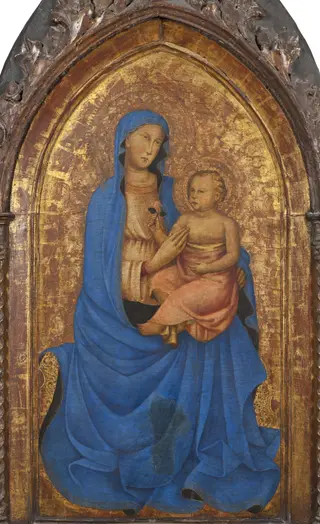
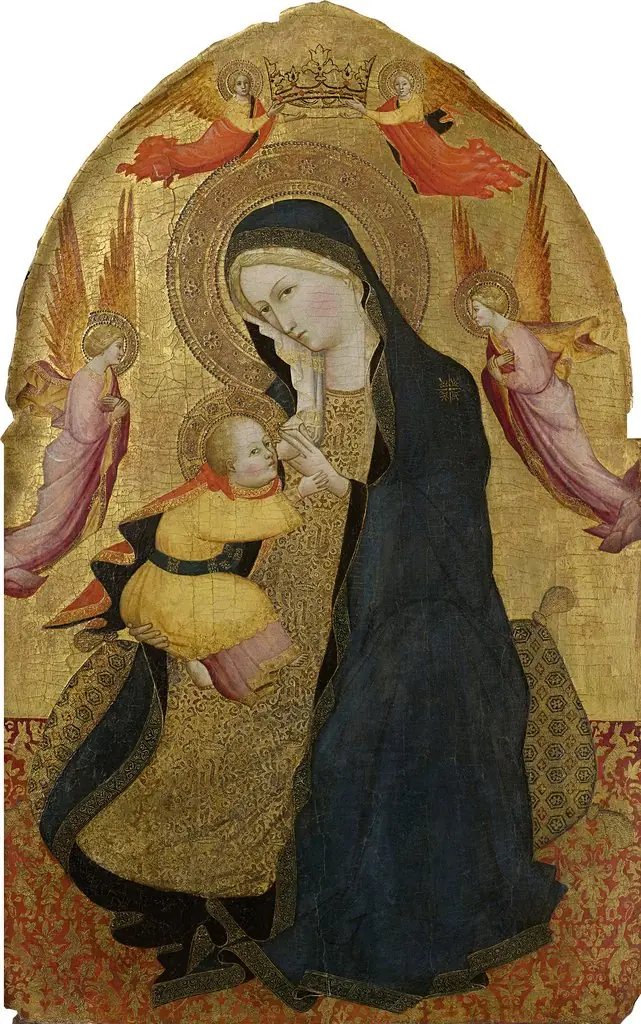
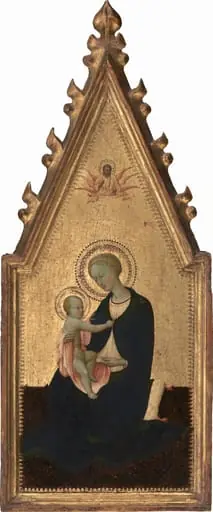
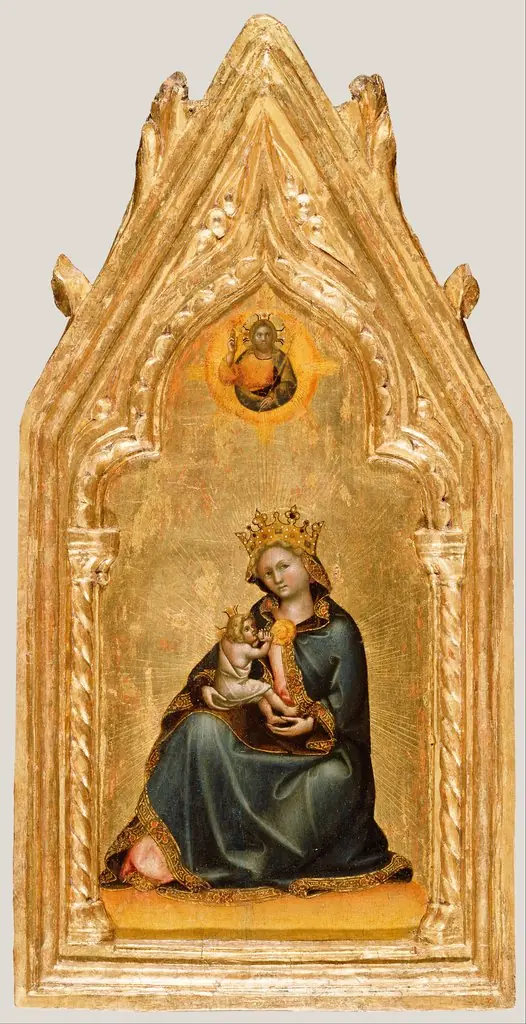
The painting portrays the Virgin Mary seated with the infant Christ Child on her lap, in the devotional formula of the Madonna of Humility. This composition embodies the themes of humility and maternal tenderness within a sacred context, reflecting Renaissance ideals of devotional intimacy. The iconography of the Madonna dell'Umiltà emphasizes Mary's approachability and the humanity of the divine, serving as a visual meditation on spiritual modesty and familial connection.
Technique & Style
The Madonna of Humility is executed in tempera on a wooden panel, a technique characteristic of mid-fifteenth-century Italian devotional painting. The support measures 53 cm in height by 42 cm in width, yielding a vertical format suited to private worship. The work belongs to the religious genre and is associated with the Renaissance, reflecting the stylistic conventions of that period in its handling of sacred subject matter.
Stylistically, the painting treats its main subject, the Madonna and Child, through the iconographic theme of the Madonna of Humility, a devotional formula popular in the Italian Quattrocento. The use of tempera on panel points to an object intended for close, intimate viewing, likely within a domestic or small ecclesiastical setting.
History & Provenance
The Madonna of Humility was created in 1450 by the artist Giovanni da Francia, executed in tempera on a panel measuring 53 cm in height and 42 cm in width. It depicts the Virgin Mary with the Christ Child, a subject central to Renaissance religious art, and is held in the collection of the Rijksmuseum. The available records do not detail the original commission or the chain of ownership between its creation and its arrival in the museum, and no specific accession number is provided.
Context
The Madonna of Humility, painted by Giovanni da Francia around 1450, exemplifies the devotional focus of early Renaissance religious art, depicting the Virgin Mary in humility with the Christ Child. Its dimensions (53 × 42 cm), tempera-on-panel technique, and iconography align with contemporary practices in sacred painting intended for private devotion. Held in the Rijksmuseum, the work can be studied within the broader development of Marian iconography in fifteenth-century Italian art.
Overview
Created around 1450, this tempera panel by Giovanni da Francia portrays the Virgin Mary seated on the earth, cradling the infant Jesus. The composition emphasizes a quiet intimacy, with the figures rendered in soft, muted tones that draw the viewer’s focus to their interaction. The work is part of the Rijksmuseum’s collection, representing a devotional image typical of mid‑15th‑century Italian painting.
Own this work as a print
Artist & collection
Artist