Artwork
Phaeton's Sisters Changed into Poplars, and Cygnus into a Swan
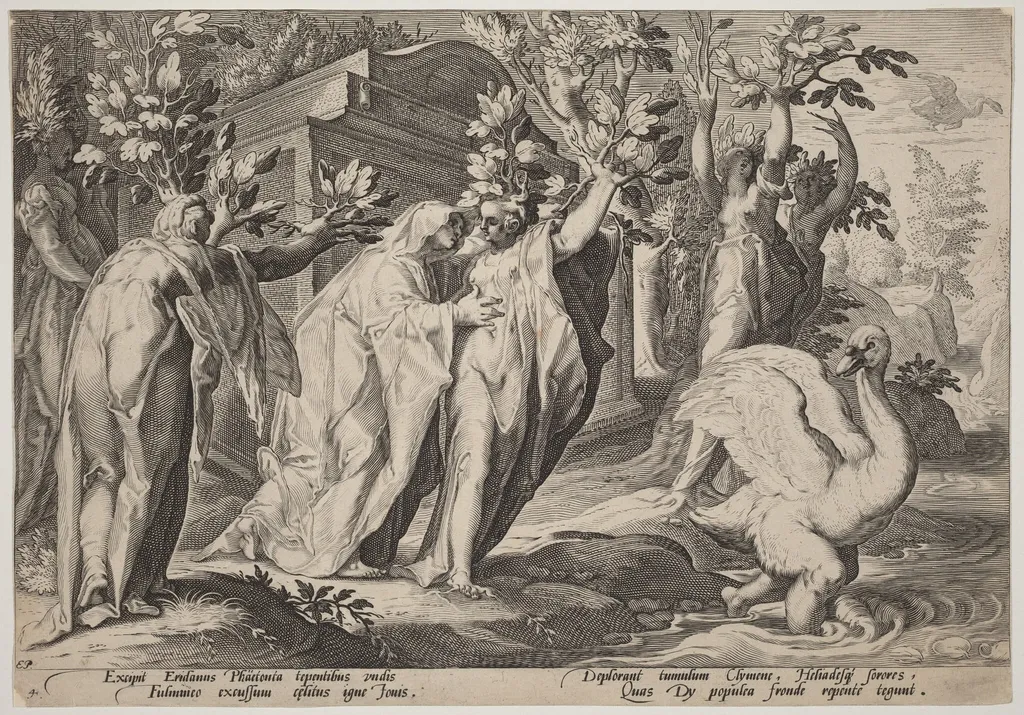
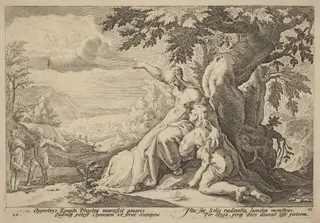
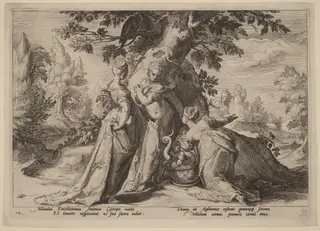
Phaeton's Sisters Changed into Poplars, and Cygnus into a Swan is an ink print by the Renaissance artist Hendrick Goltzius. It dates from 1589 and is held in the collection of the National Gallery of Art.
- Inscription
- Inscribed:in plate, across lower edge: Exipit / Eridanus Phaetonta tepentibus indis / Fulmineo excussum celitus igne Jovis / Deplorant tumulum Clymene, Heliadesq sorores. / Quas Dy poulea fronde repente tegunt.
About this work
Overview
Hendrick Goltzius, a German‑born artist who worked in the Netherlands, produced an engraving titled Phaeton’s Sisters Changed into Poplars, and Cygnus into a Swan in 1589. Executed on laid paper, the print belongs to the early Baroque or Northern Mannerist period and showcases Goltzius’s reputation for technical mastery and complex compositional design.
Subject & Meaning
The image illustrates a moment from classical mythology in which the sisters of Phaëton are transformed into poplar trees while the figure Cygnus becomes a swan. The three robed figures, two grieving women and a child, are placed amid a forested setting, emphasizing the theme of metamorphosis and loss.
Technique & Style
Goltzius rendered the scene with fine, precise lines that define the flowing drapery of the robes, the delicate plumage of the swan, and the intricate foliage of the trees. Careful cross‑hatching creates tonal depth, especially in the faces and the surrounding woodland, demonstrating the artist’s skill in translating intricate detail from metal plate to paper.
History & Provenance
Created in 1589, the print reflects Goltzius’s position as the pre‑eminent Dutch engraver of his generation. While the original plate’s whereabouts are not recorded, surviving impressions are held in several European print collections, attesting to the work’s circulation among collectors of the late 16th and early 17th centuries.
Context
The engraving belongs to a broader trend in Northern Mannerism that favored elaborate narrative scenes drawn from antiquity. Goltzius often combined classical subjects with a heightened ornamental style, aligning his work with contemporary tastes for learned, visually intricate prints.
Own this work as a print
Artist & collection
Artist
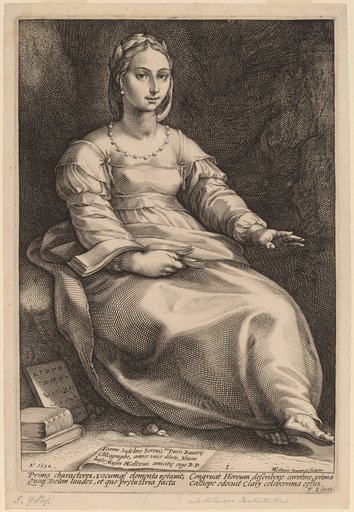
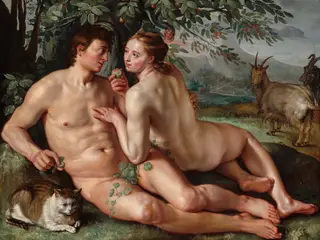
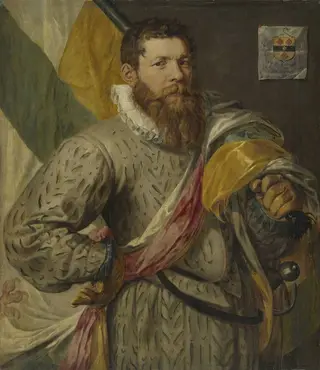
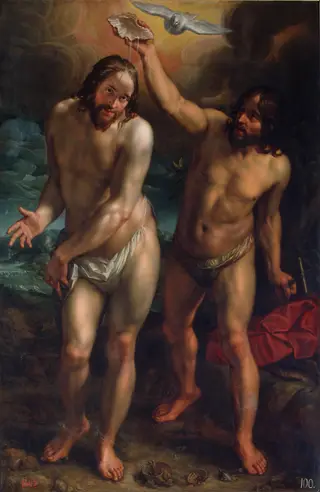
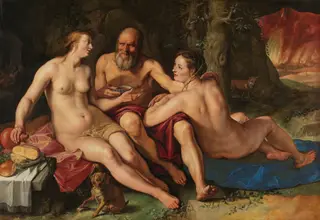
Hendrick Goltzius (German: , Dutch: ; né Goltz; January or February 1558 – 1 January 1617) was a German-born Dutch printmaker, draftsman, and painter.

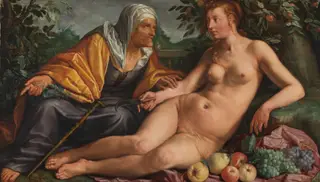
 Clymene Urging Phaeton to Find Helios
 Mercury and the Graces
 Perseus and Andromeda
 Mercury and the Three Graces
 The Daughters of Cecrops Open the Casket Entrusted to Them by Minerva
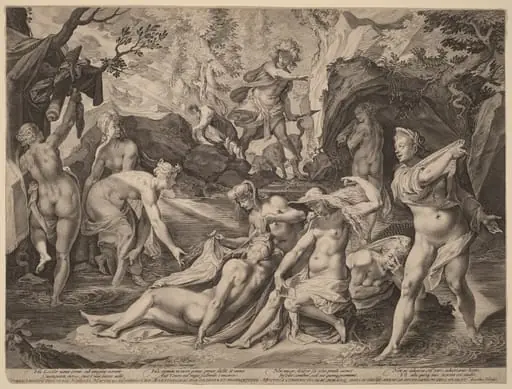 Diana Surprised by Actaeon
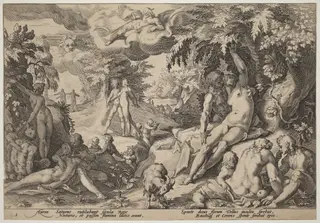 The Golden Age
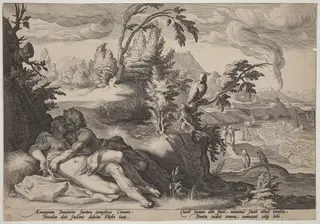 Apollo and Coronis
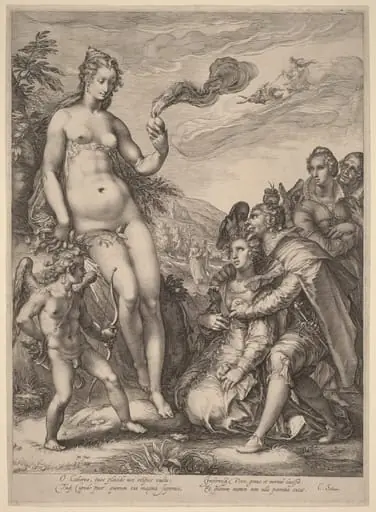 The Cult of Venus
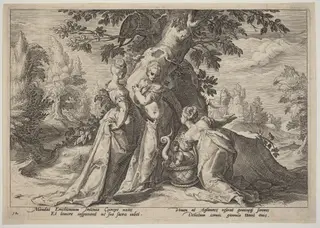 The Daughters of Cecrops Open the Casket Entrusted to Them by Minerva
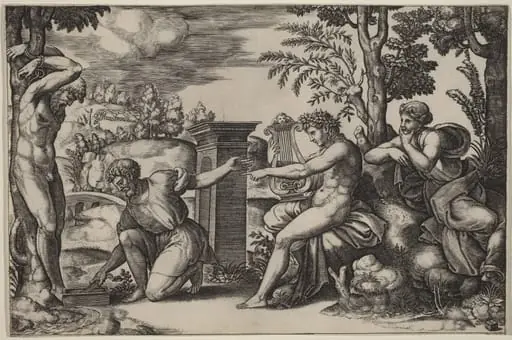 Apollo and Marsyas
- Envy Driven from the Temple of the Muses