Artwork
No se puede saber por que (One Can't Tell Why)
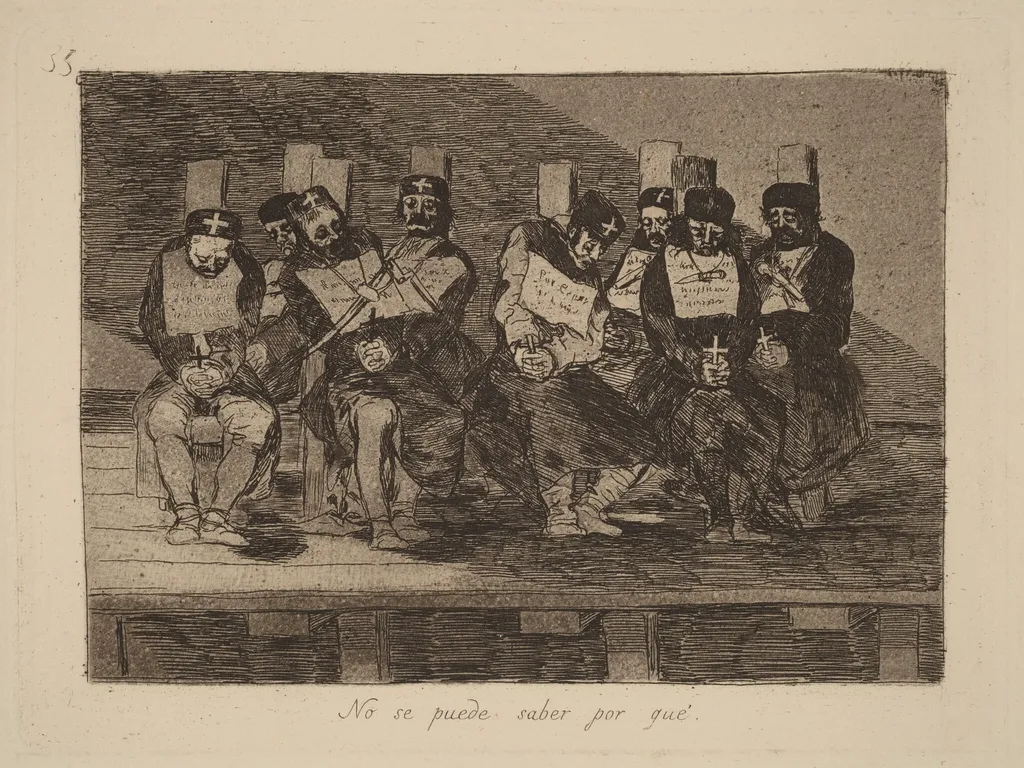
No se puede saber por que (One Can't Tell Why) is an ink print by the Romanticist artist Francisco de Goya. It dates from 1815 and is held in the collection of the National Gallery of Art.
About this work
Overview
No se puede saber por que (One Can't Tell Why) is an 1815 print by Francisco de Goya, executed in a combination of etching, burnished lavis, drypoint, and burin on wove paper. It represents a characteristic work from Goya's later period, marked by engagement with the social and political climate of early 19th-century Spain.
Subject & Meaning
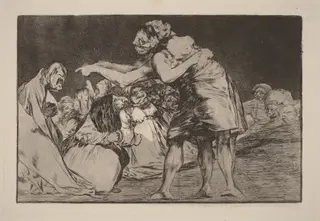
The print depicts a somber scene of robed men in a dimly lit, wood-paneled room, with some holding crosses or inscribed books, and one kneeling figure looking downward. Faces are obscured, contributing to an overall atmosphere of tension and mystery, underscored by the title's implication of inexplicable motives or actions.
Technique & Style
Goya's innovative application of multiple printmaking techniques achieves a sharp, textured visual language. The interplay of etching (acid-etched lines), burnished lavis (smooth, expressive areas), drypoint (scratchy, linear elements), and burin (fine, engraved details) enhances the expressive and interpretive depth of the composition.
History & Provenance
Created during a period of heightened social and political awareness in Goya's oeuvre, this print reflects his critique of institutional and human folly, themes prevalent in his later graphic works. As a seminal figure in Spanish art, Goya's influence on subsequent European art movements is well-documented, though specific provenance details for this work are not provided here.
Context
Set against the backdrop of early 19th-century Spain, the work taps into the era's tumultuous political and social landscape, characteristic of Goya's later period. The ambiguous, tense scene may allude to the artist's commentary on the clergy, inquisition, or societal hypocrisy, common targets of his critique.
Legacy
As part of Goya's later prints, No se puede saber por que contributes to the artist's lasting impact on European art, particularly in the development of expressive and socially conscious graphic art. Its themes and techniques have inspired numerous artists, solidifying Goya's position as a pivotal figure in the history of art.
Own this work as a print
Artist & collection
Artist
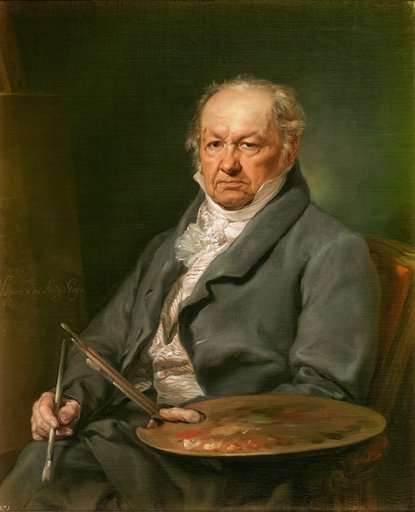
Francisco José de Goya y Lucientes was a Spanish romantic painter and printmaker.

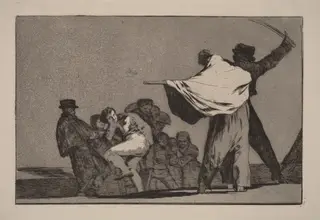 Disparate conocido (Well-Known Folly)
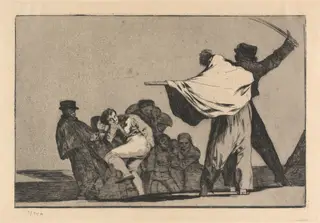 Disparate conocido (Well-Known Folly)
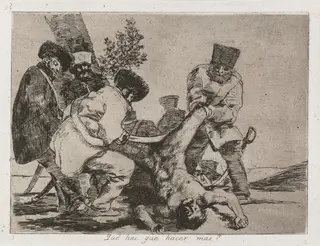 Disasters of War: Pl. 33, What more can one do?
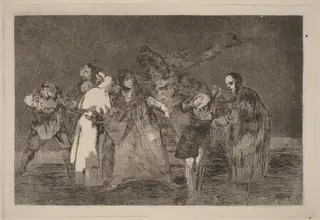 Sanan cuchilladas mas no malas palabras (Wounds Heal Quicker than Hasty Words)
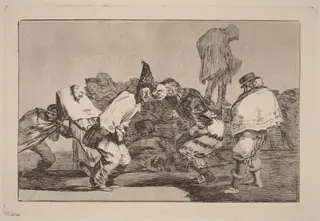 Disparate de Carnabal (Carnival Folly)
 Disparate desordenado (Disorderly Folly)
 The Proverbs: Carnival Folly