Artwork
David with the Head of Goliath
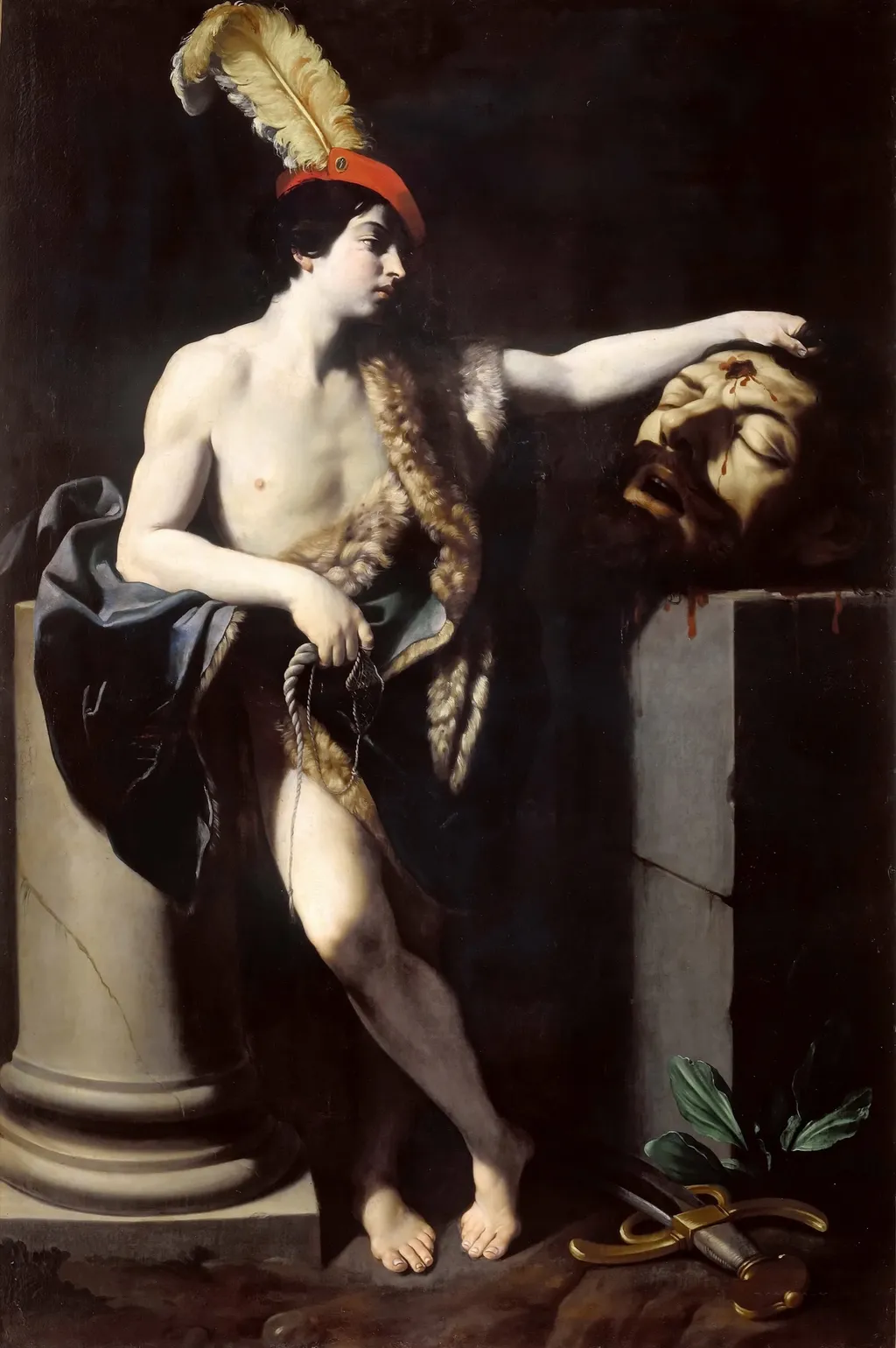
David with the Head of Goliath is an oil painting by the Baroque artist Guido Reni. It dates from 1605 and is held in the collection of the Uffizi Gallery.
About this work
Subject & Meaning
In this work, David stands victorious over the severed head of Goliath, a moment drawn from the biblical narrative that emphasizes divine favor toward the righteous and the triumph of faith over brute strength. The beheading underscores themes of justice and the removal of tyranny, while the presence of a column and the dramatic rendering of the head serve as symbolic attributes associated with martyrdom and the fragility of power. Guido Reni’s composition captures the tension between youthful heroism and the grim reality of violence, inviting viewers to contemplate the moral implications of conquest and the fleeting nature of earthly glory.
Technique & Style
David with the Head of Goliath is an oil painting executed on canvas, a support consistent with Guido Reni's standard practice for large-scale devotional works.
David with the Head of Goliath is an oil painting executed on canvas, a support consistent with Guido Reni's standard practice for large-scale devotional works. The painting measures 222 cm in height by 147 cm in width, an upright format that accommodates the standing figure of David and the column behind him. Stylistically, the work belongs to the Italian Baroque movement, and its religious subject is rendered with the classical idealization characteristic of Reni's early Bolognese manner. The canvas is held in the Uffizi Gallery collection.
Overview
David with the Head of Goliath is an oil painting by Guido Reni, created in 1605. It is a representation of a biblical scene, held at the Uffizi Gallery.
Own this work as a print
Artist & collection

Artist
Guido Reni was an Italian Baroque painter, although his works showed a classical manner, similar to Simon Vouet, Nicolas Poussin, and Philippe de Champaigne.

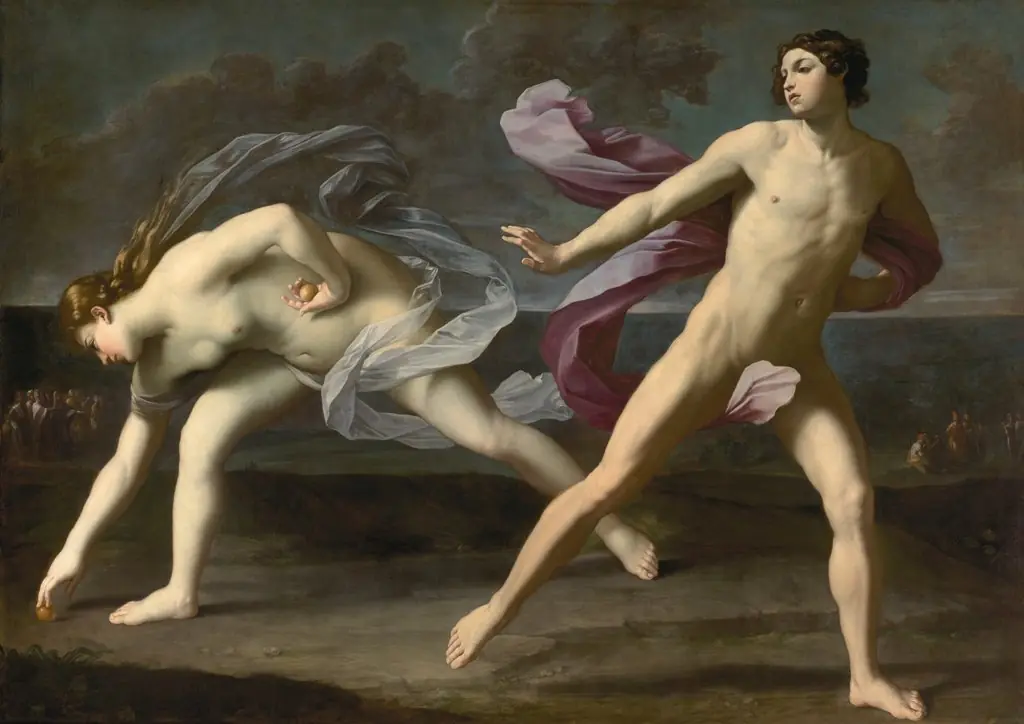
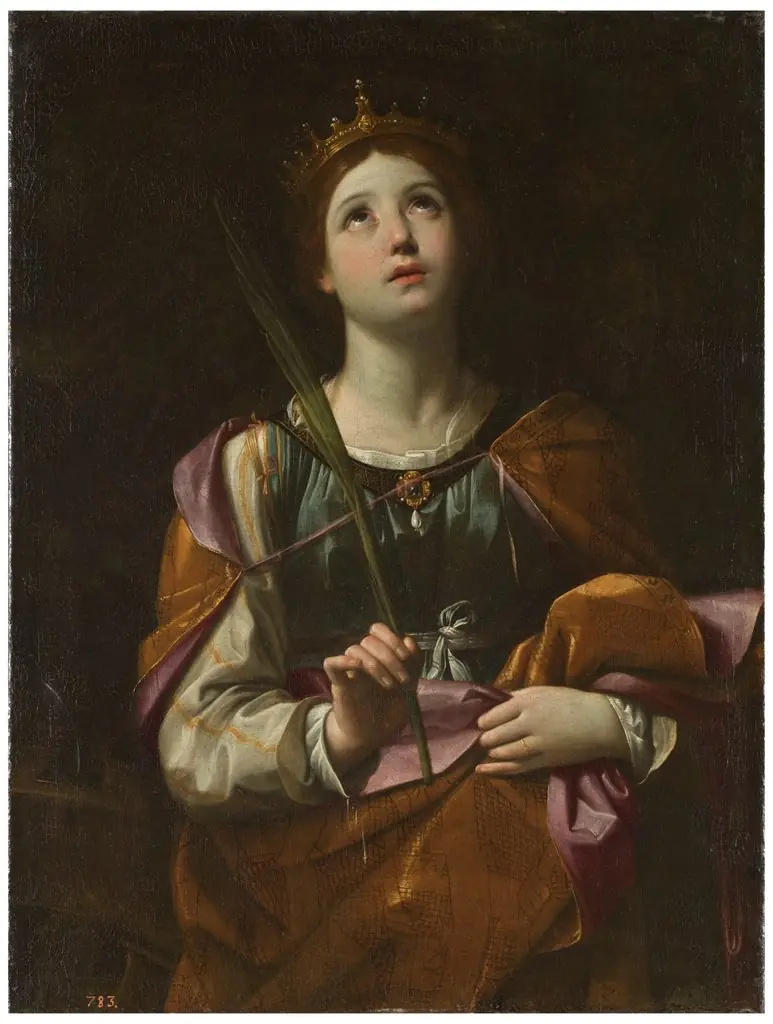
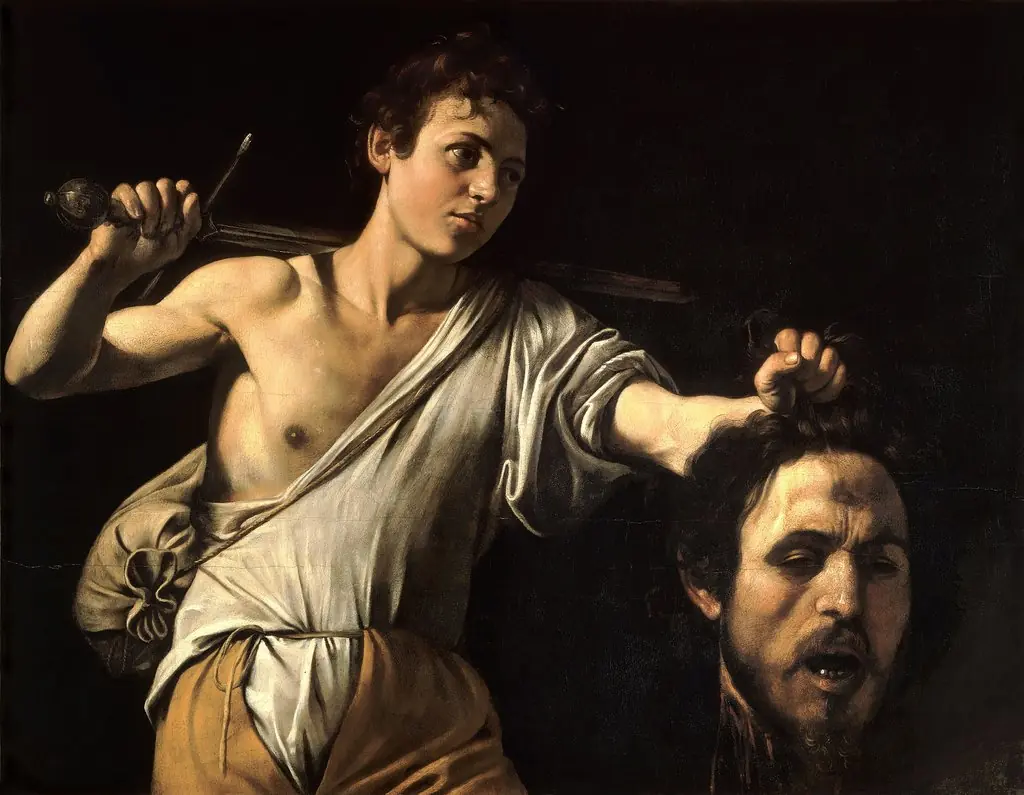
- David with the Head of Goliath
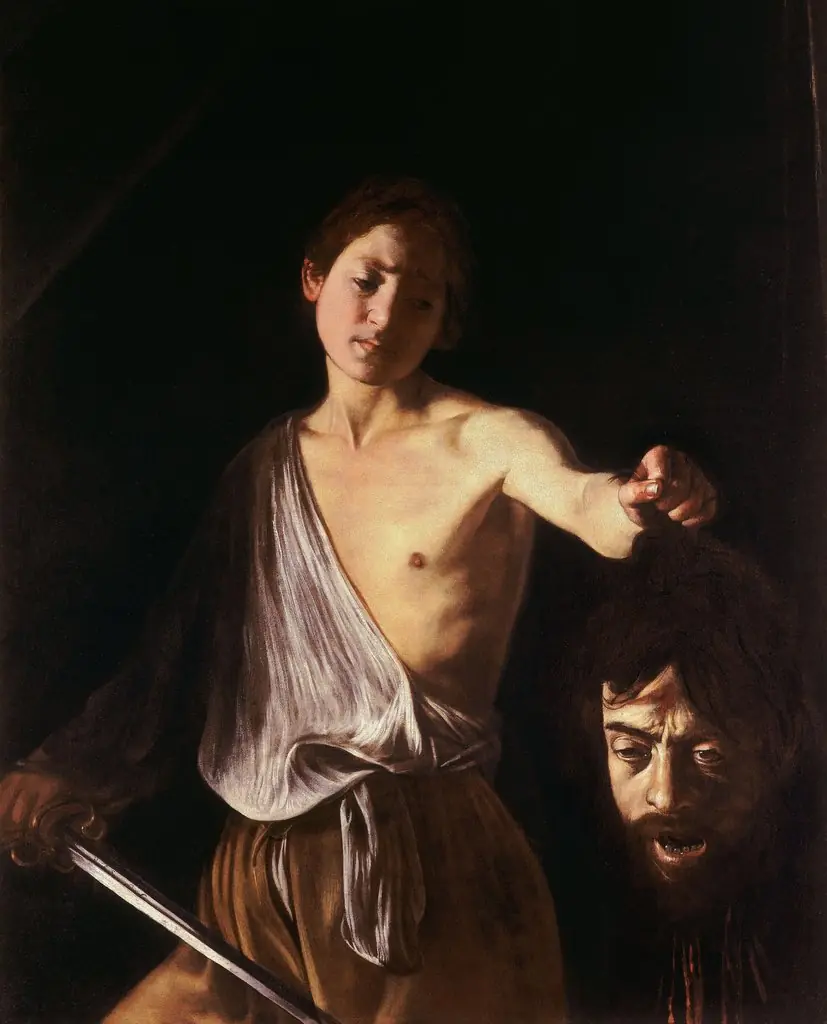 David with the Head of Goliath
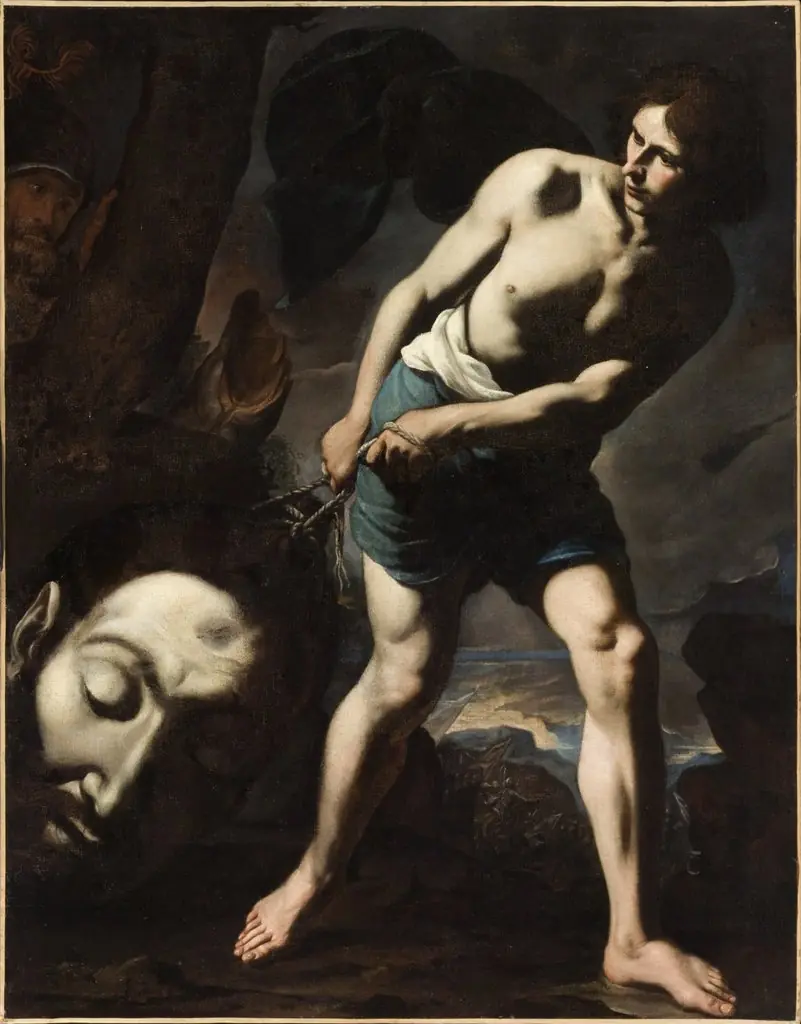 David with the Head of Goliath
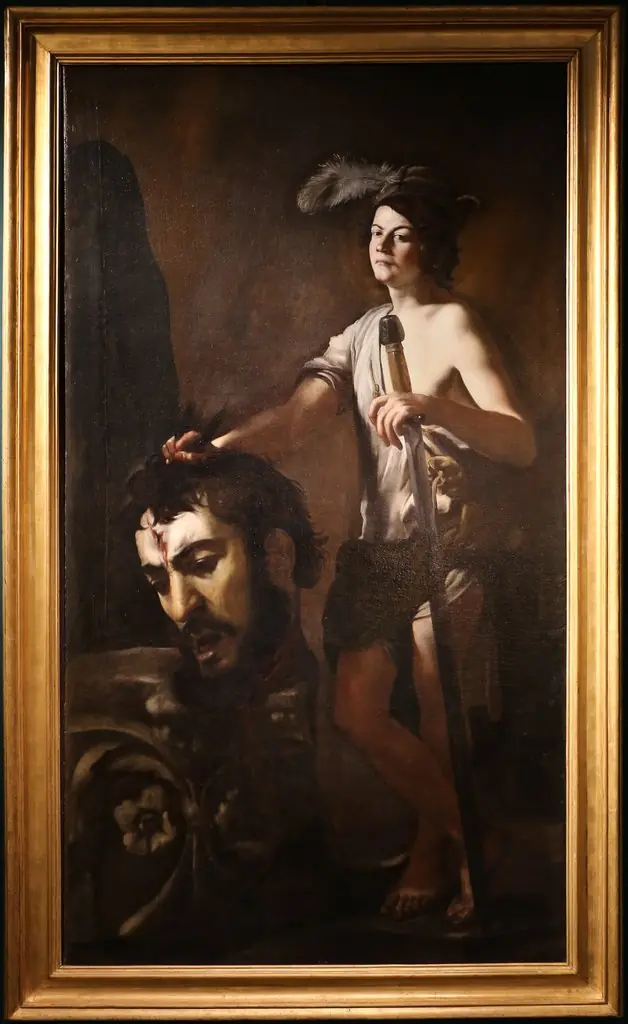 David with Goliath's head
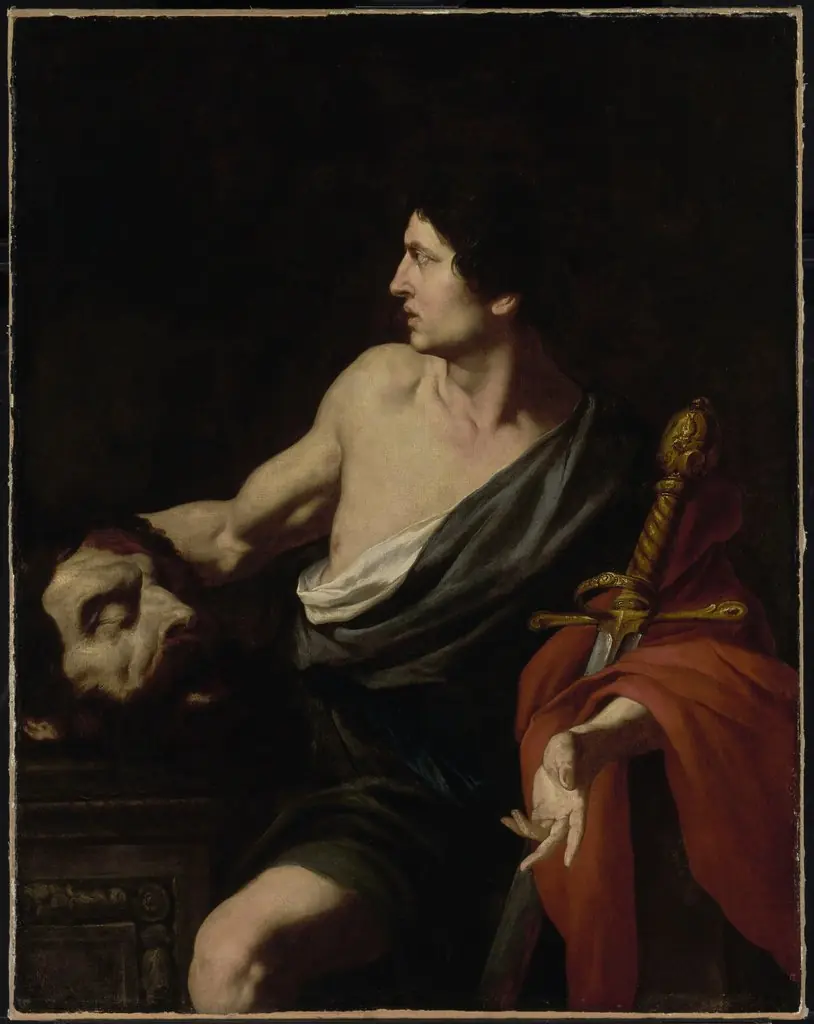 David with the Head of Goliath
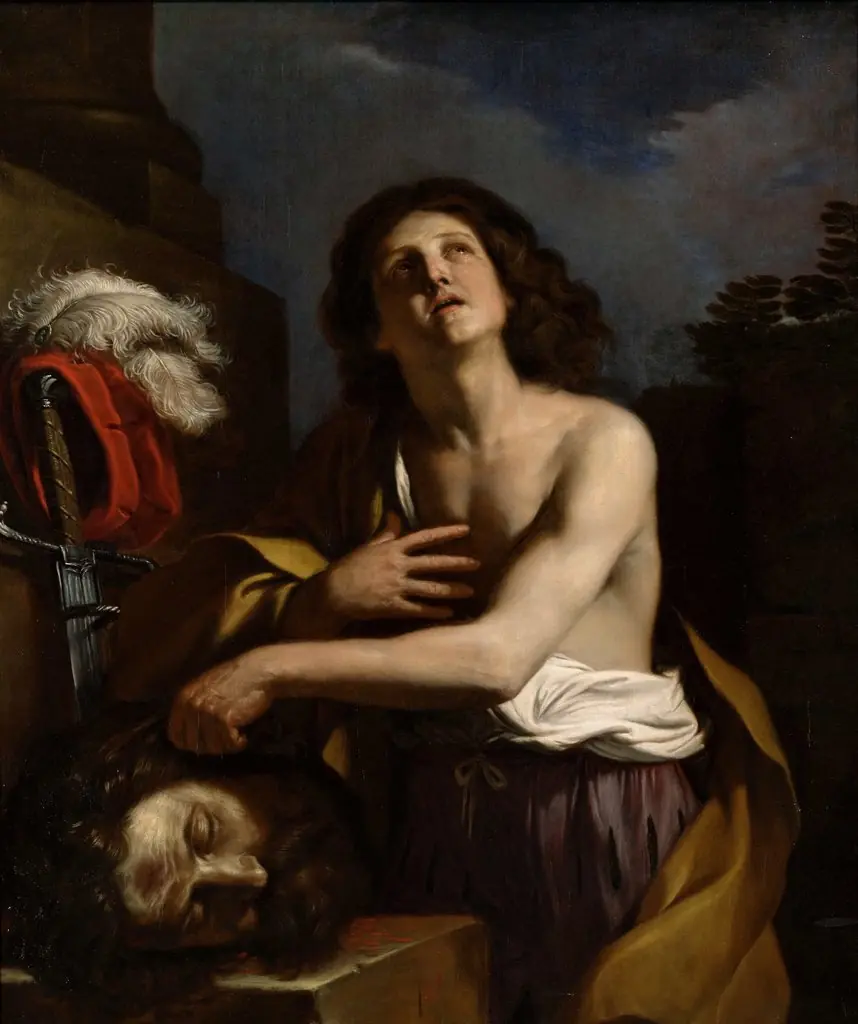 David with the Head of Goliath
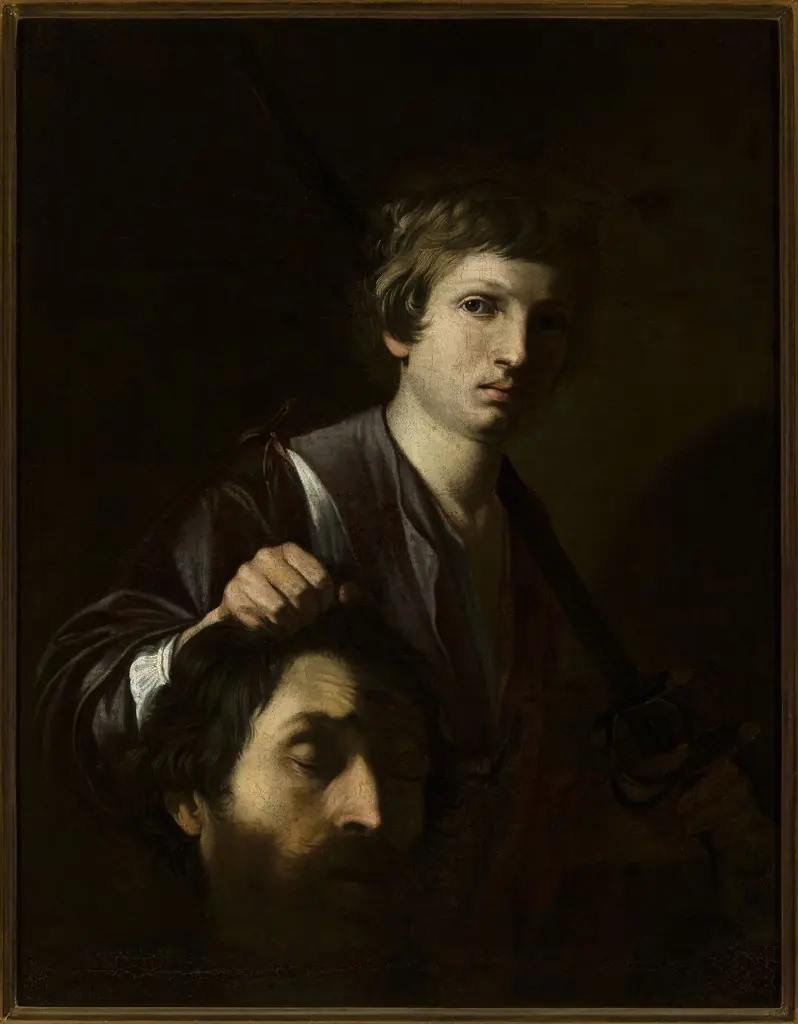 David with Goliath’s head
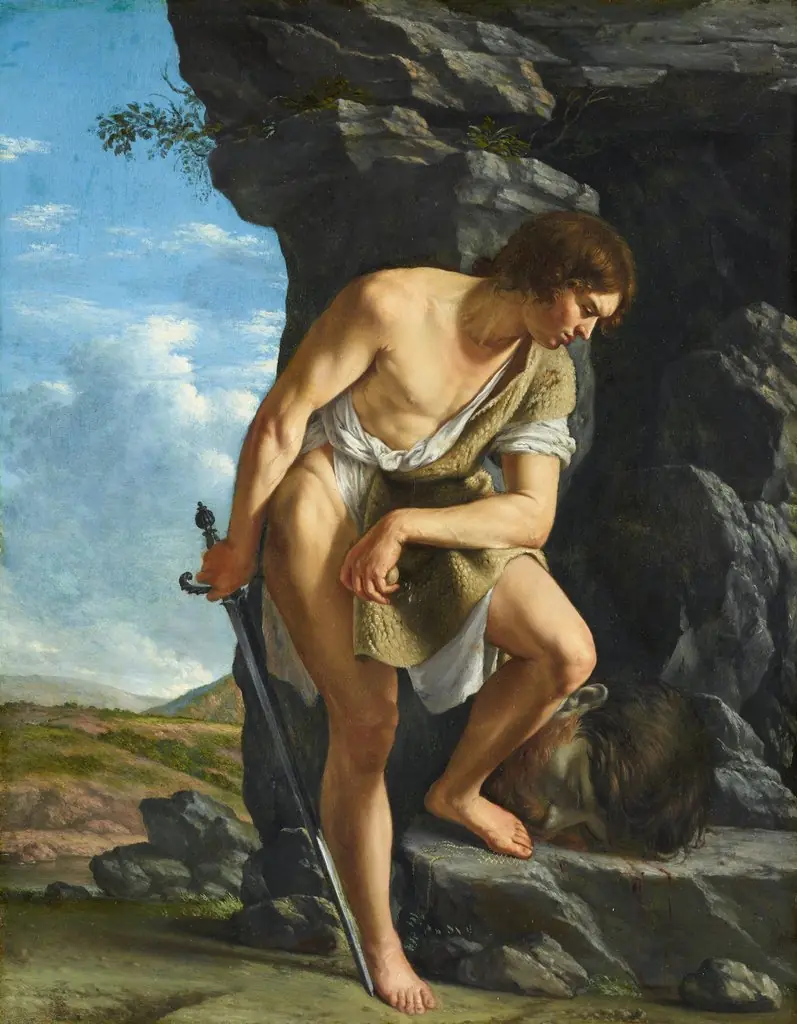 David Contemplating the Head of Goliath
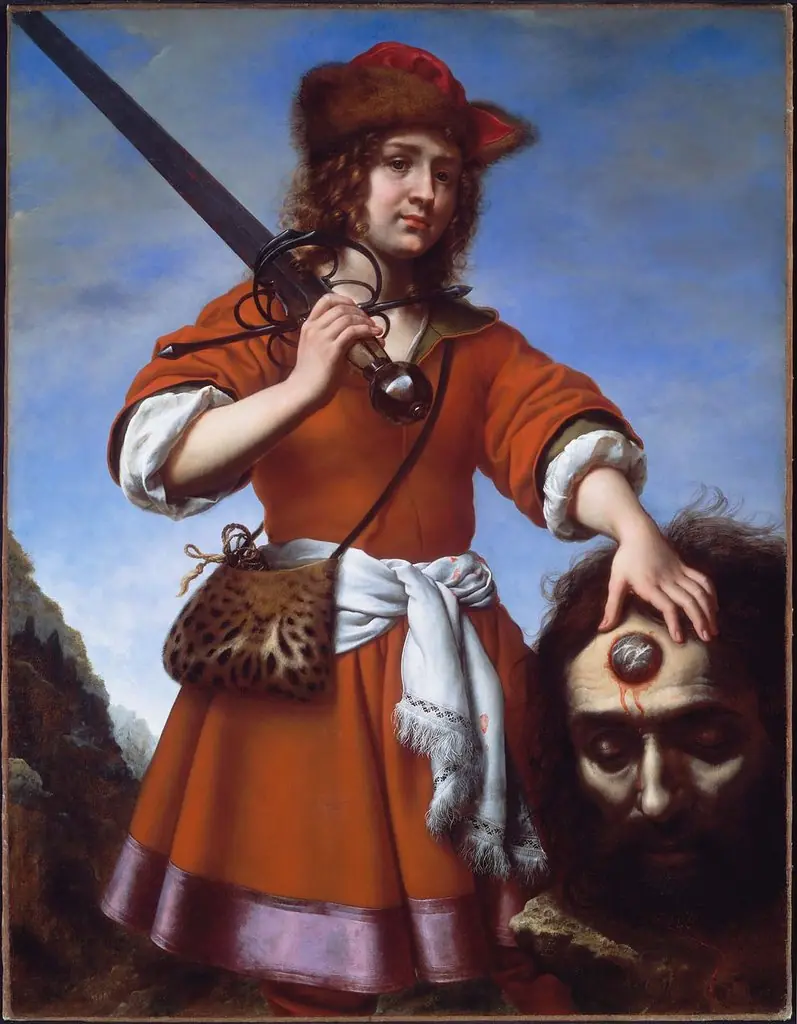 David with the Head of Goliath
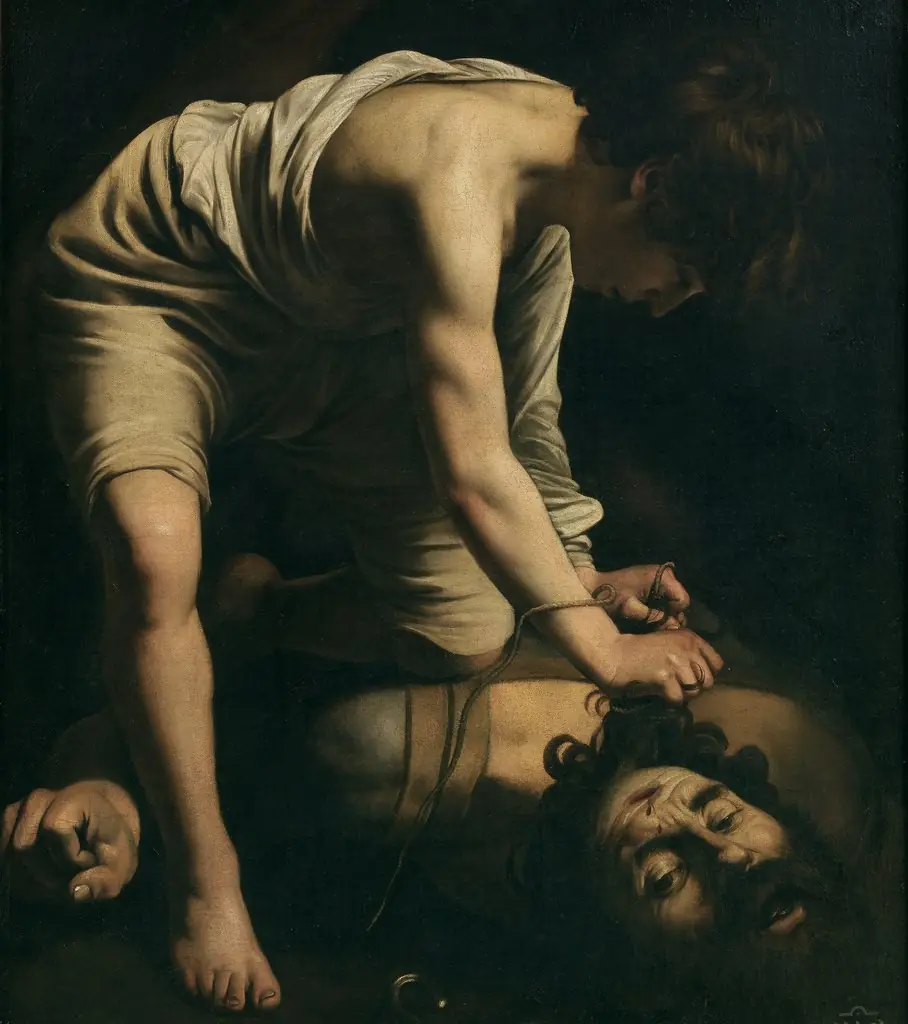 David and Goliath
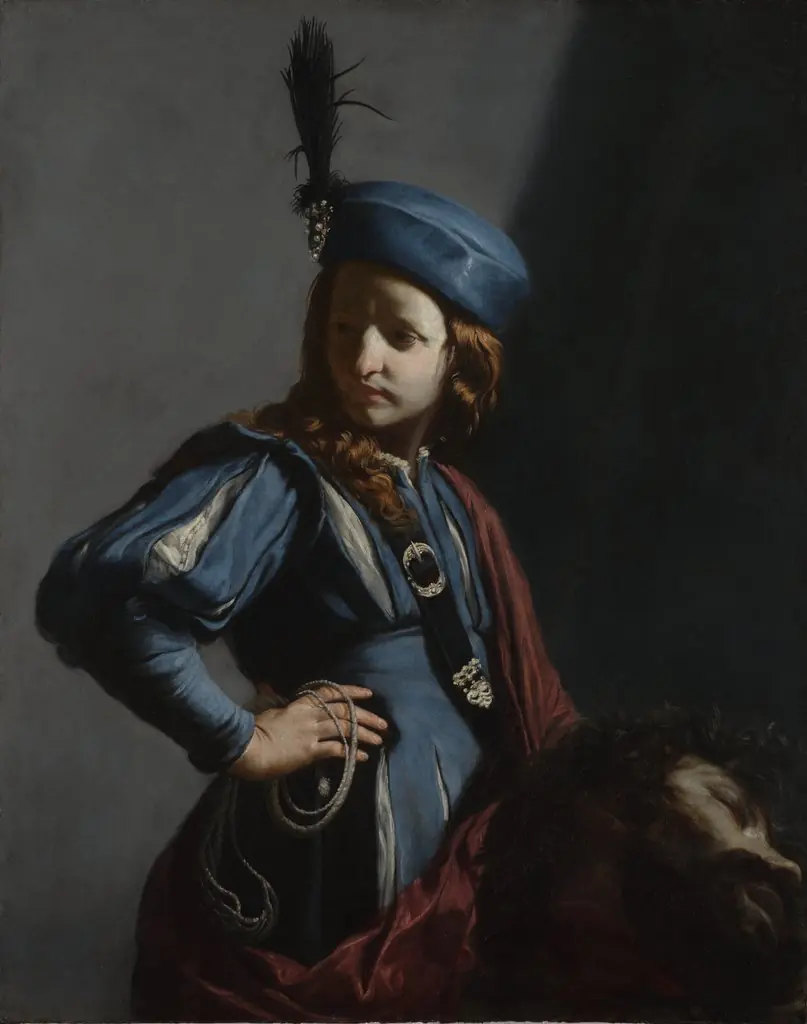 David with the Head of Goliath
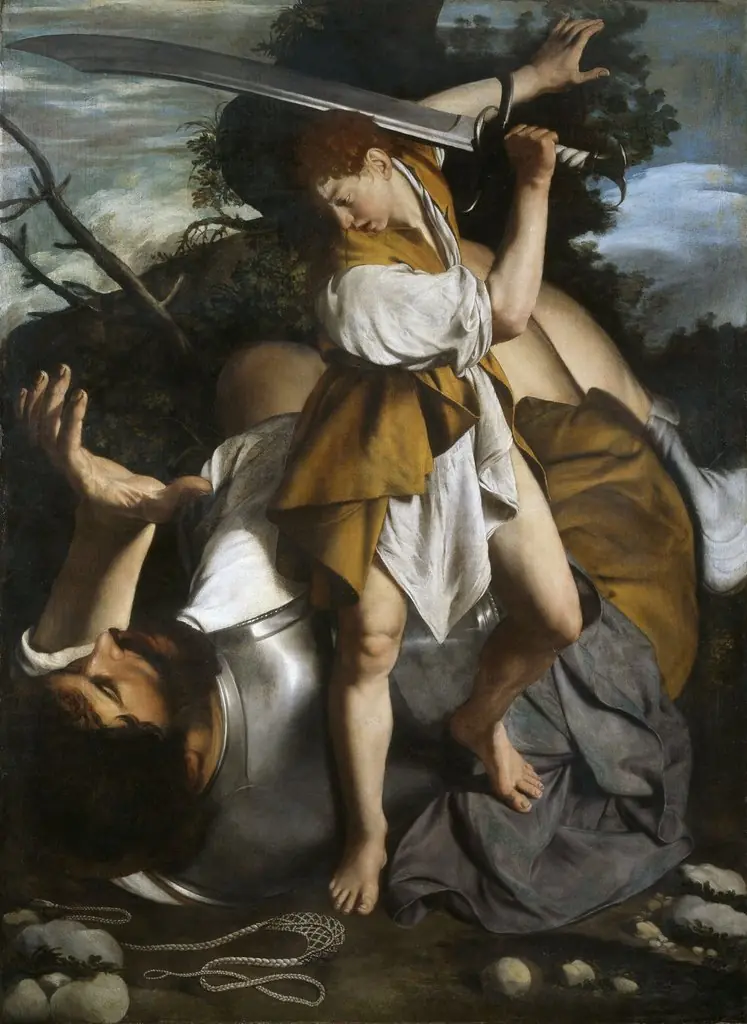 David and Goliath