Artwork
Daruma
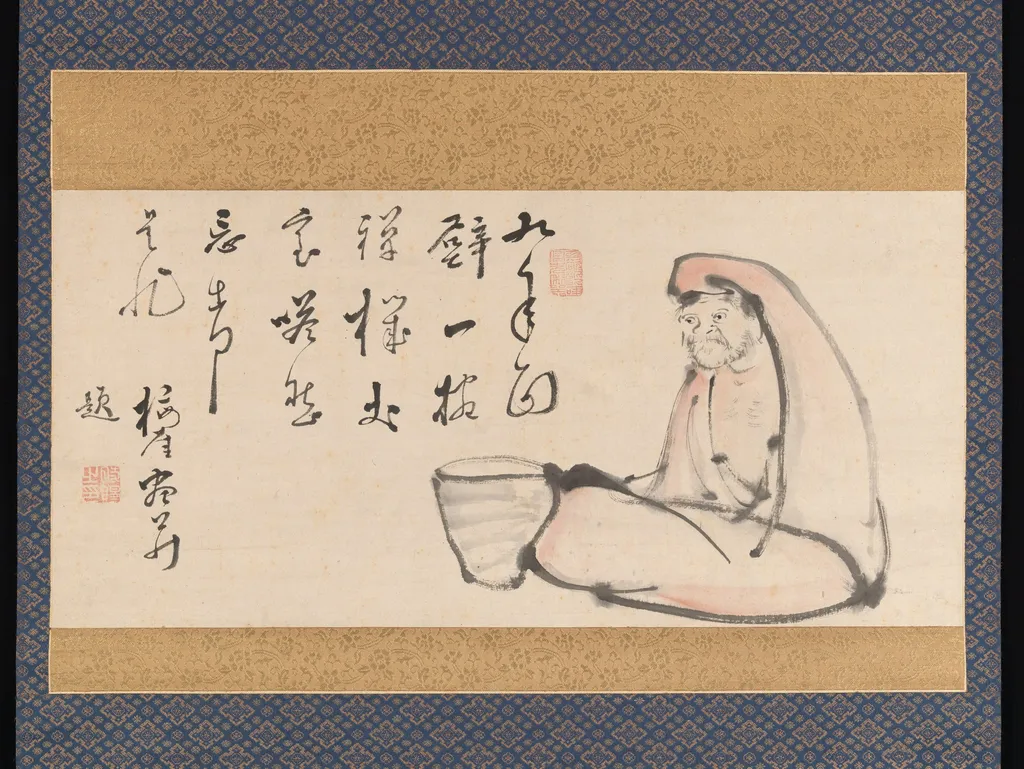
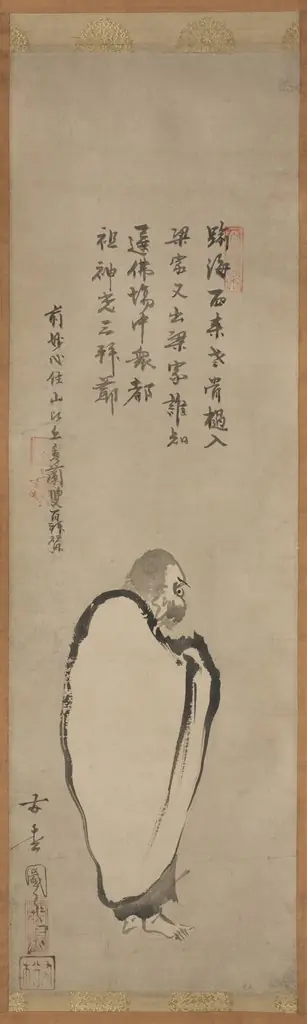
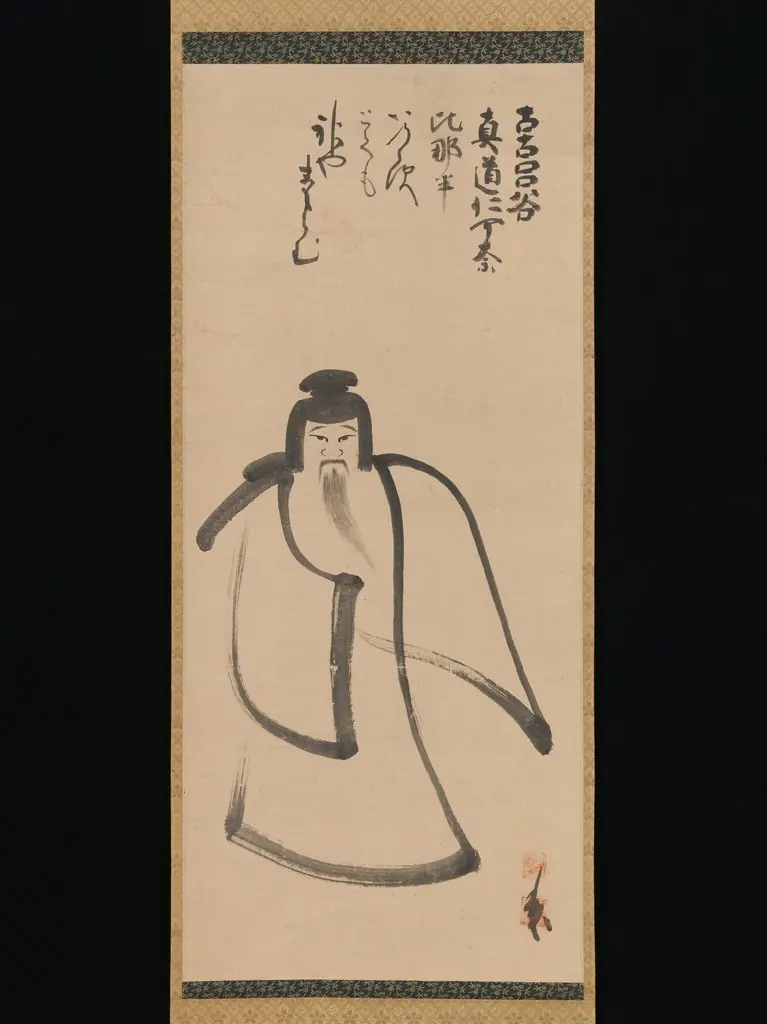
Daruma is an unspecified painting by the Nanga artist Totoki Baigai. It dates from 1749 and is held in the collection of the Metropolitan Museum of Art.
About this work
Overview
Created in 1749 by the Japanese artist Totoki Baigai, this ink painting portrays a solitary figure seated in a meditative posture. The work is part of the collection of the Metropolitan Museum of Art, where it is displayed among other examples of Edo‑period brushwork.
Subject & Meaning
The central figure is an elderly man with a long white beard, dressed in a simple hat and loose robe, seated cross‑legged on a mat. He holds a white bowl and a rolled cloth, suggesting a contemplative or ritual context, while his calm expression conveys quiet concentration.
Technique & Style
Executed with swift, expressive brushstrokes, the painting employs a loose, sketch‑like approach characteristic of Japanese ink traditions. The background is largely empty, punctuated only by a few vertical ink characters on the left, emphasizing the figure’s isolation and the immediacy of the hand.
History & Provenance
Totoki Baigai’s work entered the Metropolitan Museum of Art’s holdings through a 20th‑century acquisition, reflecting the museum’s effort to represent East Asian painting. The piece has remained in the museum’s collection, providing scholars with a clear example of mid‑18th‑century Japanese ink portraiture.
Own this work as a print
Artist & collection

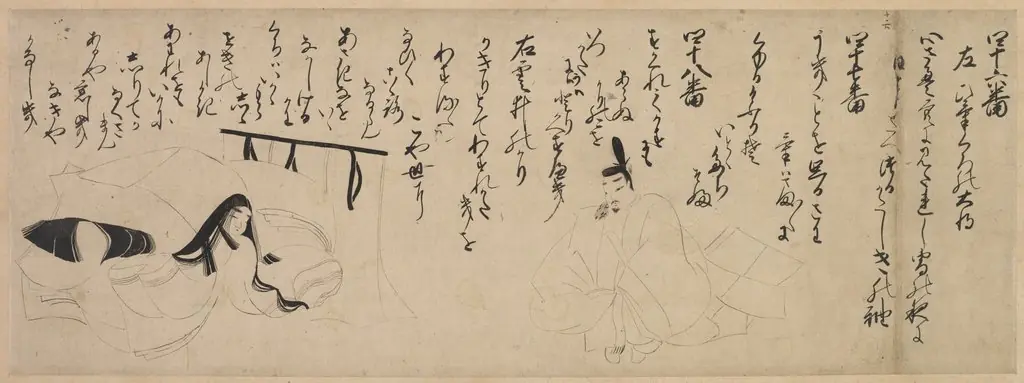 Section of an Illustrated Tale of Genji Poetry Contest
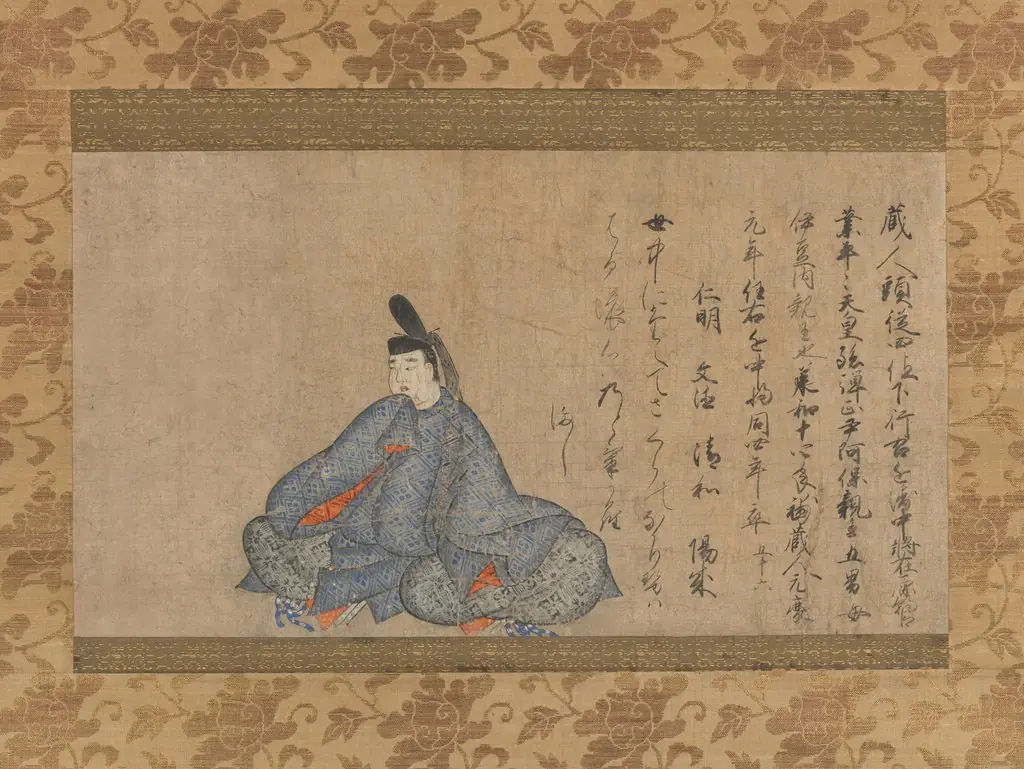 Ariwara Narihira (825–880), from the Fujifusa version of Thirty-six Immortal Poets
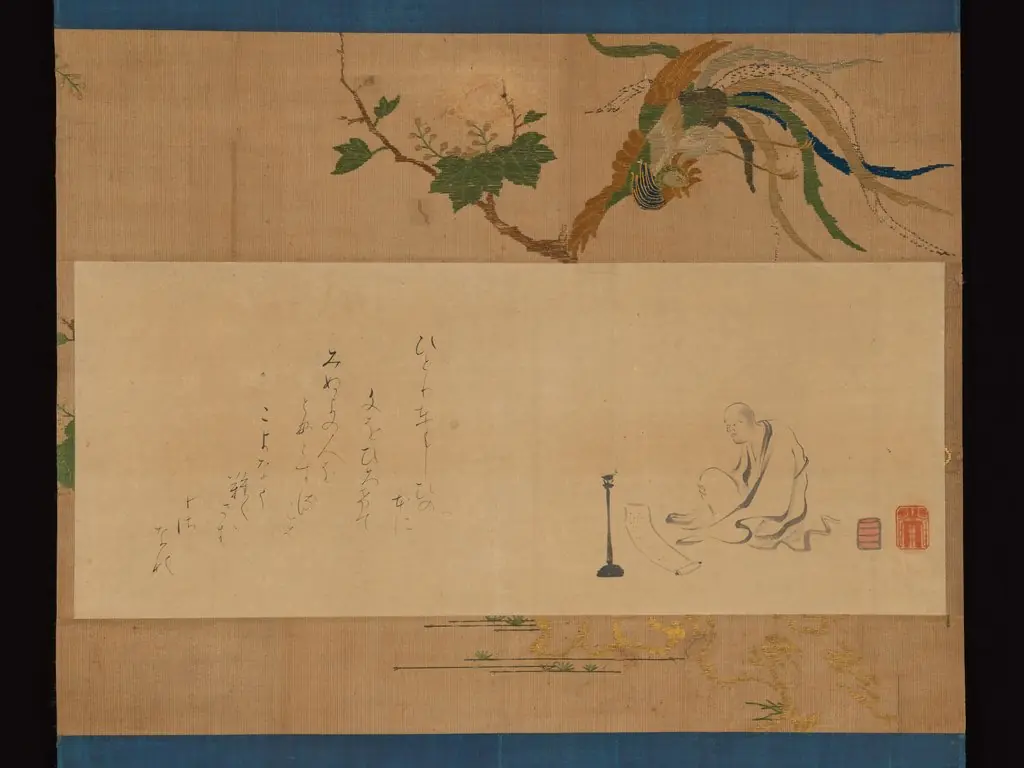 Monk Kenkō Reading by Lamplight
 Section of an Illustrated Tale of Genji Poetry Contest
 Monk Raisan
 Hotei Crossing a Stream
 Seated Priest
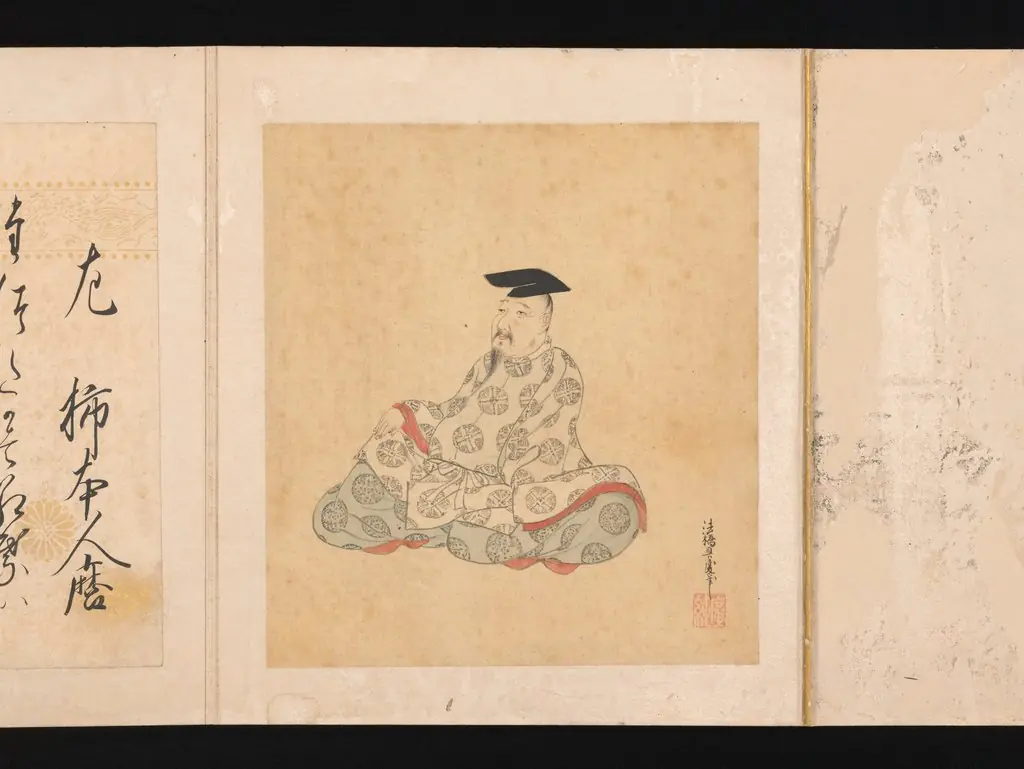 Portraits and Poems of the Thirty-six Poetic Immortals (Sanjūrokkasen)
 Tenjin Traveling to China
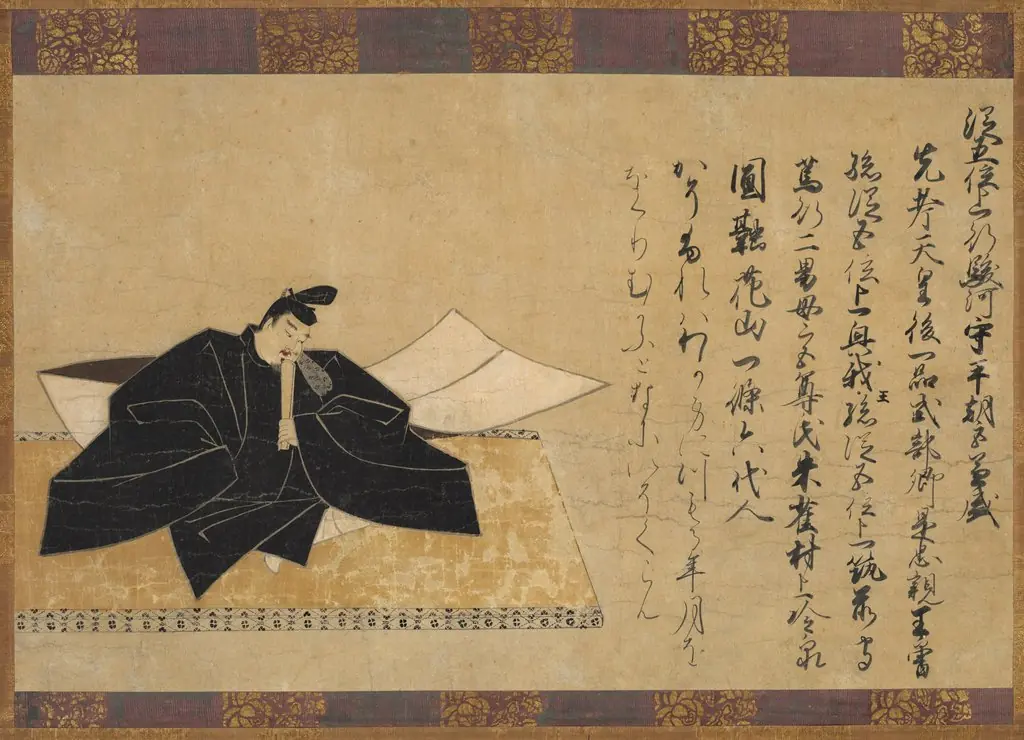 Taira no Kanemori of the Thirty-six Poetic Immortals