Artwork
The Grotto of Posillipo, Naples
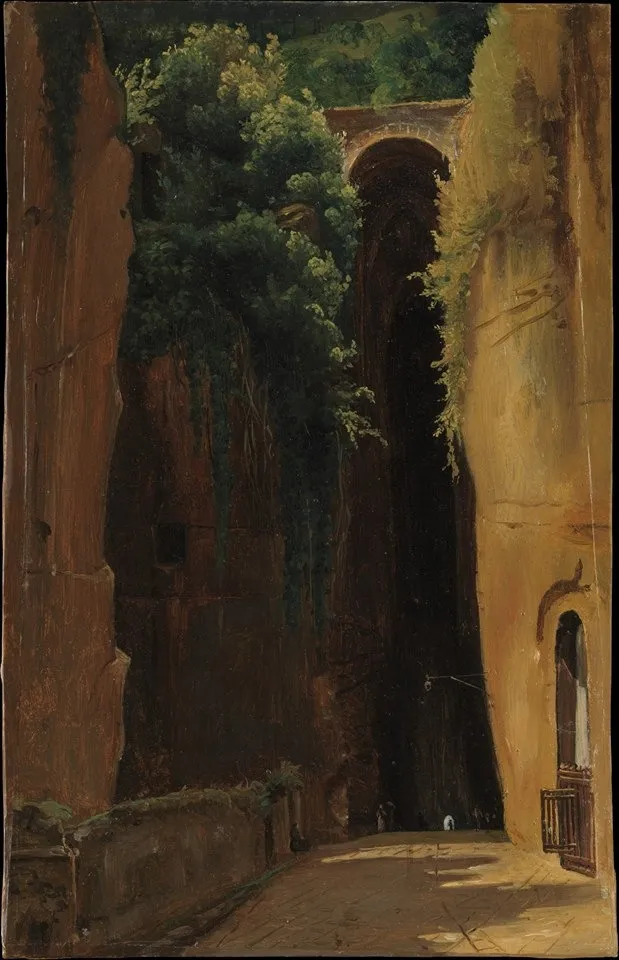
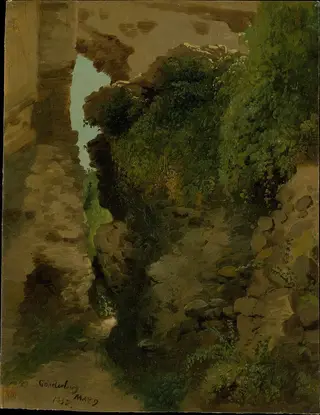
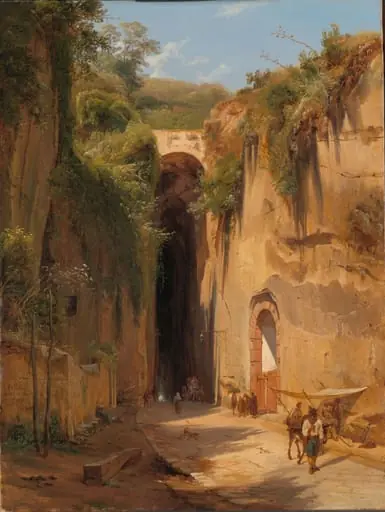
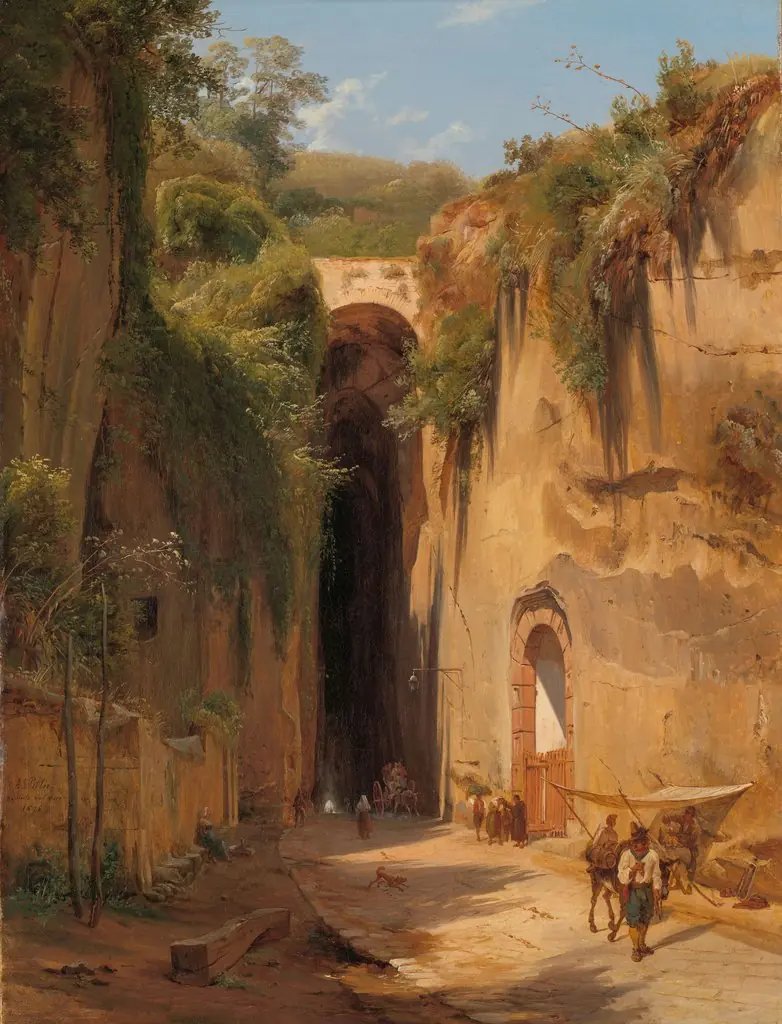
The Grotto of Posillipo, Naples is an unspecified painting by Gustaf Söderberg. It dates from 1820 and is held in the collection of the Metropolitan Museum of Art.
About this work
Subject & Meaning
The iconography centers on the representation of this specific Neapolitan landmark, capturing the physical structure of the grotto itself.
The painting depicts a tunnel, specifically identified as the Grotto of Posillipo in Naples. As a landscape work created in 1820, the subject focuses on this architectural feature and its surrounding environment. The iconography centers on the representation of this specific Neapolitan landmark, capturing the physical structure of the grotto itself.
The work serves as a visual record of the site, presenting the tunnel as the primary element of the composition without additional symbolic layers described in the available records.
History & Provenance
The painting is part of the Metropolitan Museum of Art's collection and is cataloged under the accession number 2006.396. It has been exhibited in the museum's European Paintings galleries, where it is displayed as part of the collection of 19th-century European works.
Context
The work was created by Swedish artist Gustaf Söderberg during his 1820 visit to Naples, where he painted The Grotto of Posillipo as a topographical study of the city's volcanic landscape.
Scholarship identifies it as an early example of Romantic-era fascination with geological formations and picturesque ruins, reflecting broader 19th-century trends in landscape painting that emphasized emotional response to nature rather than strict academic representation.
The painting's composition draws on Giovanni Battista Ferri's 17th-century etchings of the same grotto, while its atmospheric treatment anticipates the plein air approaches of later artists like J.M.W. Turner.
Currently held in the Metropolitan Museum of Art's collection, the work remains a key reference point for studies of Nordic artists' engagement with Southern European topography in the early 19th century.
Overview
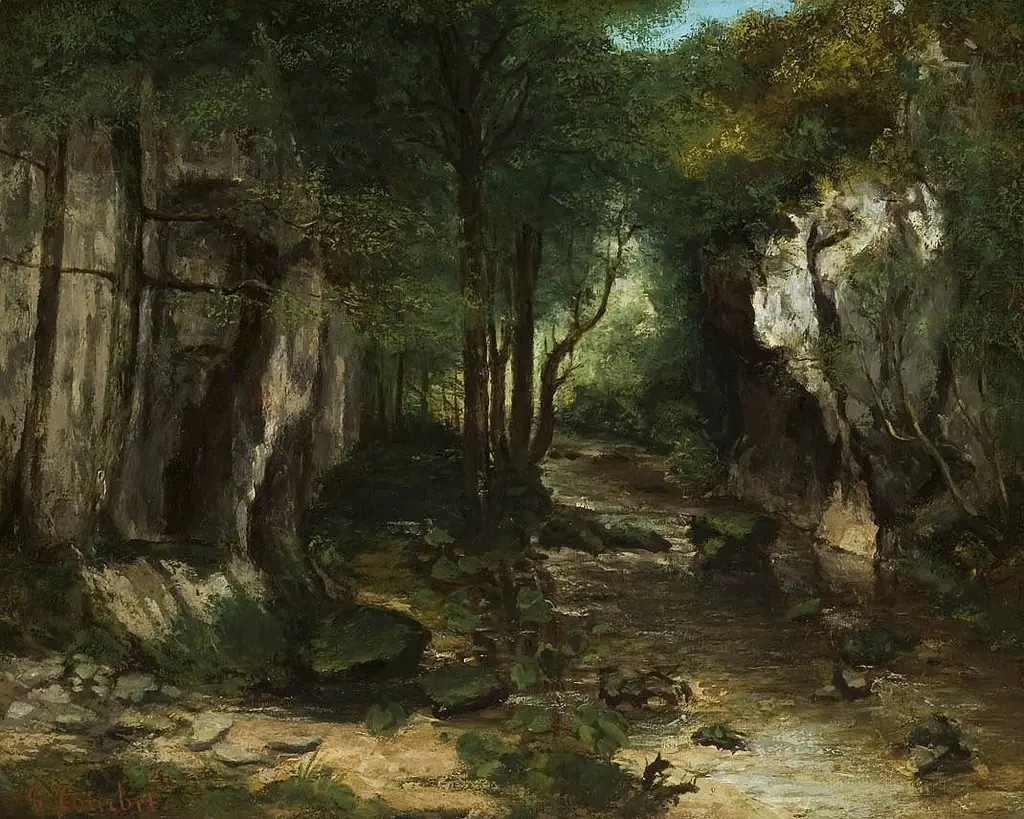
Gustaf Söderberg’s 1820 oil painting titled The Grotto of Posillipo, Naples captures a cramped passageway set within the coastal cliffs near Naples. The work is part of the Metropolitan Museum of Art’s collection and presents a dimly lit, descending alley that opens onto an arch obscured by dense vegetation.
Technique & Style
Söderberg employs a pronounced chiaroscuro effect, juxtaposing bright illumination on one wall with deep shadow on the opposite side. The limited light source appears to filter from above, highlighting textures of rough stone and wet ground, while the thick green vegetation is rendered with loose, expressive brushwork that enhances the scene’s atmospheric depth.
Artist & collection