Artwork
Portrait of a Man
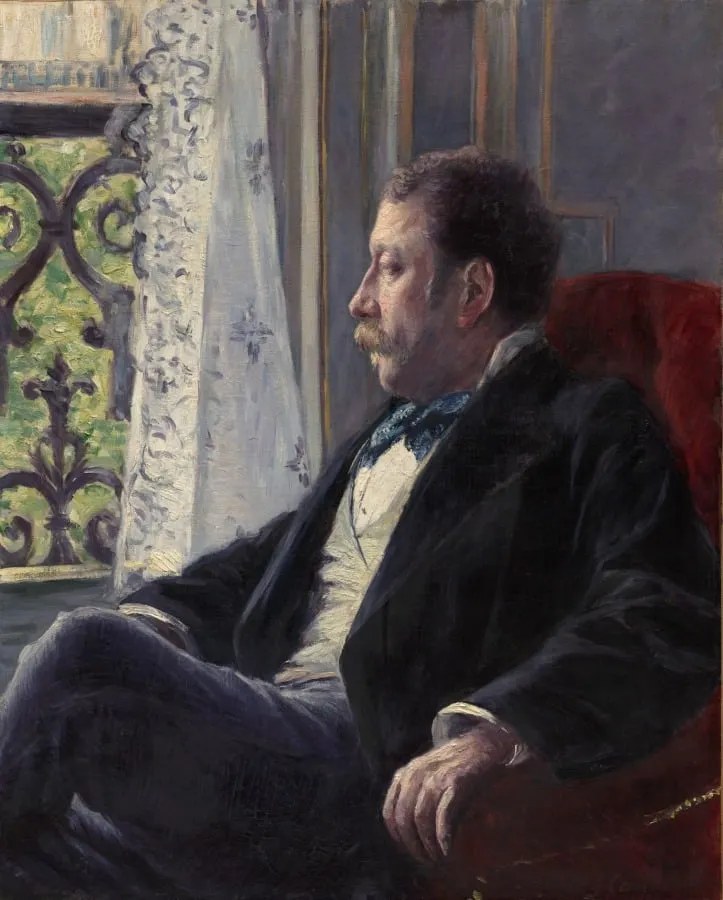
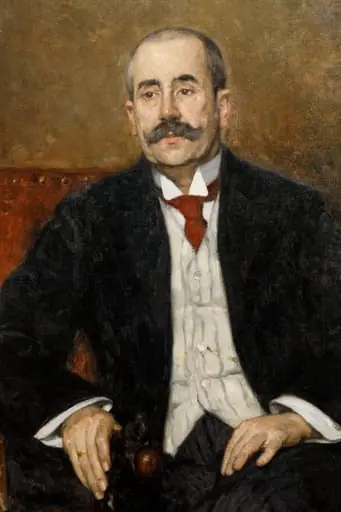
Portrait of a Man is an unspecified painting by the Impressionist artist Gustave Caillebotte. It dates from 1880 and is held in the collection of the Cleveland Museum of Art.
- Accession no.
- 2009.157
- Credit line
- Bequest of Muriel Butkin
About this work
The light feels natural, almost casual, as if the artist caught a quiet moment between two people who knew each other well.
A man in a dark suit leans against a balcony railing, Paris spreading out behind him. His hands are relaxed, his gaze steady, like he’s just paused mid-conversation.
This isn’t a stiff, formal portrait. The setting is Caillebotte’s own apartment, where he painted friends lounging in their everyday lives. The light feels natural, almost casual, as if the artist caught a quiet moment between two people who knew each other well.
To see more of Caillebotte’s Paris scenes, look up Gustave Caillebotte (French, 1848–1894).
Overview
Portrait of a Man is a painting by Gustave Caillebotte depicting a figure from his social circle.
Subject & Meaning
The subject, identified as Albert Courtier, is shown in a relaxed pose on a balcony, suggesting a familiar and informal relationship with the artist. Courtier's calm demeanor and unguarded gaze imply a level of comfort and trust.
Technique & Style
The painting features a naturalistic use of light and a candid portrayal of the subject, capturing a quiet moment between two acquaintances. The setting, Caillebotte's own apartment, adds to the sense of informality.
History & Provenance
The portrait was painted in Caillebotte's apartment at 31 boulevard Hausmann in Paris, which he shared with his brother Martial. Courtier had a close relationship with Caillebotte, posing for him multiple times and owning several of his works.
Artist & collection

Artist
Gustave Caillebotte (French: ; 19 August 1848 – 21 February 1894) was a French painter who was a member and patron of the Impressionists, although he painted in a more realistic manner than many others in the group.

- Jacinto Octavio Picón
 Rafael de Vargas y de Oviedo
 George H. Williams
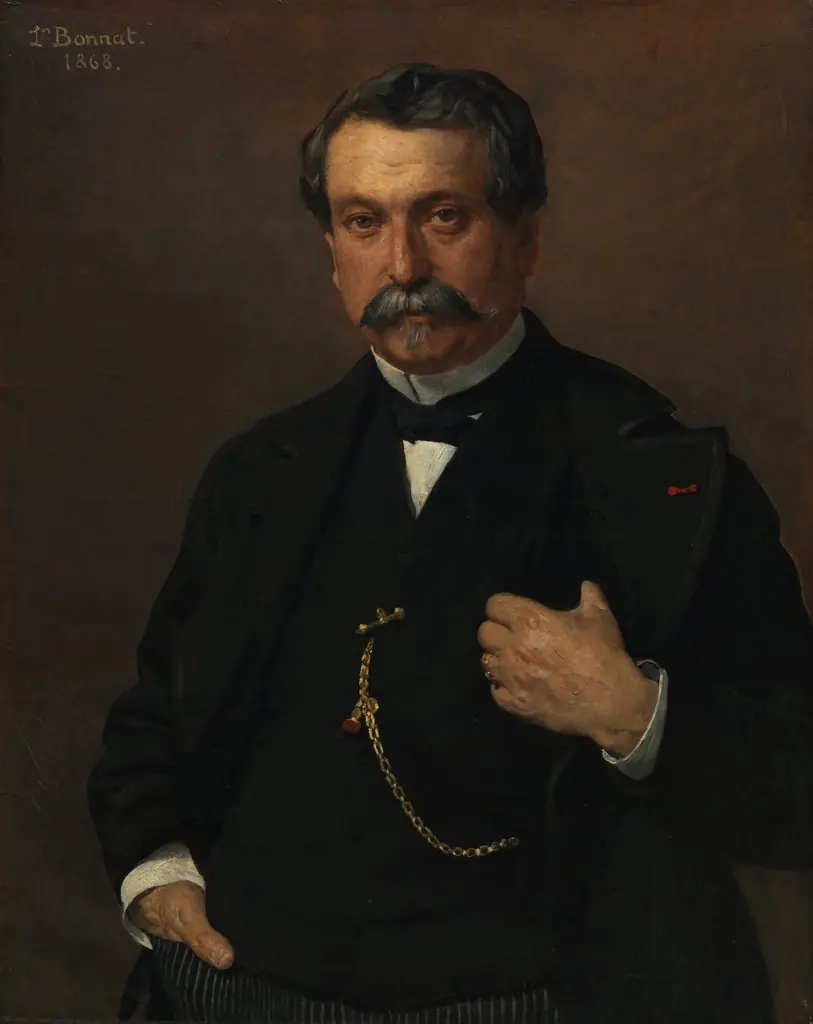 Portrait of Jean Léglise, Merchant, Mayor of Saint-Martin-de-Seignanx
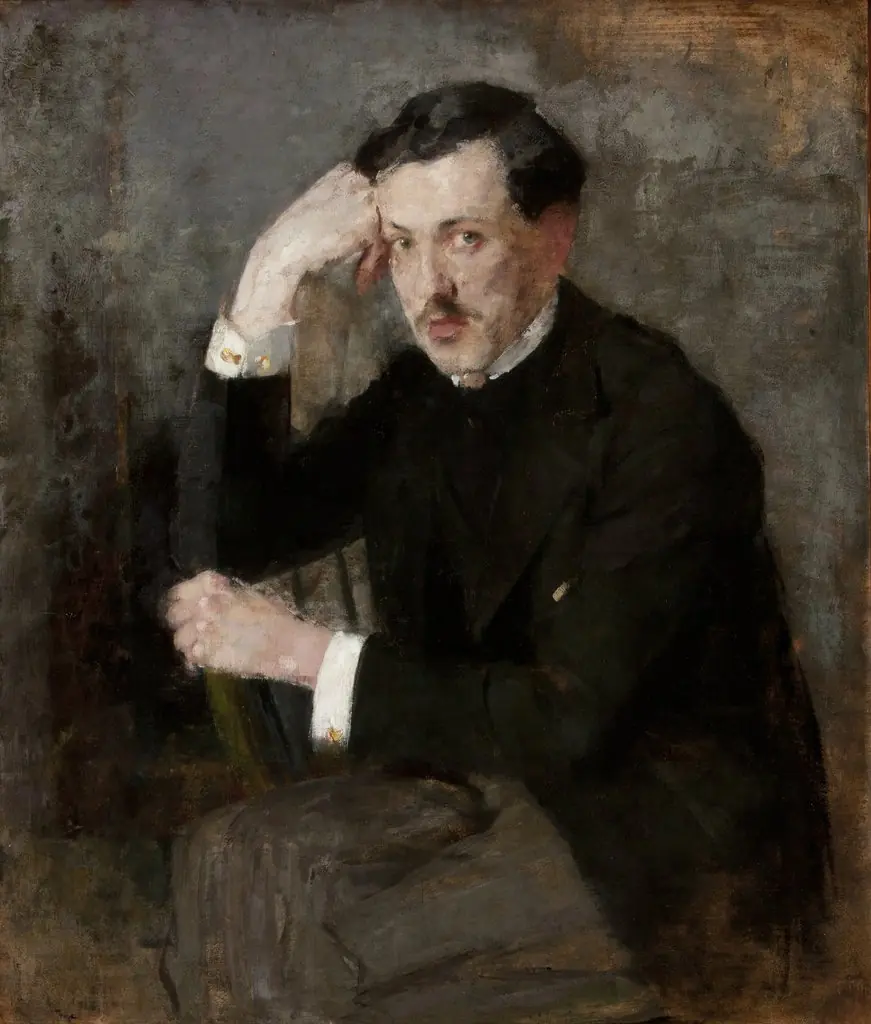 Portrait of Józef Czajkowski
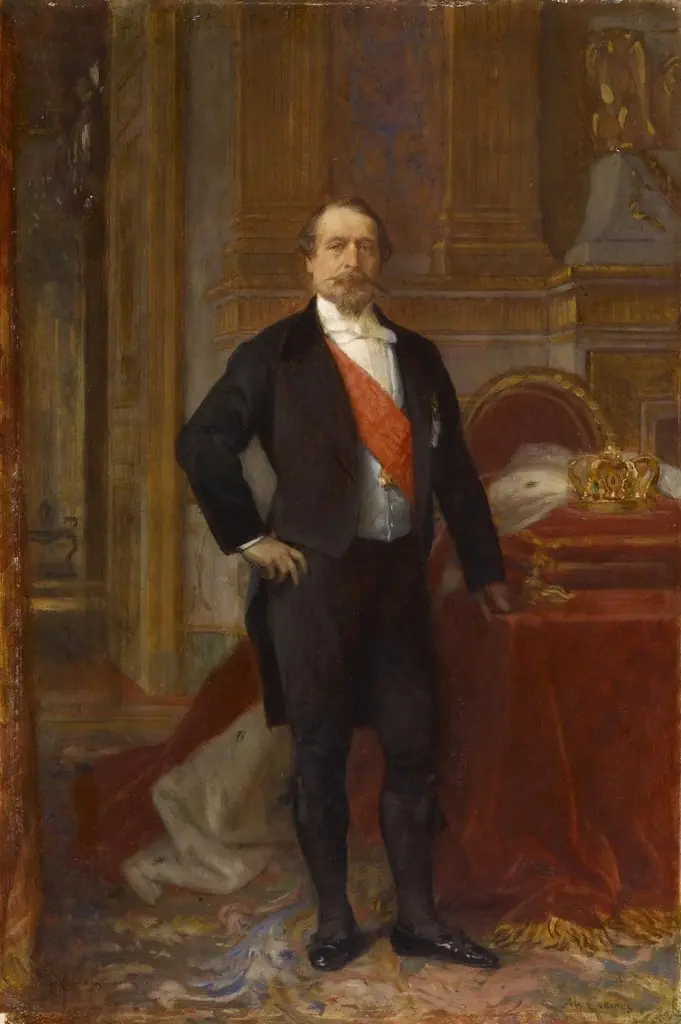 Napoleon III
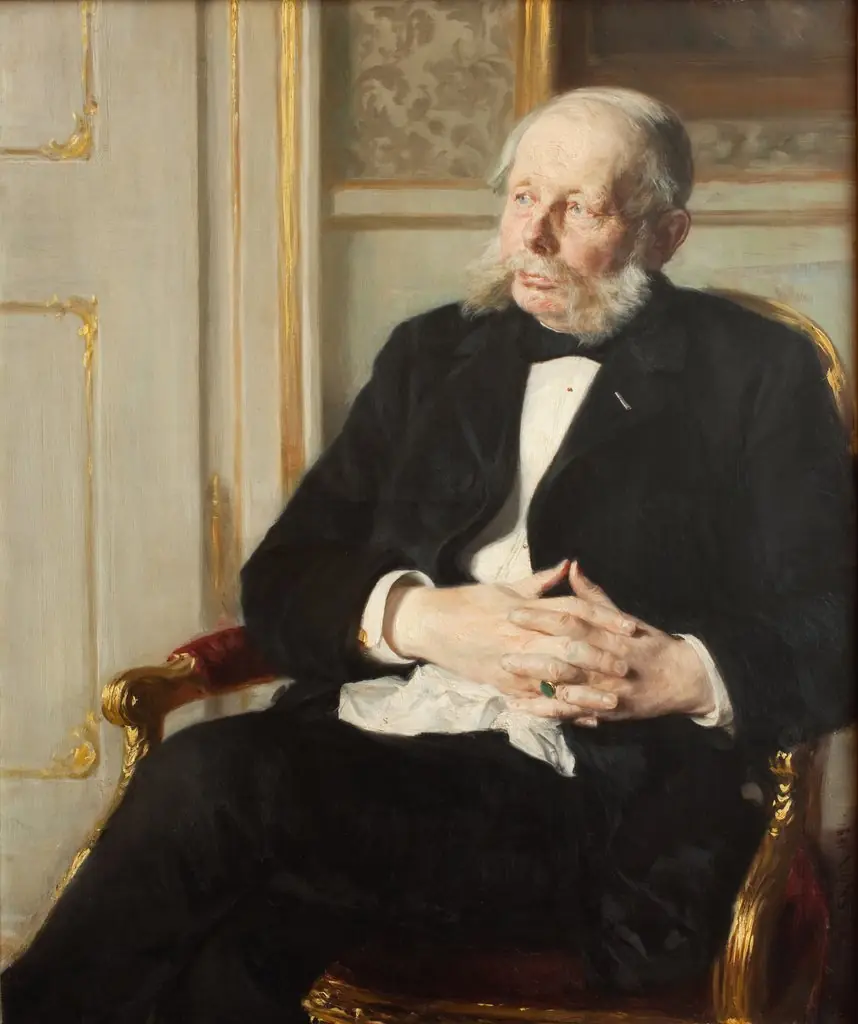 Baron Otto Ditlev Rosenørn-Lehn
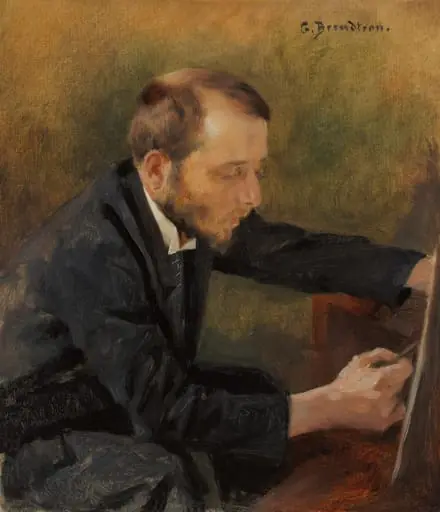 Eero Järnefeltin muotokuva
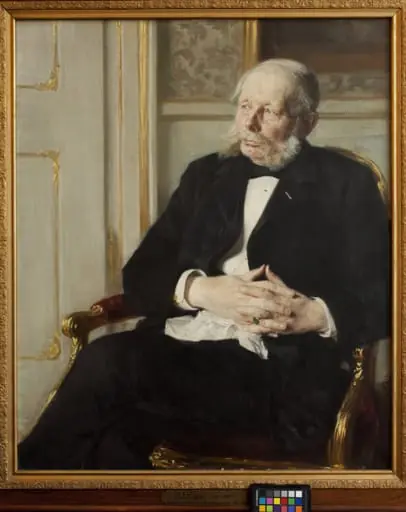 Baron Otto Ditlev Rosenørn-Lehn
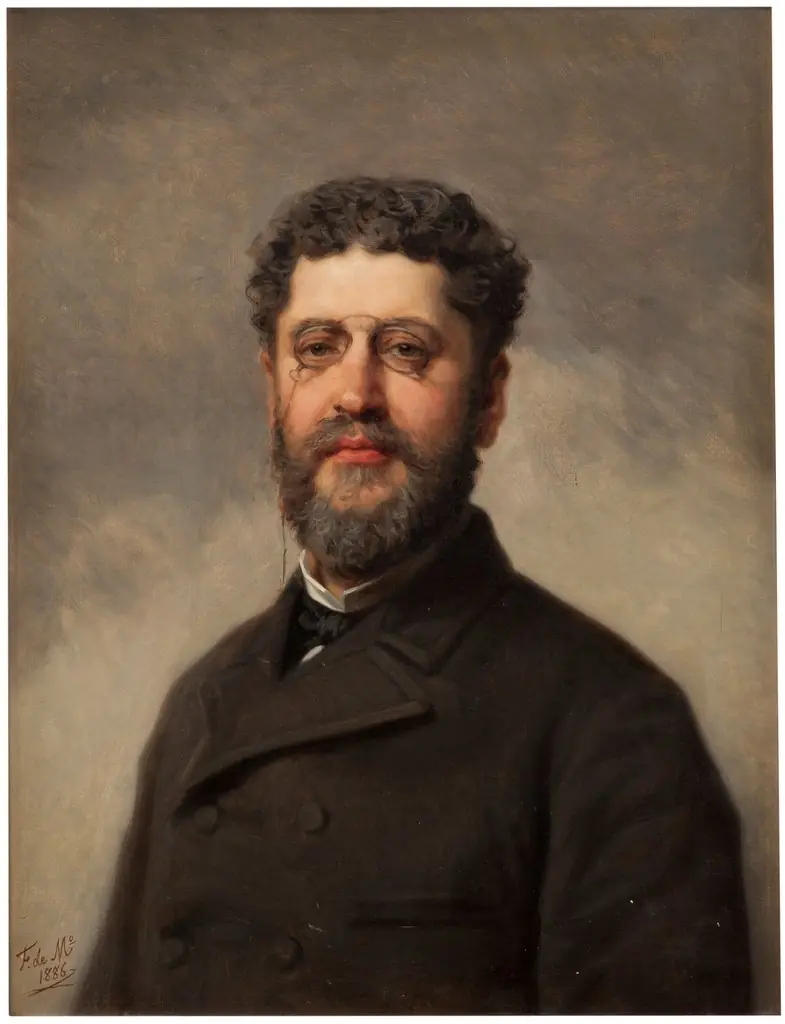 José Tomás Salvany
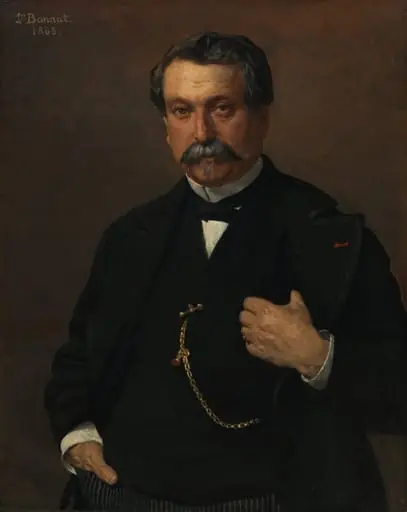 Portrait of Jean Léglise, Merchant, Mayor of Saint-Martin-de-Seignanx
 Portretul lui Anastase Simu