Artwork
Kreuzigung Christi
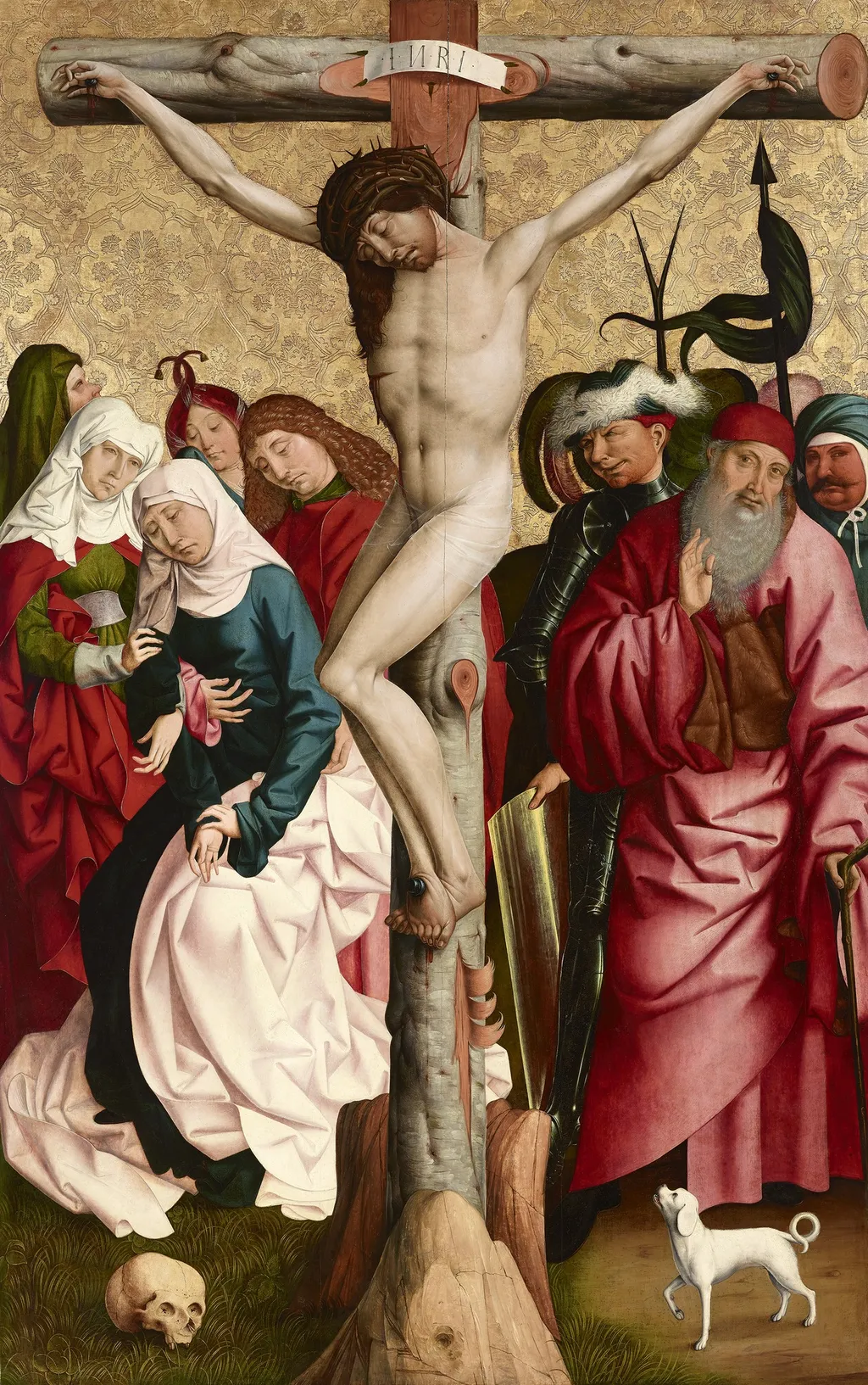
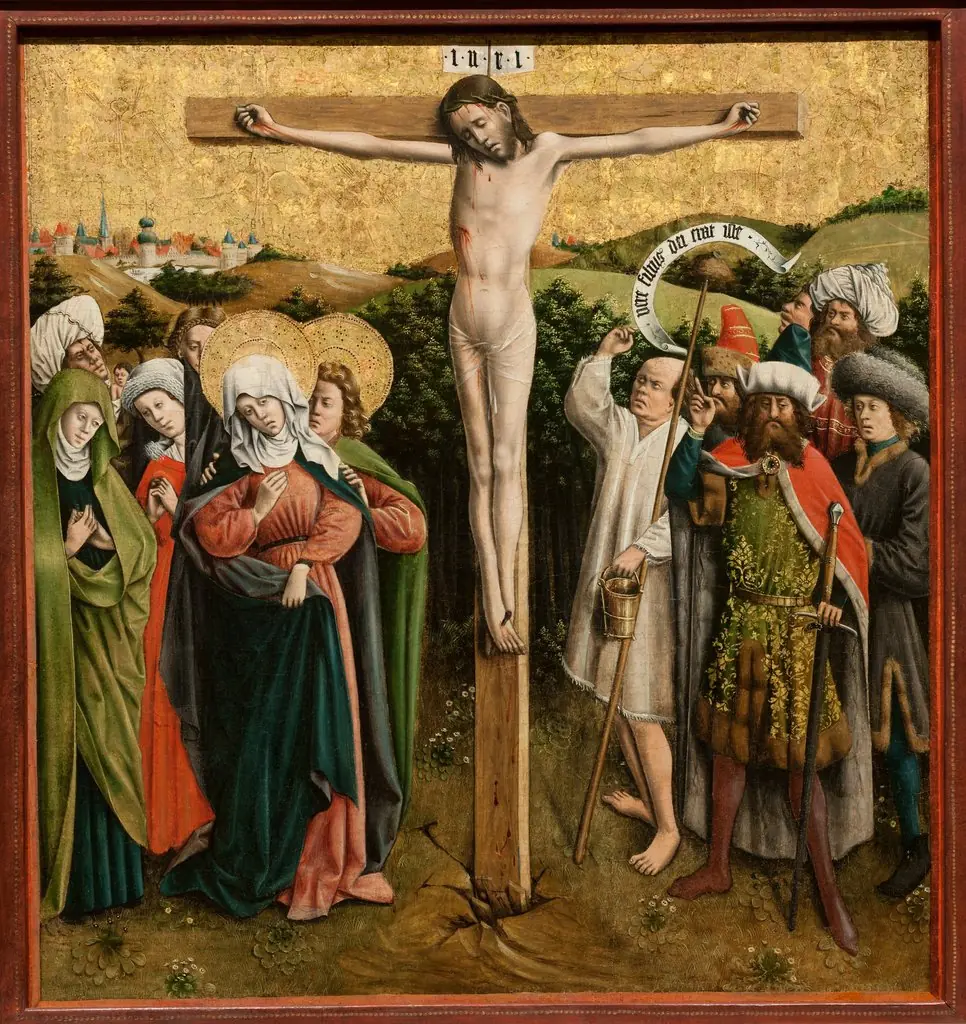
Kreuzigung Christi is an unspecified painting by the Northern Renaissance artist Rueland Frueauf the Elder. It dates from 1496 and is held in the collection of the Kunsthistorisches Museum.
About this work
Overview
The panel measures 209 by 134 centimeters and is held in the collection of the Österreichische Galerie Belvedere in Vienna under inventory number ÖG 4843.
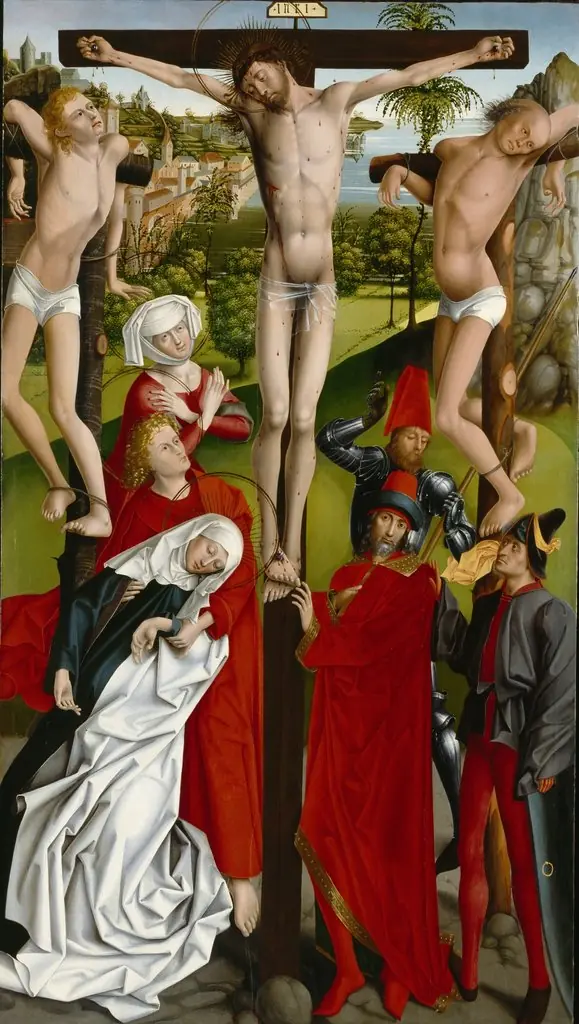
Kreuzigung Christi (Crucifixion of Christ) is an oil painting on wood by the German-Austrian Late Gothic painter Rueland Frueauf the Elder, dated to approximately 1490/1491. The panel measures 209 by 134 centimeters and is held in the collection of the Österreichische Galerie Belvedere in Vienna under inventory number ÖG 4843. The work forms part of a larger cycle of eight panels depicting scenes from the Life of the Virgin and the Passion of Christ, commissioned around 1490/1491 for the high altar of the Franciscan church in Salzburg. It represents a significant example of late 15th-century Austrian panel painting, demonstrating the transition from Gothic traditions toward more naturalistic representation in the German-speaking lands.
Subject & Meaning
The painting depicts the crucifixion of Jesus Christ, the central event of the Christian Passion narrative. Christ hangs on a wooden cross with arms outstretched, head bowed to the right, eyes closed, wearing a white cloth around his lower body. The inscription I.N.R.I. appears on a scroll above his head, while blood trickles from his hands, feet, and the wound in his side. To the left of the cross, a group of four figures gathers: three women and one man with long curly hair wearing a red garment, representing the traditional grouping of the Virgin Mary, Mary Magdalene, another female attendant, and Saint John the Evangelist. One woman in blue and white sinks forward, supported by the others, capturing the moment of Mary's swoon. To the right stand four male figures, including a soldier in armor with a fur-trimmed hat holding a spear and shield, and an older bearded man in a pink and red robe with a raised hand, likely representing Longinus and other witnesses. A small white dog appears in the lower right corner, while a skull rests on the grass in the lower left, symbolizing Golgotha as the place of Adam's burial. The gold background with its repeating floral pattern situates the scene in a sacred, timeless space characteristic of Gothic devotional imagery, while the detailed rendering of fabrics, armor, and anatomy grounds the holy event in observable reality.
Technique & Style
The painting is executed in oil on spruce wood (Fichtenholz), a support typical of Austrian and German panel painting of this period. The painted surface measures 209 by 134 centimeters. The technique displays the smooth surface and precise detail characteristic of Frueauf's mature style, with particular attention to the textures of fabrics, the sheen of armor, and the anatomical structure of the crucified figure. The palette employs deep reds, blue, pink, green, and gold, creating a rich but controlled chromatic harmony. Light falls evenly across the figures with soft shadows modeling the forms, suggesting the influence of Netherlandish painting traditions absorbed during Frueauf's documented activity in Nuremberg. The grass is rendered with fine linear strokes, and the cross sits in a wooden base with visible grain, demonstrating the artist's interest in naturalistic detail within a fundamentally Gothic compositional framework. A vertical crack runs through the center of the panel, a common condition issue in large wood supports of this age. The flat gold background with its repeating floral pattern maintains the medieval tradition of the gold ground, while the increasingly naturalistic treatment of figures and objects points toward the emerging Renaissance sensibility in Central European art.
History & Provenance
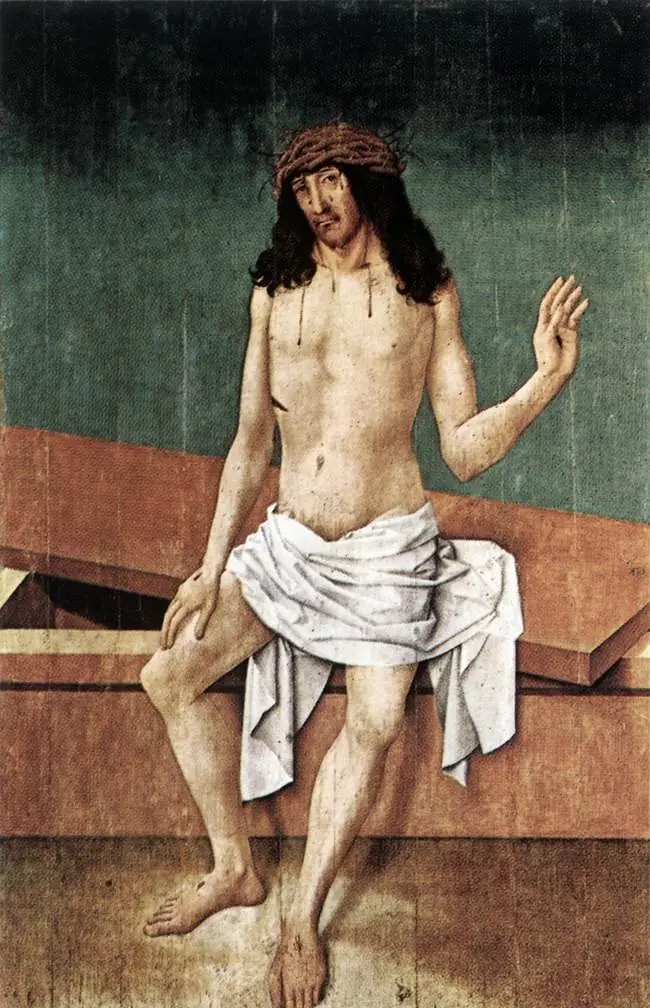
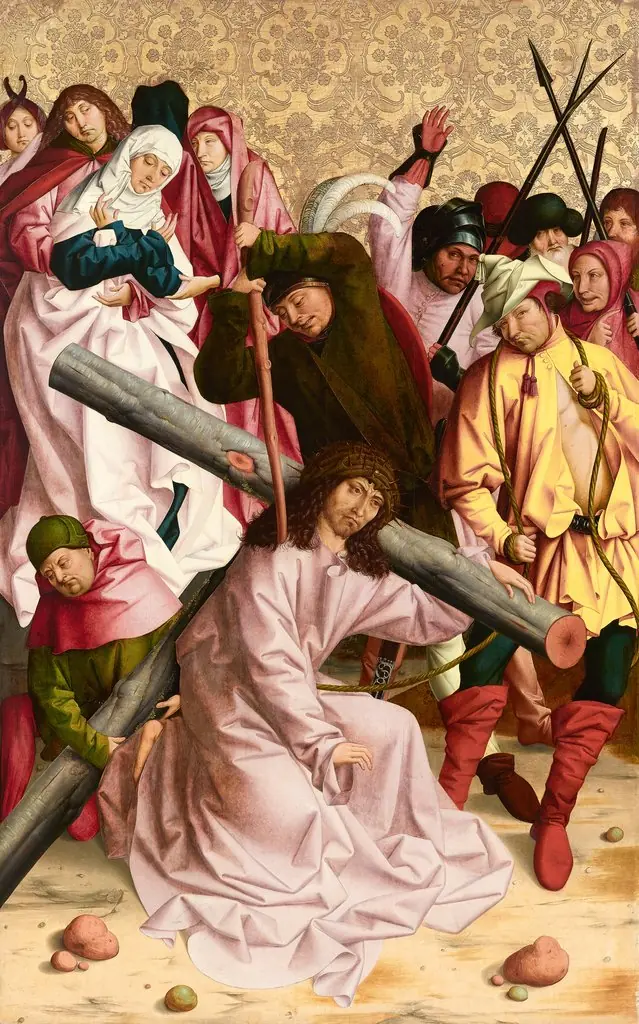
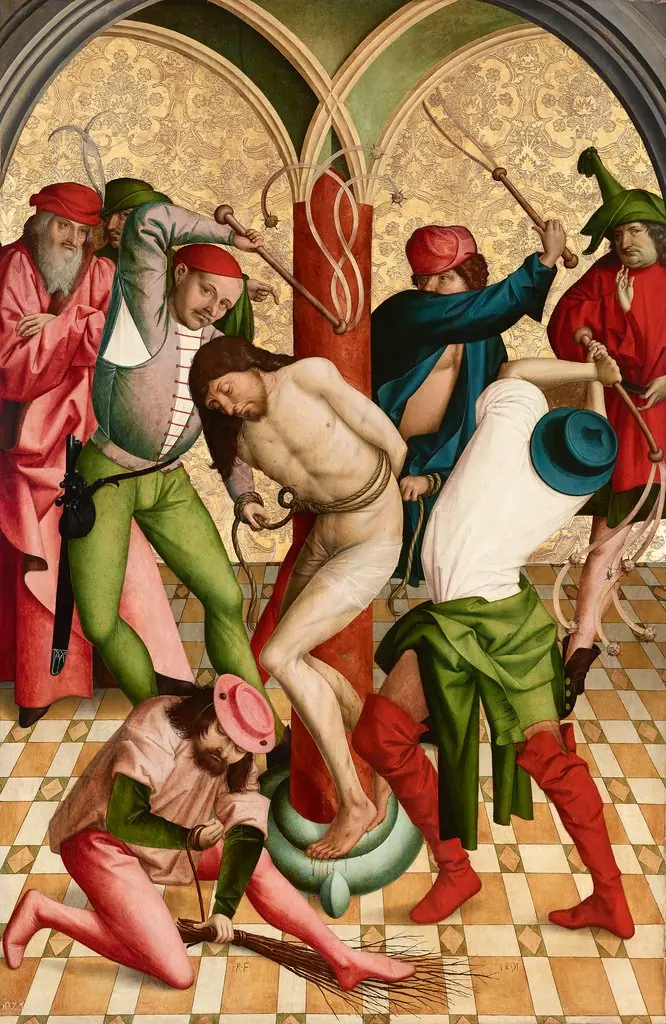
The Kreuzigung Christi was created around 1490/1491 as part of a cycle of eight large painted panels commissioned for the high altar of the Franciscan church in Salzburg. The complete cycle included the Annunciation, Adoration of the Magi, Christ on the Mount of Olives, Carrying of the Cross, Crucifixion, Assumption of the Virgin, Nativity, and Flagellation. The panel is possibly part of the former Kreuzaltar (Cross Altar) of Stiftskirche St. Peter in Salzburg, though scholarly opinion connects the broader cycle to the Franciscan church commission. The work entered the collections that would become the Kunsthistorisches Museum in Vienna, as documented in inventories from 1806: Liste 17 of the Kunsthistorisches Museum Antikensammlung from August 12, 1806 records position 1025 as four paintings on wood with the date 1491 and monogram R.F., including the Mount of Olives, the Crucifixion, and the Carrying of the Cross; a second inventory from September 6, 1806 notes the four panels as notable in art history. The panel was later transferred to the Österreichische Galerie Belvedere. In 1932, the panel was sawn apart in the restoration workshop of the Kunsthistorisches Museum, a treatment that has left traces in its current condition. It is now held under inventory number ÖG 4843 in the Belvedere collection.
Context
Rueland Frueauf the Elder (circa 1430/50-1507) was a pivotal figure in late 15th-century Austrian painting, active first in Salzburg and from about 1478 in Passau, where he maintained a workshop in the Kleinen Messergasse Nr. 14. His career illustrates the complex network of artistic exchange in the Alpine region, with documented activity in Salzburg, Passau, and Nuremberg. The commission for the Franciscan church altarpiece came at a significant moment: in 1484, Frueauf had been called to Salzburg as a consultant for the planned high altar of the Stadtpfarrkirche, though the commission was ultimately awarded to Michael Pacher. This professional setback, which Frueauf scholars believe affected him deeply, was followed by a six-year creative pause during which he worked in Nuremberg on the Augustiner-Altar. His art transformed during this period, absorbing influences that would inform the 1490/1491 cycle. The Kreuzigung Christi thus emerges from a period of intense personal and professional development, representing the synthesis of Salzburg Gothic traditions with Nuremberg naturalism. The 2017 exhibition Rueland Frueauf d. Ä. und sein Kreis at the Belvedere, accompanied by a scholarly catalogue edited by Stella Rollig and Björn Blauensteiner, has substantially advanced understanding of Frueauf's workshop practice and the attribution of works previously assigned to his son, Rueland Frueauf the Younger.
Legacy
The Kreuzigung Christi and its companion panels constitute Frueauf the Elder's most celebrated surviving work, securing his reputation as one of the foremost Late Gothic painters in Central Europe. The cycle's preservation in the Österreichische Galerie Belvedere has ensured its visibility to scholars and the public, while the 2017-2018 exhibition at the Upper Belvedere, which juxtaposed works by father and son for the first time, clarified the distinct contributions of each artist and corrected earlier attributional confusion. The panel has contributed to broader understanding of regional artistic production during the late 15th century, particularly the interplay between Salzburg and Passau workshops and the transmission of Netherlandish and Nuremberg innovations into Austrian painting. The work's value extends beyond art history to cultural heritage: as a document of Franciscan devotional practice and as an artifact that survived the sawing treatment of 1932, it embodies both the fragility and resilience of medieval panel painting. Its continued presence in a major national collection, supported by digital access through the Digitales Belvedere initiative, maintains its role in public education and scholarly research.
Own this work as a print
Artist & collection
Artist
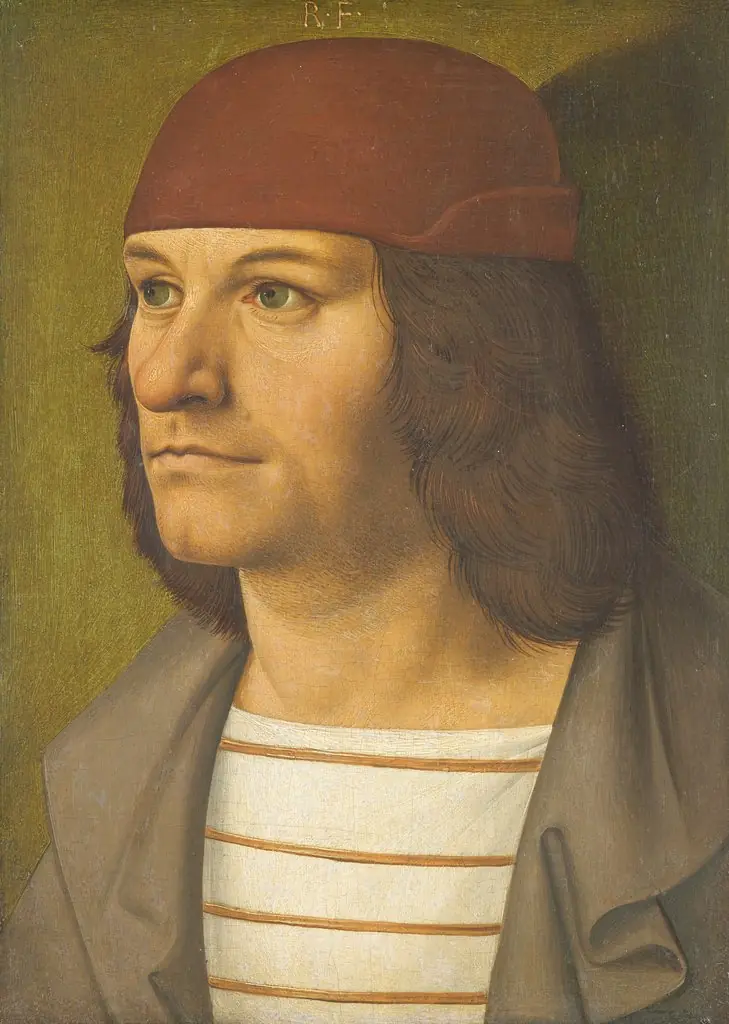
Rueland Frueauf the Elder (1440–1507) was an artist, born in Obernberg am Inn.

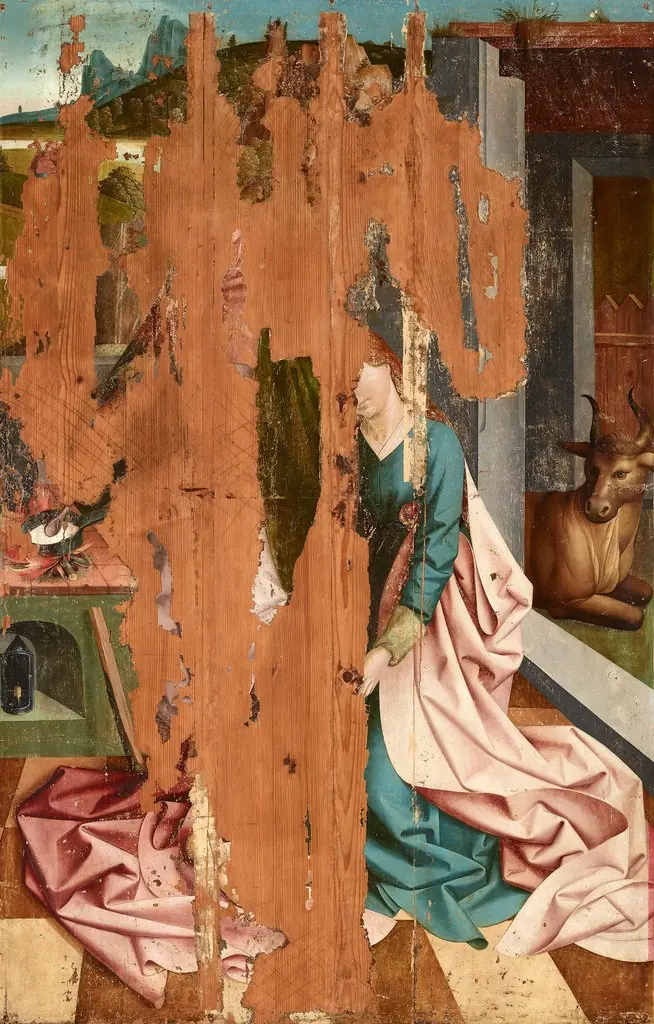
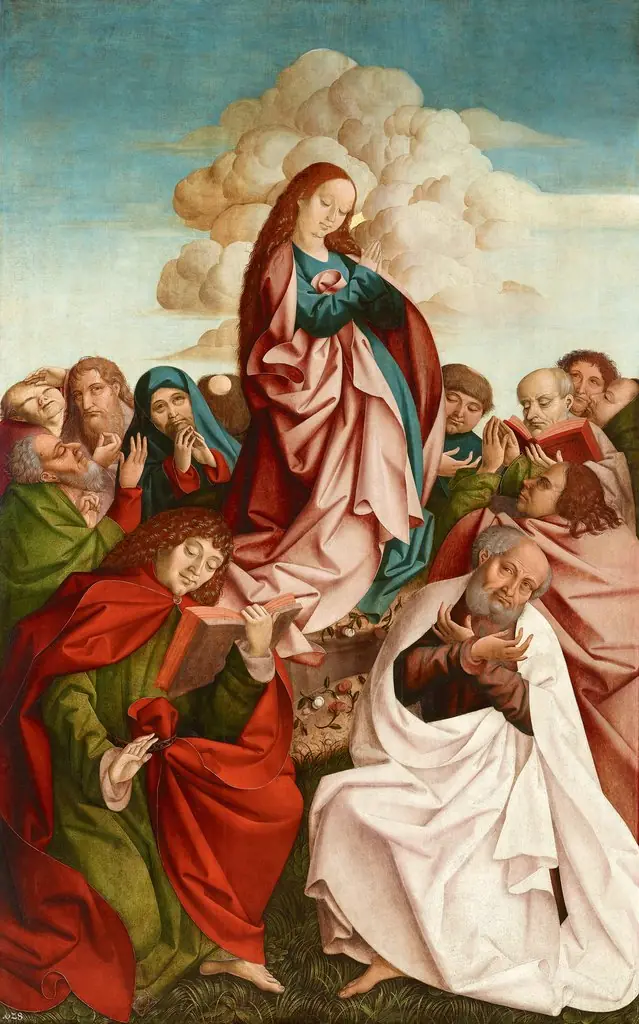
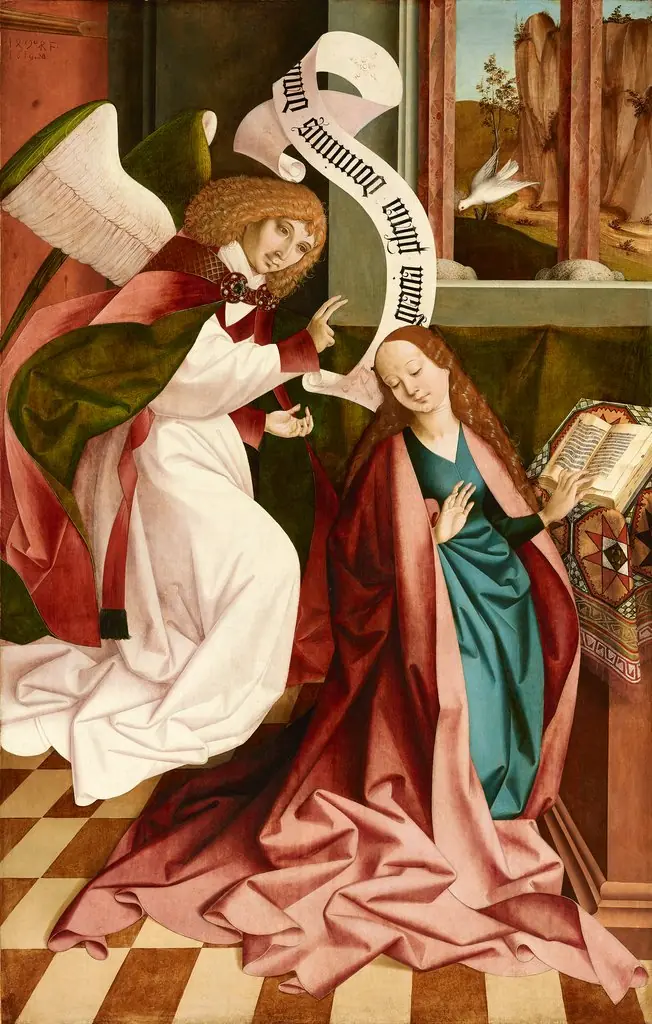
- Kreuzigung Christi
 The Crucifixion
 Altarpiece with The Passion of Christ
 Crucifixion of Christ
 Crucifixion
 The Descent from the Cross
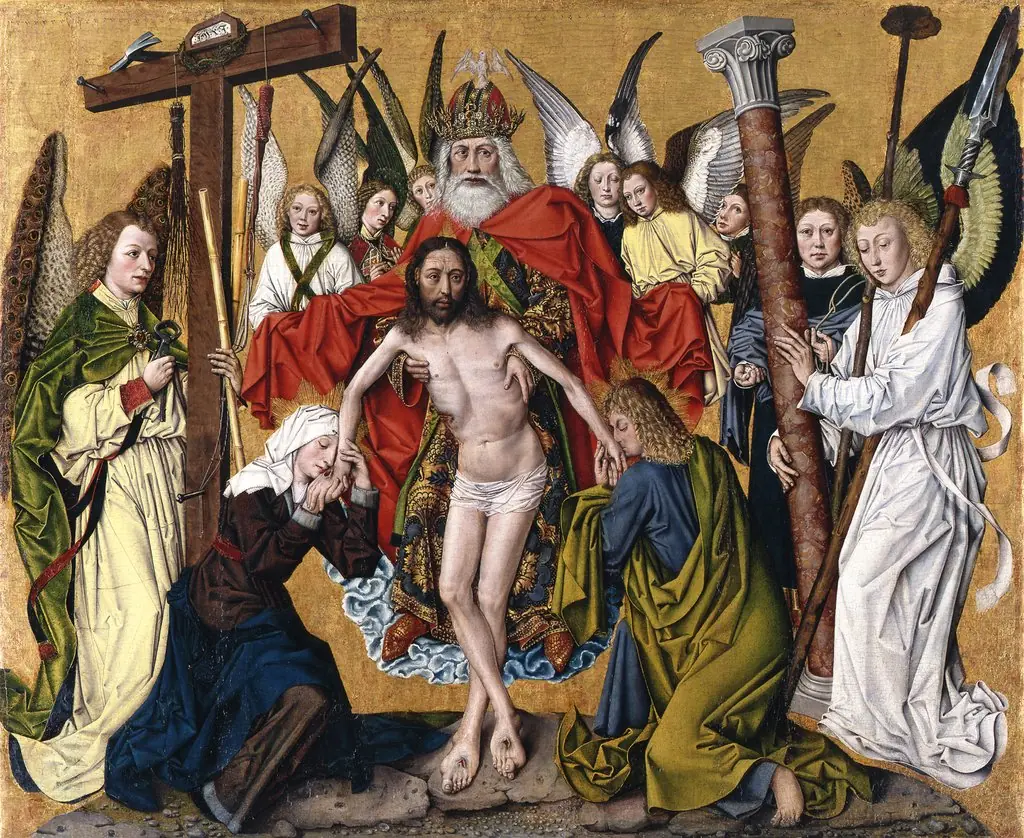 The Throne of Mercy with the Virgin, St. John, and Angels with the Arma Christi
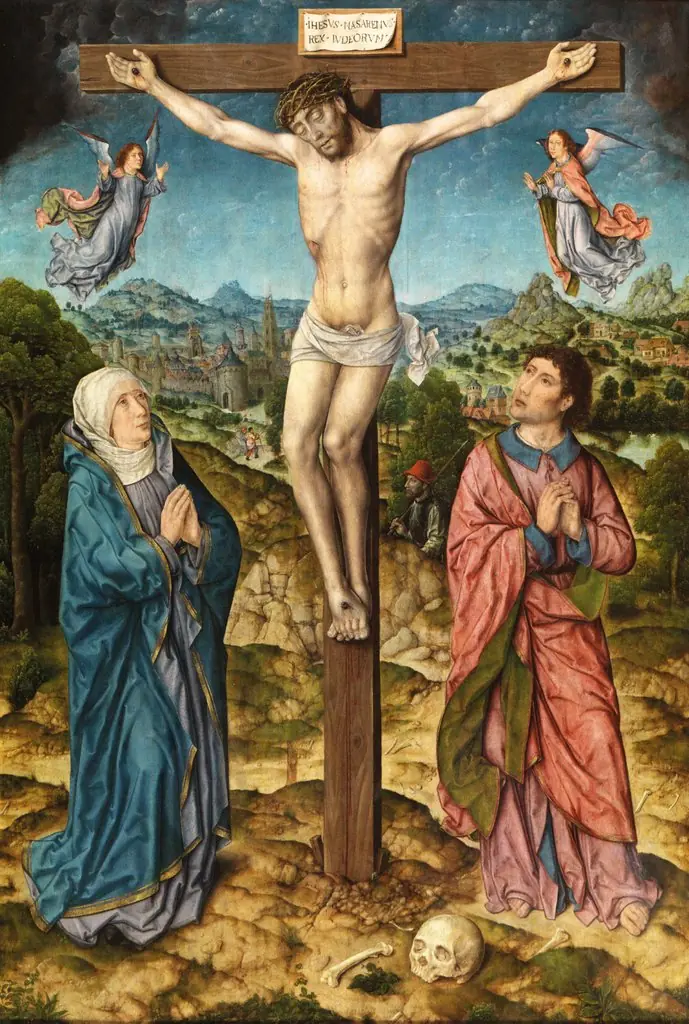 The Crucifixion
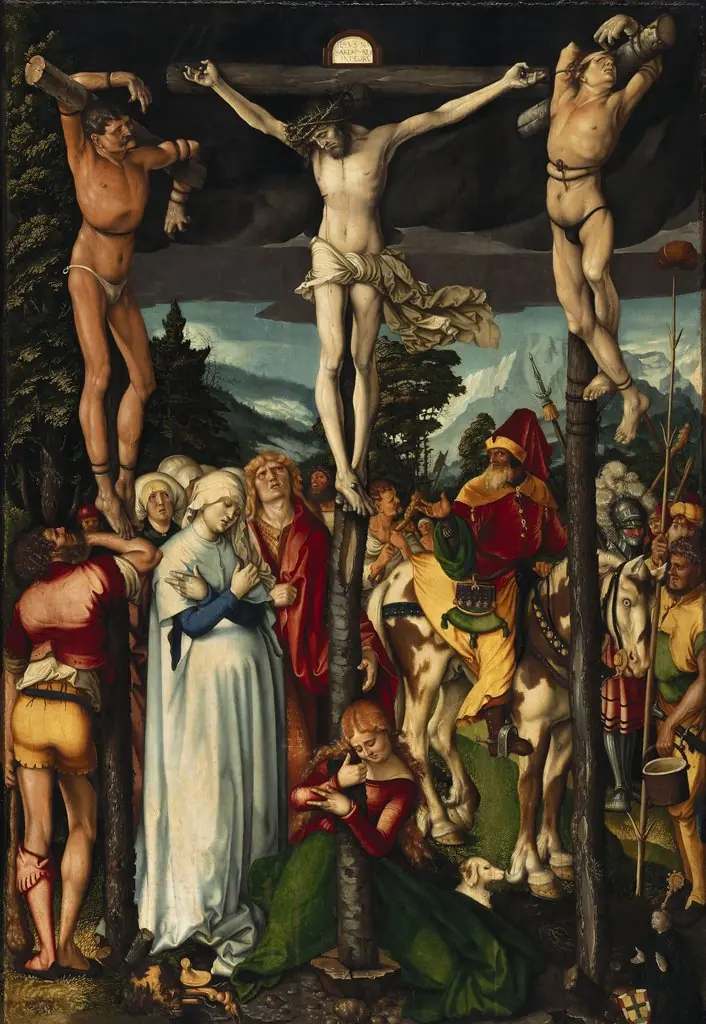 The Crucifixion of Christ
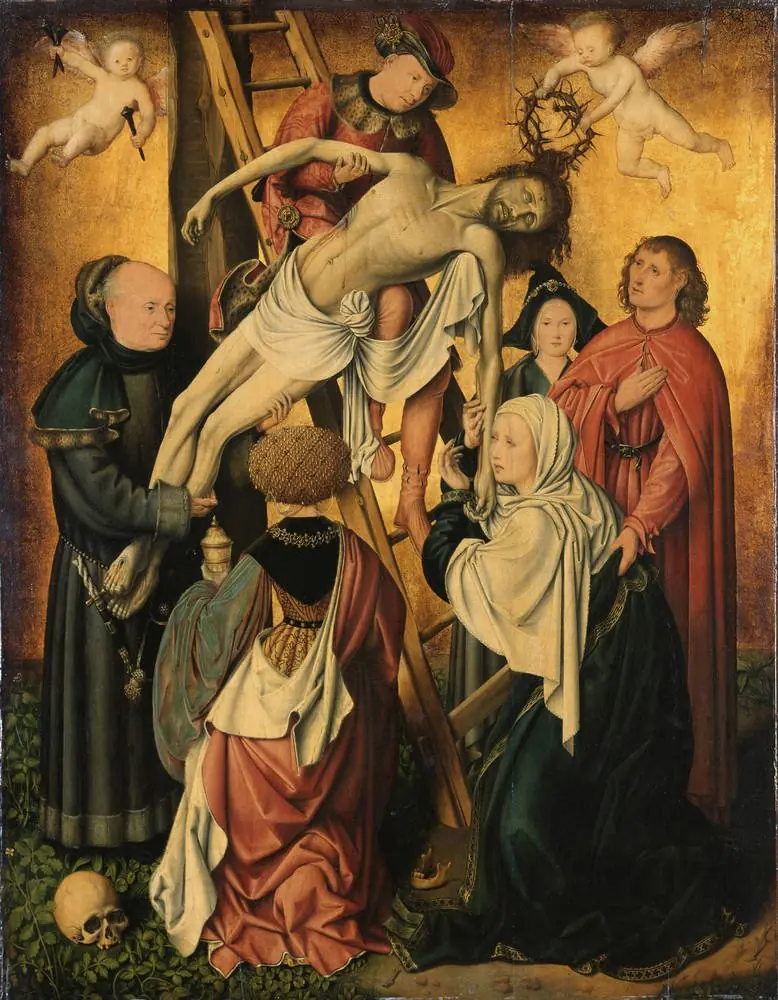 Kreuzabnahme
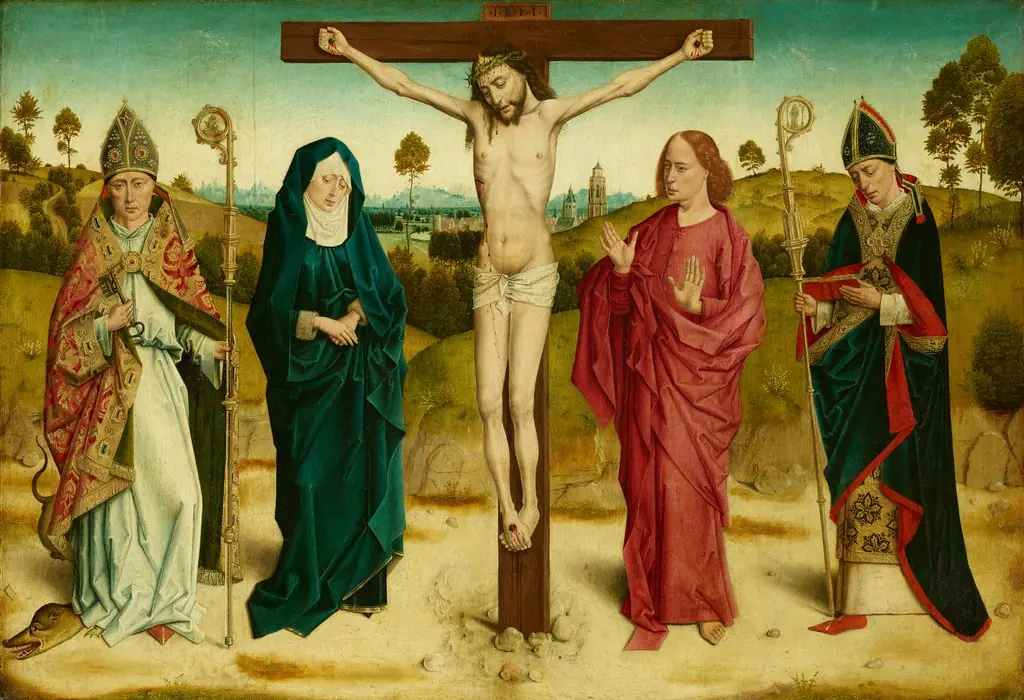 Christ crucified between Mary and John the Evangelist and the saints Adolphus and Ambrosius