Artwork
The Dream after the Ball
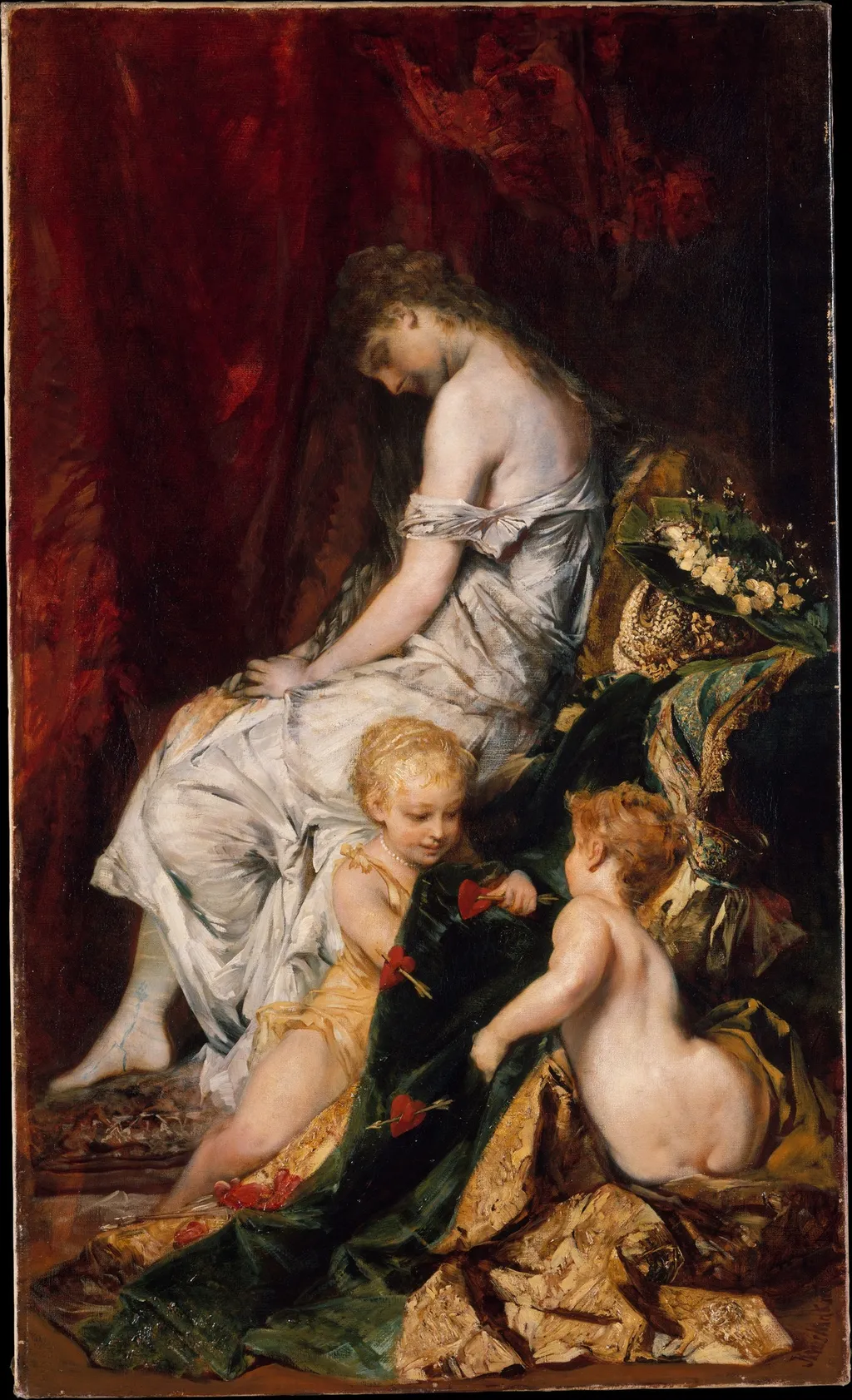
The Dream after the Ball is an oil painting by the Orientalist artist Hans Makart. It dates from 1872 and is held in the collection of the Metropolitan Museum of Art.
About this work
Subject & Meaning
The work shows a woman accompanied by a girl, set within an imagined, dream‑like atmosphere that alludes to post‑ball festivities.
The work shows a woman accompanied by a girl, set within an imagined, dream‑like atmosphere that alludes to post‑ball festivities. Painted in 1872, Makart renders the figures in a theatrical composition that emphasizes grace and transience, using oil on canvas to heighten the sensuality of the scene. The painting’s subject thus centers on the fleeting moment between celebration and reverie, inviting viewers to contemplate the ephemeral nature of dance and memory.
Held in the Metropolitan Museum of Art, the piece exemplifies 19th‑century academic interest in mythic and allegorical narratives expressed through contemporary social rituals.
Technique & Style
Hans Makart’s The Dream after the Ball (1872) is executed in oil paint on canvas, measuring 158.4 × 94.6 cm. The medium’s rich pigmentation and slow drying time allowed Makart to build luminous, layered glazes, characteristic of his opulent style. The support, a tightly woven, medium-weight canvas, provides a stable foundation for the intricate detailing and textural contrasts evident in the work.
Stylistically, the painting exemplifies Makart’s signature fusion of academic precision and decorative excess. Brushwork ranges from fine, almost invisible strokes in the flesh tones and drapery folds to broader, impasto applications in the floral accents and decorative accessories. The composition’s theatrical lighting and saturated palette, deep crimsons, golds, and ivories, enhance its dreamlike, sumptuous atmosphere.
The condition of the work, as held by the Metropolitan Museum of Art, remains stable, preserving its original vibrancy and meticulous surface treatment.
History & Provenance
Hans Makart created the oil painting The Dream after the Ball in 1872. Executed on canvas, the work measures 158.4 cm in height and 94.6 cm in width. The painting is currently held in the collection of the Metropolitan Museum of Art.
The sources do not provide details regarding a specific commission, the chain of ownership prior to the museum, or the specific circumstances of its creation beyond the artist and date.
Overview
Hans Makart, an Austrian academic painter, completed The Dream after the Ball in 1872. This oil painting, part of the Orientalist movement, depicts a woman and two children in a tender scene. The work is currently housed in the collection of The Metropolitan Museum of Art, representing a key example of Makart's output and the artistic trends of his era.
Context
Created by Hans Makart, a prominent Austrian academic history painter, The Dream after the Ball reflects his significant influence on the visual arts in Austria-Hungary during the late 19th century. The painting's classification within the Orientalist movement, though subtly expressed, aligns it with a broader European fascination with exotic subjects and aesthetics, often interpreted through a romanticized lens.
Own this work as a print
Artist & collection
Artist
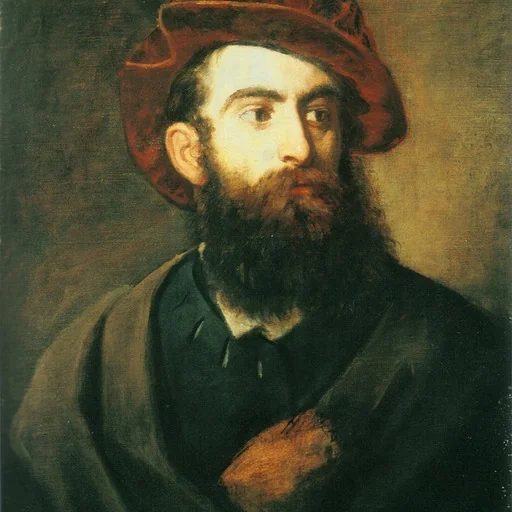
Hans Makart (28 May 1840 – 3 October 1884) was an Austrian academic history painter, designer and decorator.

- Mother and Children (Madame Feydeau and Her Children)
 Young Mother with Child
 Classical Scene
 The Young Mother
 Mother's Happiness
 Scenă mitologică
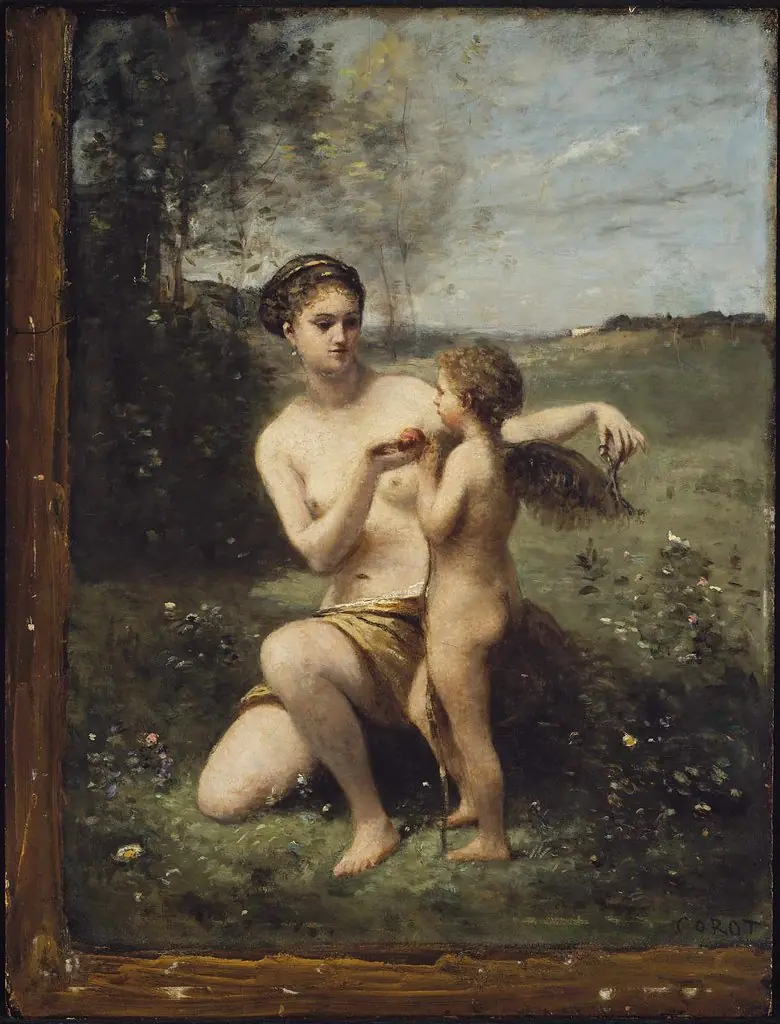 Venus Clipping Cupid's Wings
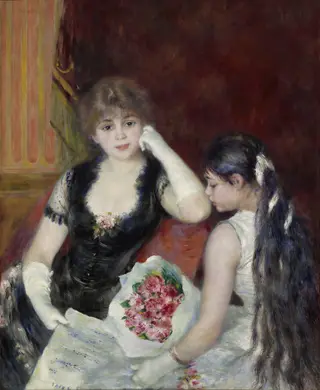 A Box at the Theater (At the Concert)
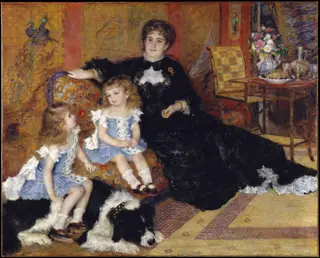 Madame Georges Charpentier and her Children
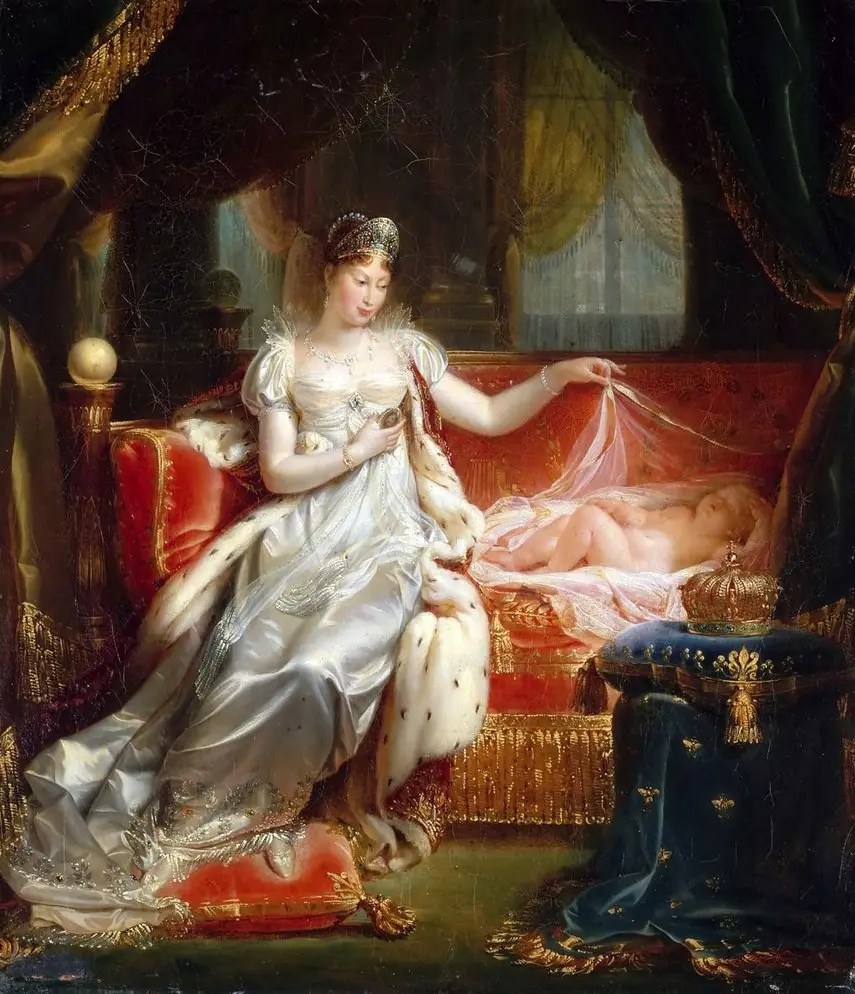 The Empress Marie-Louise watching over the sleep of the King of Rome
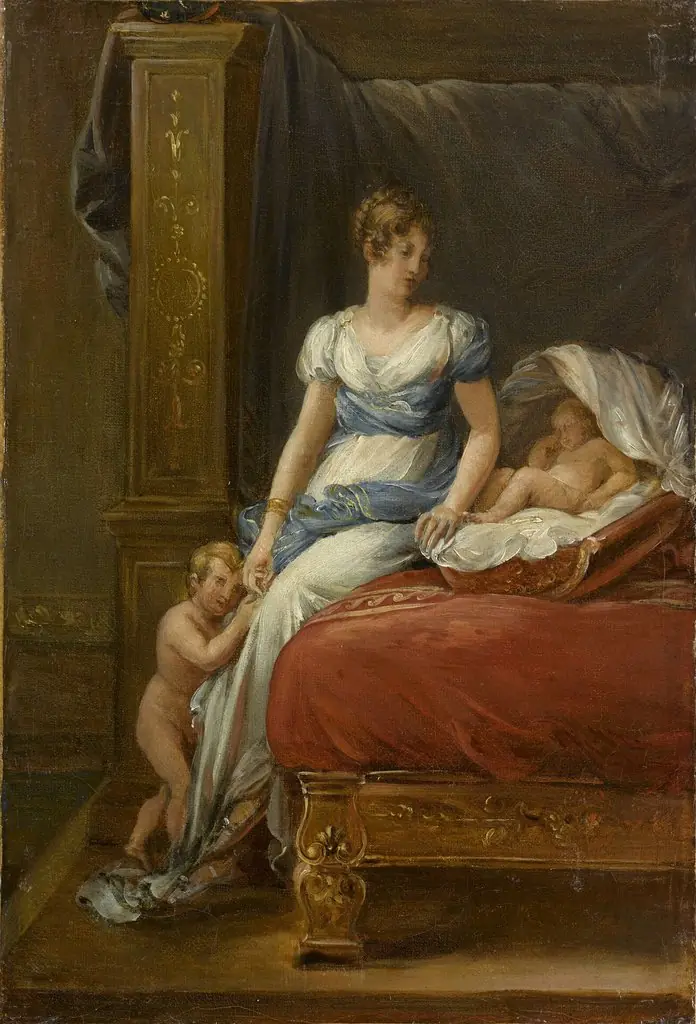 Marie-Annunciade-Caroline Bonaparte, Queen of Naples and her children
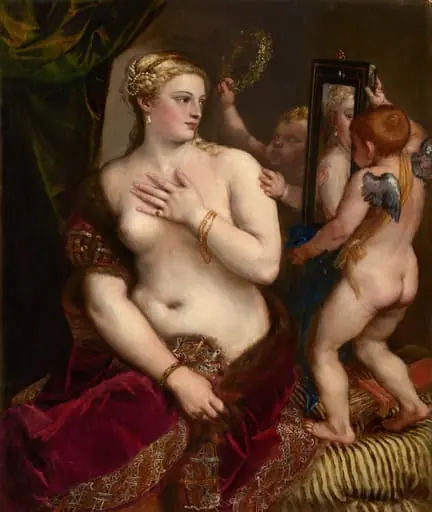 Venus with a Mirror