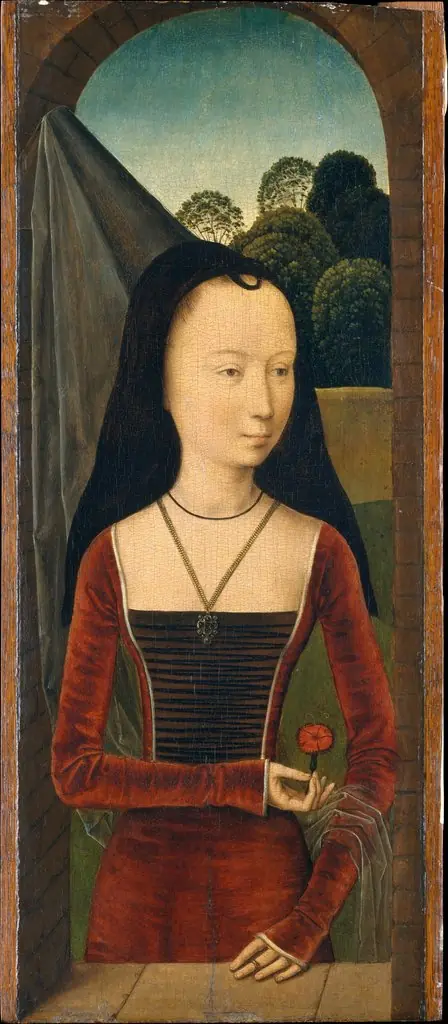
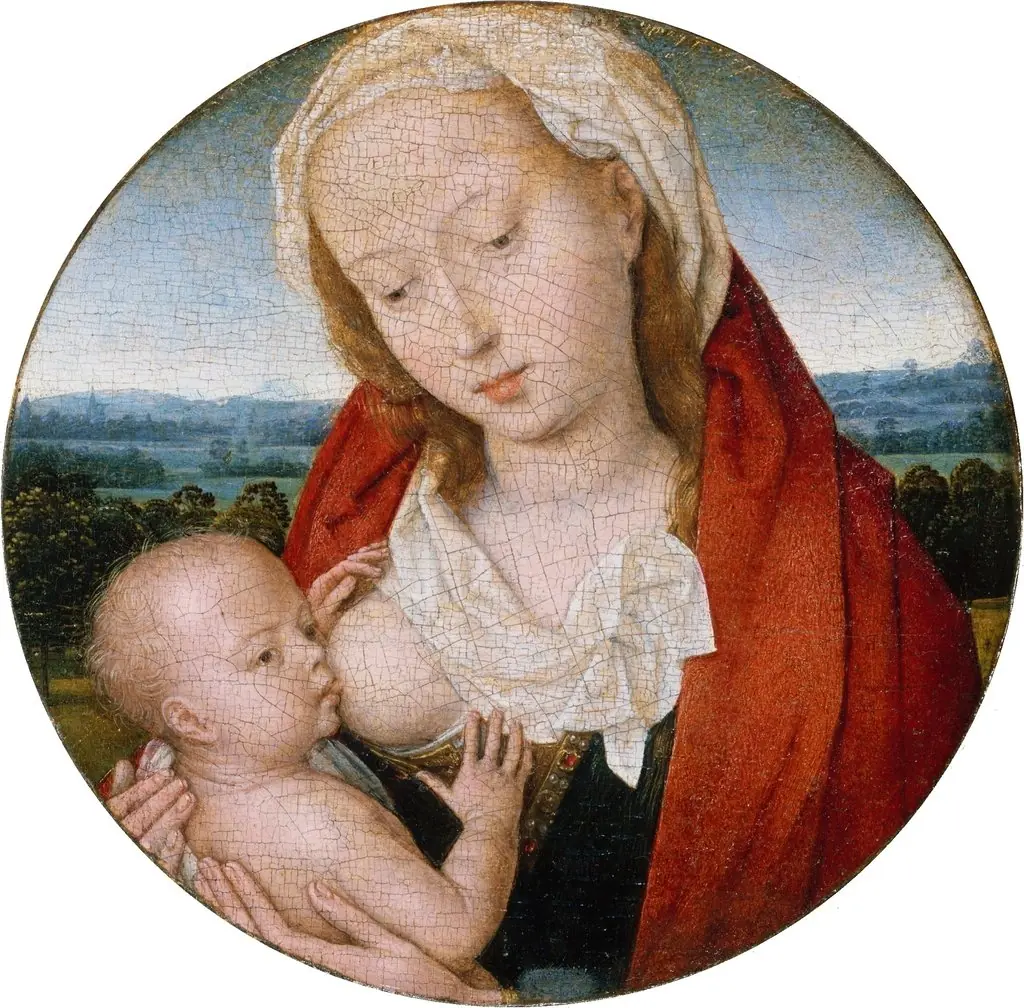
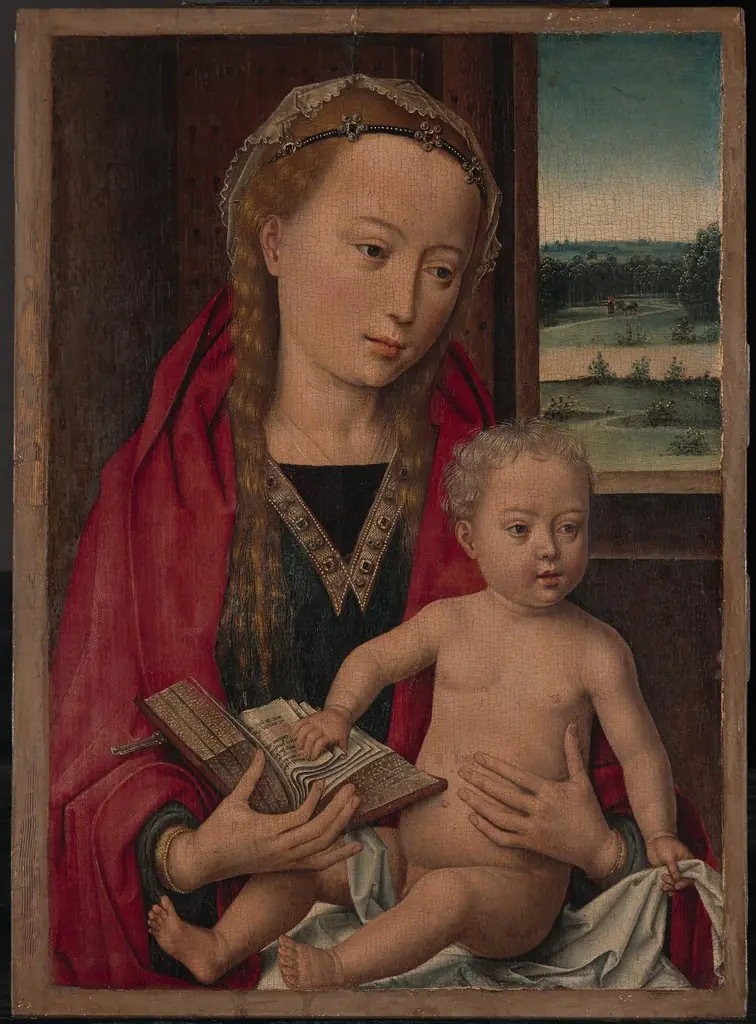
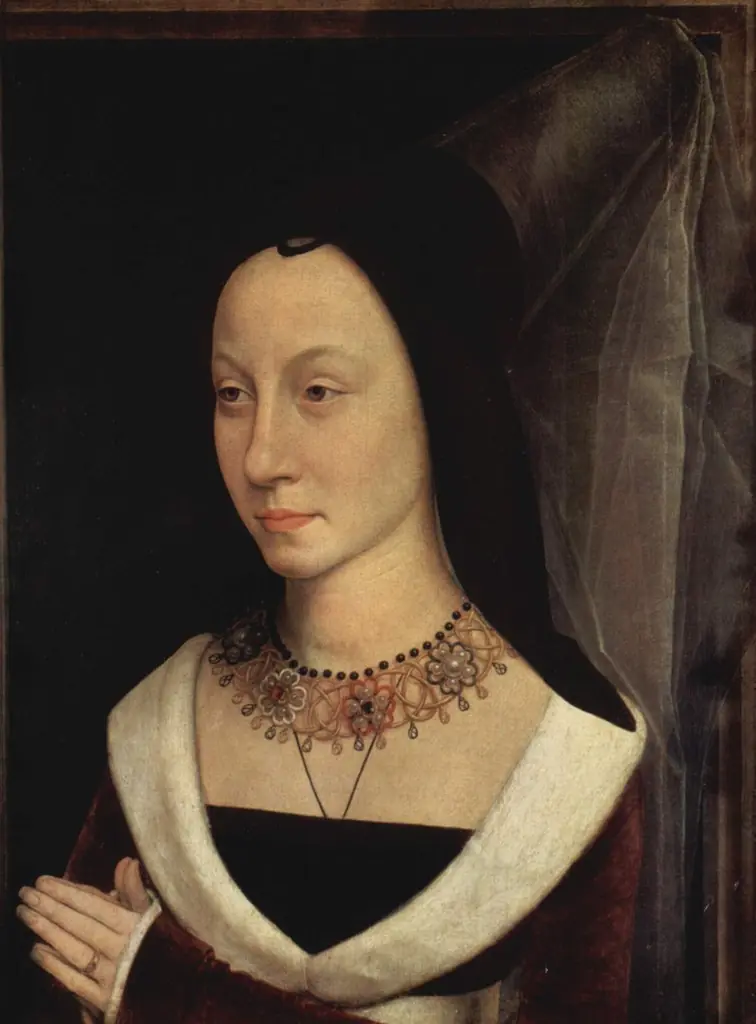
Artwork
Eve
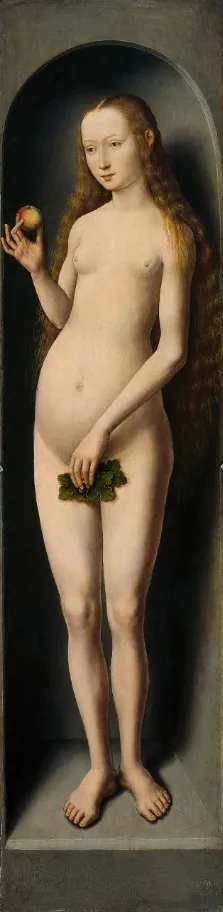
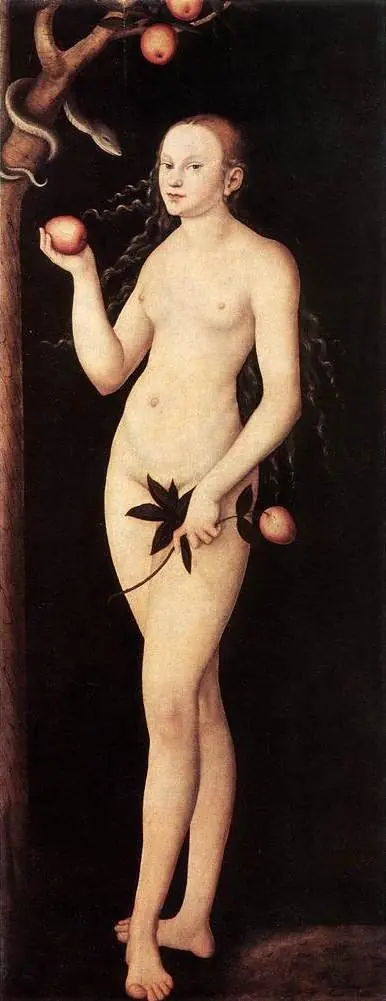
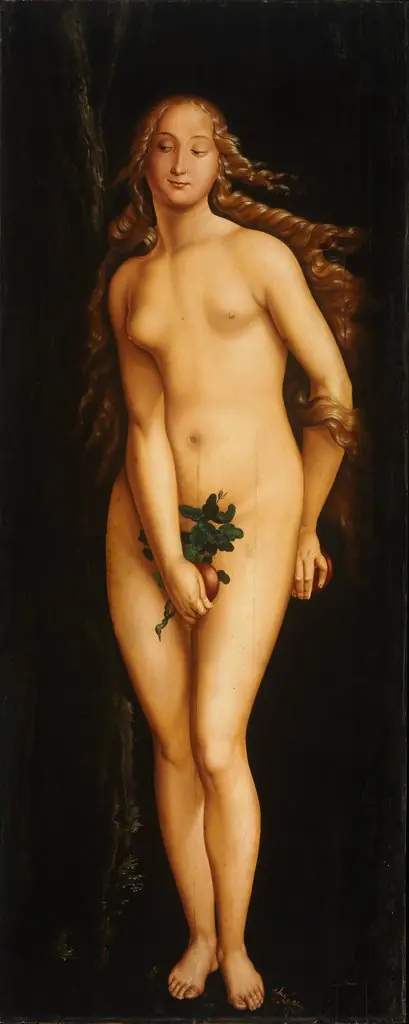
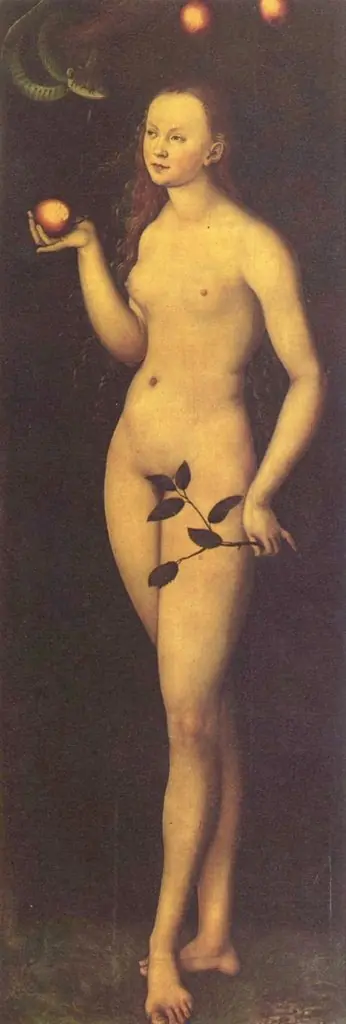
Eve is an oil painting by the Northern Renaissance artist Hans Memling. It dates from 1493 and is held in the collection of the Kunsthistorisches Museum.
About this work
Subject & Meaning
The painting depicts the biblical narrative of the fall of man, showing Eve alongside Adam partaking of the forbidden fruit. This scene functions as a visual allegory for original sin and humanity's loss of innocence. The work belongs to the religious art genre within the Early Netherlandish painting movement and was created by Hans Memling in 1485 using oil on panel.
Technique & Style
The painting has been part of the Kunsthistorisches Museum's collection since its inception, maintaining its structural integrity through careful conservation.
Eve is an early Netherlandish oil painting on wooden panel created by Hans Memling in 1485. The artwork measures 69.3 cm in height and 17.3 cm in width, depicting the biblical scene of the Fall of Man. Executed in oil paint on panel, it exemplifies the meticulous technique and rich coloration characteristic of the period.
The composition features a frontal half-length figure of Eve set within a shallow interior space, rendered with precise anatomical modeling and delicate modeling of drapery. The handling of light and texture demonstrates Memling's mastery of early Netherlandish conventions, particularly in the rendering of skin tones and fabric. The painting has been part of the Kunsthistorisches Museum's collection since its inception, maintaining its structural integrity through careful conservation.
History & Provenance
Hans Memling painted Eve circa 1485 as an oil on panel work depicting the fall of man. The painting entered the collection of the Kunsthistorisches Museum, where it remains today.
The work was created in the late 15th century, reflecting Early Netherlandish techniques and religious subject matter. Its dimensions measure approximately 69.3 cm in height and 17.3 cm in width.
The painting's provenance is documented through its continuous ownership by the Kunsthistorisches Museum since its creation, with no recorded private sales or transfers.
Historical records confirm its commission likely relates to devotional practice in the late medieval period, though specific patron details are not available in the sources.
The dating of 1485 is corroborated by museum records and aligns with the stylistic period of Early Netherlandish painting.
Legacy
The painting Eve by Hans Memling, created in 1485, helped shape the visual language of early Netherlandish religious art and influenced later depictions of biblical narratives. By combining naturalistic detail with symbolic depth, the work contributed to the development of devotional imagery in the late 15th century. Its representation of the fall of man within a domestic interior set a precedent for integrating theological themes into private worship spaces.
The legacy of Eve endures in its continued study as a key example of Early Netherlandish painting and its impact on subsequent religious art.
Overview
The painting 'Eve' is an oil on panel work by Hans Memling, dated to 1493. It is a representation of a biblical figure.
Artist & collection
Artist
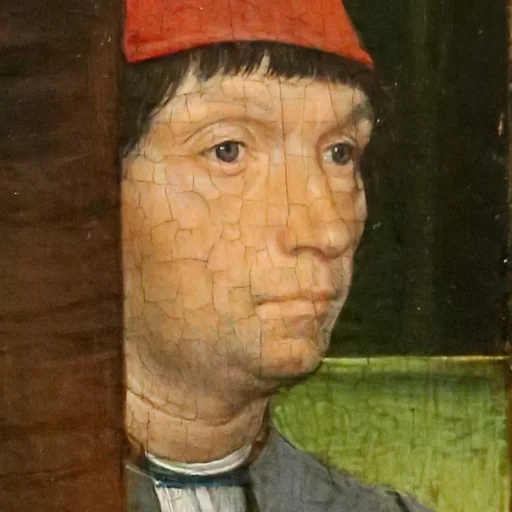
Hans Memling was a German-Flemish painter who worked in the tradition of Early Netherlandish painting.

![Saint Veronica [obverse], by Hans Memling](https://artifactworldgallery.com/img/hans-memling--saint-veronica-obverse--5a649fd8b09c96b9-w320.webp)