Artwork
Fisherman's Cottage
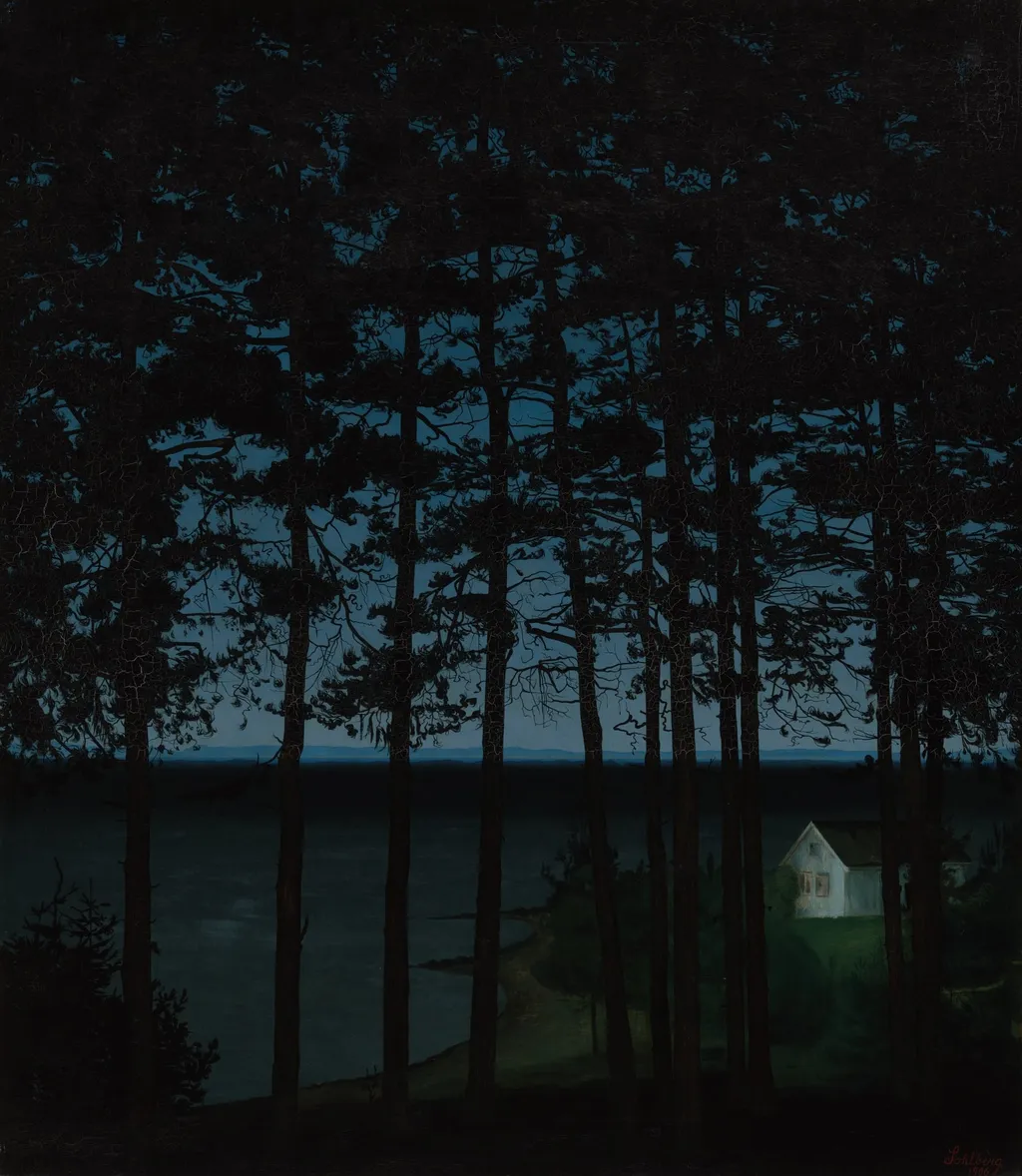
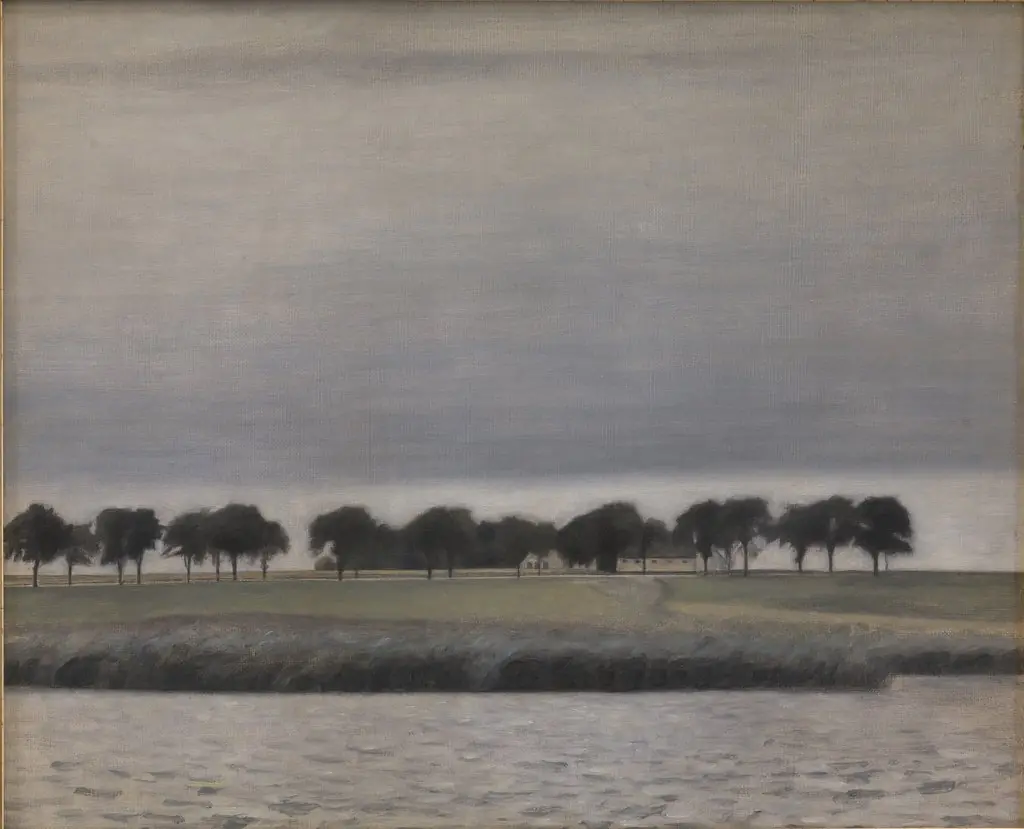
Fisherman's Cottage is an oil painting by the Post-Impressionist artist Harald Oscar Sohlberg. It dates from 1906 and is held in the collection of the Art Institute of Chicago. This oil on canvas painting depicts a solitary white cottage on a shoreline at twilight.
- Accession no.
- 152437
- Credit line
- Gift of Edward Byron Smith
About this work
Overview
This oil on canvas painting depicts a solitary white cottage on a shoreline at twilight. The structure is illuminated from within, standing out against the deepening night. Dense, dark trees frame the view, partially obscuring the landscape and directing attention toward the dwelling. The composition emphasizes stillness and seclusion, with no human figures present.
Subject & Meaning
The cottage, glowing warmly against the surrounding darkness, suggests refuge and domestic quiet. Its isolation, framed by shadowed trees, evokes a sense of solitude rather than abandonment. The absence of people or movement invites contemplation of private life, where light becomes a symbol of human presence amid the vast, quiet natural world.
Technique & Style
The artist employs chiaroscuro to heighten the contrast between the brightly lit cottage and the enveloping shadows of the trees and water. Brushwork is restrained, with soft edges blending the twilight sky and still water. The illumination is localized, creating a focused emotional center that draws the viewer’s gaze inward, reinforcing the painting’s intimate mood.
History & Provenance
The painting was completed in the late 19th century by a Dutch artist known for coastal scenes. It remained in private collections in the Netherlands until the mid-20th century, when it was acquired by a regional museum. Its provenance is well-documented, with exhibition records from the 1890s confirming its early reception among landscape-focused audiences.
Context
Created during a period when European artists increasingly turned to quiet, everyday scenes, this work reflects a broader interest in mood and atmosphere over narrative. It aligns with the tonalist movement, which favored subdued palettes and emotional resonance. The cottage, a common motif in Dutch art, here becomes a vessel for introspection rather than a symbol of rural labor.
Legacy
The painting is recognized for its restrained use of light and shadow to convey emotional depth without melodrama. It influenced later artists exploring nocturnal interiors and isolated dwellings, particularly in American and Scandinavian traditions. While not widely reproduced, it remains a studied example of how minimal elements can evoke profound stillness.
Own this work as a print
Artist & collection

Artist
Norwegian painter Harald Sohlberg captured quiet corners of his homeland in thick, glowing oils.

 Pines
Pines Spring Evening During the Break-Up of the Ice
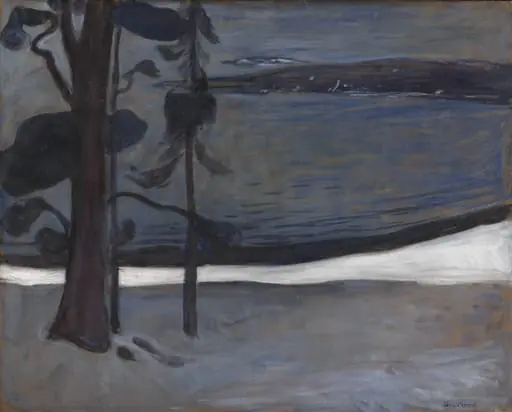 Winter in Nordstrand
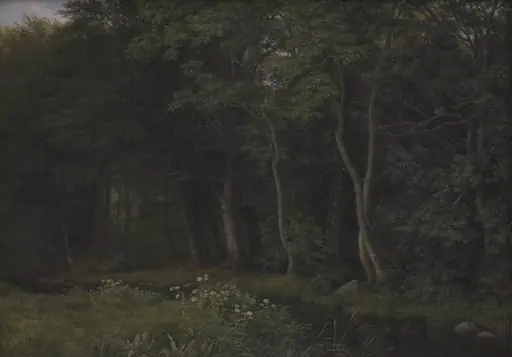 Twilight Setting in a Wood near Iselingen Manor, Zealand
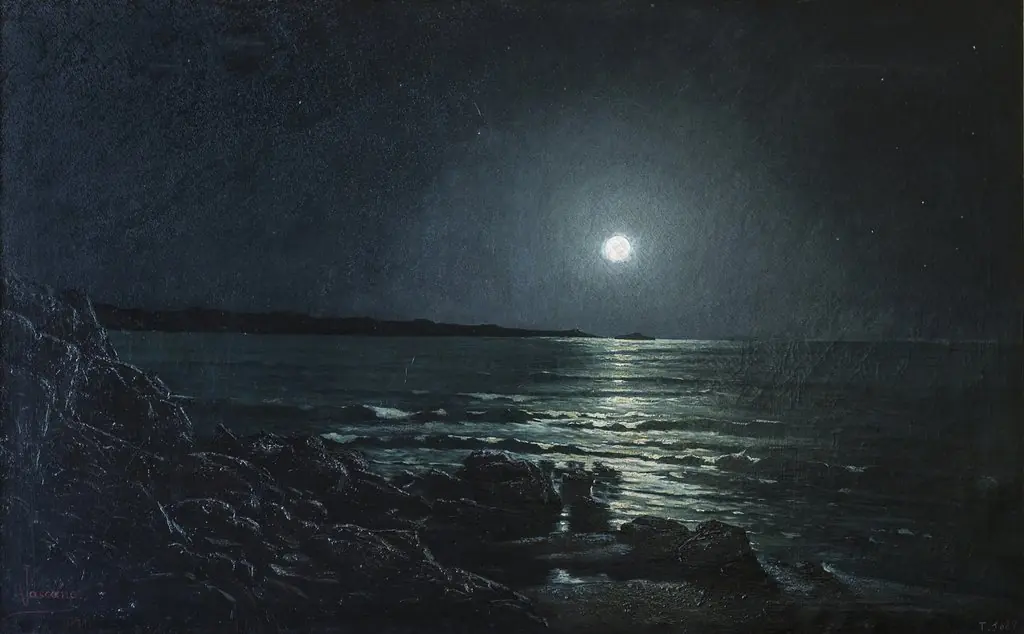 A Night at the Sea
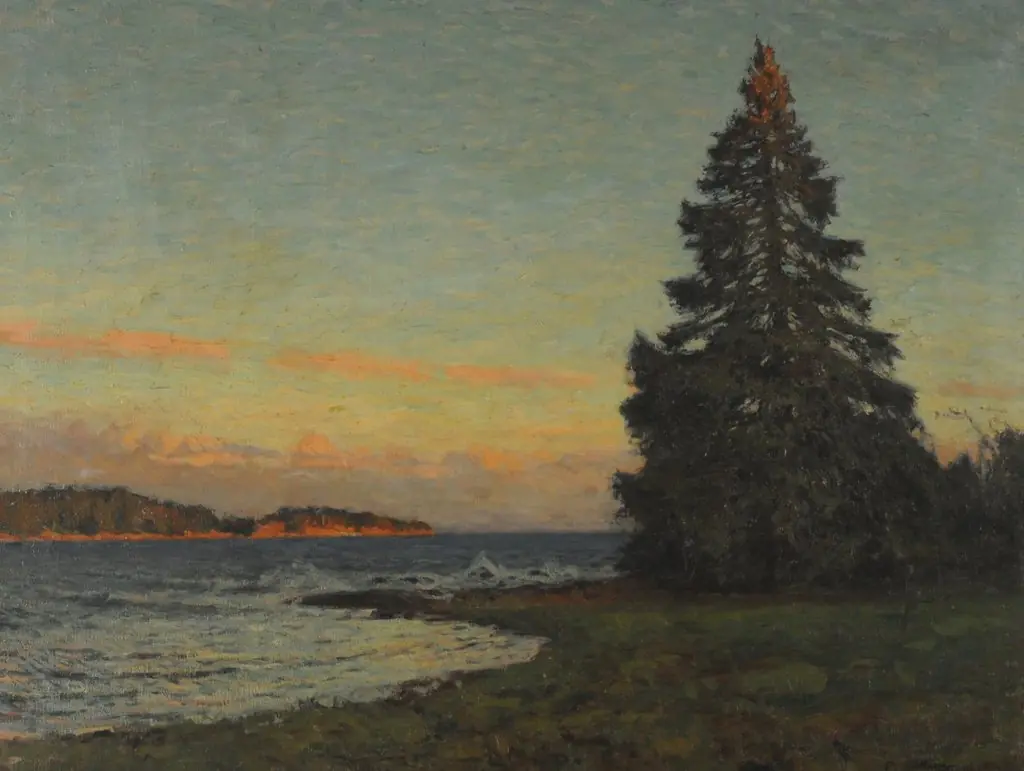 El abeto
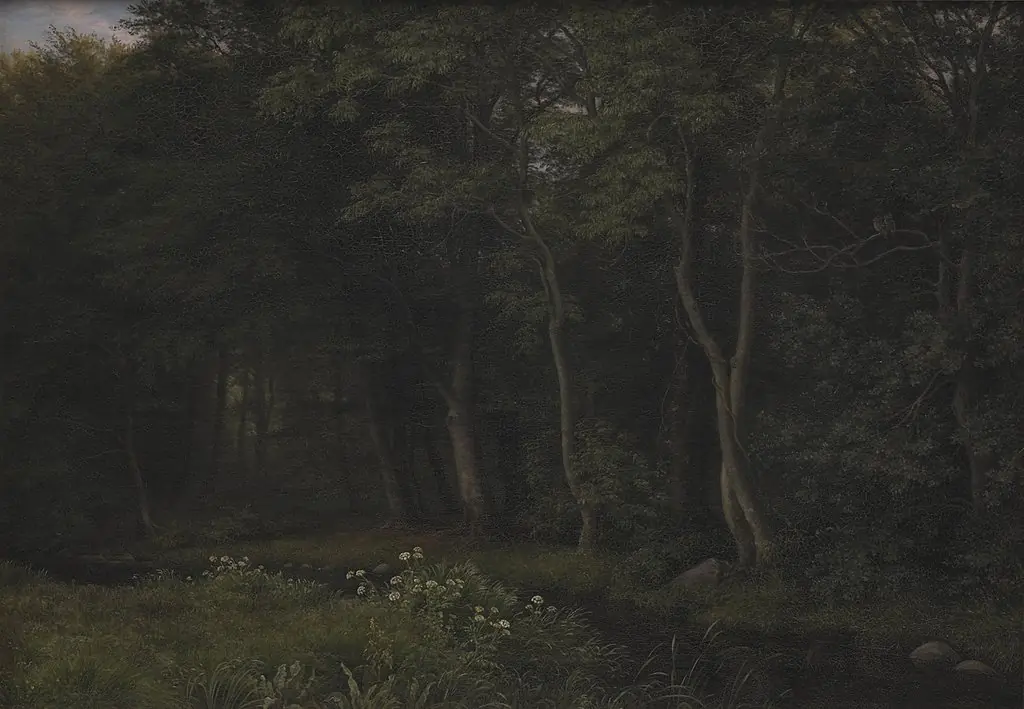 Twilight Setting in a Wood near Iselingen Manor, Zealand
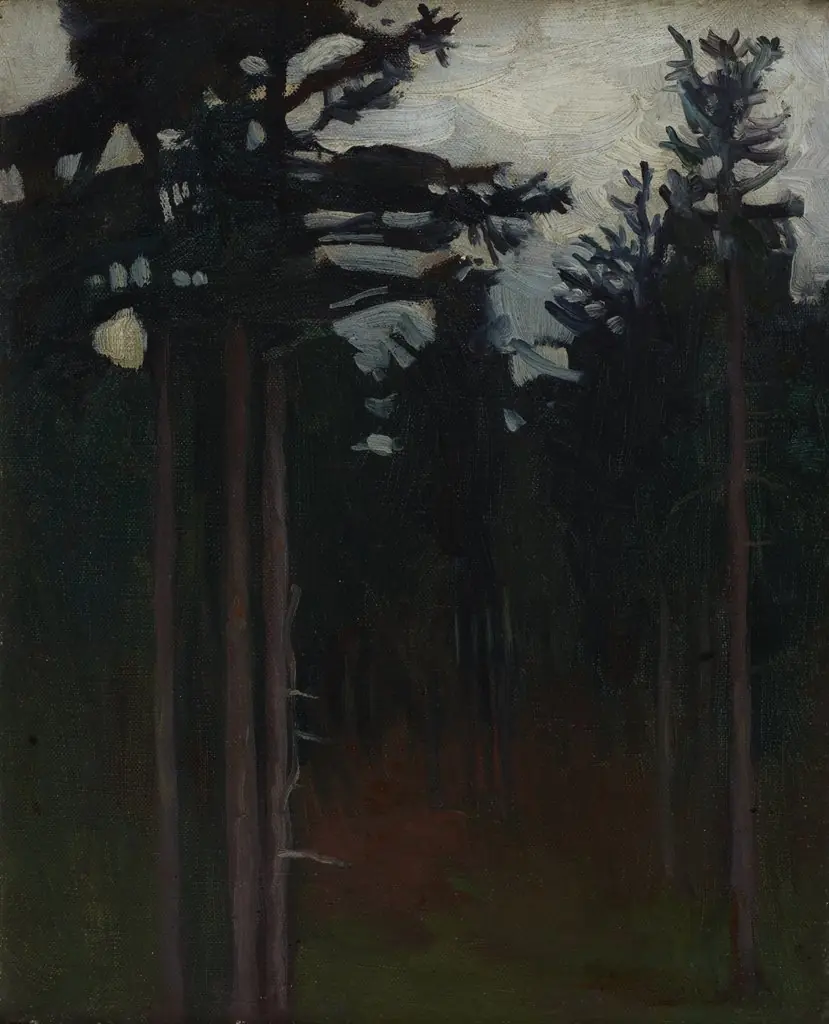 Inside the Forest
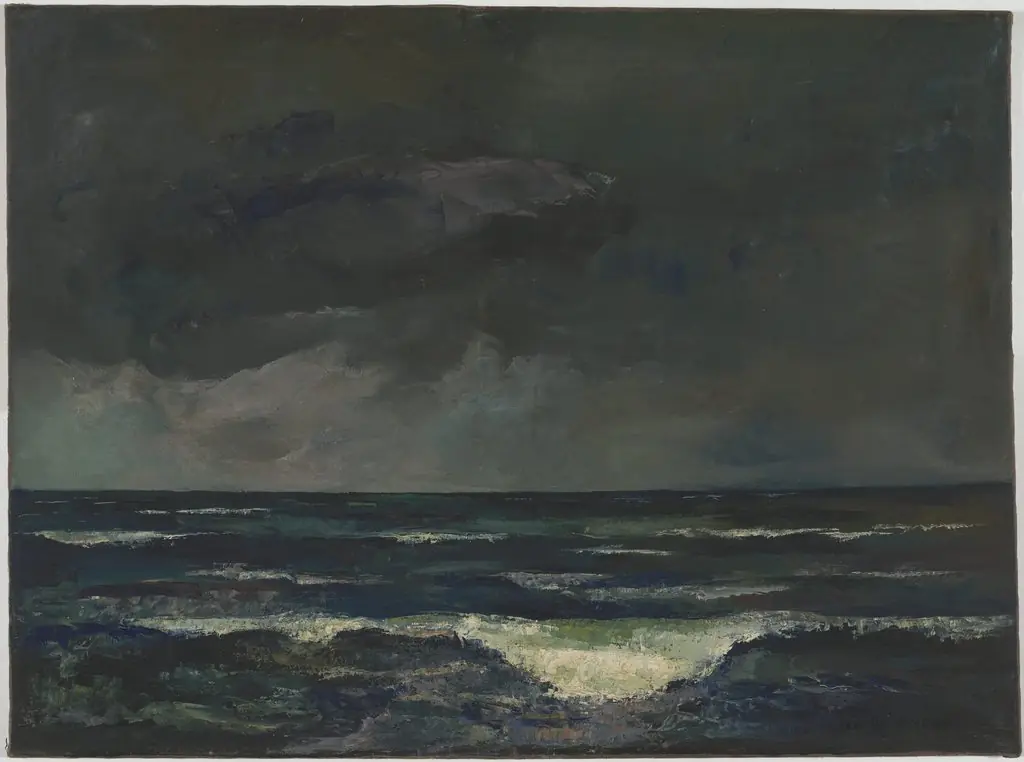 Golfslag
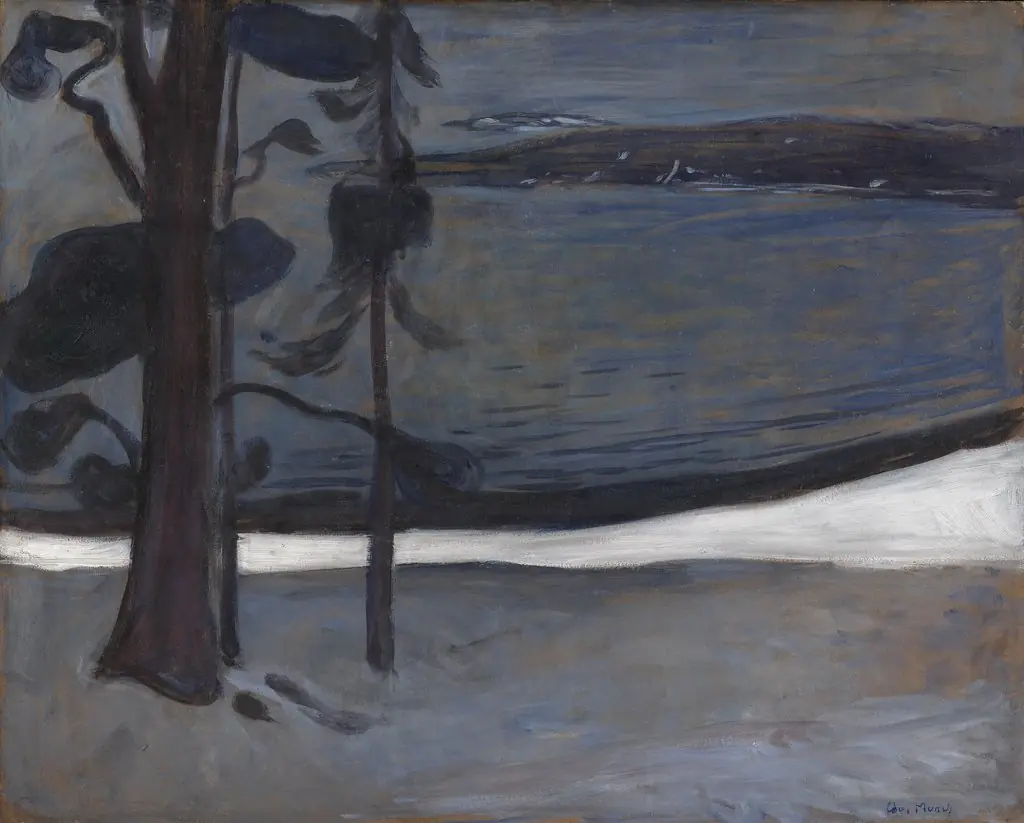 Winter at Nordstrand
 Forstudie til "Solregn. Gentofte Sø"
- Fisherman's Cottage