Subject
Pipe
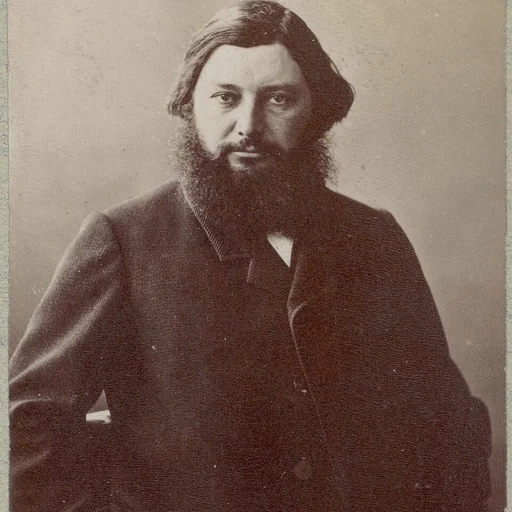
Pipe is a subject in art. The gallery holds 47 works in this subject in art, including works by Gustave Courbet, John Haberle and Eastman Johnson.
family name
Key artists
Overview
The pipe is a recurring motif in visual art, functioning both as a mundane personal object and a vessel of complex cultural meaning. As an implement for smoking tobacco, opium, and other stimulants, the pipe has served as a mirror of society across centuries and continents, reflecting traditions of enjoyment, relaxation, and ritual. In art, it recurs because of its intimate connection to daily life and its potent symbolic versatility, capable of signifying anything from domestic leisure and peasant labor to philosophical contemplation and the boundaries of representation itself.
Iconography & meaning
The iconography of the pipe is deeply tied to its role in global smoking culture, where it has served as a personal attribute for relaxation and a focal point for ritual. In European contexts, it often signifies leisure, contemplation, or vice, while in other traditions, such as those of American Indians, it carries profound ceremonial weight, as seen in the iconic peace pipe. Beyond its social connotations, the pipe has been employed in art to question the nature of reality and representation. By placing familiar objects in unfamiliar contexts, artists have used the pipe to provoke questions about the boundaries between an object and its image, exploiting the tension between the physical utility of the pipe and its conceptual interpretation.
Notable depictions
A canonical depiction of the pipe occurs in the work of Belgian Surrealist René Magritte, who famously utilized the motif to challenge perceptual norms. In his 1929 painting The Treachery of Images, Magritte painted a realistic pipe accompanied by the text stating it is not a pipe, forcing a confrontation between the representation of an object and the object itself. This work emerged during his involvement with the Surrealist group in Paris and his exploration of the disconnect between words and images. Magritte's broader oeuvre, which influenced pop, minimalist, and conceptual art, consistently used familiar objects in unexpected contexts to destabilize assumptions about reality.
Legacy
The legacy of the pipe as an artistic motif extends beyond its presence in paintings into the institutional preservation of global smoking culture. Dedicated collections, such as the Amsterdam Pipe Museum, have formalized the study of the pipe, elevating it from a niche historical artifact to a subject of serious academic and anthropological inquiry. Founded initially as a private collection in 1969, the museum achieved national recognition and now offers a fully digitized archive of over 38,000 objects. This institutional and digital preservation ensures that the pipe's diverse cultural meanings, from the oldest known pipe from 550 BC to intricate nineteenth-century designs, remain accessible, cementing the object's status as a significant mirror of human civilization rather than a mere utilitarian tool.
Works
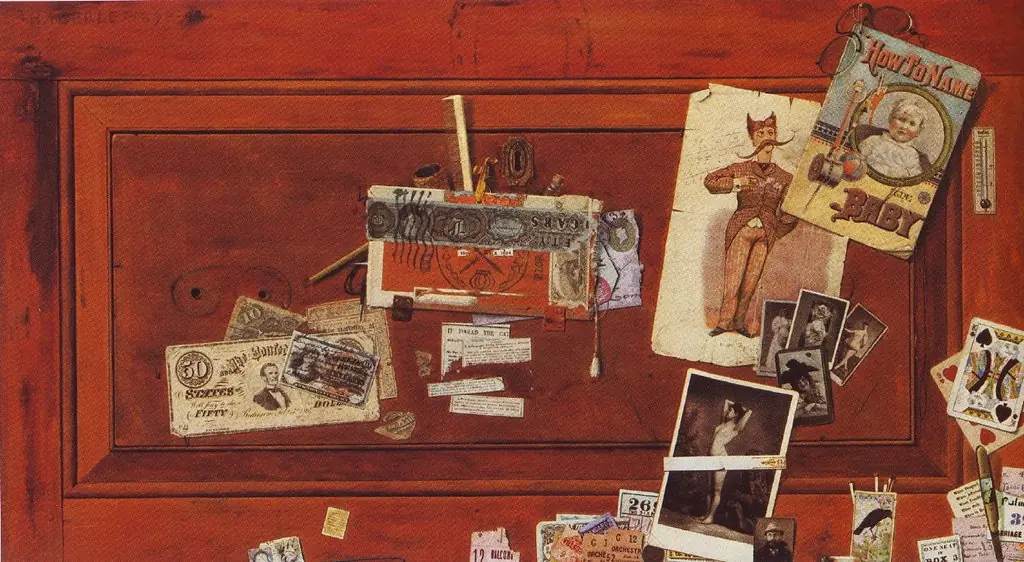 A Bachelor's Drawer
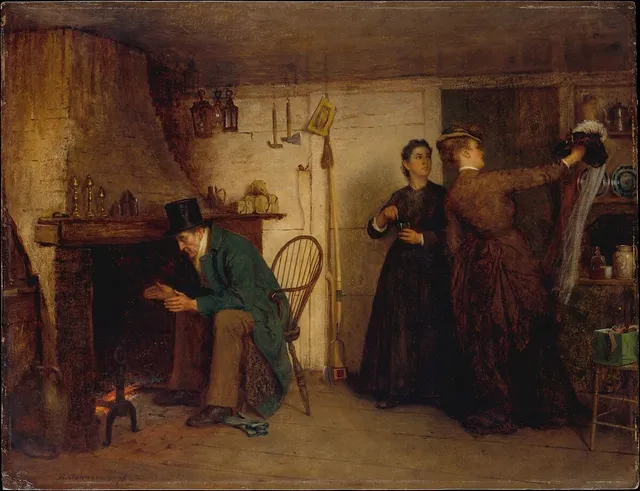
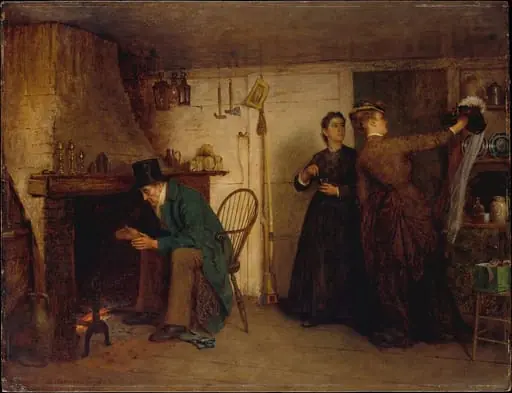 The New Bonnet
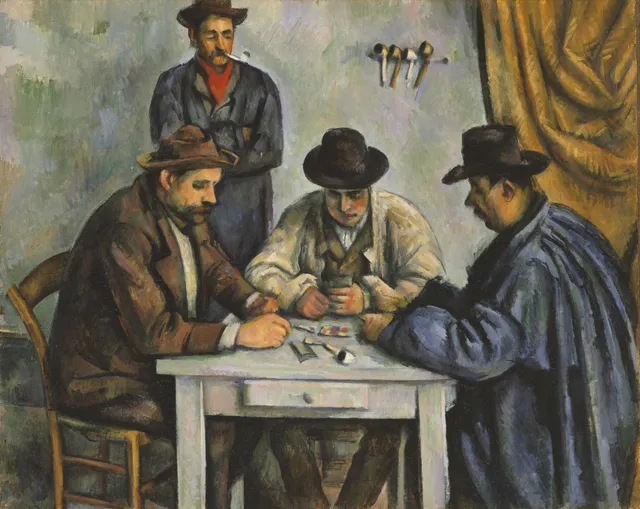
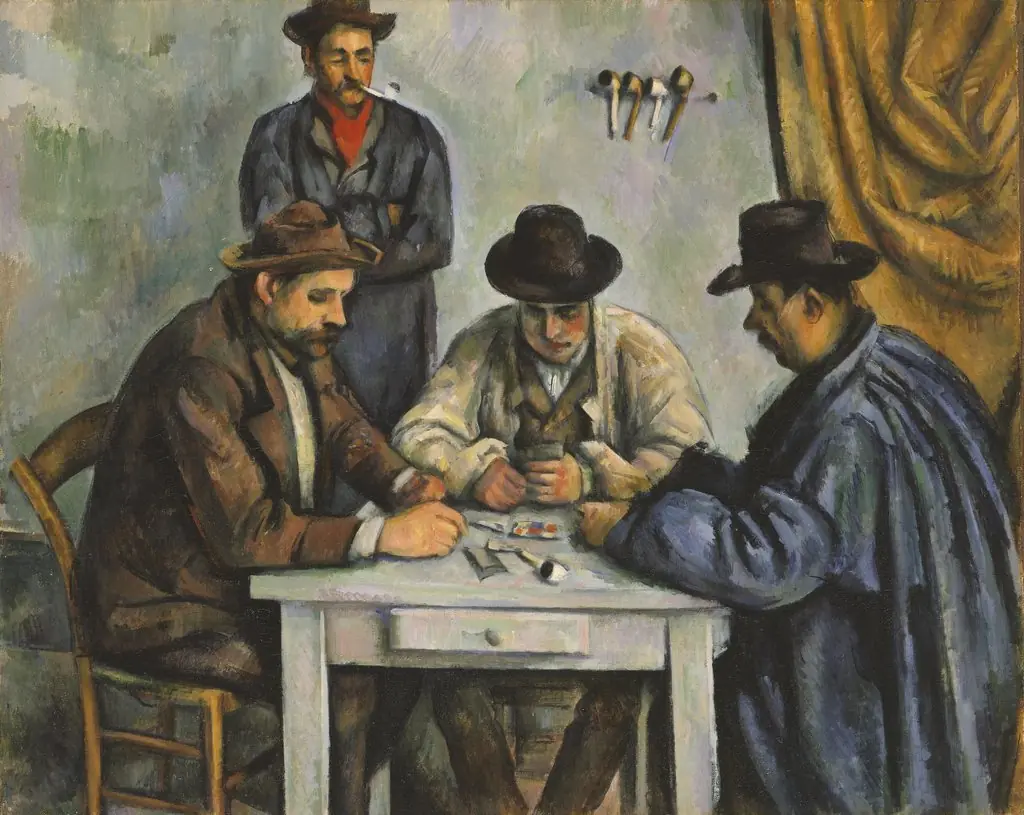 The Card Players
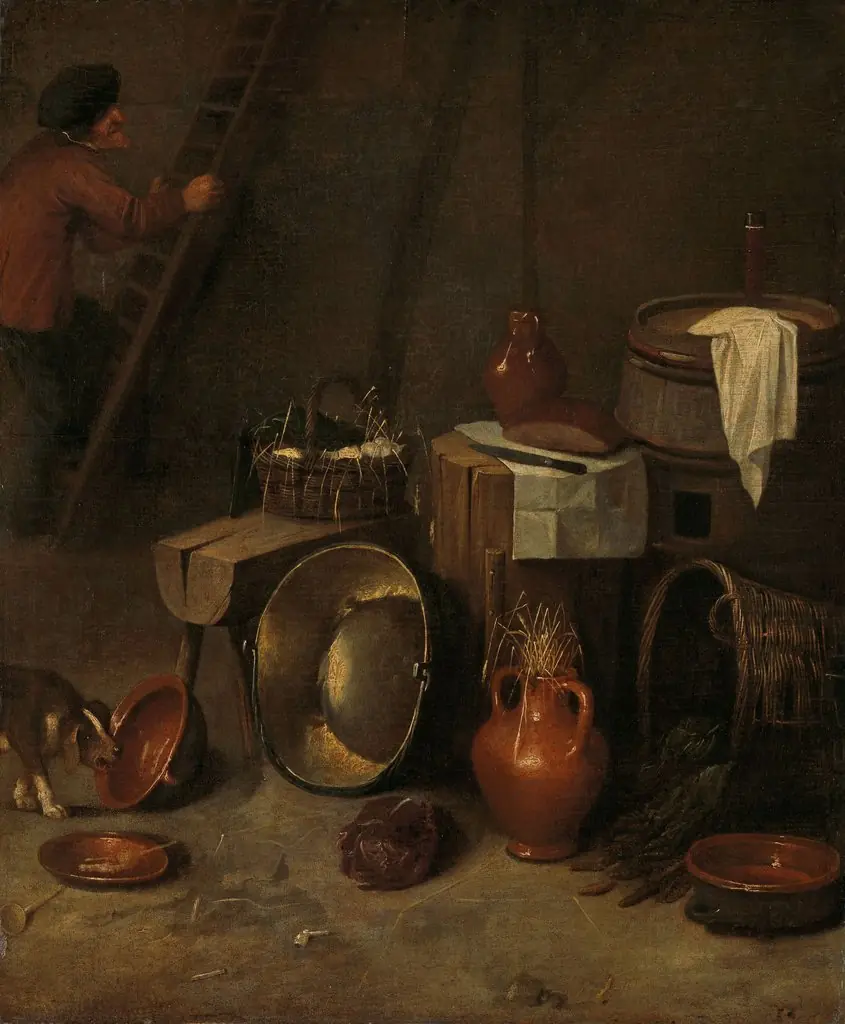 Still life in a stable
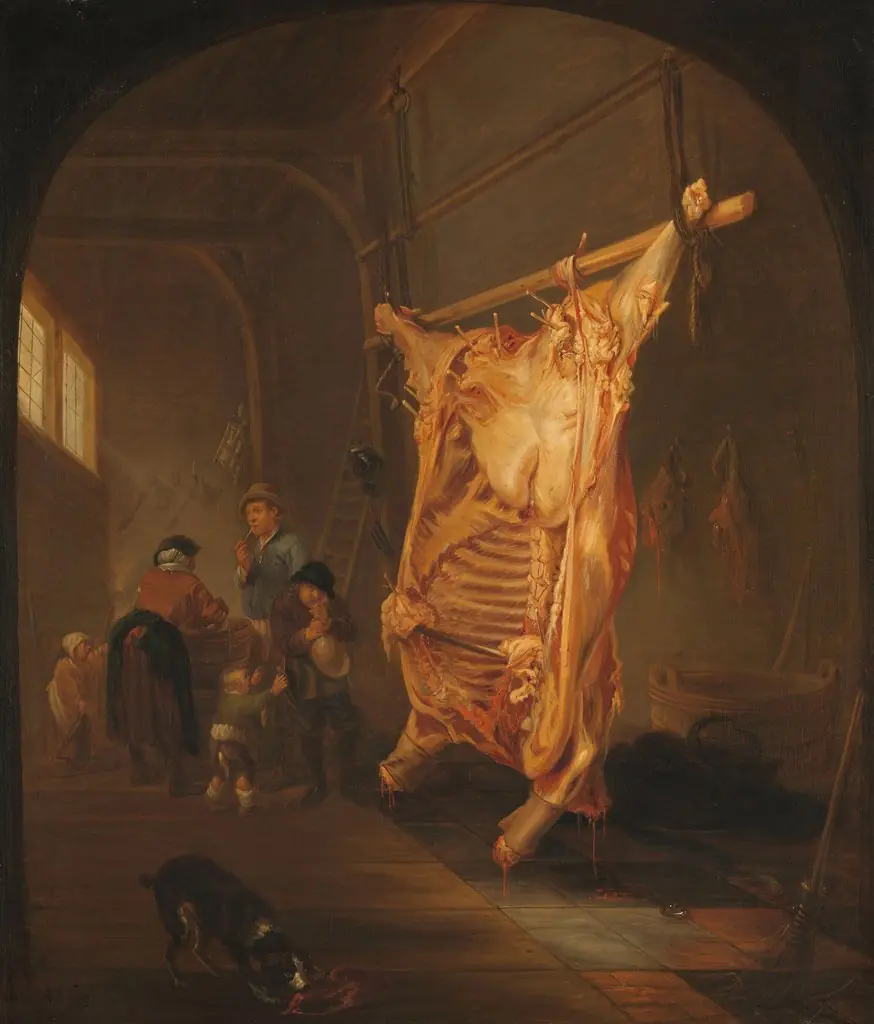 The slaughtered ox
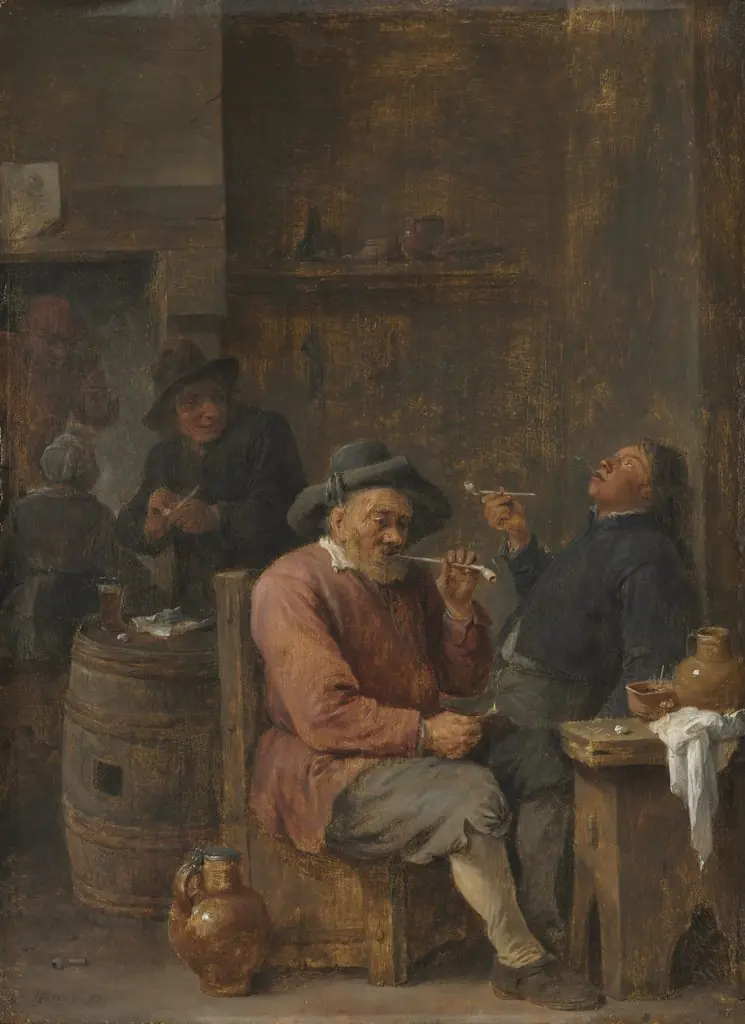 Peasants Smoking in an Inn
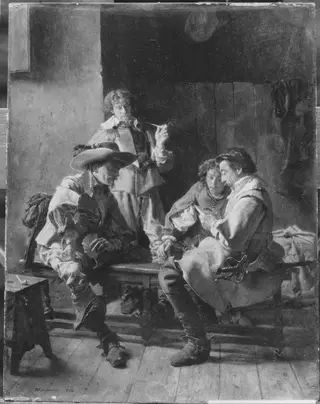 The Card Players
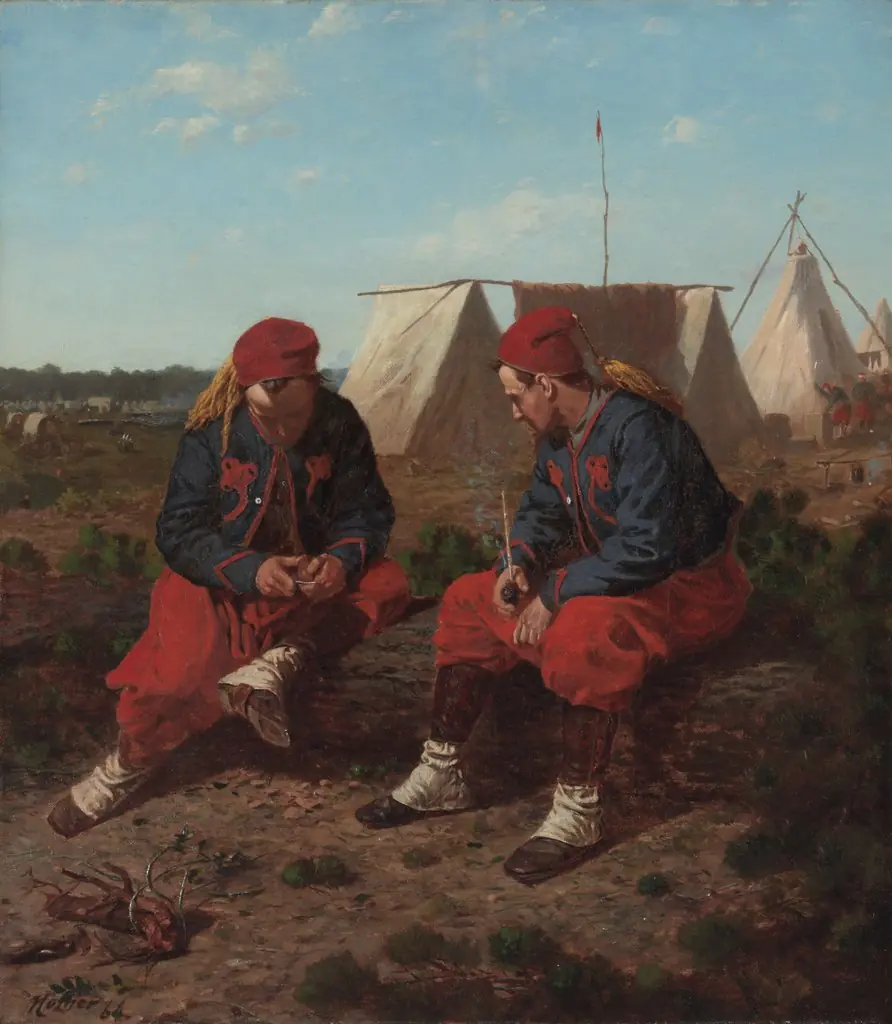 The Brierwood Pipe
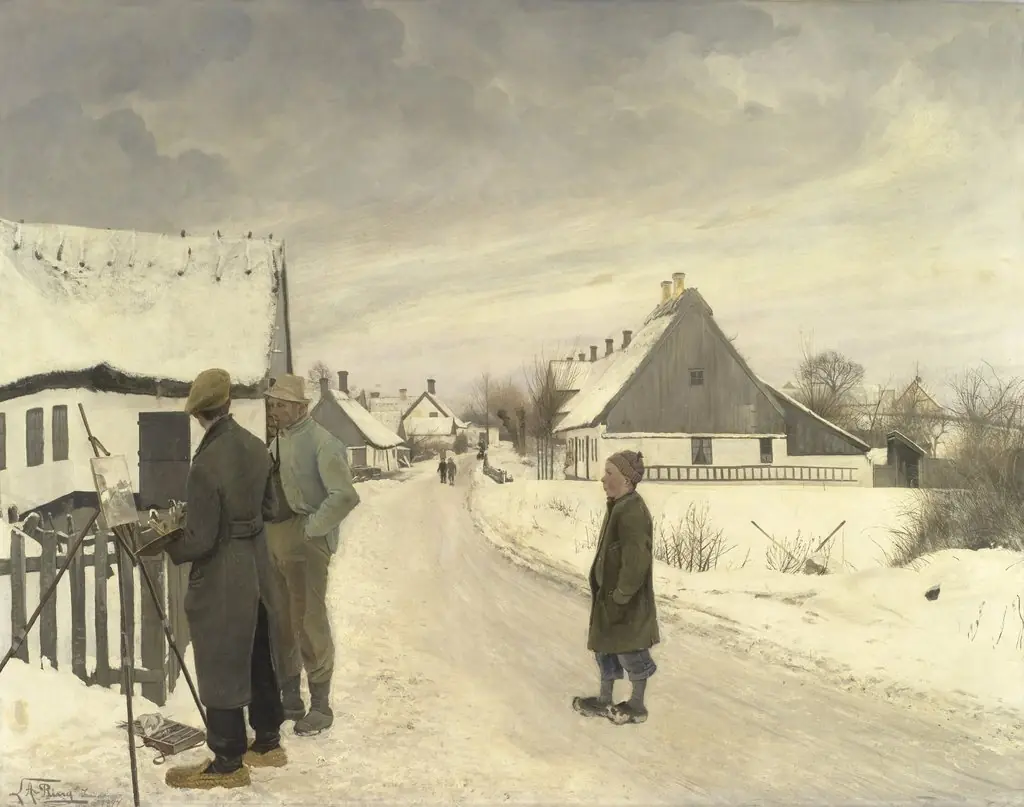 The Painter in the Village
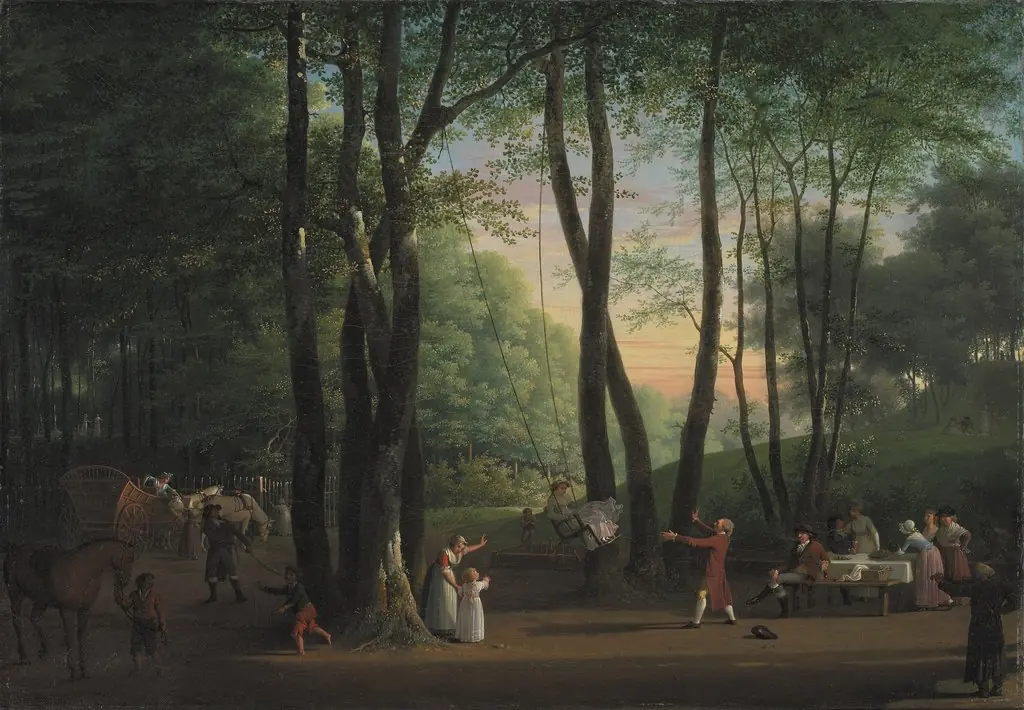 The Dancing Glade at Sorgenfri
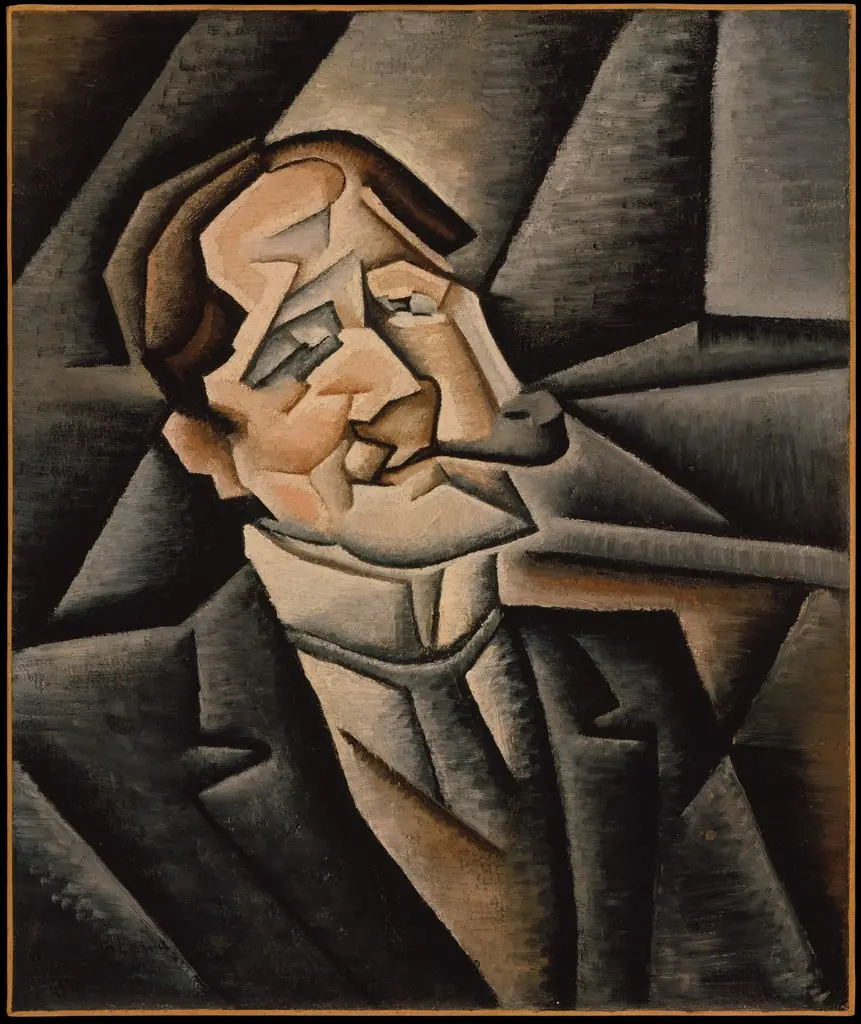 Juan Legua
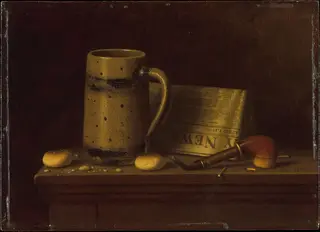 New York Daily News
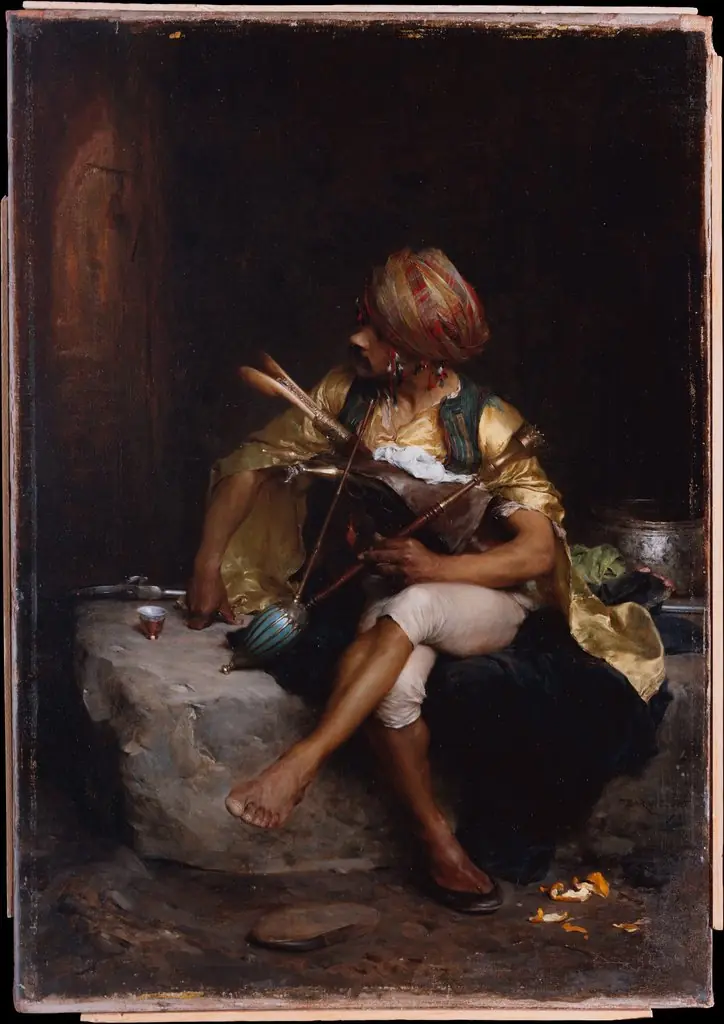 A Bashi-Bazouk
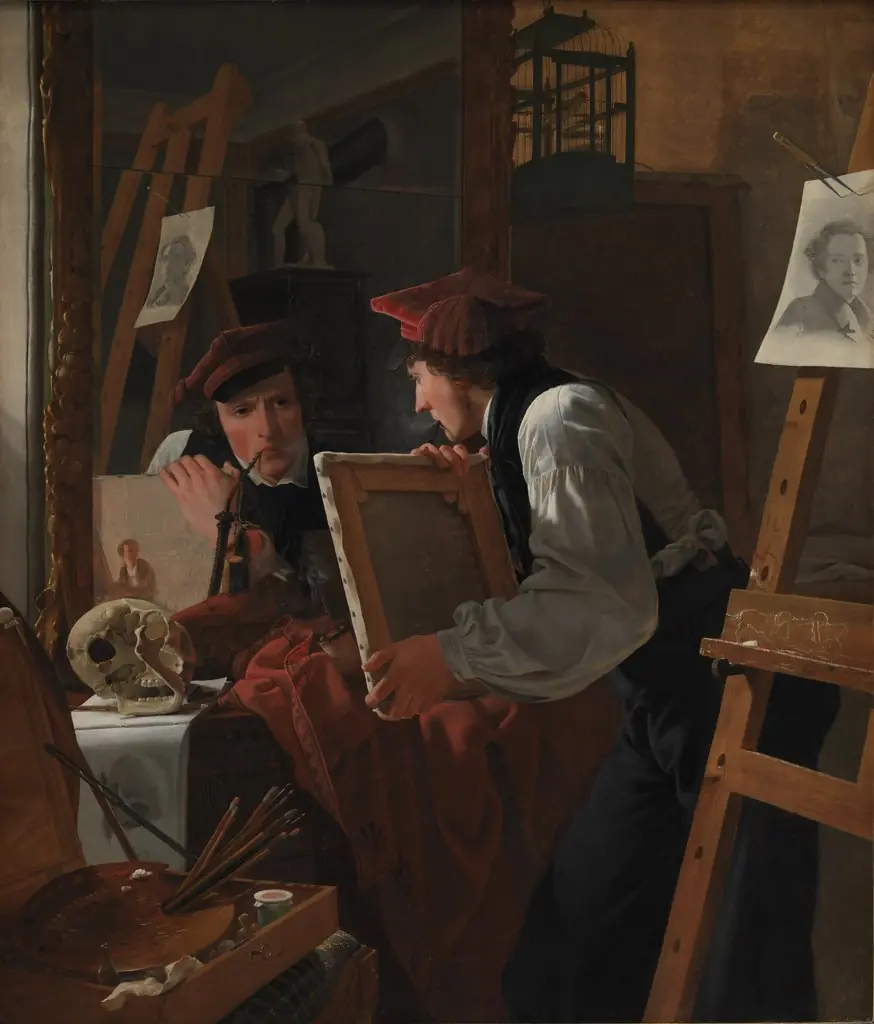 A Young Artist (Ditlev Blunck) Examining a Sketch in a Mirror
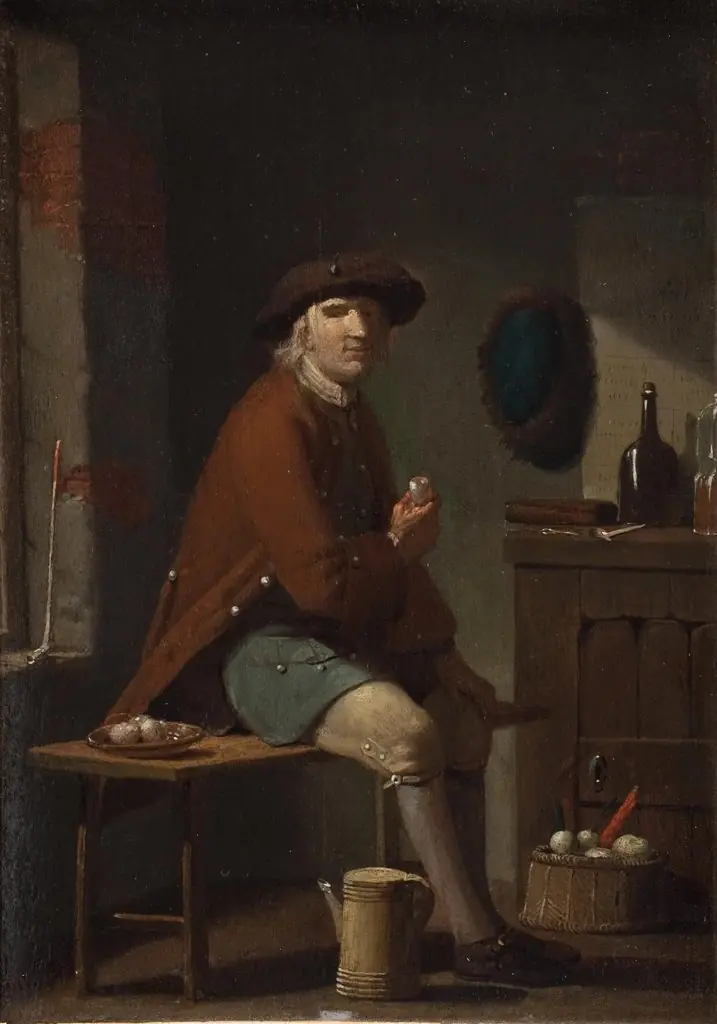 A Man Smoking His Pipe
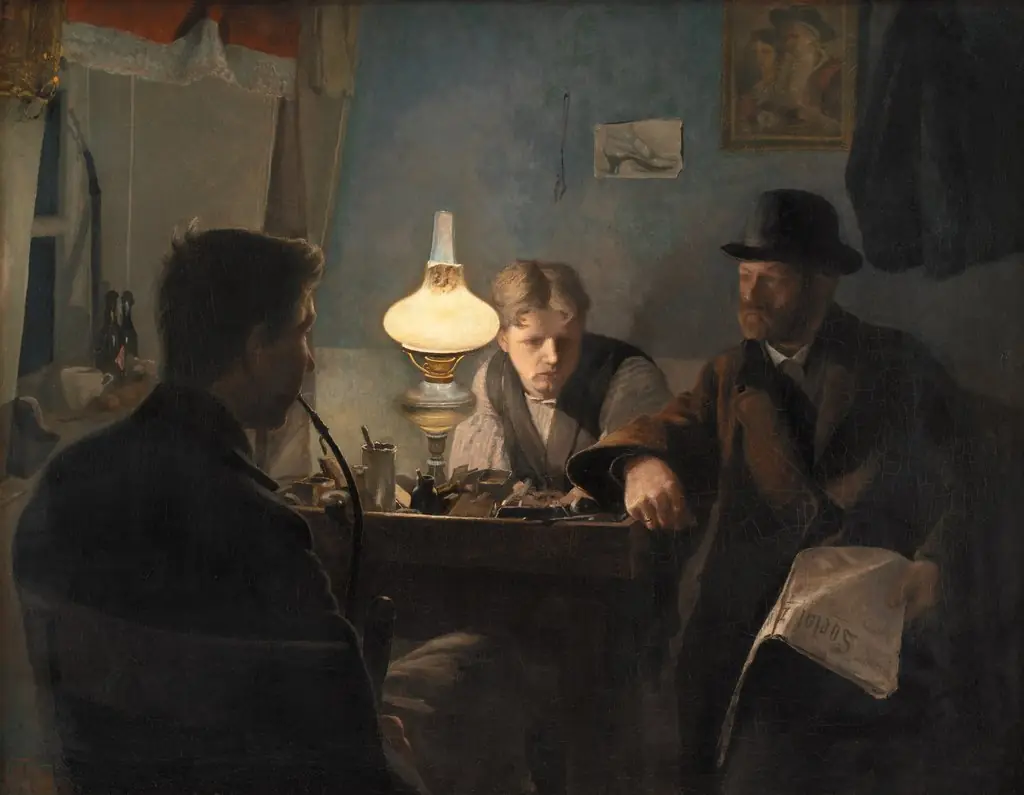 Et besøg i et skomagerværksted
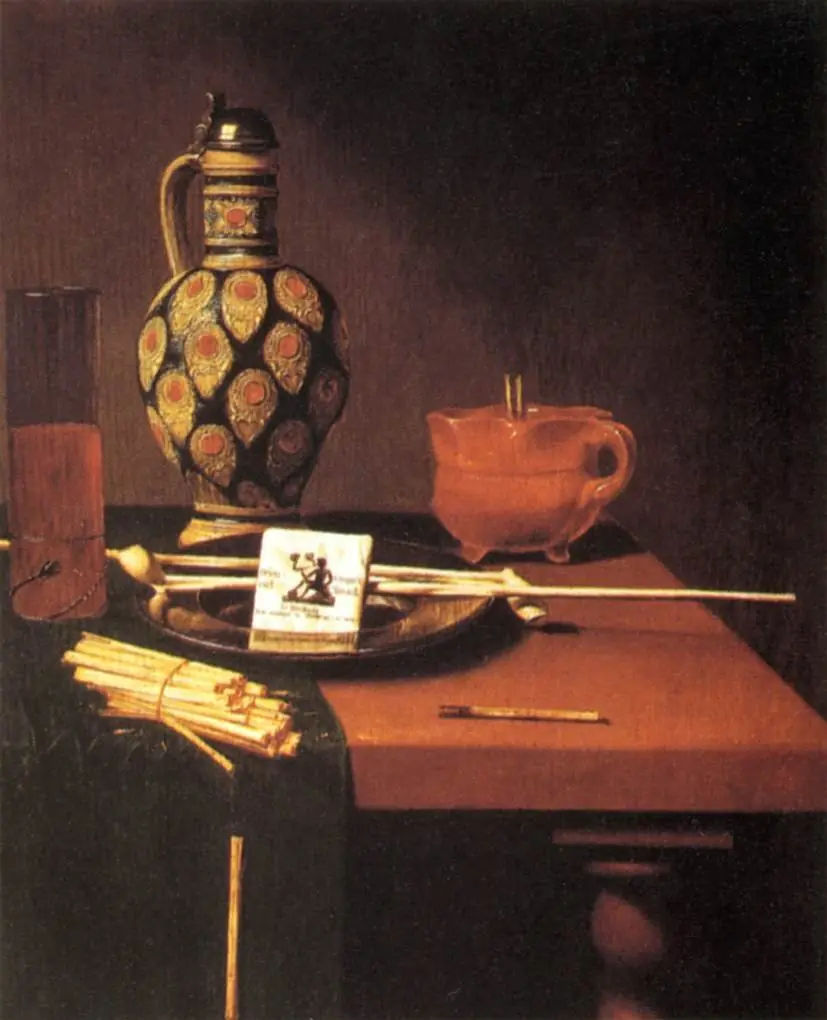 Still life with glass, flask, pipe and tobacco packet
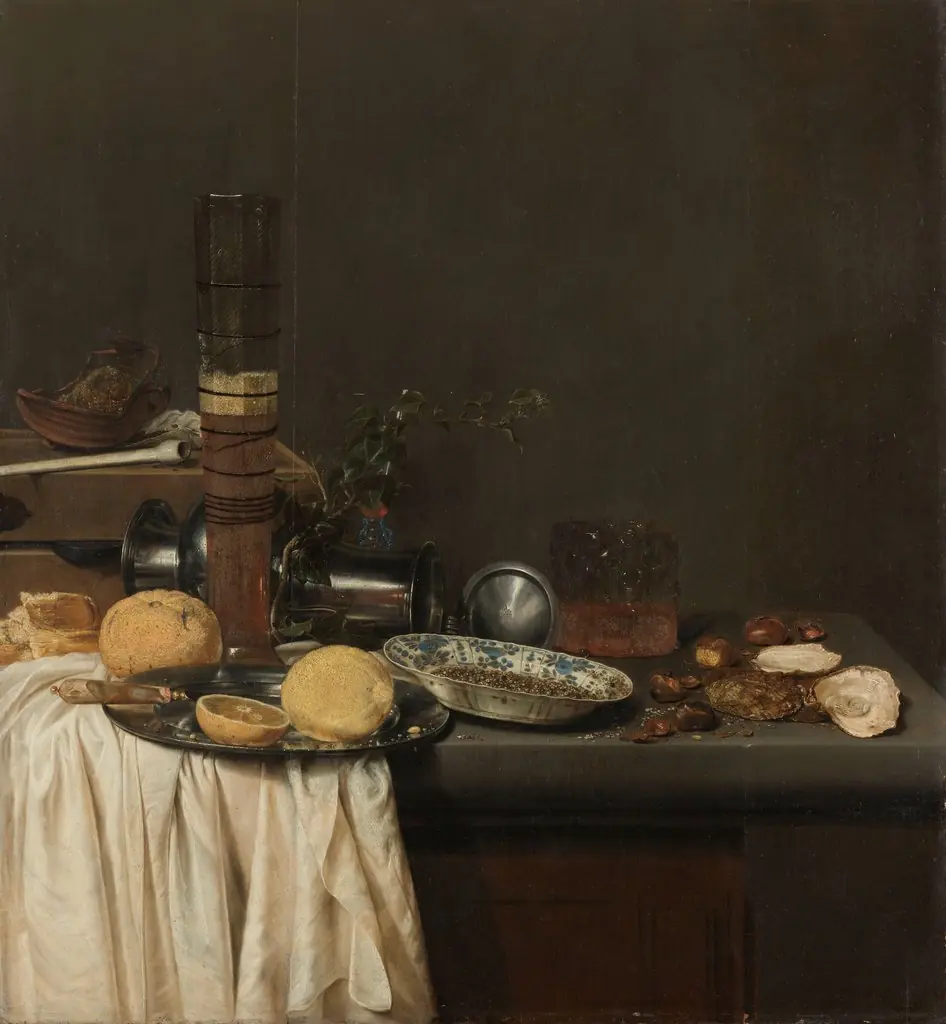 Still-life with a Tall Beer Glass
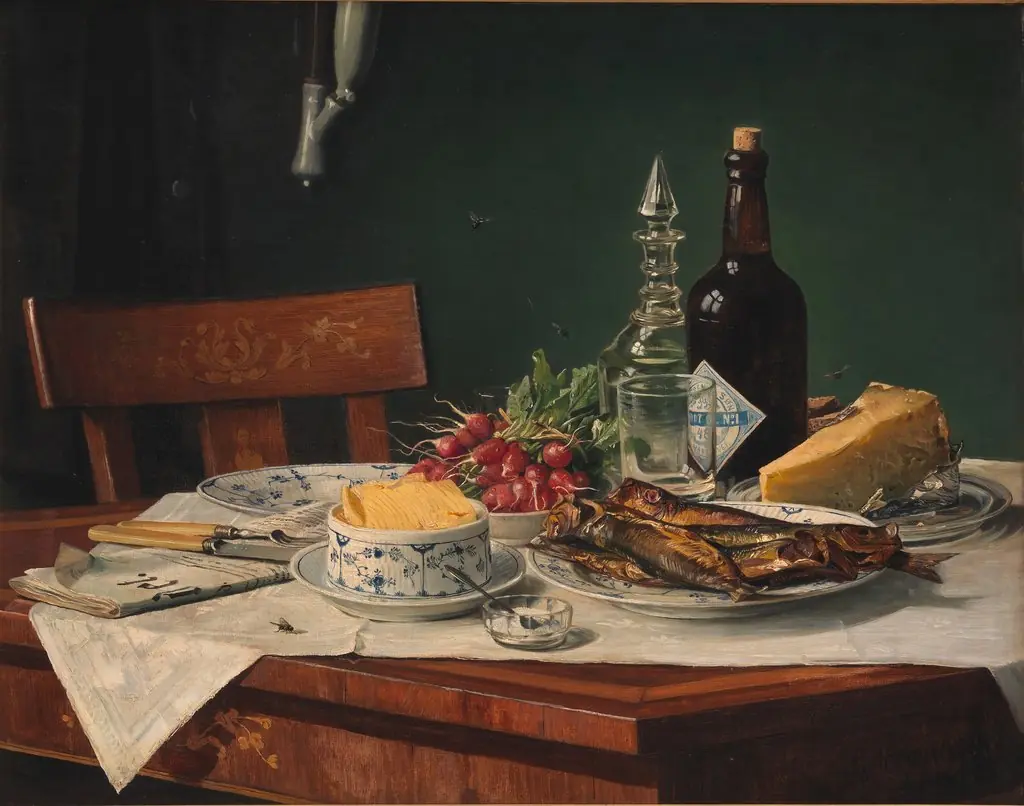 Et frokostbord
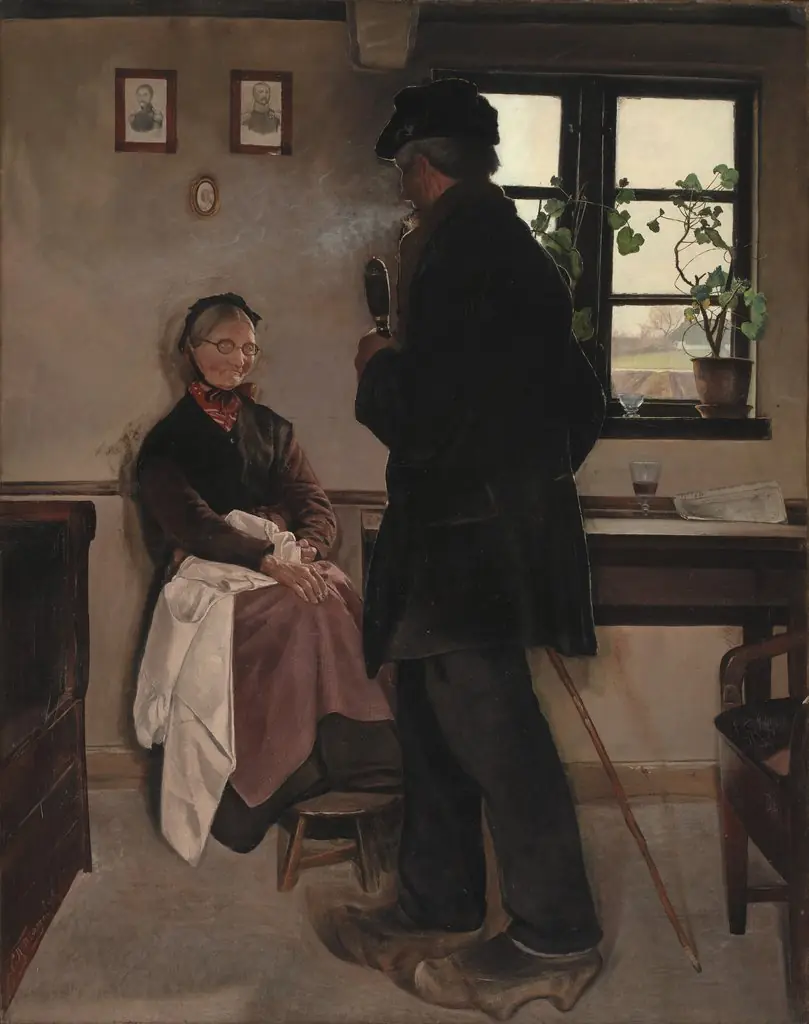 Small-Holders. Zealand
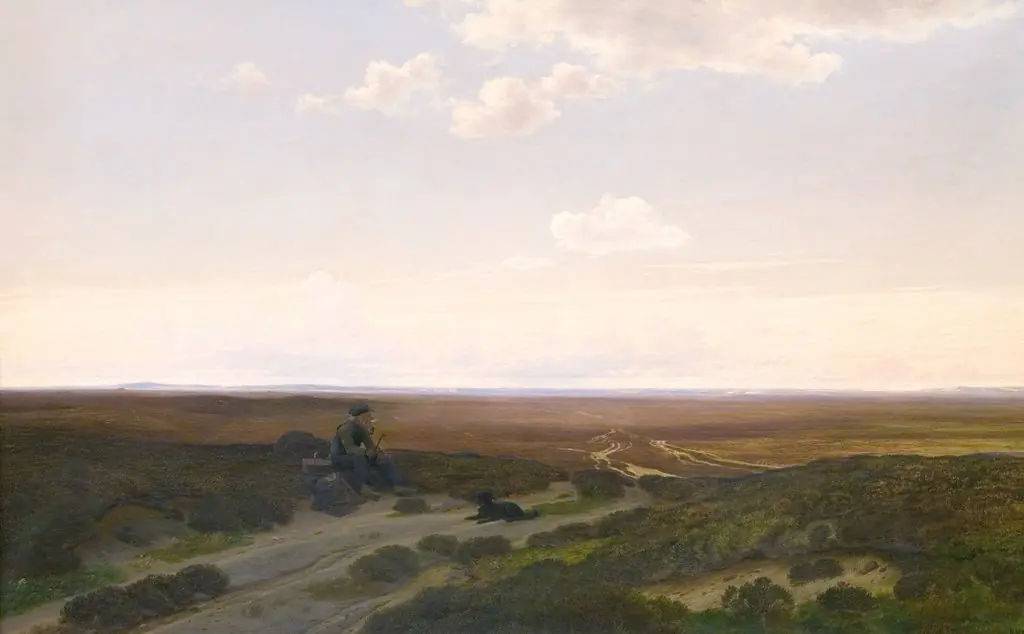 View of Pårup Moors near Silkeborg, Jutland
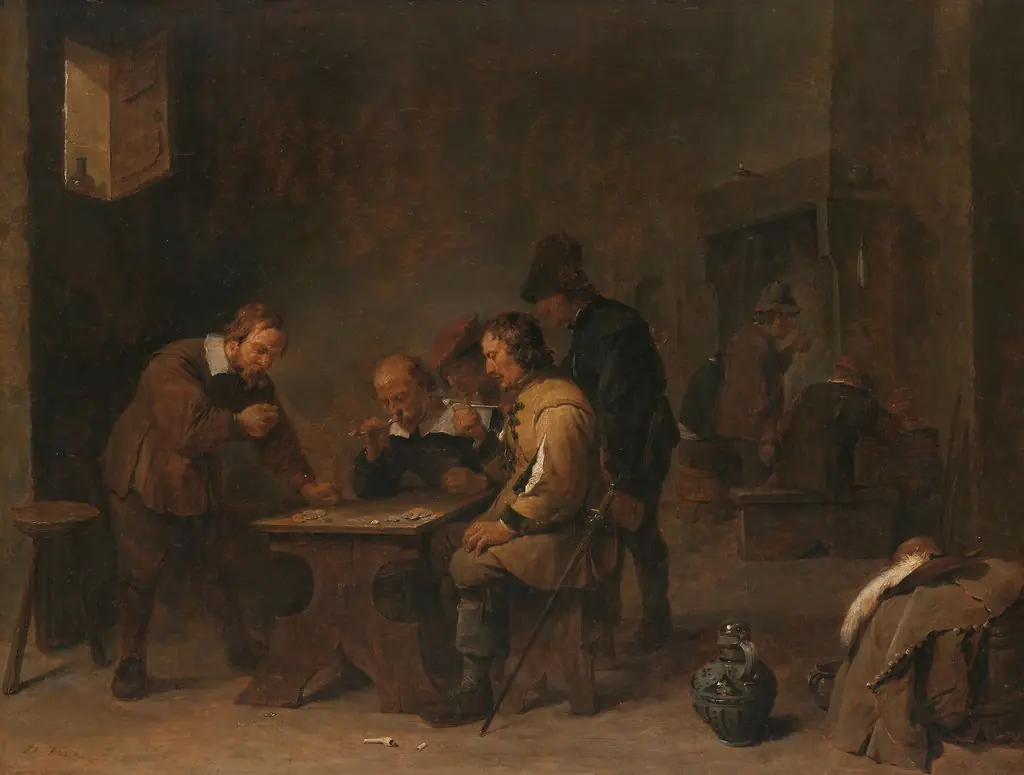 The Gamblers
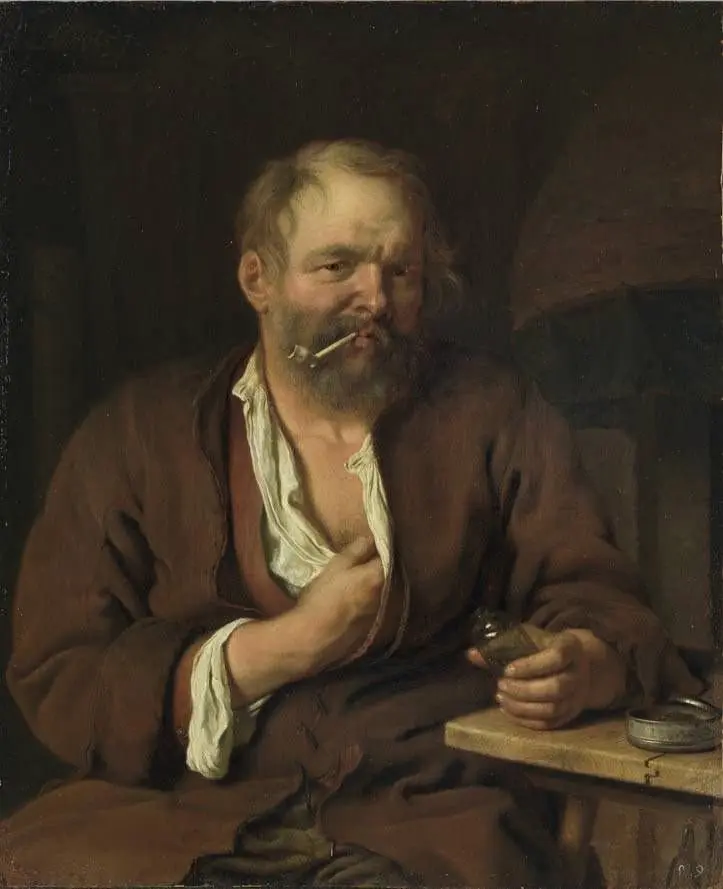 Tabakraucher
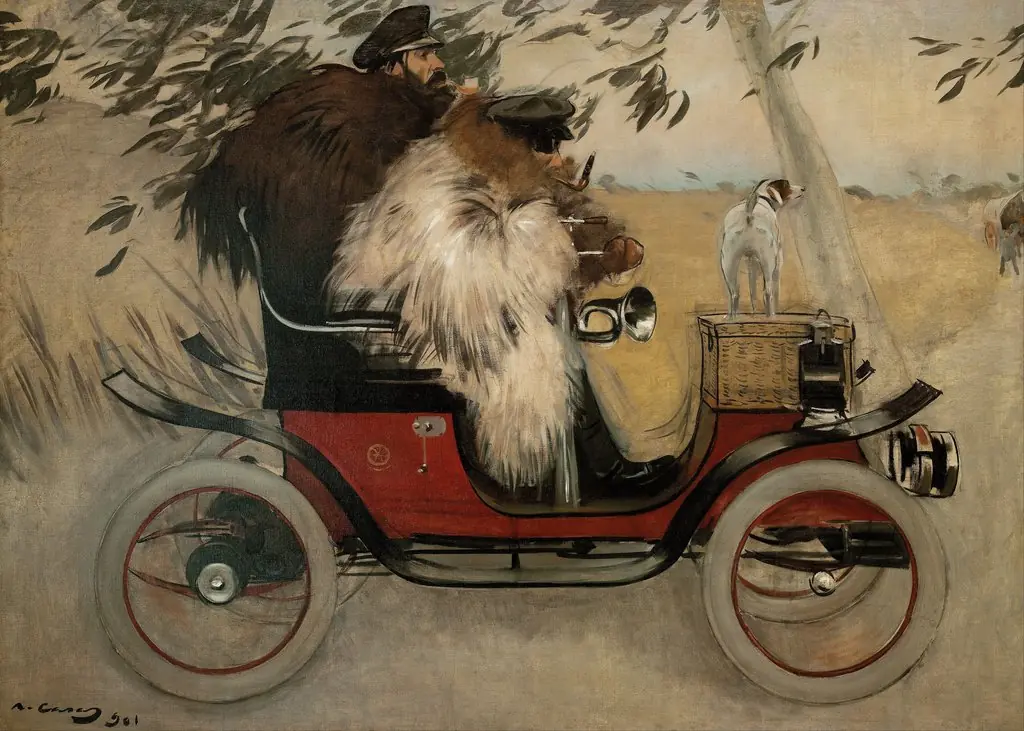 Ramon Casas and Pere Romeu in an Automobile
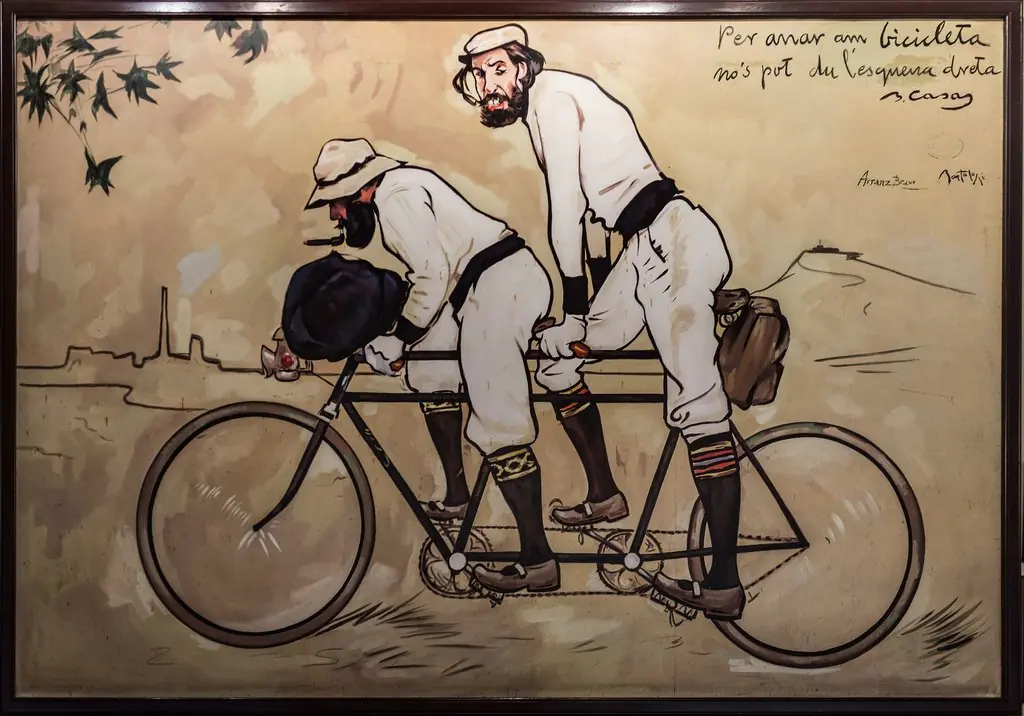 Ramon Casas and Pere Romeu on a Tandem
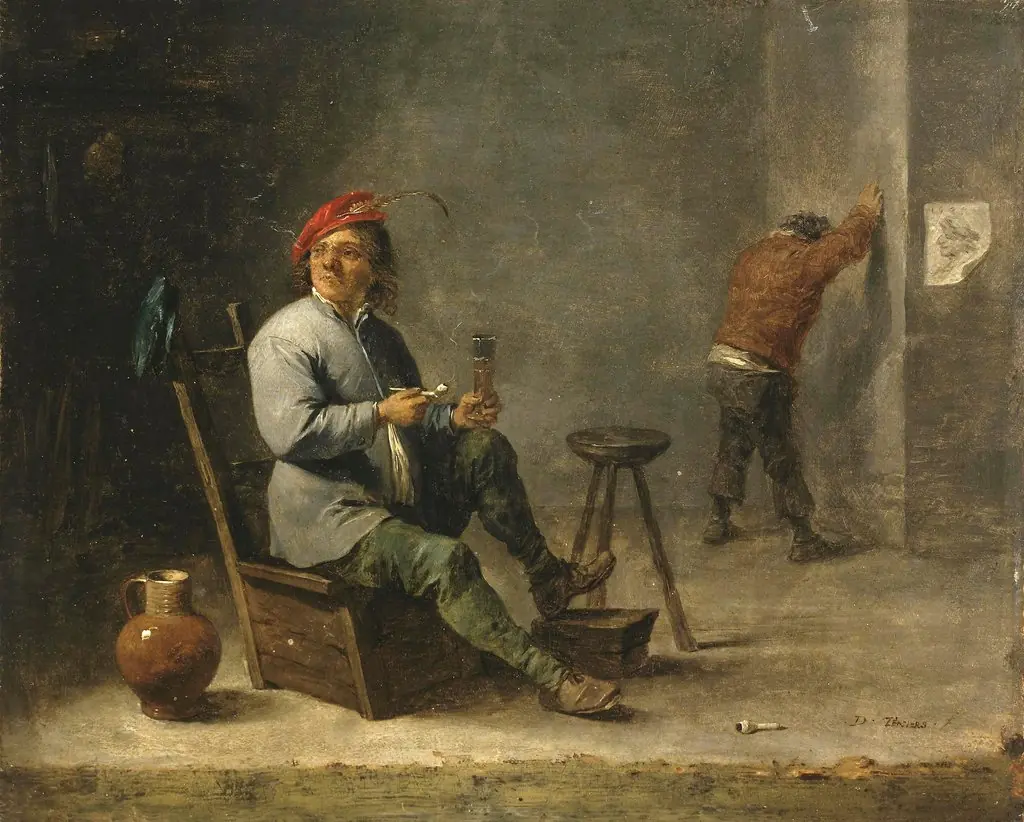 Smoker
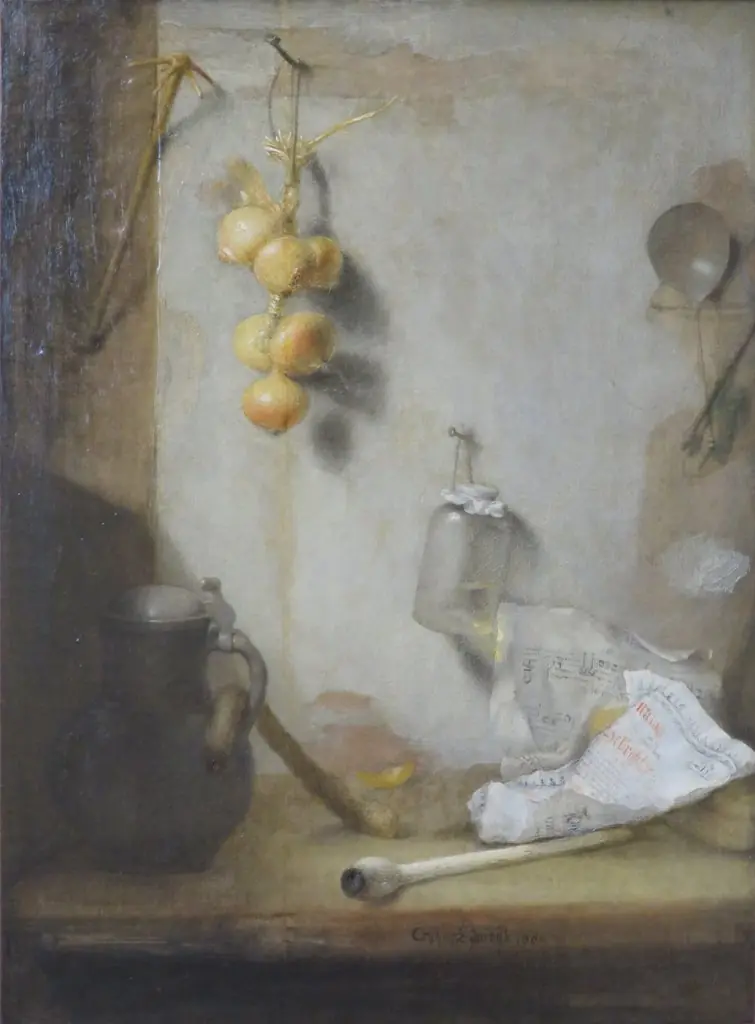 Still Life
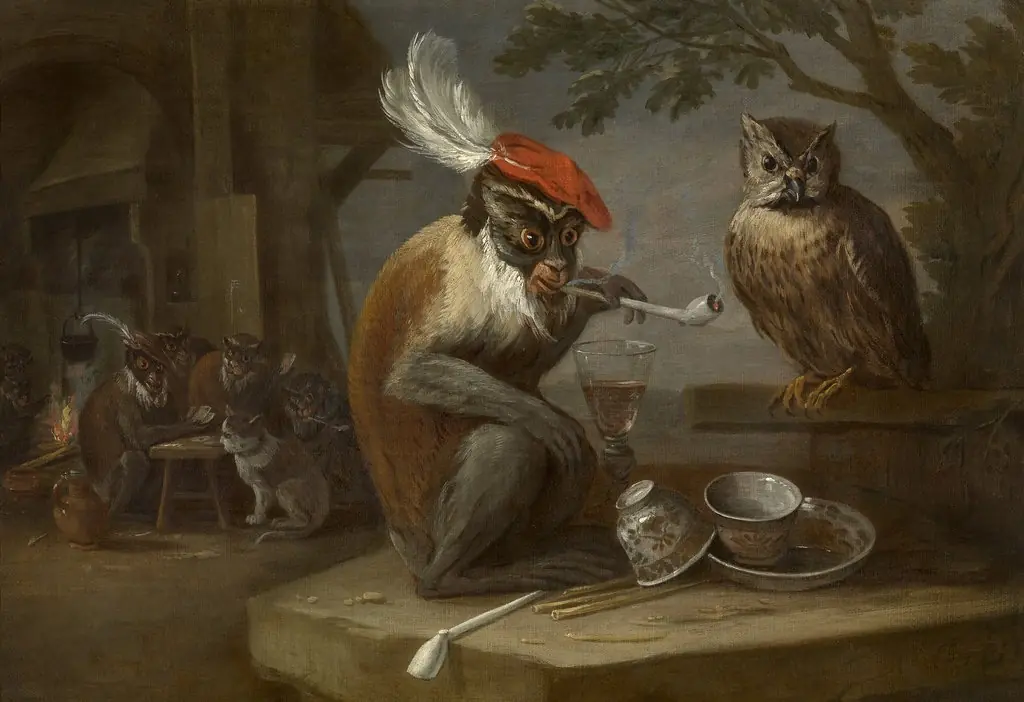 Monkey Trick
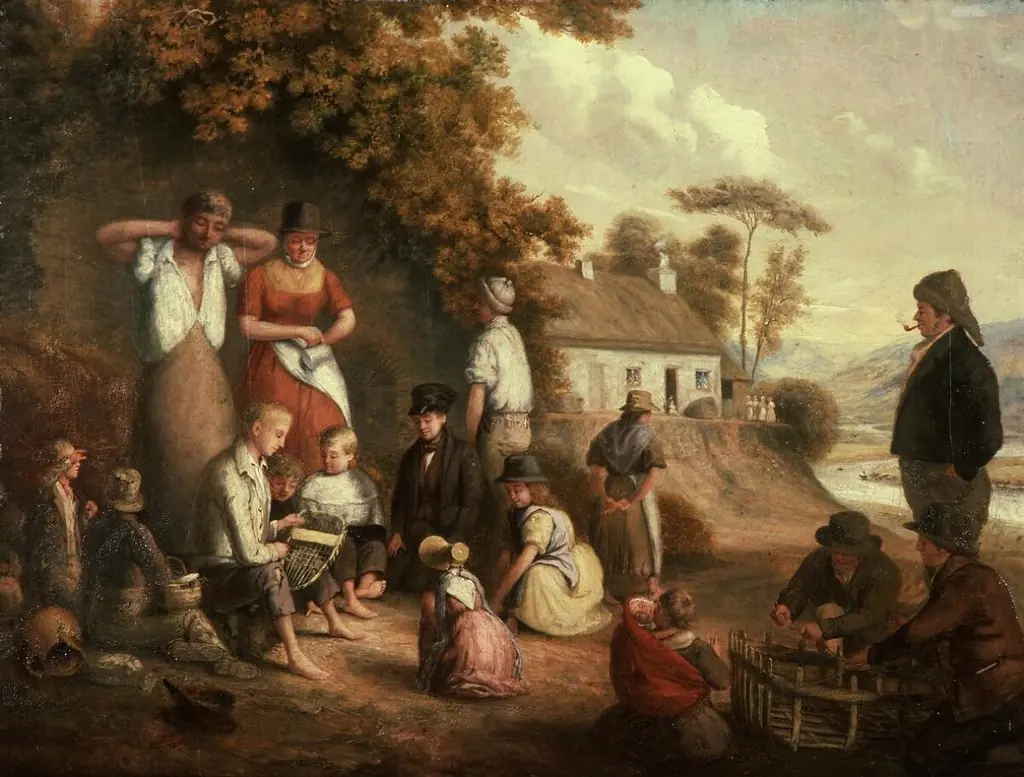 Coracle makers
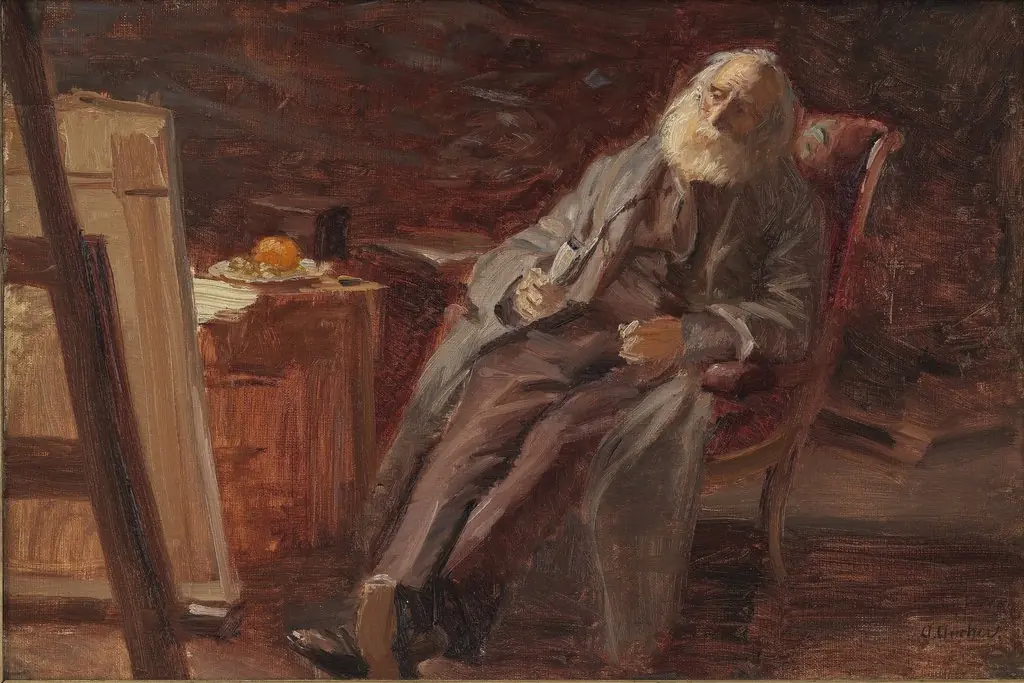 The Painter Vilhelm Kyhn Smoking his Pipe
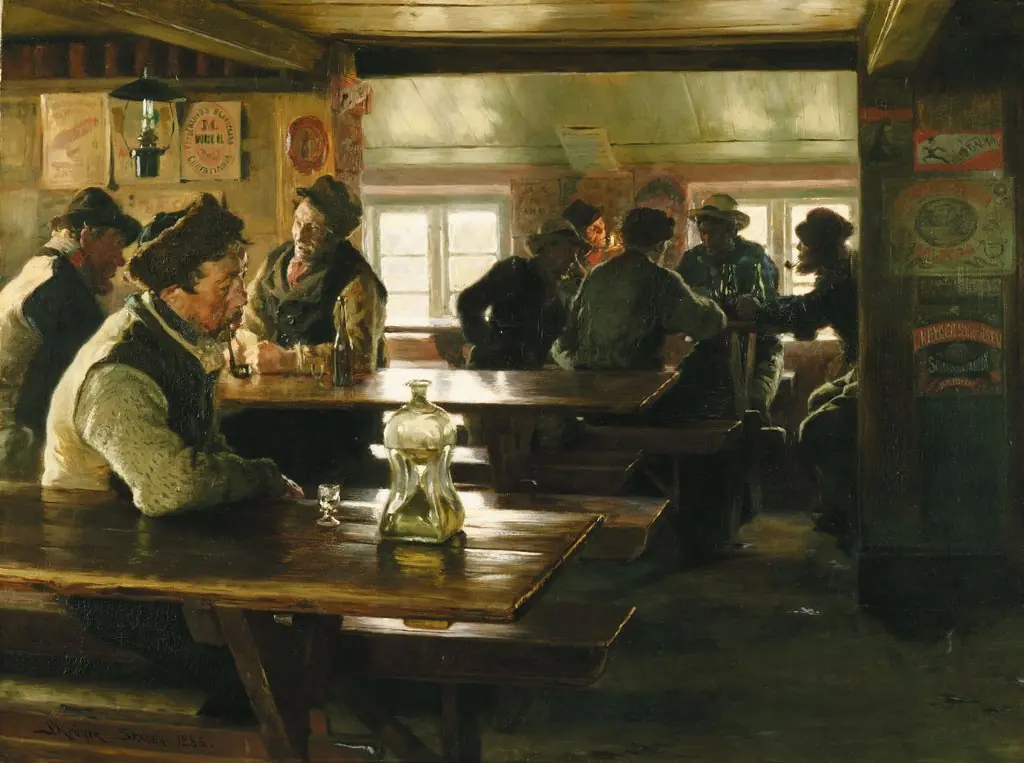 Interior of a Tavern
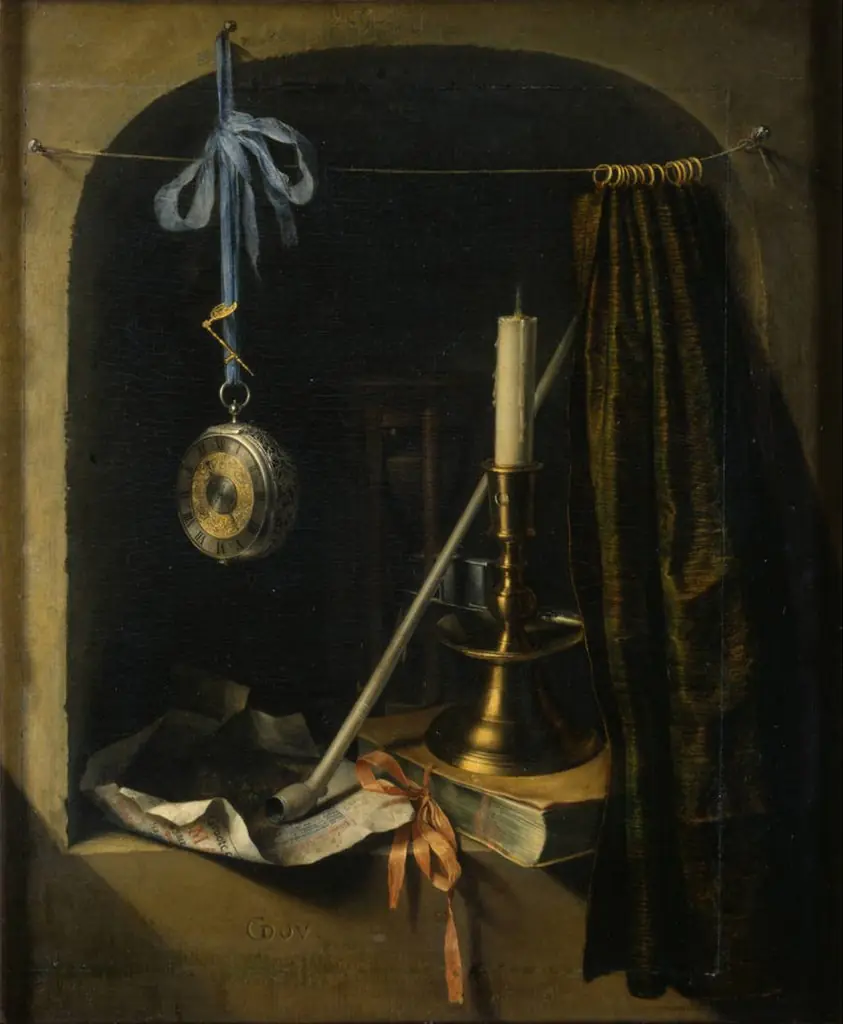 Still life with candle and watch
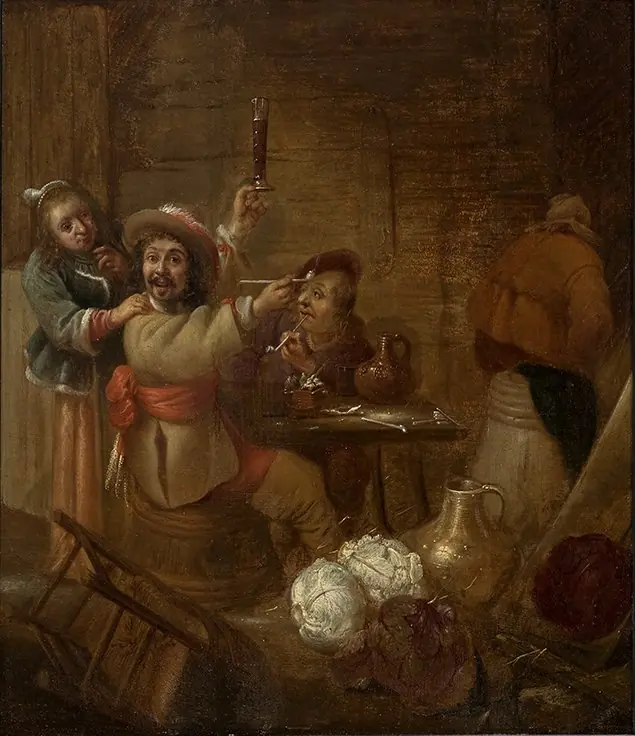 Tavern scene
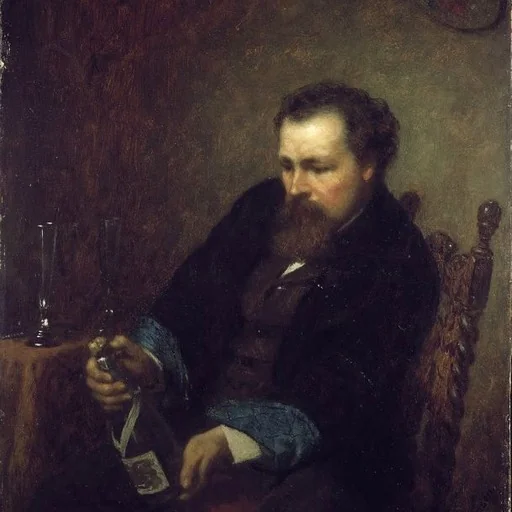
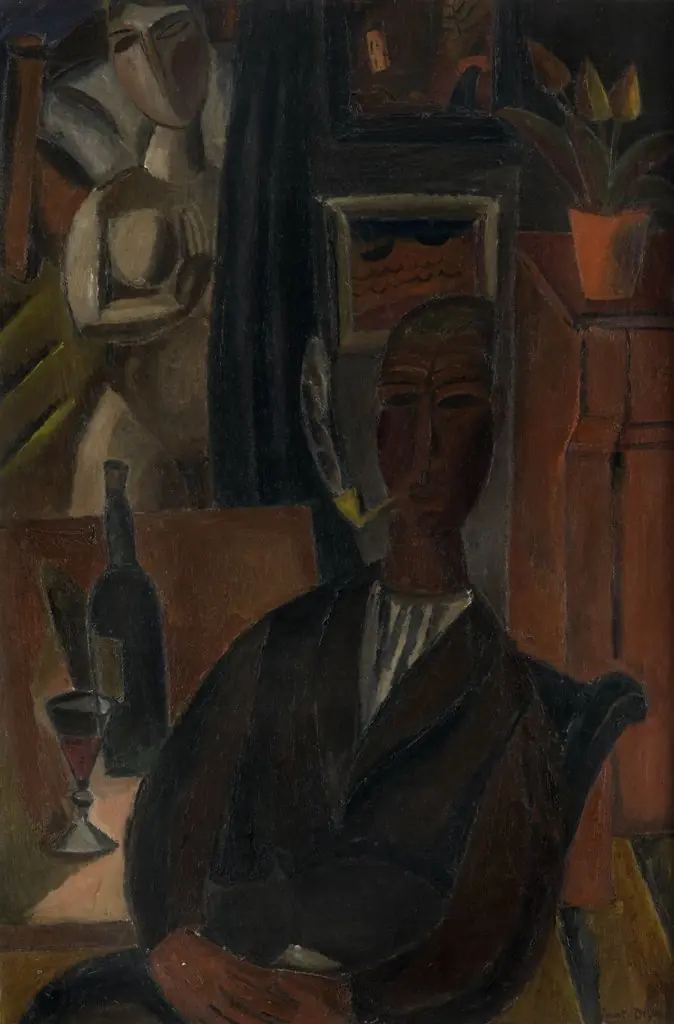 The man with the bottle
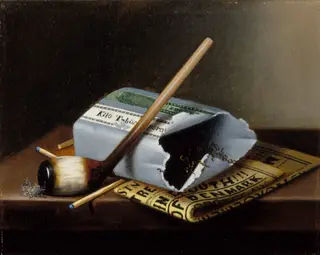 Alas, Poor Yorick
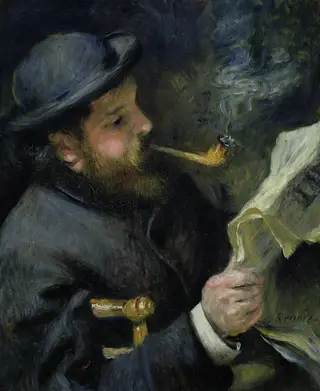 Monet that reads
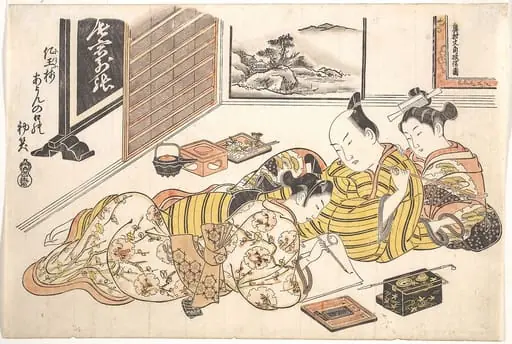 『閨の雛形』 正月|Plate from the Erotic Book Mounds of Dyed Colors: A Pattern Book for the Boudoir (Someiro no yama neya no hinagata), First Month
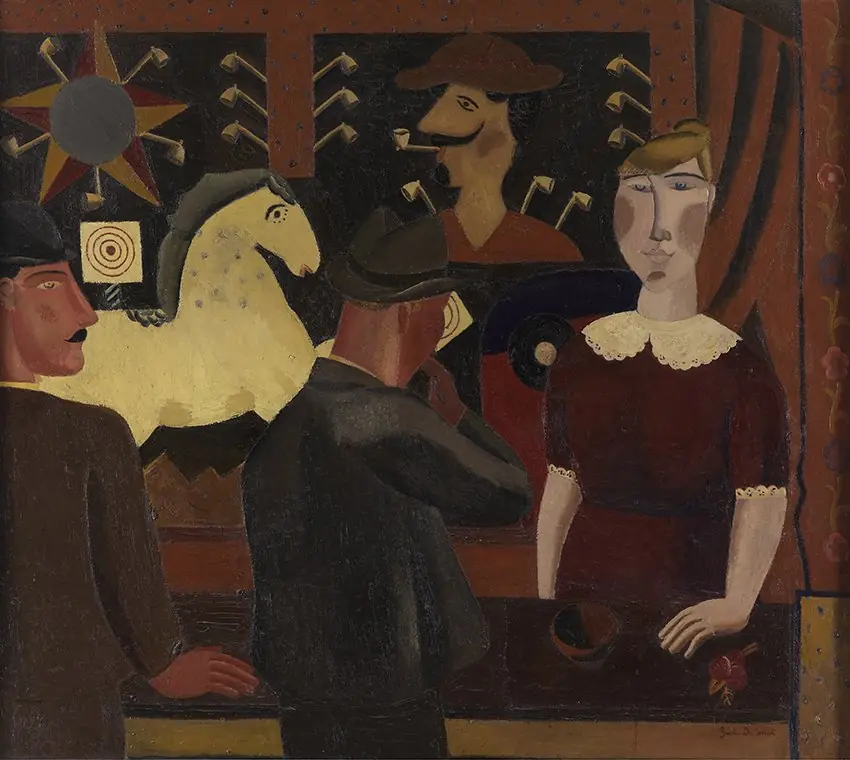 De grote schietkraam
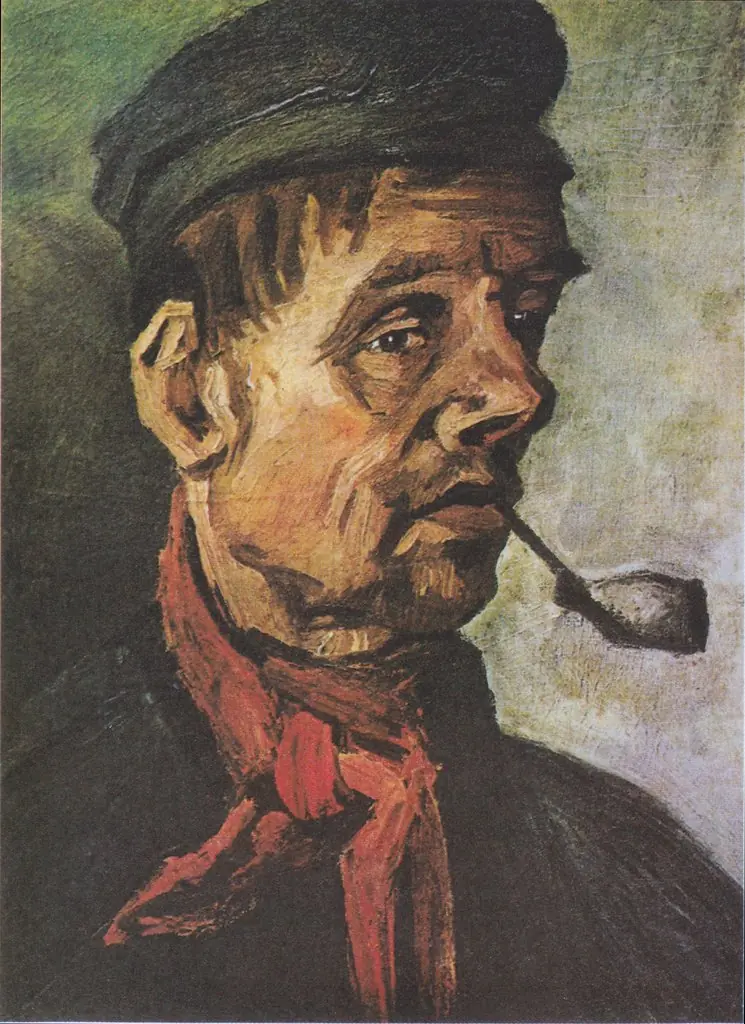 Head of a Man with a Pipe
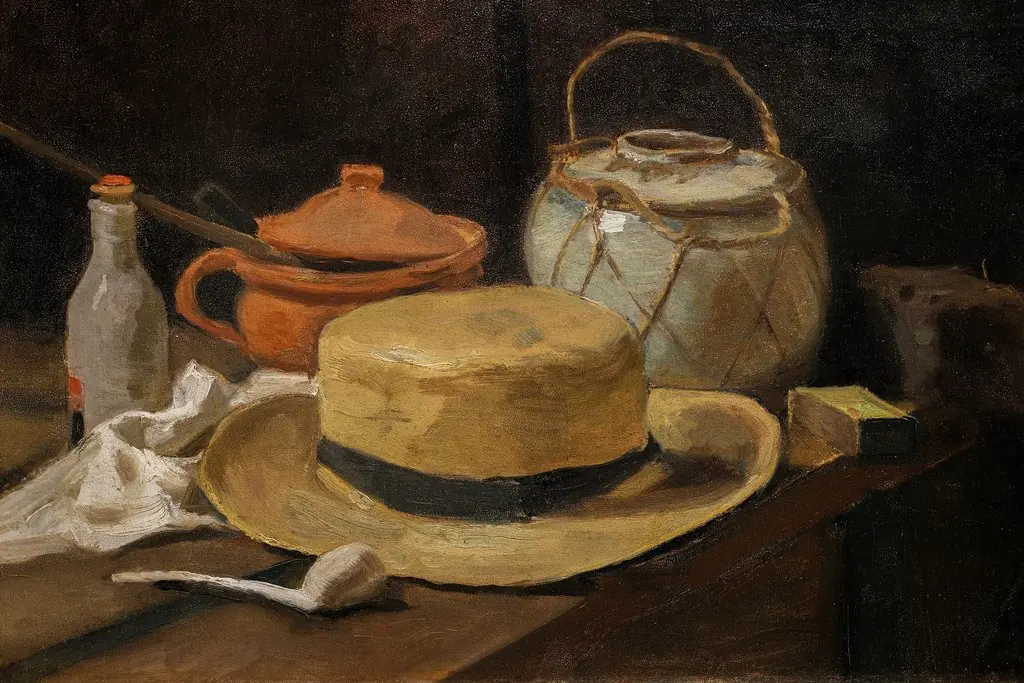 Still Life with Straw Hat
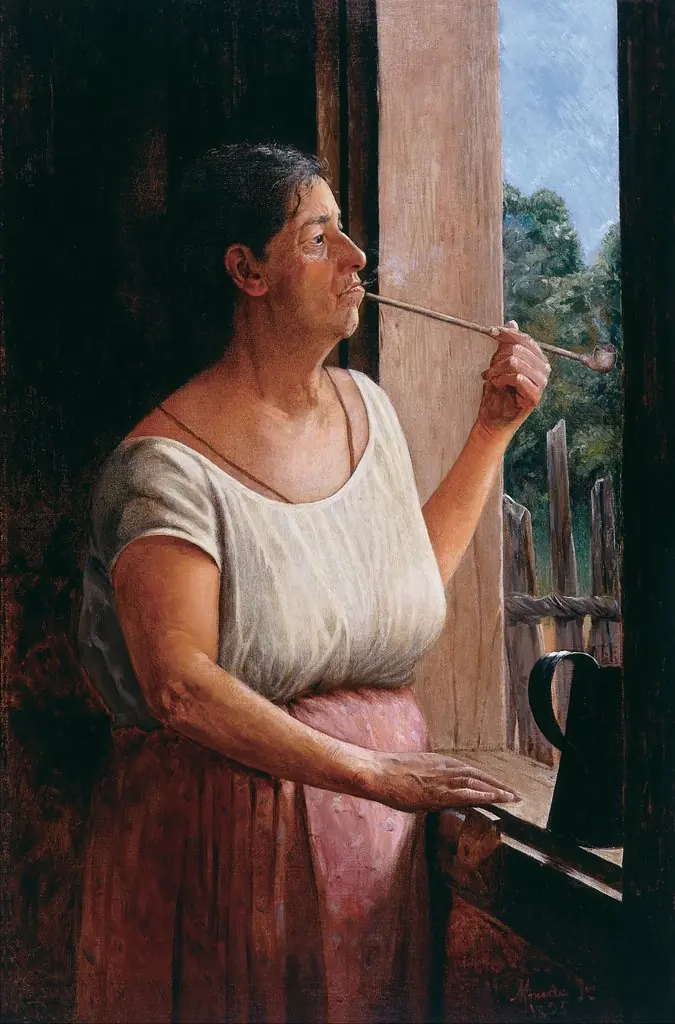 Nhá Chica
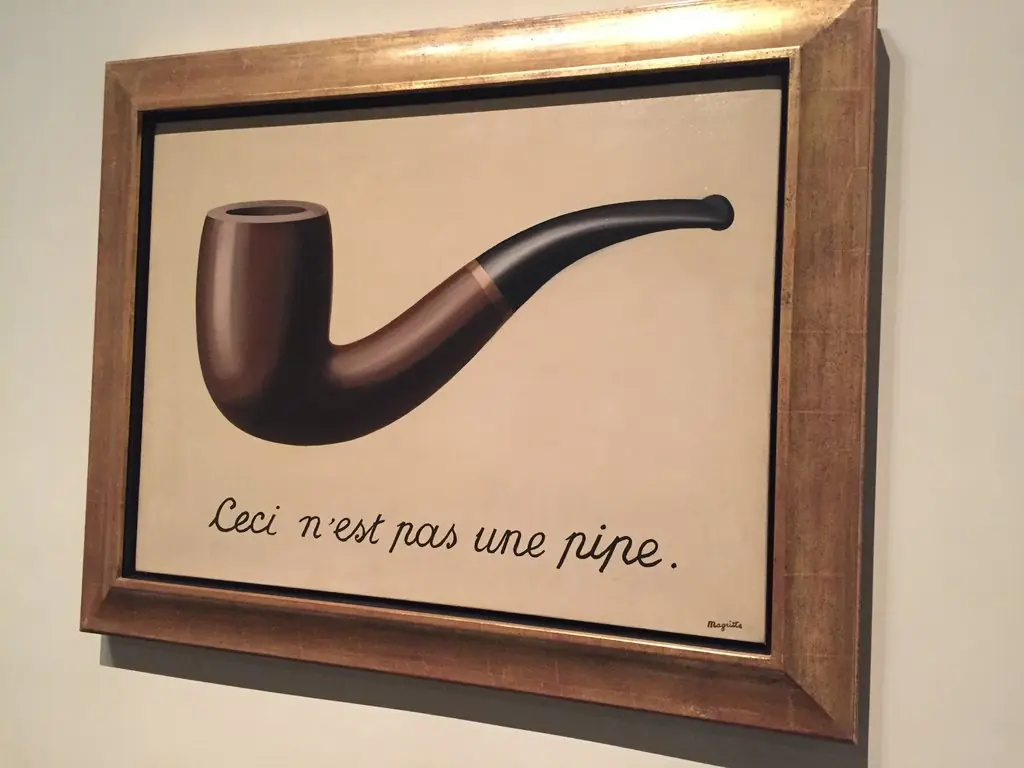 The Treachery of Images
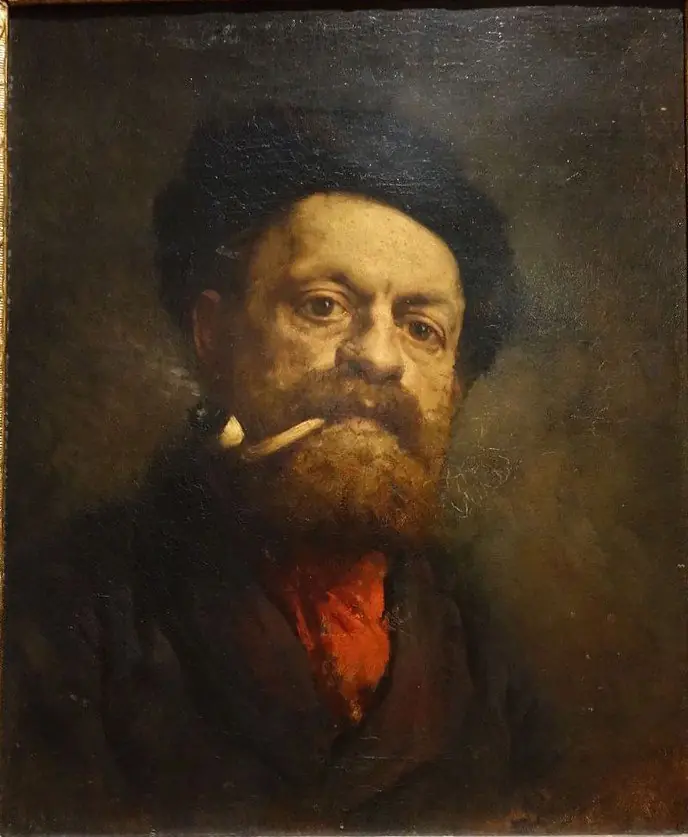 Man with Pipe
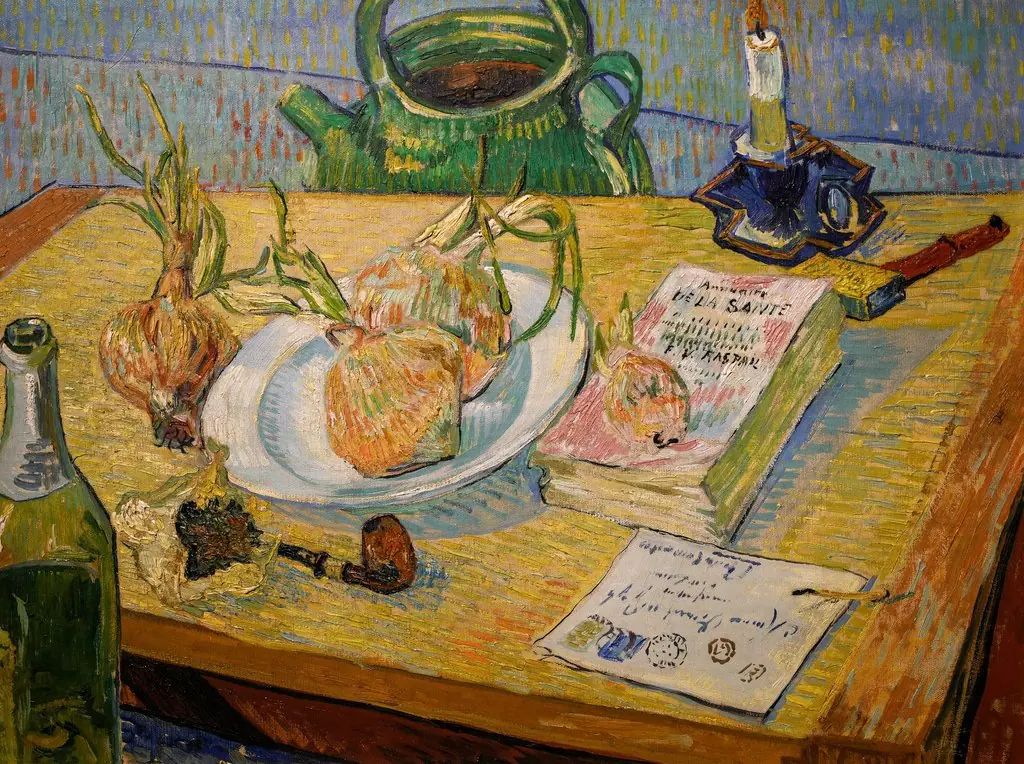 Still life with a plate of onions
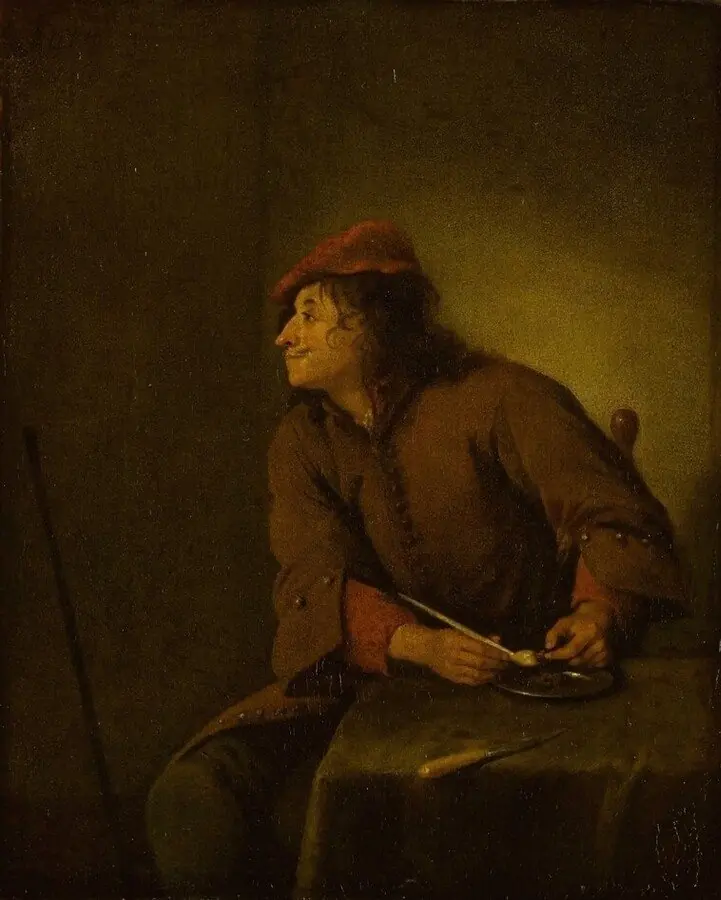 The Smoker
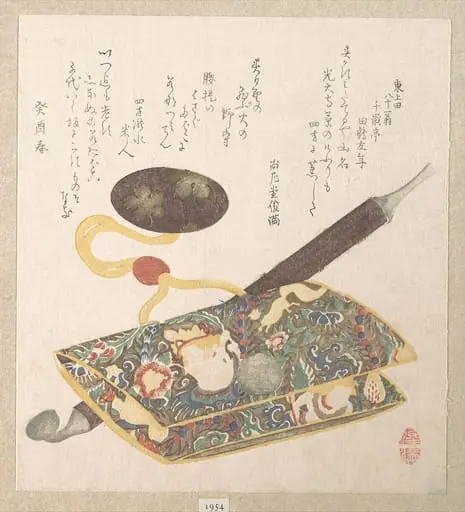 Untitled
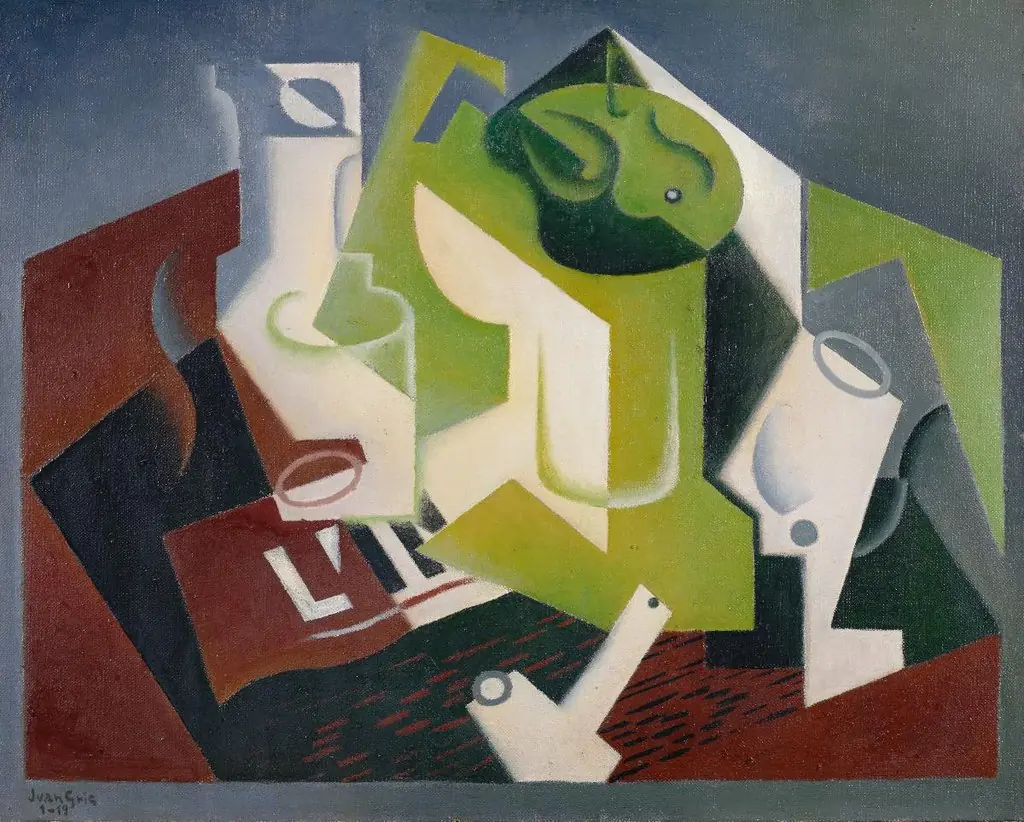 Fruit Dish and Pipe
Frequently asked questions
What is Pipe?
Pipe is a subject in art. family name
How many Pipe works does Artifact World Gallery have?
Artifact World Gallery holds 47 public-domain Pipe works, all free to view and download.
Who are the key Pipe artists?
Key Pipe artists in the collection include Gustave Courbet, John Haberle and Eastman Johnson.
Where can I see Pipe works?
Pipe works in the collection are held by Statens Museum for Kunst, Metropolitan Museum of Art and Rijksmuseum.