Artwork
The daughters of Cecrops find Erechthonius
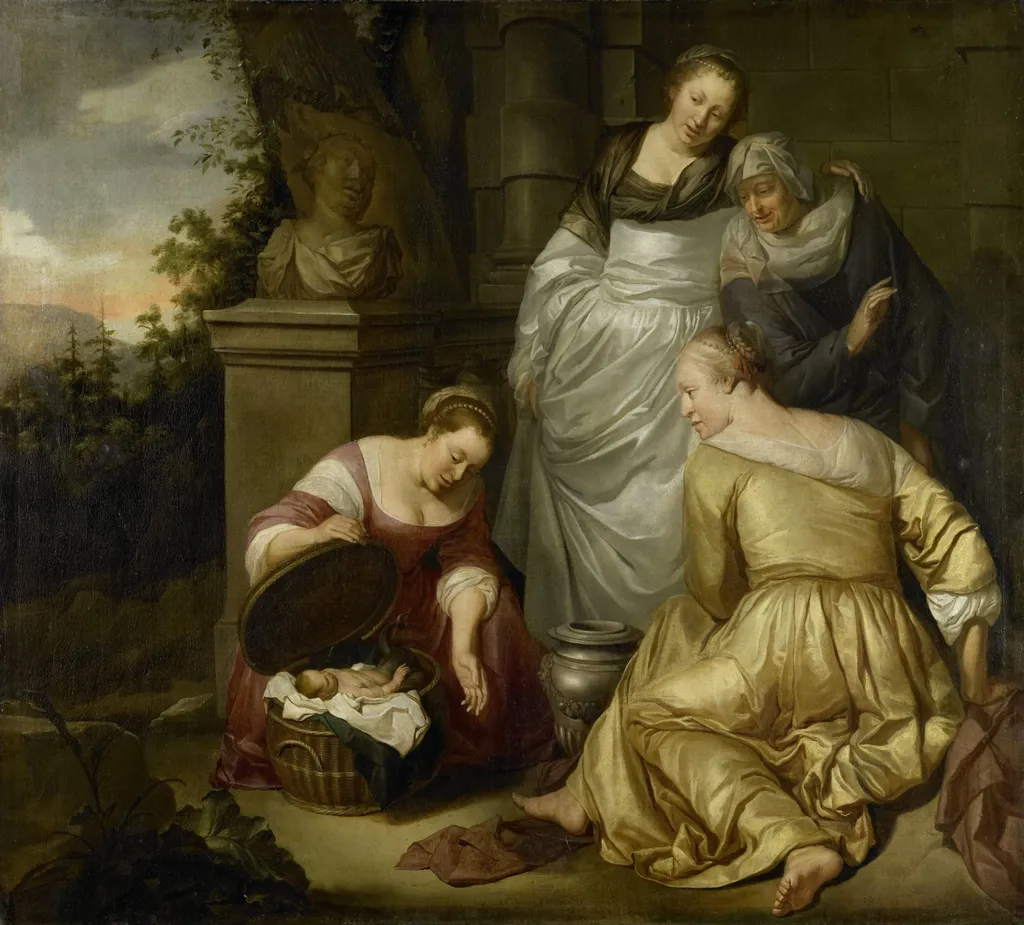
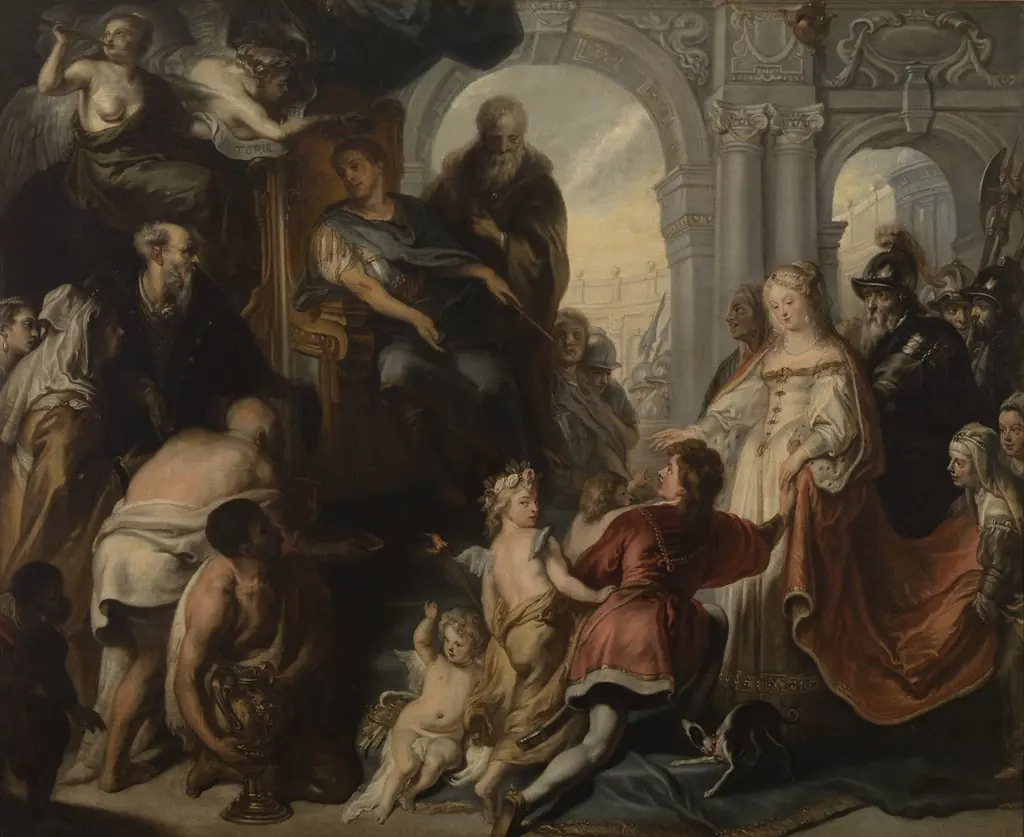
The daughters of Cecrops find Erechthonius is an oil painting by the Dutch Golden Age artist Hendrik Heerschop. It dates from 1650 and is held in the collection of the Rijksmuseum.
About this work
Technique & Style
The work's handling and specific stylistic qualities are not documented in the available sources.
The painting is executed in oil on canvas, measuring 110 × 121.5 cm. Its large-scale format suggests it was conceived as a substantial narrative presentation, appropriate for the mythological subject matter drawn from Ovidian legend. The medium of oil paint on canvas support was standard for Dutch history painting of the mid-seventeenth century, allowing for layered glazes and detailed figural composition. The work's handling and specific stylistic qualities are not documented in the available sources.
History & Provenance
The painting was created by Hendrik Heerschop in 1650, executed in oil paint on canvas. It depicts a mythological scene of the daughters of Cecrops discovering Erechthonius. The work was once owned by Wolter Gockinga before entering the collection of the Rijksmuseum, where it is currently held.
The painting The daughters of Cecrops find Erechthonius by Hendrik Heerschop is held in the collection of the Rijksmuseum in Amsterdam. While the specific inventory or accession number is not provided in the available records, the work is cataloged within the museum's holdings of mythological paintings. The piece, executed in oil on canvas in 1650, measures 110 cm in height and 121.5 cm in width.
Historical records indicate that the artwork was previously owned by Wolter Gockinga before entering the current collection. No specific exhibition history is detailed in the provided sources.
Context
Critical reception of this mythological painting has been limited, with scholarship focusing on its placement within Dutch Golden Age mythological works rather than standalone analysis. The artist, Hendrik Heerschop, was a minor figure in 17th-century Dutch art, primarily known for religious and allegorical subjects, making this work an example of lesser-known mythological painting of the period. Its creation in 1650 aligns with the later phase of Dutch mythological painting, where such subjects were increasingly interpreted through a classical lens influenced by earlier masters like Rubens, though Heerschop's approach remains more restrained.
The painting's composition draws on classical mythology but lacks the dynamic movement seen in contemporaries, reflecting a more static, academic style that foreshadows 18th-century neoclassicism. It is housed in the Rijksmuseum, where it is part of their collection of mythological paintings, though it receives minimal public attention compared to other works in their Dutch Golden Age holdings.
Overview
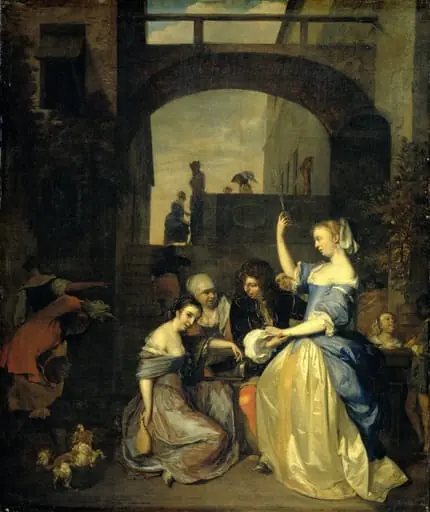
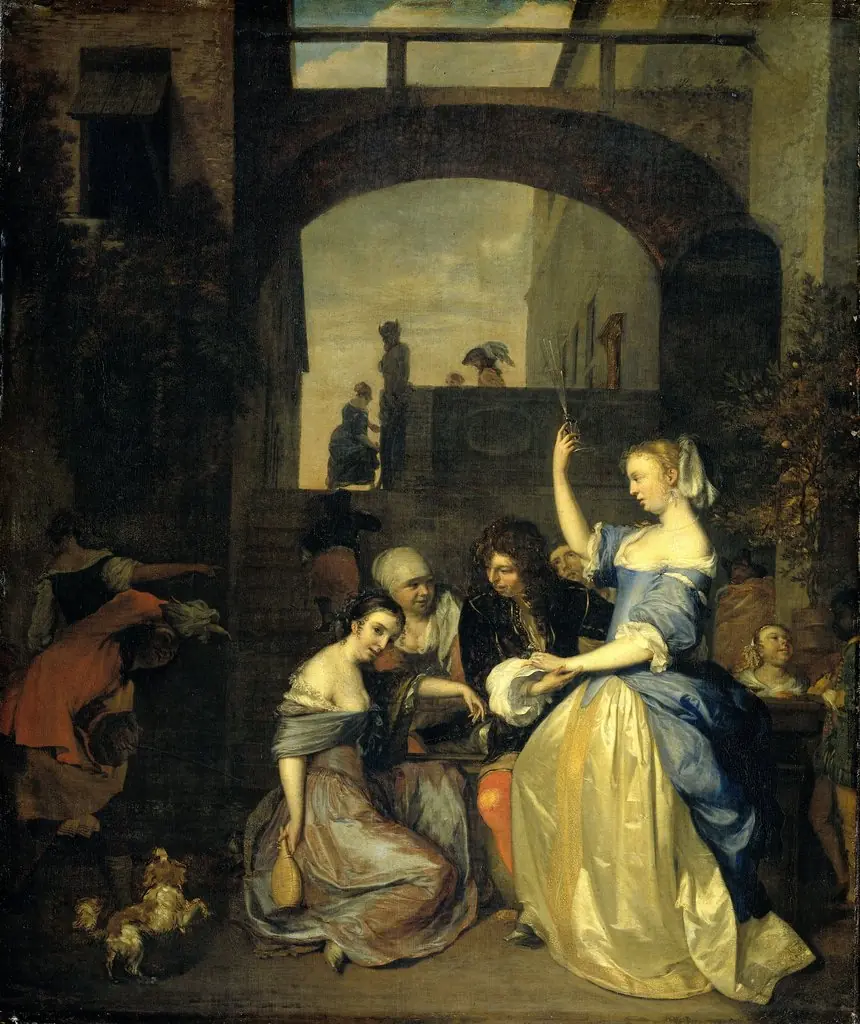
Created around 1650 by Dutch painter Hendrik Heerschop, this oil on canvas depicts a scene from classical mythology in which the daughters of the legendary Athenian king Cecrops discover the infant Erechthonius. The work is part of the Rijksmuseum’s collection and presents a quiet, narrative moment rendered with restrained drama.
Subject & Meaning
The composition illustrates the moment when the four daughters, returning from a ritual, encounter a newborn swaddled in a basket. Their solemn expressions convey the gravity of finding a child abandoned under mysterious circumstances, a story that in myth explains the origins of a future hero linked to the founding of Athens.
Own this work as a print
Artist & collection