Artwork
The Garden of Love
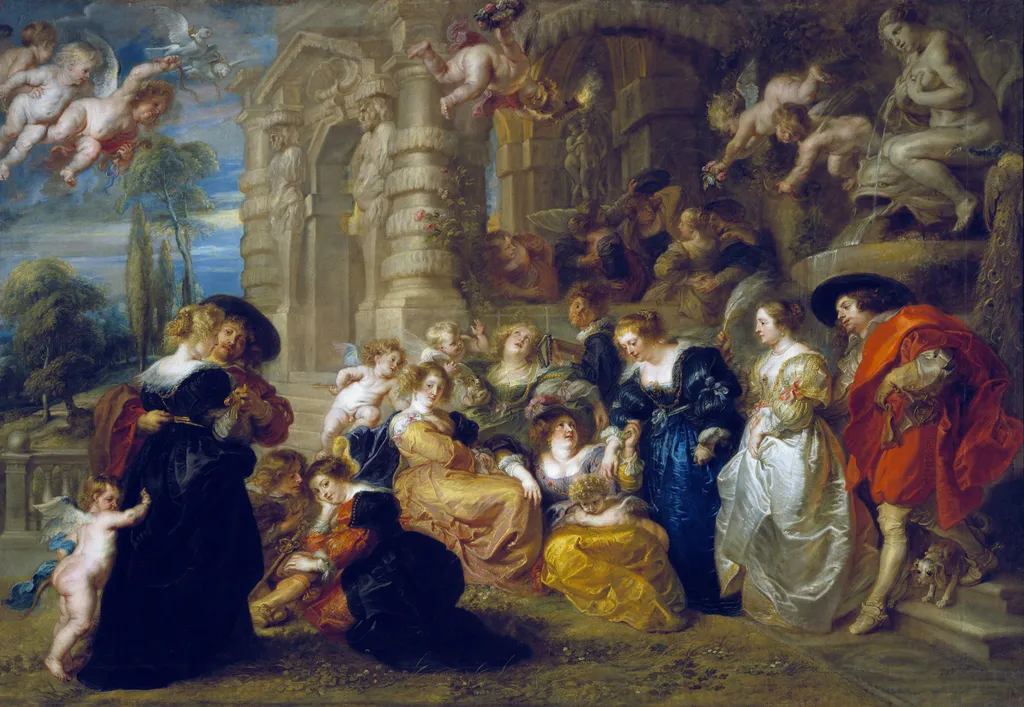
The Garden of Love is an oil painting by the Baroque artist Peter Paul Rubens. It dates from 1630 and is held in the collection of the Museo del Prado.
About this work
The Garden of Love is a painting by Peter Paul Rubens. It was first listed in 1666, in the Royal Palace of Madrid, which is an interesting fact about its history. The painting was also known as The Garden Party in early inventories.
You can learn more about this style of painting by looking at the work of Peter Paul Rubens.
Subject & Meaning
The Garden of Love serves as an allegory and exaltation of matrimonial love, fertility, and the courtly merry-company genre.
The Garden of Love serves as an allegory and exaltation of matrimonial love, fertility, and the courtly merry-company genre. The composition depicts well-dressed figures in an idyllic garden where mythological elements, such as Cupids, interact with realistic human subjects to create a fantastical scene. Central to the work's symbolism are specific attributes of marriage: a pair of doves, flower crowns, music-making, and Juno's peacock signify conjugal fidelity and happiness.
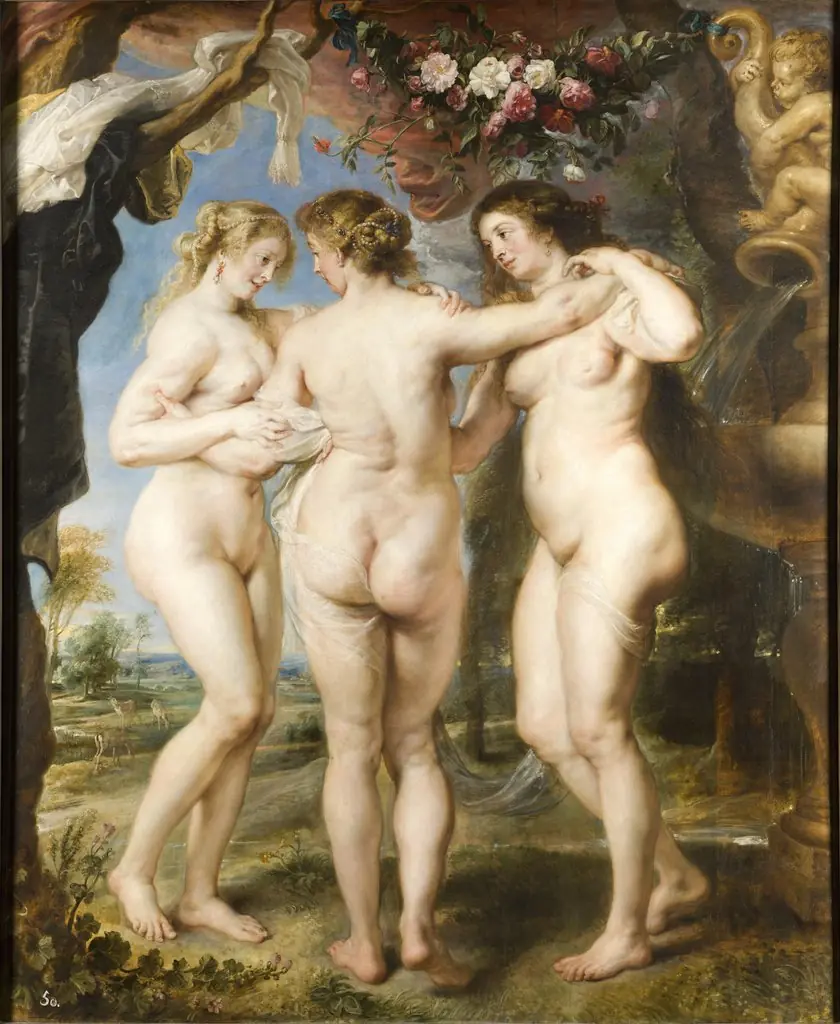
Two fountains dominate the setting; one features the Three Graces representing fertility and physical beauty, while the other depicts the Nursing Venus, symbolizing childbearing, alongside the goddess Juno. The painting is widely interpreted as a personal celebration by Rubens of his second marriage to Hélène Fourment, whose likeness appears in multiple female figures, including the woman on the far right walking with a man resembling the artist. The garden itself represents both Paradise and the concept of fertility.
Technique & Style
Executed in oil paint on canvas, the work measures 199 cm in height and 286 cm in width. The painting exemplifies the Baroque style through its use of exaggerated motion and clear, easily interpreted details to generate drama and grandeur. Rubens employs a multi-layered allegorical approach, blending realistic courtly figures with mythological elements such as cupids and fountains representing the Three Graces and Venus.
The handling of the scene creates a fantastical atmosphere where well-dressed individuals lounge in an idyllic garden, utilizing loose brushstrokes that reflect the influence of Adriaen Brouwer's naturalistic genre scenes. The composition is arranged to be read from left to right, depicting a progression of courtship and marriage within a recessional manner that emphasizes wealth and high social status.
History & Provenance
The Garden of Love was painted by Peter Paul Rubens around 1630 (sources variously cite dates between 1630 and 1633). The work was not a commission; Rubens painted it privately as a personal celebration of his marriage to his second wife, Hélène Fourment. The painting first appeared in the historical record in 1666, listed as hanging in the Royal Palace of Madrid within the Spanish king's bedroom, where it was then titled The Garden Party.
Early inventories associated the work with the Spanish royal collection, later owned by Ferdinand VII of Spain. It is now part of the collection of the Museo del Prado in Madrid, where it remains today.
Context
Scholars identify The Garden of Love as the apotheosis of the outdoor courtly merry-company genre, anticipating the French fête champêtre of the following century. Unlike commissioned works, this painting is interpreted as a private celebration of Rubens's second marriage to Hélène Fourment, reflecting the artist's personal renewal after the death of his first wife. The work synthesizes mythological allegory with realistic portraiture; figures resembling the artist and his wife populate an idyllic setting where Cupids, doves, and fountains symbolize marital fidelity and fertility.
Art historical analysis suggests Rubens was influenced by the atmospheric landscapes and loose brushwork of Adriaen Brouwer, adapting these naturalistic elements to create a fantastical scene of Baroque grandeur. The painting's placement in the Spanish royal bedroom shortly after its creation underscores its status as a significant example of Baroque allegory.
Legacy
Today the painting belongs to the Prado Museum's collection, where it is regarded as a quintessential Baroque merry-company scene and as an early model for the French fêtes champêtres. The work's symbolic program of marital love, interpreted from contemporary inventories, has made it a frequent subject of scholarly analysis and influenced later depictions of mythological gardens. Its private, intimate character, presented as a celebration of Rubens's second marriage, enhances its reputation as both a personal and widely admired masterpiece.
Overview
Peter Paul Rubens's oil painting, The Garden of Love, created around 1633, is a significant example of Baroque art. Currently housed in the Prado Museum in Madrid, this work encapsulates the artist's characteristic style and thematic interests. It depicts a lively gathering, showcasing the social interactions and romantic pursuits common in courtly life, a theme that would influence later artistic movements and establish Rubens's reputation for grand compositions.
Own this work as a print
Artist & collection
Artist
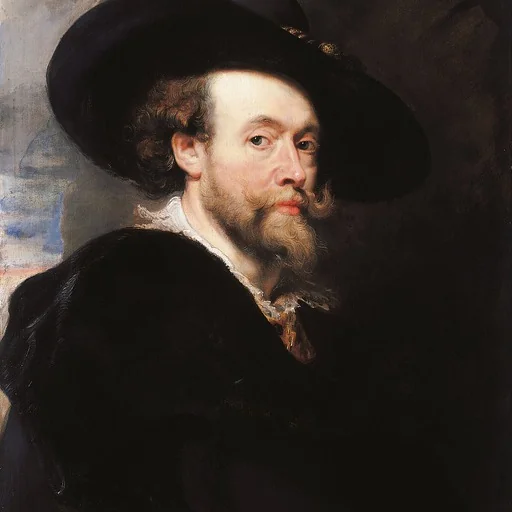
Sir Peter Paul Rubens ( ROO-bənz; Dutch:; 28 June 1577 – 30 May 1640) was a Flemish artist and diplomat.

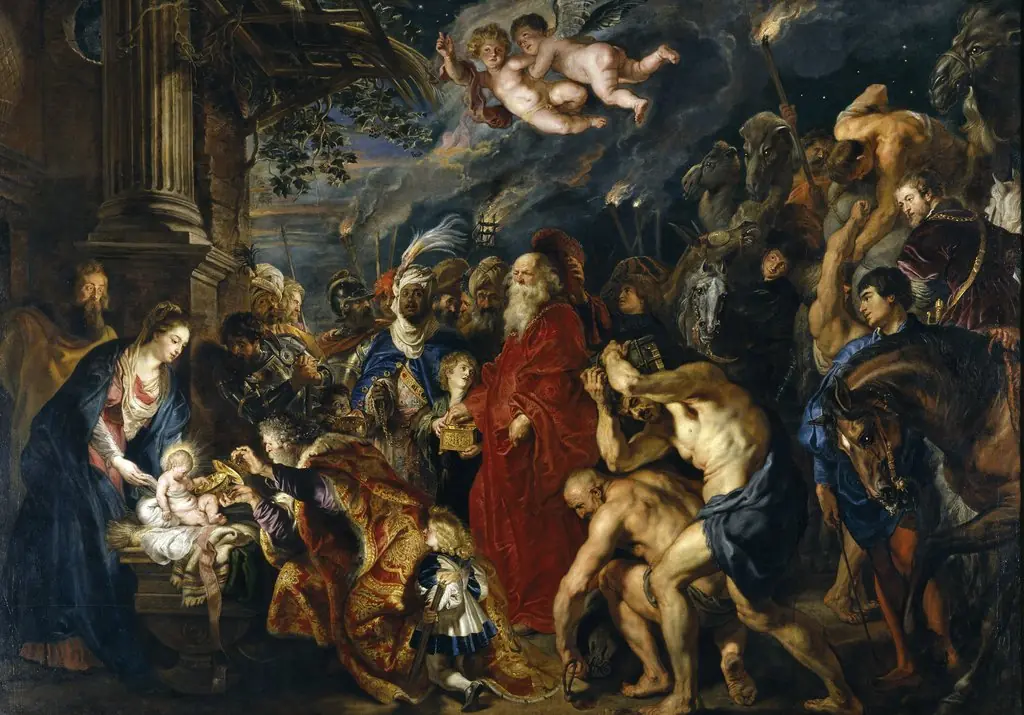 Adoration of the Magi
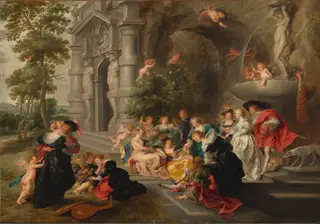 Liebesgarten
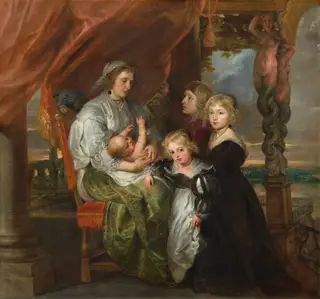 Deborah Kip, Wife of Sir Balthasar Gerbier, and Her Children
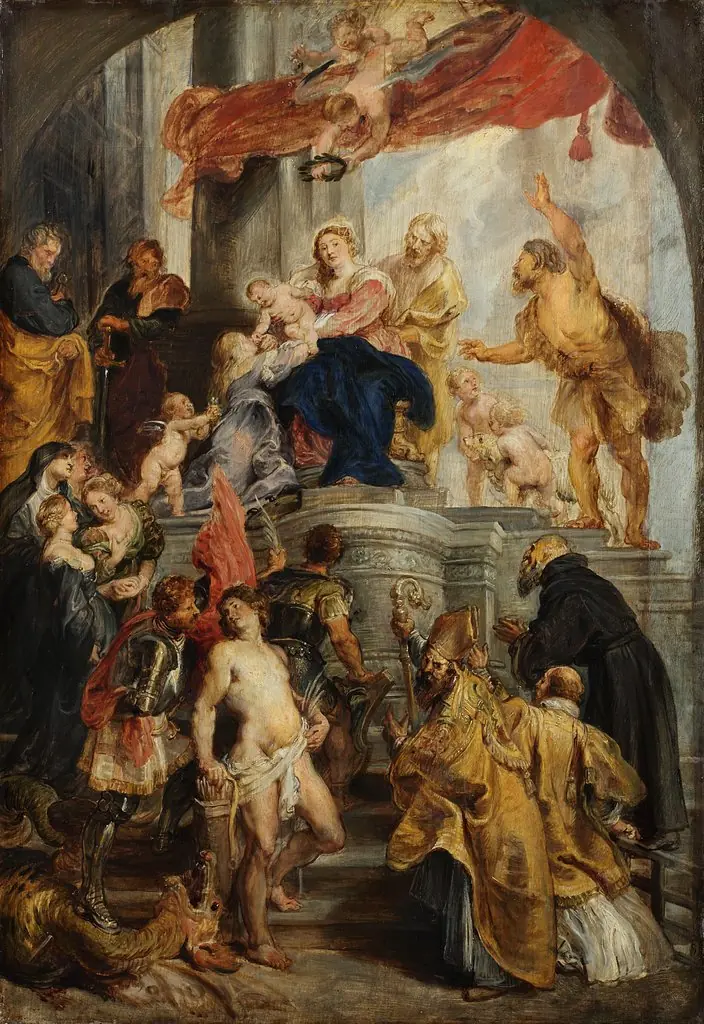 The Virgin and Child Enthroned with Saints by Peter Paul Rubens
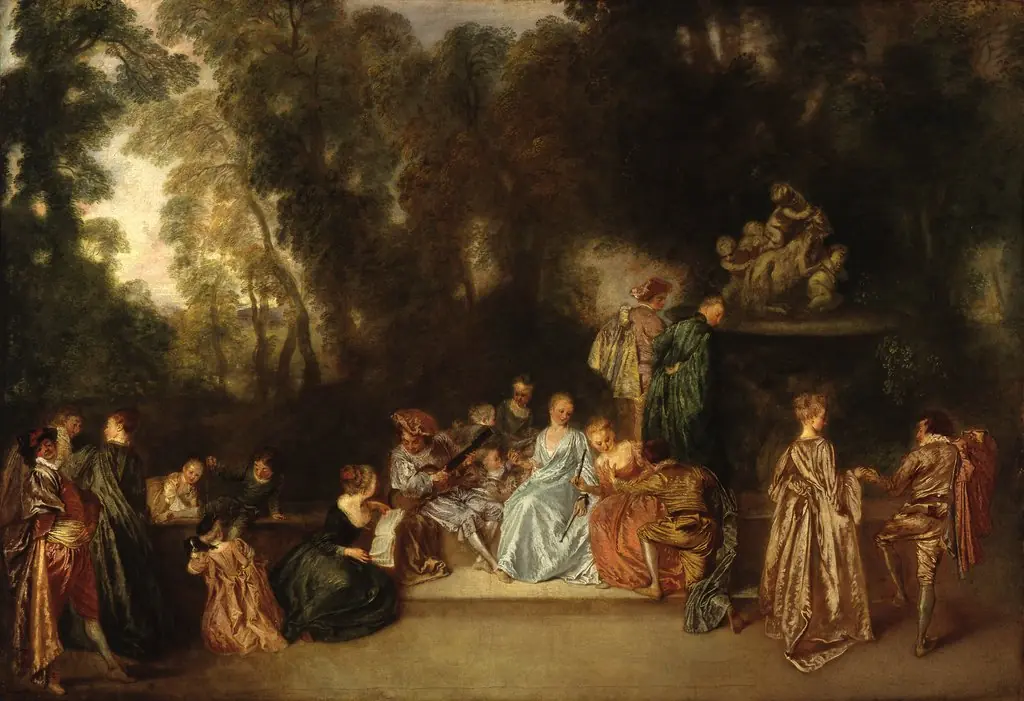 Party in the Open Air
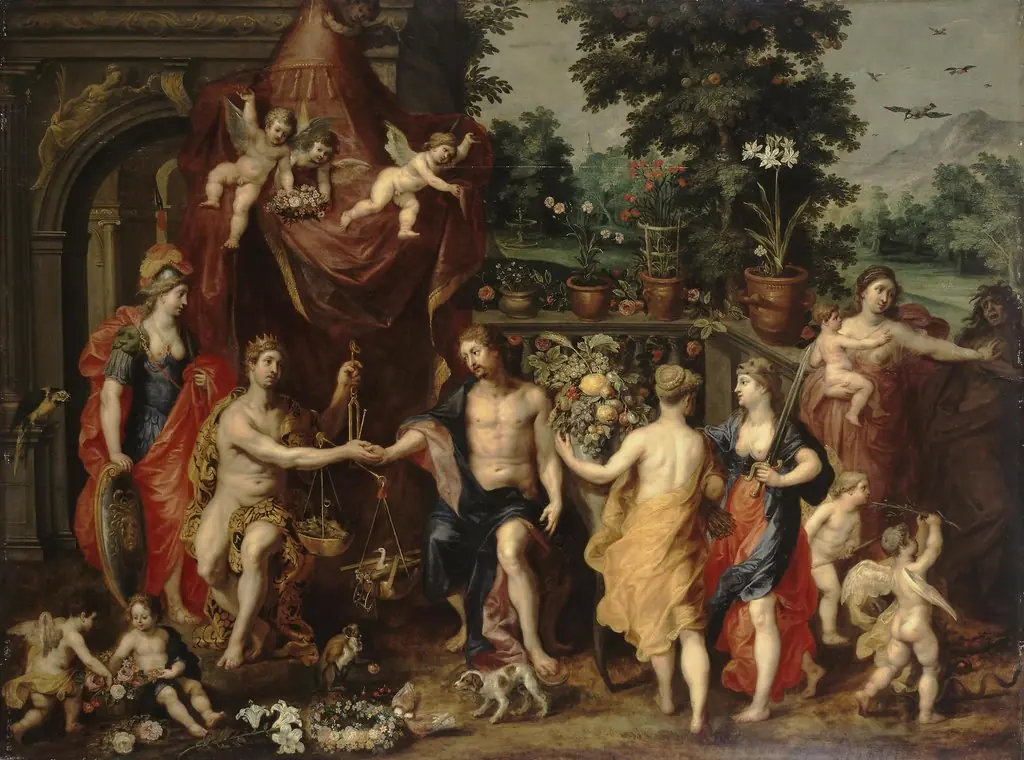 Allegory of the Virtuous Life
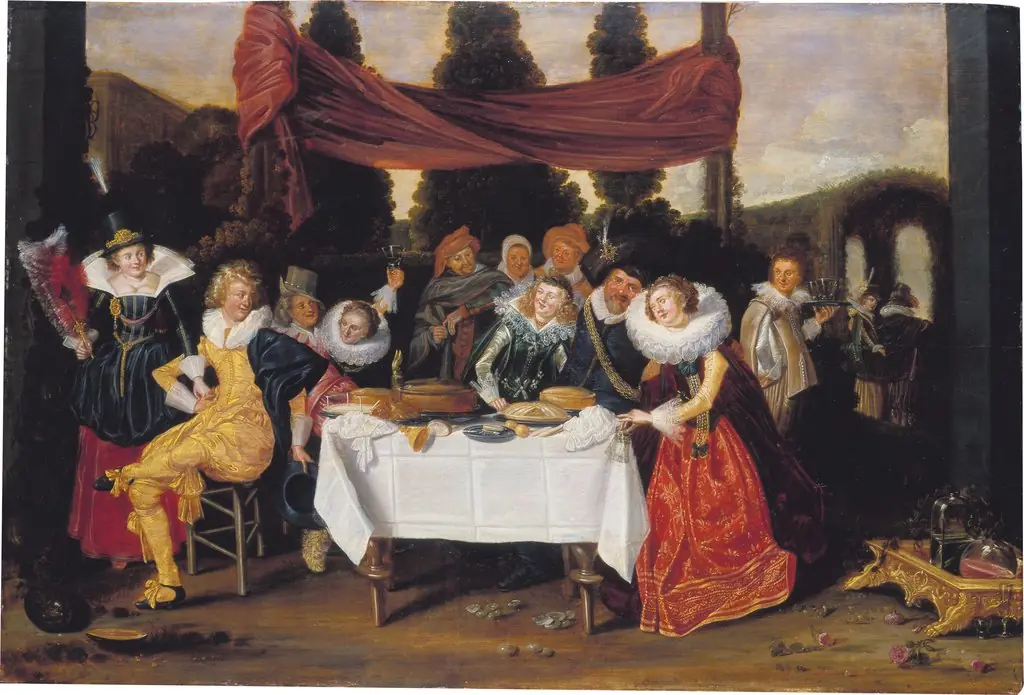 Merry Company
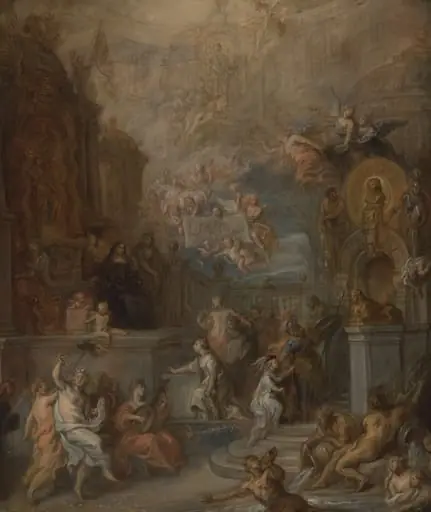 Allegory of the Farewell of William III from Amalia van Solms following the transfer of Regency to the States General
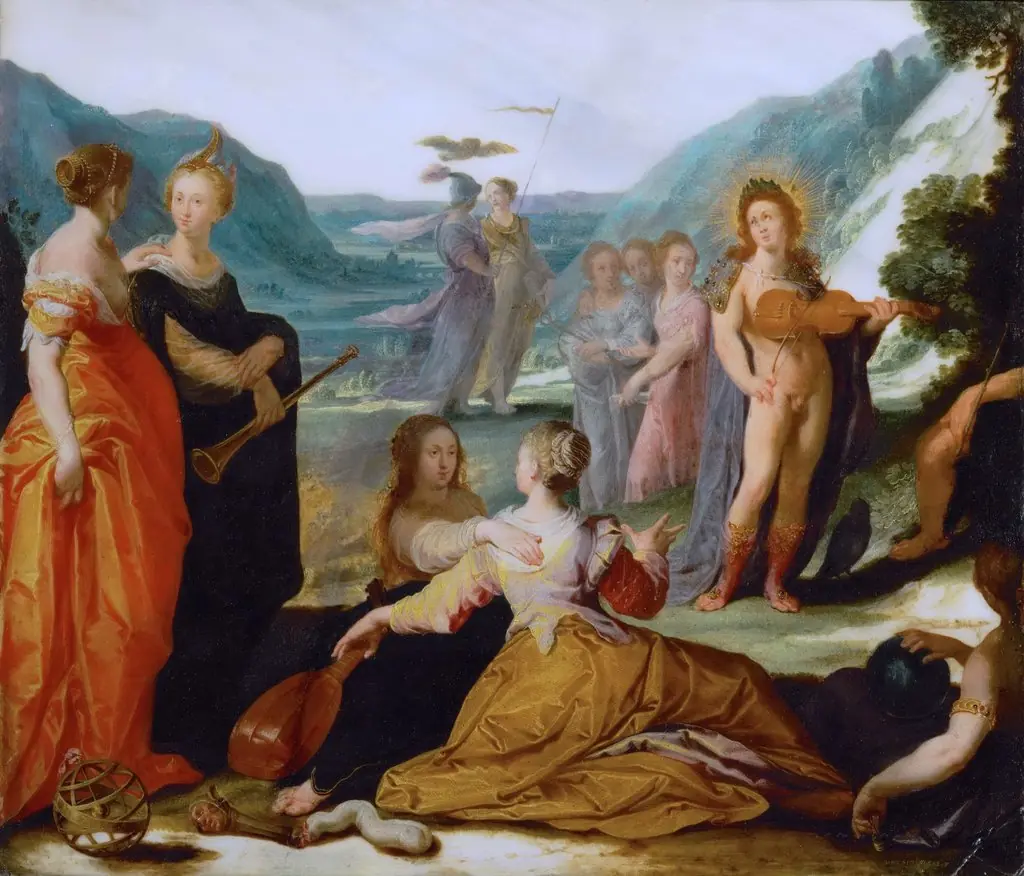 Apollo and the Muses
 Meeting of King Ferdinand and Cardinal-infante Ferdinand at Nördlingen