Artwork
Portrait of Sara Sweerts de Weert (b. 1579), second wife of Antonius Antonides van der Linden
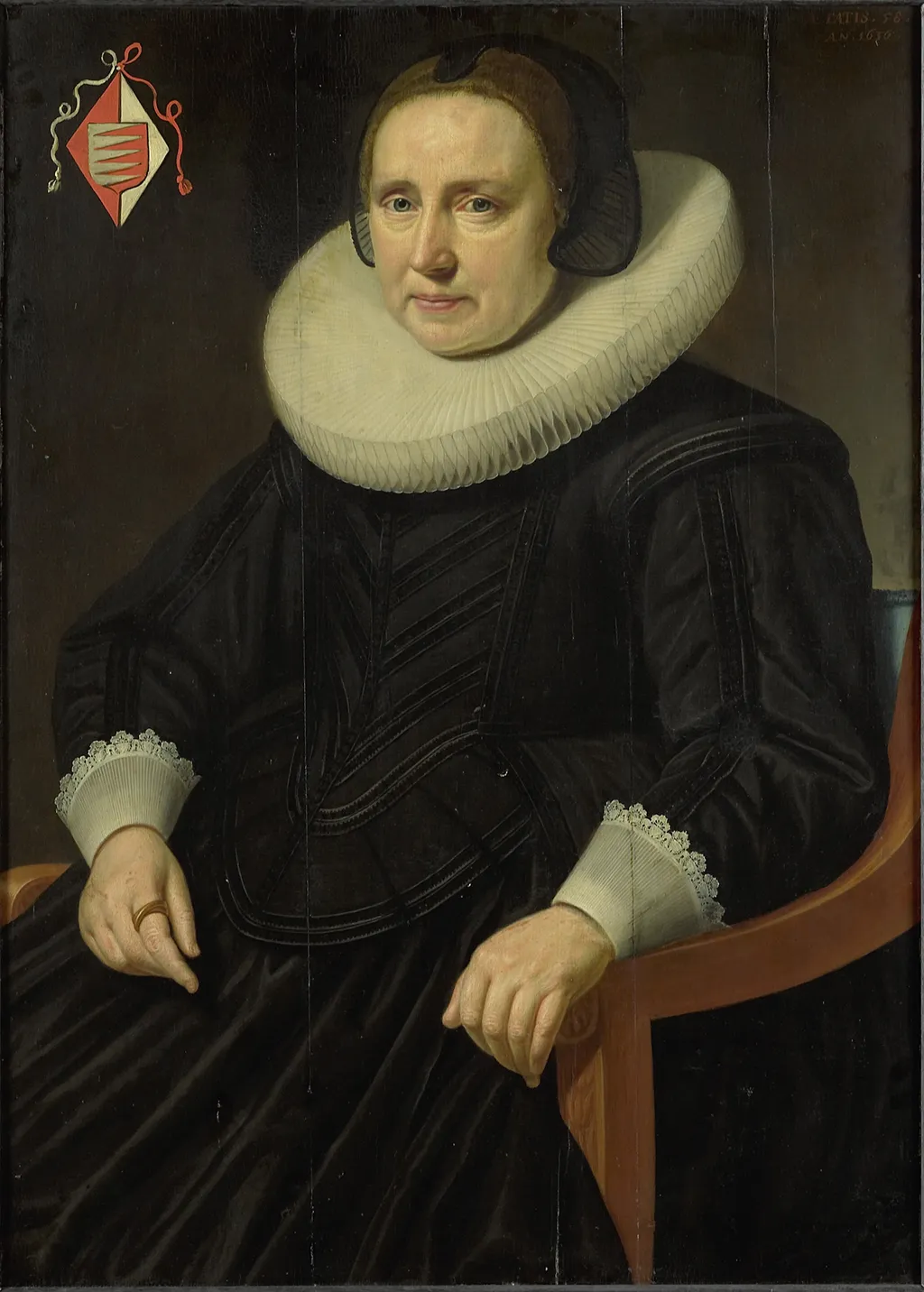
Portrait of Sara Sweerts de Weert (b. 1579), second wife of Antonius Antonides van der Linden is an oil painting by the Dutch Golden Age artist Hendrik Meerman. It dates from 1636 and is held in the collection of the Rijksmuseum.
About this work
Subject & Meaning
The painting's composition and style reflect contemporary conventions for portraying married women of the prosperous merchant class in the Dutch Golden Age.
The portrait depicts Sara Sweerts de Weert, a Dutch woman born in 1579 who became the second wife of Antonius Antonides van der Linden. Rendered in oil paint around 1636, the work presents her as a married elite figure within Amsterdam's merchant class. Her representation emphasizes domestic virtue and marital status rather than individual personality, typical of 17th-century Dutch portraiture where married women were often shown in sober attire signifying modesty and household management.
The painting's composition and style reflect contemporary conventions for portraying married women of the prosperous merchant class in the Dutch Golden Age.
Technique & Style
The portrait is executed in oil paint on a wooden panel, measuring 88 cm by 63 cm, and is classified as a portrait painting. The work demonstrates formal qualities typical of 17th-century Dutch portraiture, including naturalistic rendering and restrained coloration, though specific stylistic analysis is limited by source material. The painting's condition and handling history are not detailed in the provided documentation.
The formal treatment of facial features and attire reflects contemporary conventions in Dutch portraiture, with attention to textural detail in clothing and skin tones. The composition maintains a balanced arrangement that emphasizes the sitter's presence within the pictorial space.
The artwork was created in 1636 using oil paint on panel, as documented in primary sources. It has been part of the Rijksmuseum and Amsterdam Museum collections, previously owned by Victor de Stuers.
The piece was painted by Hendrik Meerman, a Dutch artist active during the 17th century, and is recognized as a significant example of portrait painting from this period.
The technical execution involves careful layering of oil pigments on a wooden support, contributing to the work's enduring preservation and visual depth.
History & Provenance
The portrait was created in 1636 by Hendrik Meerman as an oil painting on panel. At some point the work entered the collection of Victor de Stuers. It is now held jointly by the Rijksmuseum and the Amsterdam Museum.
The sources do not specify who originally commissioned the portrait, nor do they provide any further details about intermediate owners or earlier ownership history.
The portrait is held in the collection of the Rijksmuseum, Amsterdam, where it is inventoried as SK-C-1710.
Its exhibition history includes display at the Rijksmuseum as part of its permanent holdings, and it was shown in the exhibition Victor de Stuers en Nederland 1870–1914 in 1996.
Overview
Hendrik Meerman’s 1636 oil portrait depicts Sara Sweerts de Weert, born in 1579, seated in a dark interior. She wears a black gown with a white ruffled collar and cuffs, a modest black cap, and a gold ring on her left hand. The composition is framed by a muted background and a small red‑and‑white emblem in the upper left corner.
Own this work as a print
Artist & collection

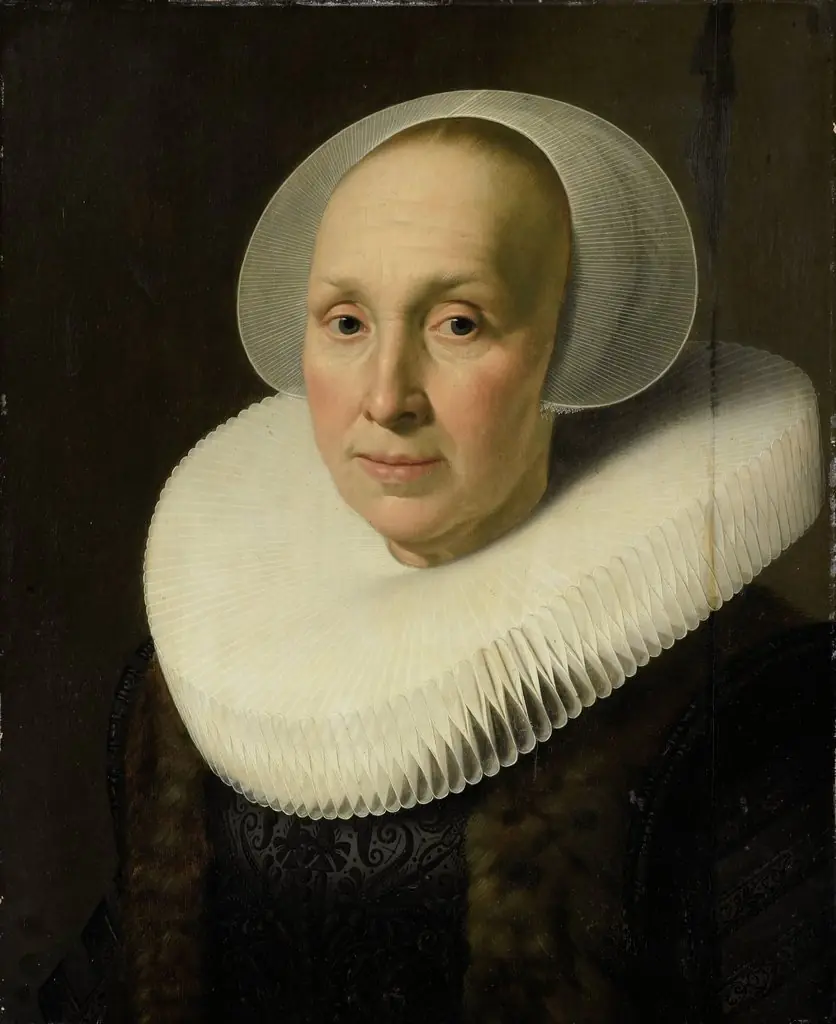 Portrait of Margriet Benningh (1565-1641)
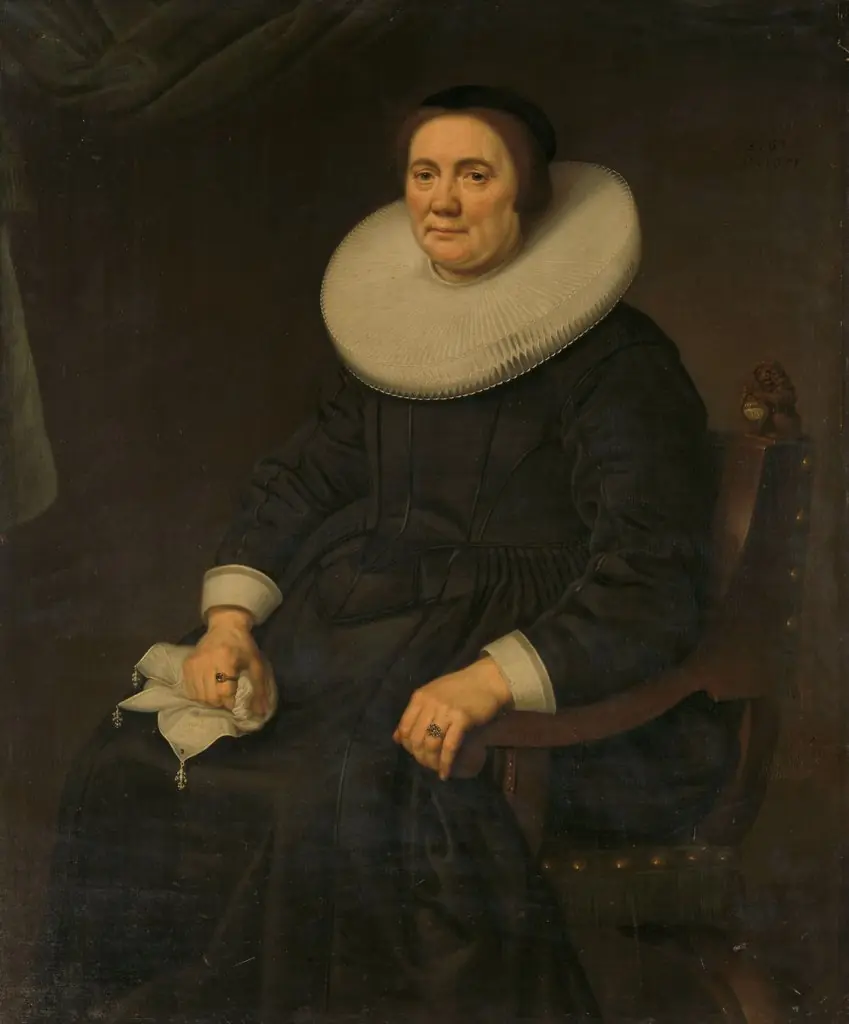 Portrait of a woman
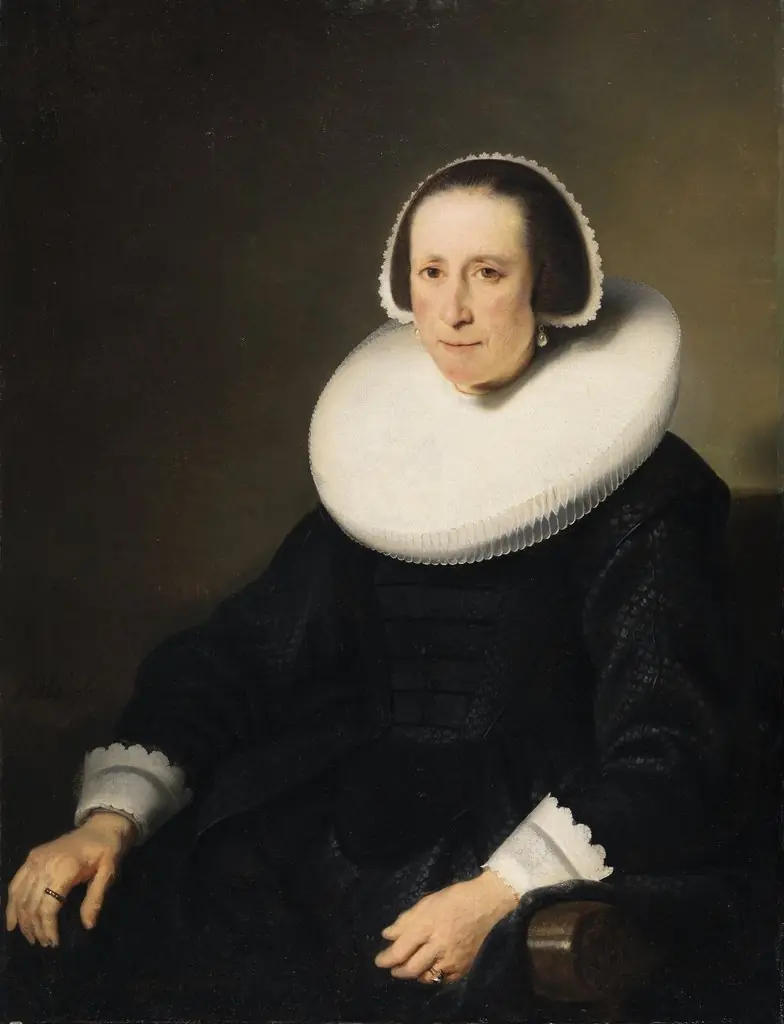 Portrait of a Lady
 Portrait of a Woman
 Untitled
 Portrait of a woman
 Portrait of a woman
 Portrait of Johanna Le Maire (c. 1601-60)
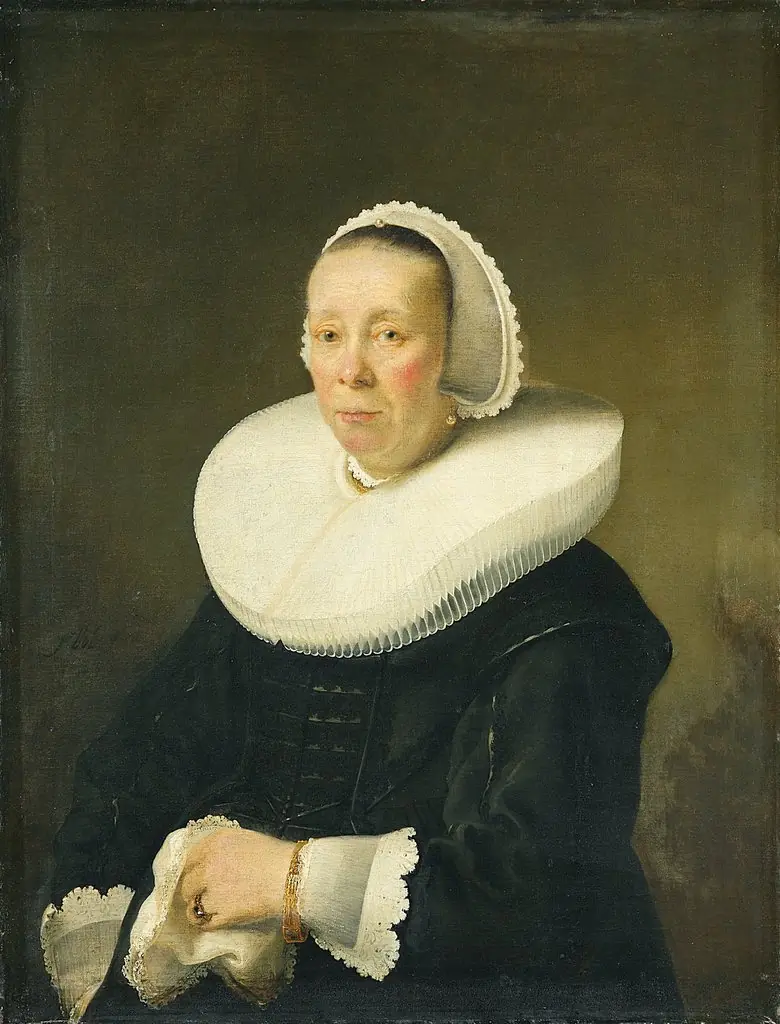 Portrait of an older Women
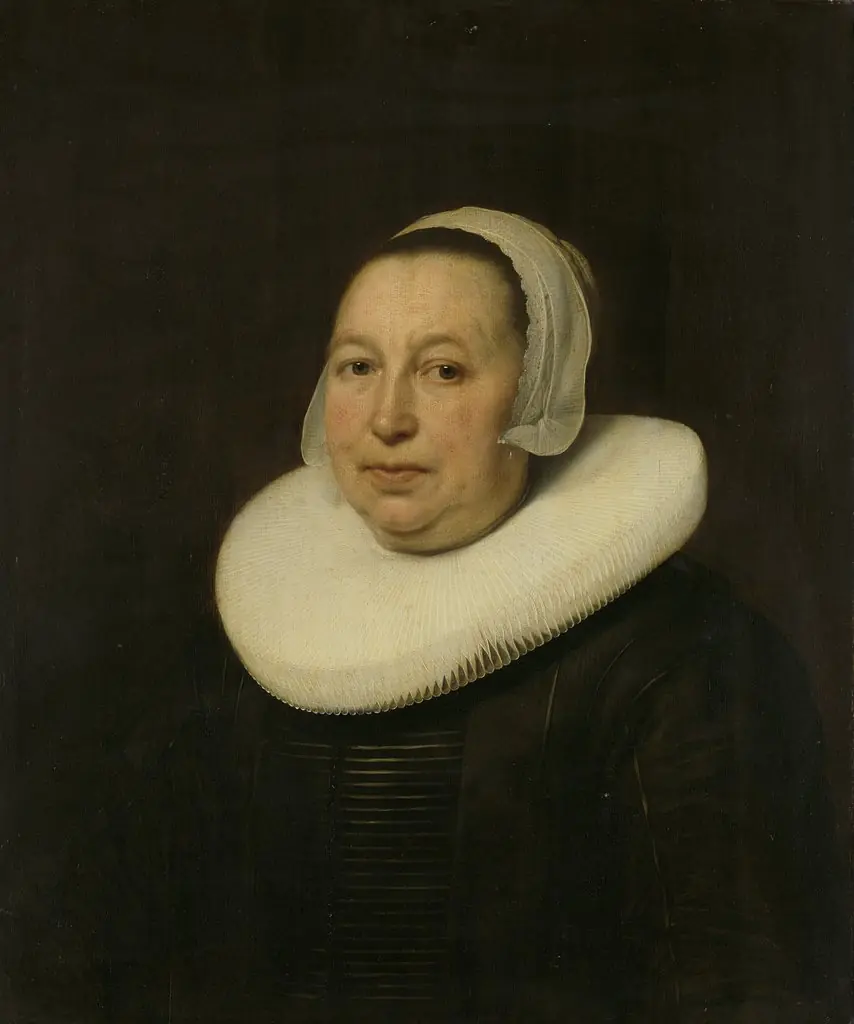 Maria Pietersdr de Leest (d 1652). Wife of Samuel van Lansbergen
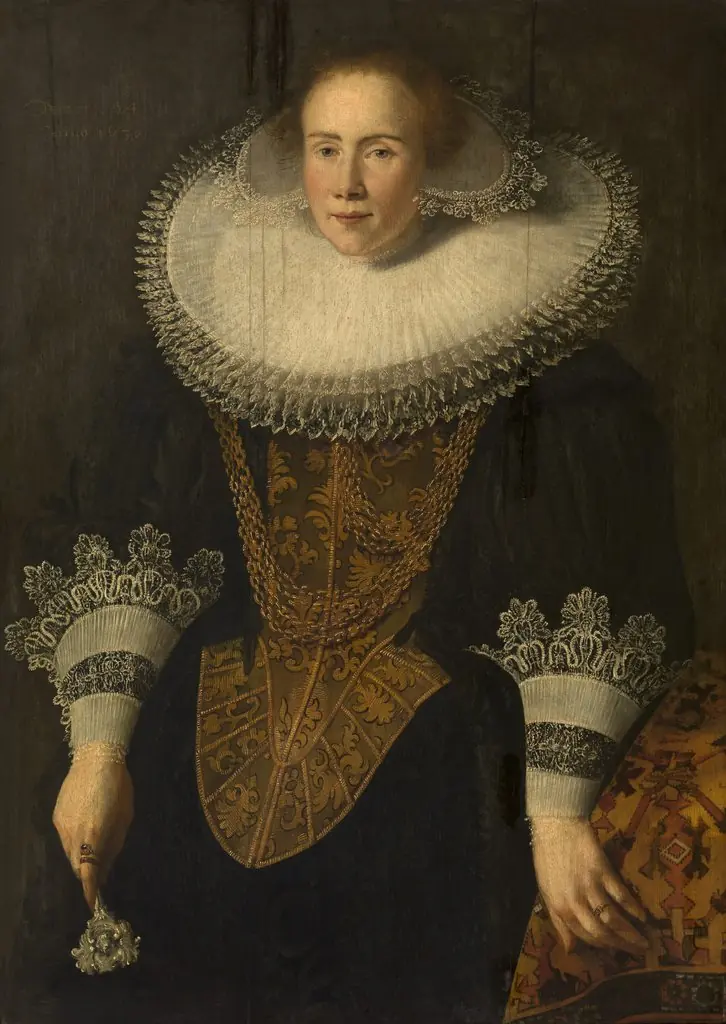 Portrait of a Woman
- Portrait of Sara Andriesdr Hessix