Artwork
Confettis
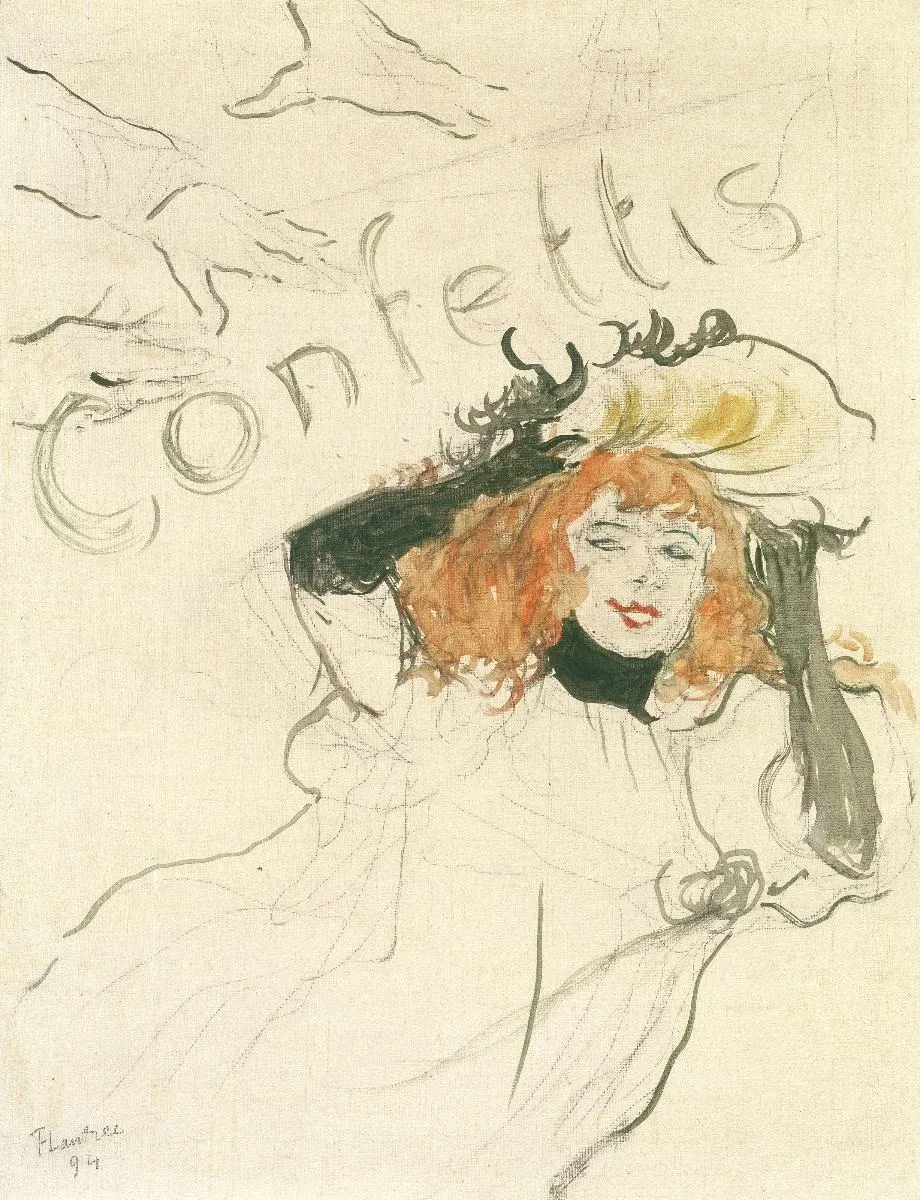
Confettis is an oil painting by the Post-Impressionist artist Henri de Toulouse-Lautrec. It dates from 1897 and is held in the collection of the Foundation E.G. Bührle Collection.
About this work
Overview
Confettis, a painting by Henri de Toulouse-Lautrec from 1897, captures a vibrant moment in Paris's late 19th-century entertainment scene, rendered in oil paint in a post-impressionist style.
Subject & Meaning
The painting portrays a scene from Paris's lively nightlife, reflecting Toulouse-Lautrec's fascination with the city's theatrical and social underbelly, often highlighting marginalized groups like performers and prostitutes. His unique perspective, influenced by his experiences as an outsider due to a childhood condition that affected his growth, adds depth to such depictions.
Technique & Style
Executed in oil paint, Confettis exemplifies Toulouse-Lautrec's post-impressionist approach, characterized by bold, expressive brushwork and a vivid color palette, distinct from the more naturalistic representations of the time.
History & Provenance
Created in 1897, Confettis is now part of the Kunsthaus Zürich's collection, a testament to the artist's enduring appeal beyond his native France.
Context
Emerging from Toulouse-Lautrec's observations of late 19th-century Paris, Confettis situates itself within the broader artistic movement of post-impressionism, alongside the works of contemporaries exploring new modes of expression.
Legacy
As one of Toulouse-Lautrec's works from his prolific career, Confettis contributes to his legacy as a chronicler of Parisian life, particularly its nocturnal, theatrical aspects, influencing subsequent generations of artists in capturing urban social landscapes.
Artist & collection
Artist
Comte Henri Marie Raymond de Toulouse-Lautrec-Montfa (24 November 1864 – 9 September 1901), known as Toulouse-Lautrec (French: ), was a French painter, printmaker, draughtsman, caricaturist, and illustrator.

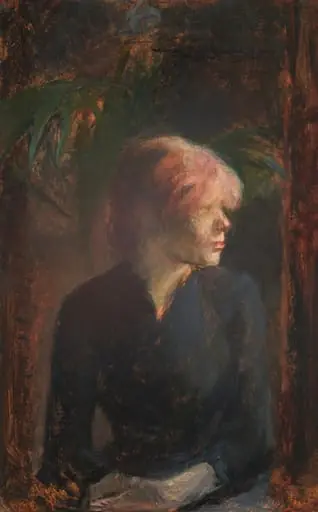
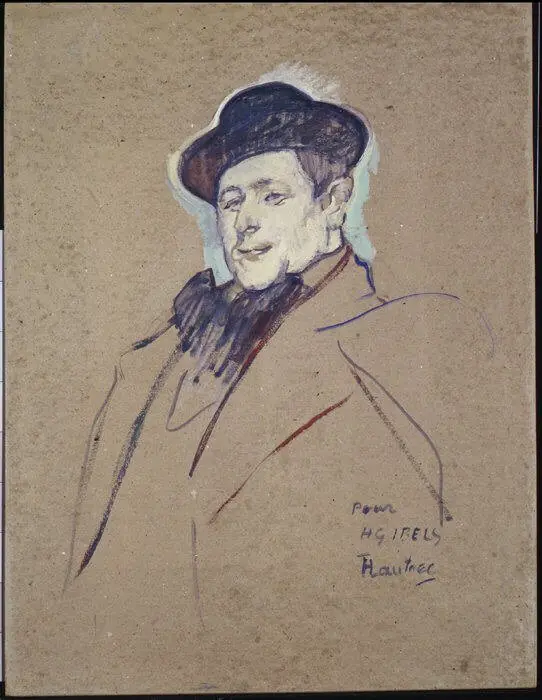
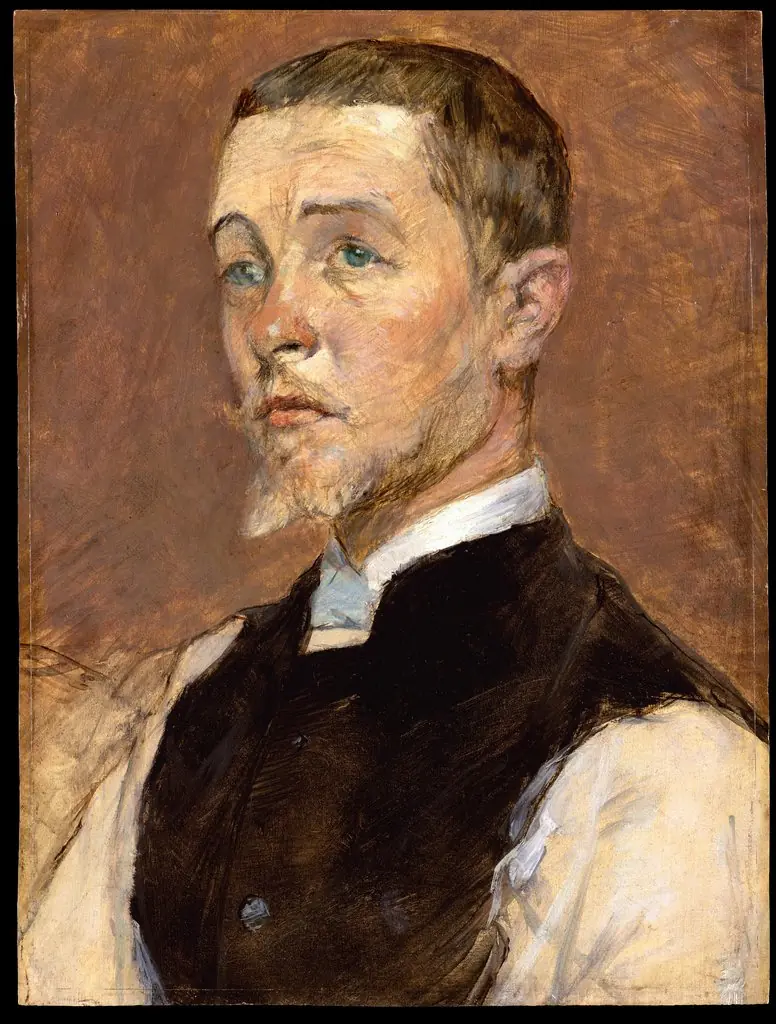
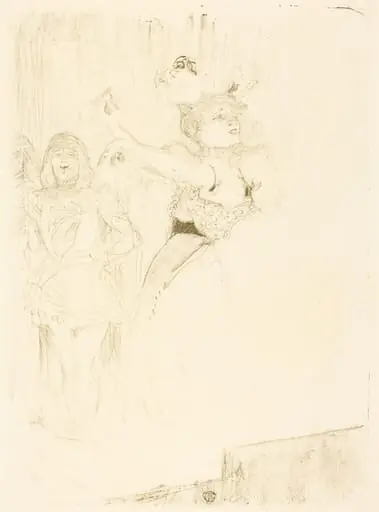
- Lender Dancing the Bolero in "Chilperic" (Lender dansant le pas du boléro dans "Chilpéric")
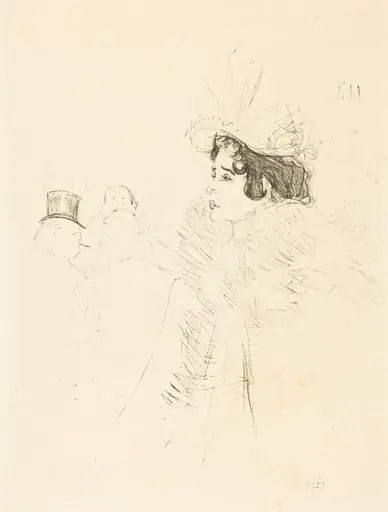 Miss May Belfort in the Irish and American Bar, rue Royale (Miss Belfort Belfort au Irish and American Bar, Rue Royale)
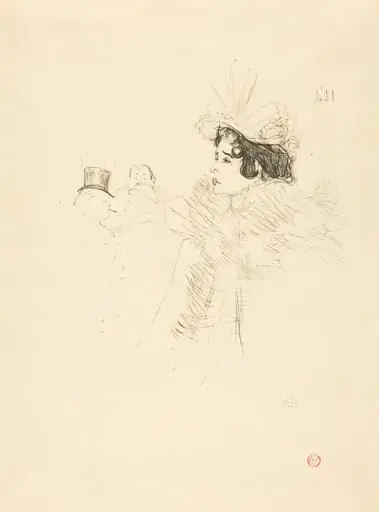 Miss May Belfort in the Irish and American Bar, rue Royale (Miss Belfort Belfort au Irish and American Bar, Rue Royale)
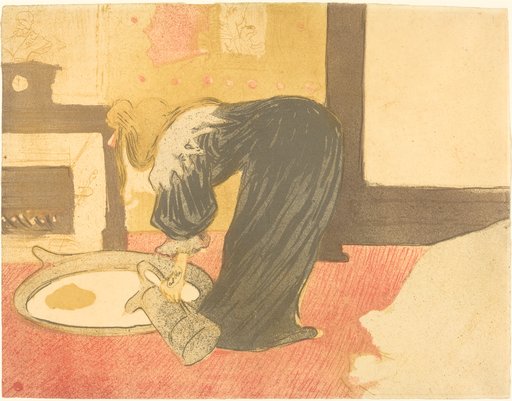
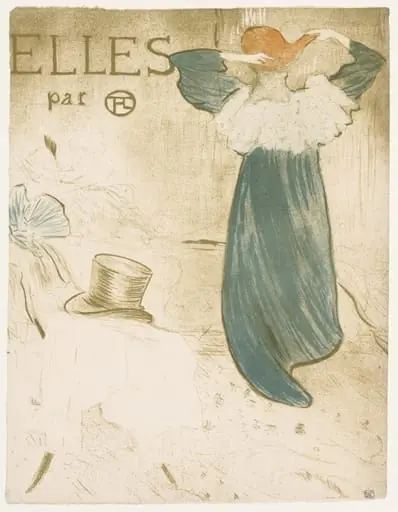 Elles
Elles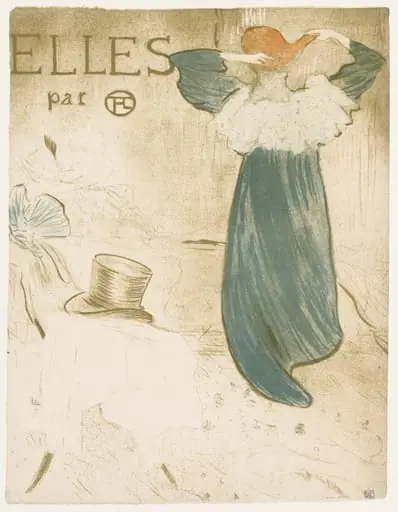 Elles: Frontispiece
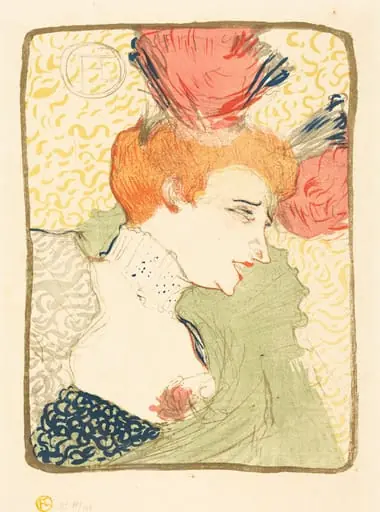 Bust of Mademoiselle Marcelle Lender (Mademoiselle Marcelle Lender, en buste)
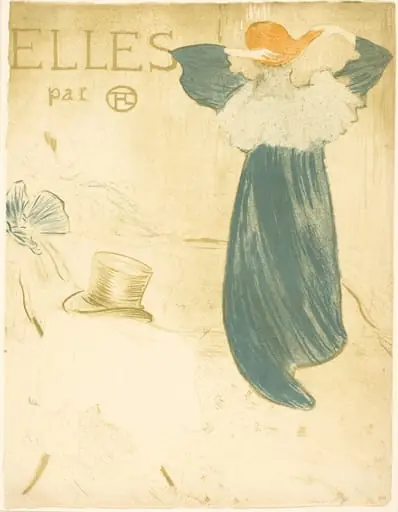 Frontispiece for "Elles"
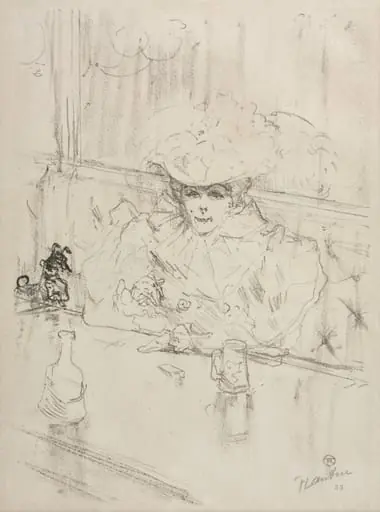 Au Hanneton
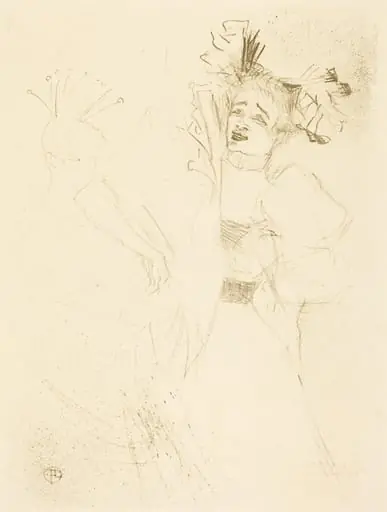 Lender Full Face in "Chilperic" (Lender de face dans "Chilpéric")
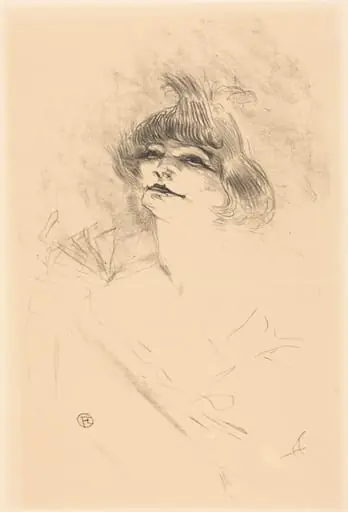 Polaire
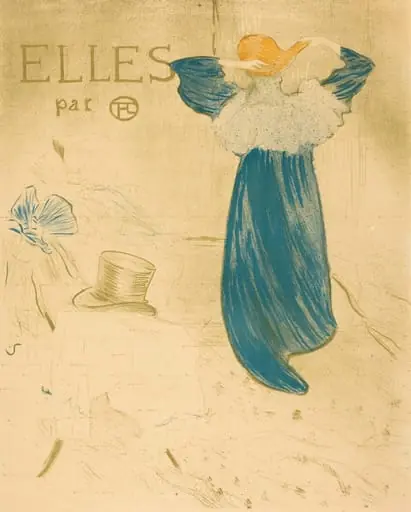 Frontispiece
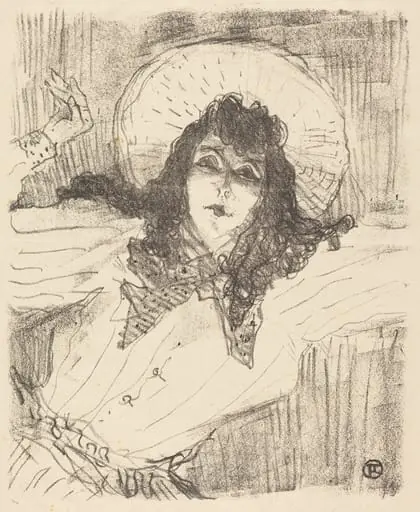 Eva Lavallière