Artwork
Miss Loïe Fuller
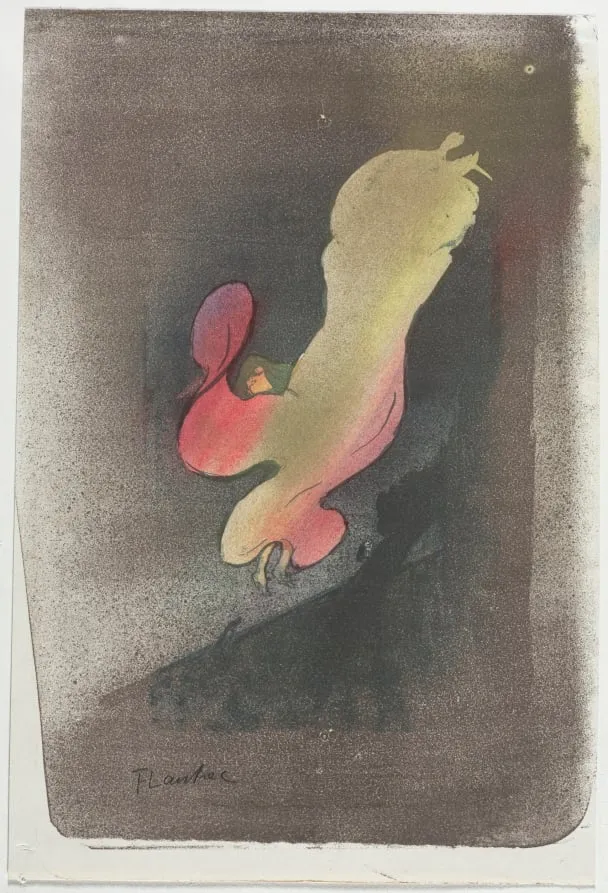
Miss Loïe Fuller is a print by the Impressionist artist Henri de Toulouse-Lautrec. It dates from 1893 and is held in the collection of the Cleveland Museum of Art.
- Accession no.
- 1925.1202
- Credit line
- Gift of Ralph King
About this work
Overview
The artist used layers of colored ink, including some metallic tones, to convey the movement and energy of Fuller's performances.
Parisian audiences were captivated by Loïe Fuller (1862–1928), the American dancer seen in this print, whose unique performances involved manipulating voluminous translucent gowns with the aid of large poles in each hand. Fuller danced in a specially designed space featuring a glass floor illuminated from below and surrounded by mirrors. Electric lights of various colors projected onto the stage created an ethereal, swirling effect.
Fuller’s extraordinary dance was the subject of Toulouse-Lautrec’s most abstract lithograph. The artist used layers of colored ink, including some metallic tones, to convey the movement and energy of Fuller's performances.
Did you know?
Loïe Fuller, depicted here, donated a group of sculptures to the Cleveland Museum of Art following its opening to the public in 1916.
Artist & collection
Artist
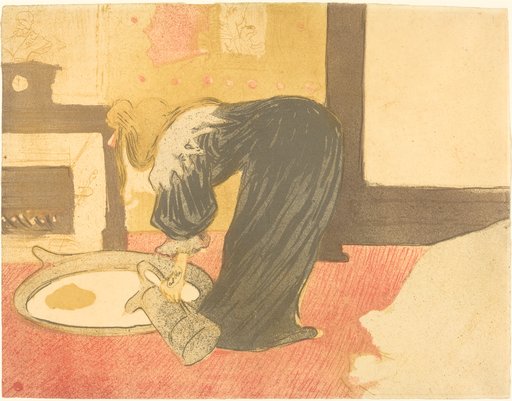
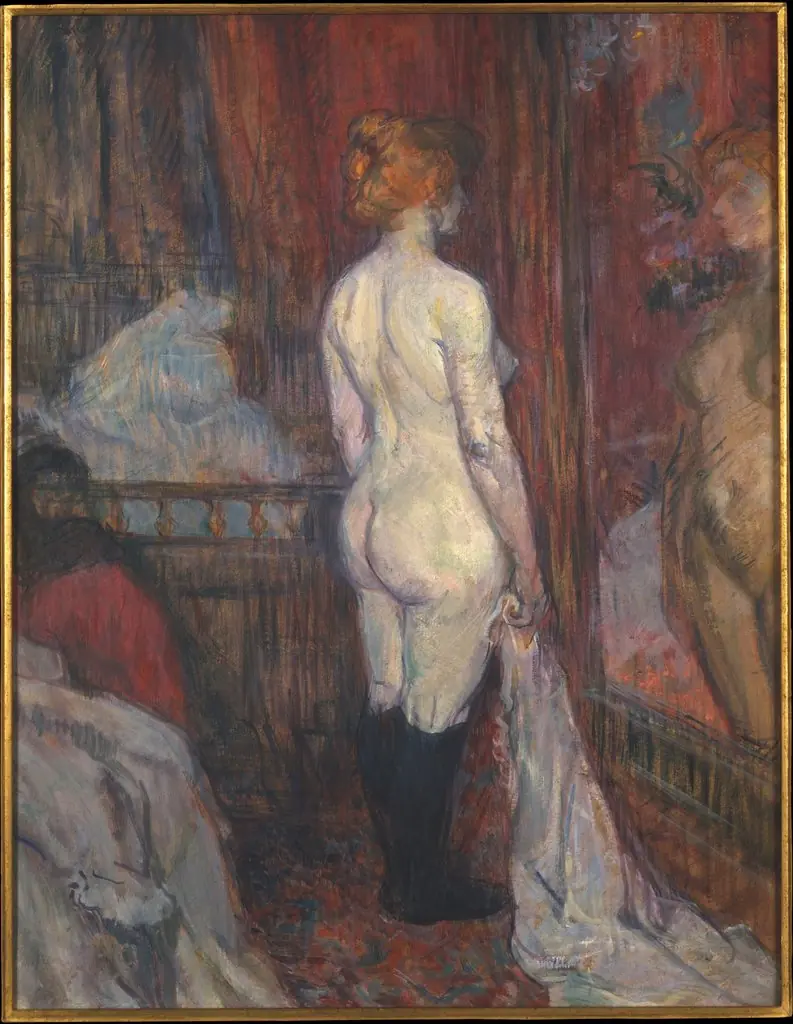
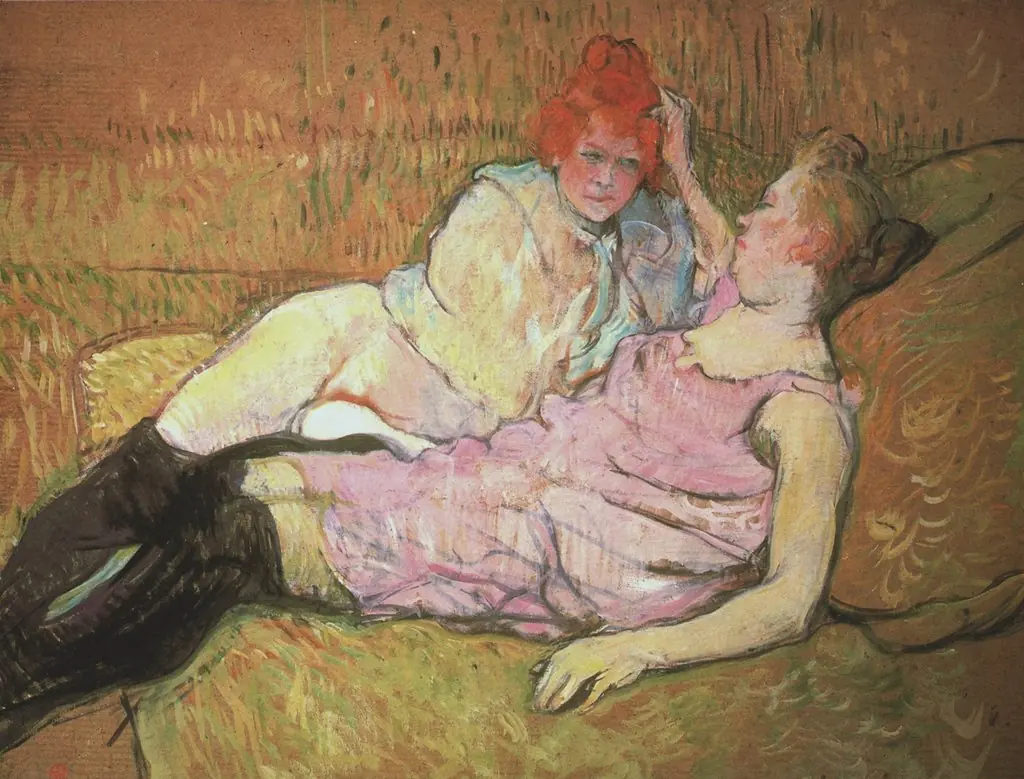
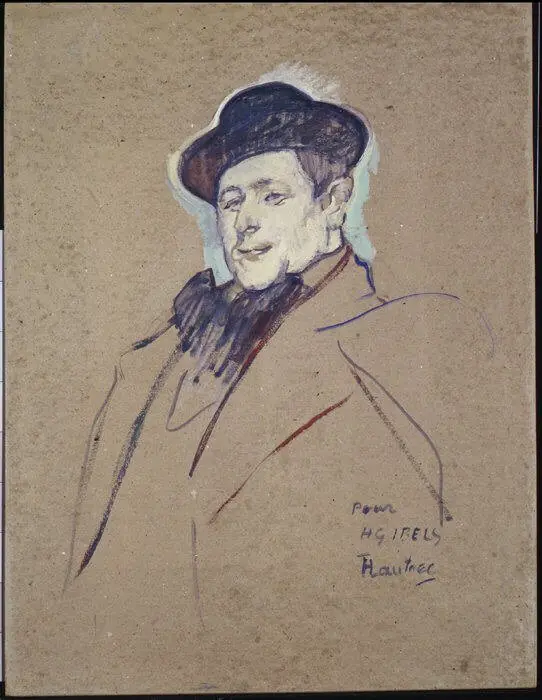
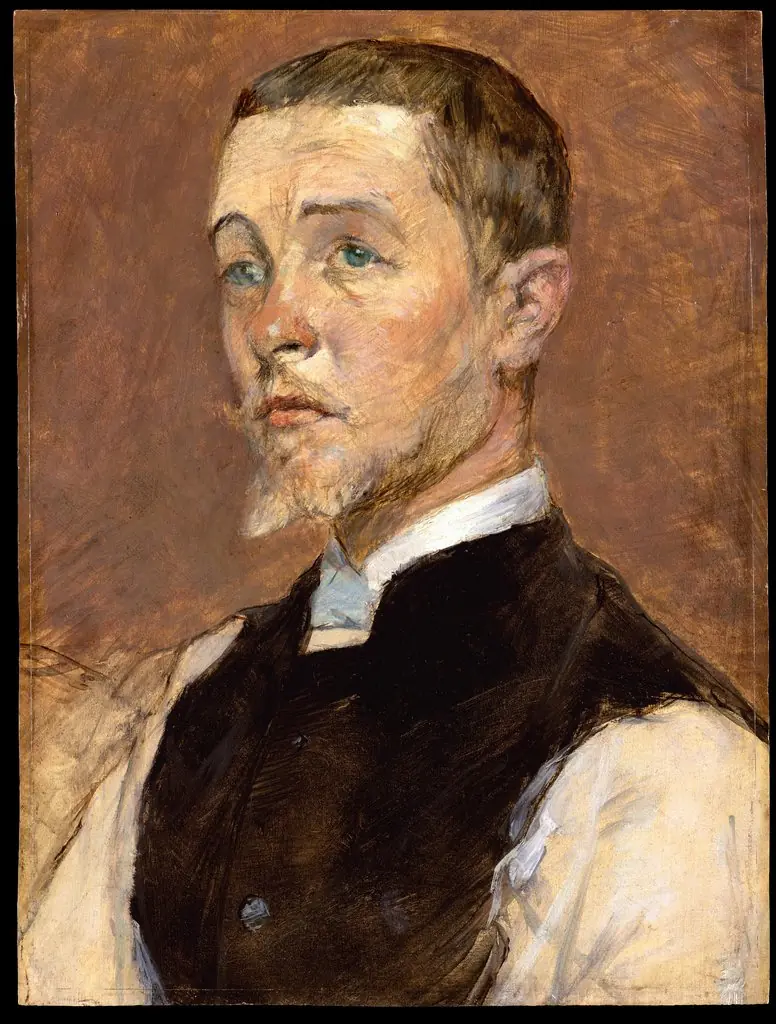
Comte Henri Marie Raymond de Toulouse-Lautrec-Montfa (24 November 1864 – 9 September 1901), known as Toulouse-Lautrec (French: ), was a French painter, printmaker, draughtsman, caricaturist, and illustrator.

![Mahna no Varua Ino (The Demon Speaks) [verso], by Paul Gauguin](https://artifactworldgallery.com/img/paul-gauguin--mahna-no-varua-ino-the-demon-speaks-verso--4d5371963e3166cc-w320.webp)