Artwork
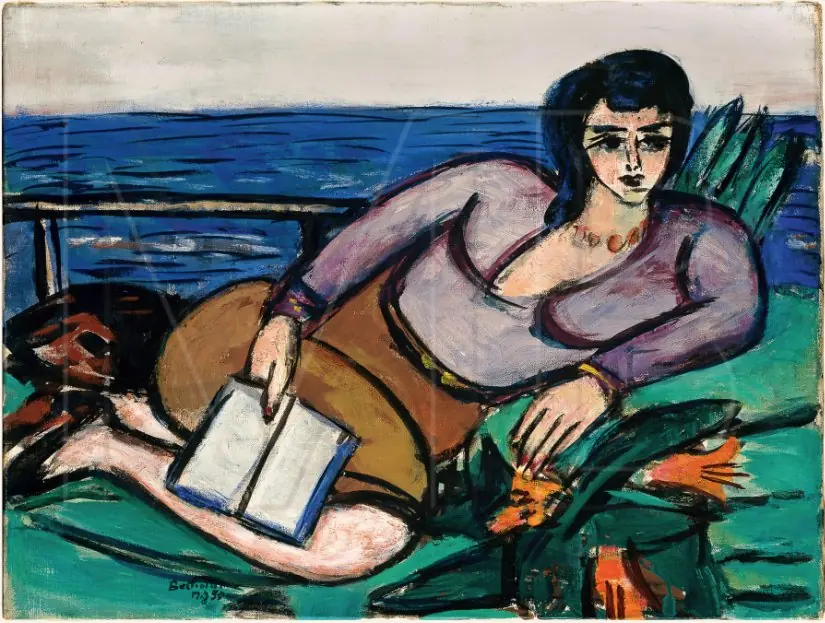
Woman on a Terrace
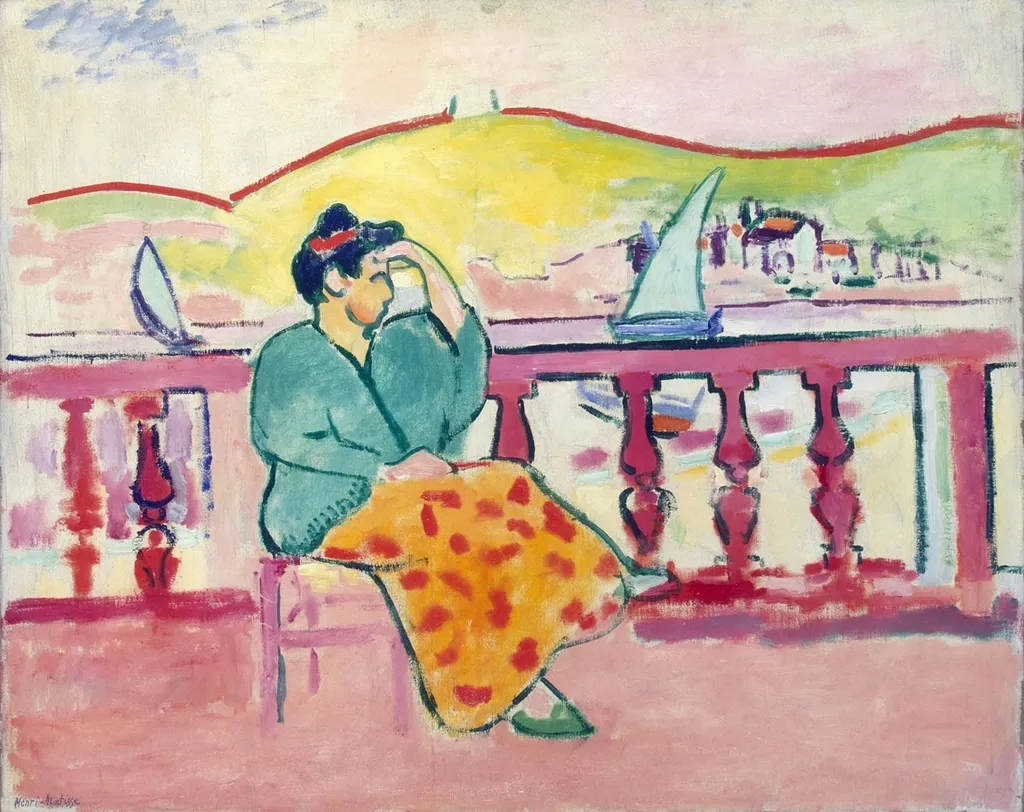
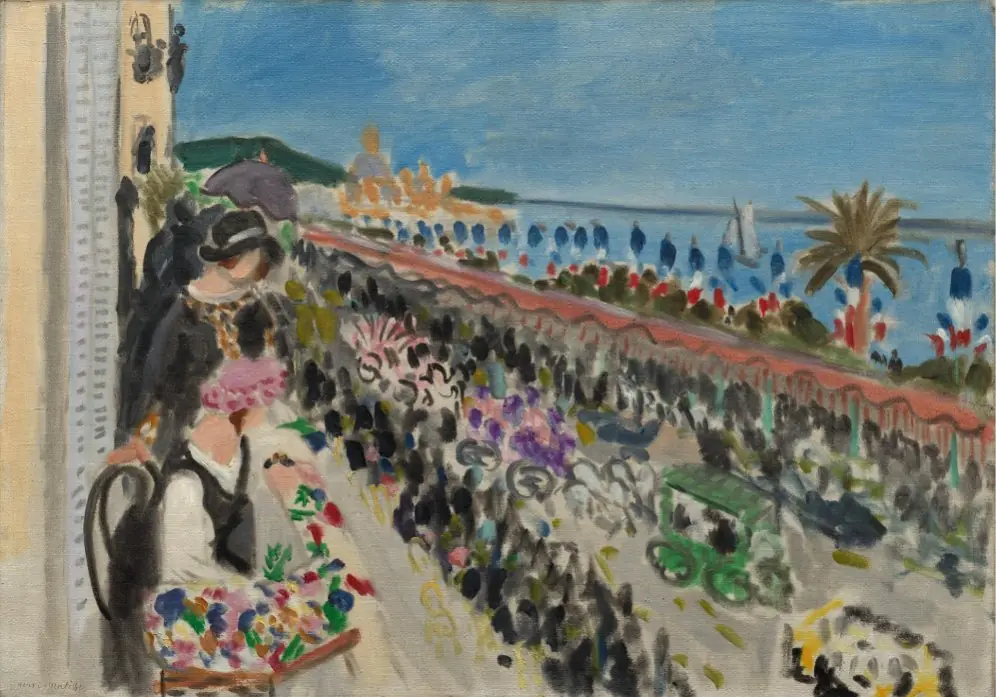
Woman on a Terrace is an oil painting by the Fauvist artist Henri Matisse. It dates from 1907 and is held in the collection of the Hermitage Museum.
About this work
Overview
The painting emerged during a pivotal phase in his career, when he was refining a style defined by intense color and simplified forms.
Henri Matisse completed Woman on a Terrace in 1907 using oil on canvas. The painting emerged during a pivotal phase in his career, when he was refining a style defined by intense color and simplified forms. Though associated with Fauvism, this work shows a move toward greater structural clarity and restrained composition compared to his earlier, more chaotic pieces. It remains part of the State Hermitage Museum’s collection in Saint Petersburg.
Subject & Meaning
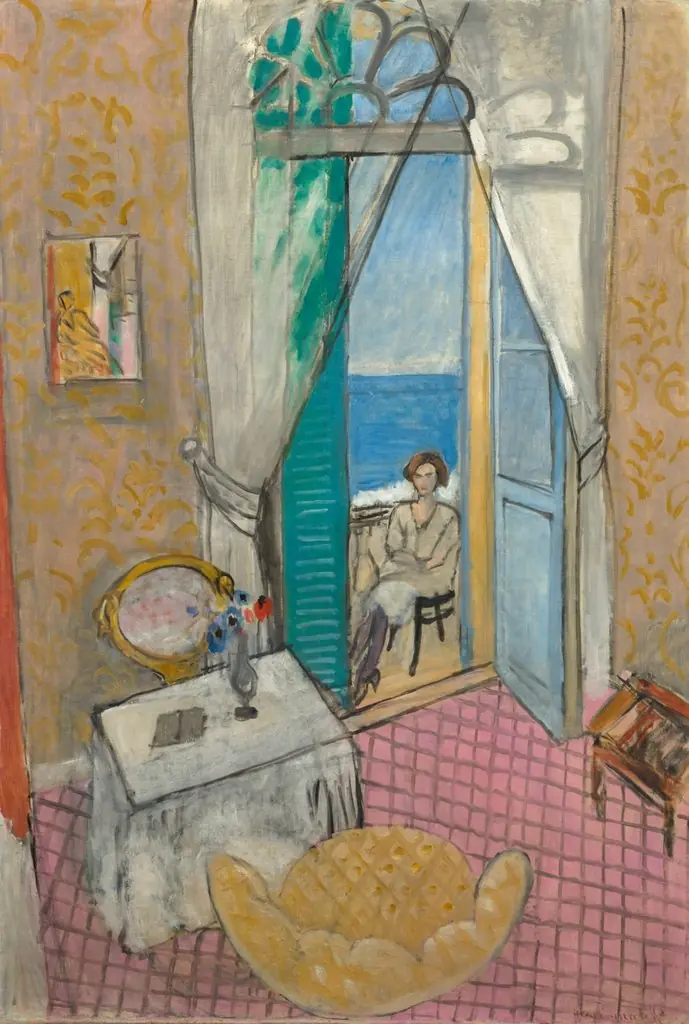
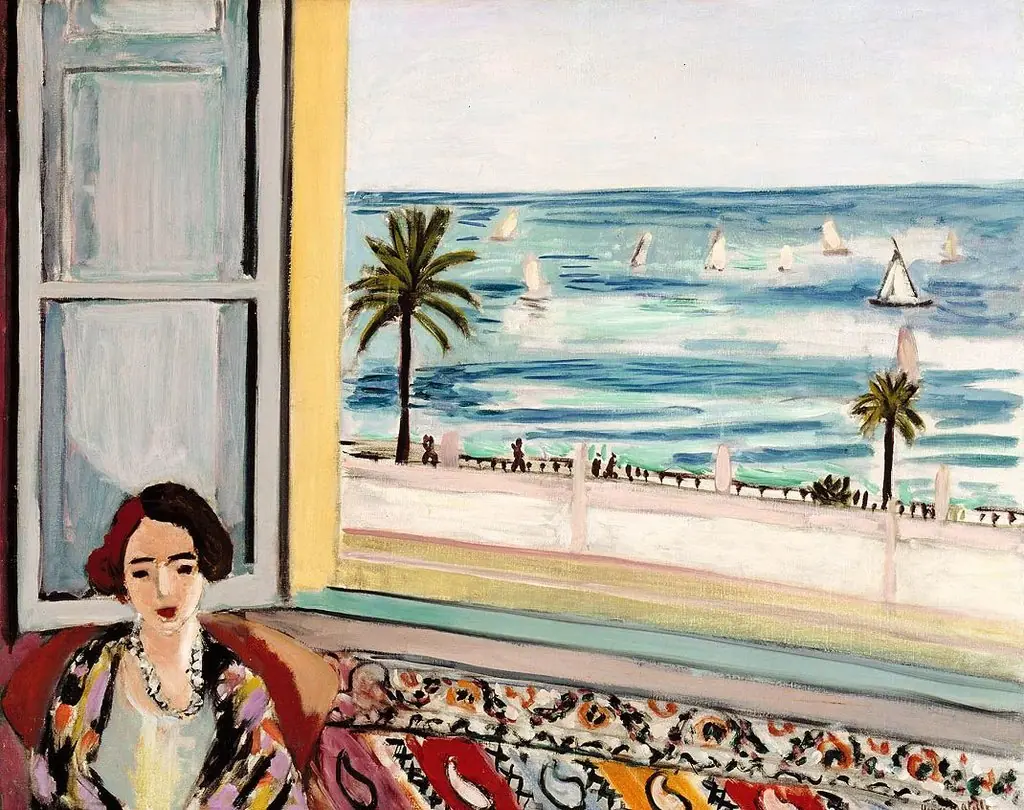
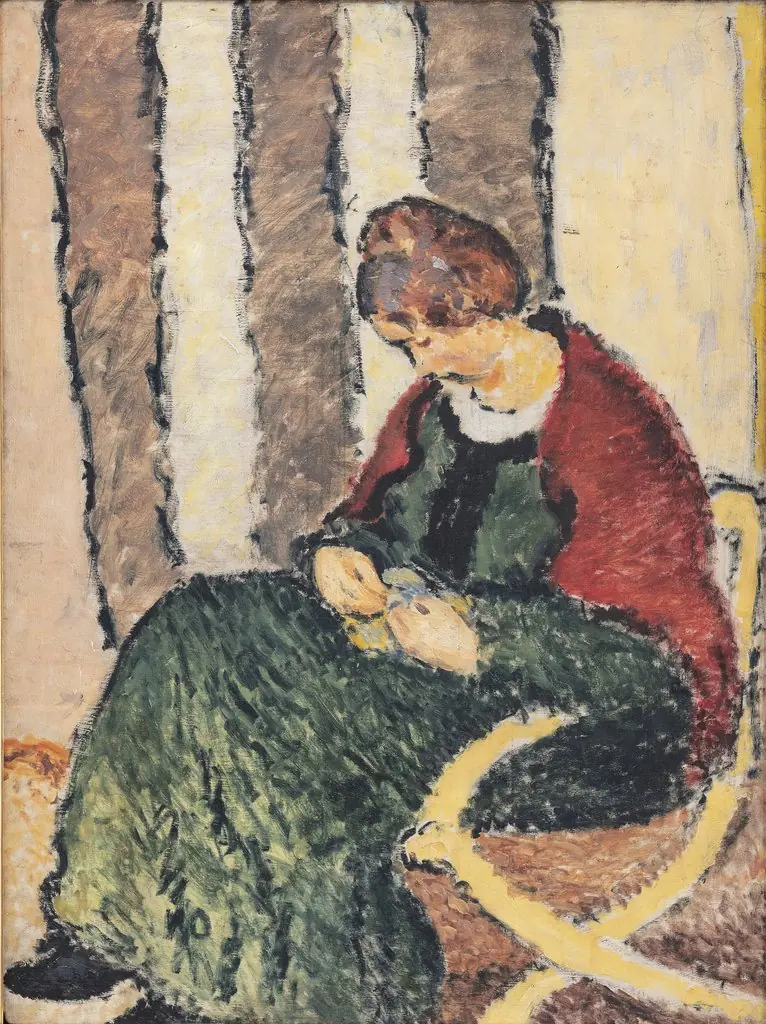
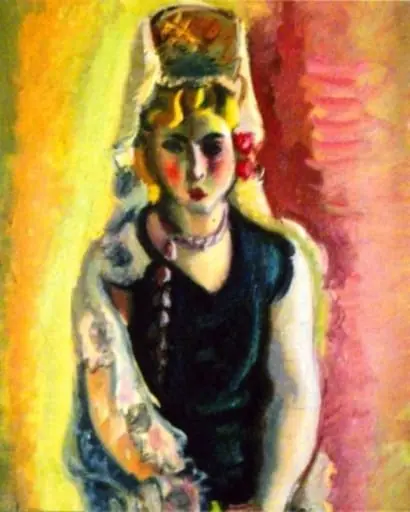
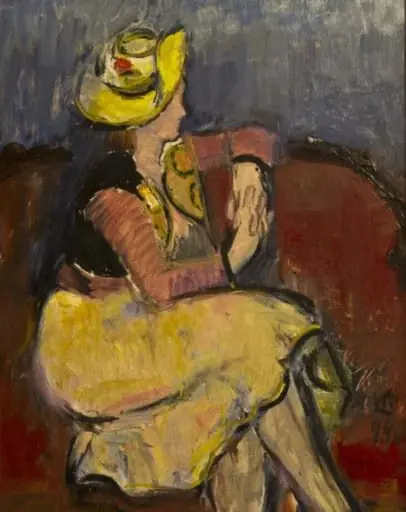
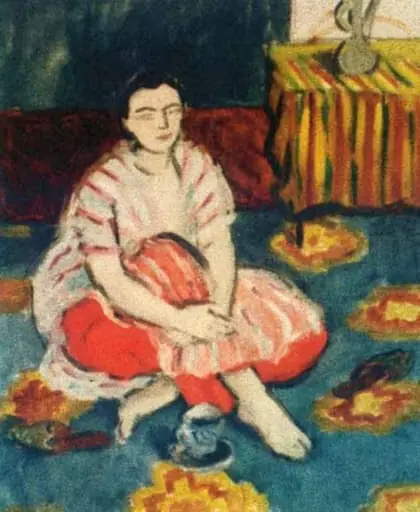
A solitary woman sits on a terrace, her back turned to the viewer, gazing toward a distant landscape. Her stillness and inward focus suggest contemplation rather than narrative action. The absence of facial expression invites quiet interpretation, emphasizing mood over identity.
The setting, neither specific nor detailed, functions as a space for reflection, aligning with Matisse’s interest in emotional resonance over literal depiction.
Technique & Style
Matisse applied oil paint in broad, flat areas of unblended color, avoiding traditional modeling or shading. The woman’s clothing and the terrace’s architecture are rendered with confident, loose strokes, while the background dissolves into hazy greens and blues. Forms are simplified but deliberately structured, balancing decorative rhythm with spatial coherence. The palette, though vivid, avoids harsh contrast, creating a harmonious, almost meditative atmosphere.
History & Provenance
Painted in 1907, the work was acquired by the Russian collector Sergei Shchukin, who assembled one of Europe’s most significant collections of modern French art. After the Russian Revolution, Shchukin’s holdings were nationalized and transferred to the State Hermitage Museum, where the painting has remained since the 1920s. Its presence there reflects the early institutional recognition of Matisse’s influence beyond France.
Context
In 1907, Matisse was navigating the transition from Fauvist intensity toward more structured compositions. While contemporaries like Picasso were exploring fragmentation, Matisse sought order within color. Woman on a Terrace reflects this shift: the bold hues of his earlier work are tempered by a new emphasis on balance and spatial clarity, anticipating his later cut-outs and decorative interiors.
Legacy
The painting exemplifies Matisse’s enduring contribution to modern art: the elevation of color as an emotional and structural force. Its quietude and formal discipline influenced later generations seeking alternatives to Cubist fragmentation. Though less celebrated than his larger works, Woman on a Terrace remains a quiet testament to his ability to convey depth through restraint and chromatic harmony.
Artist & collection
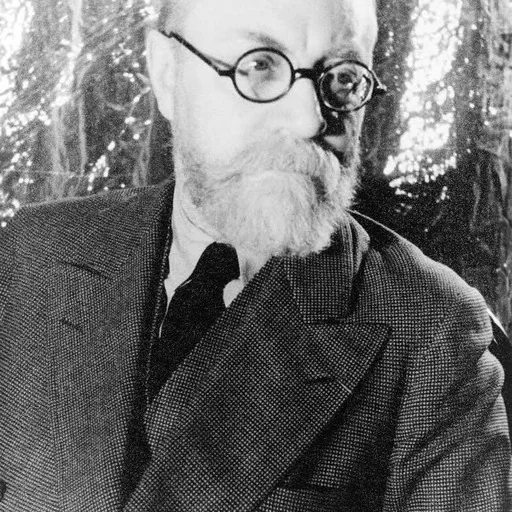
Artist
Henri Émile Benoît Matisse (French:; 31 December 1869 – 3 November 1954) was a French visual artist, known for both his use of colour and his fluid and original draughtsmanship.