Artwork
George IV (1762–1830) as Prince Regent, after Lawrence
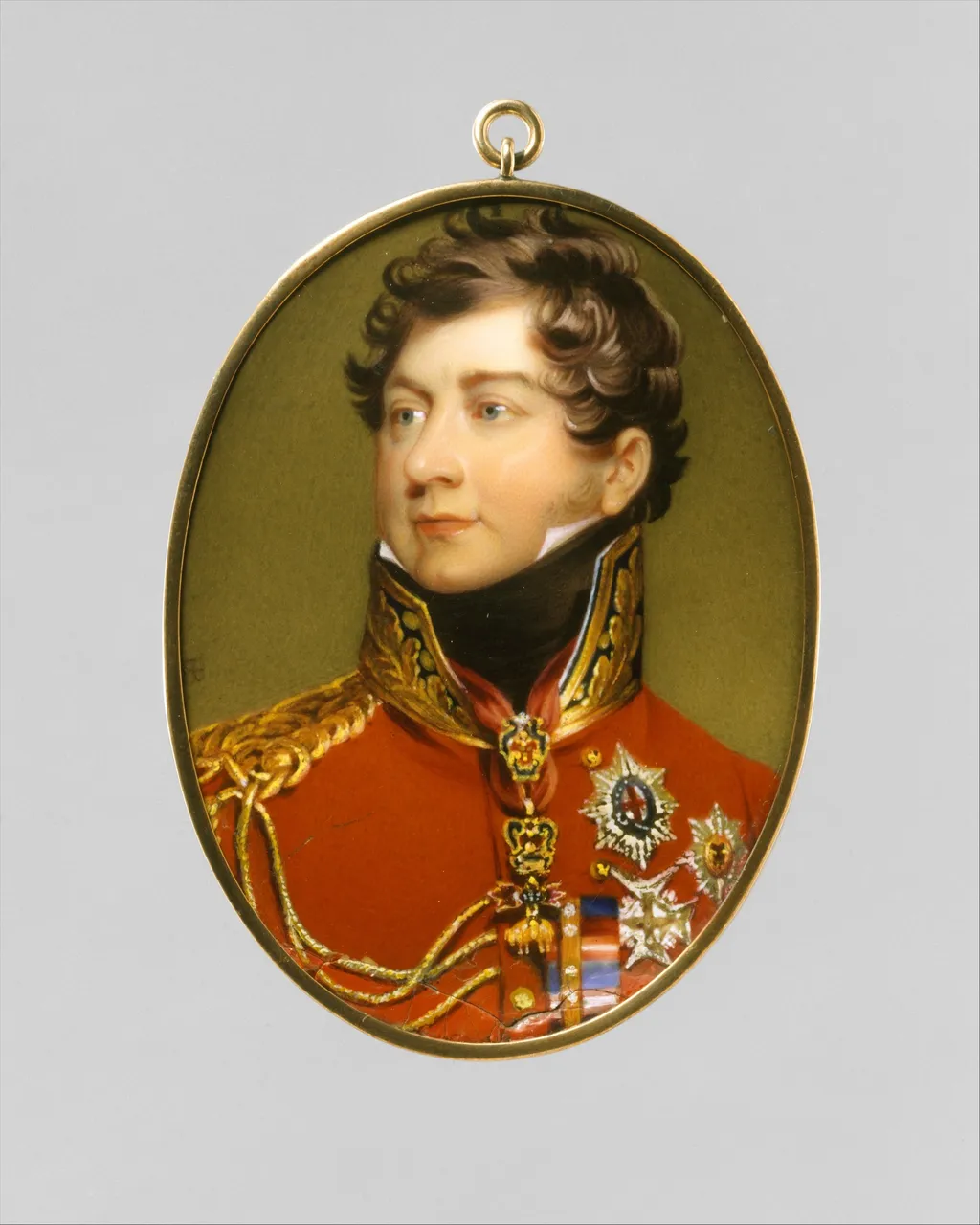
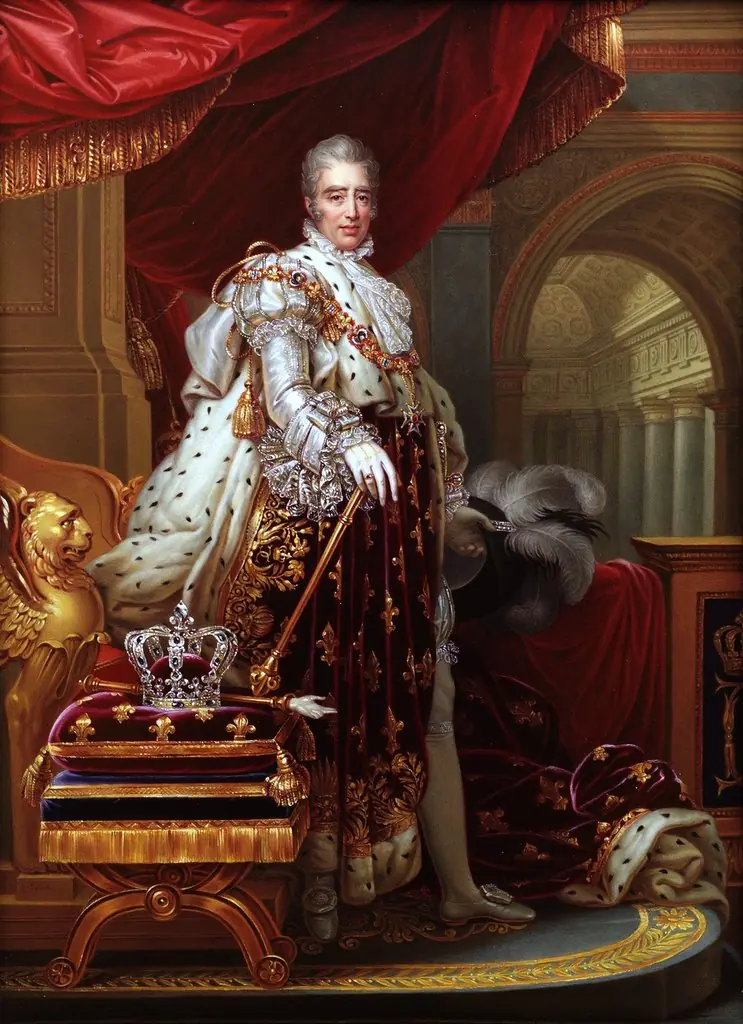
George IV (1762–1830) as Prince Regent, after Lawrence is an unspecified painting by Henry Bone. It dates from 1816 and is held in the collection of the Metropolitan Museum of Art.
About this work
Subject & Meaning
As a state portrait derived from Lawrence's original, the work functions less as an intimate likeness than as an emblem of monarchical authority.
The portrait depicts George IV, who reigned as king from 1820 to 1830, in his earlier capacity as Prince Regent of the United Kingdom. Created in 1816, the work was produced by Henry Bone after a composition by Thomas Lawrence, the leading portraitist of the Regency era. The subject is shown as a man in a formal portrait format, presenting the royal figure at the height of his regency influence.
As a state portrait derived from Lawrence's original, the work functions less as an intimate likeness than as an emblem of monarchical authority. The Prince Regent's image carried symbolic weight as the visible head of state during a period of political tension, including the aftermath of the Napoleonic Wars and ongoing debates over royal prerogative. By translating Lawrence's oil portrait into a smaller-scale painted version, Bone extended the circulation of an official royal image, allowing the prince's likeness to function as a representation of dynastic continuity and ceremonial power.
Technique & Style
Executed in 1816, the enamel on copper employs a meticulous stippling technique typical of Henry Bone’s practice, with finely calibrated dots building up the Prince Regent’s likeness in subtle gradations of tone. The support is a rectangular copper plate measuring 64 cm in height and 49 cm in width, chosen for its smooth, stable surface that allows sustained detail. Handling is precise and labor-intensive, reflecting Bone’s mastery of the medium: translucent layers of vitreous enamel are fused to the metal, creating a luminous, glass-like skin and crisply delineated costume.
The image’s formal qualities emphasize the sitter’s authoritative presence through controlled highlights on the face and regalia, balanced against a restrained, darker ground that directs attention to the subject’s commanding gaze and regalia.
History & Provenance
The portrait titled George IV (1762–1830) as Prince Regent, after Lawrence, was created by Henry Bone in 1816. This work is a painted reproduction based on a composition by Thomas Lawrence, capturing the likeness of the future monarch during his time as Prince Regent. The piece measures 64 cm in height and 49 cm in width. It is currently held in the collection of the Metropolitan Museum of Art.
The portrait of George IV as Prince Regent, painted by Henry Bone in 1816, is housed in the Metropolitan Museum of Art in New York. The work is recorded as a portrait within the museum’s European Paintings department, but no inventory or accession number is provided in the cited documentation. It has not been mentioned in the available sources as having been featured in any public exhibitions in the public record.
Context
Henry Bone executed this oil portrait in 1816 as a faithful after‑image of the earlier state portrait of George IV by Sir Thomas Lawrence. Art historians view the work as emblematic of Bone’s shift from miniature painting to full‑scale portraiture and as a visual record of the Regency‑era commemoration of the prince regent. The painting’s formal composition and regal iconography reflect neoclassical conventions while documenting Bone’s ambition to expand his reputation beyond miniatures.
The work is held in the Metropolitan Museum of Art, where its dimensions (64 cm × 49 cm) and provenance are recorded, underscoring its importance in the study of early‑19th‑century British portraiture.
Overview
This enamel portrait, created by Henry Bone in 1816, depicts George IV during his tenure as Prince Regent. The work captures the future monarch in a formal military uniform, rendered with meticulous detail. Bone, an English enamel painter, was renowned for his royal commissions and for producing some of the largest enamel paintings of his time.
This piece exemplifies his refined technique and is held within the collection of The Metropolitan Museum of Art.
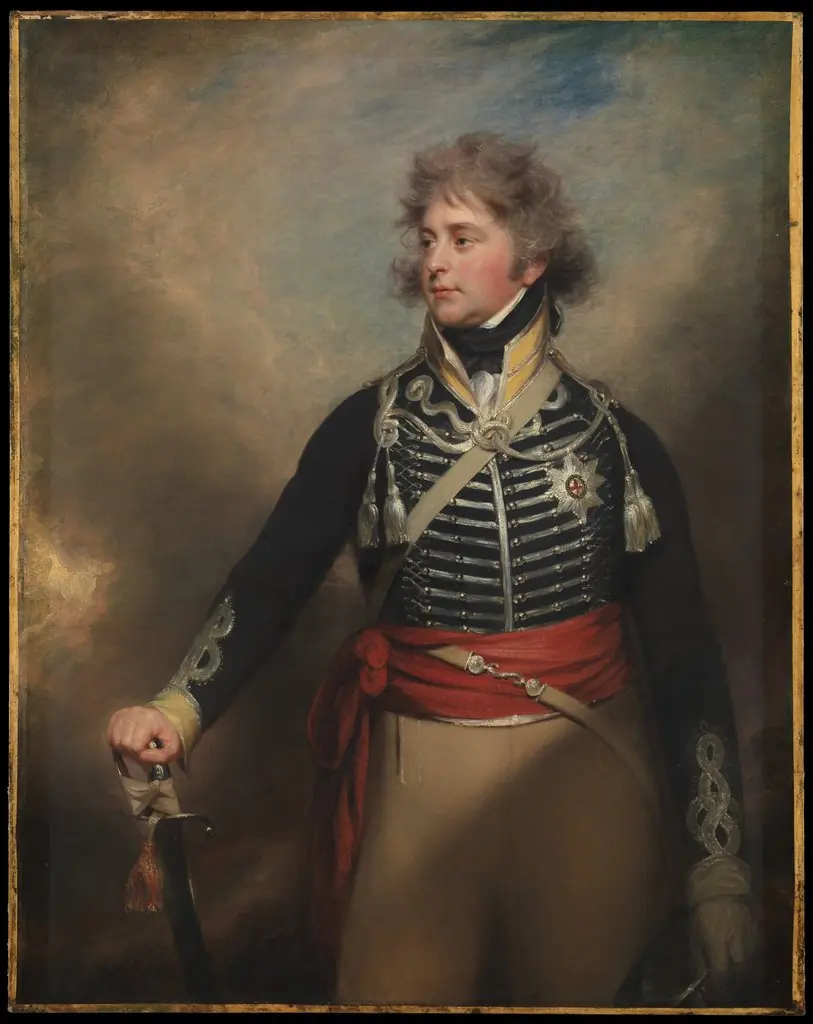
Own this work as a print
Artist & collection
Artist
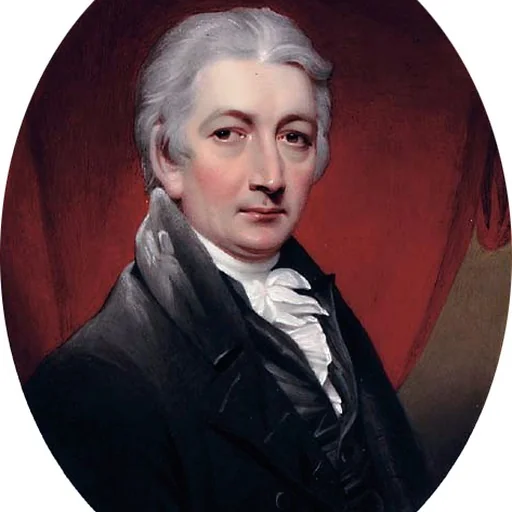
Henry Bone (6 February 1755 – 17 December 1834) was an English enamel painter. By c. 1800 he had attracted royal patronage for his portrait miniatures This patronage continued throughout the reigns of three monarchs;…

 Gustav IV Adolf (1778-1837)
 Portrait of Louis-Philippe, Duke of Orléans, later King of the French
 Portrait of Louis-Philippe, Duke of Orléans, later King of the French
 Portrait of a Young Man
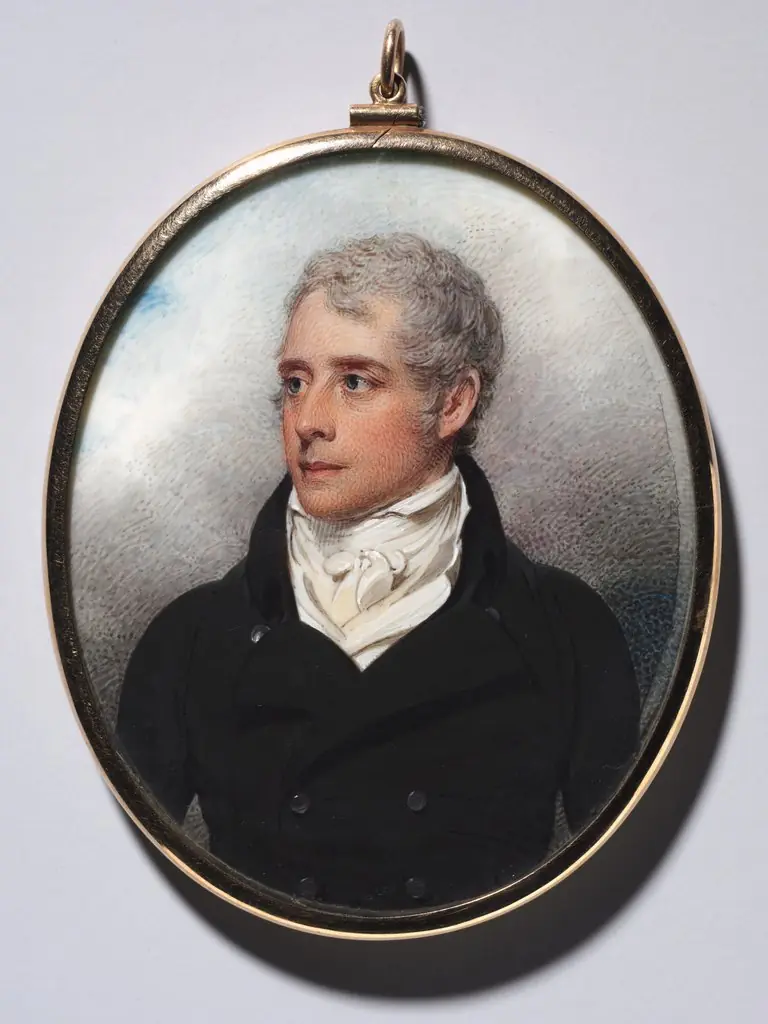 Portrait of Sandford Peacocke
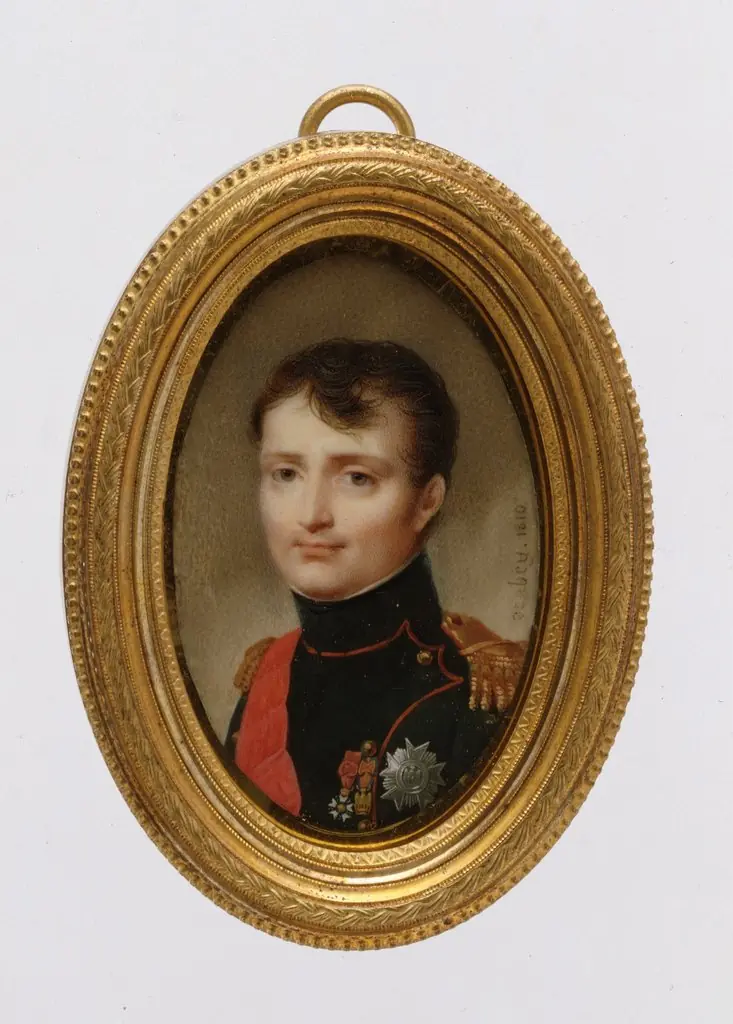 Napoléon I (1769–1821)
 Benjamin Kintzing
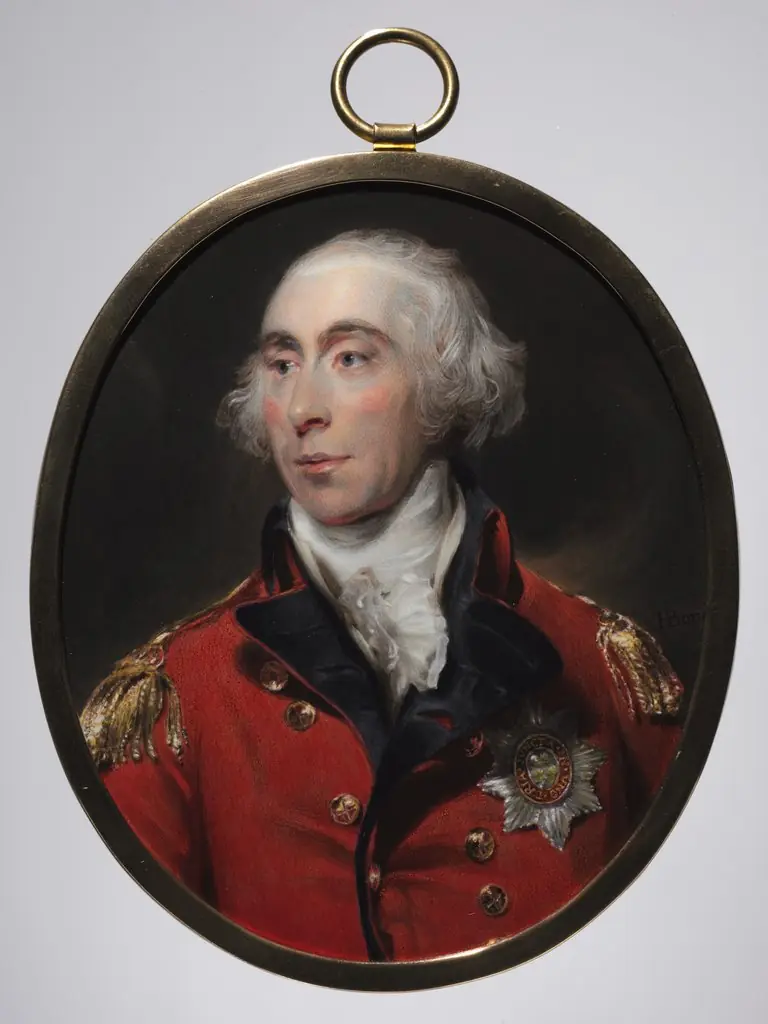 Portrait of General Sir Charles Grey, later 1st Earl Grey
 Portrait of Frans I van Habsburg (1768-1835), emperor of Austria
 Portrait of a Young Man