Artwork
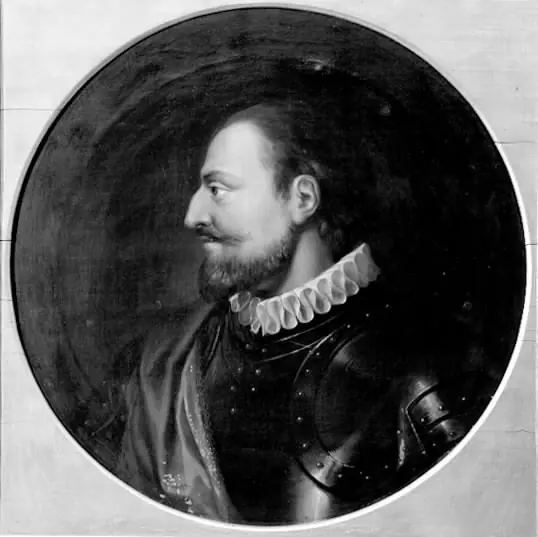
Thomas Howard (1585–1646), Second Earl of Arundel, after Rubens
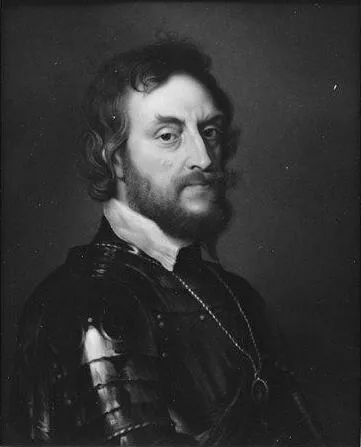
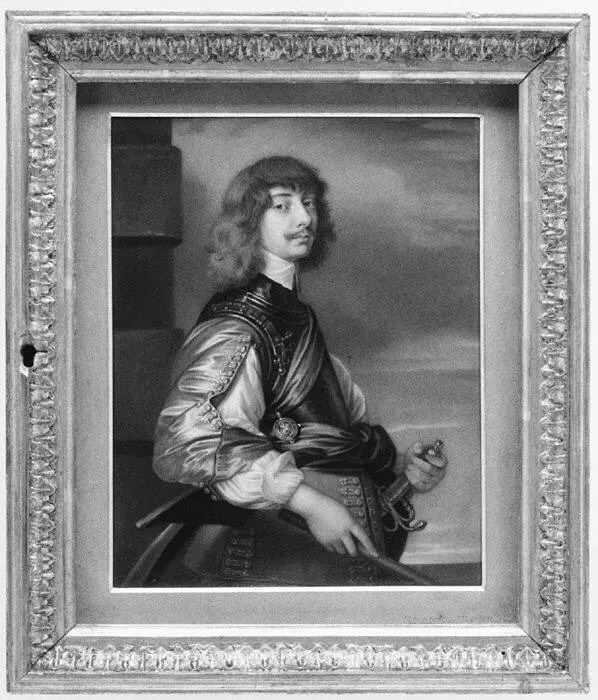
Thomas Howard (1585–1646), Second Earl of Arundel, after Rubens is an unspecified painting by the Aestheticist artist Henry Bone. It dates from 1808 and is held in the collection of the Metropolitan Museum of Art.
About this work
Subject & Meaning
The composition reflects both the sitter's social rank and the artistic homage to Rubens, linking the subject to broader cultural narratives of power and taste.
The work is a portrait of Thomas Howard, 2nd Earl of Arundel, a leading English nobleman and art collector of the early seventeenth century, rendered by Henry Bone in 1808 after an original by Peter Paul Rubens. As a likeness of the Earl, the image conveys aristocratic authority and familial prestige. Its presence in the Metropolitan Museum of Art underscores the sitter's enduring historical significance and the continued interest in his representation.
The composition reflects both the sitter's social rank and the artistic homage to Rubens, linking the subject to broader cultural narratives of power and taste.
History & Provenance
This enamel portrait of Thomas Howard, 2nd Earl of Arundel, after Rubens was executed by Henry Bone in 1808. It is now held in the collection of the Metropolitan Museum of Art, New York, and is classified as a portrait. The work measures 185 × 147 mm. The sources do not record any earlier owners or a specific commission, so its provenance prior to the Met remains undocumented.
Overview
This enamel portrait, created by Henry Bone in 1808, depicts Thomas Howard (1585–1646), the Second Earl of Arundel. The artwork is a faithful rendition of an earlier painting, reflecting Bone's meticulous approach to the medium. It presents the Earl with a serious demeanor, featuring a beard, wavy hair, and formal attire, set against a dark background that emphasizes his presence. The piece is currently part of The Metropolitan Museum of Art's collection.
Technique & Style
Henry Bone, an English enamel painter active in the late 18th and early 19th centuries, was renowned for his detailed portrait miniatures. This work exemplifies his technical mastery, rendering the Earl of Arundel with a refined and lifelike quality characteristic of his output. Bone's expertise allowed him to achieve a nuanced representation in enamel, a medium he pushed to new scales in his later career, producing some of the largest enamel paintings of his era.
Artist & collection
Artist
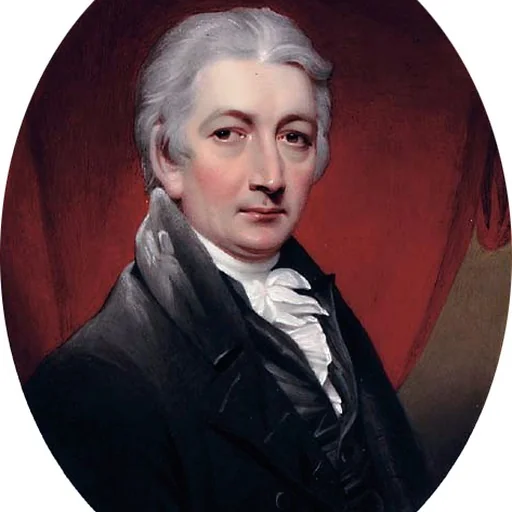
Henry Bone (6 February 1755 – 17 December 1834) was an English enamel painter. By c. 1800 he had attracted royal patronage for his portrait miniatures This patronage continued throughout the reigns of three monarchs;…