Artwork
Joseph Dugan
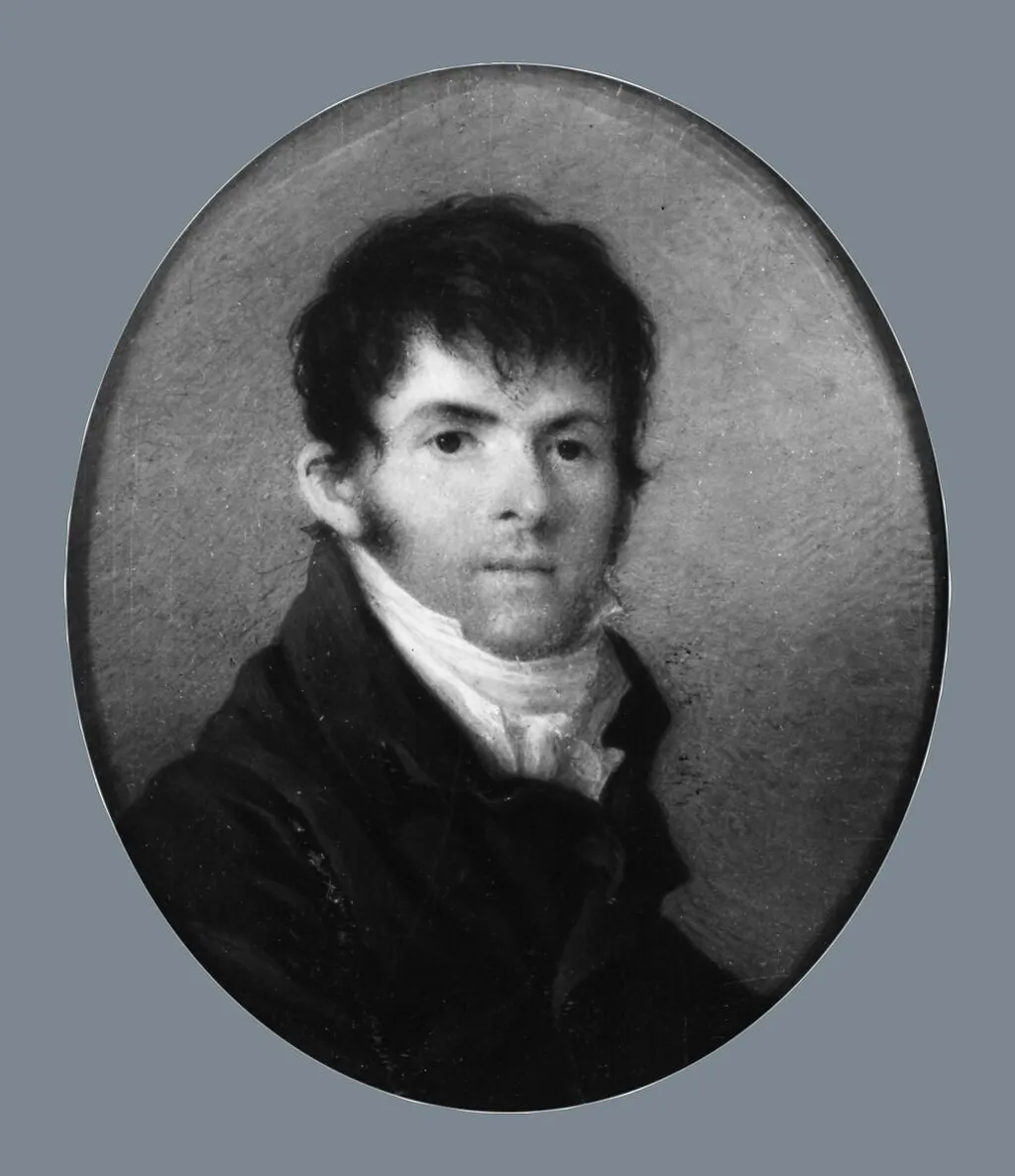
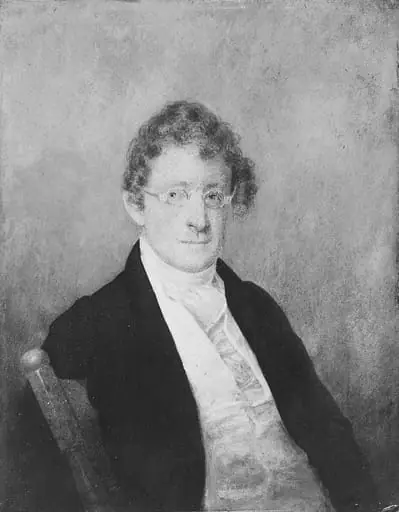
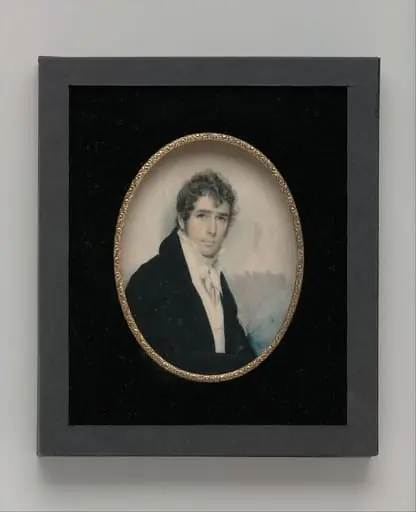
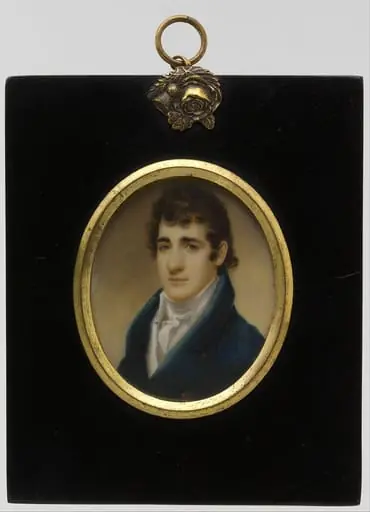
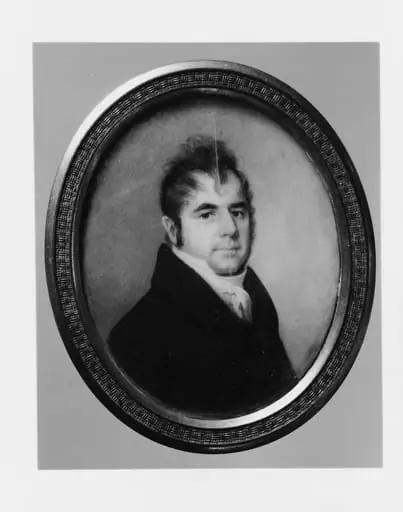
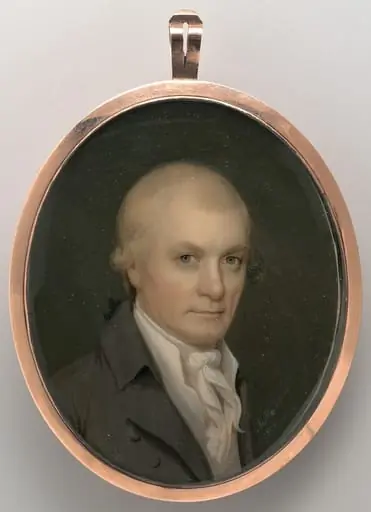
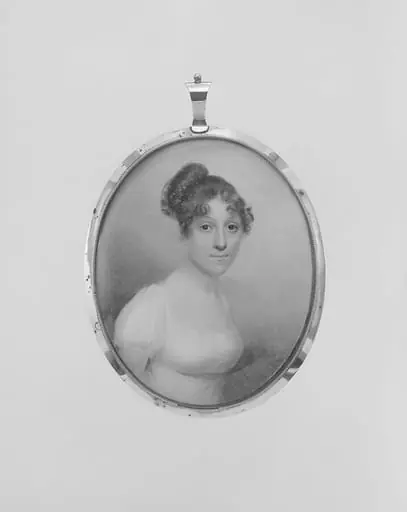
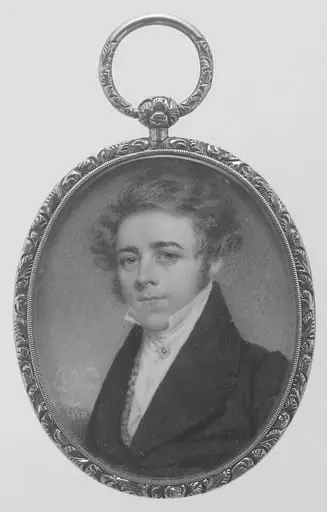
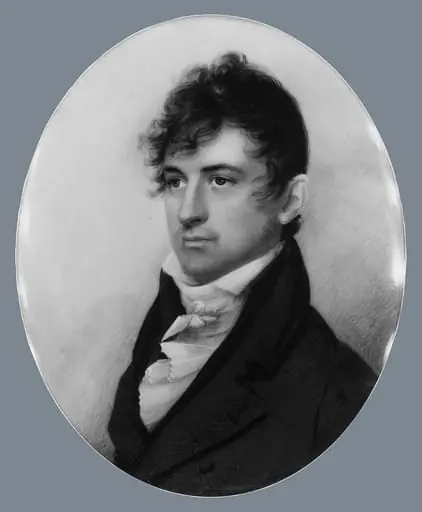
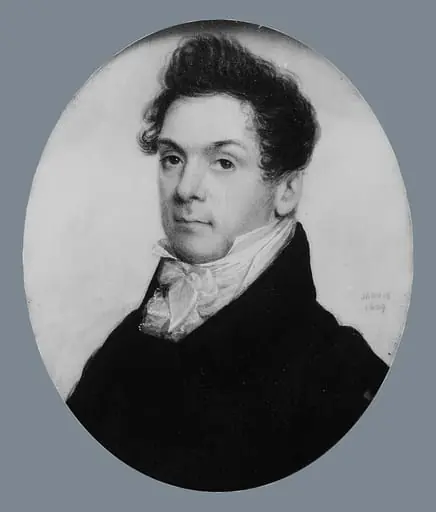
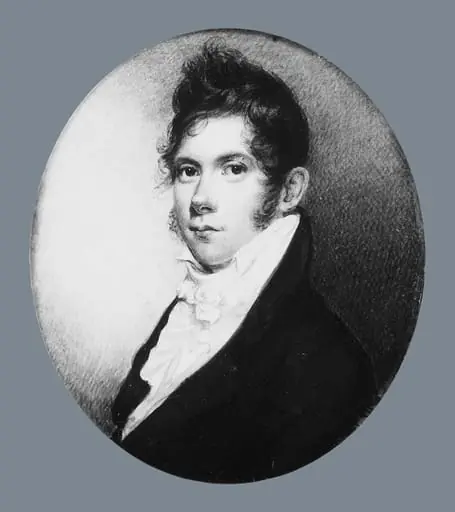
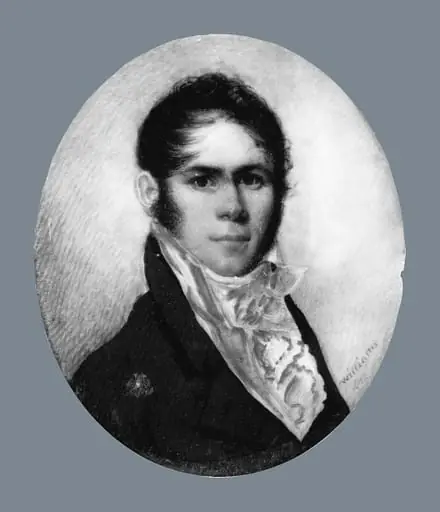
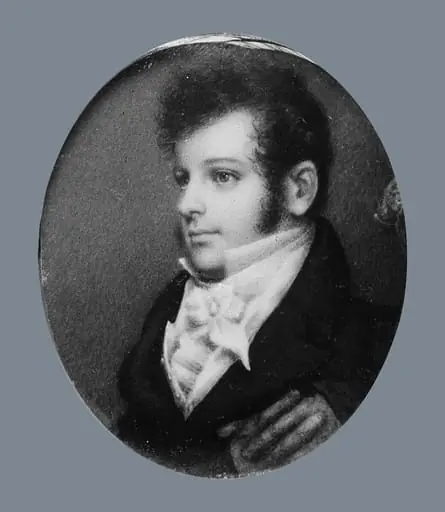
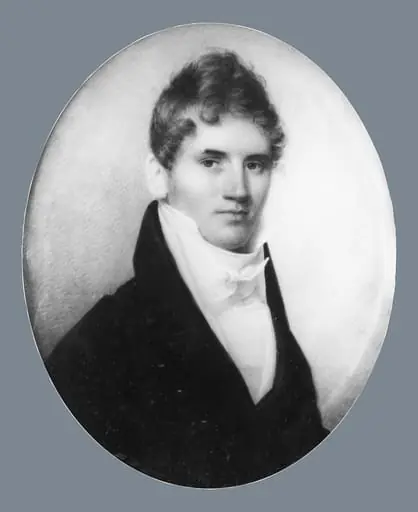
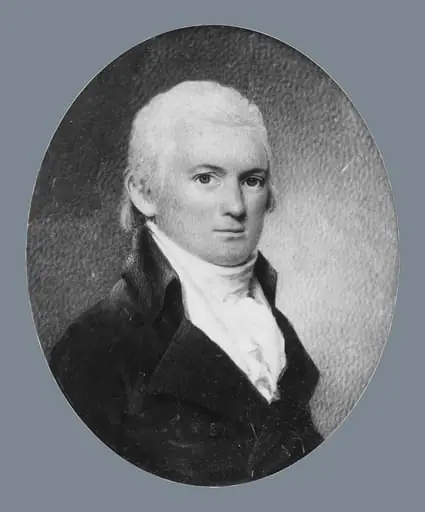
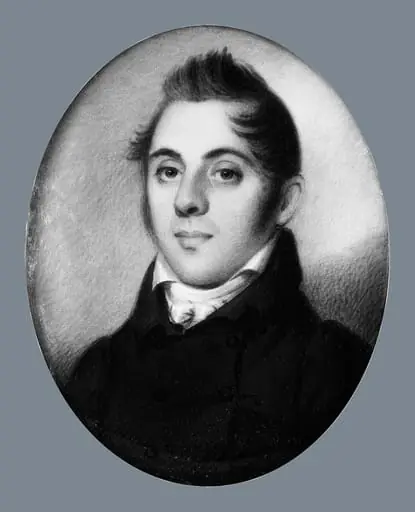
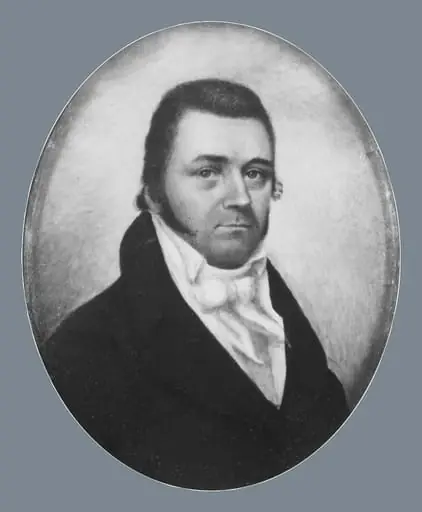
Joseph Dugan is a watercolor painting by the Romanticist artist Joseph Wood. It dates from 1815 and is held in the collection of the Metropolitan Museum of Art.
About this work
Subject & Meaning
Its meaning is rooted in the representation of the male subject, serving as a visual record of his appearance during that period.
The work is a portrait depicting a man, created by Joseph Wood in 1815. As a portrait, the primary subject is the individual sitter himself, presented to capture his likeness. The piece does not contain additional narrative elements, allegorical figures, or specific symbolic objects beyond the standard conventions of early 19th-century portraiture.
Its meaning is rooted in the representation of the male subject, serving as a visual record of his appearance during that period.
Technique & Style
Created in 1815, this portrait miniature by Joseph Wood utilizes watercolor applied to an ivory support. The work is characterized by its small scale, measuring 6.6 cm in height and 5.4 cm in width. As a piece classified within the American Wing genre of portraiture, it depicts a male subject.
The selection of ivory as a ground was typical for miniatures of this period, allowing the translucent watercolor to achieve a luminous skin tone effect, though the specific handling and current condition are not detailed in the available records.
History & Provenance
Joseph Dugan is a watercolor portrait painted by Joseph Wood in 1815. The work, executed on ivory, measures approximately 6.6 by 5.4 (units not specified) and falls within the portrait genre, depicting a male sitter. It is classified under The American Wing at the Metropolitan Museum of Art, where it has been part of the museum’s collection since its acquisition.
The painting’s creation history is tied to Wood’s activity as a miniaturist in the early nineteenth‑century United States, though no commission details are recorded. Its provenance leads from the artist’s studio to the museum’s holdings, establishing continuous ownership by the institution.
Overview
Joseph Wood's watercolor portrait, Joseph Dugan, created around 1815, captures the likeness of a man in miniature. Executed on a small piece of ivory, this work exemplifies a popular form of personal portraiture during the early 19th century. Such intimate pieces were often carried by their owners, serving a similar function to modern photographs in preserving a loved one's image.
Artist & collection