Artwork
River Valley
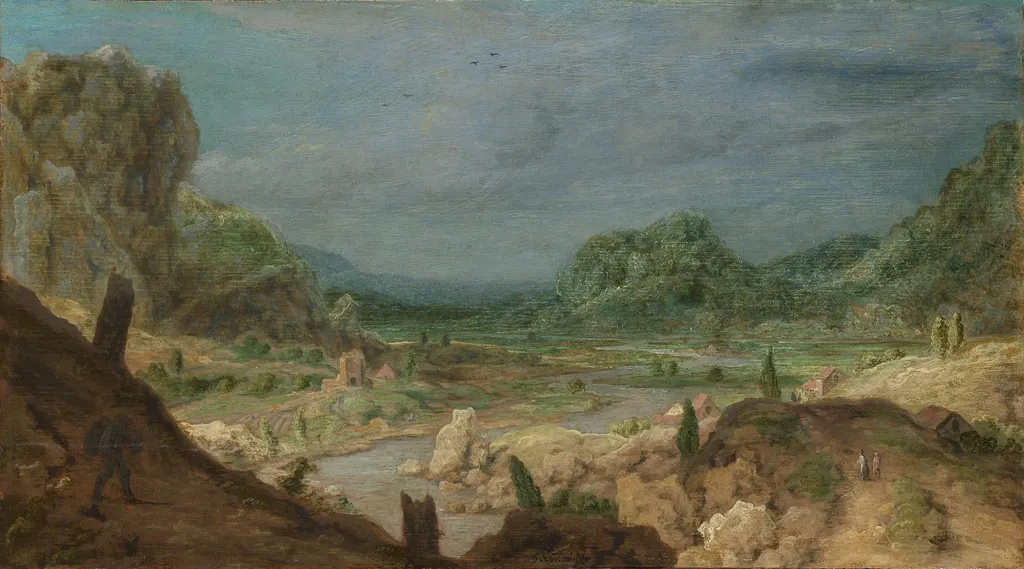
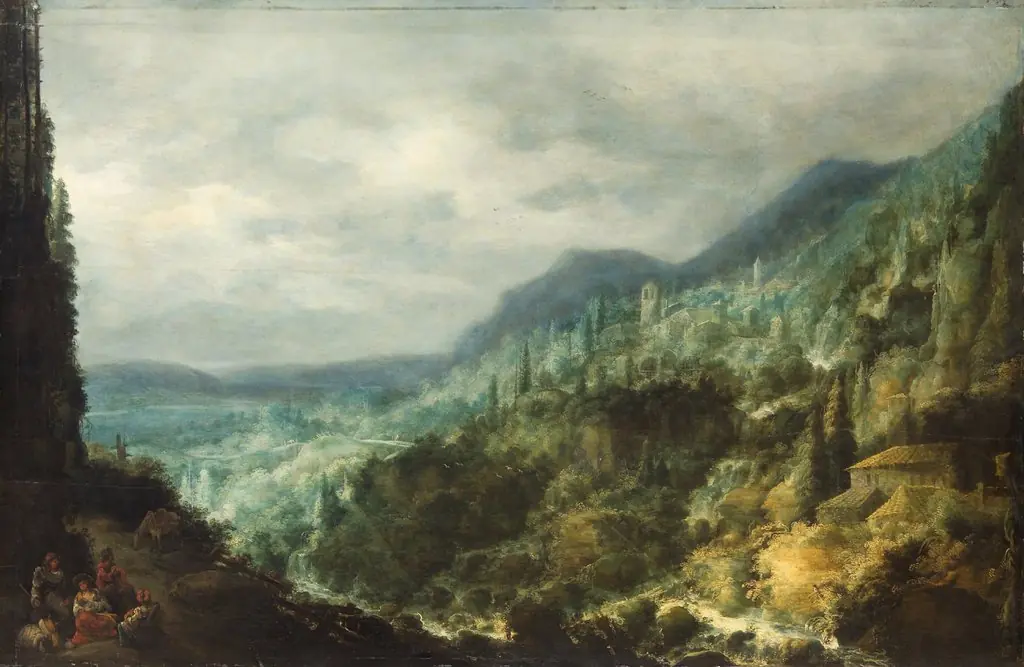
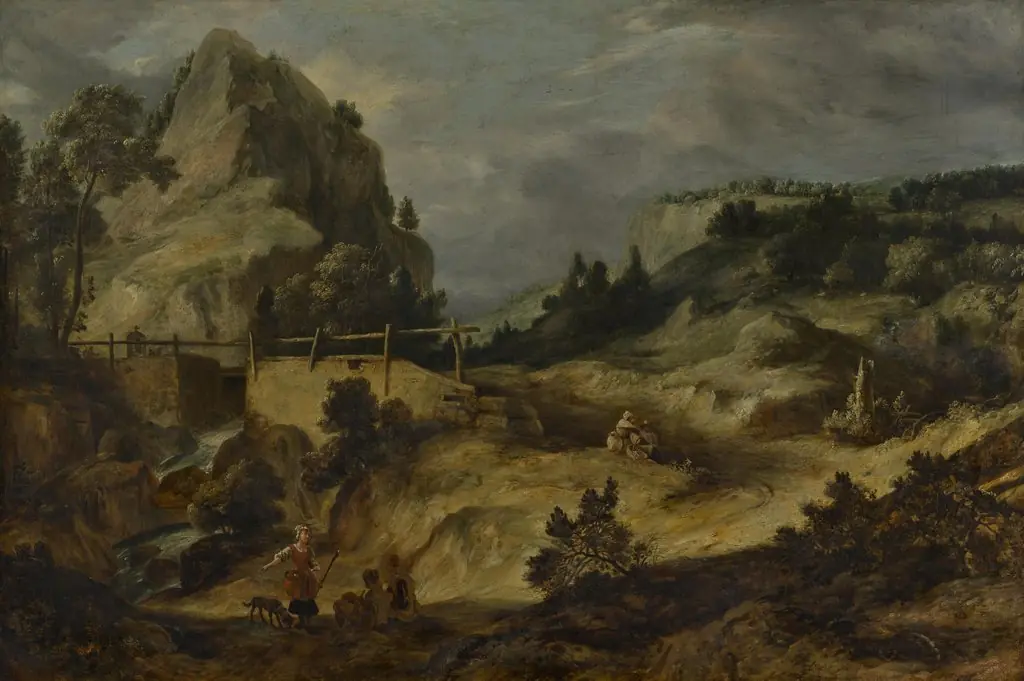
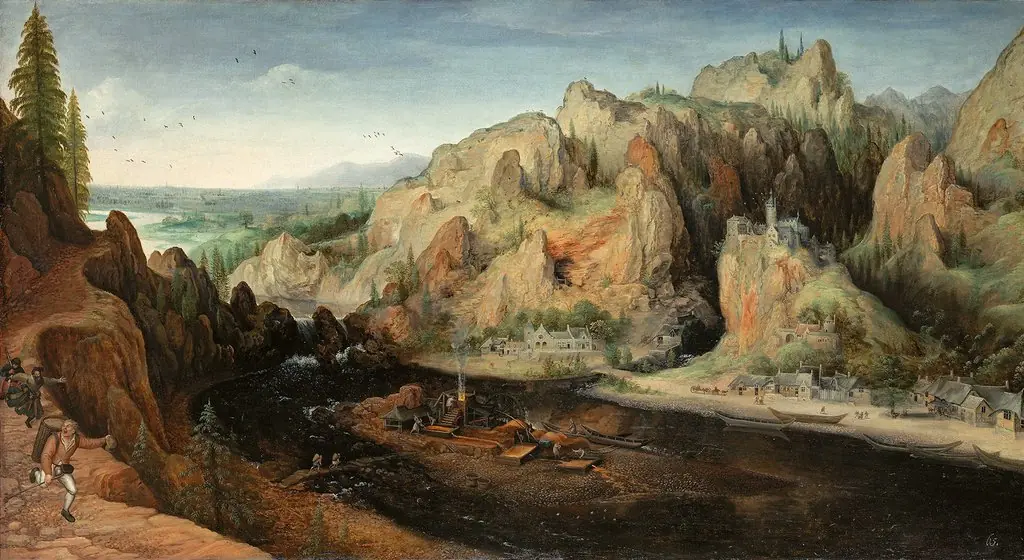
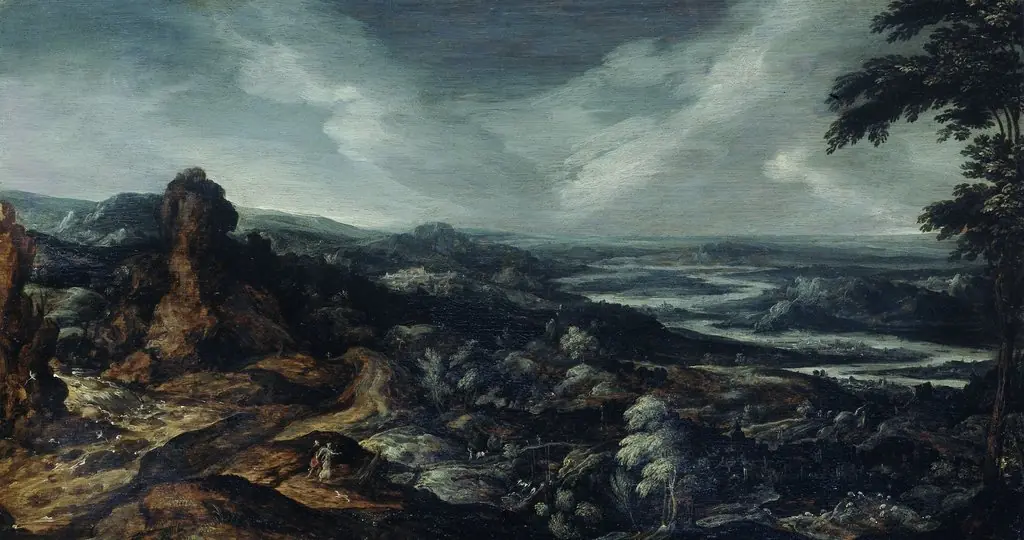
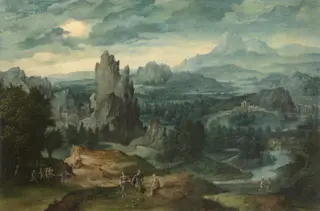
River Valley is an unspecified painting by the Baroque artist Hercules Seghers. It dates from 1626 and is held in the collection of the Rijksmuseum. The work presents a narrow river cutting through a rugged valley, framed by steep rock faces and a sky heavy with clouds.
About this work
Subject & Meaning
It is one of only about fifteen paintings that have been identified as his, underscoring its rarity.
Dated to circa 1626‑1630, River Valley is a landscape painting attributed to Hercules Segers. The work belongs to the genre of landscape that Segers treated with an emphasis on expansive earth‑bound horizons and a wide horizontal format, characteristics noted in his surviving paintings. It is one of only about fifteen paintings that have been identified as his, underscoring its rarity.
Contemporary records indicate that Segers' landscapes were valued by collectors such as the Stadholder Frederick Henry, and his innovative approach to composition and technique distinguished his paintings from the more common works of his era.
Technique & Style
River Valley is a painting by Hercules Segers, dated circa 1626–1630. It is one of perhaps fifteen surviving works by the artist, one of which was destroyed in a fire in October 2007. The composition presents a wide horizontal view that emphasizes earth over sky; later restorations added strips of sky to the Berlin examples to suit changing taste.
The work exemplifies Segers's restrained handling of light and atmospheric space, reflecting his adaptation of Flemish landscape conventions while retaining a distinctive, visionary spatial depth.
History & Provenance
The painting River Valley was created by Hercules Segers between approximately 1626 and 1630. During this period, the artist was active in Amsterdam before facing financial difficulties that forced the sale of his home in 1631. While specific early owners of this particular canvas are not detailed in the available records, Segers' landscapes were acquired by notable contemporaries; Frederick Henry, Prince of Orange, purchased works by the artist in 1632.
The painting represents one of the roughly fifteen surviving works by Segers, who was recognized by his peers primarily for his landscape paintings and still lifes rather than his now-famous prints.
Context
Hercules Segers is recognized as the most inspired and experimental landscapist of the Dutch Golden Age, celebrated for his radical departure from contemporary conventions. While his posthumous reputation was shaped by Samuel van Hoogstraten's 1678 portrayal of him as a misunderstood, impoverished Romantic genius, modern scholarship notes that his work was actually collected by prominent figures like Rembrandt during his lifetime. Segers played a pivotal role in the development of the Dutch panoramic landscape by lowering the horizon and expanding the sky, a technique that prefigured the works of Jan van Goyen and Salomon van Ruysdael.
His paintings, including River Valley, reflect a synthesis of the Flemish tradition of Gillis van Coninxloo, Joos de Momper, and Roelandt Savery with Mannerist visionary elements. Unlike the mass-produced prints of his peers, Segers produced unique, hand-colored impressions that emphasized atmospheric effects over narrative, securing his place as a unique pioneer in European art history.
Legacy
Segers's posthumous reputation was shaped decisively by Samuel van Hoogstraten's 1678 Inleyding tot de hooge schoole der schilderkonst, which cast him as a Romantic genius, solitary, impoverished, and misunderstood, and that image long dominated his legacy. Modern scholarship has complicated that narrative, noting that contemporaries such as Rembrandt (who owned eight paintings and reworked Segers's plates and panels) and the collector Michiel Hinlopen (with 48 prints) actively collected his work during his lifetime.
His technical innovations proved especially durable: the "sugar-bite" aquatint process he pioneered was independently rediscovered in England over a century later by Alexander Cozens. Segers is also credited as a forerunner of the Dutch panoramic landscape, anticipating the wide, low-horizon views developed by Jan van Goyen and Salomon van Ruysdael around 1640 and by Aelbert Cuyp shortly after. The 2017 Metropolitan Museum of Art exhibition The Mysterious Landscapes of Hercules Segers, accompanied by a catalogue raisonné, marked a major modern reassessment of his achievement.
Overview
The work presents a narrow river cutting through a rugged valley, framed by steep rock faces and a sky heavy with clouds. A winding stream disappears into the distance, while sparse foliage punctuates the terrain. The composition conveys a sense of isolation and quiet, inviting the viewer to contemplate the landscape’s depth and atmosphere.
Artist & collection
Artist
Hercules Pieterszoon Seghers or Segers (c. 1589 – c. 1638) was a Dutch painter and printmaker of the Dutch Golden Age. He has been called "the most inspired, experimental and original landscapist" of his period and an…

- River Landscape
 River Valley
 Mountainous Landscape
 Mountainous landscape
 Gebirgslandschaft
 Gebirgslandschaft mit räuberischem Überfall und Stuckofen
 Panoramic Landscape with Tobias and the Angel
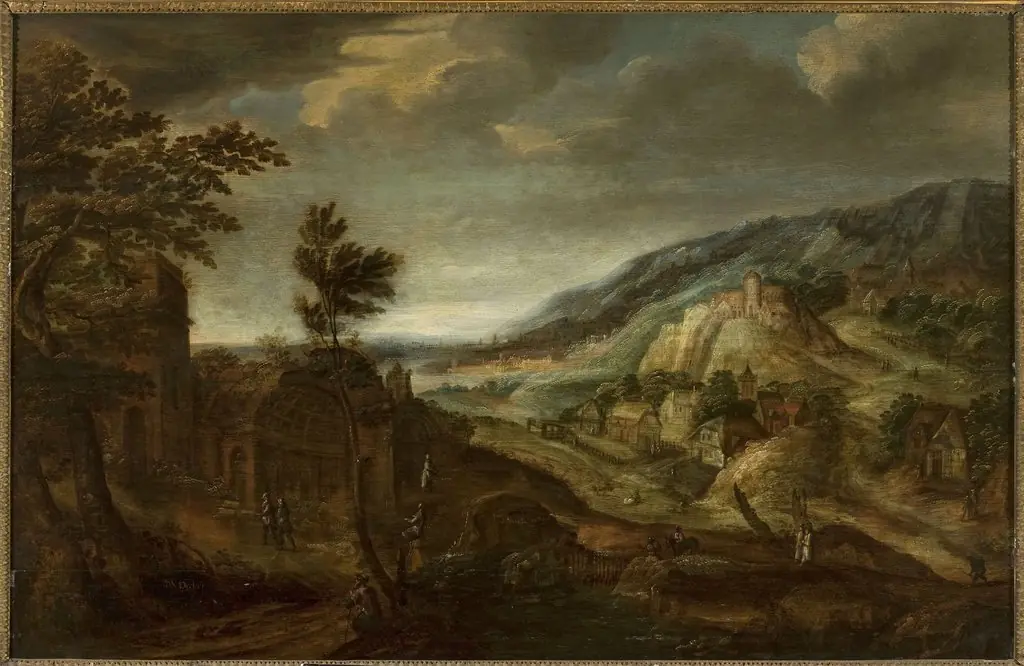 Mountain landscape
 Landscape with a Tower by the Lake
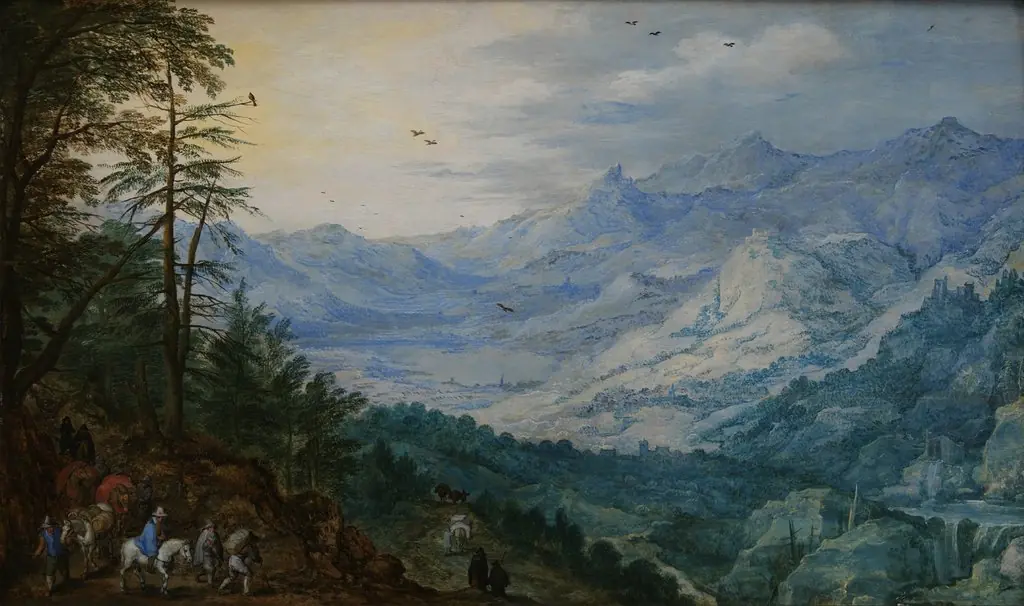 Rocky Landscape
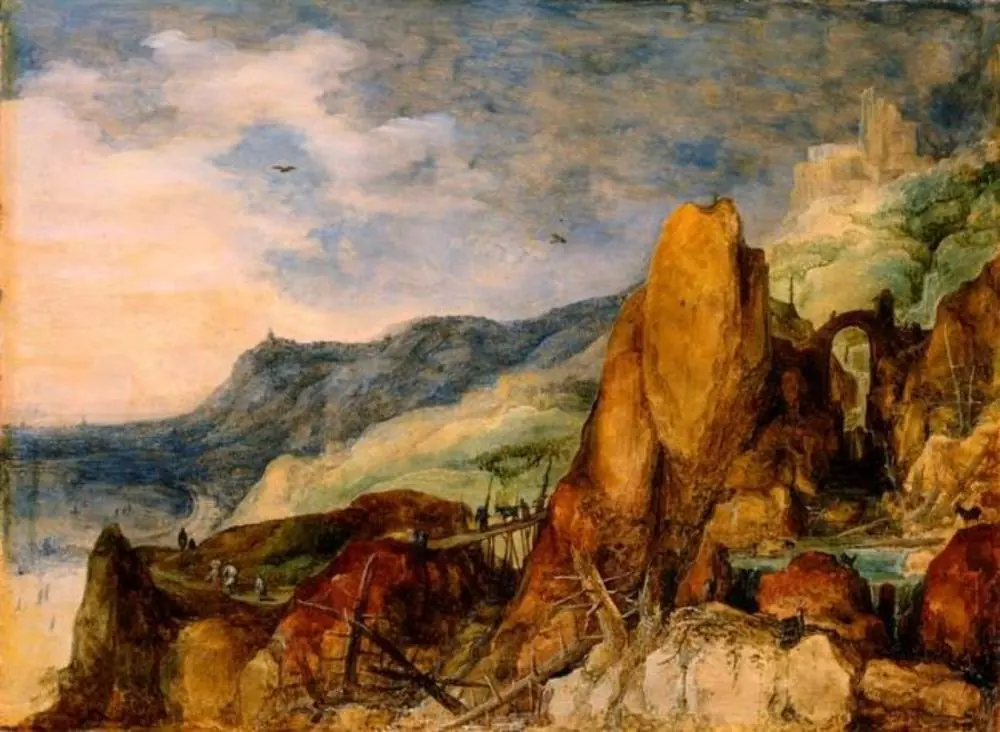 Mountain landscape with fir trunks in a stream
 Landscape with Procne and Philomela