Artwork
Natură moartă cu melc
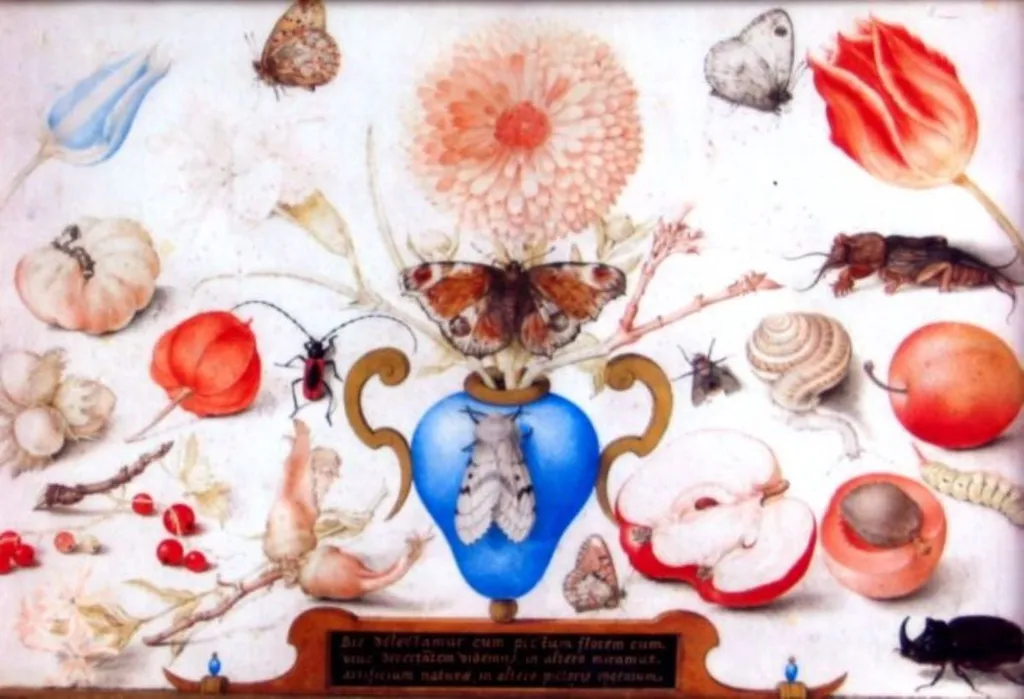
Natură moartă cu melc is an unspecified painting by the Northern Renaissance artist Joris Hoefnagel. It dates from 1581 and is held in the collection of the Brukenthal National Museum.
About this work
Overview
It belongs to an emerging tradition in Northern Europe that treated ordinary natural objects as worthy subjects for careful study and artistic representation.
Painted circa 1581 by Joris Hoefnagel, this still life presents a quiet arrangement of natural elements: a blue ceramic vase, flowers, fruits, insects, and a snail. Executed with meticulous precision, the work reflects the artist’s background in manuscript illumination and scientific observation. It belongs to an emerging tradition in Northern Europe that treated ordinary natural objects as worthy subjects for careful study and artistic representation.
Subject & Meaning
The composition includes a white moth with black markings resting on the vase, alongside blooming flowers, ripe fruit, and a slow-moving snail. These elements suggest themes of transience and the quiet rhythms of nature. The inclusion of insects and mollusks, often overlooked, hints at a broader interest in the microcosm of the natural world, aligning with Renaissance curiosity about biological detail and order.
Technique & Style
Hoefnagel applied fine brushwork to render textures with exceptional clarity: the glaze of the vase, the delicate wings of the moth, the velvety petals of flowers, and the glossy shell of the snail. Colors are muted, soft pinks, pale blues, and earthy browns, creating a restrained harmony. Gold accents on the vase add subtle luminosity without disrupting the overall calm tone, characteristic of Northern Renaissance attention to material truth.
History & Provenance
The painting was created during Hoefnagel’s time in Prague, where he served as court artist to Emperor Rudolf II, a known patron of natural philosophy and art. It entered the collection of the Museum of Ethnography at a later date, likely through acquisition or donation. Its preservation reflects its value as an early example of independent still-life painting in Central Europe.
Context
In late 16th-century Northern Europe, artists began to shift from religious and mythological themes toward depictions of the natural world. Hoefnagel’s work contributed to this trend, influenced by the growing interest in botany and entomology. His paintings bridged scientific documentation and aesthetic composition, helping to establish still life as a distinct category in art.
Legacy
This work stands as an early testament to the artistic elevation of everyday natural forms. Hoefnagel’s precision and sensitivity to organic detail influenced later still-life painters in the Low Countries. Though not widely exhibited, its presence in a museum of ethnography underscores its role as both art and artifact, a record of how nature was observed and valued in early modern Europe.
Artist & collection

Artist
Joris Hoefnagel or Georg Hoefnagel (1542 – 24 July 1601) was a Flemish painter, printmaker, miniaturist, draftsman and merchant.

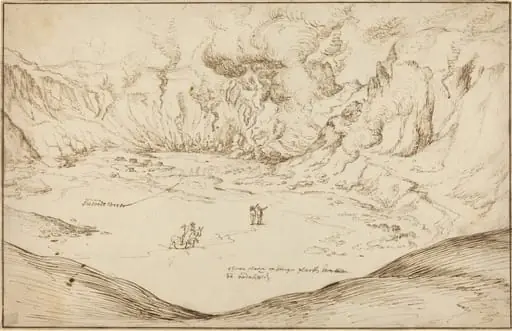 Forum Vulcani: The Hot Springs at Pozzuoli
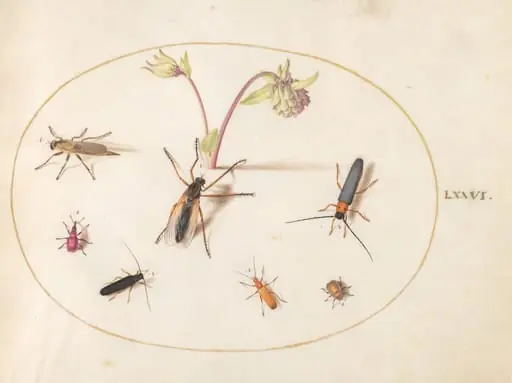 Plate 76: Insects with a Pink and Cream Columbine
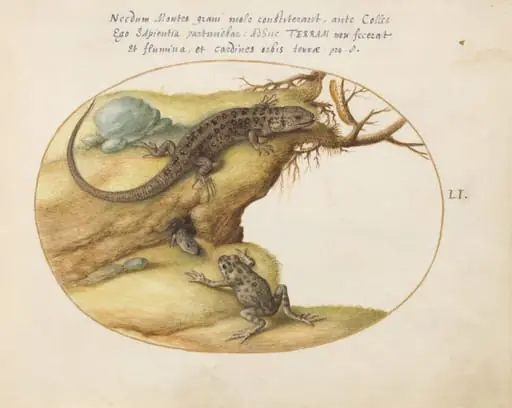 Plate 51: Two Sand Lizards, a Common Parsley Frog(?), and a Caterpillar
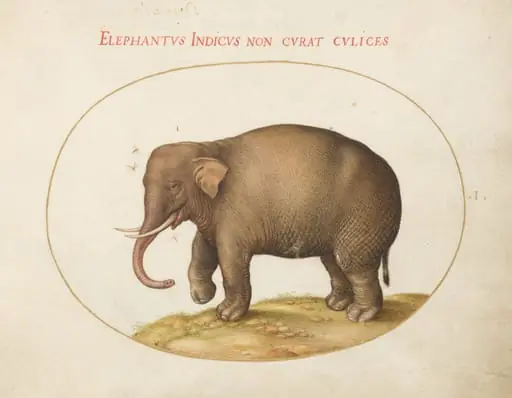 Plate 1: Elephant with Insects
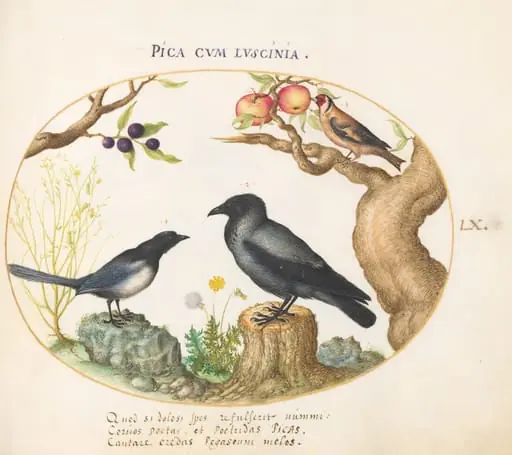 Plate 60: Magpie, Crow, and Goldfinch
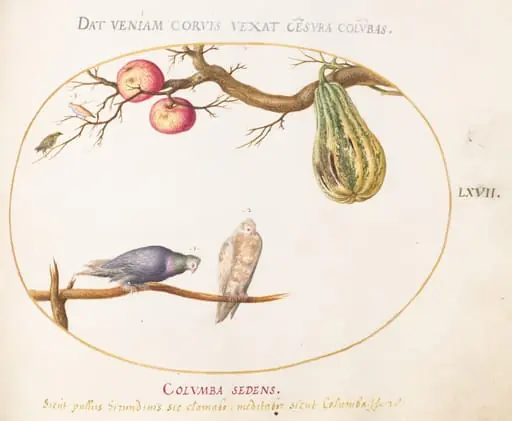 Plate 67: Two Doves beneath a Gourd and Apples
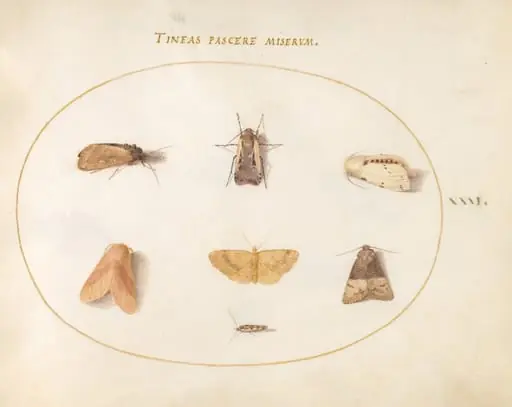 Plate 31: Seven Moths
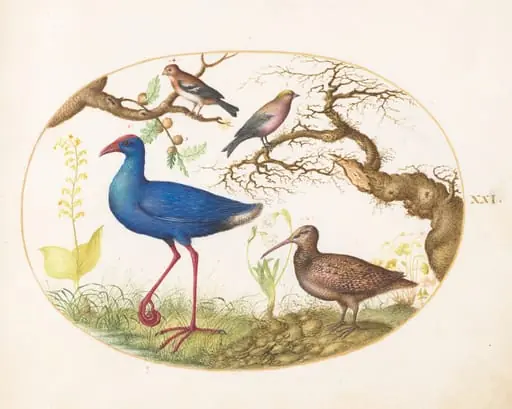 Plate 21: Swamp Hen and Woodcock with a Streaked Rosefinch, a Finch, and Oak Galls
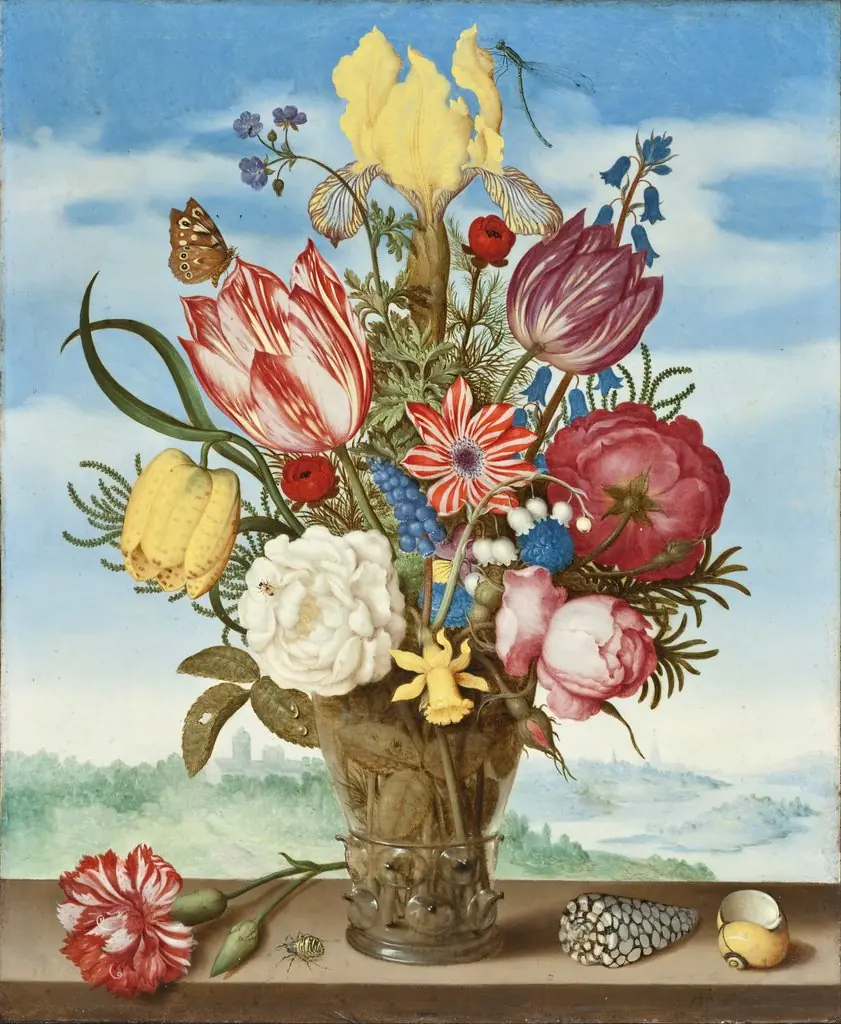
- Bouquet of Flowers on a Ledge
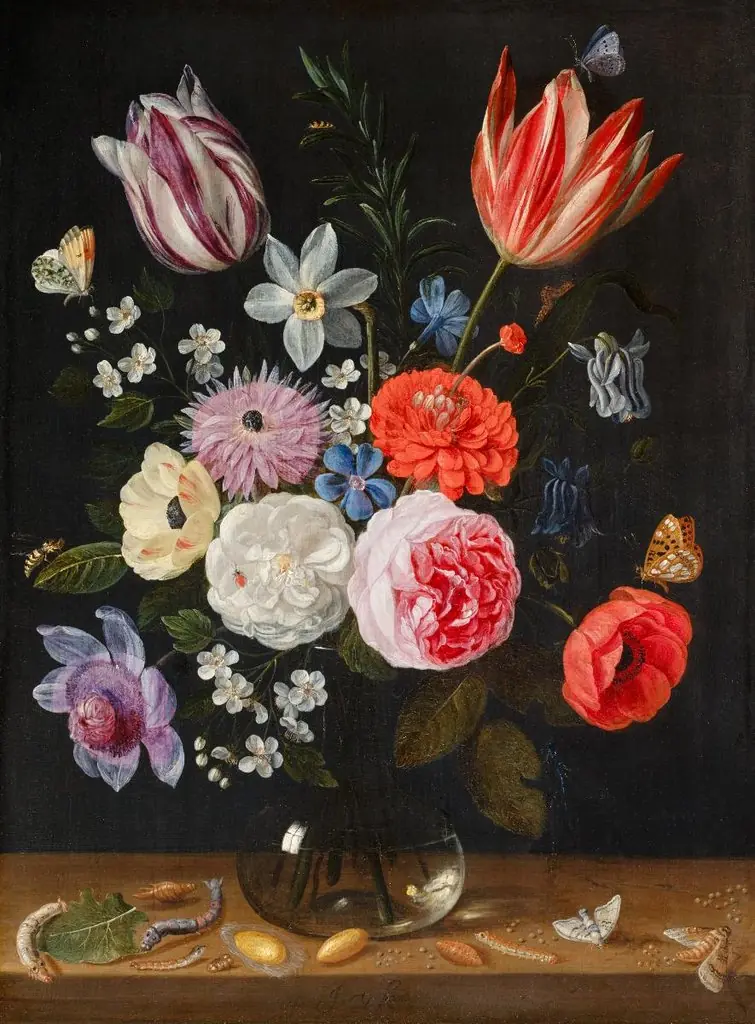 Blumen in Glasvase mit Entwicklung der Seidenraupe
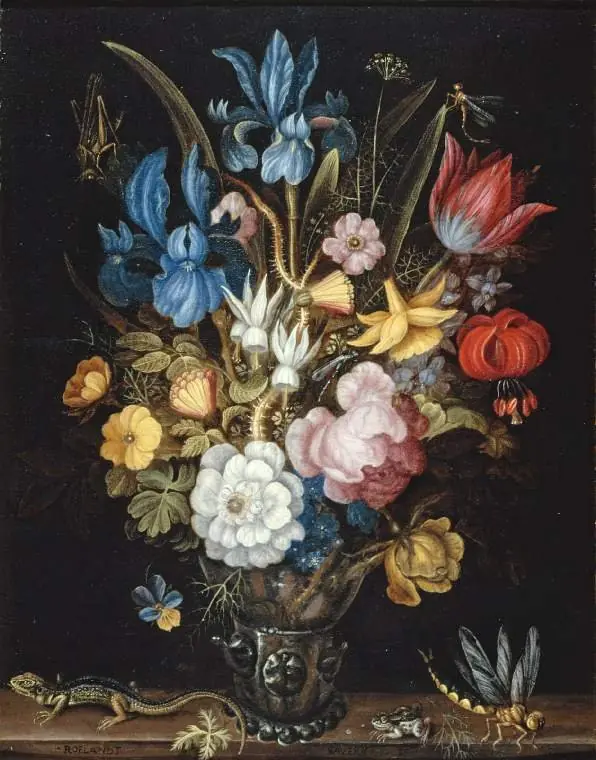 Still life with flowers in a glass berkemeyer with a lizard, frog and dragonfly on a ledge
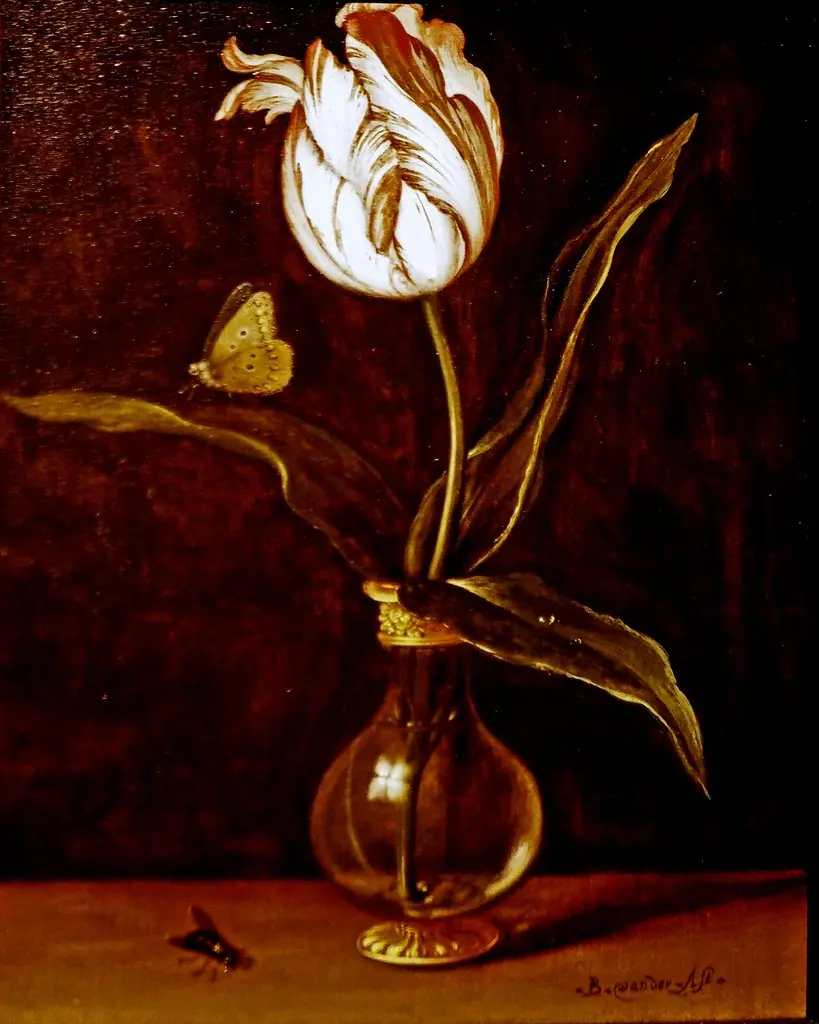 Vase with a single tulip
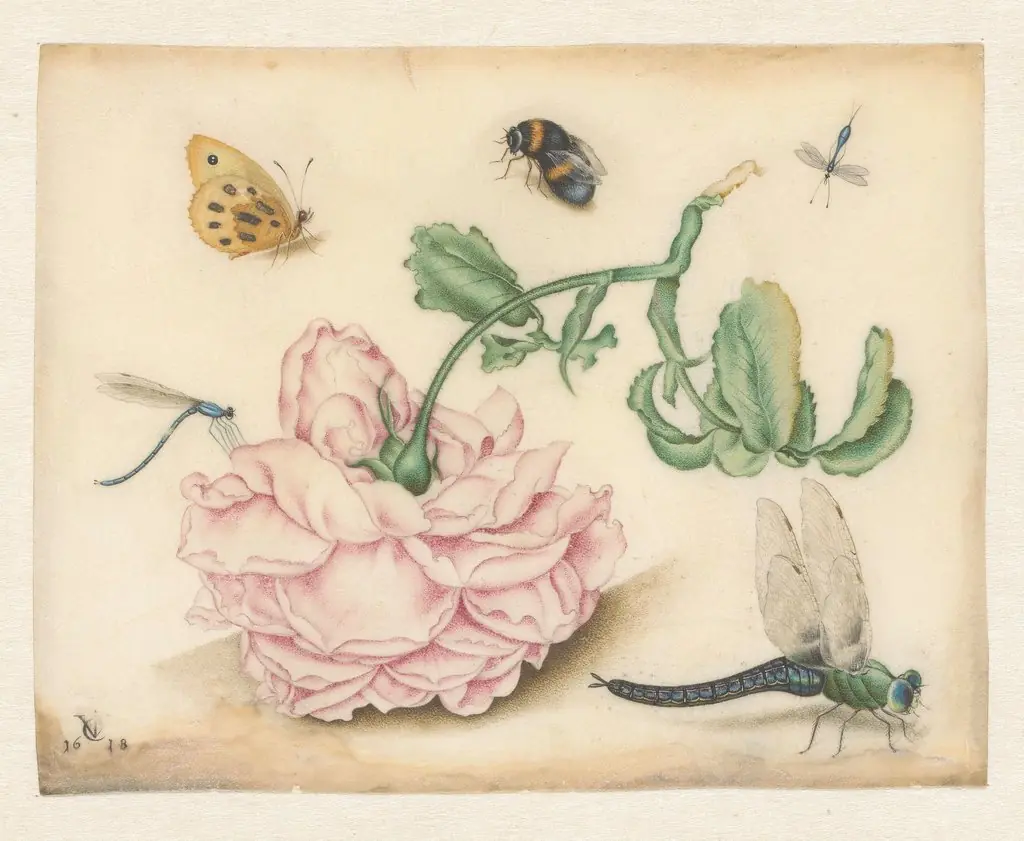 A Rose and Five Insects
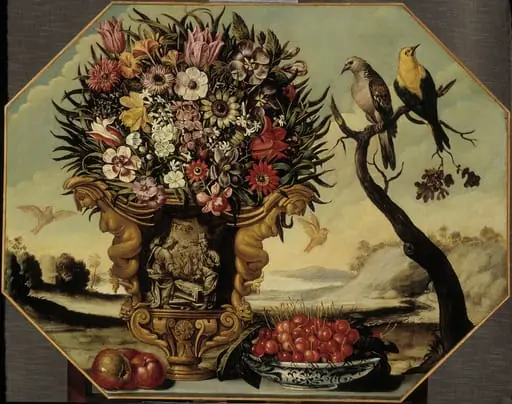 Kukkia ja pikkulintuja
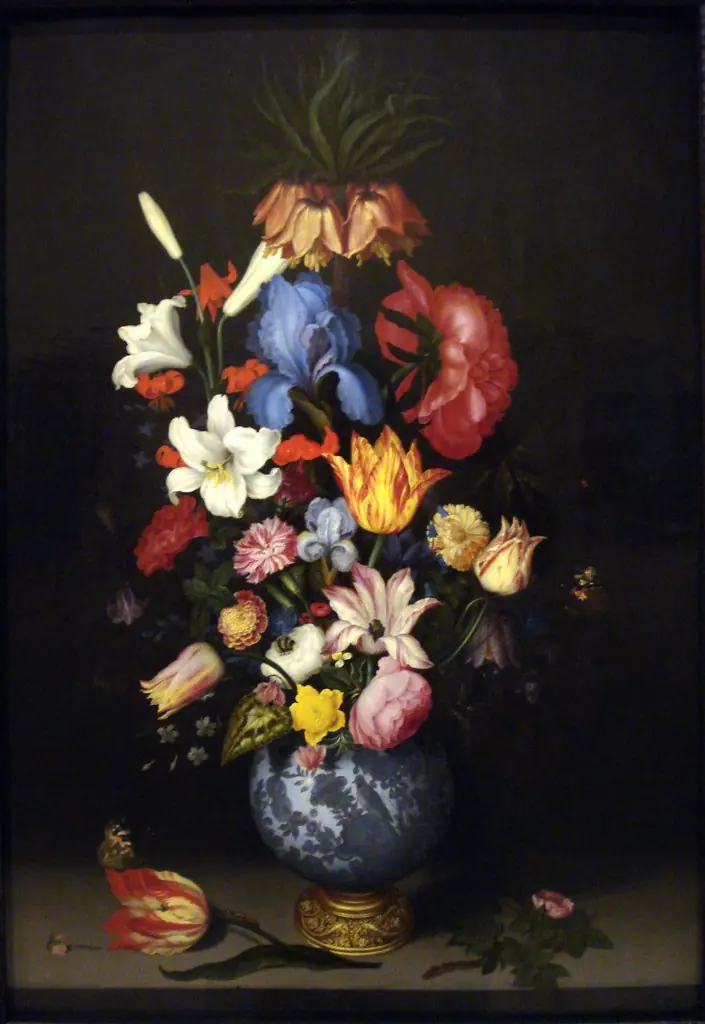 Bouquet in a Wan-Li Vase with a Gilt Mount
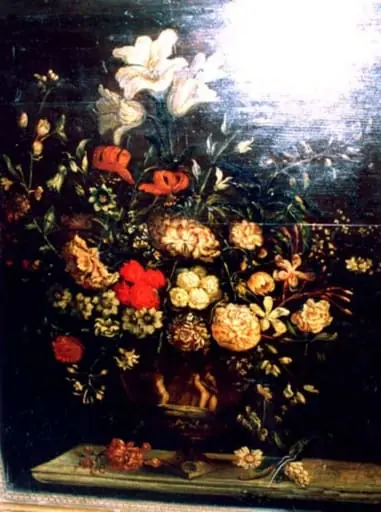 Vas cu flori
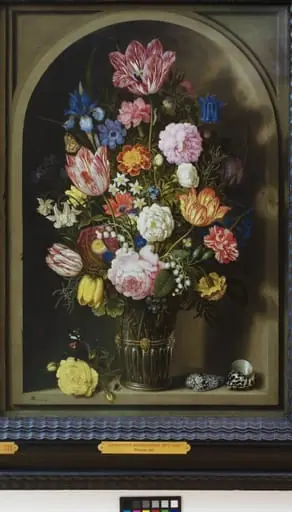 Bouquet of Flowers in a Stone Niche
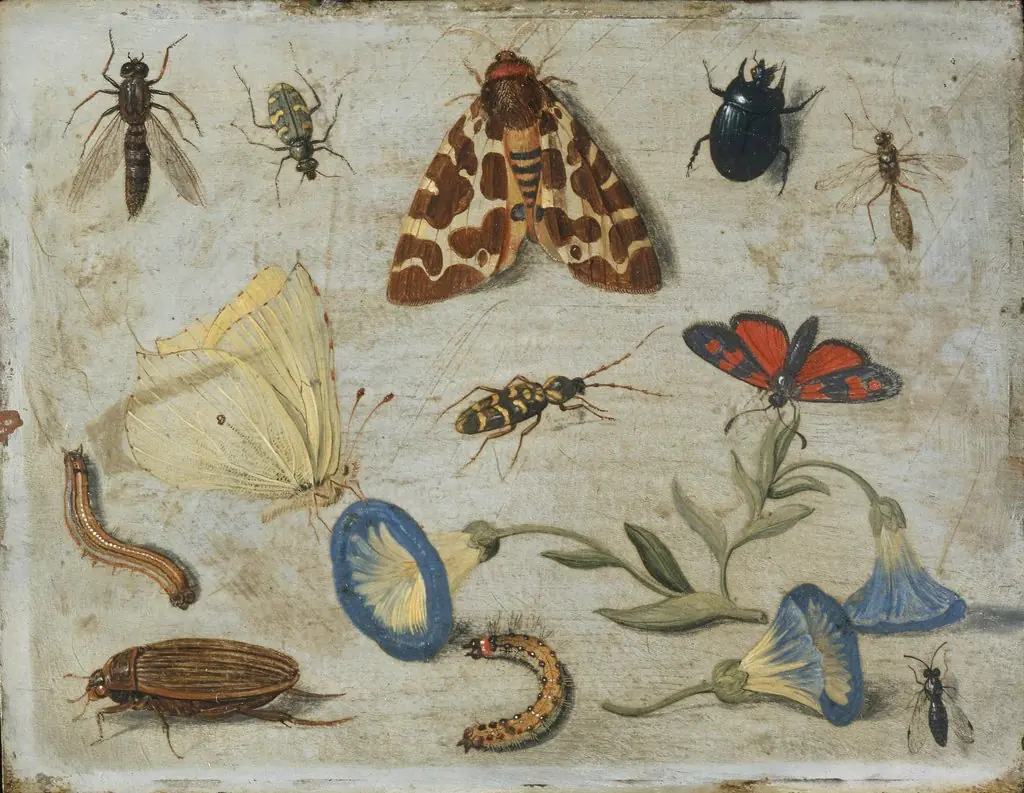 Insects
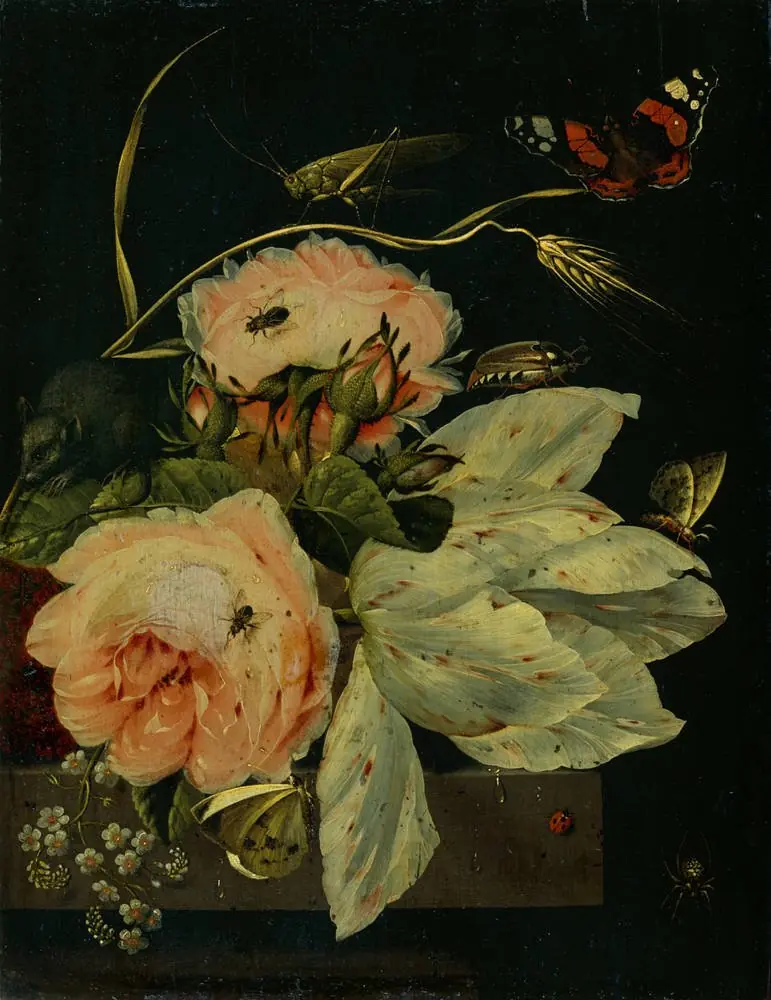 Flower piece with butterflies
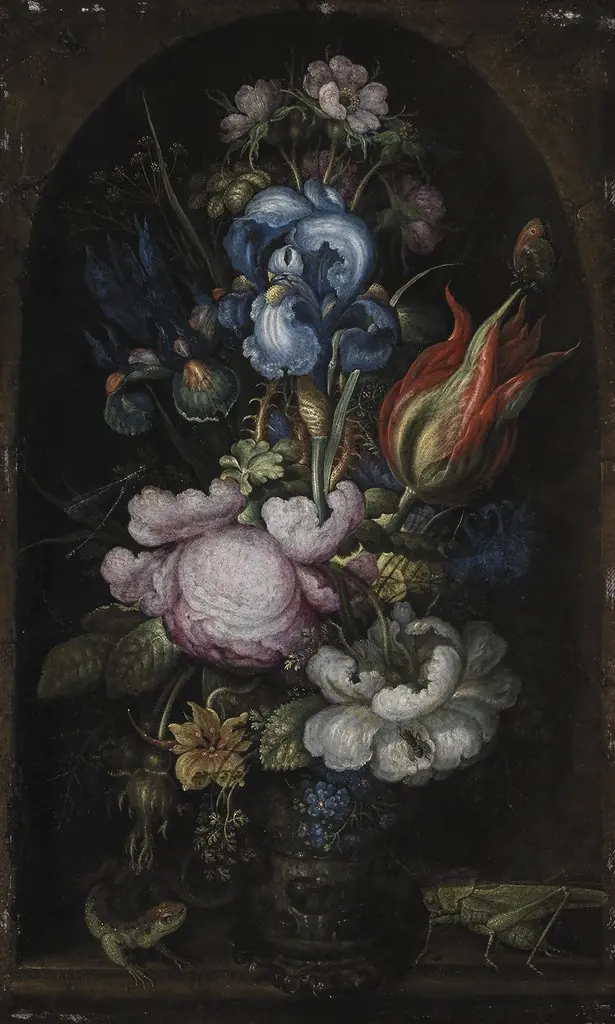 Bouquet of Flowers in a Stone Niche