Subject
Tulip
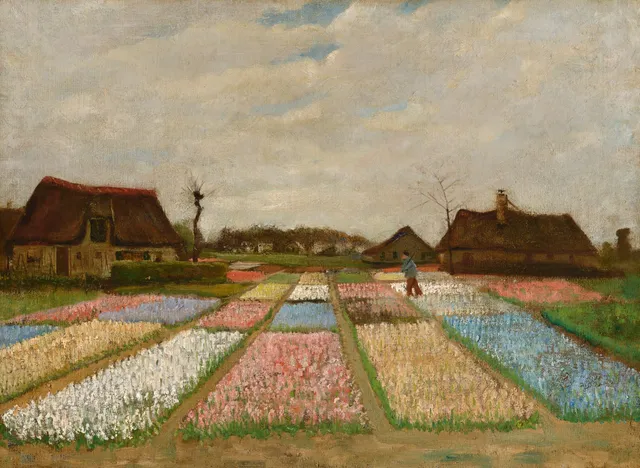
Tulip is a subject in art. The gallery holds 40 works in this subject in art, including works by Gustave Courbet, Jean Léon Gérôme and Peter Binoit.
Tulip is a given name and a surname which may refer to:
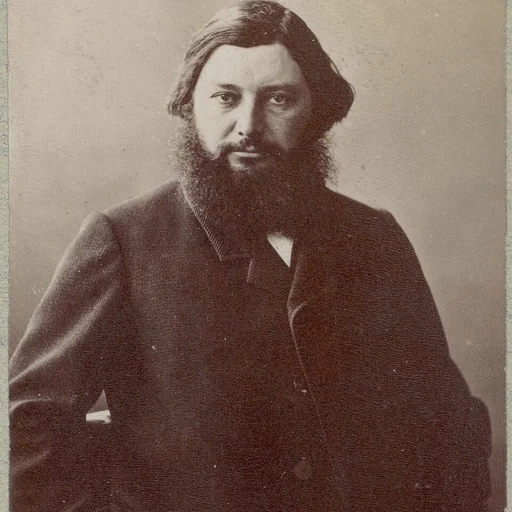
Key artists


Overview
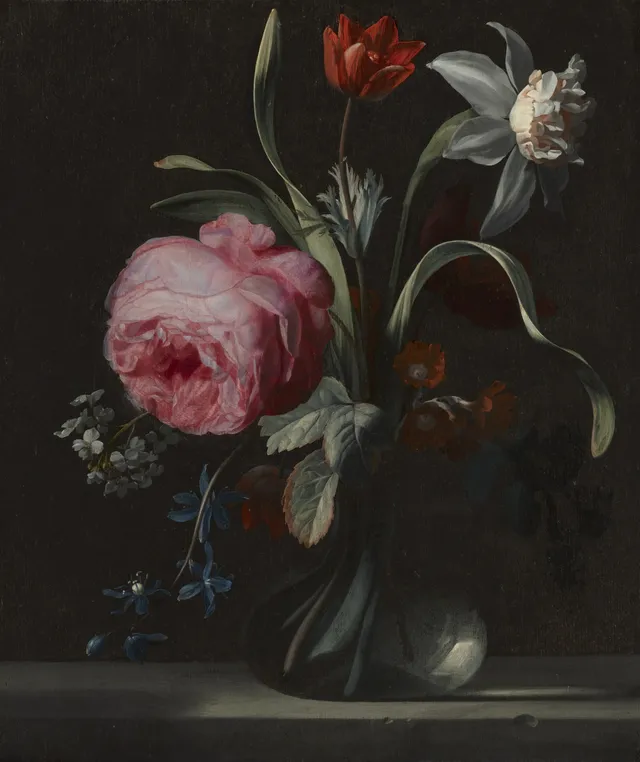
The tulip is a flowering plant that has recurred as a major motif in art for centuries, transitioning from an imperial Ottoman symbol to a botanical marvel and a celebrated subject of Dutch still life. Originating in Central Asia, the flower reached the Ottoman court by the sixteenth century and arrived in Europe by the mid-sixteenth century. Its unfamiliar, deliberate form distinguished it from native European woodland flowers, prompting artists to document it as a rarity. As tulips gained economic and cultural prominence, particularly during the Dutch Golden Age, they became frequent subjects in painting, decorative art, and botanical illustration, reflecting shifting aesthetic values, commercial obsessions, and symbolic meanings across cultures.
Iconography & meaning
The tulip has carried diverse and evolving meanings. In Ottoman art, its upright, disciplined form aligned with architectural rhythm and calligraphic line, while the Turkish word for tulip shares letters with the word Allah, elevating the flower to a holy symbol of divine order and sovereign authority. In the Dutch Republic, tulips represented wealth and status, with the most expensive bloom, such as the Semper Augustus, often given the highest position in floral still lifes. Dutch vanitas paintings utilized the tulip's fragile bloom to symbolize the fleetingness of life and the folly of worldly pursuits, even as their sumptuous depictions offered aesthetic pleasure. Following the market crash of 1637, explicit warnings appeared in art, such as Hendrik Gerritsz Pot's Wagon of Fools and Jan Brueghel the Younger's A Satire of Tulip Mania, which portrayed speculators as foolish and immoral. Later, in Victorian England, the language of flowers assigned specific meanings to tulips: red tulips signified a declaration of love, white tulips represented forgiveness and purity, purple denoted royalty, and pink conveyed friendship. Frederic Shoberl's 1834 text also linked the tulip to complaints of infidelity and superficial beauty. Universally, the flower often communicates springtime and rebirth.
Across movements & periods
The treatment of the tulip in art shifted significantly across movements and cultures. In the sixteenth-century Ottoman Empire, the artist Kara Memi helped establish the Floral Style, moving away from generic inherited motifs toward recognizable botanical forms while retaining a stylized, controlled structure. Ottoman tulips typically featured three curving petals forming a waisted bloom, rendered in bold pigments like cobalt blue, turquoise, emerald green, and raised red on Iznik ceramics. By the mid-sixteenth century, European naturalists like Conrad Gesner treated the tulip as a botanical marvel, isolating the specimen for scientific woodcuts. In the early seventeenth century, Dutch Golden Age painters shifted from cataloguing to possession, creating pronkstillevens, or ostentatious still lifes, that emphasized wealth and worldliness. In the late nineteenth century, Impressionists like Claude Monet captured the flower's vibrant fields using loose brushstrokes and an emphasis on light and atmosphere, while Post-Impressionists like Paul Cezanne and Vincent van Gogh explored the subject through innovative composition, perspective, and intricate brushwork. Contemporary artists, including Yayoi Kusama, have continued to reinterpret the motif through whimsical installations.
Notable depictions
Several notable depictions mark the tulip's art historical trajectory. Conrad Gesner produced the earliest printed European image of a tulip in 1561. Hans Gillisz. Bollongier's Tulips in a Vase, now in the Rijksmuseum, exemplifies Dutch Golden Age realism and features the prominent Semper Augustus tulip. Ambrosius Bosschaert the Elder painted Still-Life with Flowers, held by the National Gallery in London, and Bouquet of Flowers in a Stone Niche. Jan van Huysum's Stilleven met bloemen and Margaretha Haverman's A Vase of Flowers further demonstrate the era's mastery of floral still life. Rachel Ruysch, the first woman admitted to the Confrerie Pictura in The Hague, commanded up to 1,200 guilders for her minutely detailed paintings, such as Still-Life with Bouquet of Flowers and Plums from 1704. Vincent van Gogh's Bulb Fields, also known as Flower Beds in Holland, was his first garden painting, completed in 1883 and later given to the National Gallery of Art in Washington, DC. Claude Monet painted Tulips in Holland and Tulip Fields near The Hague in 1886, the latter eventually sold to the art dealer Boussod, Valadon & Cie. Paul Cezanne's The Vase of Tulips, painted between 1888 and 1890, showcased a vibrant bouquet against a blue background.
Legacy
The tulip's cultural afterlife remains deeply embedded in both regional identity and global art. For many North Americans and Europeans, the flower is inextricably linked to Dutch culture, akin to windmills and wooden clogs, a connection reinforced by the Netherlands' continued dominance of the global bulb trade. In the region of its earliest cultivation, the tulip endures as an important symbol of the Ottoman Empire's heritage. In Iran, it serves as the national symbol of martyrdom. The Amsterdam Tulip Museum, established in 2004 in a canal house on the Prinsengracht, preserves and narrates this legacy, tracing the flower's journey from the Himalayas through the Ottoman court to the Dutch Golden Age and modern cultivation. The flower's history continues to inspire contemporary artists and cultural festivals, bridging historical painting traditions with modern artistic and horticultural practices.
Works
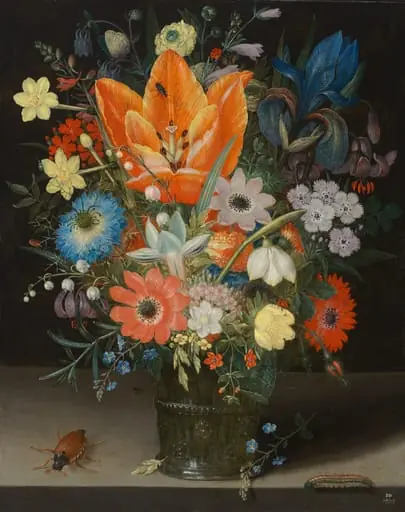 Still Life with Iris
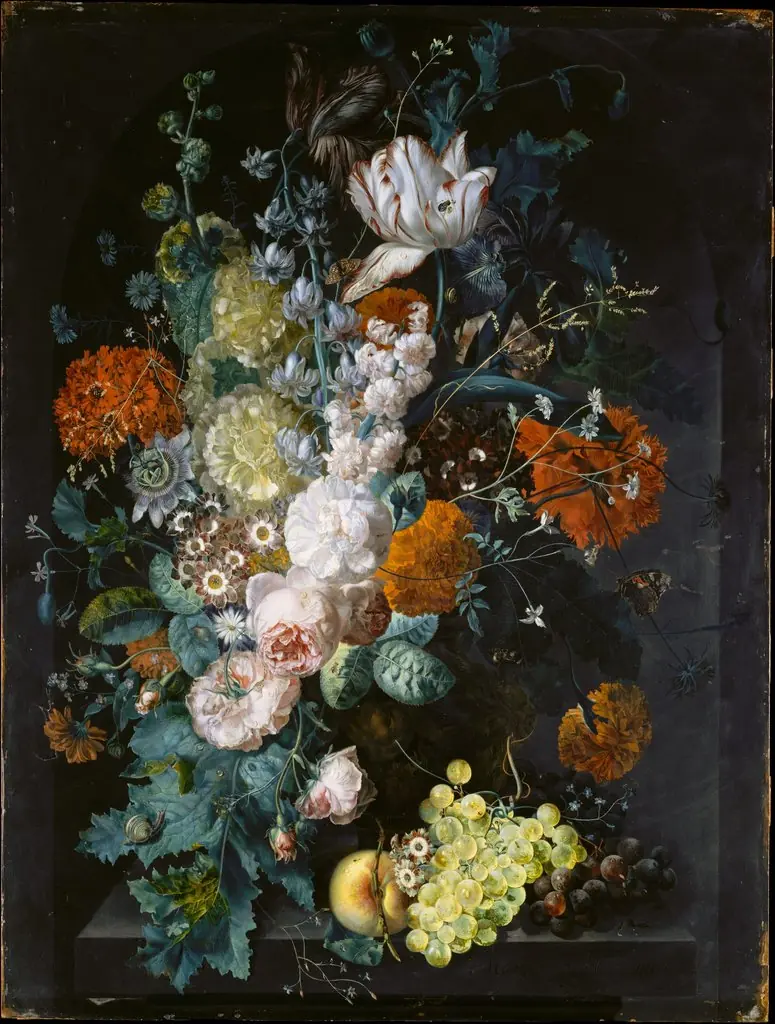 A Vase of Flowers
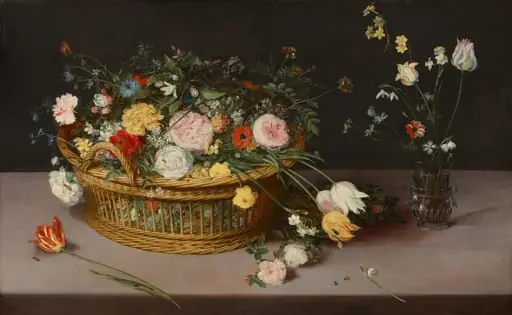 Flowers in a Basket and a Vase
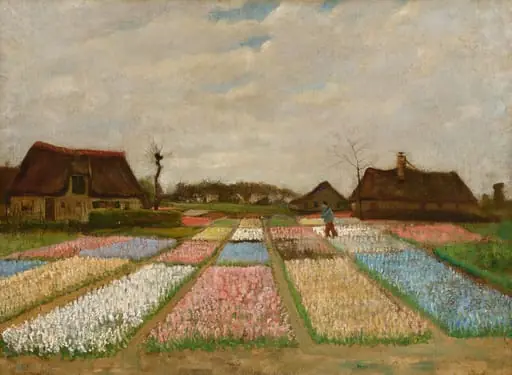 Flower Beds in Holland
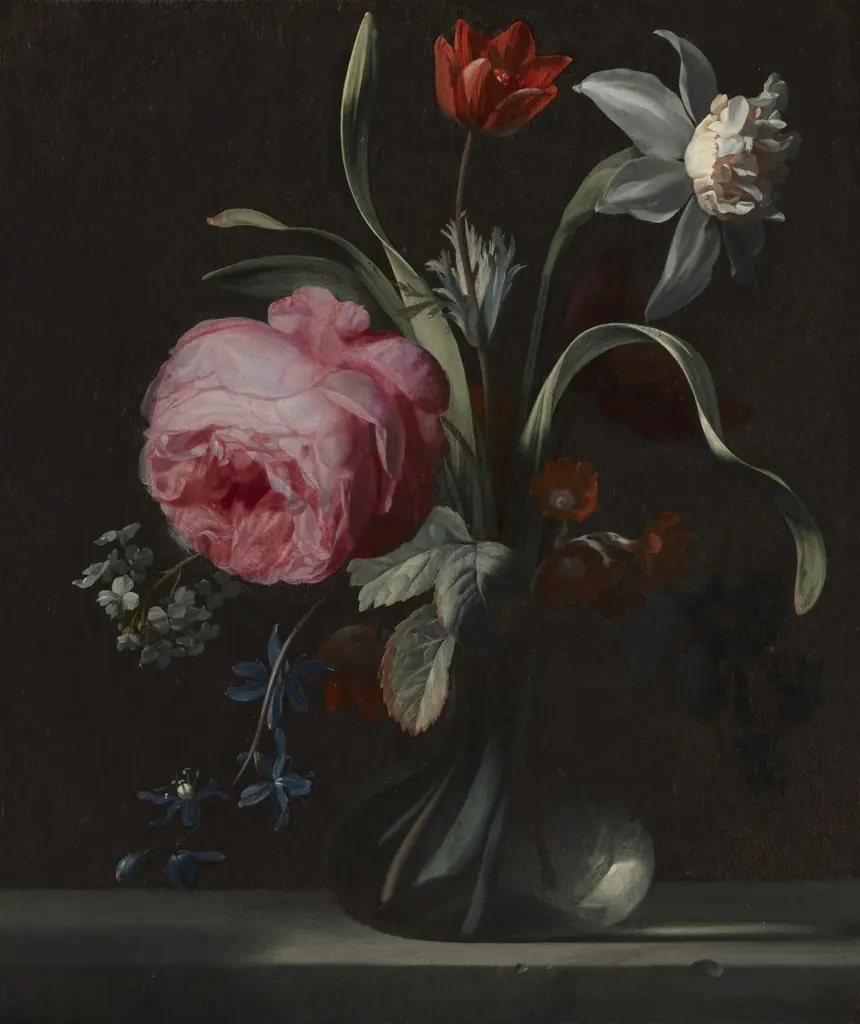 Flowers in a Vase
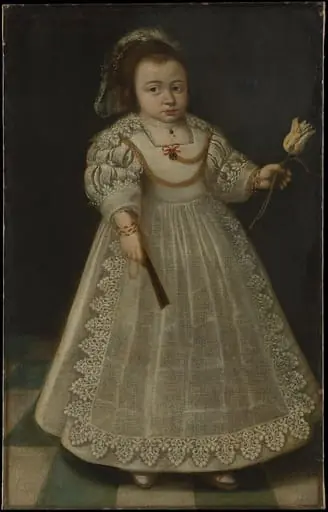 Sarra de Peyster
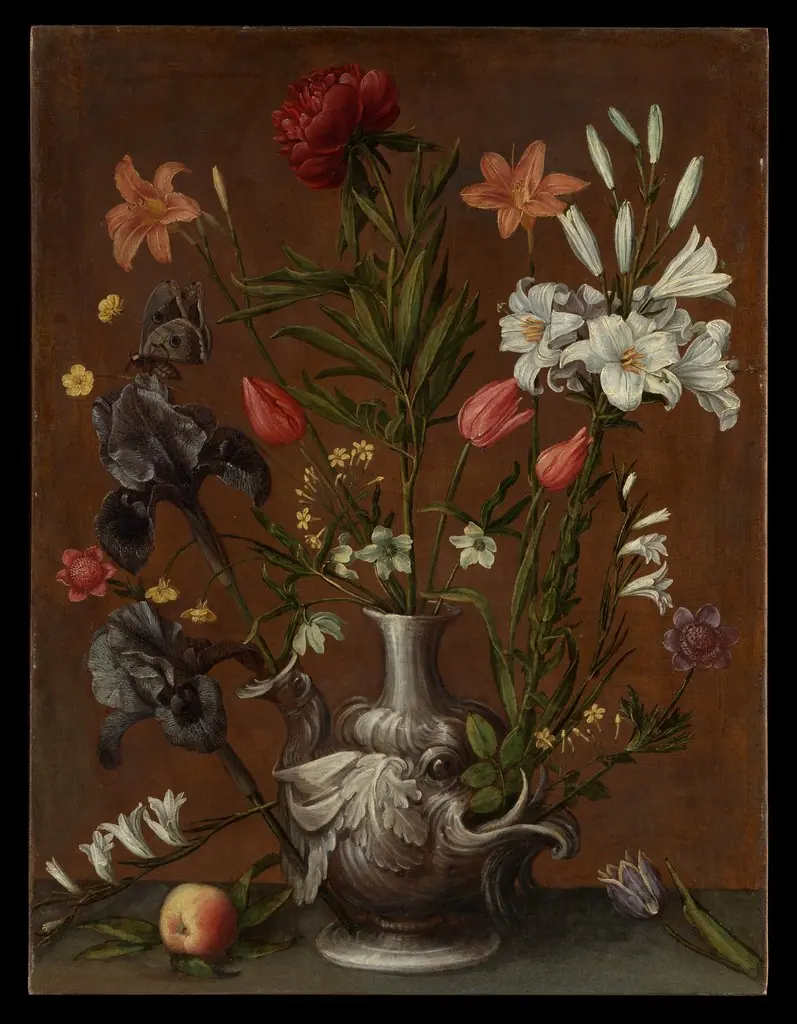 Flowers in a Grotesque Vase
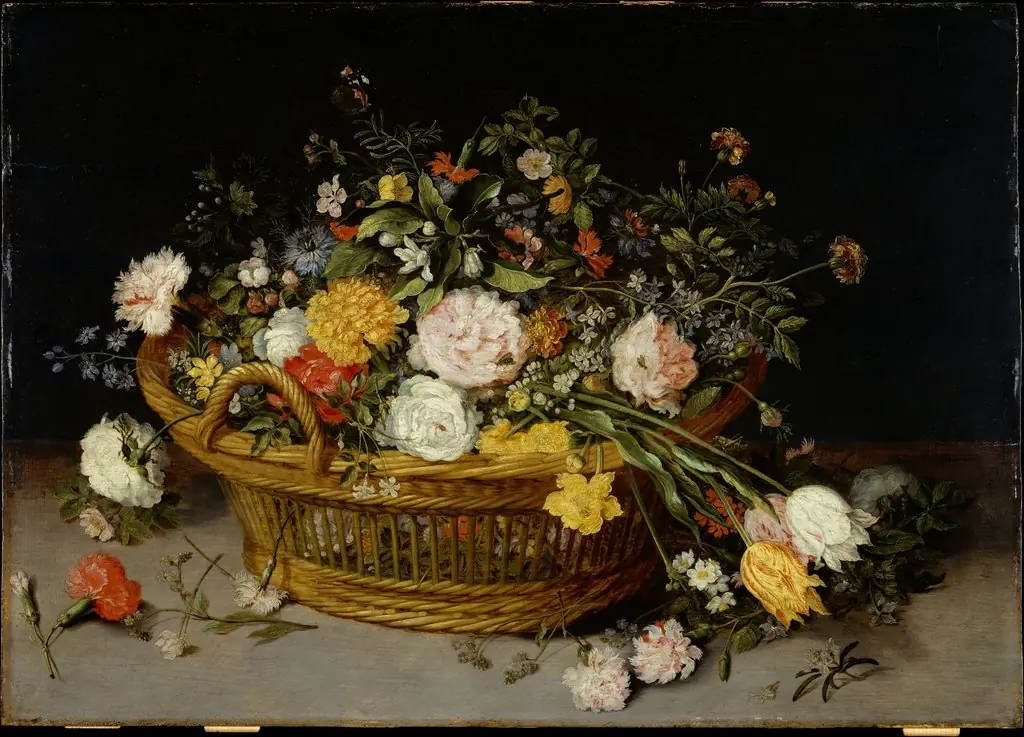 A Basket of Flowers
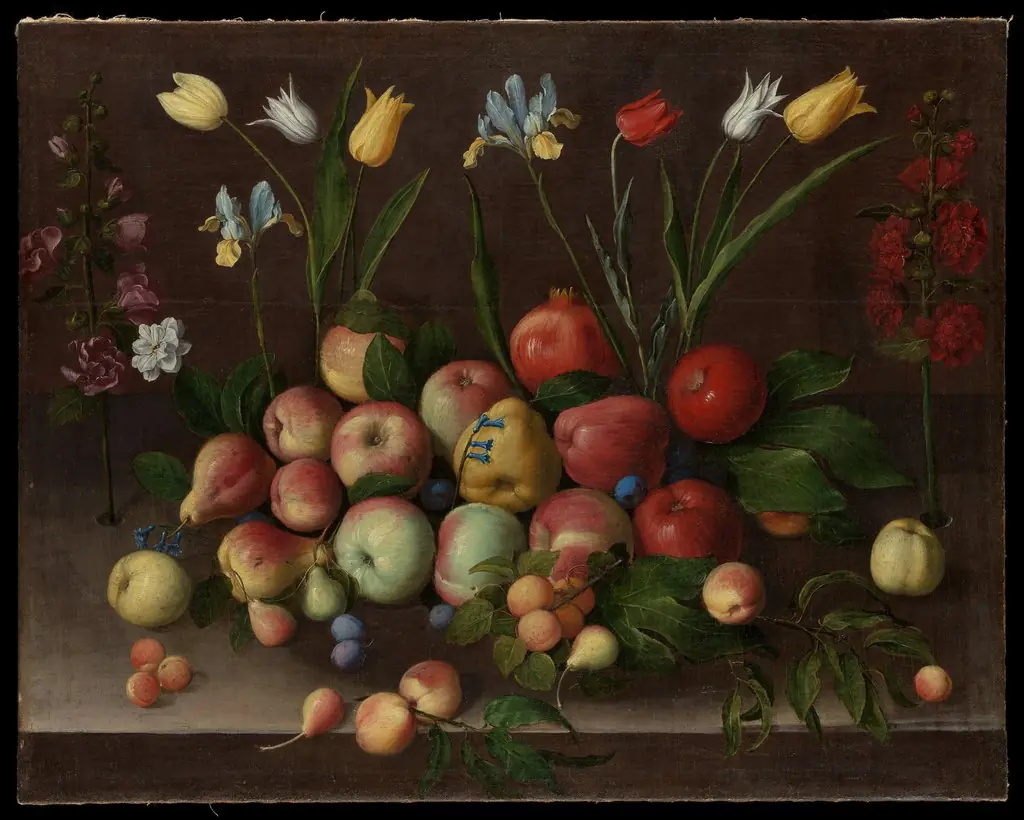 Fruit and Flowers
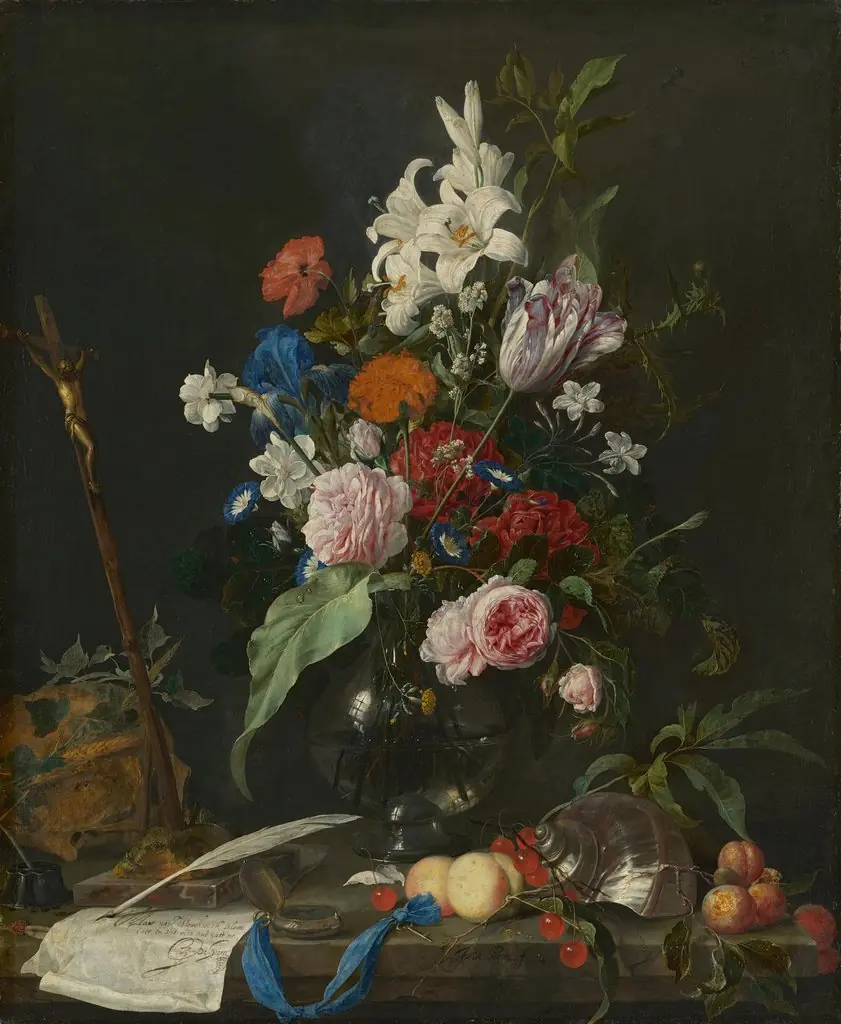 Flower still-life with a skull and crucifix
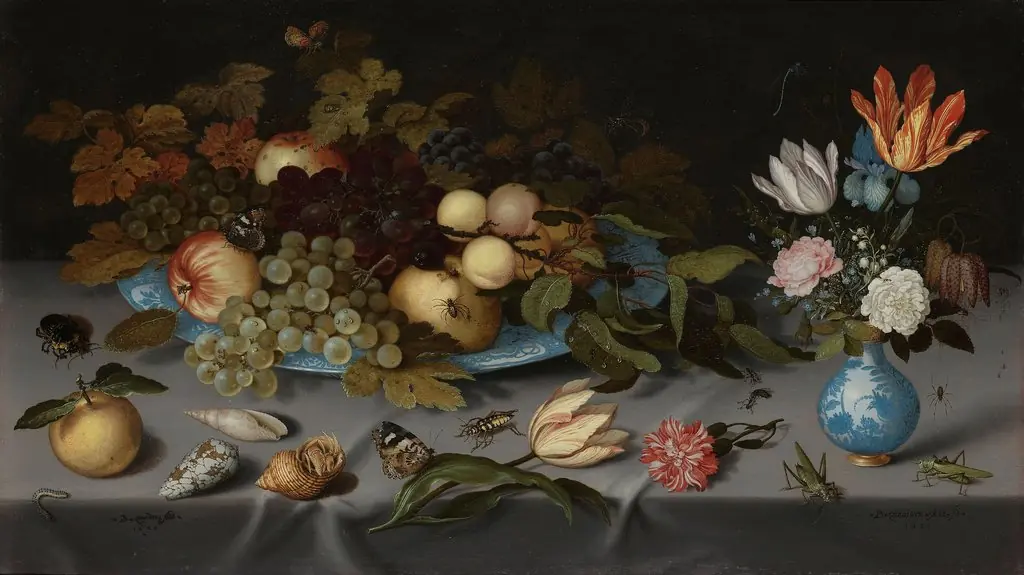 Still Life with Fruits and Flowers
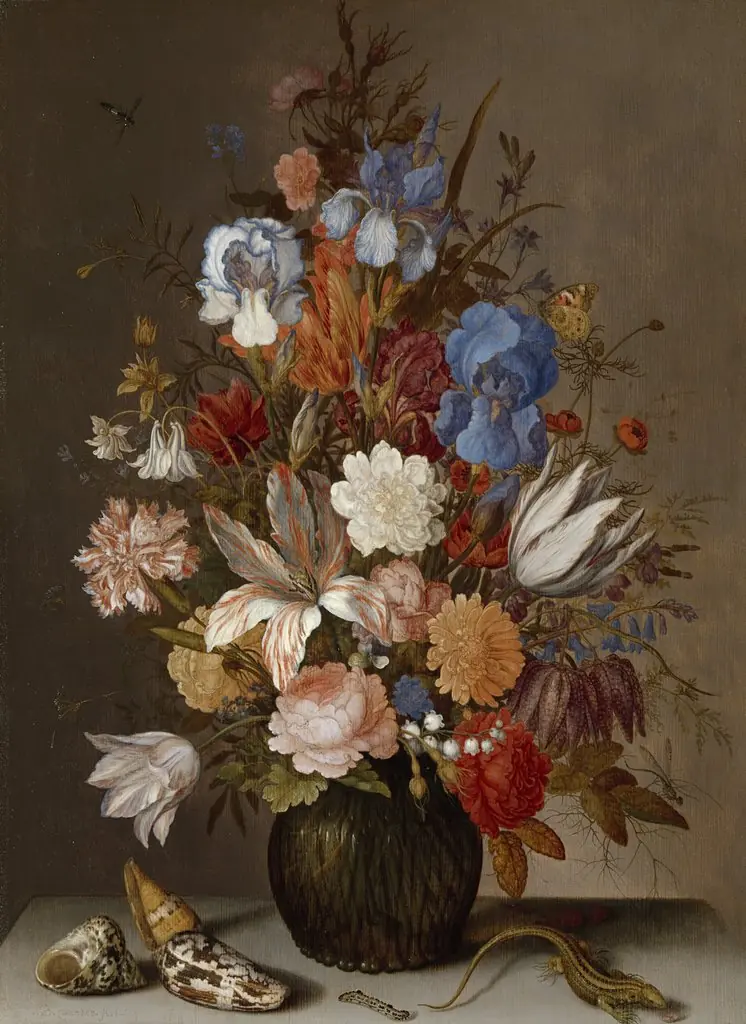 Still Life with Flowers
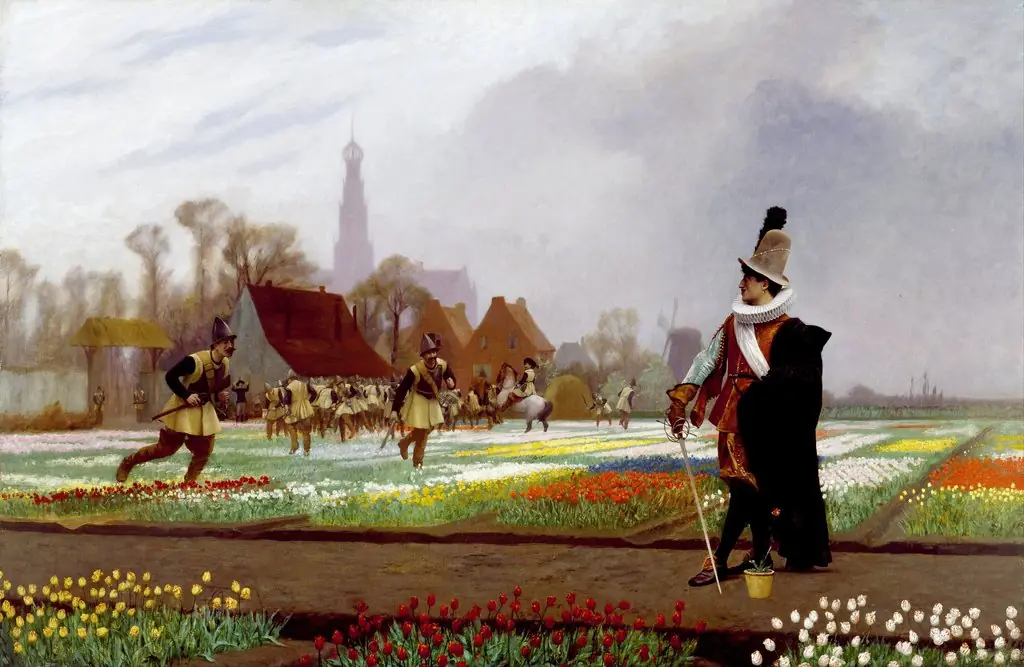 The Tulip Folly
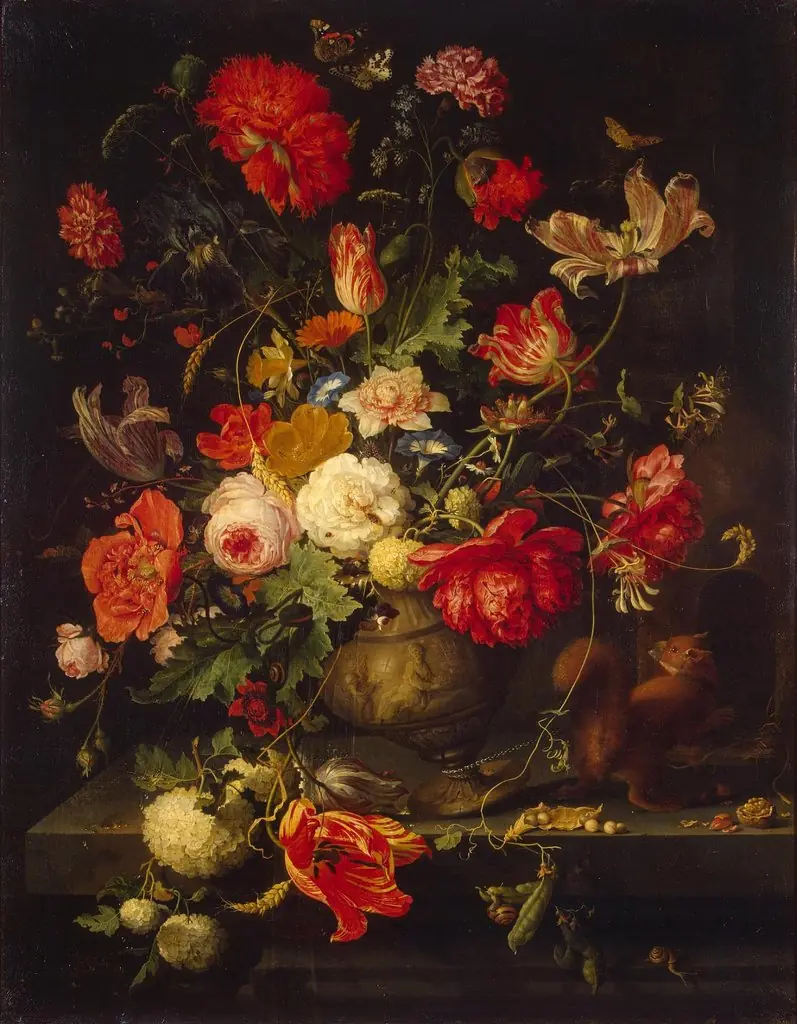 Vase of Flowers
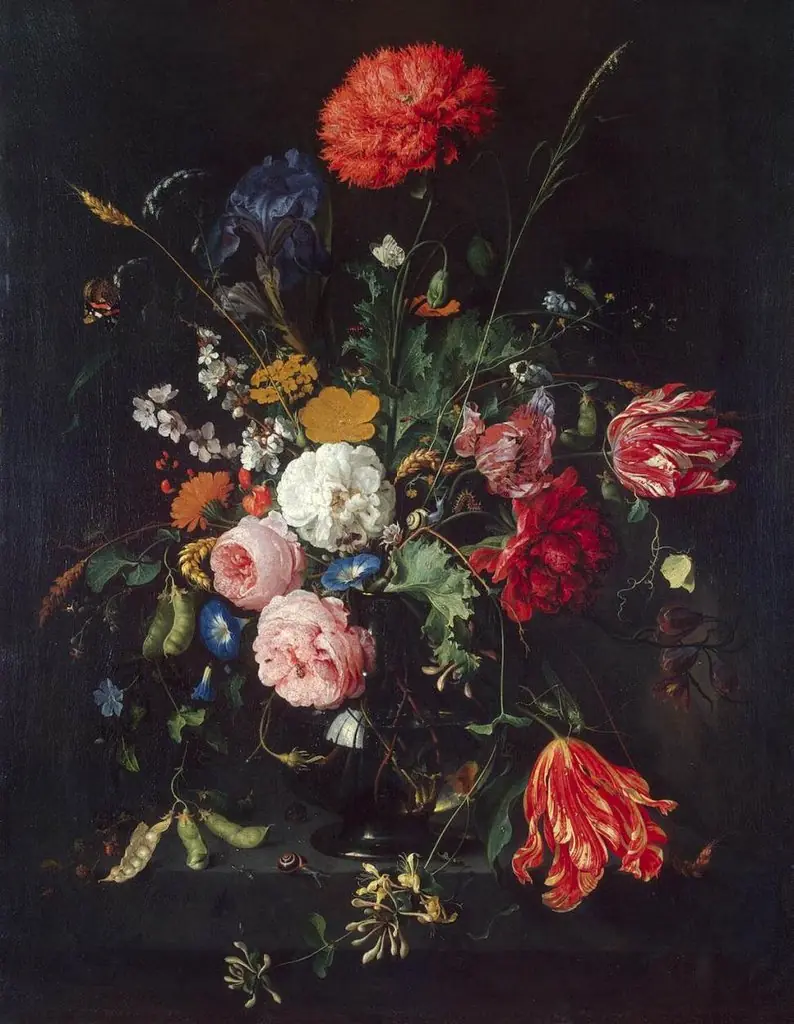 Flowers in a Vase
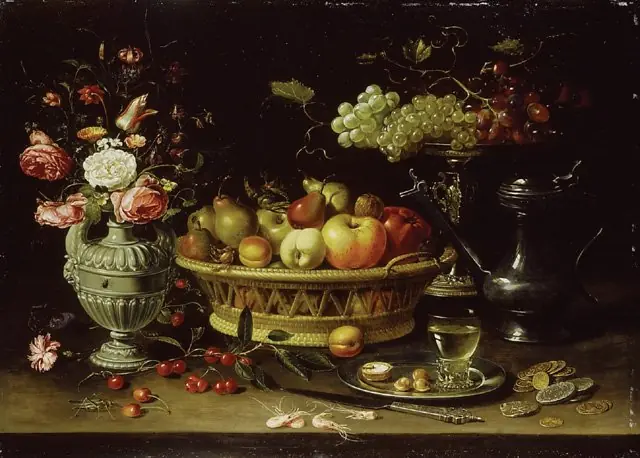 Still life of fruit and flowers
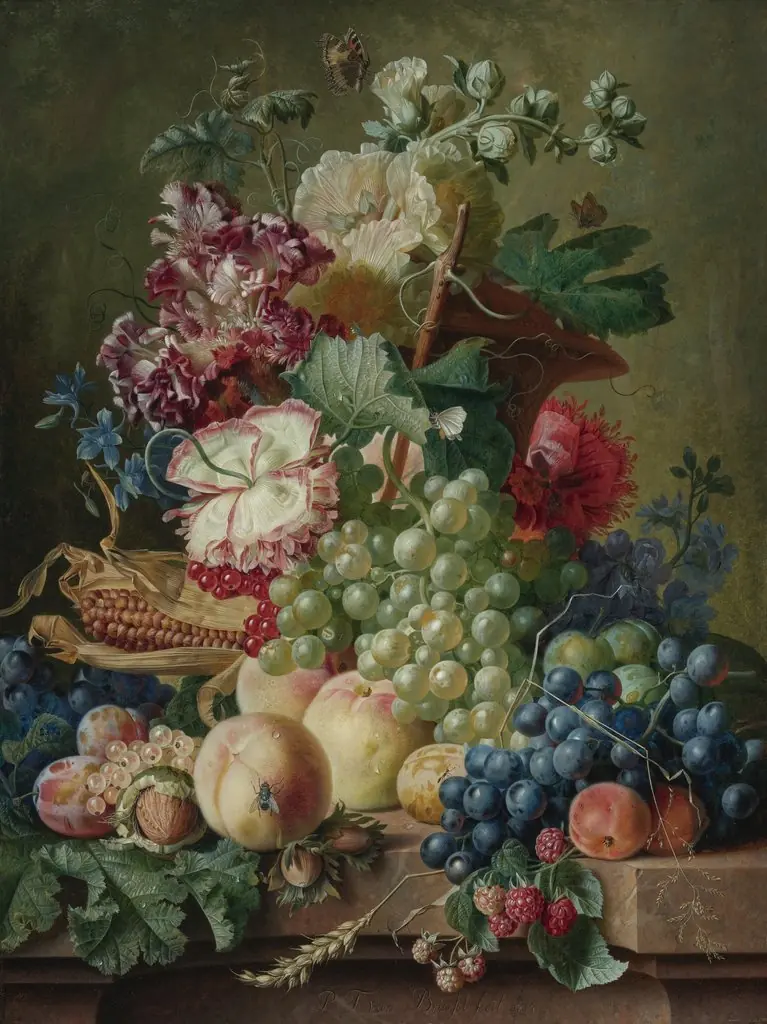 Still life of flowers and fruits on a marble ledge
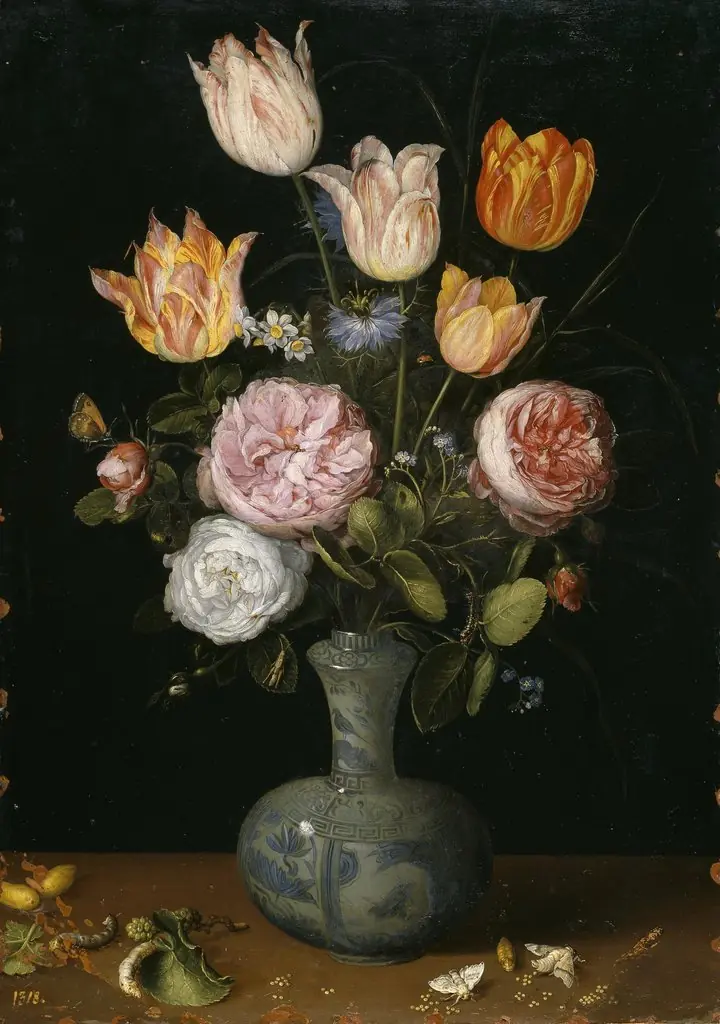 Vase of Flowers
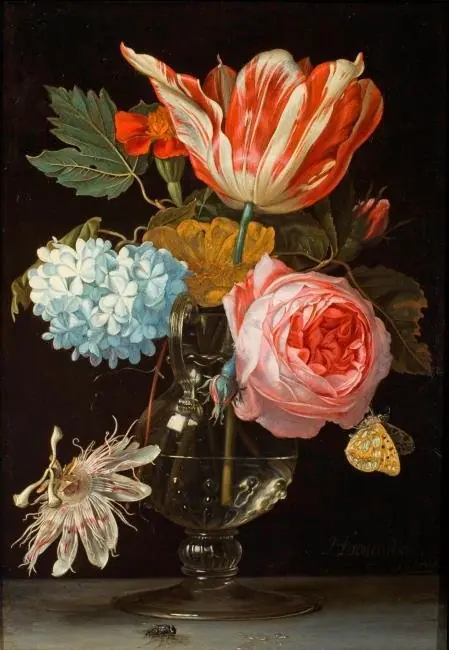 Flowers in a vase with a passion flower
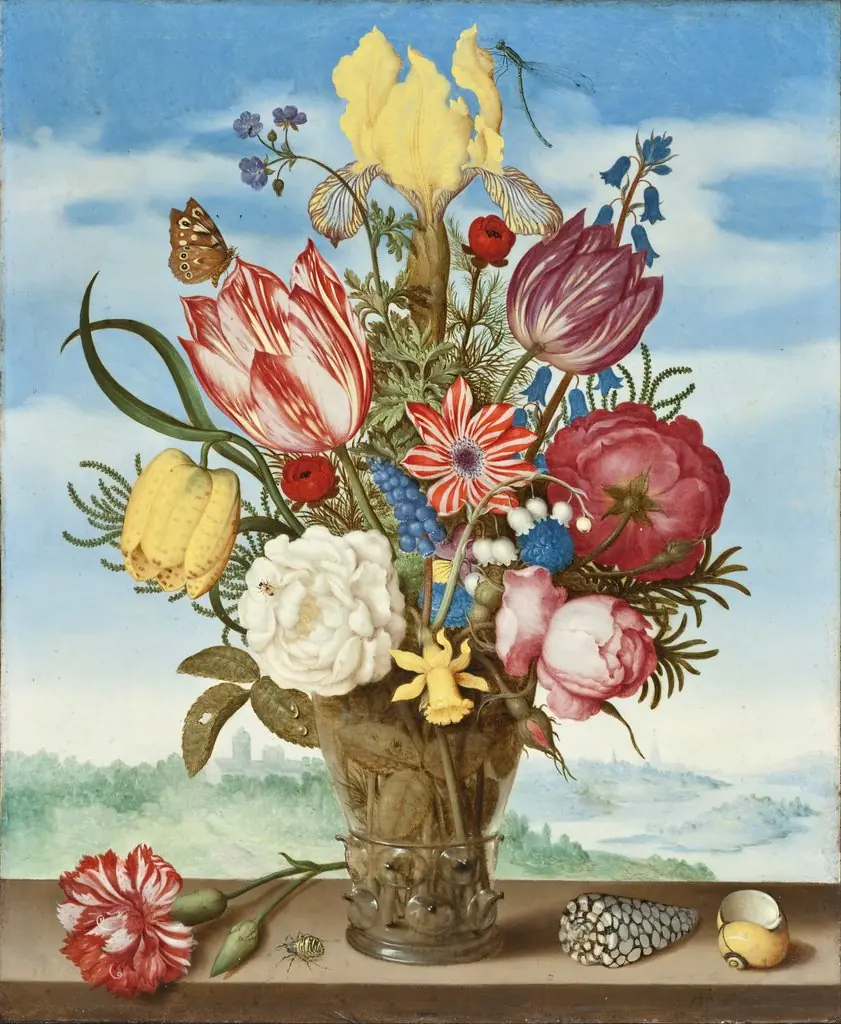 Bouquet of Flowers on a Ledge
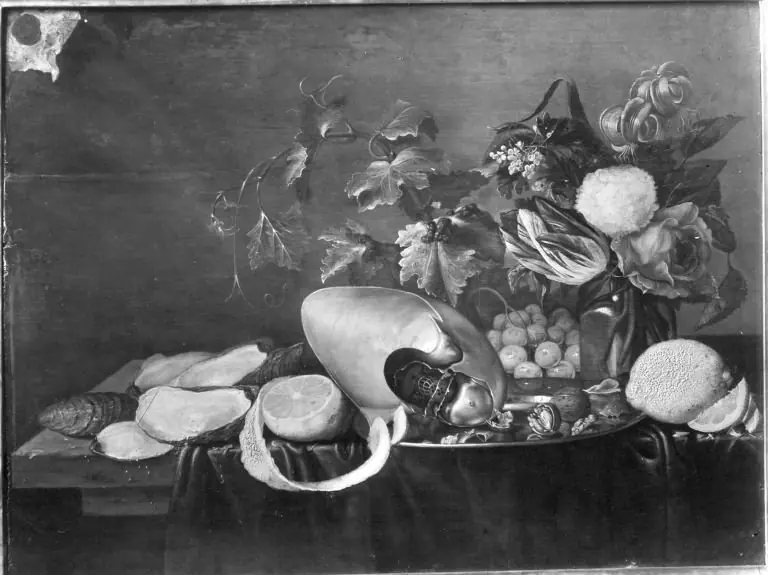 Still Life with Nautilus Shell
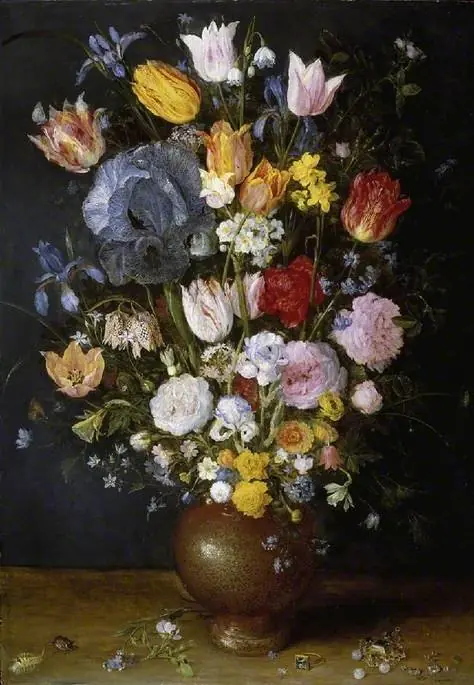 A stoneware vase of flowers
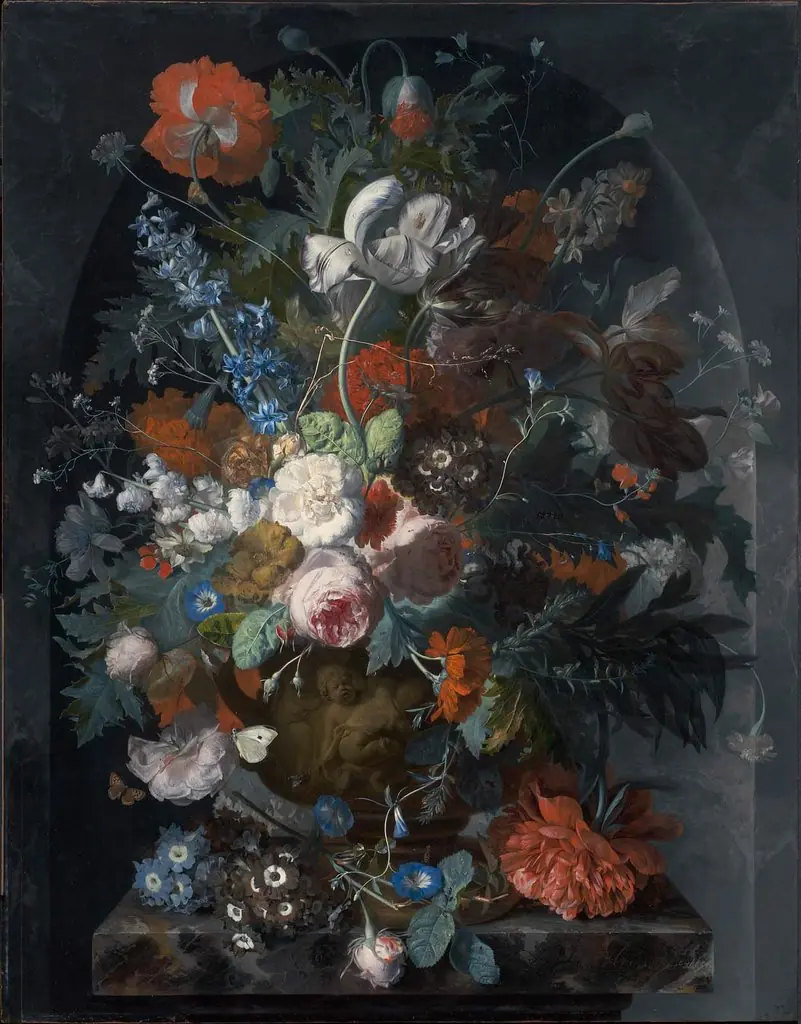 Vase of Flowers in a Niche
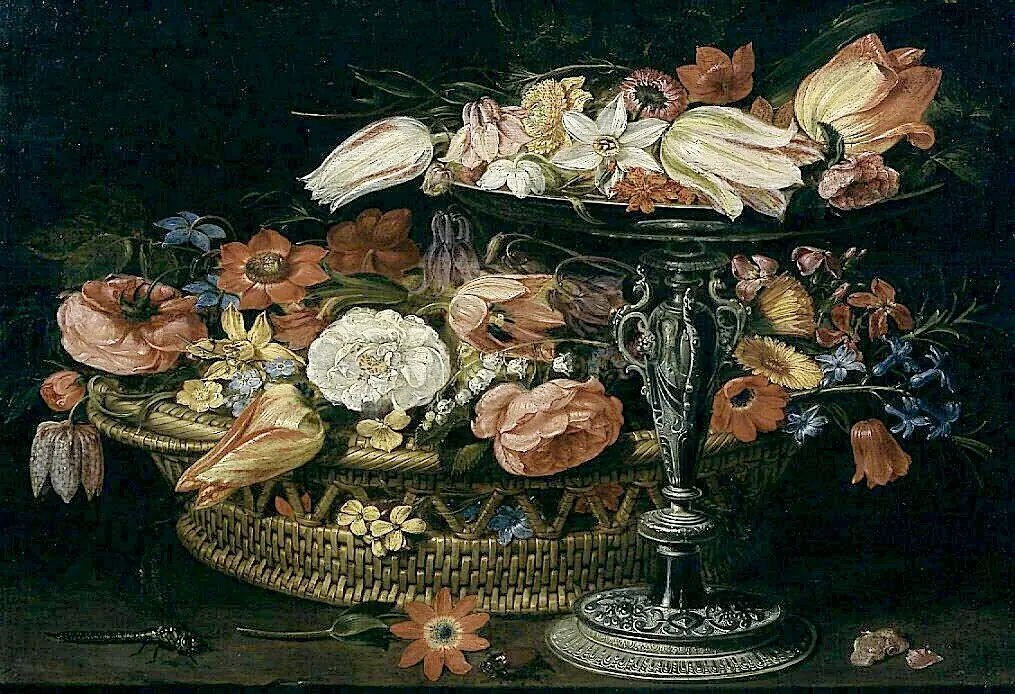 Floral Still Life
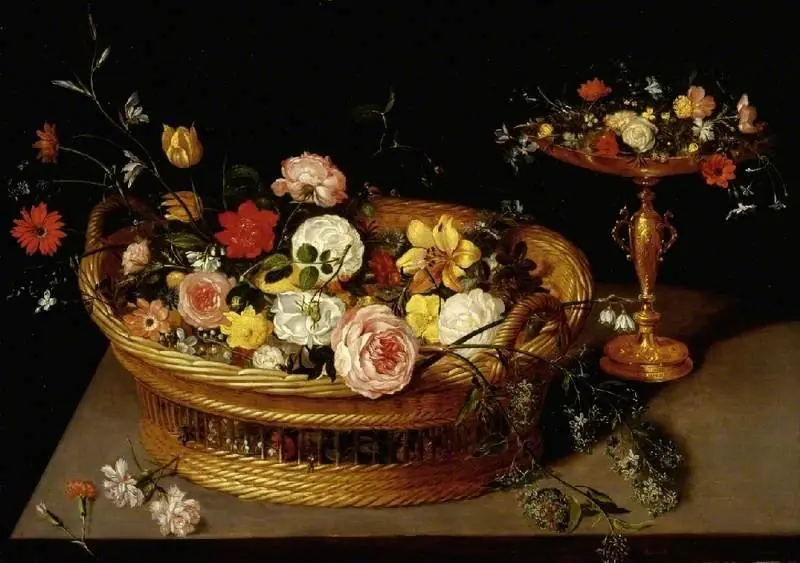 A basket of flowers
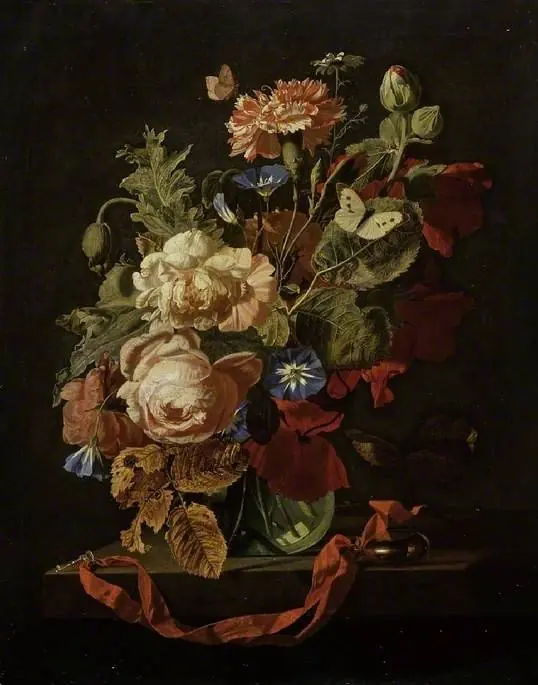 A Vase of Flowers
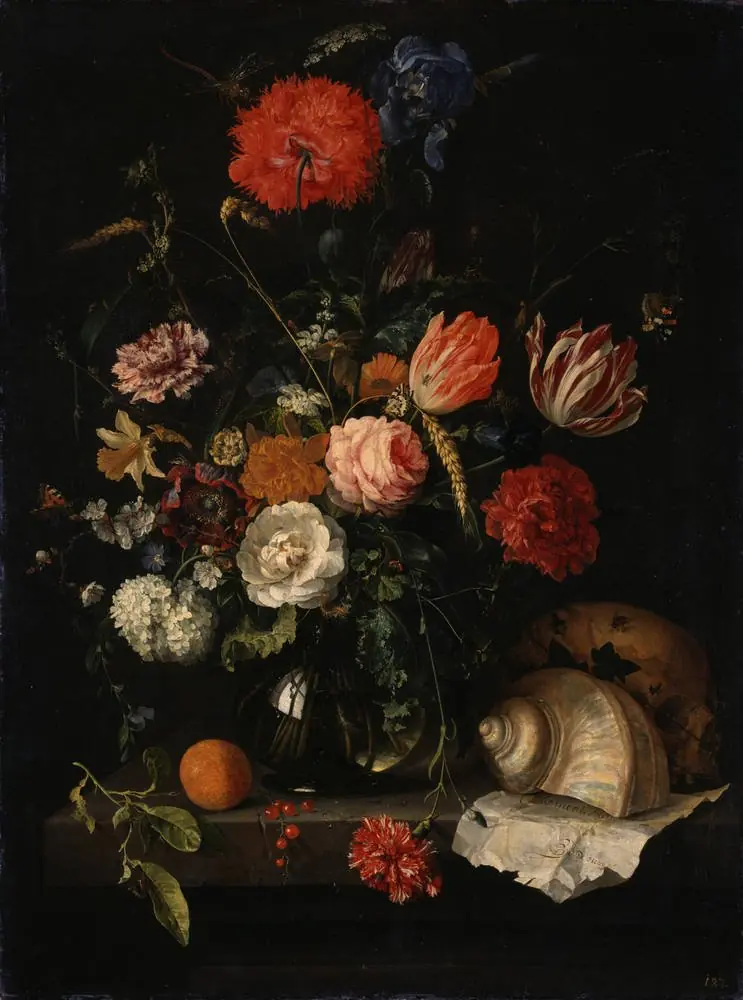 Memento Mori with a Skull under a Vase with Flowers
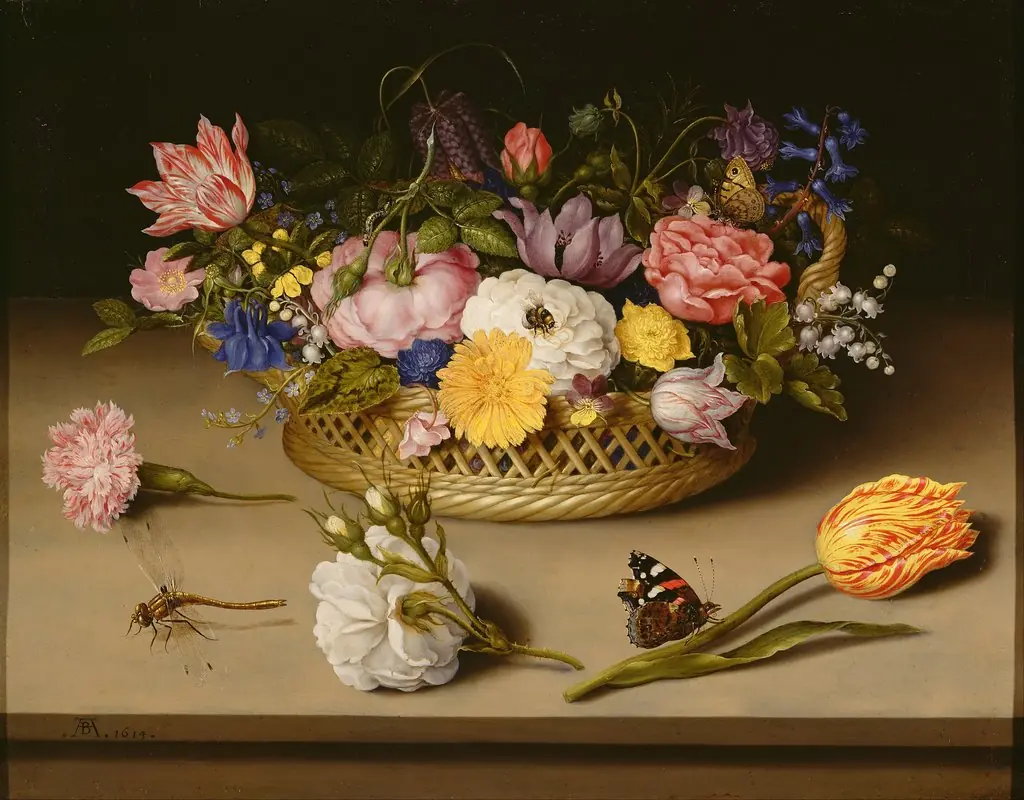 Flower Still Life
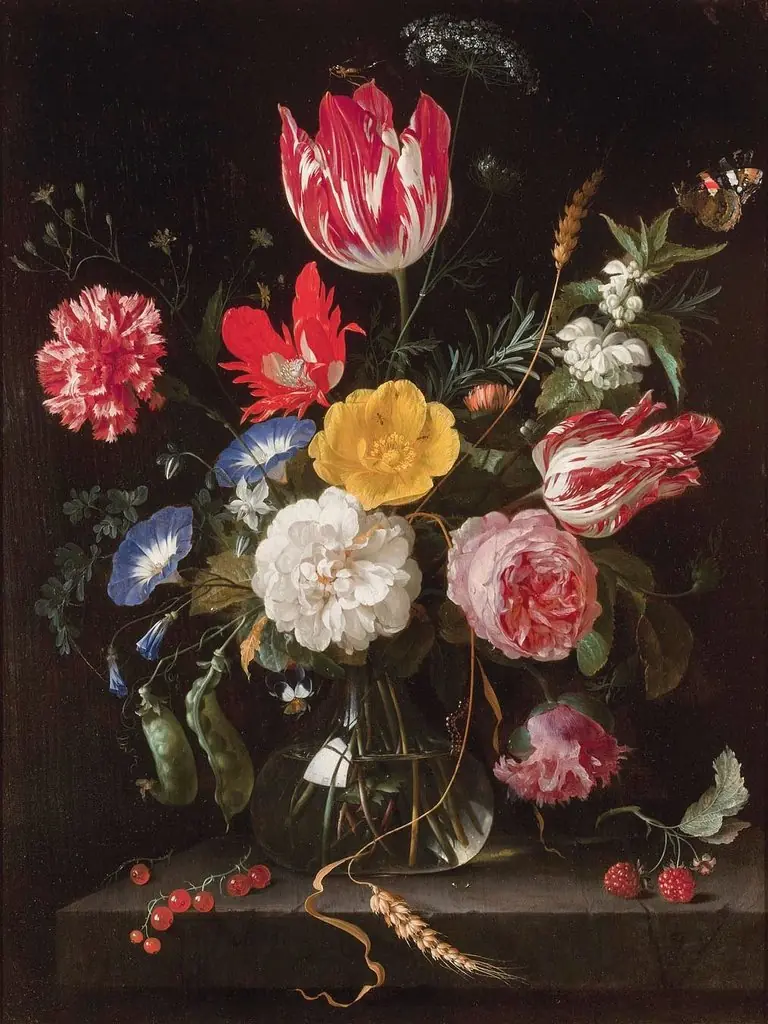 Glass Vase with Flowers on a Stone Ledge
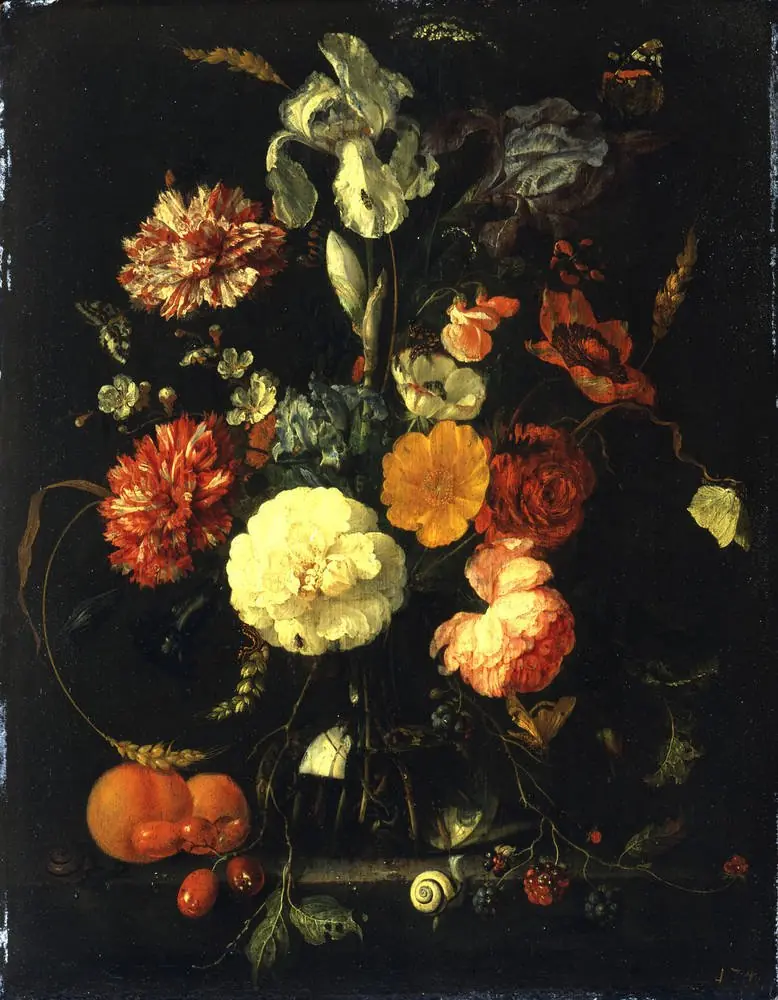 Bouquet with Blue Iris in a Glass Vase
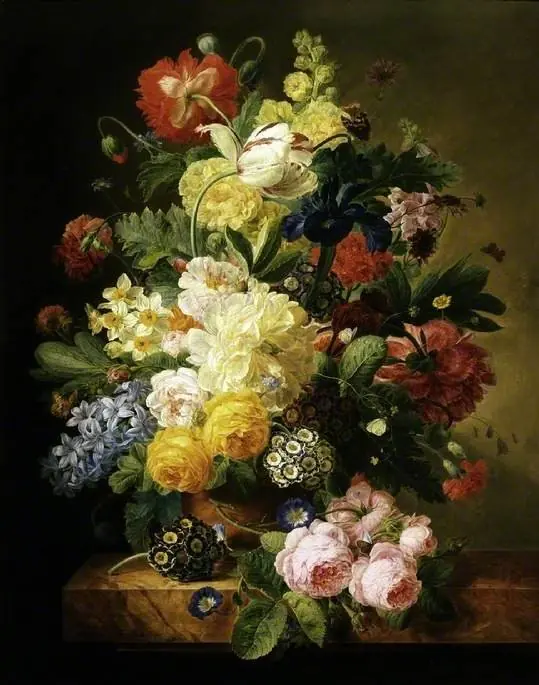 Vase of flowers
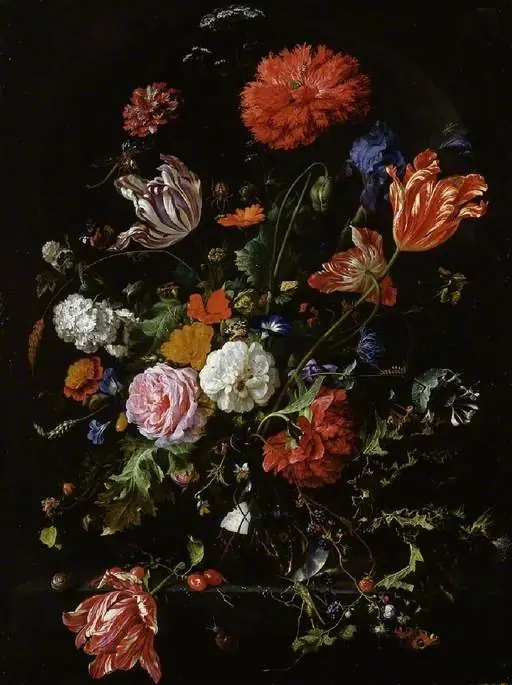 Flowers in a glass vase
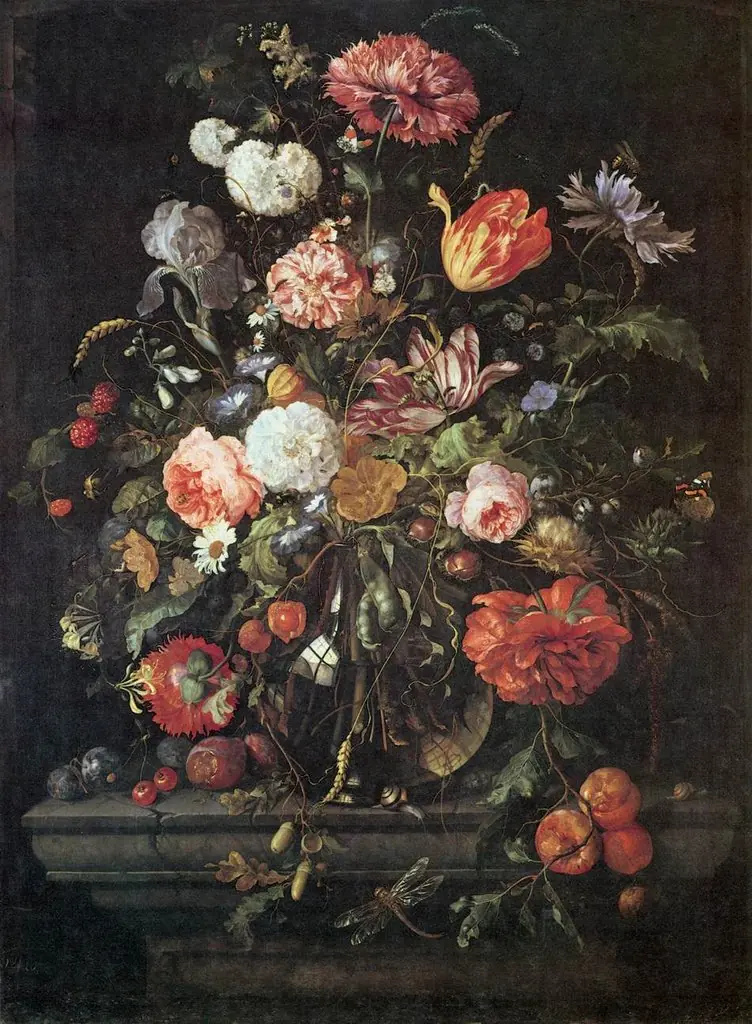 Flowers in a Glass Bowl
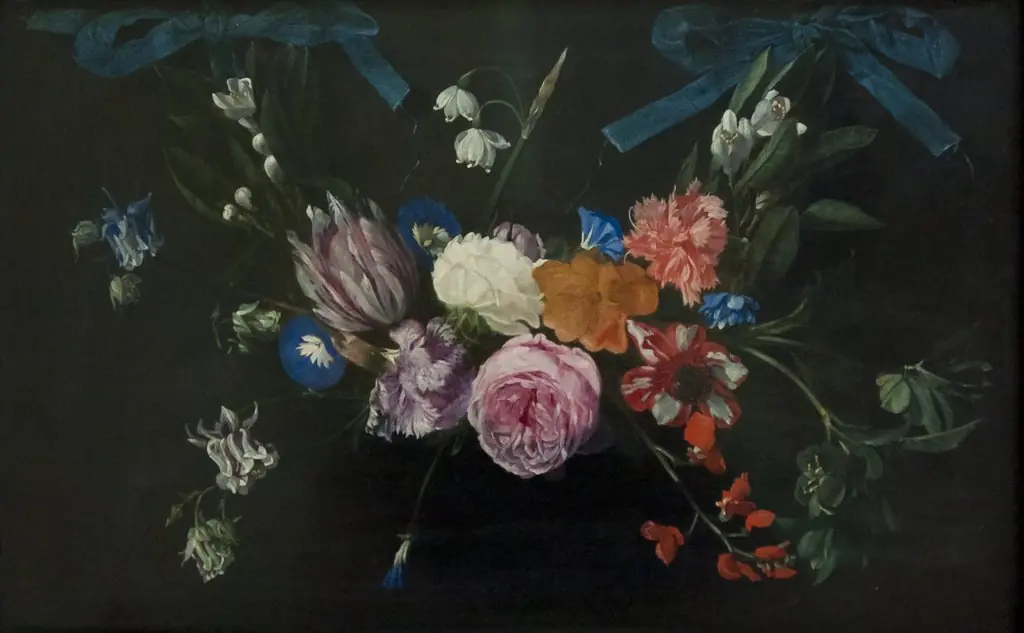 Flower garland
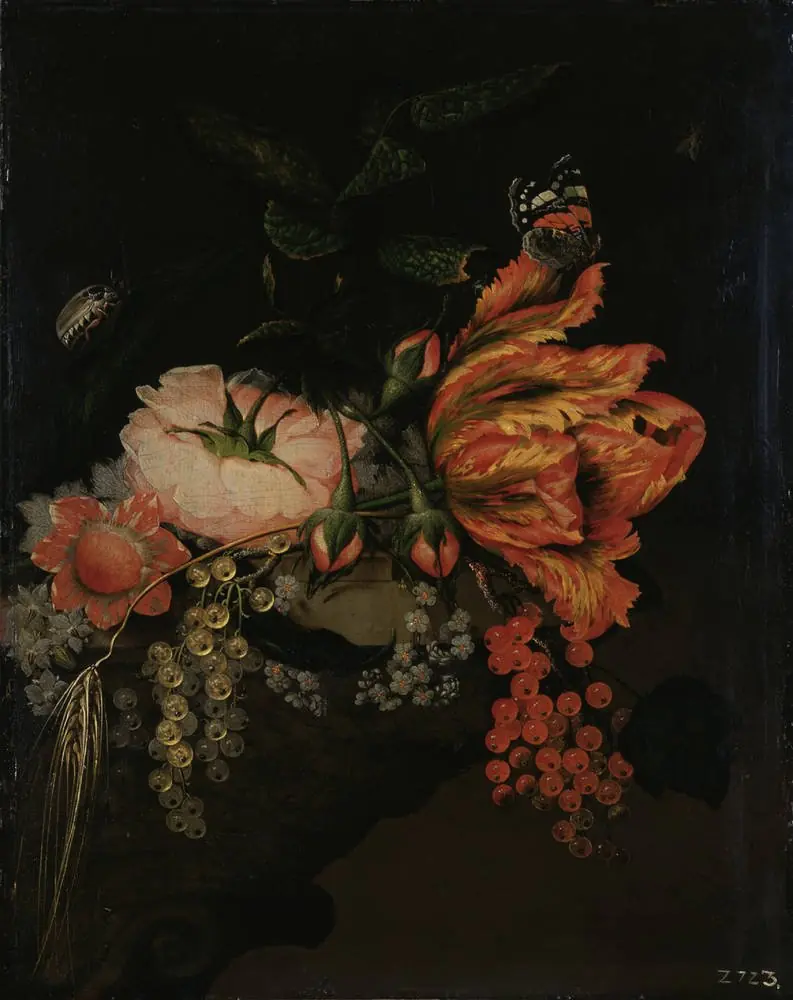 Fruit and Flowers
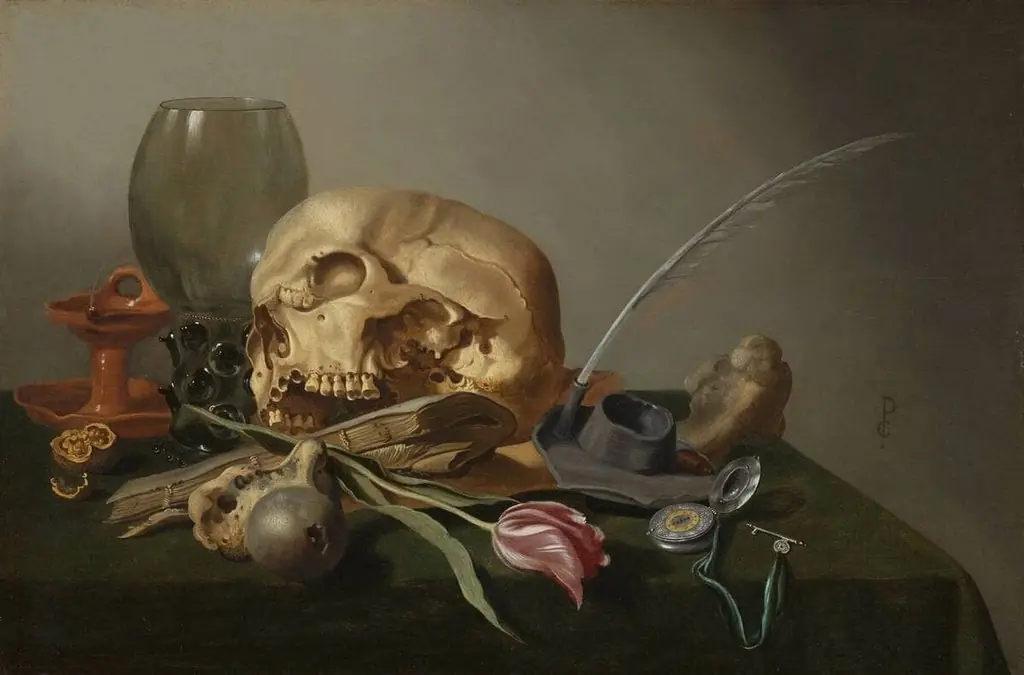 Vanitas, circa 1630
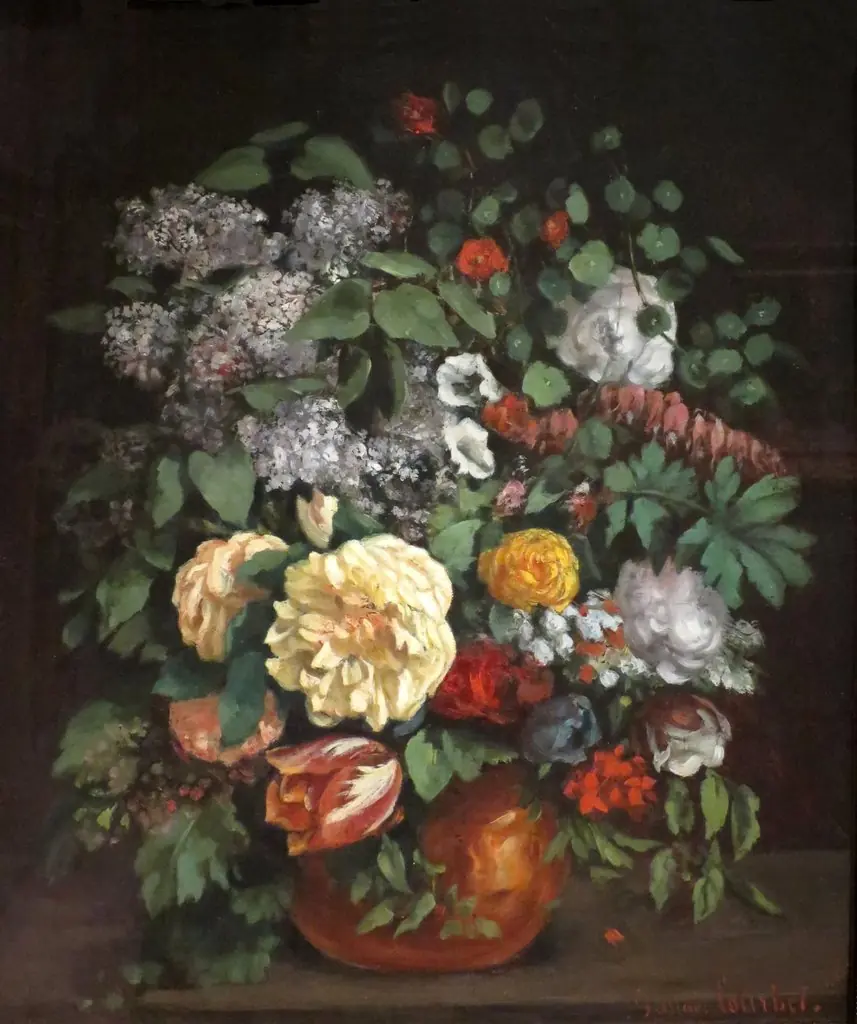 Vase of Lilacs, Roses, and Tulips
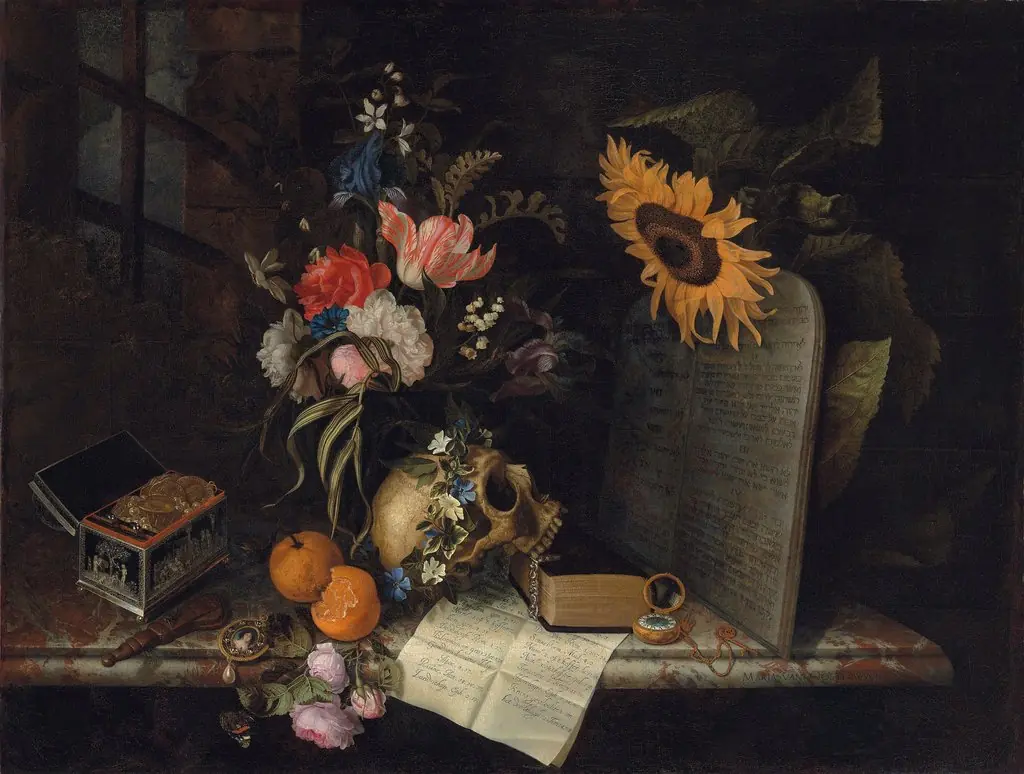 Vanitas Still Life with a Sunflower
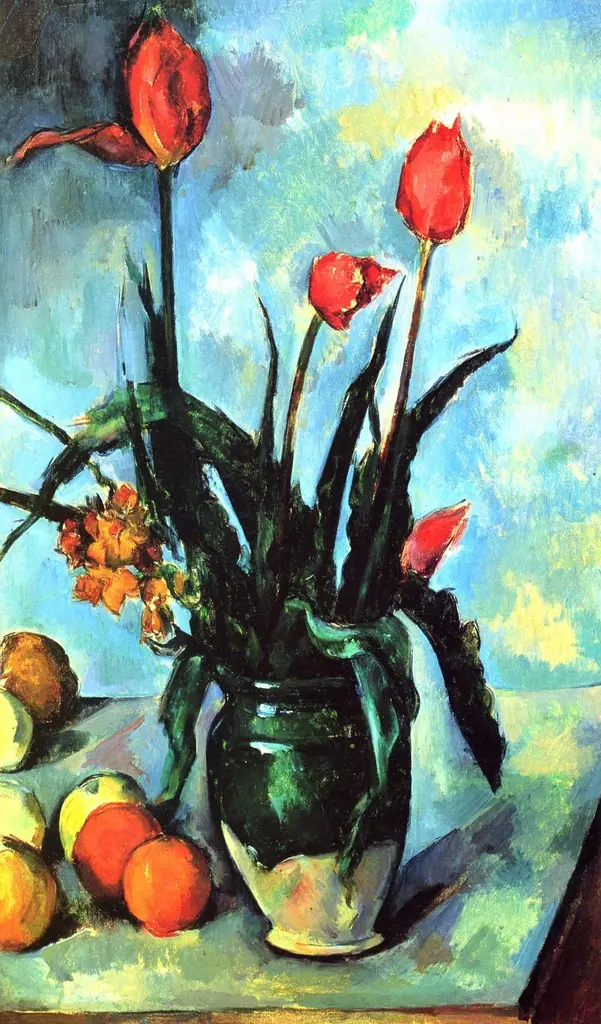 Le Vase de tulipes (Tulipes in a Vase)
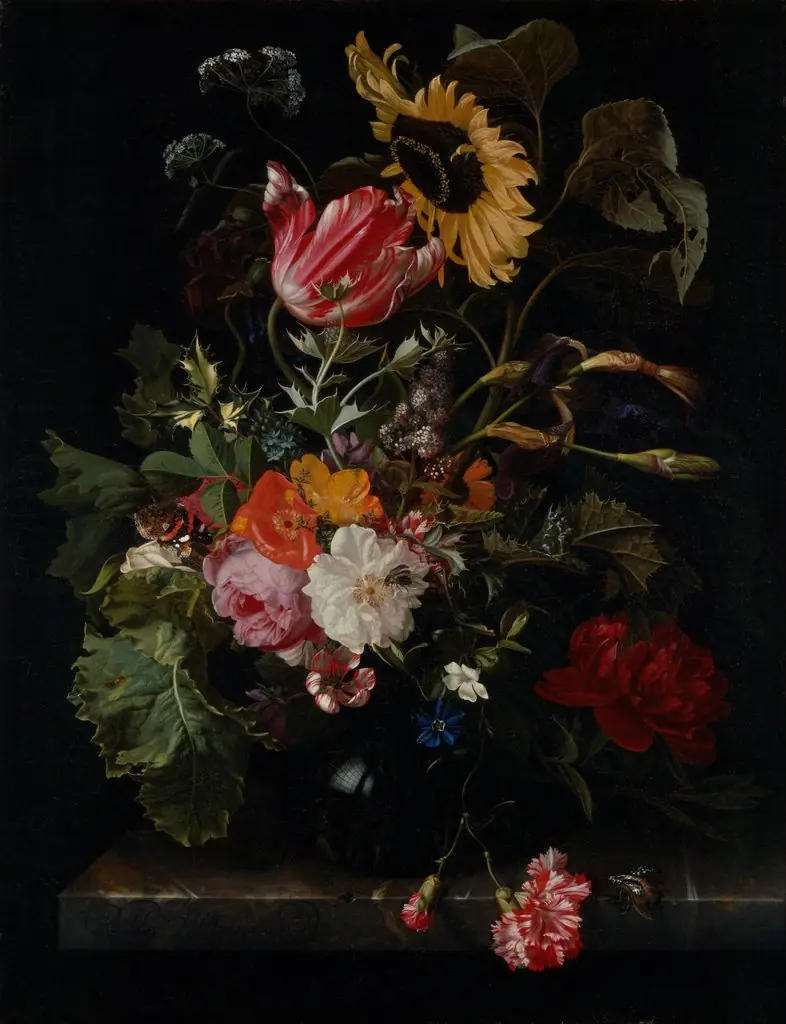 Bouquet of Flowers in a Vase
Frequently asked questions
What is Tulip?
Tulip is a given name and a surname which may refer to:
How many Tulip works does Artifact World Gallery have?
Artifact World Gallery holds 40 public-domain Tulip works, all free to view and download.
Who are the key Tulip artists?
Key Tulip artists in the collection include Gustave Courbet, Jean Léon Gérôme and Peter Binoit.
Where can I see Tulip works?
Tulip works in the collection are held by Metropolitan Museum of Art, Fitzwilliam Museum and Staatliche Kunstsammlungen Dresden.