Artwork
Plate 14: Spoonbill Crane and Flamingo
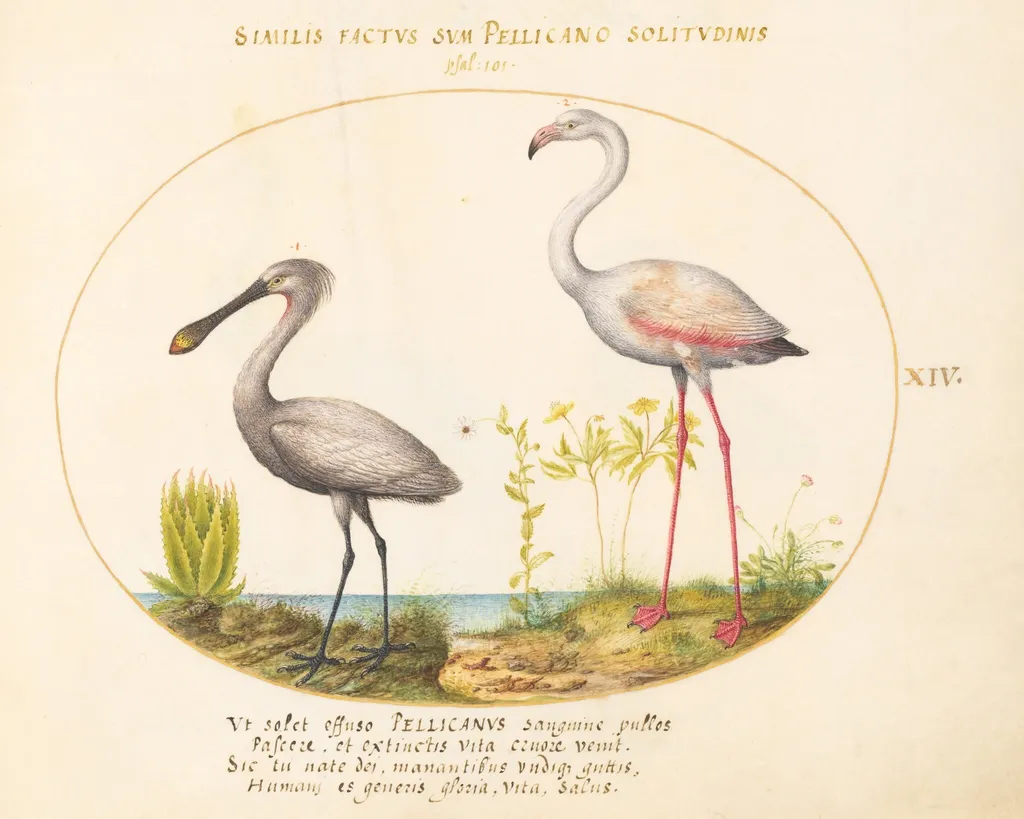
Plate 14: Spoonbill Crane and Flamingo is a gouache drawing by the Renaissance artist Joris Hoefnagel. It dates from 1594 and is held in the collection of the National Gallery of Art.
- Inscription
- Inscribed:Upper center in (gold?): SIMILIS FACTVS SVM PELLICANO SOLITVDINIS / psal:101. (“I am like a pelican of the wilderness.” Psalms 101:7) (Latin Vulgate Bible); center right in (gold?): XIV.; birds in image numbered .1. and .2., in red ink; lower center in brown ink: Vt solet effuso PELLICANVS sanguine pullos / Pascere, et extinctis vita cruore venit. / Sic tu nate dei, manantibus undiq[ue] guttis. Humanji es generis gloria, vita, salus. Facing page: Upper center in blue/black (?) ink: .2. / Dat mihi penna rubens nomen: sed lingua gulosis / Nostra placet; quid si garrula lingua foret?; lower center in violet ink: Et Scythicae volucres, et PHOENICOPTERVS ingens / Et getulus Orix, hebeti lautissima ferro / C[a]editur.
About this work
Overview
Plate 14: Spoonbill Crane and Flamingo is a watercolor and gold paint work on parchment created by Joris Hoefnagel around 1594.
Technique & Style
The artwork showcases Hoefnagel's skill in manuscript illumination, combining detailed naturalistic depiction with ornamental elements.
Subject & Meaning
The piece features a Spoonbill Crane and a Flamingo, reflecting Hoefnagel's interest in the natural world and his contribution to the study of flora and fauna.
Context
This work is part of a broader tradition of manuscript illumination that merged scientific observation with artistic skill in late 16th-century Europe.
Own this work as a print
Artist & collection

Artist
Joris Hoefnagel or Georg Hoefnagel (1542 – 24 July 1601) was a Flemish painter, printmaker, miniaturist, draftsman and merchant.

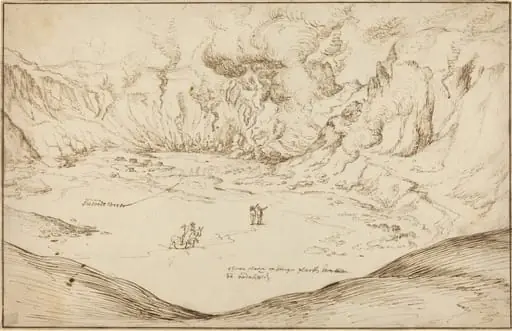 Forum Vulcani: The Hot Springs at Pozzuoli
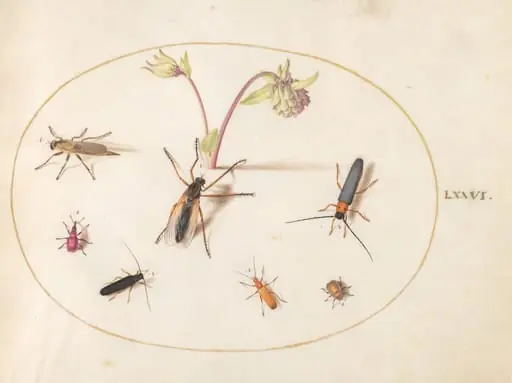 Plate 76: Insects with a Pink and Cream Columbine
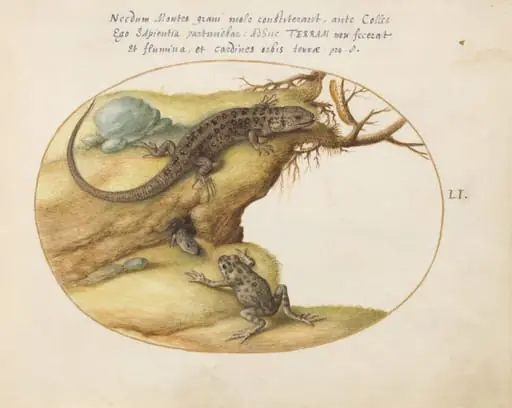 Plate 51: Two Sand Lizards, a Common Parsley Frog(?), and a Caterpillar
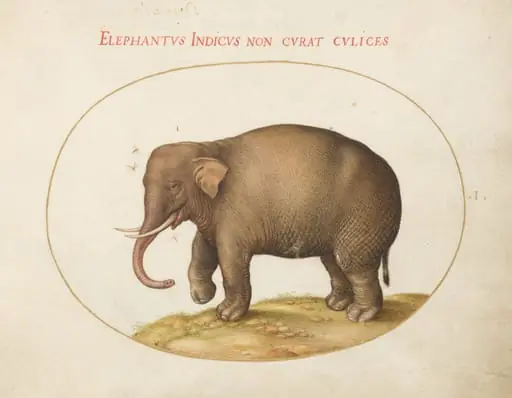 Plate 1: Elephant with Insects
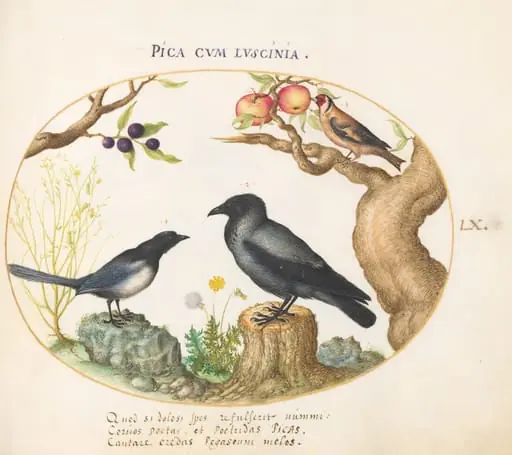 Plate 60: Magpie, Crow, and Goldfinch
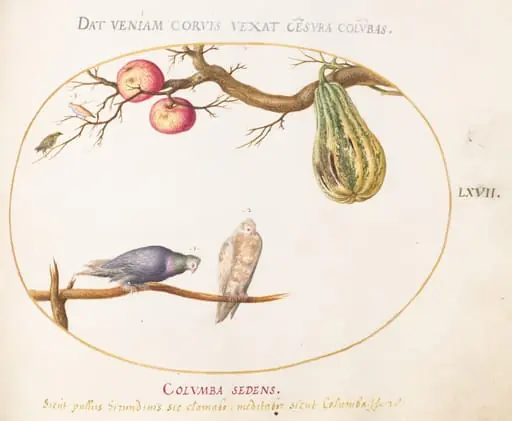 Plate 67: Two Doves beneath a Gourd and Apples
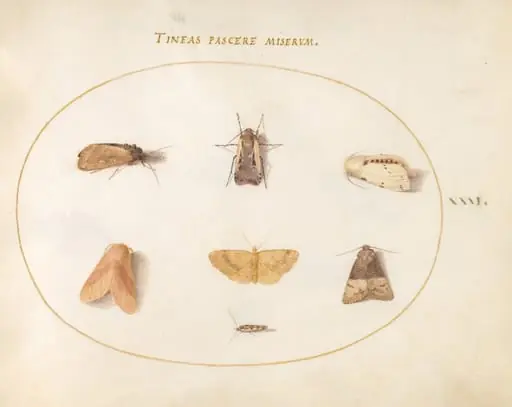 Plate 31: Seven Moths
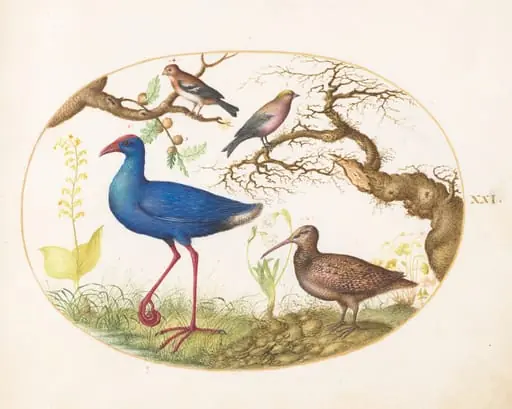 Plate 21: Swamp Hen and Woodcock with a Streaked Rosefinch, a Finch, and Oak Galls
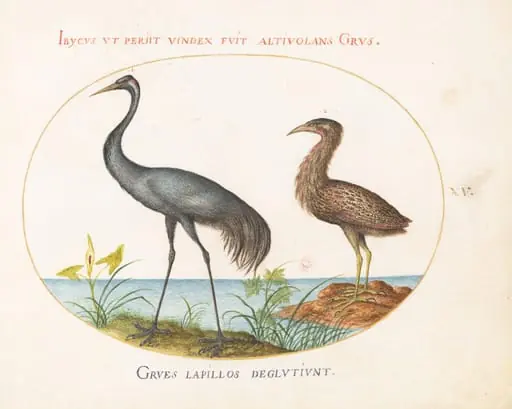 Plate 15: Common Crane and Bittern(?)
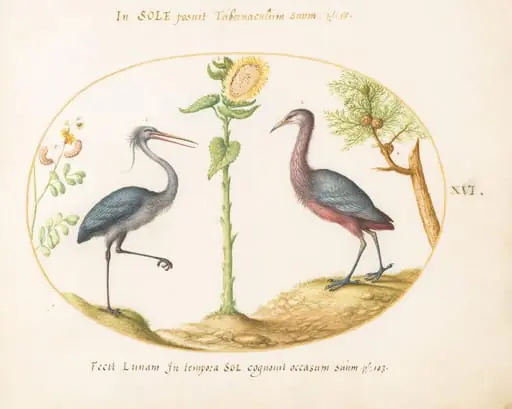 Plate 16: Gray Heron and Purple Heron(?) with a Sunflower
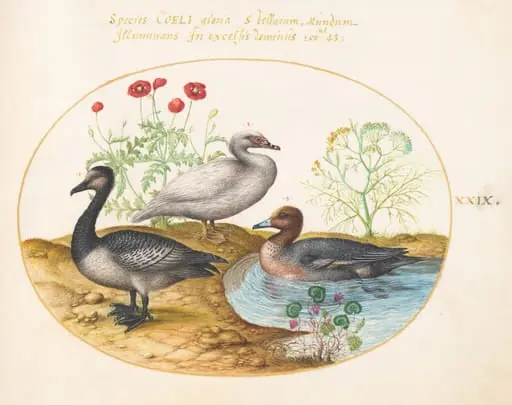 Plate 29: Geese with Poppies and a Cyclamen
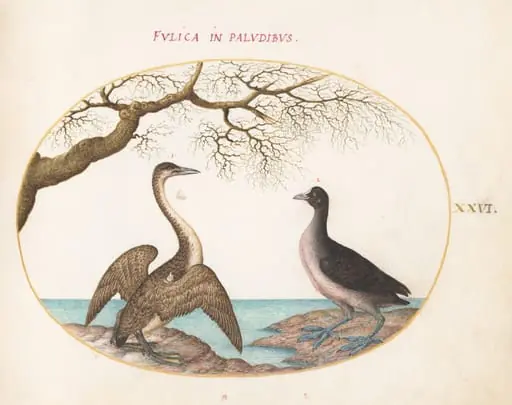 Plate 26: Cormorant and Coot
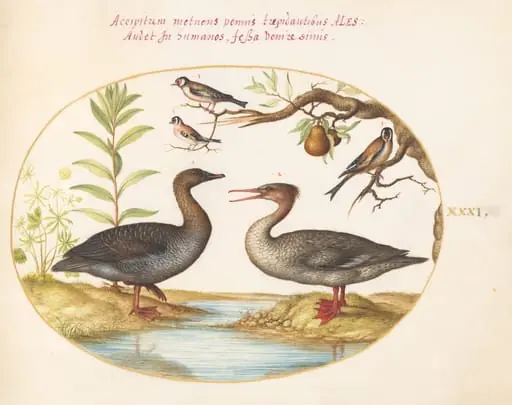 Plate 31: Duck, Merganser, and Three Goldfinches
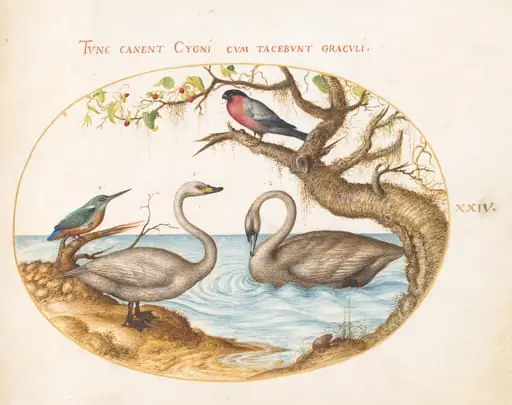 Plate 24: Two Swans, a Kingfisher, and a Bullfinch
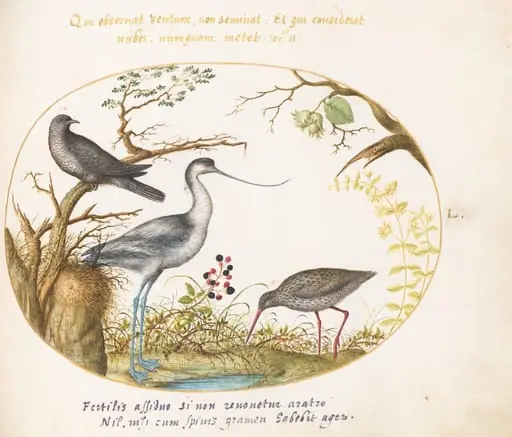 Plate 50: An Avocet with Two Other Birds
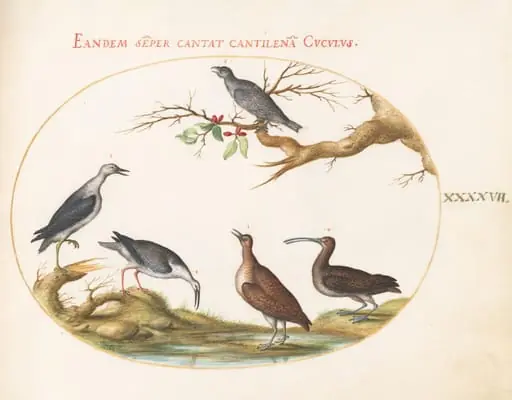 Plate 47: Shore Birds with a Perching Bird
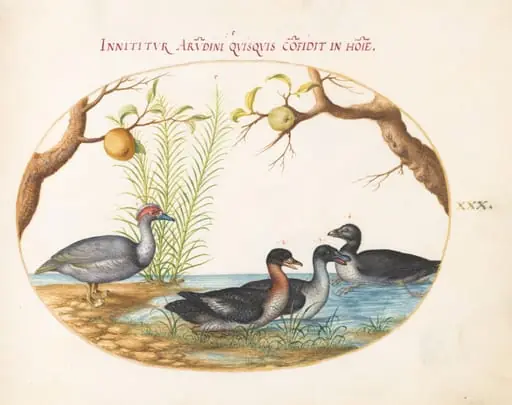 Plate 30: A Muscovy(?) Duck, a Four-Legged Duck, and Two Other Birds
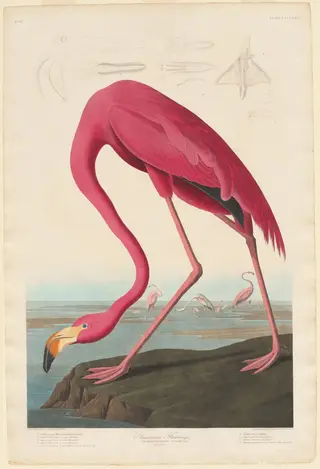 American Flamingo
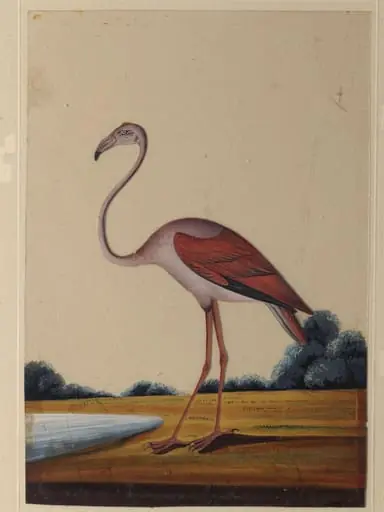 A flamingo