Artwork
Plate 26: Cormorant and Coot
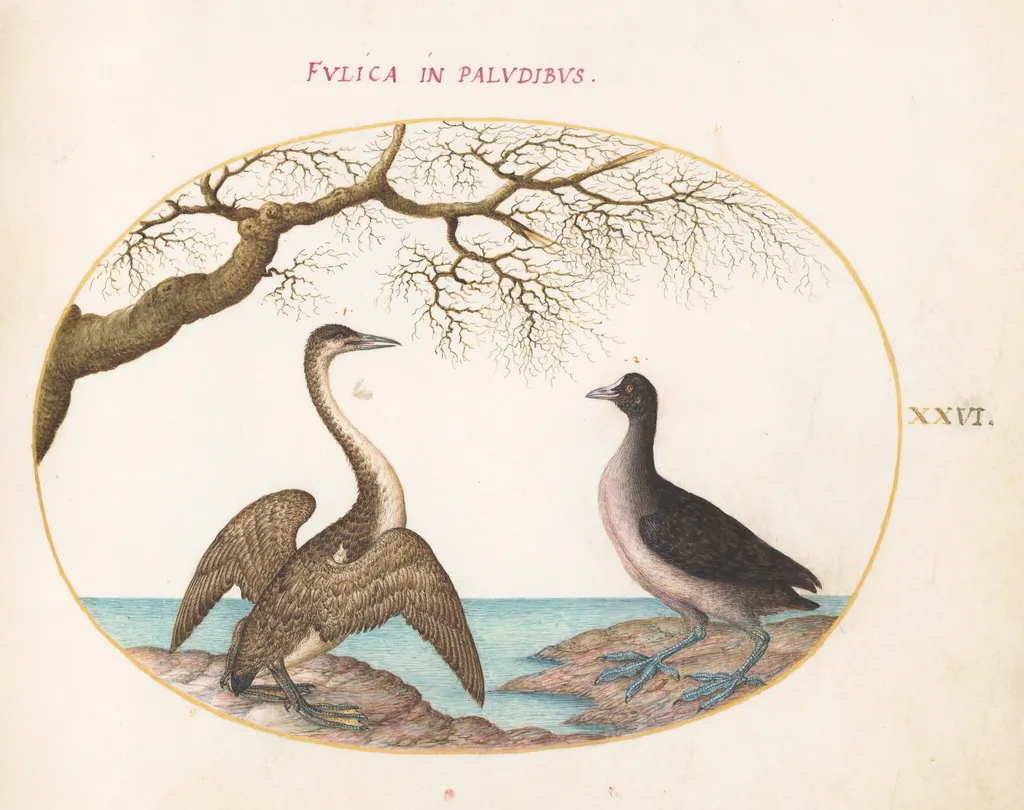
Plate 26: Cormorant and Coot is a gouache drawing by the Renaissance artist Joris Hoefnagel. It dates from 1594 and is held in the collection of the National Gallery of Art.
- Inscription
- Inscribed:Upper center in red/violet ink: FVLICA IN PALVIDIBVS.; center right in (gold?): XXVI.; birds in image numbered .1. and .2., in red ink Facing page: Upper center in black ink: Flectitur obsequio curnatus ab abore Ramus: / Franges: si vires experiare tuas.; lower center in red/violet ink: Laudate domini COELI caelorum, et aqu[a]e qu[a]e super / Coelos sunt laudent nomen domini.ps:148. (“Praise the Lord you heavens of heavens and let all the waters that are above the heavens praise the name of the Lord.” Psalms 148:4-5) (Latin Vulgate Bible)
About this work
Overview
Created around 1594, Plate 26: Cormorant and Coot is a small-scale watercolor and gold‑paint work on parchment by the Flemish artist Joris Hoefnagel. The drawing belongs to a series of natural‑history illustrations that combine scientific observation with the decorative conventions of manuscript illumination.
Subject & Meaning
The image presents two waterbirds, a long‑necked cormorant with outstretched wings and a smaller, darker coot perched on a rock, set against a light sky and a sparsely branched tree. A Latin heading translates as “birds in marshes,” indicating the work’s intent as a study of wet‑land fauna.
Technique & Style
Hoefnagel employed delicate watercolor washes for flesh tones and plumage, while fine gold leaf outlines accentuate the tree’s twigwork and add a luminous quality. The rendering shows meticulous attention to anatomical detail, characteristic of late‑Renaissance naturalists who blended observation with ornamental flair.
History & Provenance
As one of the final examples of manuscript illumination in the Low Countries, the drawing reflects Hoefnagel’s transition from illuminated books to independent natural‑history prints. It was likely produced for a private collector’s compendium of flora and fauna, a format popular among aristocratic patrons in the late sixteenth century.
Context
Hoefnagel’s bird studies contributed to the emergence of Northern European still‑life and botanical illustration, influencing artists who later specialized in detailed floral and animal subjects. His work bridges the medieval tradition of illuminated bestiaries and the more empirical approach of early modern natural history.
Own this work as a print
Artist & collection

Artist
Joris Hoefnagel or Georg Hoefnagel (1542 – 24 July 1601) was a Flemish painter, printmaker, miniaturist, draftsman and merchant.

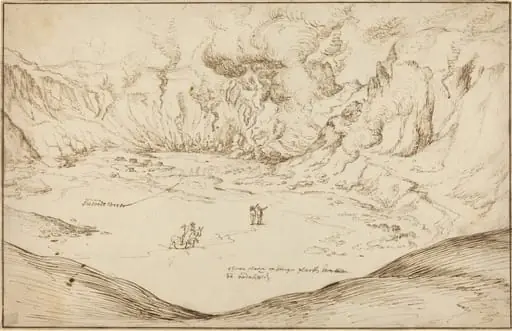 Forum Vulcani: The Hot Springs at Pozzuoli
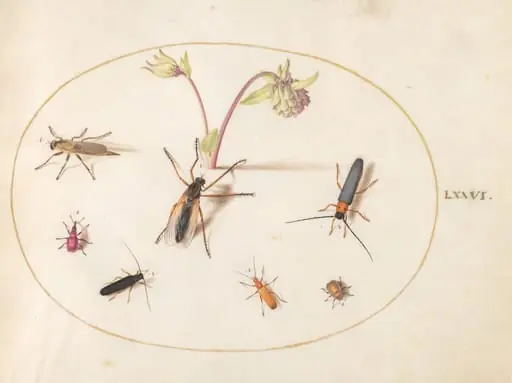 Plate 76: Insects with a Pink and Cream Columbine
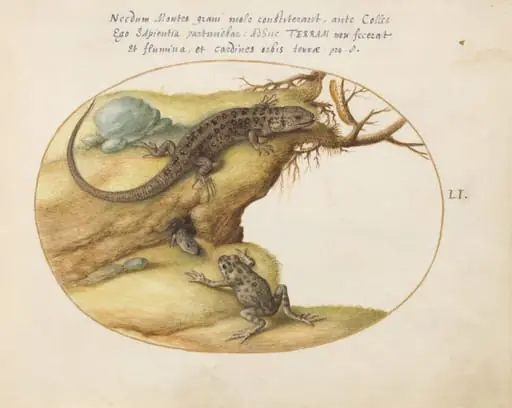 Plate 51: Two Sand Lizards, a Common Parsley Frog(?), and a Caterpillar
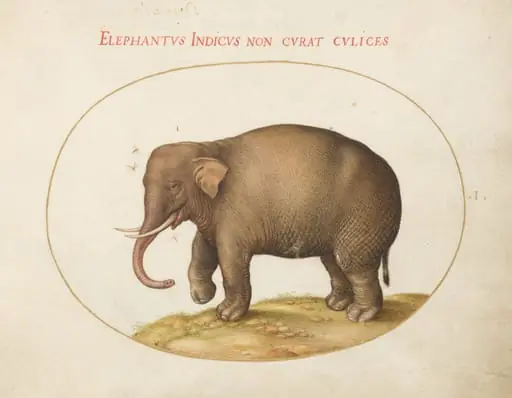 Plate 1: Elephant with Insects
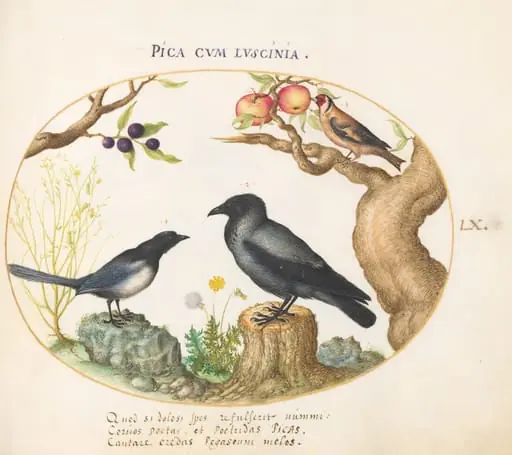 Plate 60: Magpie, Crow, and Goldfinch
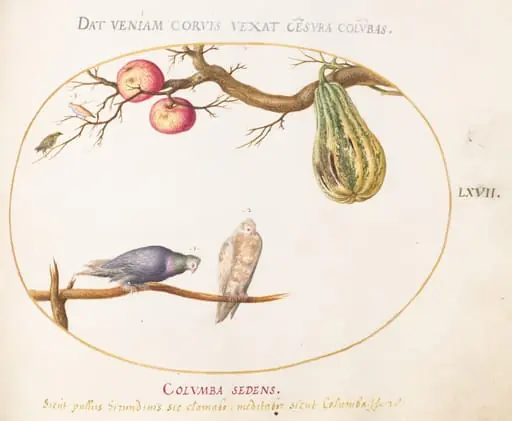 Plate 67: Two Doves beneath a Gourd and Apples
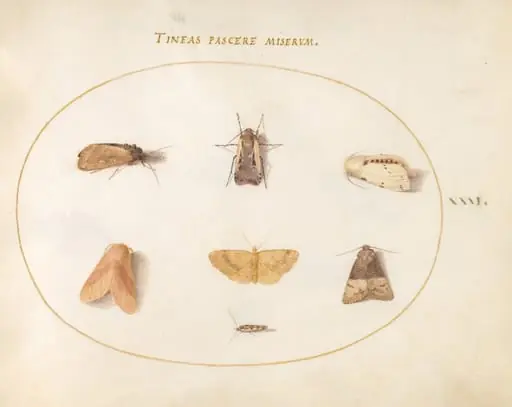 Plate 31: Seven Moths
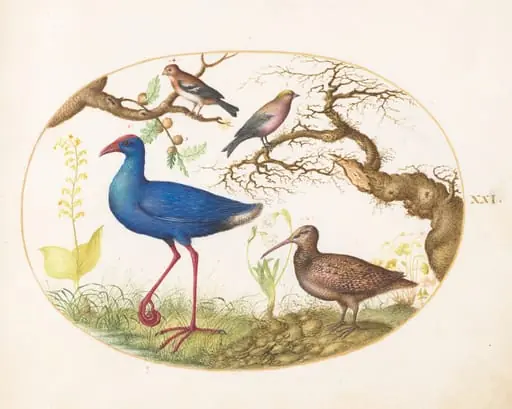 Plate 21: Swamp Hen and Woodcock with a Streaked Rosefinch, a Finch, and Oak Galls
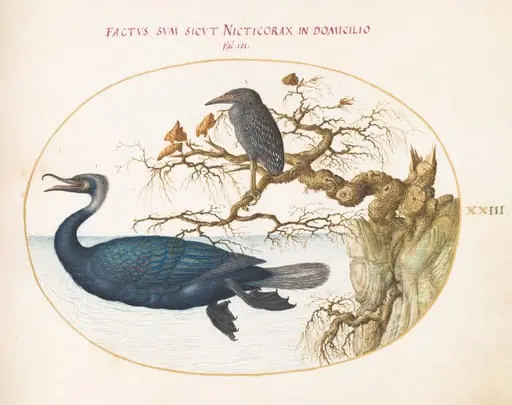
- Plate 23: A Brandt's Cormorant with a Juvenile Crowned Night Heron
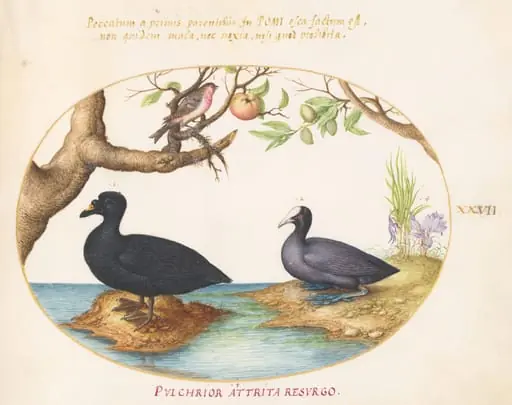 Plate 27: A Common Scoter, a Eurasian Coot, and a Rosefinch(?)
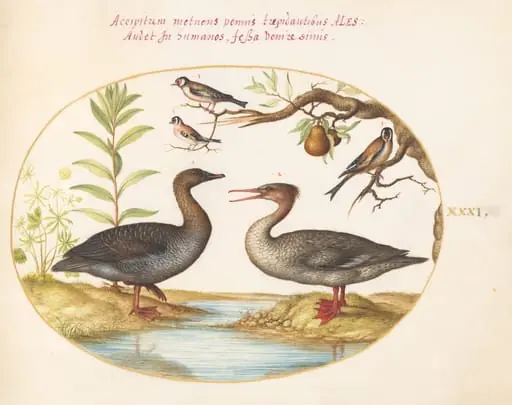 Plate 31: Duck, Merganser, and Three Goldfinches
 Plate 14: Spoonbill Crane and Flamingo
 Violet-green Cormorant and Townsend's Cormorant
 Plate 30: A Muscovy(?) Duck, a Four-Legged Duck, and Two Other Birds
 Plate 24: Two Swans, a Kingfisher, and a Bullfinch
 Plate 50: An Avocet with Two Other Birds
 Plate 20: A Plover with Four Other Birds