Artwork
Plate 22: Mullet, Flying Fish, Eels, and Other Fish
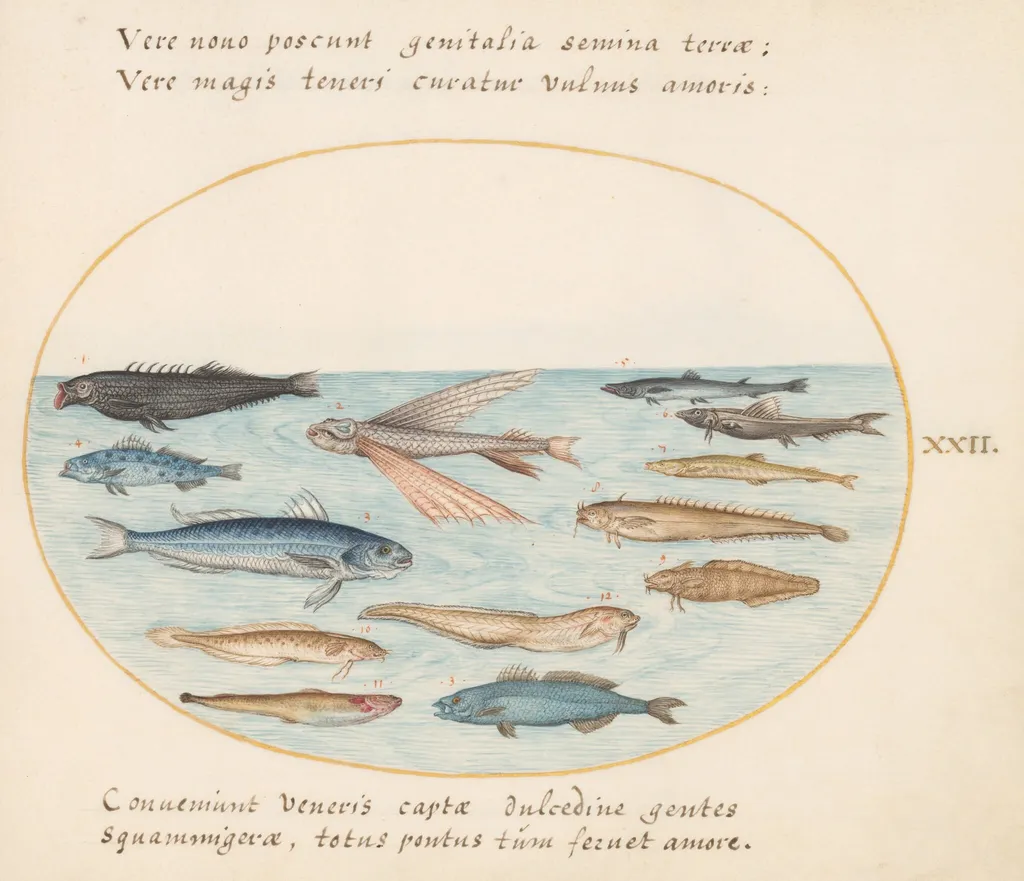
Plate 22: Mullet, Flying Fish, Eels, and Other Fish is a gouache drawing by the Renaissance artist Joris Hoefnagel. It dates from 1594 and is held in the collection of the National Gallery of Art.
- Inscription
- Inscribed:upper center in brown ink: Vere nono poscunt genitalia semina terrae: / Vere magis teneri curatur vulnus amoris:; fish in image numbered .1., .2., .3., .4., 5., .6., .7., .8., .9., .10., .11., and .12.; center right in (gold?): XXII.; lower center in brown ink: Conveniunt veneris captae dulcedine gentes / squammigerae, totus pontus tum fernet amore. Facing page: upper center in blue ink: Mirabiles elationes maris / mirabilis in illis dominus / ps: 92 (“Wonderful are the surges of the sea; wonderful is the Lord on high” Psalms 92:4) (Latin Vulgate Bible); lower center in red ink: Omnia flumina intrant in mare, et mare non redundat: / Ad locu[m] unde exeunt flumina, revertuntur, ut iterum / fluant: Ecc[es]1. (“All the rivers run into the sea, yet the sea does not overflow: unto the place from whence the rivers come, they return, to flow again.” Ecclesiastes 1:7) (Latin Vulgate Bible)
About this work
Overview
Created around 1594, Plate 22: Mullet, Flying Fish, Eels, and Other Fish is a watercolor and gold paint drawing on parchment by Flemish artist Joris Hoefnagel, exemplifying his natural history illustration expertise.
Subject & Meaning
The drawing depicts a diverse array of fish species in a circular arrangement, showcasing Hoefnagel’s meticulous observation of marine life and his role in advancing naturalistic representation in northern European art.
Technique & Style
Hoefnagel employed watercolor for the primary composition and gold paint for accents, achieving a blend of naturalism and elegance on the parchment substrate, characteristic of his illustrative approach.
History & Provenance
While the exact commission or original context of Plate 22 is not detailed here, its creation circa 1594 places it within Hoefnagel’s period of contributing to scientific and topographical illustration developments.
Context
This work is part of the broader Renaissance movement, reflecting the era’s growing interest in scientific accuracy and natural history. For deeper insight, comparing it with contemporaneous naturalist artworks could provide further context.
Legacy
Plate 22 contributes to Hoefnagel’s legacy in natural history and scientific illustration, influencing the development of floral and natural subject painting in northern Europe during the late Renaissance.
Own this work as a print
Artist & collection

Artist
Joris Hoefnagel or Georg Hoefnagel (1542 – 24 July 1601) was a Flemish painter, printmaker, miniaturist, draftsman and merchant.

 Forum Vulcani: The Hot Springs at Pozzuoli
 Plate 76: Insects with a Pink and Cream Columbine
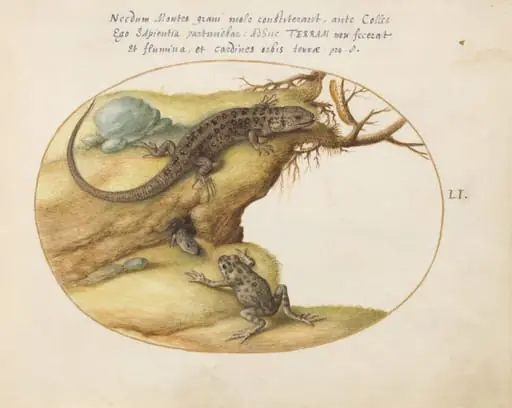 Plate 51: Two Sand Lizards, a Common Parsley Frog(?), and a Caterpillar
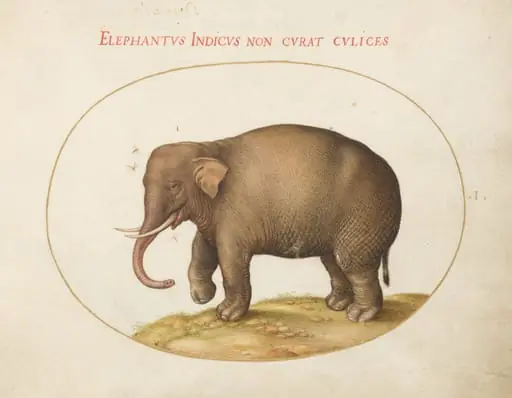 Plate 1: Elephant with Insects
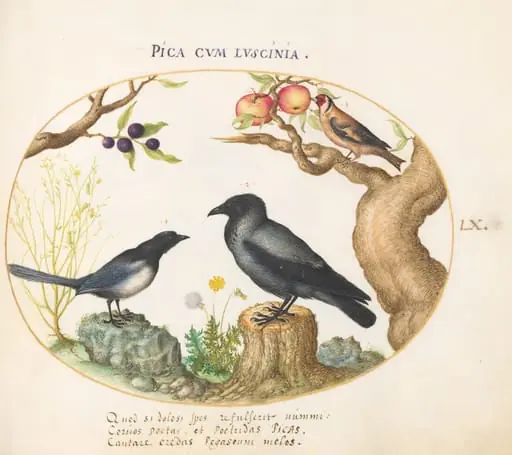 Plate 60: Magpie, Crow, and Goldfinch
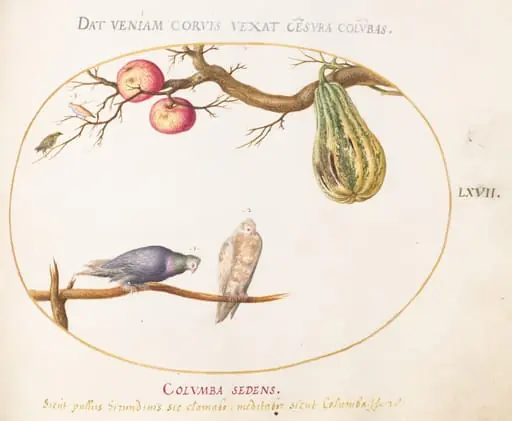 Plate 67: Two Doves beneath a Gourd and Apples
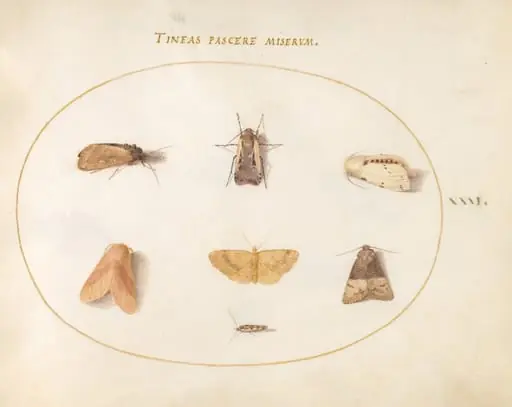 Plate 31: Seven Moths
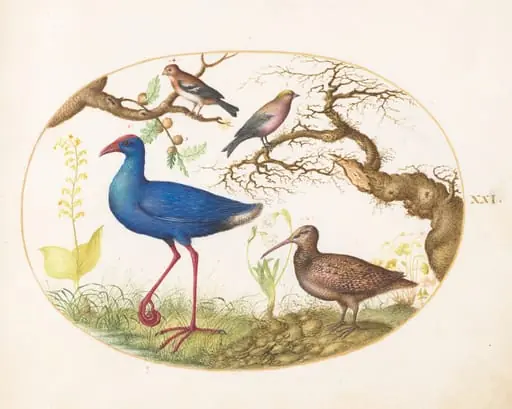 Plate 21: Swamp Hen and Woodcock with a Streaked Rosefinch, a Finch, and Oak Galls
- Plate 40: Salmon, Trout, and Freshwater(?) Fish
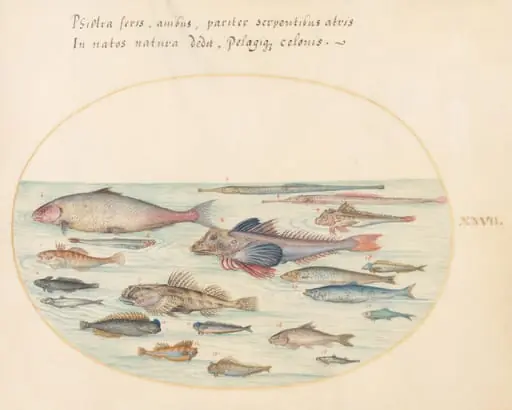 Plate 27: Blennies, Scorpion Fish, and Other Fish
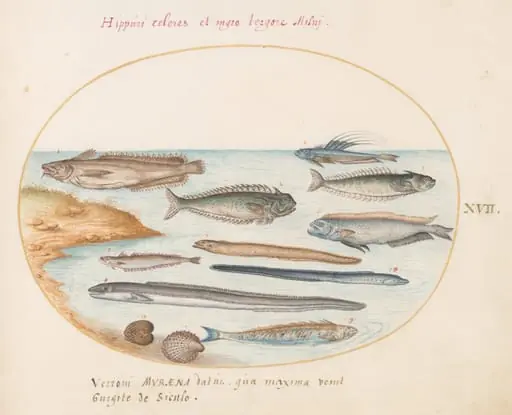 Plate 17: A Cod, Weever Fish, Eels, and Other Fish
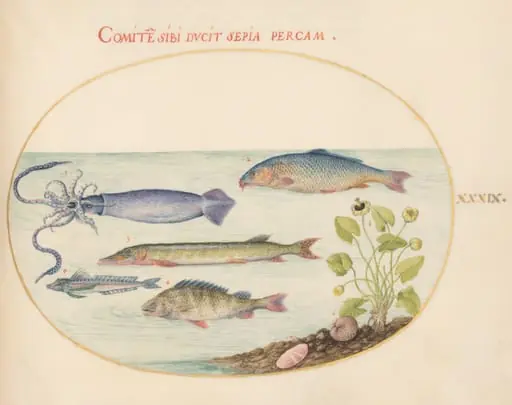 Plate 39: Squid, Gurnard, Pike, and Other Fish
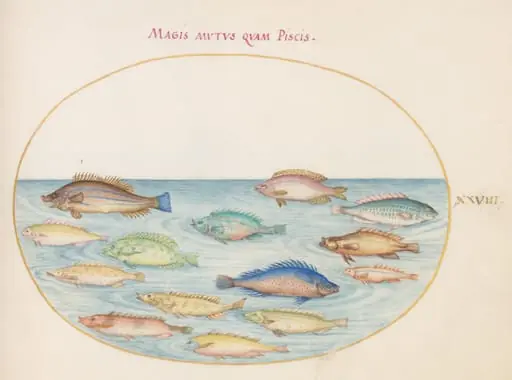 Plate 28: Sea Bream(?) and Other Fish
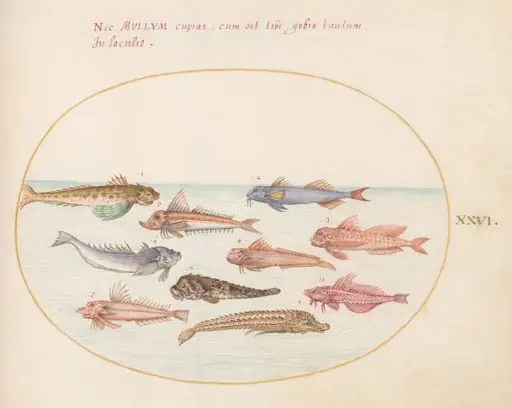 Plate 26: Gurnards, Dragonets, and Other Fish
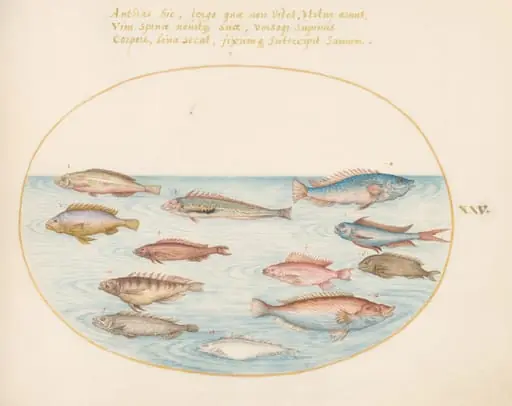 Plate 25: Mediterranean Rainbow Wrasse, Other Wrasse, a Swallowtail Sea Perch(?), Several "Anthiae," and Other Fish
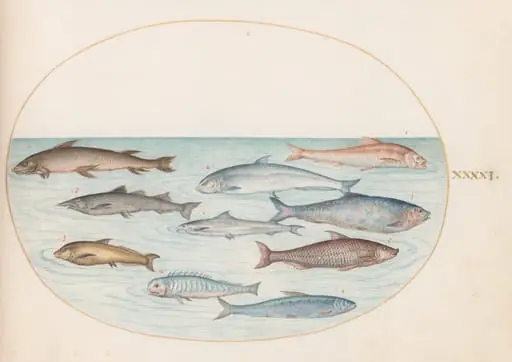 Plate 41: Whitefish(?) and Other Fish
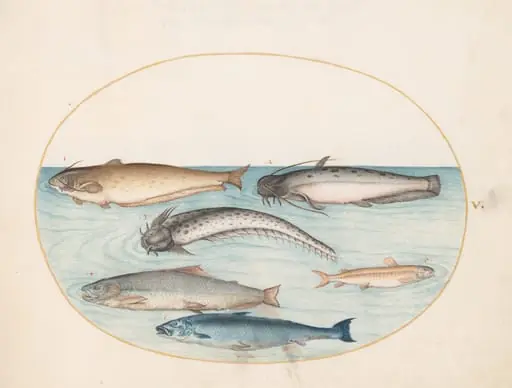 Plate 5: Three Catfish, a Salmon, and Two Other Fish
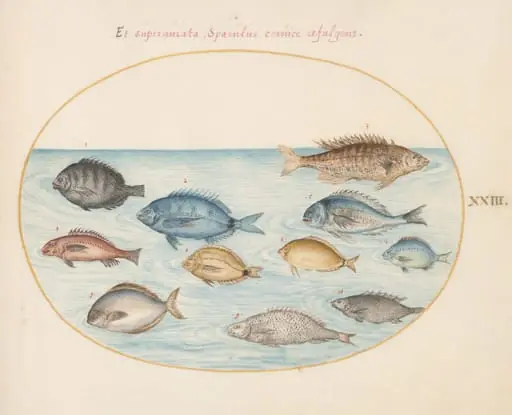 Plate 23: Bream(?) and Other Fish
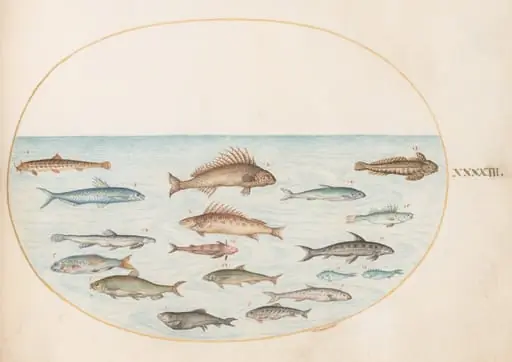 Plate 43: Fifteen Fish
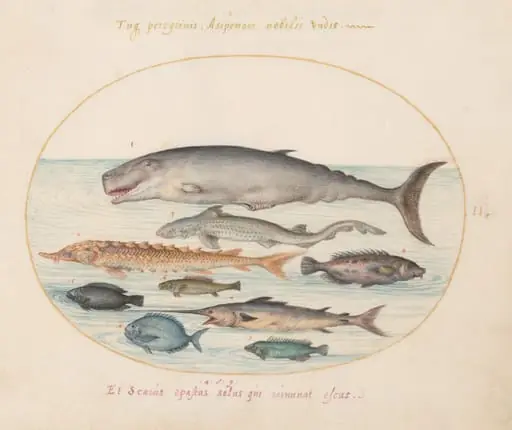 Plate 2: Sperm Whale, Sturgeon, Shark, and Other Fish