Artwork
Plate 38: Two Small Dogs with a Crown Imperial
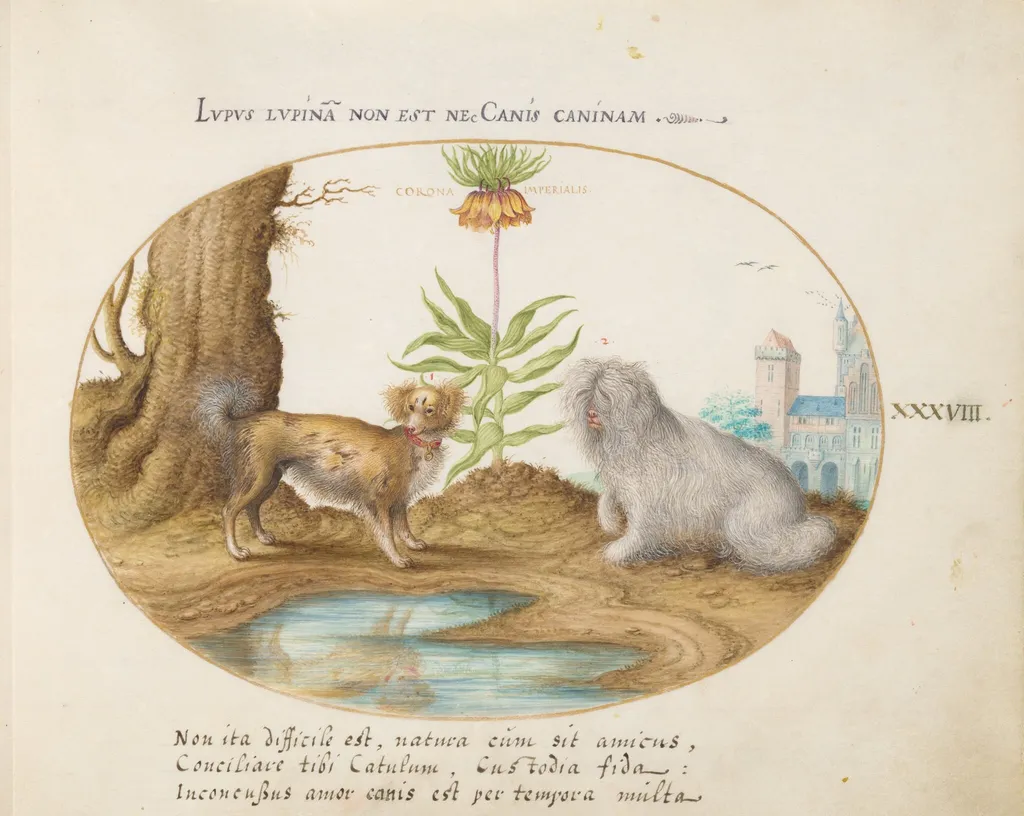
Plate 38: Two Small Dogs with a Crown Imperial is a gouache drawing by the Renaissance artist Joris Hoefnagel. It dates from 1594 and is held in the collection of the National Gallery of Art.
- Inscription
- Inscribed:upper center in black ink: LVPVS LVPINA[M] NON EST NEC CANIS CANINAM.; center right in (gold?): XXXVIII.; upper center of image on either side of plant in (gold?): CORONA IMPERIALIS.; animals in image numbered .1. and .2., in red ink; lower center in brown ink: Non ita difficile est, natura cum sit amicus, / Conciliare tibi Catulum, custodia fida: / Inconcussus amor canis est per tempora multa Facing page: upper center in brown ink: Iubilate Domino omnis Terra / cantate, exultate, et psallite.ps.97.(“Sing joyfully to God, all the earth; make melody, rejoice and sing.” Psalms 97:4) (Latin Vulgate Bible); lower center in brown ink: Rite Canis latrat: fallax vulpecula gannit / Glancitat et Catulus: et lepores vagiunt.
About this work
Overview
Plate 38: Two Small Dogs with a Crown Imperial is a watercolor and gold paint drawing on parchment created by Joris Hoefnagel around 1594. This work exemplifies Hoefnagel's contribution to the intersection of natural history illustration and decorative art.
Subject & Meaning
The piece features two small dogs alongside a Crown Imperial, reflecting Hoefnagel's meticulous study of flora and fauna. It blends detailed observation of nature with ornamental elements, characteristic of his style.
Technique & Style
Hoefnagel employed watercolor and gold paint on parchment, a technique common in manuscript illumination. His precise and decorative approach marks him as one of the last prominent manuscript illuminators.
History & Provenance
Created circa 1594, the work is now part of the collection at The National Gallery of Art in Washington, D.C., providing insight into Renaissance-era artistic practices.
Context
This piece was produced during the Renaissance, a time of resurgence in natural history studies and artistic innovation. It contributes to the early development of floral still-life painting in northern Europe.
Legacy
Plate 38 reflects Hoefnagel's influence on the blending of natural history illustration with decorative arts, leaving a legacy in the evolution of botanical and fauna-themed artworks in northern Europe.
Own this work as a print
Artist & collection

Artist
Joris Hoefnagel or Georg Hoefnagel (1542 – 24 July 1601) was a Flemish painter, printmaker, miniaturist, draftsman and merchant.

 Forum Vulcani: The Hot Springs at Pozzuoli
 Plate 76: Insects with a Pink and Cream Columbine
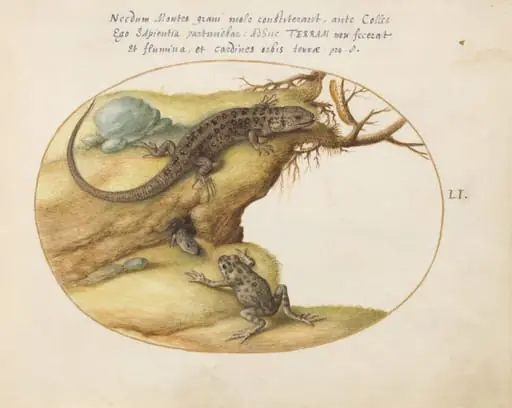 Plate 51: Two Sand Lizards, a Common Parsley Frog(?), and a Caterpillar
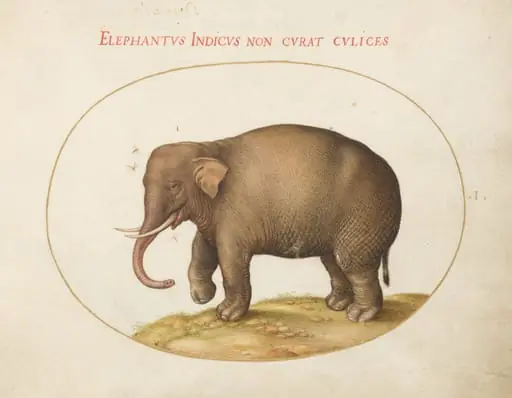 Plate 1: Elephant with Insects
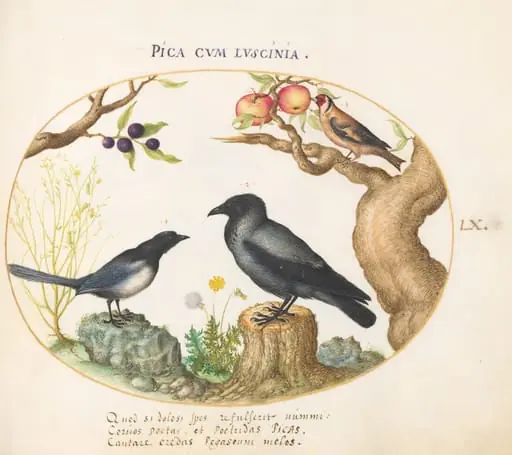 Plate 60: Magpie, Crow, and Goldfinch
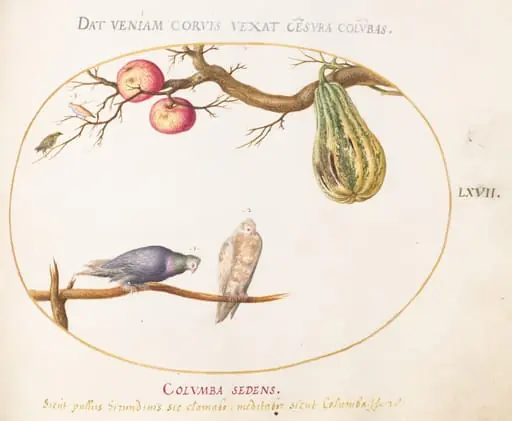 Plate 67: Two Doves beneath a Gourd and Apples
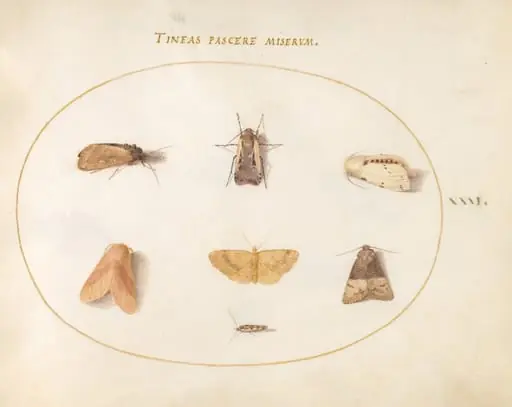 Plate 31: Seven Moths
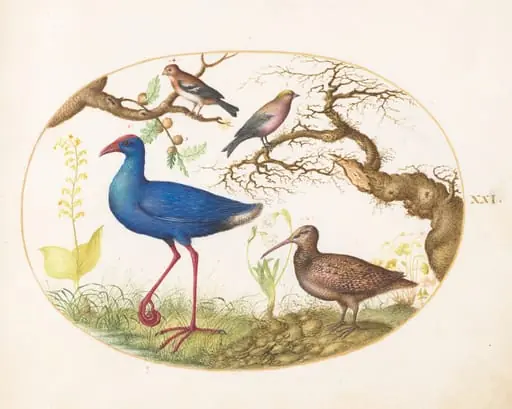 Plate 21: Swamp Hen and Woodcock with a Streaked Rosefinch, a Finch, and Oak Galls
- Plate 37: Two Spaniels with a Gourd
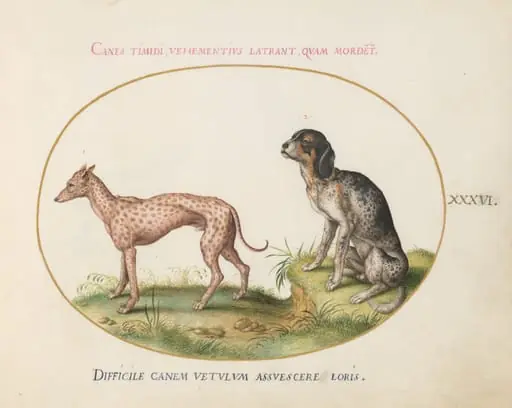 Plate 36: Two Spotted Hounds
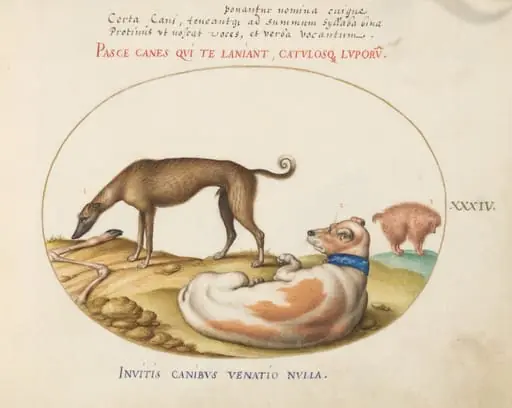 Plate 34: Three Dogs, Including a "Mimick"
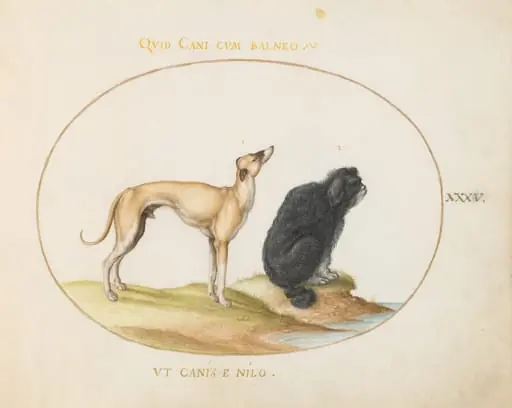 Plate 35: A Hound and a Water Spaniel
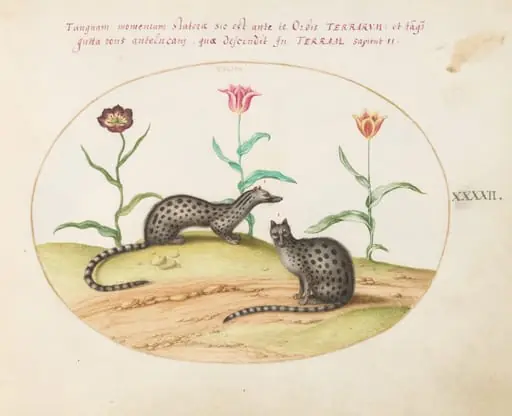 Plate 42: Two Genets or Civet Cats with Tulips
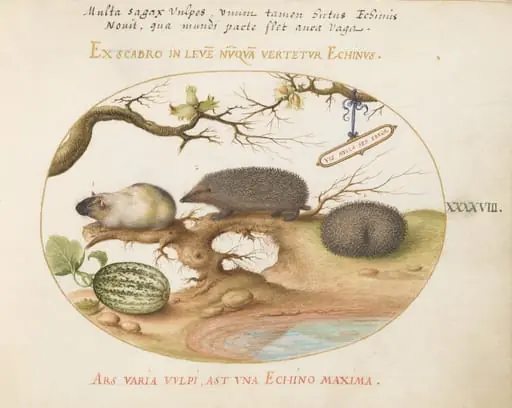 Plate 48: Guinea Pig and Hedgehogs with Melon and Cobnuts
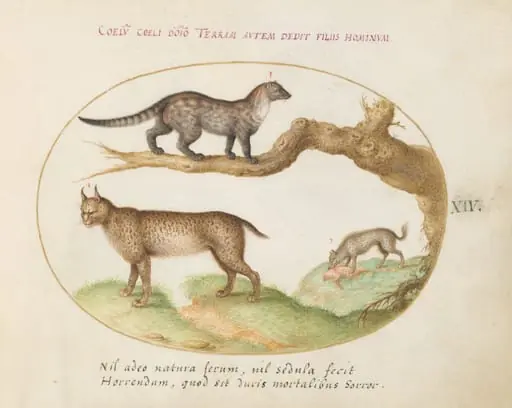 Plate 14: A Civet, a Lynx, and a Hyena Eating a Dog
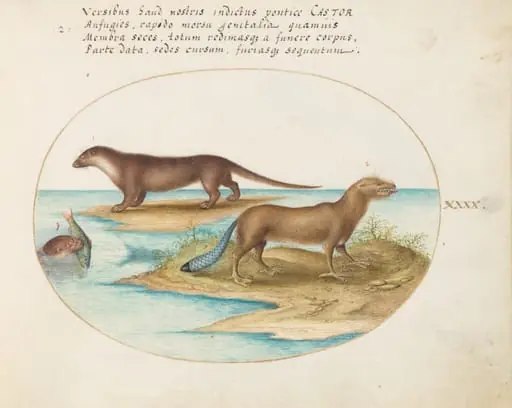 Plate 40: Two Otters and a Beaver
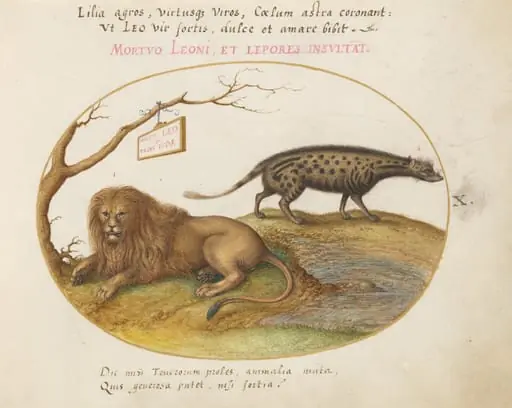 Plate 10: A Lion and a Civet Cat
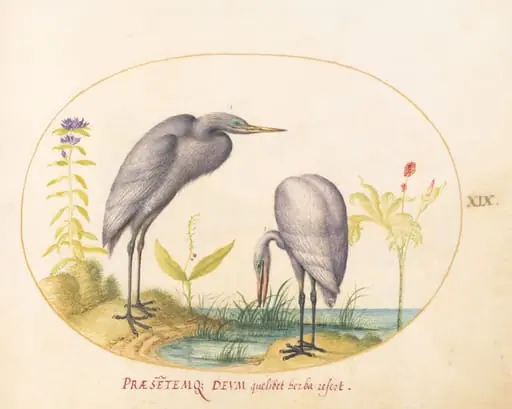 Plate 19: Two Great Egrets with Green Breeding Masks
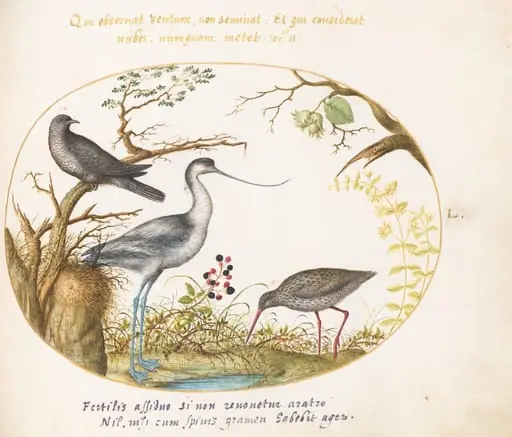 Plate 50: An Avocet with Two Other Birds
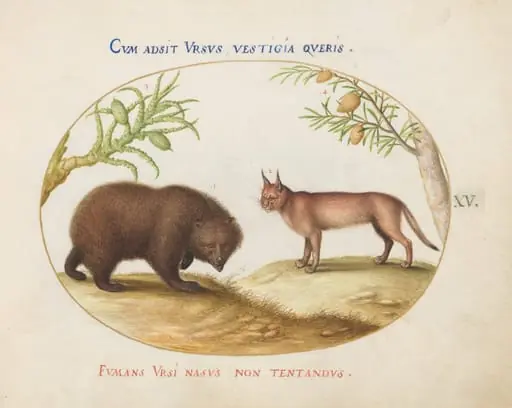 Plate 15: A Bear and a Lynx(?)