Artwork
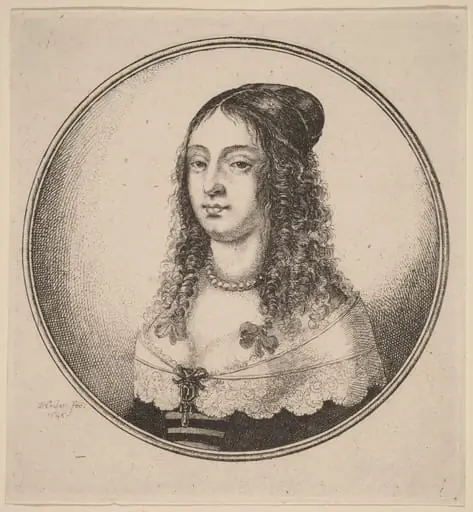
Woman of Antwerp
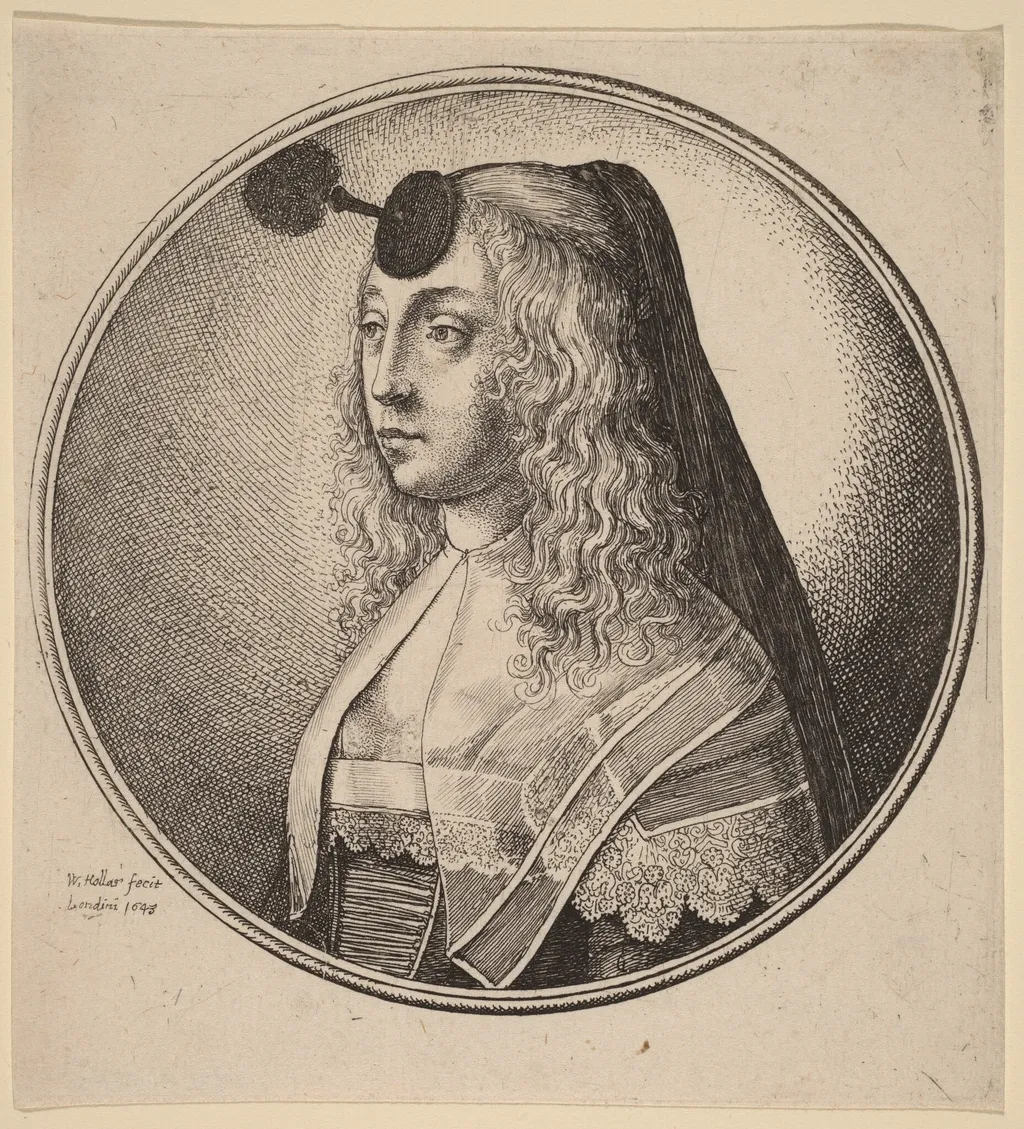
Woman of Antwerp is an ink print by the Baroque artist Wenceslaus Hollar. It dates from 1643 and is held in the collection of the National Gallery of Art.
About this work
Overview
Rendered in fine linear detail, the work belongs to a series of character studies Hollar produced during his travels, focusing on regional dress and demeanor.
Created in 1643 by Wenceslaus Hollar, a Czech-born artist active in England, this etching captures a woman from Antwerp in a tightly framed composition. Rendered in fine linear detail, the work belongs to a series of character studies Hollar produced during his travels, focusing on regional dress and demeanor. The image is monochrome, emphasizing texture and form through controlled engraving on metal.
Subject & Meaning
The figure is a local woman, identifiable by her distinctive Antwerp attire, including a stiff, ornate collar and patterned fabric. Her direct gaze and composed posture suggest a quiet dignity, avoiding theatricality. Hollar’s intent appears observational rather than narrative, documenting regional identity through costume and expression, reflecting 17th-century interest in ethnographic detail.
Technique & Style
Hollar employed etching to achieve intricate detail, using acid to bite fine lines into a metal plate. The texture of her hair, lace collar, and woven dress emerges from delicate, controlled strokes. The circular border focuses attention on the figure, while the plain background isolates her form. The technique favors precision over dramatic contrast, highlighting the artist’s mastery of line and surface.
History & Provenance
Hollar produced this work during a period of extensive travel across Europe, documenting urban life and local customs. Likely made while he was in the Southern Netherlands, the etching was part of a broader collection of costume studies circulated among collectors. Its survival in multiple institutional holdings suggests early recognition of its documentary value.
Context
In mid-17th-century Antwerp, a thriving commercial center, regional dress served as a marker of social and civic identity. Artists like Hollar, often employed by patrons interested in urban culture, compiled visual records of such details. This etching aligns with a European trend of cataloging regional types, blending artistic skill with anthropological curiosity.
Legacy
Hollar’s series of character studies, including this etching, influenced later generations of printmakers interested in portraiture and costume. Though not widely exhibited in his lifetime, these works became valued for their accuracy and restraint. Today, they remain key references for historians studying early modern dress and print culture.
Own this work as a print
Artist & collection
Artist
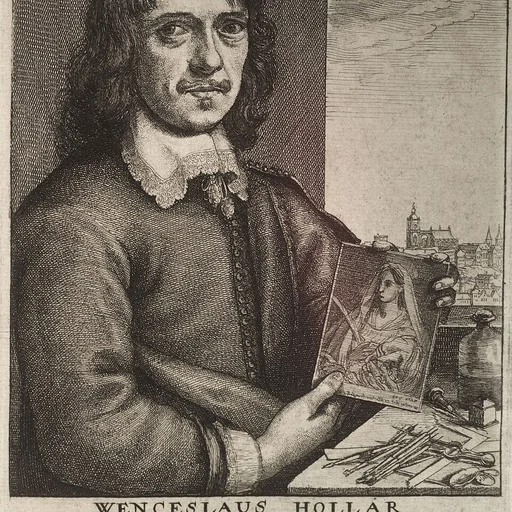
Wenceslaus Hollar (Czech: Václav Hollar (Czech pronunciation: ), German: Wenzel Hollar; 23 July 1607 – 25 March 1677) was a Czech engraver, etcher and painter.


 Lady with Ribbons on Curls
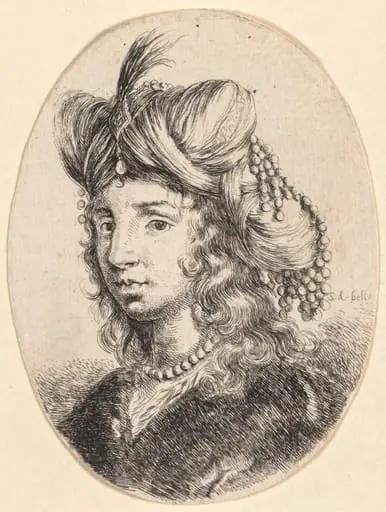 Several heads in the Persian style: Portrait, Sultana Wearing a Pearl Necklace and a Turban (Plusieurs têtes coiffées à la persienne)
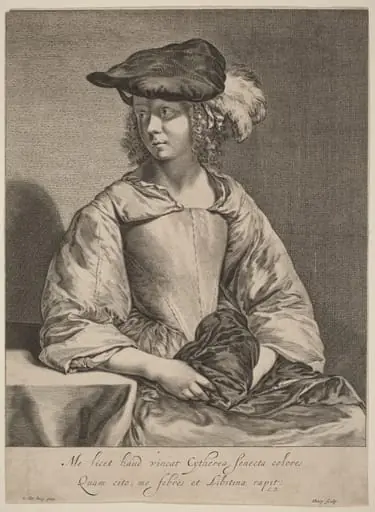 Girl in a Plumed Hat
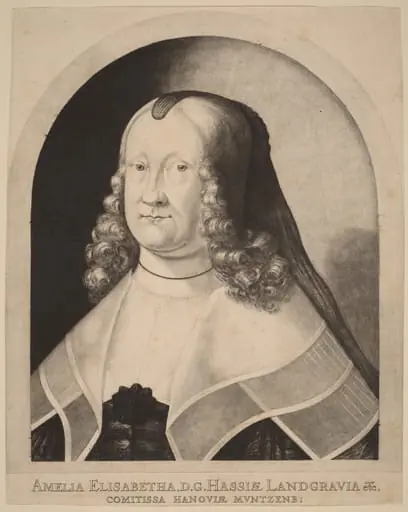 Amelia Elizabeth, Countess of Hesse
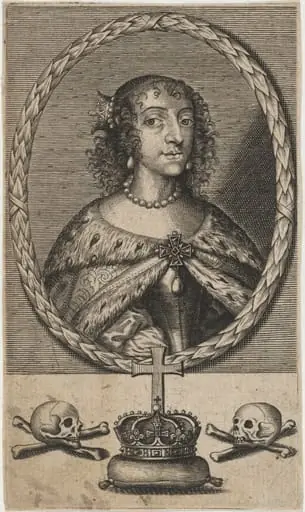 Henrietta Maria
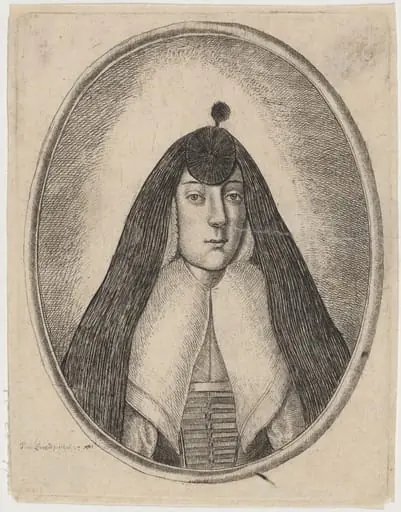 Madame Lvebout
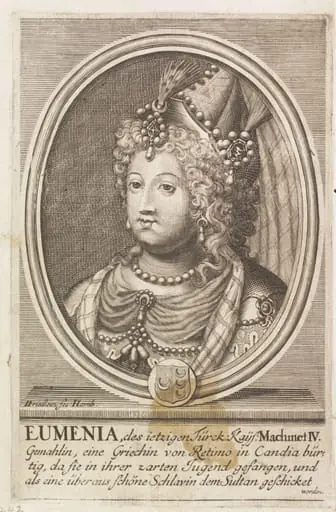 Turkish sultans, sultanas and other historical figures
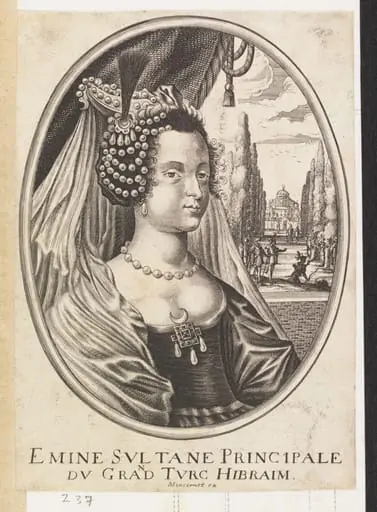 Turkish sultans, sultanas and other historical figures
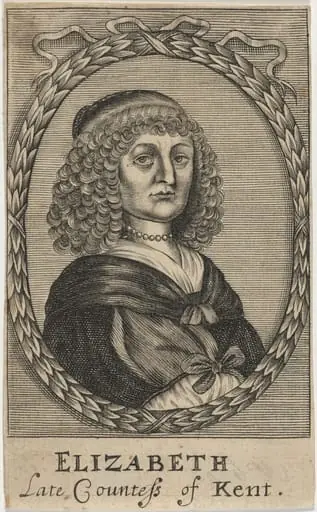 Elizabeth Talbot, Countess of Kent, Authoress
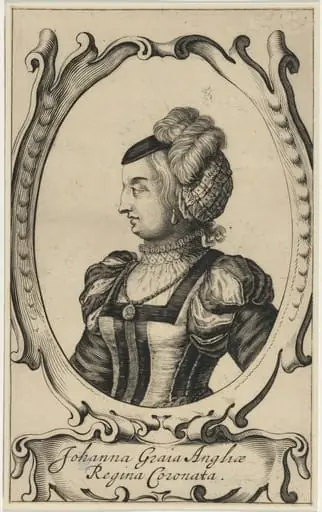 Lady Dudley, Lady Jane Grey
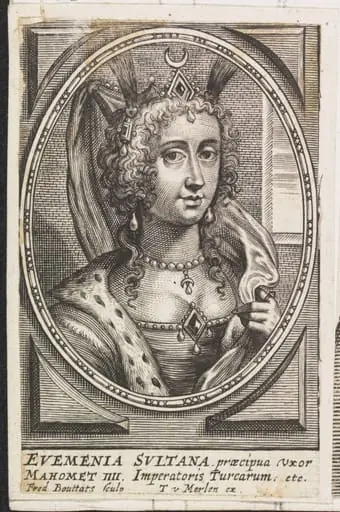 Turkish sultans, sultanas and other historical figures
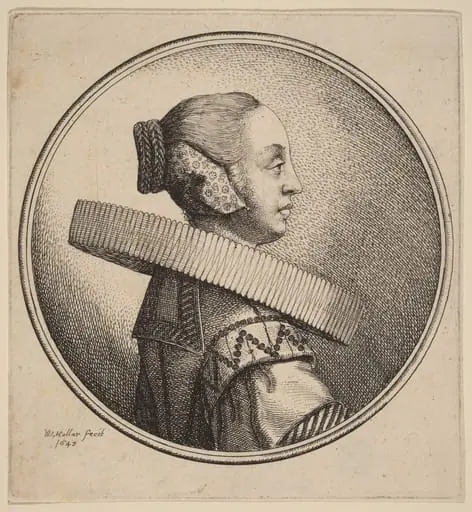
- Woman with a Ruff in Profile