Artwork
Intrepid [recto]
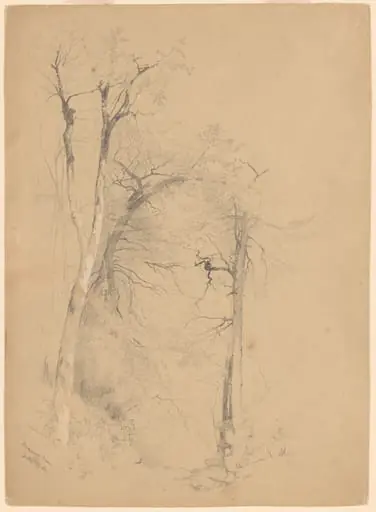
![Intrepid [recto], by Winslow Homer, graphite, 1862](https://artifactworldgallery.com/img/winslow-homer--intrepid-recto--48c5888512186200-w1024.webp)
Intrepid [recto] is a graphite drawing by the Impressionist artist Winslow Homer. It dates from 1862 and is held in the collection of the National Gallery of Art.
- Inscription
- Inscribed:upper right in graphite: 19; lower left in graphite: No 11; lower center in graphite: Intrepid; lower right in black crayon: 1862
About this work
Overview
Its modest materials contrast with the intensity of its subject, reflecting a pragmatic approach to visual storytelling.
Created in 1862, Intrepid [recto] is a graphite drawing on straw paper by Winslow Homer. It depicts a vessel navigating turbulent waters with minimal detail and maximum emotional force. The work exemplifies Homer’s early interest in maritime subjects, rendered through direct, unembellished mark-making. Its modest materials contrast with the intensity of its subject, reflecting a pragmatic approach to visual storytelling.
Subject & Meaning
The drawing portrays a solitary ship battling rough seas, its form simplified to essential lines and masses. No crew or specific identity is given, allowing the vessel to stand as a symbol of resilience against nature’s force. The absence of narrative detail invites contemplation of human endurance in the face of elemental power, a recurring theme in Homer’s work during the Civil War era.
Technique & Style
Homer employed graphite to build contrast through bold, fluid strokes and layered shading. The straw paper’s coarse texture enhances the drawing’s raw quality, allowing the medium to catch and hold tone unevenly. He avoided fine detail, instead using weight and direction of line to suggest motion and volume. The effect is one of immediacy, rooted in observational sketching rather than polished finish.
History & Provenance
Made during Homer’s early career as a freelance illustrator, this drawing likely originated as preparatory material for a published illustration. It remained in private hands until acquired by the Metropolitan Museum of Art, where it is now held as part of a larger collection of his graphic works. Its survival reflects its value as a record of the artist’s evolving process.
Context
Created during the American Civil War, Intrepid [recto] reflects a period when Homer documented military and maritime life for Harper’s Weekly. While not depicting battle, the image resonates with the era’s themes of struggle and isolation. The drawing’s economy of form aligns with the urgent, practical demands of illustration work, yet it anticipates his later, more contemplative seascapes.
Legacy
Intrepid [recto] illustrates Homer’s foundational approach to drawing: clarity, emotional restraint, and a deep engagement with natural forces. It stands as an early example of how he transformed utilitarian illustration into a vehicle for atmospheric expression. The work influenced later American realists who valued direct observation over idealization.
Own this work as a print
Artist & collection
Artist
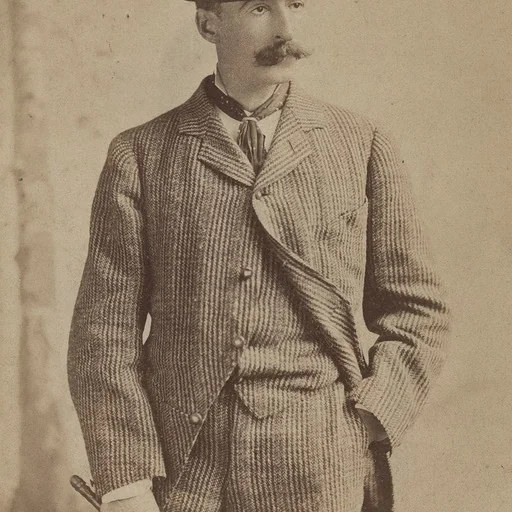
Winslow Homer (February 24, 1836 – September 29, 1910) was an American landscape painter and illustrator, best known for his marine subjects.

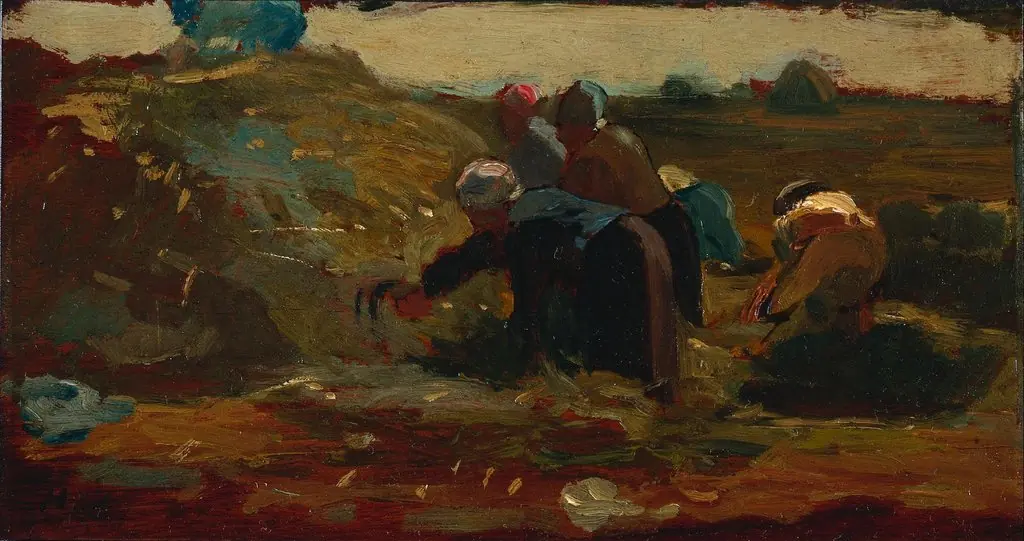
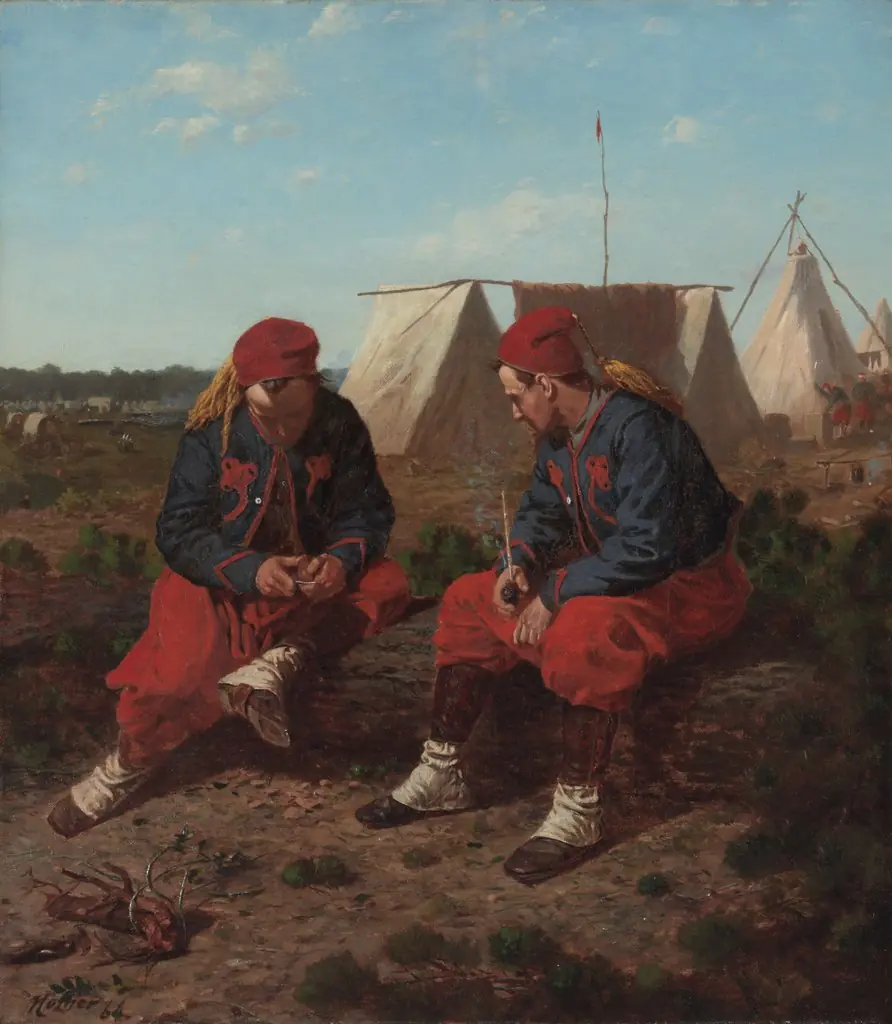
- Kauterskill Clove
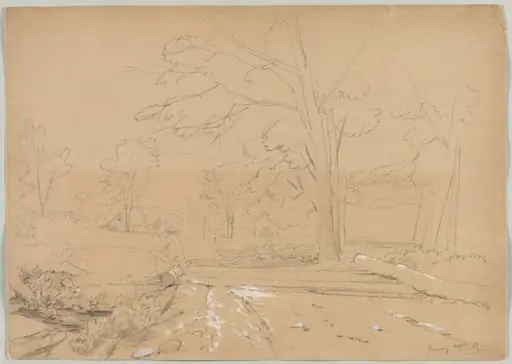 Landscape with Man Fishing, Conway, New Hampshire
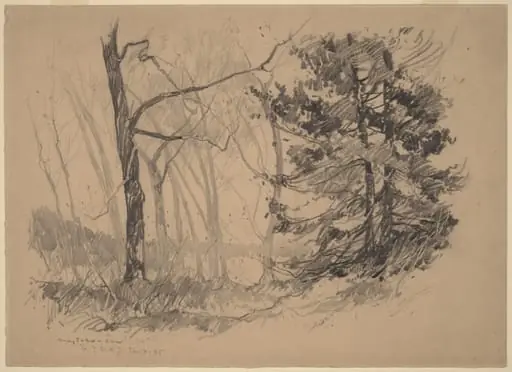 Wood Interior
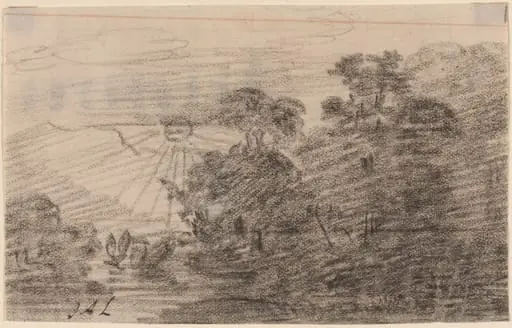 Sunset above a Mountain Lake
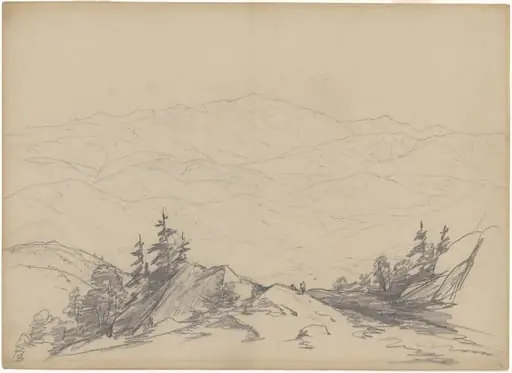 Mountain Landscape
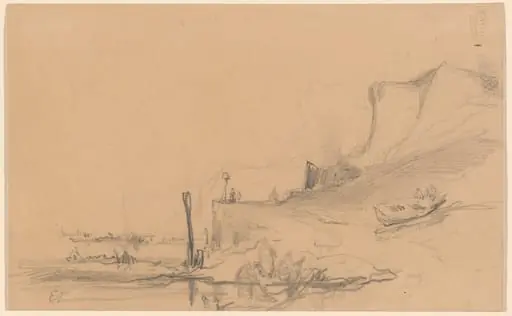 A Coast Road with Cliffs in the North of France
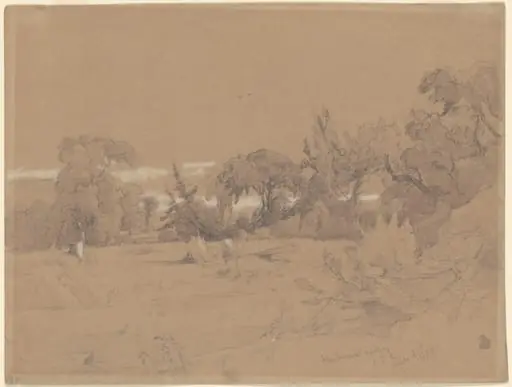 Sherberne Valley
![End of the March [recto], by Winslow Homer](https://artifactworldgallery.com/img/winslow-homer--end-of-the-march-recto--32c10403cc86dd04-w320.webp) End of the March [recto]
End of the March [recto]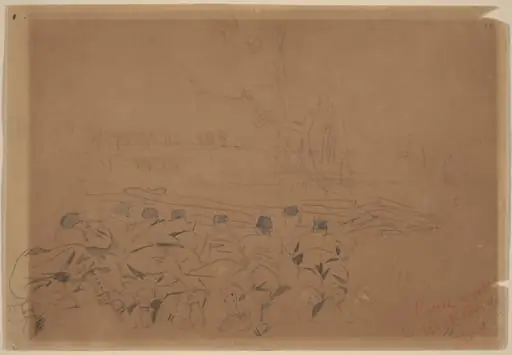 Rebel Works at Yorktown
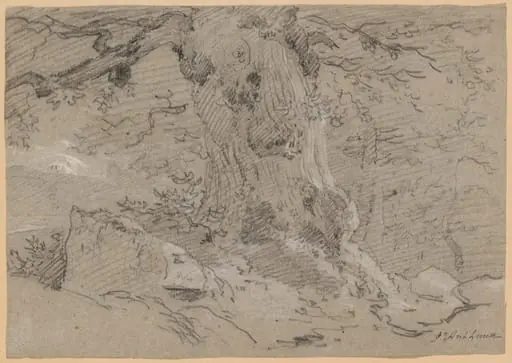 Study of Old Tree Trunk
![Study for a Lunette [recto], by Charles Sprague Pearce](https://artifactworldgallery.com/img/charles-sprague-pearce--study-for-a-lunette-recto--96fa9dd266d834e5-w320.webp) Study for a Lunette [recto]
Study for a Lunette [recto]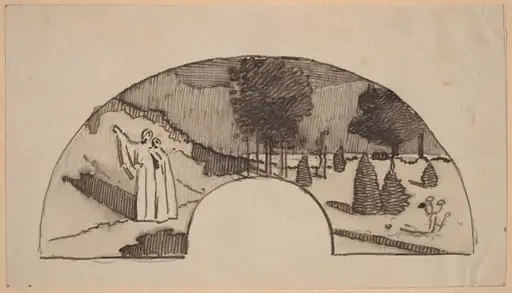 Study for an Archway