Artwork
Cabin in the Cotton
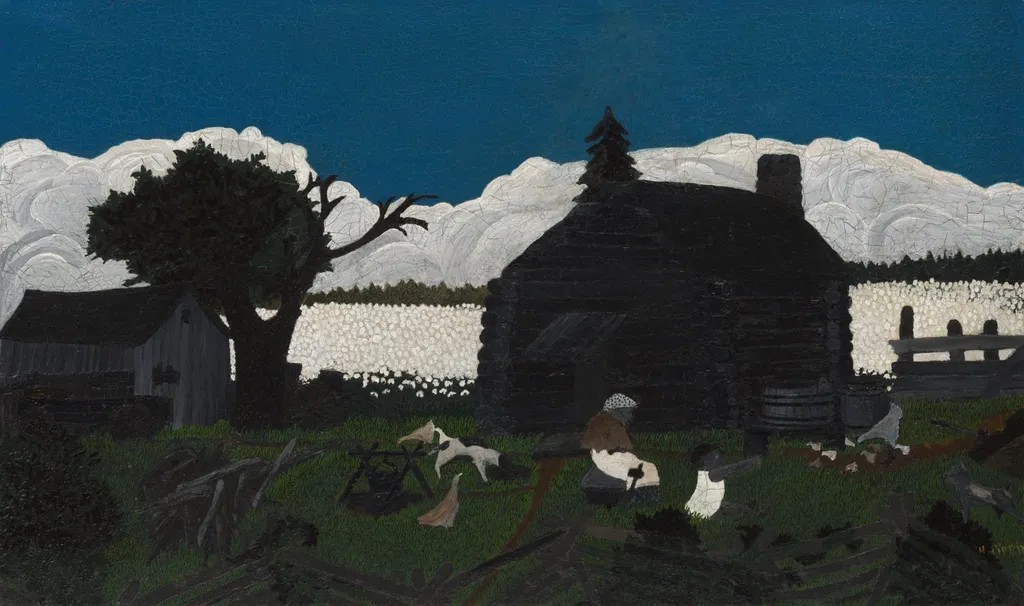
Cabin in the Cotton is an oil painting by the American Folk Art artist Horace Pippin. It dates from 1934 and is held in the collection of the Art Institute of Chicago.
- Accession no.
- 111617
- Credit line
- Purchased with funds provided by Thomas F. Pick and Mary P. Hines in memory of their mother Frances W. Pick
About this work
Overview
Cabin in the Cotton is an oil painting on cotton, mounted on Masonite, created by self-taught artist Horace Pippin. It depicts a quiet domestic scene at a rural southern homestead, with a woman tending to a child while a vast cotton field stretches behind them. The work is defined by its heavy, textured application of paint, reflecting Pippin’s distinctive approach to surface and form.
Subject & Meaning
The painting captures a moment of quiet care within a landscape shaped by agricultural labor. The woman and child, positioned near a modest cabin, suggest familial bonds, while the expansive cotton field implies the unseen toil of harvesting. Pippin does not romanticize the scene; instead, he presents it with solemn clarity, acknowledging the labor embedded in the land without overt commentary.
Technique & Style
Pippin applied paint in thick, deliberate layers, creating a tactile, almost sculptural surface. His use of impasto gives form to the cotton plants and the cabin’s structure with a rhythmic, hand-built quality. Colors are muted yet grounded, with earth tones dominating the landscape and the figures rendered in simplified, solid shapes that emphasize presence over detail.
History & Provenance
He drew inspiration from a 1917 visit to South Carolina with his regiment, where he first encountered cotton fields firsthand.
Pippin began painting after sustaining a war injury in World War I, using art as part of his physical rehabilitation. He drew inspiration from a 1917 visit to South Carolina with his regiment, where he first encountered cotton fields firsthand. The painting gained recognition in 1937 when it was displayed in a Philadelphia shoe repair shop, catching the eye of art professionals who helped launch his public career.
Context
The title may have been influenced by contemporary cultural references, including a 1930s song and film of the same name. Yet Pippin’s vision remains personal, rooted in memory rather than popular imagery. His work stands apart from the romanticized Southern depictions common in mainstream art of the era, offering instead an intimate, unembellished view of Black rural life.
Legacy
Cabin in the Cotton marked a turning point in Pippin’s recognition, leading to exhibitions and critical attention that elevated his status among American artists. His untrained technique and emotionally resonant subject matter expanded definitions of artistic legitimacy, influencing later generations who valued authenticity over formal training.
Artist & collection

Artist
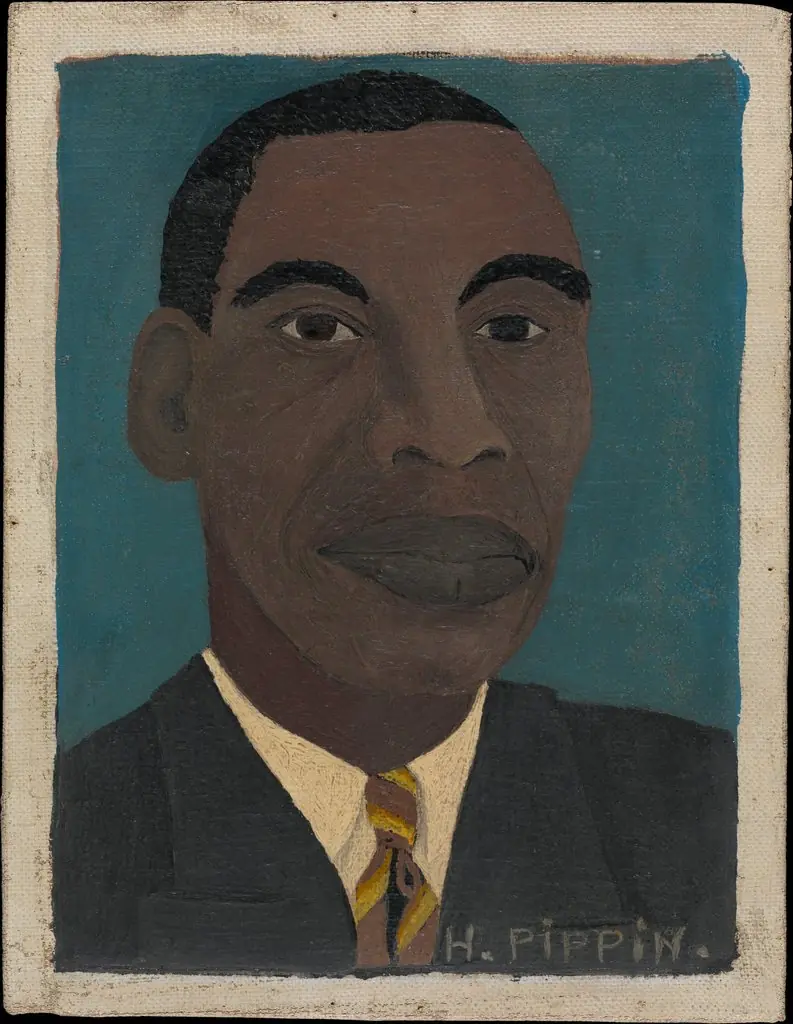
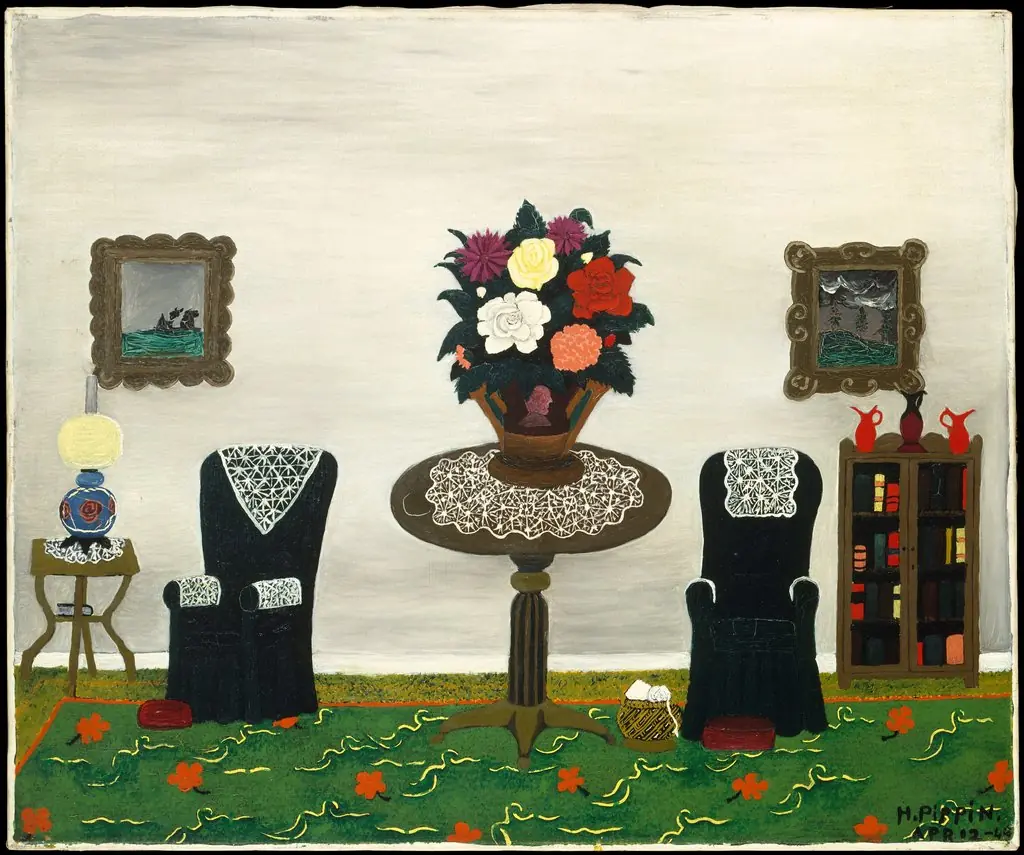
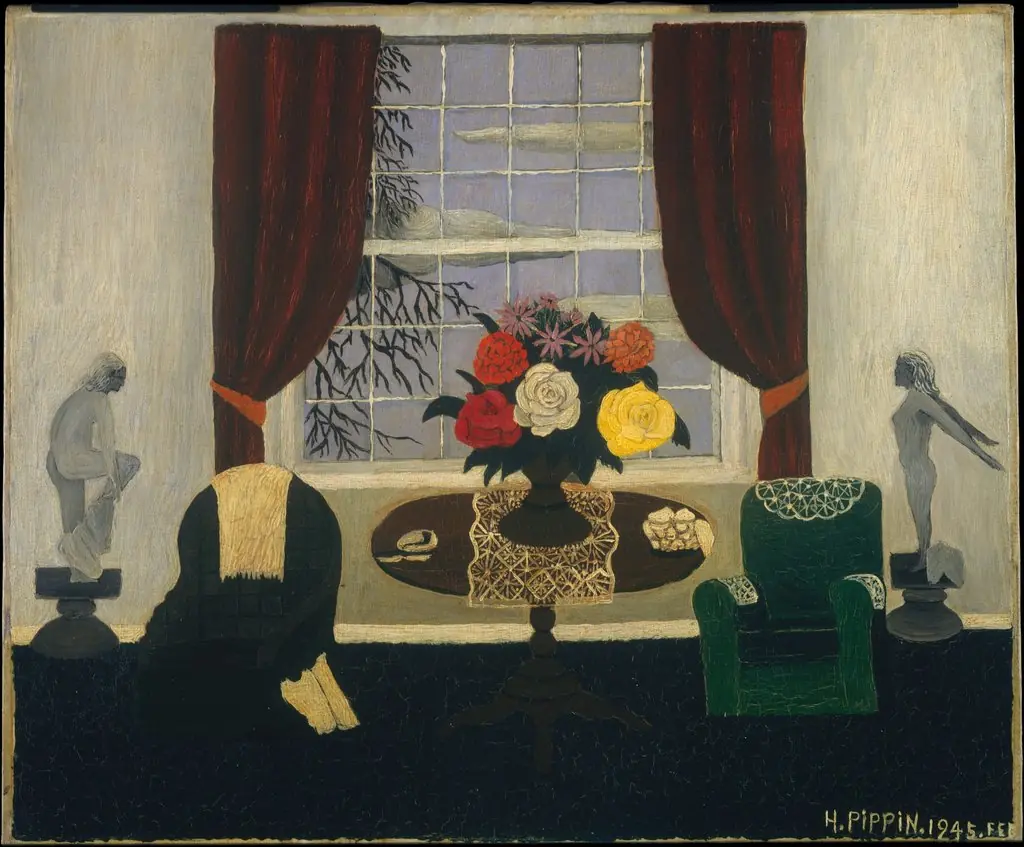
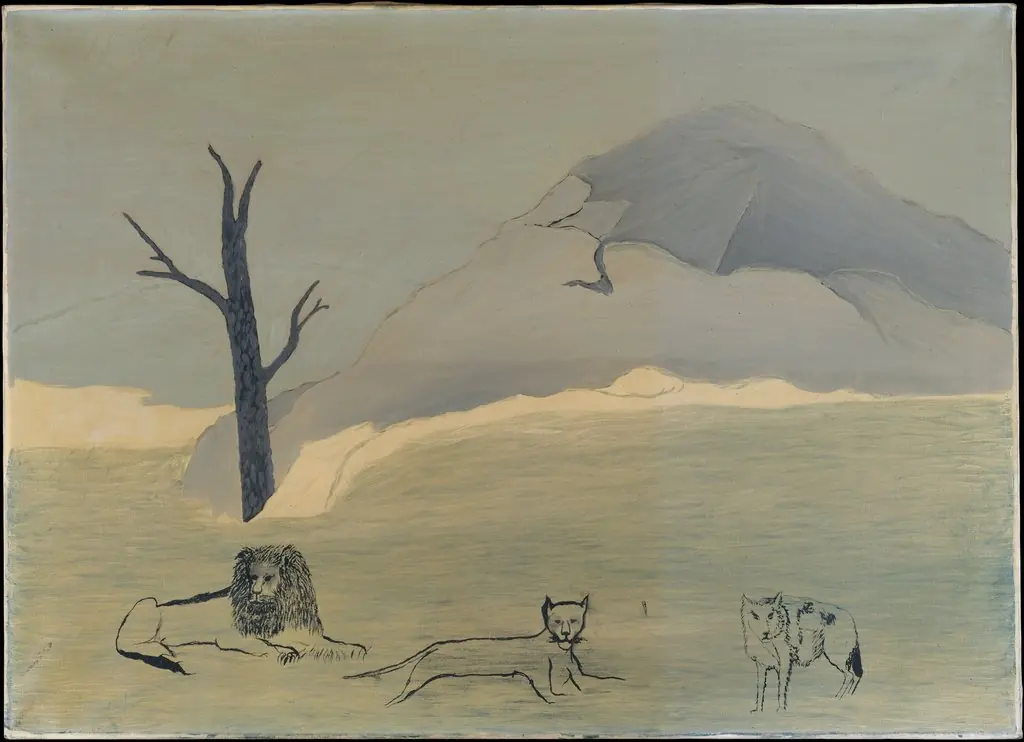
Horace Pippin was an American painter who painted a range of themes, including scenes inspired by his service in World War I, landscapes, portraits, and biblical subjects.