Artwork
Battle of Isly, August 14, 1844
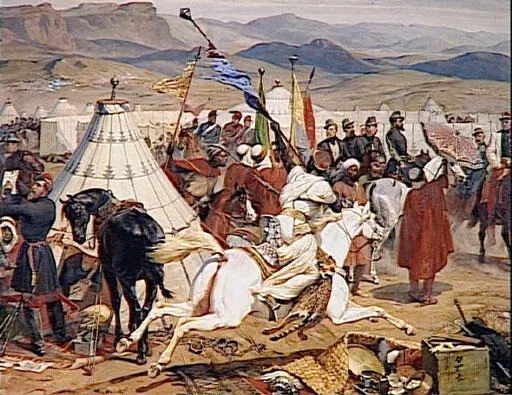
Battle of Isly, August 14, 1844 is an oil painting by the French Romanticist artist Horace Vernet. It dates from 1844 and is held in the collection of the Palace of Versailles.
About this work
Subject & Meaning
The composition juxtaposes the orderly French camp with the chaotic, suffering Arab figures, symbolizing the colonial triumph and the harsh reality of conquest.
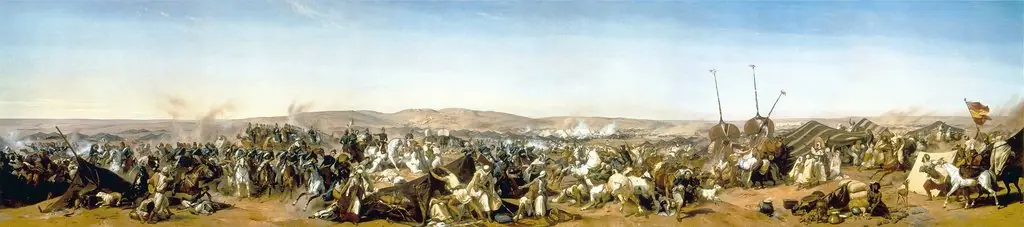
The painting portrays the Battle of Isly on 14 August 1844, presenting a panoramic view of the clash between French forces and Algerian/Arab combatants. Vernet includes a military camp with cavalry and infantry units, a French flag, and a rugged mountain backdrop, while emphasizing the violence of the encounter through depictions of death and major trauma. The composition juxtaposes the orderly French camp with the chaotic, suffering Arab figures, symbolizing the colonial triumph and the harsh reality of conquest.
Through these iconographic elements the work conveys both the spectacle of victory and the human cost of the colonial campaign.
Technique & Style
Horace Vernet painted Battle of Isly, August 14, 1844, using oil paint on canvas, a conventional support for large-scale history paintings in 19th-century France. The work measures 514 cm in height and 1040 cm in width, reflecting the monumental scale typical of military subjects exhibited at the Salon of 1846. The painting depicts a dramatic Algerian battlefield with cavalry, infantry, and a prominent French flag, rendered with vigorous brushwork that emphasizes motion and chaos.
Its formal composition combines dynamic diagonal movement with stark contrasts of light and shadow to convey the trauma of combat, while the precise rendering of uniforms and equipment demonstrates Vernet's academic technique and interest in contemporary military subjects.
History & Provenance
The painting Battle of Isly, August 14, 1844 by Horace Vernet is held at the Palace of Versailles, specifically within the Museum of the History of France. Its museum identification includes the inventory numbers MV 2028, INV 8389, and LP 6643. The work was first exhibited at the Salon of 1846.
Context
Horace Vernet’s Battle of Isly, August 14, 1844 exemplifies the artist’s role in 19th-century French military painting, a genre that celebrated colonial expansion under the July Monarchy. Exhibited at the Salon of 1846, the work was positioned within a broader tradition of state-commissioned history paintings that glorified France’s military campaigns, particularly in North Africa. Vernet, known for his documentary-style approach, captured the immediacy of combat with a level of detail that appealed to contemporary audiences seeking both realism and patriotic grandeur.
Scholarship has situated the painting within the context of French colonial propaganda, where visual narratives reinforced political narratives of dominance. The work’s monumental scale (514 × 1040 cm) and inclusion in the Palace of Versailles’ Museum of the History of France underscore its institutional significance, aligning it with other large-scale history paintings that legitimized imperial ambitions. While later art-historical critiques have reassessed such works through postcolonial lenses, Vernet’s Battle of Isly remains a key example of 19th-century academic history painting’s intersection with national identity and state power.
Legacy
The Battle of Isly, painted by Horace Vernet in 1844, established a visual language for depicting North African military conflicts that influenced later Orientalist representations. Vernet's emphasis on dynamic cavalry formations and dramatic chiaroscuro was widely emulated by contemporaries such as Eugène Delacroix and later artists working in the Orientalist genre. The work's exhibition at the Salon of 1846 provided a public model for combining historical narrative with ethnographic detail, shaping expectations for how colonial warfare could be visualized.
Its presence in the collection of the Museum of the History of France at Versailles ensured continued scholarly reference to the painting as a benchmark for martial subjects in French art history.
Overview
Horace Vernet’s 1844 oil painting records the Battle of Isly, a clash that took place on 14 August 1844 in Algeria. The canvas captures a turbulent cavalry engagement, with soldiers on horseback amid a desert landscape of tents and rocky outcrops under a muted sky. The work now hangs in the collection of the Palace of Versailles.
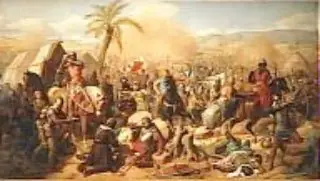
Artist & collection
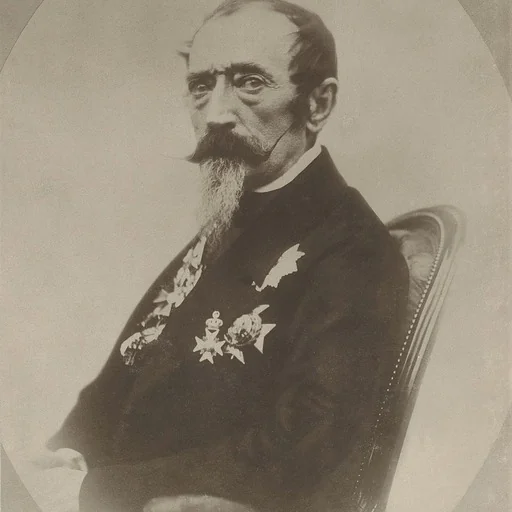
Artist
Émile Jean-Horace Vernet (French pronunciation:; 30 June 1789 – 17 January 1863), better known as Horace Vernet, was a French painter of battles, portraits, and Orientalist subjects.

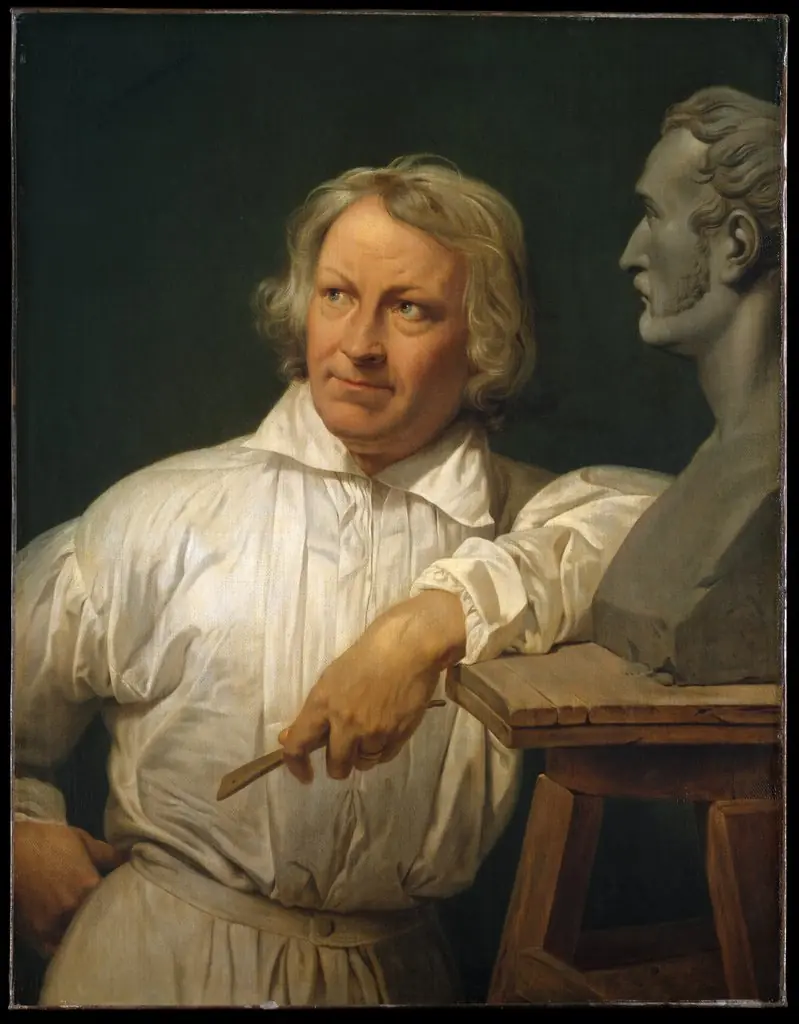 Bertel Thorvaldsen (1768–1844) with the Bust of Horace Vernet
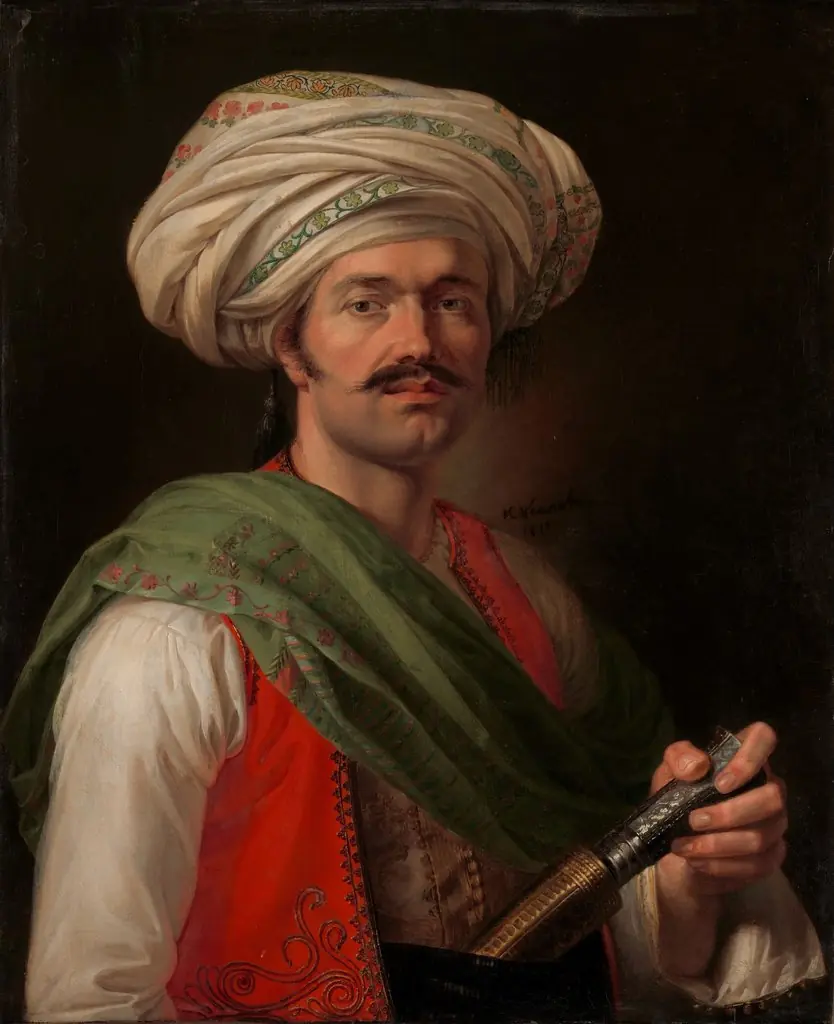 Portrait of a Mameluke, said to be Roustam Raza
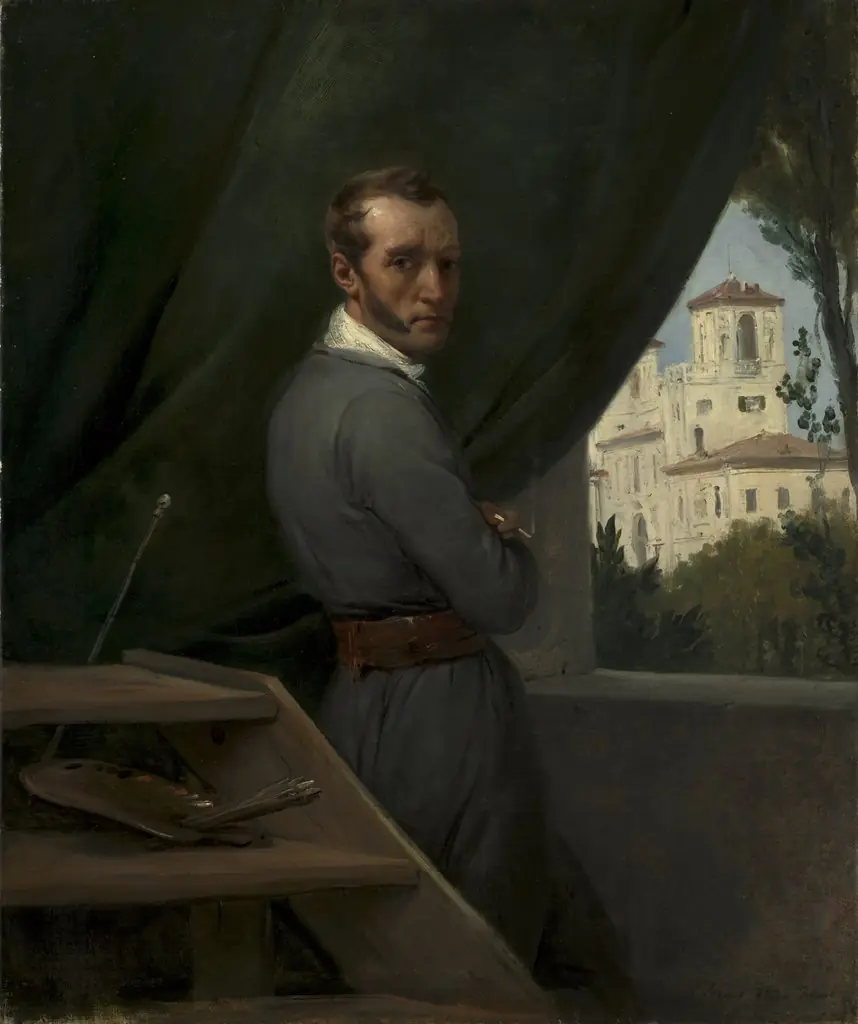 Self-Portrait in Rome
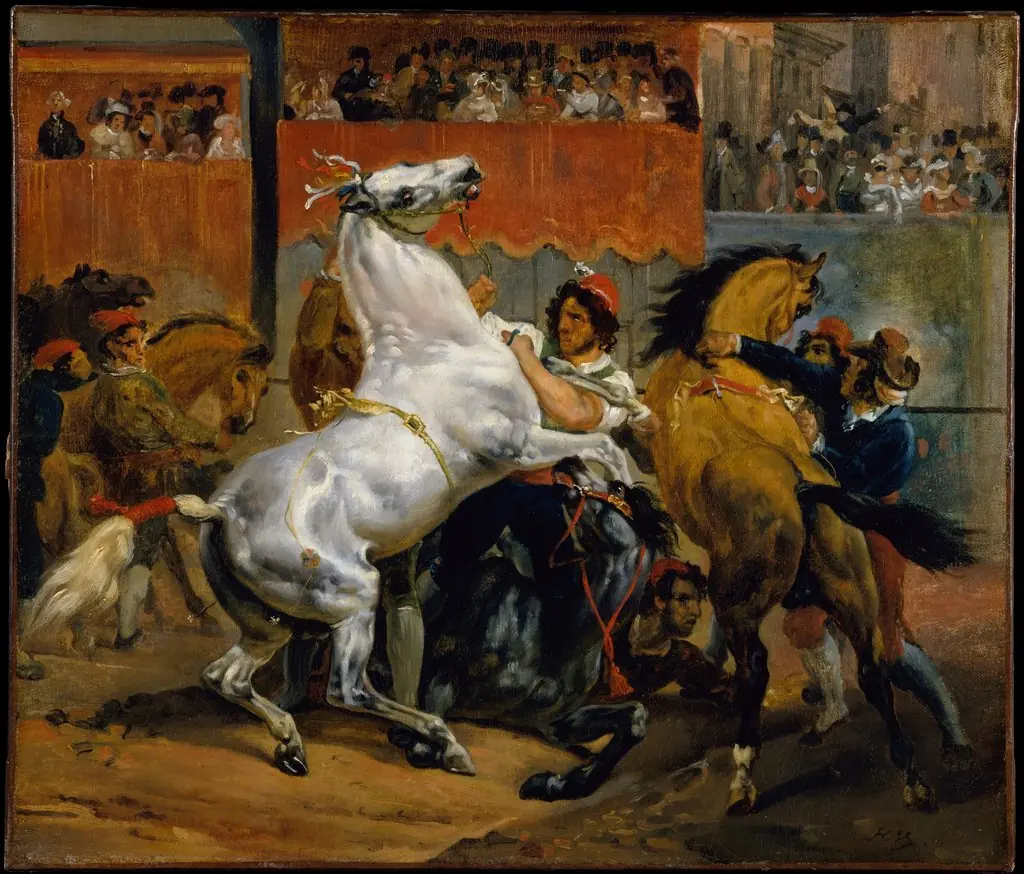 The Start of the Race of the Riderless Horses
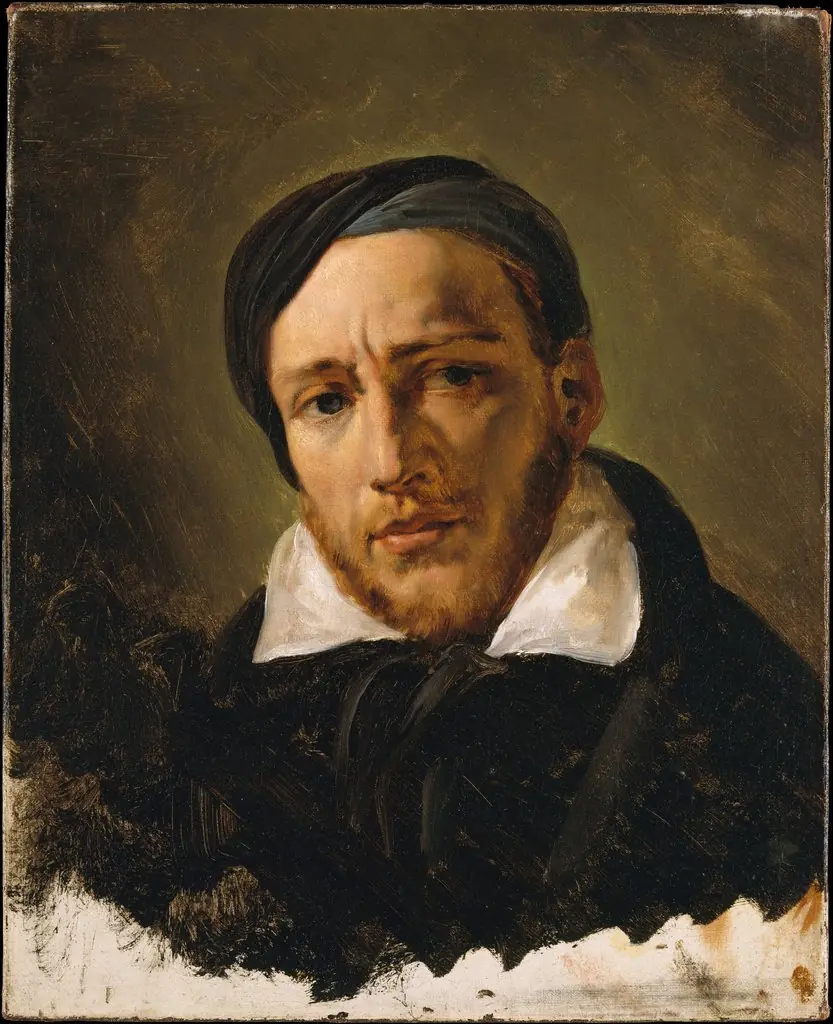 Jean-Louis-André-Théodore Gericault (1791–1824)
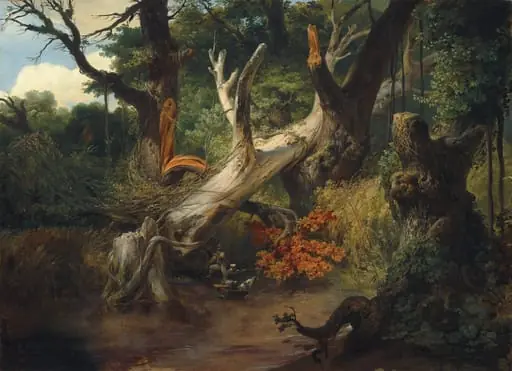 Hunting in the Pontine Marshes
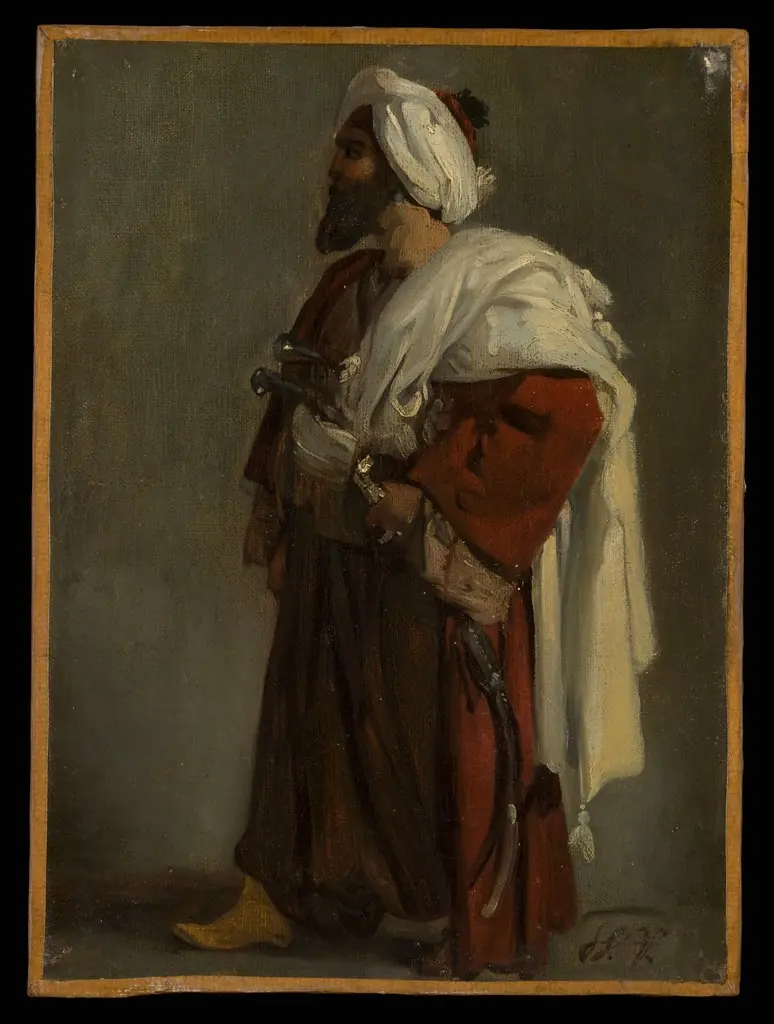 Arab Warrior
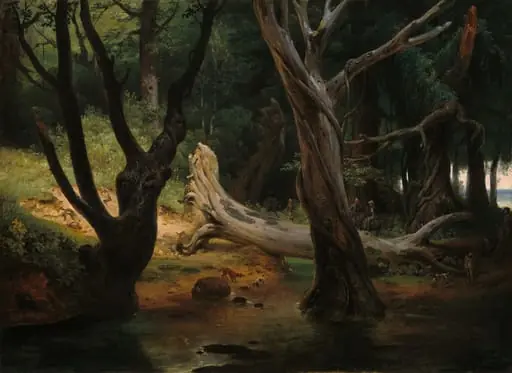 Departure for the Hunt in the Pontine Marshes
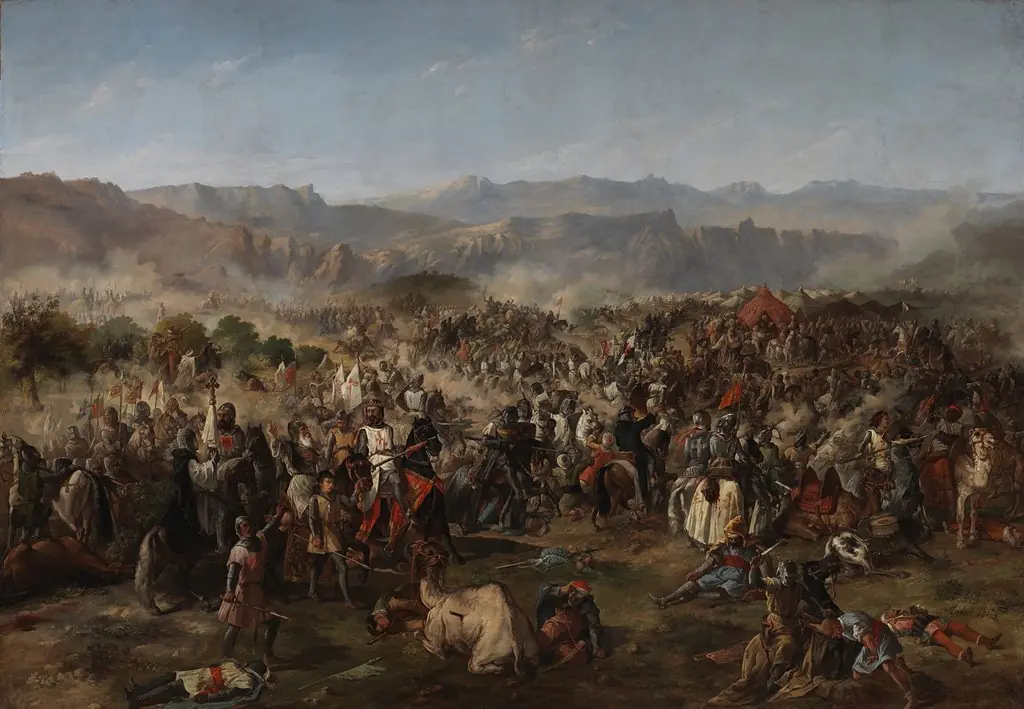 Battle of Las Navas de Tolosa
 The seizure of Abd-el-Kader's camp in 1843
 Hungarians at Kiev
 Mihai Viteazul la Călugăreni
 Ștefan cel Mare și Aprodul Purice
 Συνθηκολόγηση Ρώσων και Τουρκών στον Ποταμό Προύθο το 1771
 La Batalla de Tetuan
 Schlachtenbild
 The Meeting of King Ladislas IV and Rudolph of Habsburg on the Battlefield of Marchfeld
 Battle