Artwork
The Cup of Love
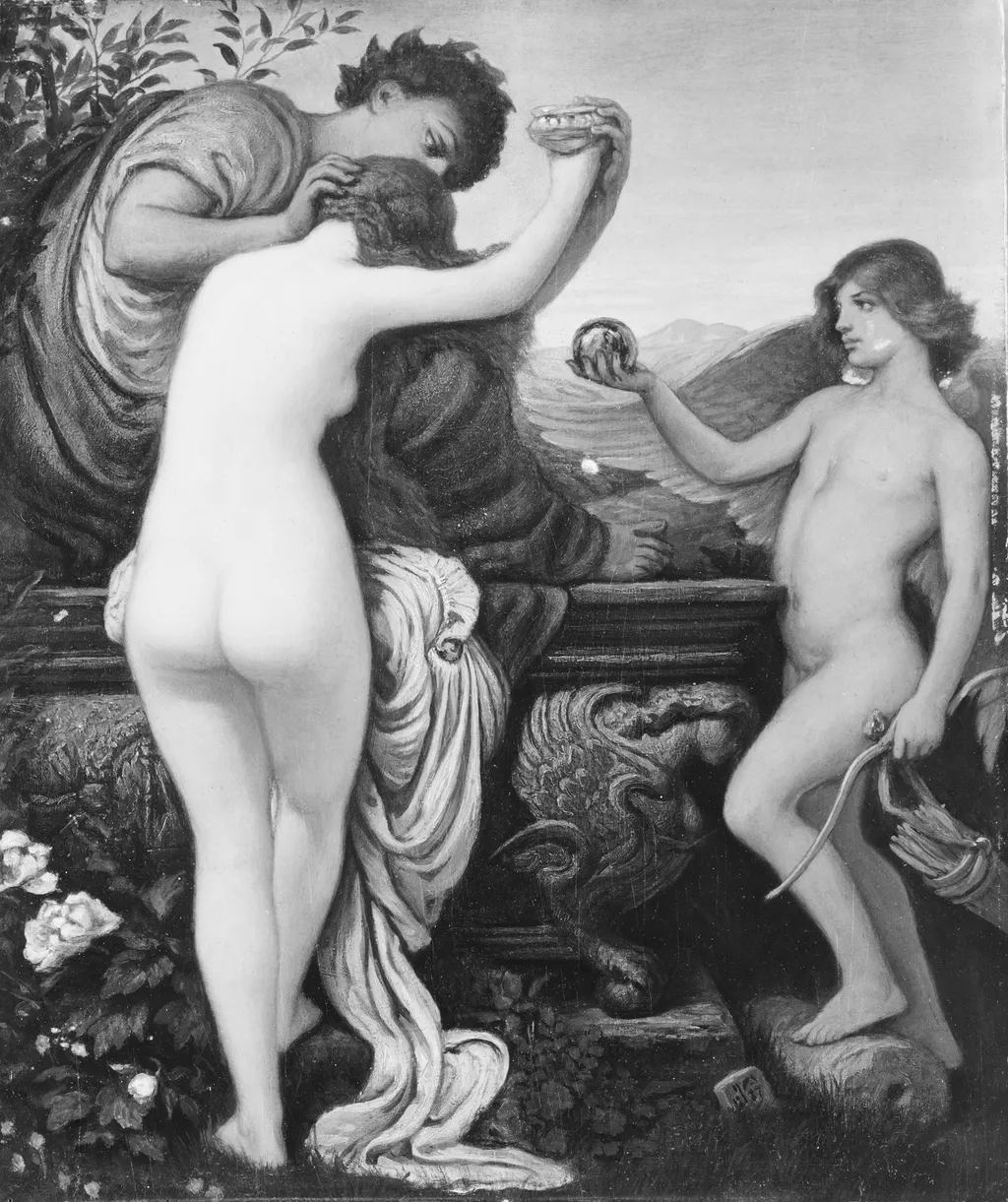
The Cup of Love is an oil painting by the American Impressionist artist Elihu Vedder. It dates from 1894 and is held in the collection of the Metropolitan Museum of Art.
About this work
Subject & Meaning
The composition centers on these two entities, with the inclusion of Cupid establishing a clear connection to themes of desire and affection.
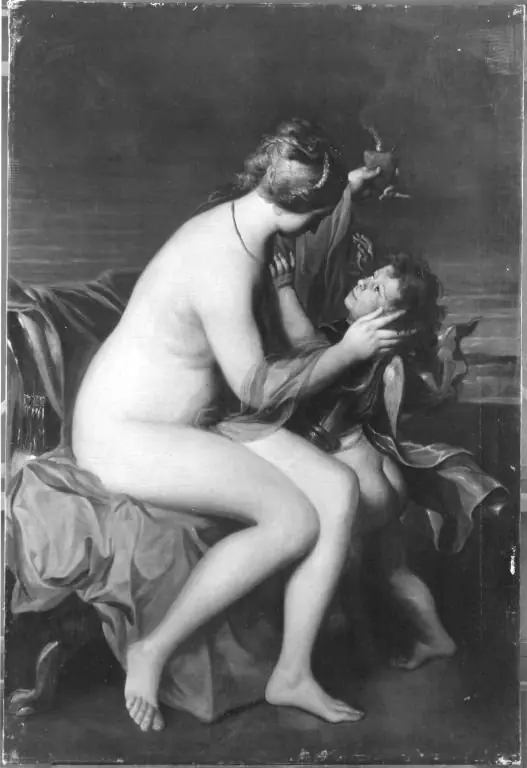
The Cup of Love, an 1887 oil painting by Elihu Vedder, depicts a nude male figure accompanied by the mythological deity Cupid. The composition centers on these two entities, with the inclusion of Cupid establishing a clear connection to themes of desire and affection. While the specific narrative action of the figures is not detailed in the available records, the presence of the winged god of love alongside a human form suggests an exploration of romantic or erotic subject matter.
The work's title further reinforces this interpretation, indicating that the vessel or scene serves as a focal point for the concept of love. As a painting from the late nineteenth century, the piece utilizes the traditional iconography of Cupid to convey its symbolic meaning within the context of the artist's broader oeuvre.
Technique & Style
Executed in 1887, The Cup of Love is an oil painting by Elihu Vedder created on a panel support. The work measures 25.4 cm in height and 30.5 cm in width. Stylistically, the composition depicts a nude male figure identified as Cupid.
The piece is classified as a painting and is currently held in the collection of the Metropolitan Museum of Art.
History & Provenance
The Cup of Love was created by Elihu Vedder in 1887, executed in oil paint on panel. The painting entered the collection of the Metropolitan Museum of Art, where it is currently held. No further details regarding the commission, prior ownership, or chain of custody prior to the work's acquisition by the Metropolitan Museum of Art are documented in the available sources.
Since its creation, The Cup of Love (1887) by Elihu Vedder has been held in the collection of the Metropolitan Museum of Art in New York. The painting is accessioned under inventory records associated with the museum’s American art holdings. While specific exhibition history details remain limited in available documentation, its presence in the Met’s permanent collection ensures periodic display within the institution’s galleries dedicated to late nineteenth-century American art.
Overview
Elihu Vedder, an American symbolist painter, completed "The Cup of Love" in 1894 using oil on canvas. This work features three nude figures in a lush garden setting, with one individual pouring from a shell into a cup held by a smaller, winged figure. The painting, now part of The Metropolitan Museum of Art's collection, showcases Vedder's distinctive approach to allegorical subjects and his command of form.
Context
Elihu Vedder, a New York City-born artist, was primarily known as a Symbolist painter and illustrator. His most celebrated work remains his illustrations for Edward FitzGerald’s translation of The Rubaiyat of Omar Khayyam. "The Cup of Love" reflects Vedder's broader artistic concerns, blending classical motifs with a mystical sensibility, which positioned him somewhat outside the mainstream art movements of his time, such as Impressionism.
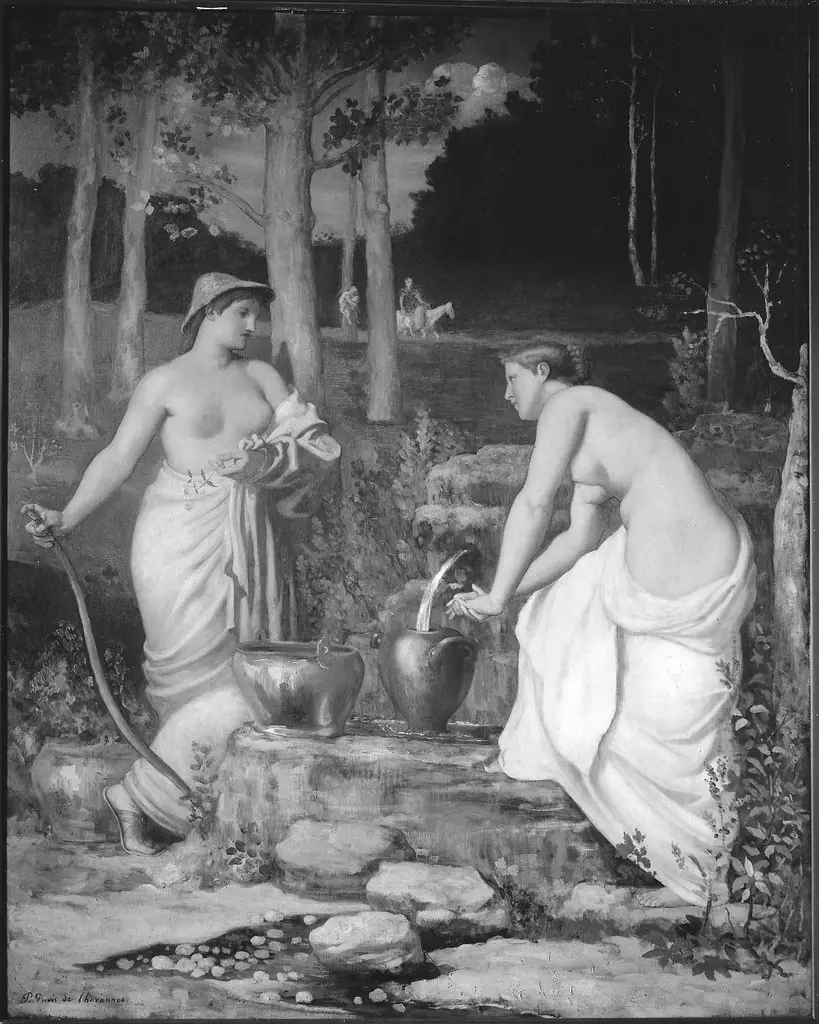
Own this work as a print
Artist & collection

Artist
Elihu Vedder (26 February 1836 – 29 January 1923) was an American symbolist painter, book illustrator and poet from New York City.

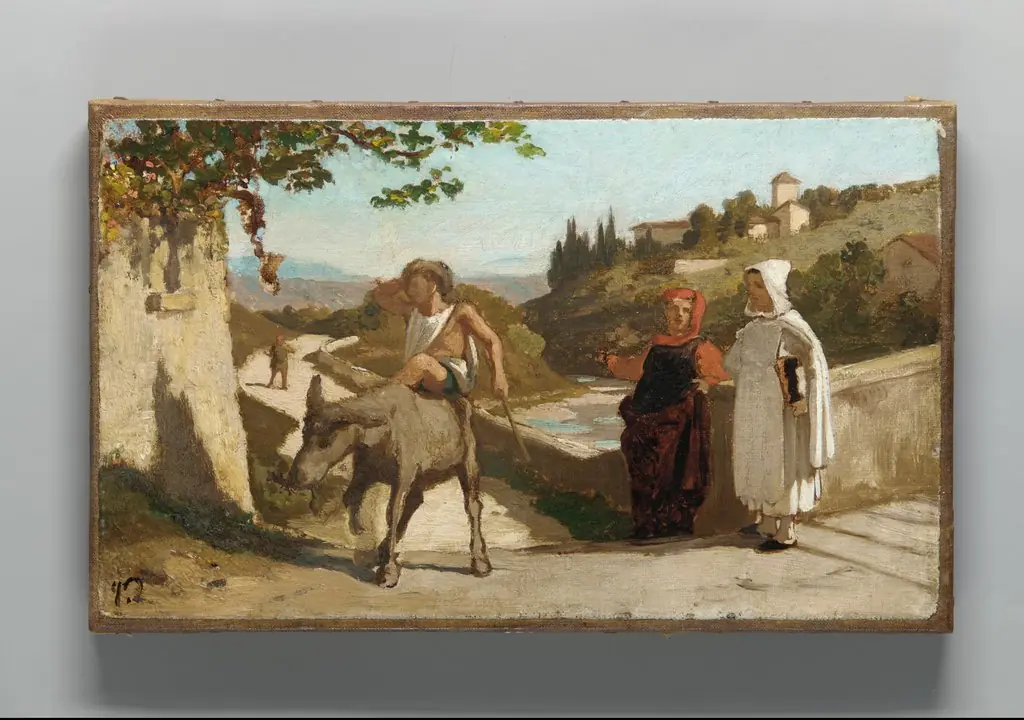 The Fable of the Miller, His Son, and the Donkey
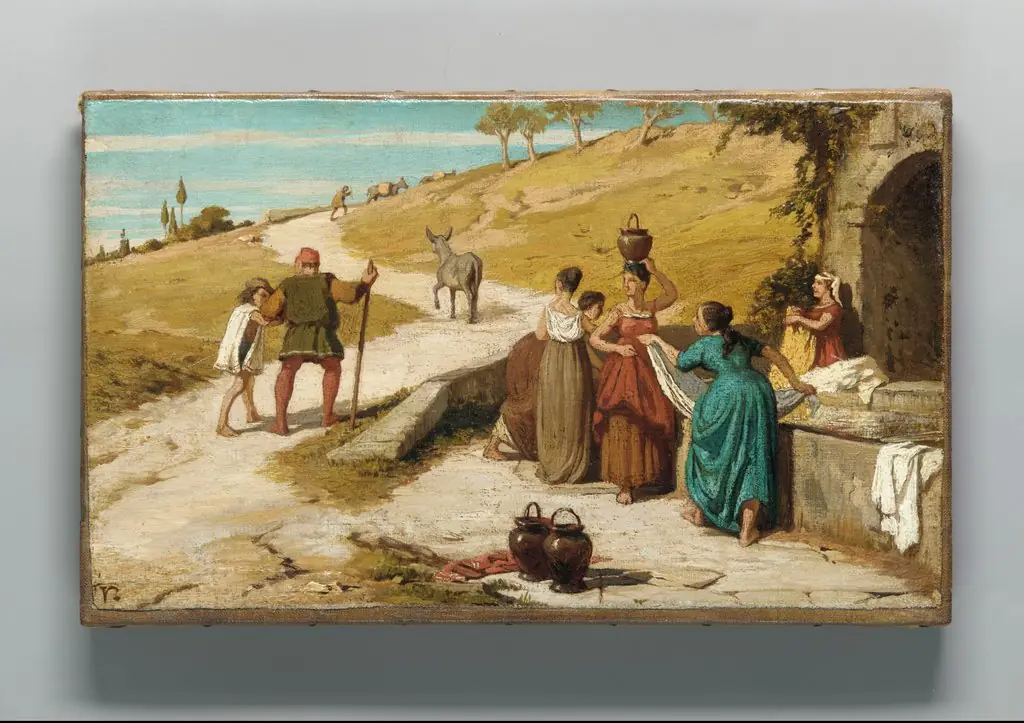 The Fable of the Miller, His Son, and the Donkey
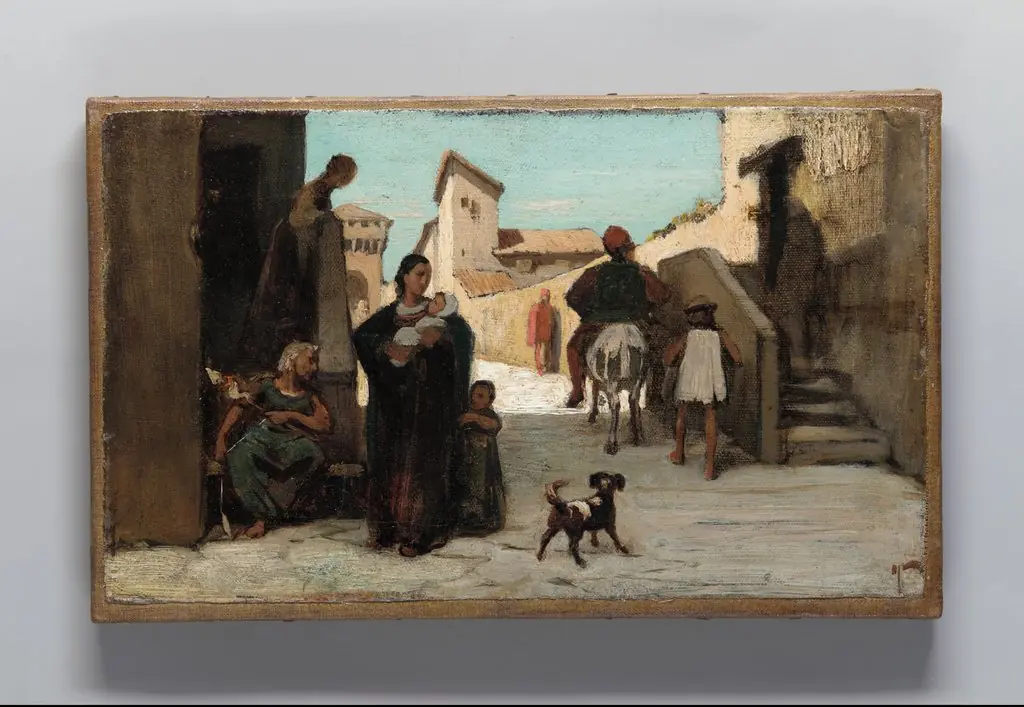 The Fable of the Miller, His Son, and the Donkey
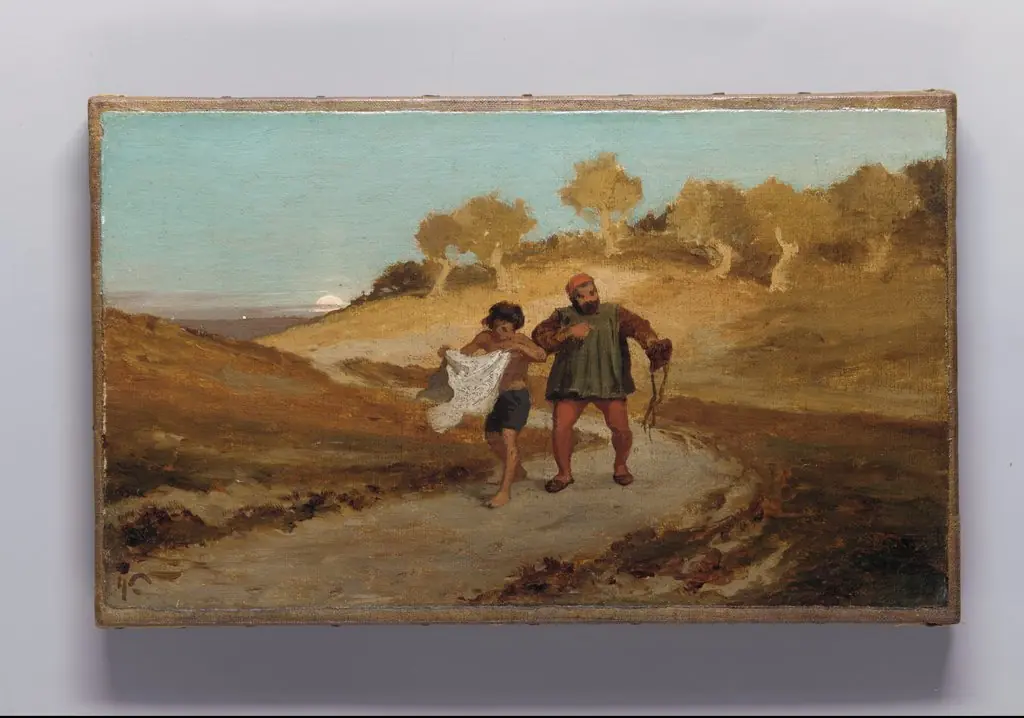 The Fable of the Miller, His Son, and the Donkey
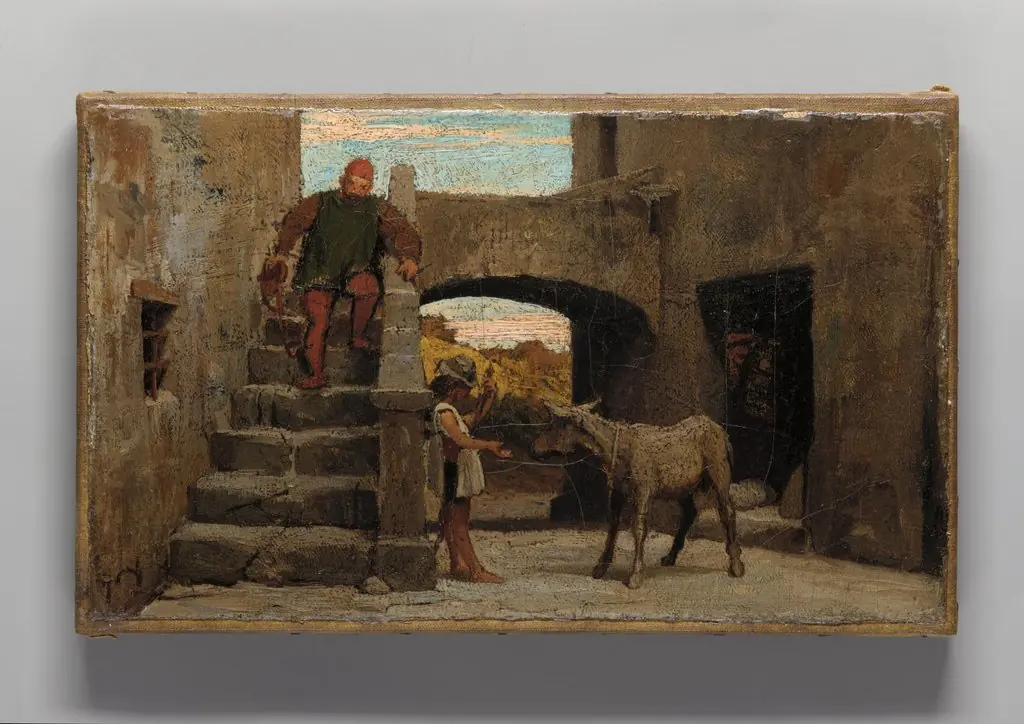 The Fable of the Miller, His Son, and the Donkey
 The African Sentinel
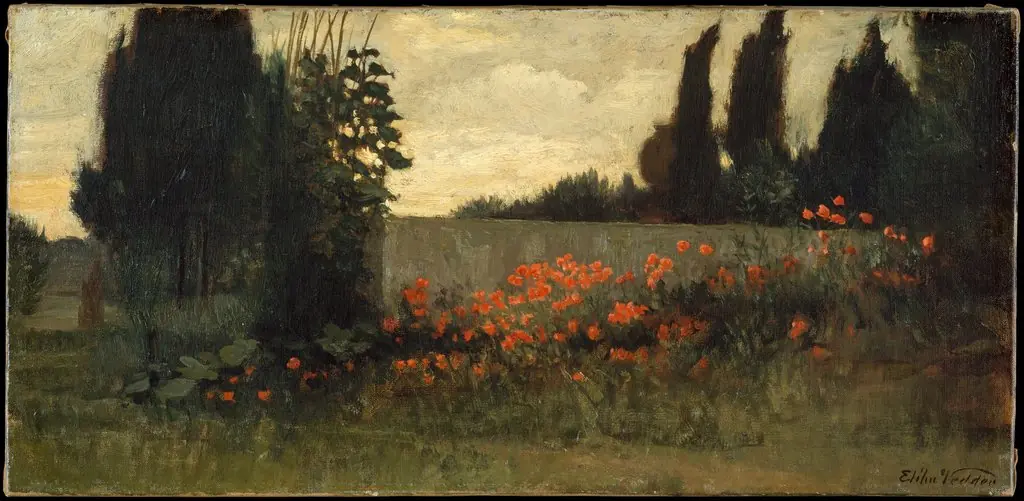 Cypress and Poppies
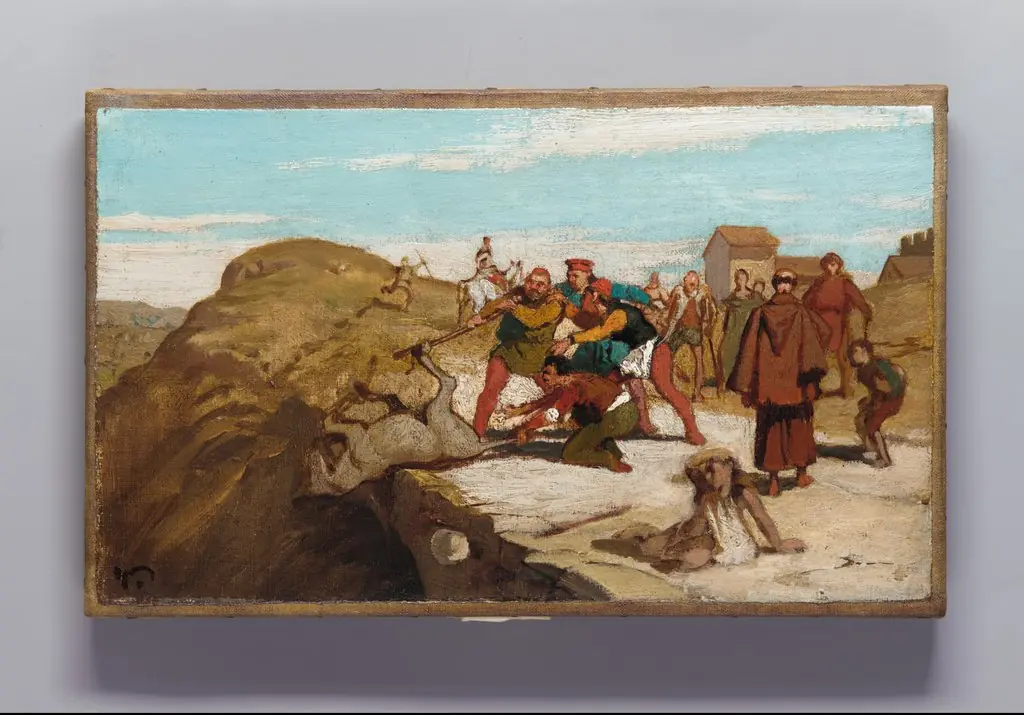 The Fable of the Miller, His Son, and the Donkey