Artwork
Dr. James Hall
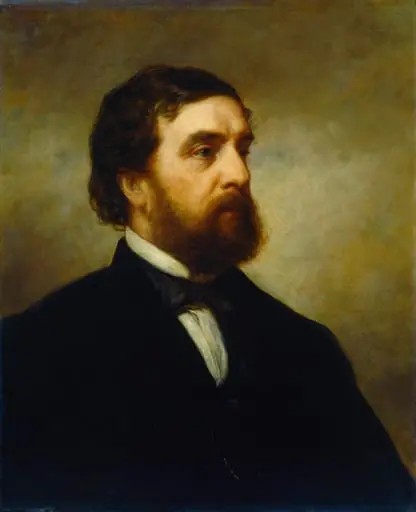
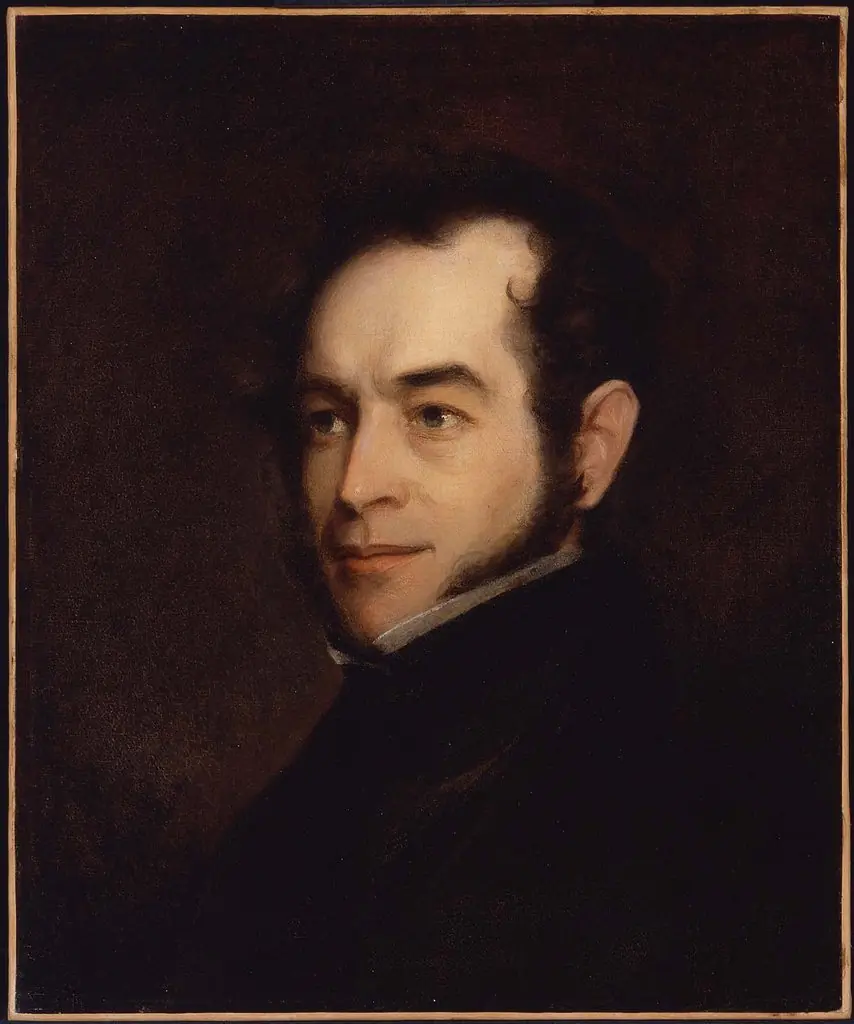
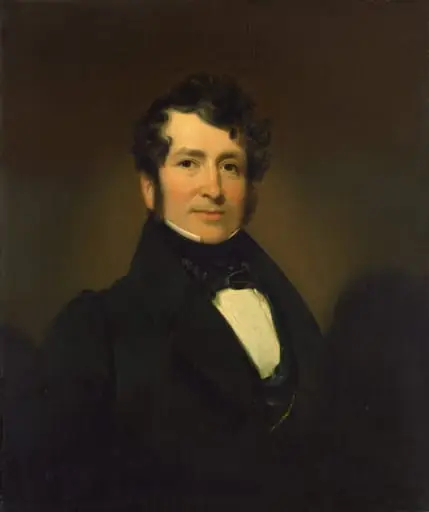
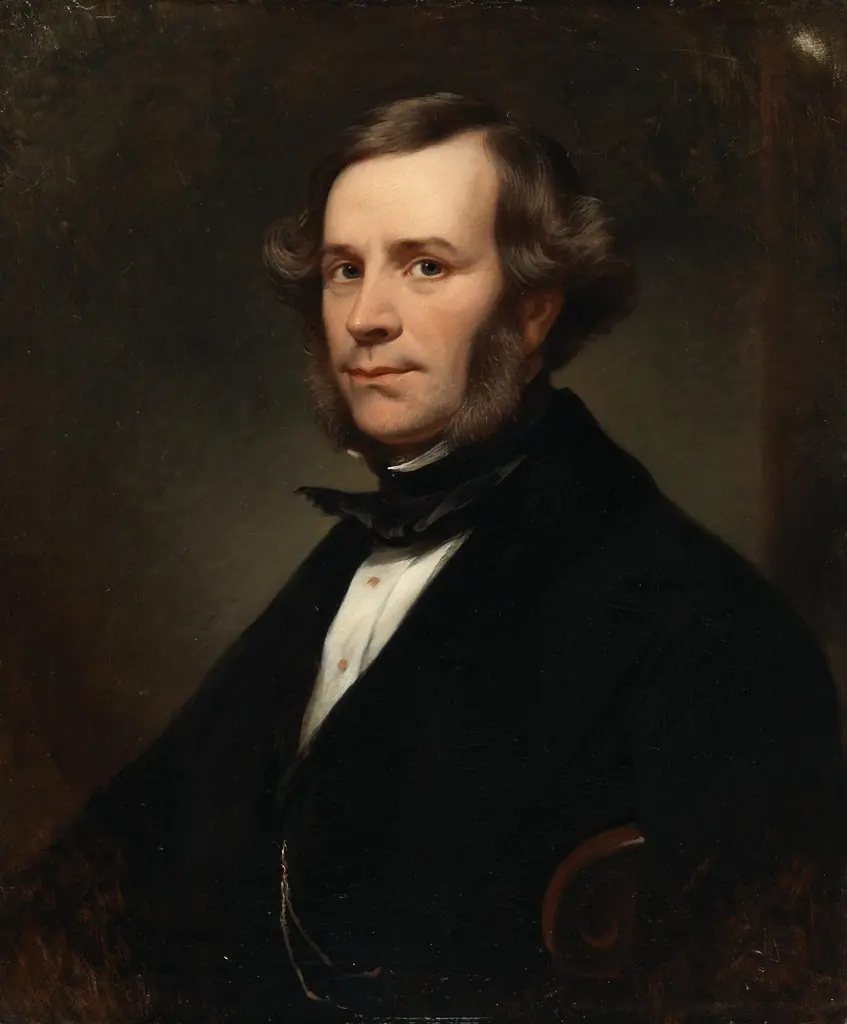
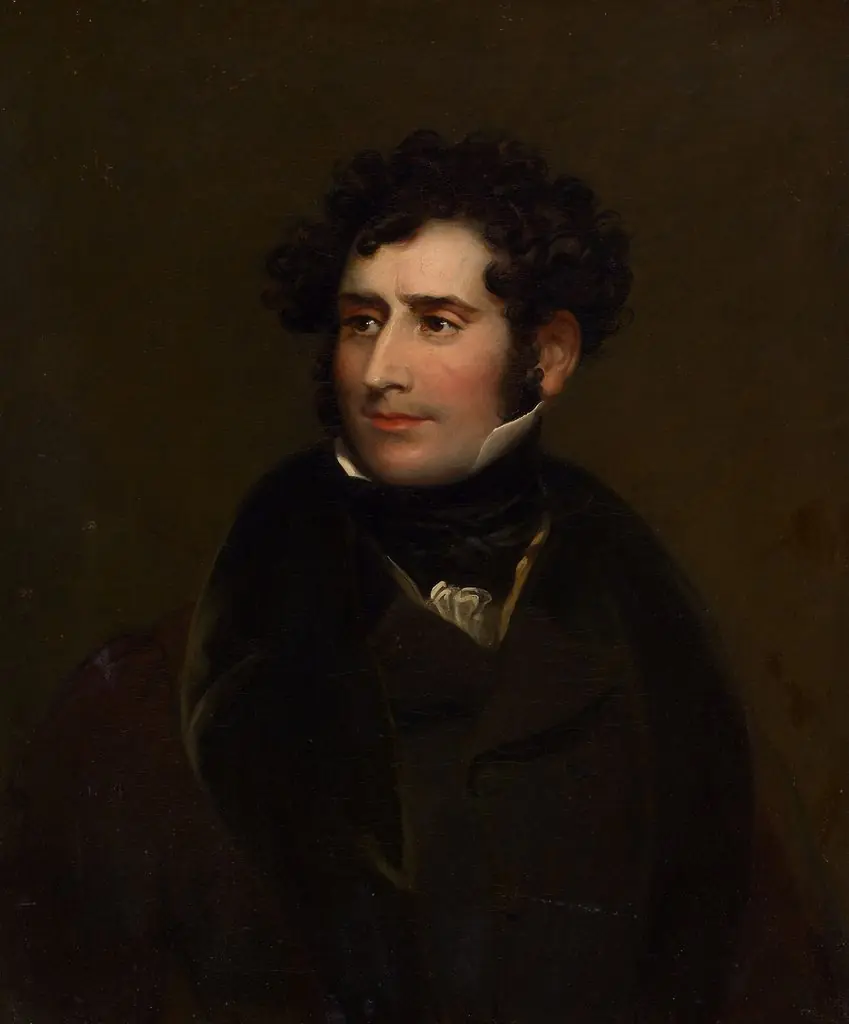
Dr. James Hall is an oil painting by the American Impressionist artist Daniel Huntington. It dates from 1857 and is held in the collection of the National Gallery of Art. This oil on canvas painting, titled Dr.
About this work
Subject & Meaning
The sources identify the work simply as a portrait, without detailing any specific attributes, objects, or symbolic motifs associated with the sitter.
Dr. James Hall is a half‑length portrait depicting the eponymous physician, rendered in oil on canvas by Daniel Huntington in 1857. The sources identify the work simply as a portrait, without detailing any specific attributes, objects, or symbolic motifs associated with the sitter. Consequently, the painting’s meaning lies primarily in its representation of Hall’s likeness, conforming to the mid‑nineteenth‑century American portrait tradition that aimed to capture and preserve the individual’s identity.
Technique & Style
Dr. James Hall is executed in oil on canvas, a standard mid-nineteenth-century portrait medium well suited to Daniel Huntington's academic practice. The canvas support measures 76.5 by 63.3 centimeters, a vertical format consistent with a half-length seated portrait.
Stylistically, the work belongs to the tradition of formal American society portraiture of the 1850s, a genre classification confirmed by the National Gallery of Art. Huntington's handling reflects the polished, finished surface characteristic of his portrait practice of the period, with controlled brushwork designed to convey both likeness and the sitter's social standing.
No condition issues, conservation history, or specific stylistic deviations are recorded in the available documentation.
History & Provenance
Daniel Huntington executed this oil-on-canvas portrait of Dr. James Hall in 1857. The work remained with the artist in New York until it was sold at Anderson Galleries on November 26, 1920. Thomas B. Clarke subsequently acquired the painting, retaining it within his New York collection until his death.
Following Clarke's passing, his estate sold the piece through M. Knoedler & Co. on January 29, 1936, to the A.W. Mellon Educational and Charitable Trust in Pittsburgh. In 1947, the Trust gifted the portrait to the National Gallery of Art in Washington, D.C.
The painting is held by the National Gallery of Art in Washington, D.C., where it forms part of the Andrew W. Mellon collection. Its provenance traces from the artist Daniel Huntington through an Anderson Galleries sale in New York on 26 November 1920 (lot 91), to Thomas B. Clarke, then via his estate and a 29 January 1936 sale through M. Knoedler & Co., New York, to the A. W. Mellon Educational and Charitable Trust, Pittsburgh; it was gifted to the NGA in 1947. Exhibition history includes its inclusion in the 1928 Philadelphia Museum of Art show "Portraits by Early American Artists of the Seventeenth, Eighteenth, and Nineteenth Centuries Collected by Thomas B. Clarke," as noted in annotated catalog copies retained in NGA curatorial and library records.
Overview
This oil on canvas painting, titled Dr. James Hall, was created by Daniel Huntington in 1857. It presents a formal portrait of its namesake, capturing his likeness with a direct gaze. The work exemplifies the artist's approach to portraiture during the mid-19th century, focusing on the individual's presence and character through traditional methods.
Own this work as a print
Artist & collection

Artist
Daniel Huntington (October 4, 1816 – April 19, 1906) was an American artist who belonged to the art movement known as the Hudson River School and later became a prominent portrait painter.