Artwork
Fishing in Springtime
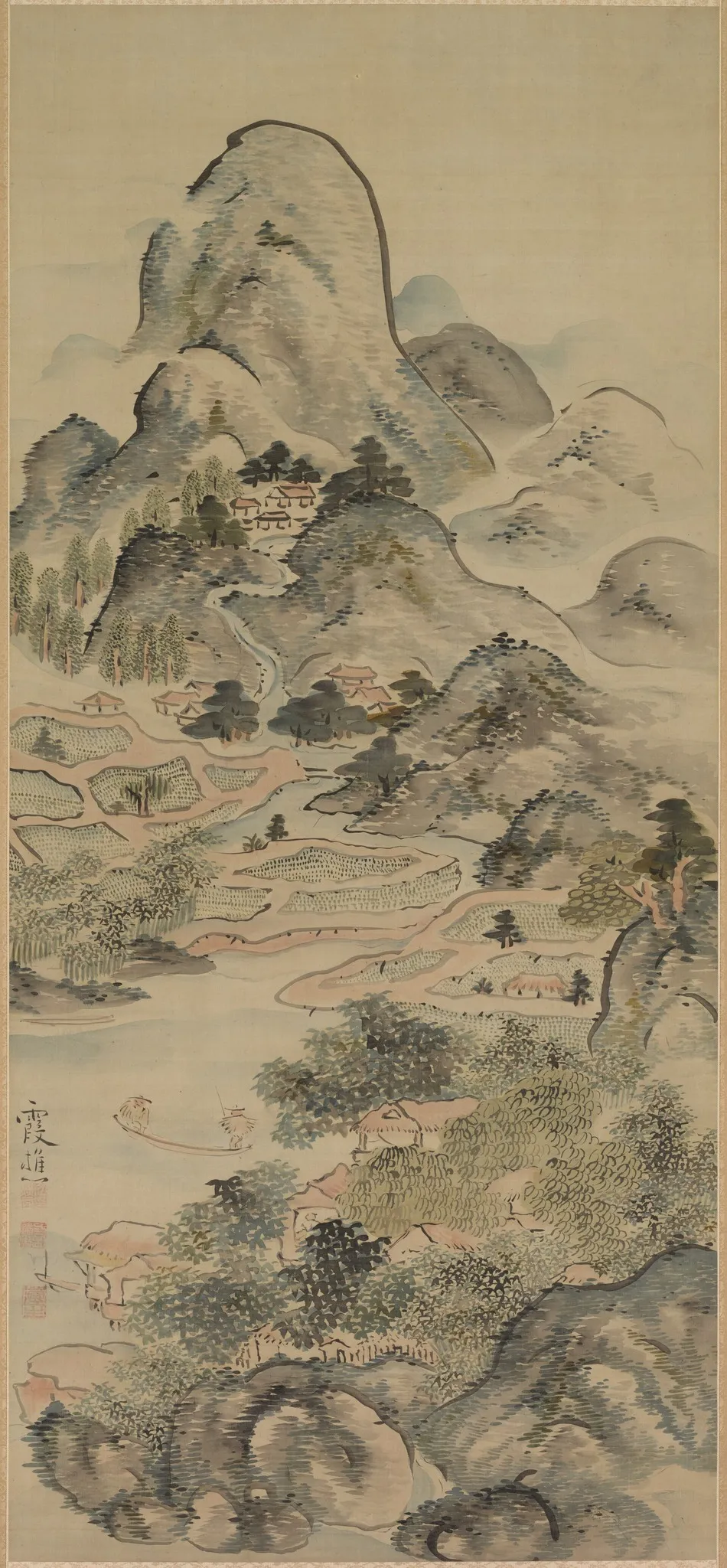
Fishing in Springtime is an unspecified painting by the Nanga artist Ike Taiga. It dates from 1749 and is held in the collection of the Cleveland Museum of Art.
About this work
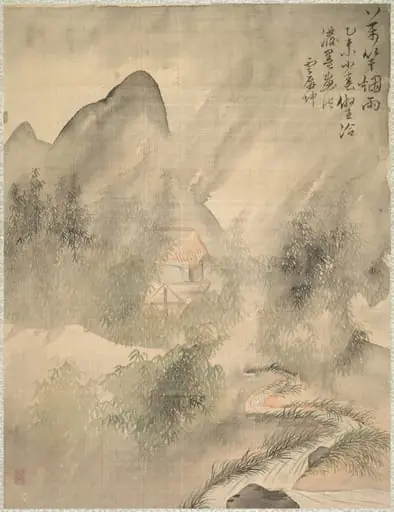
In 1749, Ike no Taiga brushed ink across silk to conjure a solitary angler among willows and mist, now at the Cleveland Museum of Art. The work channels Chinese wenrenhua ideals of scholarly retreat and poetic solitude through Edo-period sensibilities, its loose calligraphic strokes balancing spontaneity with meditative control.
Subject & Meaning
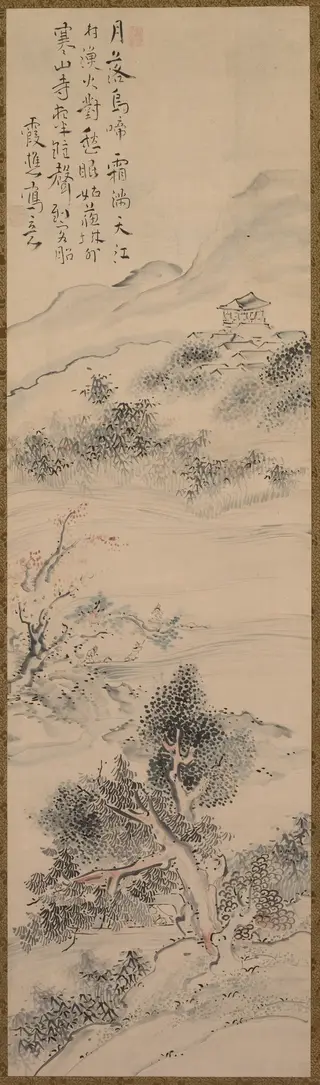
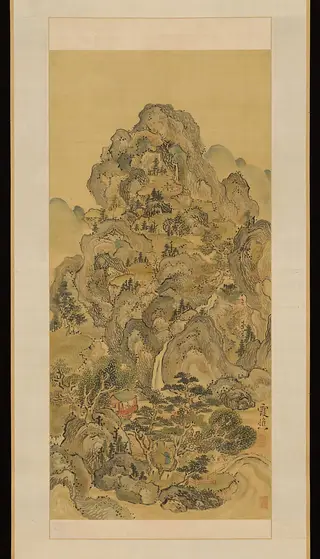
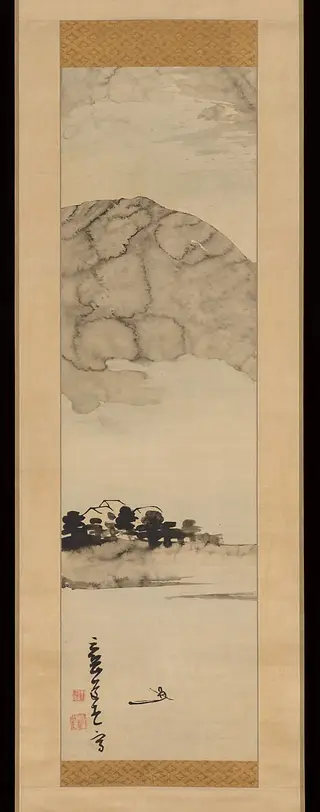
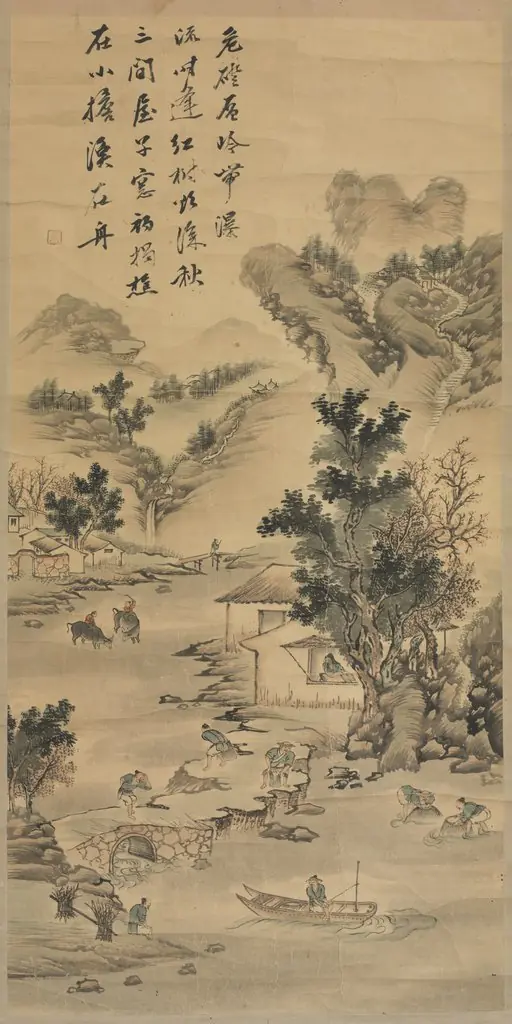
A fisher is shown in a longboat on a river, accompanied by a walking stick, while mountains, trees, and houses form the background.
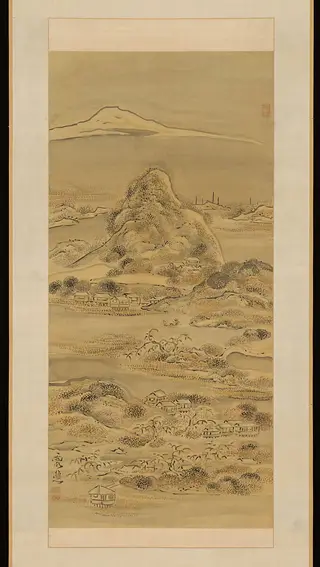
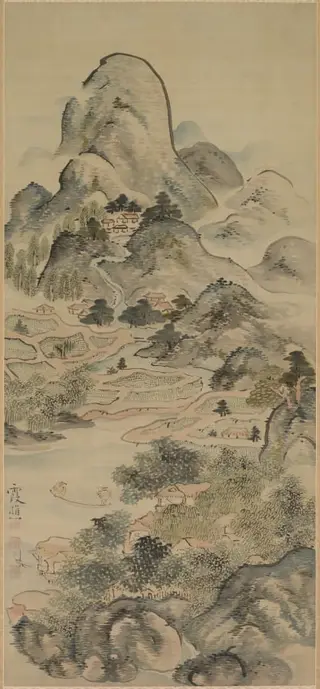
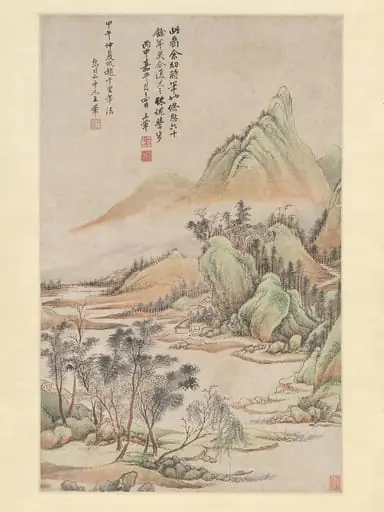
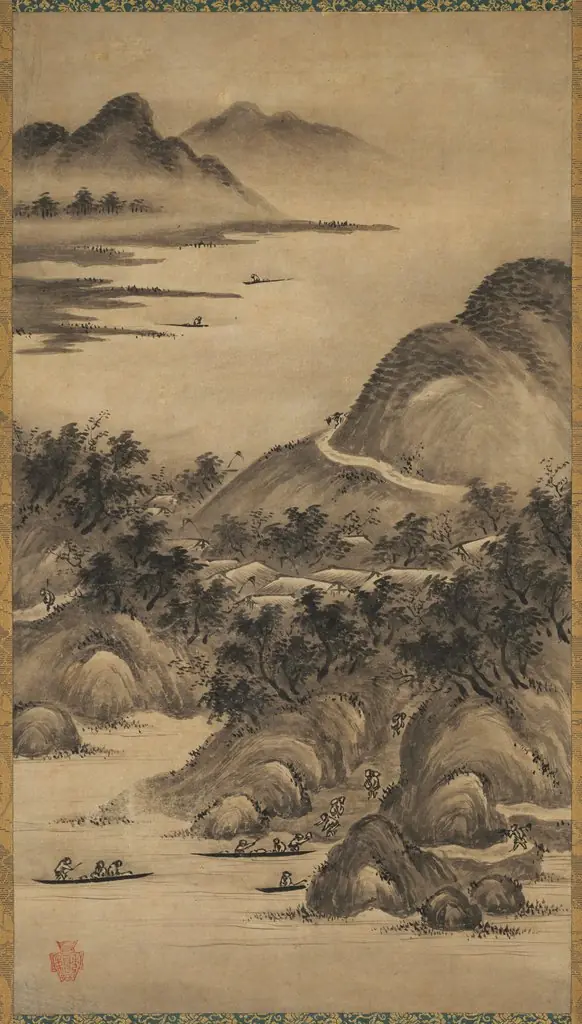
The painting depicts a spring landscape centered on the activity of fishing. A fisher is shown in a longboat on a river, accompanied by a walking stick, while mountains, trees, and houses form the background. The inclusion of spring and fishing elements aligns with traditional East Asian themes of harmony with nature and seasonal change.
Painted by Ike no Taiga in 1749, the work presents a serene scene that invites contemplation of the natural world and its cycles.
History & Provenance
Painted in 1749 by Ike no Taiga (1723–1776), also known as Ike Taiga. The work is held by the Cleveland Museum of Art, as documented by its accession number 1961.47. No details of its commission or earlier provenance are recorded in the available sources.
Overview
Ike no Taiga created Fishing in Springtime in 1747, at the age of twenty-four. This ink on silk hanging scroll portrays a solitary angler positioned by a riverbank, surrounded by gentle willow branches and an enveloping spring mist. The work exemplifies the nanga, or bunjinga, style of painting, a Japanese interpretation of Chinese scholar-amateur art. It is currently part of the collection at The Cleveland Museum of Art.
Technique & Style
Executed as an ink on silk hanging scroll, Fishing in Springtime showcases the distinctive characteristics of the nanga school. Taiga employs loose, calligraphic brushstrokes to define the figure and landscape, with atmospheric washes suggesting depth and mist rather than literal depiction. This approach, blending spontaneity with deliberate control, demonstrates the artist's confident and expressive hand, which also incorporates subtle suggestions of spatial recession, possibly influenced by Western art.
Context
At the time of its creation, Ike no Taiga was already a prominent figure within Kyoto's literati circles. Fishing in Springtime embodies the nanga movement, which adapted Chinese scholar-amateur painting traditions introduced to Japan via Nagasaki. Unlike the established professional art schools, nanga artists championed the wenrenhua ideal, viewing painting and calligraphy as intellectual endeavors for the cultivated individual.
Taiga's style was further enriched by his diverse background, including Zen calligraphy training and exposure to various artistic currents.
Legacy
Fishing in Springtime represents one of Ike no Taiga's earliest mature works, foreshadowing the distinctive style that would establish him as a preeminent master of the nanga school. The painting stands as a significant example of Japanese literati art from the Edo period, demonstrating Taiga's unique synthesis of influences and his innovative approach to traditional themes. It helped define his reputation and the direction of nanga painting in Japan.
Artist & collection