Artwork
The Statue of Pasquino
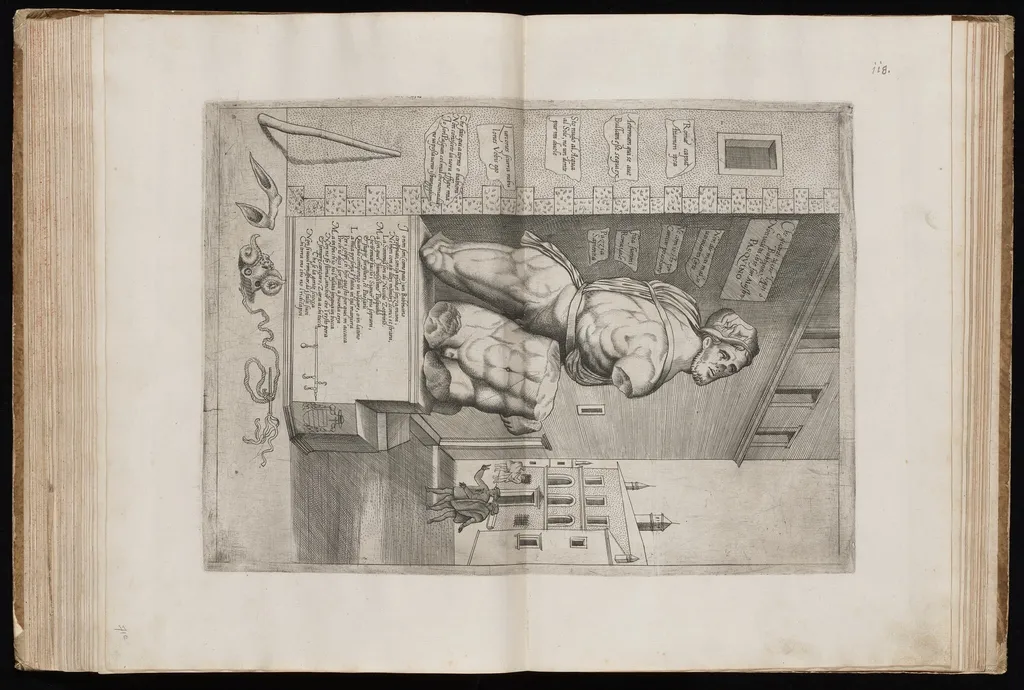
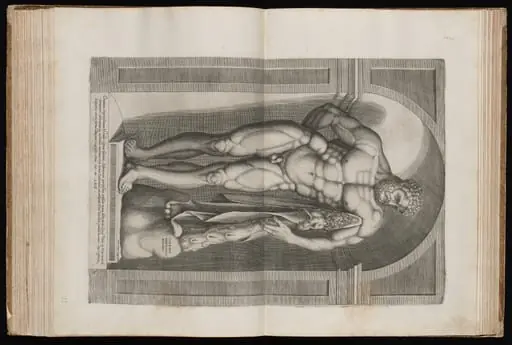
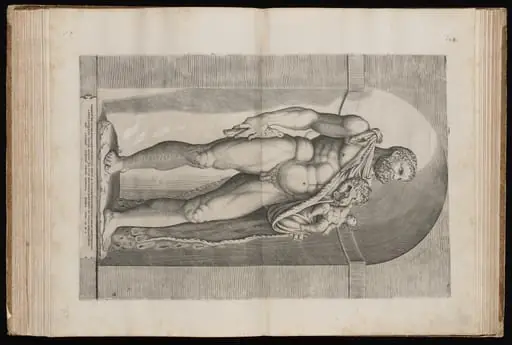
The Statue of Pasquino is an ink print by the Renaissance artist Italian 16th Century. It dates from 1544 and is held in the collection of the National Gallery of Art.
- Inscription
- Inscribed:Lettered UL: "Che guardi tu che leggi o / Babbuino / Non vedi tu ch'io son Mastro / Pasquino"
About this work
Overview
This engraving depicts the Statue of Pasquino, a fragmented ancient Roman sculpture, leaning against a wall in a state of disrepair, missing its head, arms, and legs, yet exuding a distinct warrior presence.
Subject & Meaning
The subject is believed to be a Hellenistic warrior. Beyond its artistic depiction, the statue is historically notable for its 16th-century role as Rome's first 'talking statue', a platform for anonymous social commentary through posted writings.
Technique & Style
The engraving utilizes cross-hatching, a technique characteristic of the medium, to convey texture and depth, particularly in rendering the rough, damaged surface of the ancient torso against the simpler, more subdued background of the wall.
History & Provenance
Originating from 16th-century Rome, the statue's significance extends beyond its ancient roots to its Renaissance-era function as a clandestine outlet for satire and grievance, making it a unique intersection of antiquity and medieval social practice.
Context
In 16th-century Rome, the statue served as a rare, anonymous public voice, allowing citizens to critique societal and political issues without fear of retribution, reflecting the era's tension between free expression and authoritarian governance.
Legacy
The Statue of Pasquino's legacy lies not only in its ancient craftsmanship but also in its accidental transformation into a symbol of clandestine free speech, influencing the tradition of 'talking statues' in Rome and beyond.
Artist & collection

Artist
An anonymous 16th-century Italian sculptor left a handful of small bronzes in dark brown and gilt.

![Roma Victrix [The Roma of Cardinal Cesi], by Nicolas Beatrizet](https://artifactworldgallery.com/img/nicolas-beatrizet--roma-victrix-the-roma-of-cardinal-cesi--d7ac2e26f0fc874b-w320.webp)
![The Dioscuri [Dorsal View], by Italian 16th Century](https://artifactworldgallery.com/img/italian-16th-century--the-dioscuri-dorsal-view--85eaf25b17a4dcfe-w320.webp)