Artwork
Girls Getting Dressed (Red Furniture and Yellow Wall)
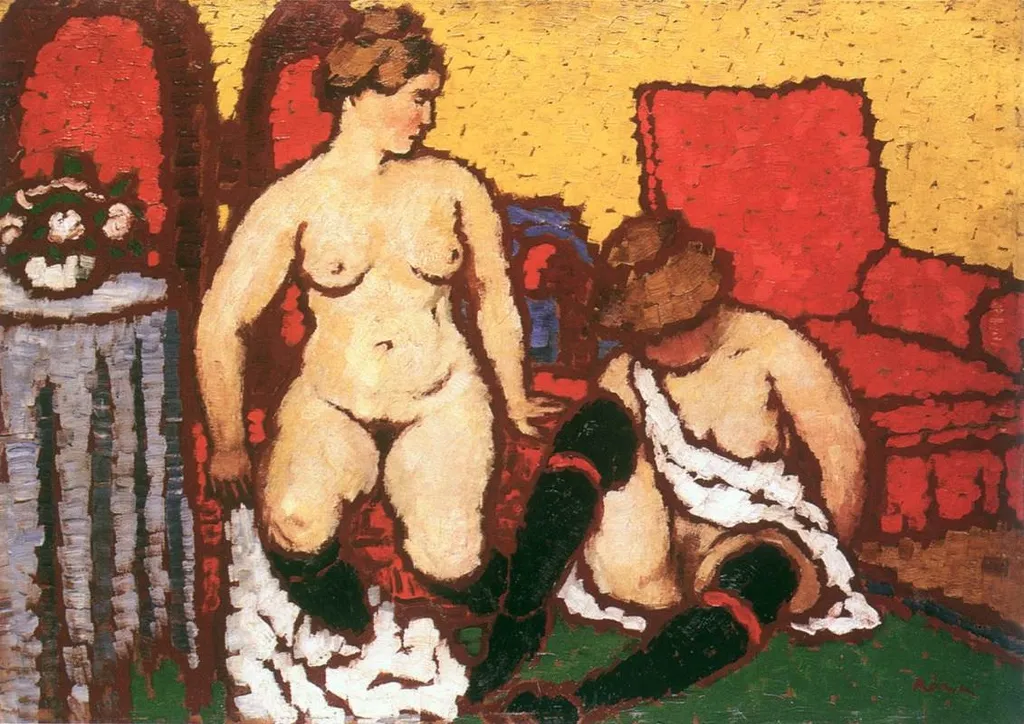
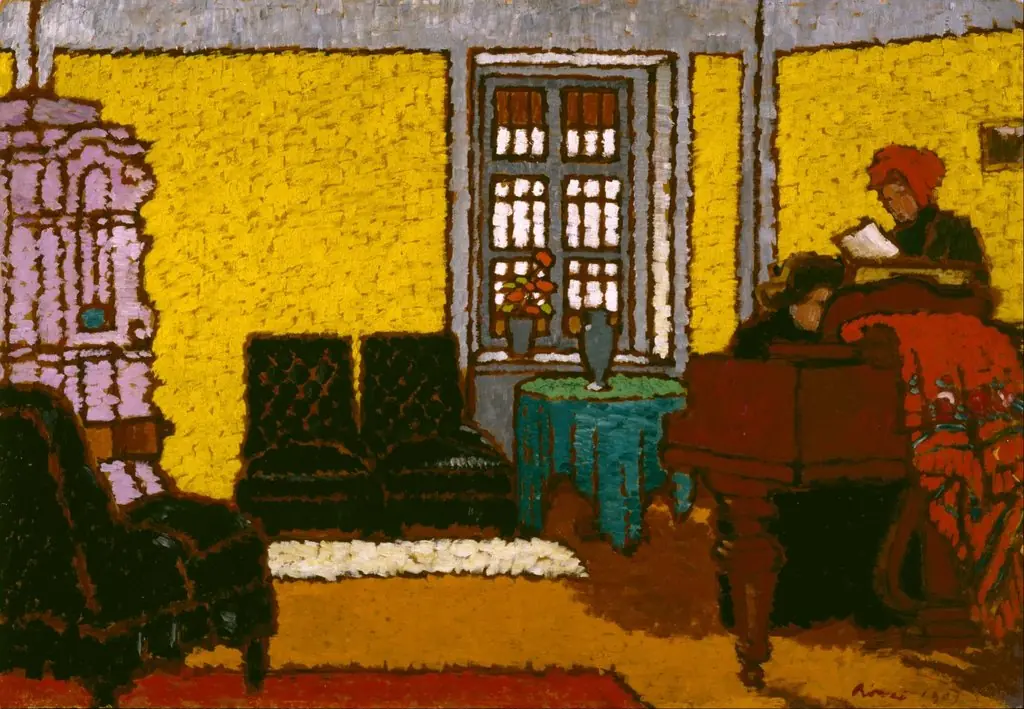
Girls Getting Dressed (Red Furniture and Yellow Wall) is an oil painting by the Les Nabis artist József Rippl-Rónai. It dates from 1912 and is held in the collection of the Hungarian National Gallery.
About this work
Overview
Painted in 1912 by Hungarian artist József Rippl-Rónai, this oil on canvas work captures a quiet domestic moment with heightened color and simplified structure.
Painted in 1912 by Hungarian artist József Rippl-Rónai, this oil on canvas work captures a quiet domestic moment with heightened color and simplified structure. It reflects the artist’s engagement with the Nabis, a group that favored expressive palettes and flattened spatial arrangements over naturalistic detail. The painting resides in the Hungarian National Gallery, where it stands as a key example of early modernist tendencies in Hungarian art.
Subject & Meaning
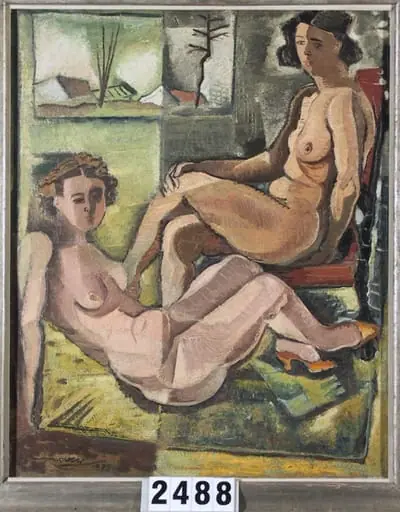
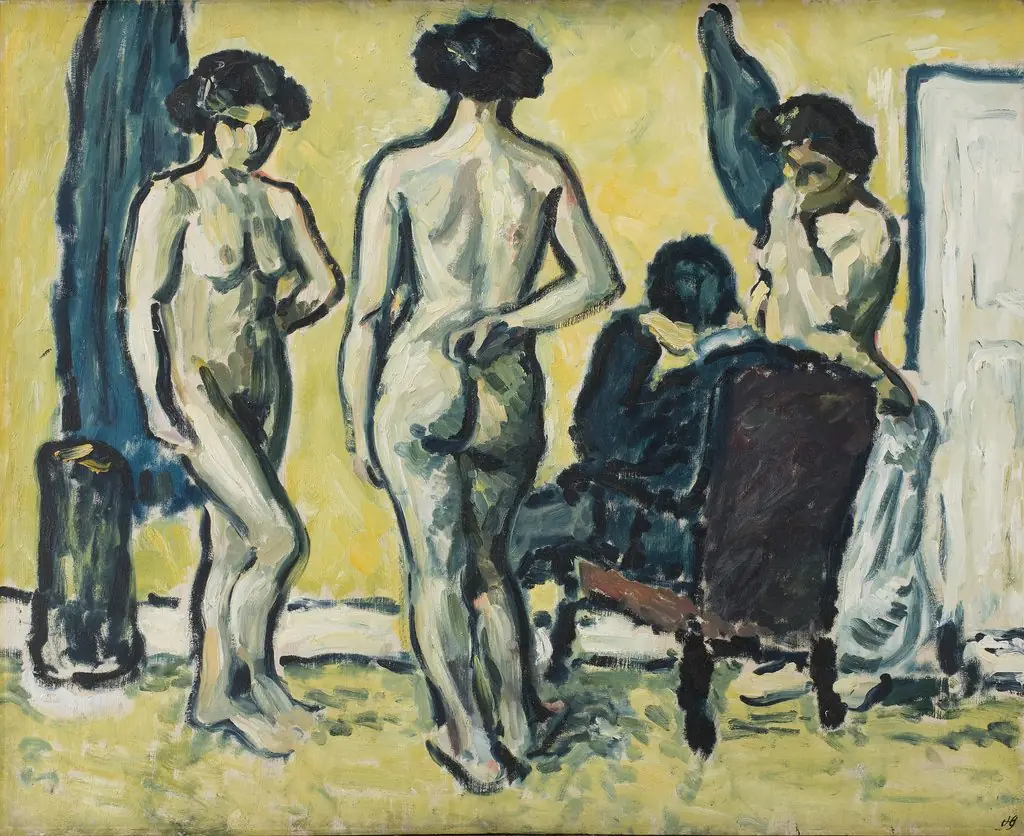
Two nude women, one standing and one seated on the floor, are shown in the act of dressing. Both wear black stockings, contrasting with their bare skin and the vivid interior. Their postures suggest intimacy and routine rather than theatricality.
The absence of narrative detail invites focus on the quiet rhythm of daily life, rendered with emotional restraint and formal harmony.
Technique & Style
Rippl-Rónai employs bold, unmodulated areas of red and yellow to define the room’s furnishings and walls, reducing depth through flat planes and sharp contours. The figures are rendered with soft edges and minimal modeling, echoing the Nabis’ preference for symbolic color over optical realism. The black stockings act as deliberate visual anchors, grounding the composition amid the saturated surroundings.
History & Provenance
Created during Rippl-Rónai’s mature period, the painting emerged from his sustained interest in interior scenes and the human form. It entered the collection of the Hungarian National Gallery in the early 20th century and has remained there since, representing a bridge between European modernism and Hungarian artistic identity. No significant changes in ownership or restoration are documented.
Context
In early 20th-century Hungary, artists like Rippl-Rónai were absorbing French avant-garde trends, particularly from the Nabis and Symbolists. This work aligns with broader European shifts away from academic realism toward expressive, decorative approaches. The choice of an intimate, unidealized domestic scene reflects a growing interest in private, psychological space over public or historical themes.
Legacy
The painting contributes to the recognition of Rippl-Rónai as a pivotal figure in Hungary’s transition to modernism. Its restrained palette and formal clarity influenced later generations of Hungarian painters exploring color and form in everyday settings. While not widely exhibited internationally, it remains a touchstone in national collections for its synthesis of personal observation and stylistic innovation.
Artist & collection
Artist
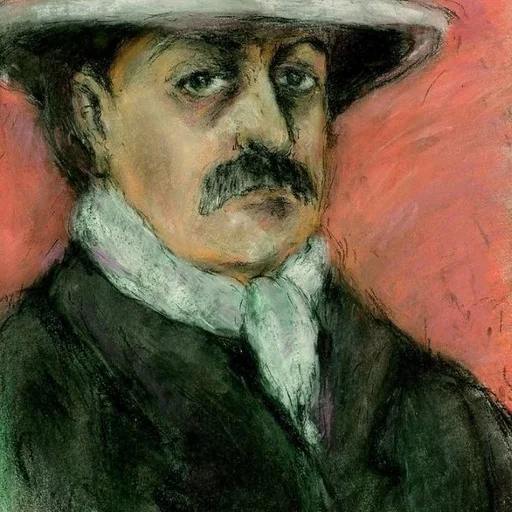
József Rippl-Rónai (23 May 1861 – 25 November 1927) was a Hungarian painter. He was among the first Hungarian exponents of artistic modernism.