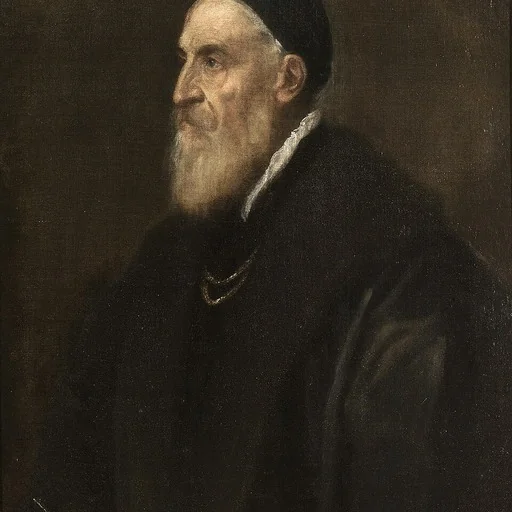
Subject
Cloud
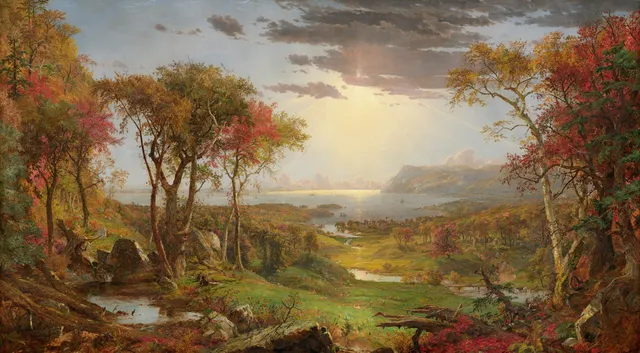
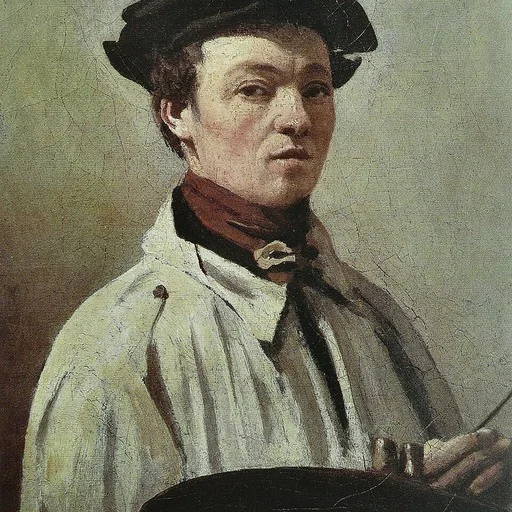
Cloud is a subject in art. The gallery holds 200 works in this subject in art, including works by Titian, Paolo Veronese and Jean Baptiste Camille Corot.
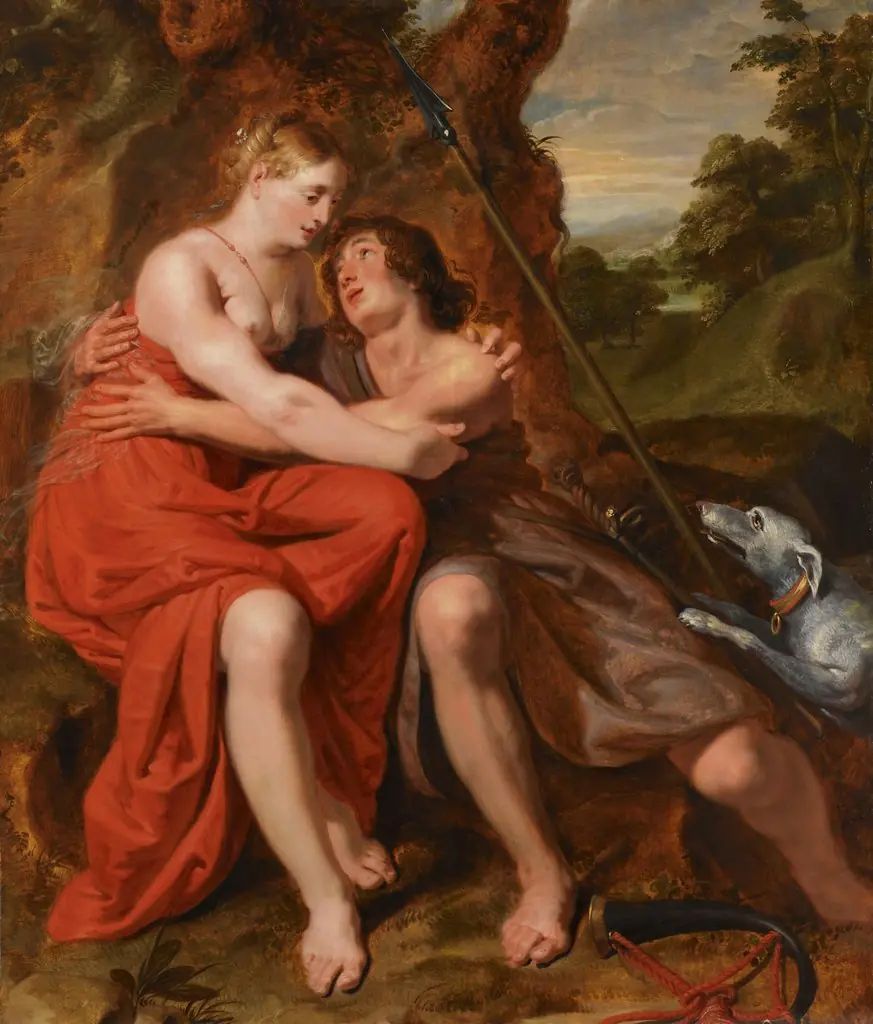
Long before the cloud became a subject in its own right, painters used it as the architecture of heaven. In Renaissance and Baroque religious art the cloud was a vehicle of the divine—a buoyant threshold separating earthly and celestial realms and a stage for ascending saints and gods. Andrea Mantegna's illusionistic ceiling in the Camera degli Sposi (Mantua, completed 1474) pioneered the *di sotto in sù* viewpoint, and Correggio dissolved the dome of Parma Cathedral into a vortex of cloud and light in his *Assumption of the Virgin* (1526–30), establishing the apotheosis composition that Giovanni Battista Tiepolo would carry to its airy climax in the eighteenth century. In Venetian mythologies such as Titian's *Venus and Adonis* and Paolo Veronese's *Venus and Mars*, clouds likewise frame the gods and lend the sky its theatrical weather.
A decisive shift came around 1800, when the cloud ceased to be mere backdrop and became an object of study. In 1802–03 the amateur meteorologist Luke Howard proposed a Latin nomenclature—cirrus, cumulus, stratus, and their compounds—that gave artists and scientists a shared vocabulary for the sky. Goethe, captivated, dedicated poems to Howard's system, and the classification fed a new naturalism. John Constable, who called the sky the "chief organ of sentiment" in a landscape, painted over a hundred oil cloud studies outdoors in the summers of 1821–22, annotating many with the date, hour, and wind. J. M. W. Turner pushed the storm and the dissolving horizon toward near-abstraction.
The defining technique of this tradition is direct observation: rapid plein-air sketches capturing transient light and structure, later worked up in the studio. John Ruskin, writing in *Modern Painters*, declared that modern landscape might be called "the service of clouds" and attempted the first systematic perspective of cloud forms.
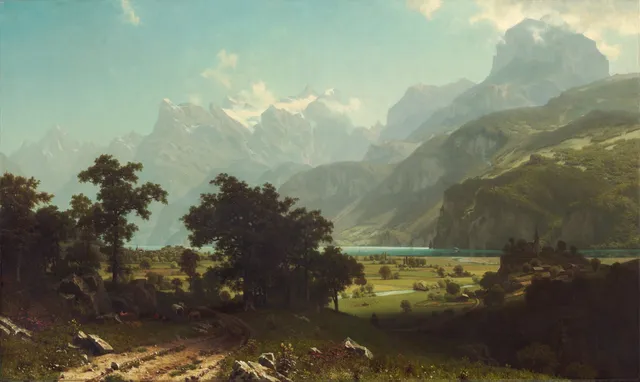
The cloud's empirical and atmospheric legacy runs through Camille Corot's silvery skies (as in *The Repose*), the luminous American panoramas of Albert Bierstadt's *Lake Lucerne*, and Impressionism, where Claude Monet's *Woman with a Parasol* dissolves a figure into wind and scudding cloud. In the twentieth century Alfred Stieglitz's *Equivalents* (1925–34), more than two hundred photographs of bare sky, severed the cloud from any horizon to make it a vehicle of pure emotion—among the first wholly abstract photographs, and proof that the cloud remains art's most eloquent emblem of the formless.
Key artists
Overview
In meteorology, a cloud is an aerosol consisting of a visible mass of miniature liquid droplets, ice crystals, or other particles suspended in the atmosphere of a planetary body or similar space. Water vapor primarily comprises these droplets and crystals. On Earth, clouds are formed as a result of saturation of the air when it is cooled to its dew point, or when it gains sufficient moisture from an adjacent source to raise the dew point to the ambient temperature. In the visual arts, the representation of clouds and the sky is known as a cloudscape. Although the term landscape painting suggests the land is the primary subject, it is frequently the sky and its clouds that make a composition intriguing, setting the tone and completely changing the overall mood of the work.
Iconography & meaning
Throughout history, clouds have carried shifting iconographic and symbolic meanings. In the twelfth century, the cloud, then called a nue, was perceived theologically as the nuée mystique, or the veil of God, occasionally revealing paradise during a flash of light. More naturalistic perspectives classified them by color, with dark clouds seen as rain-bearing nimborum naves, or ships of rain, and white clouds as having emptied their water. Until the nineteenth century, clouds in the visual arts remained essentially in the domain of the sacred, serving as the hierophany for events like the ascension of Christ or visions of mystics. In Korean art, clouds carry different symbolism, specifically within the genre of the Ten Symbols of Longevity, where cumulus humilis clouds represent eternal youth and encapsulate harmony. Beyond specific symbols, clouds have long stimulated the human imagination due to their optical properties, development, and beauty.
In the collection
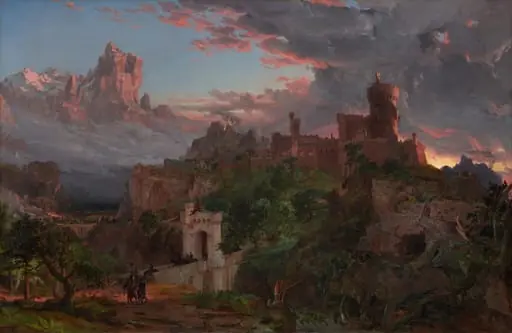
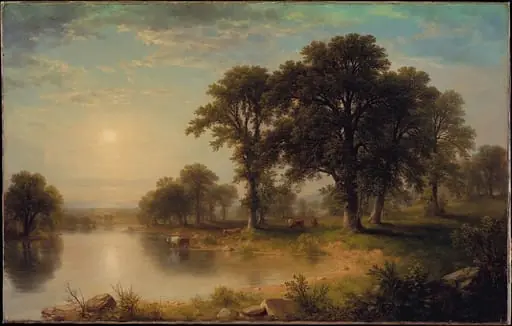
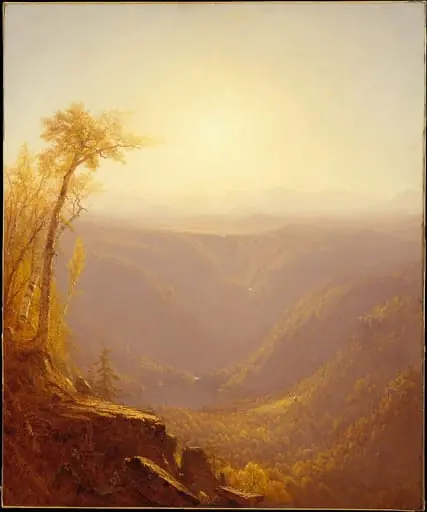
The motif of the cloud appears in 544 works within the collection. These works span a variety of subjects and genres, from classical mythology to landscape and portraiture. Examples include mythological scenes such as Venus and Adonis, Venus and Mars, and Bacchus and Ariadne, as well as allegorical or figurative works like The Repose and Woman with a Parasol, Madame Monet and Her Son. Landscape representations make up a significant portion of the depictions, featuring in works like Lake Lucerne, Wivenhoe Park, Essex, Archery Contest, and Autumn, On the Hudson River. The breadth of these works demonstrates how clouds serve as a unifying atmospheric element across disparate themes and compositions.
Across movements & periods
The treatment of clouds in art has evolved significantly across periods and movements. During the Renaissance and Baroque periods, landscapes were unusual, though artists like El Greco utilized dramatic skies to enhance the emotional intensity of works like View of Toledo. In the Dutch Golden Age, painters such as Jacob van Ruisdael employed meticulous detail and contrasts of light and shadow to harmonize cloud masses with terrestrial subjects. The Romantic era, including the German Sturm und Drang movement, embraced the ephemeral and mobile character of clouds to convey the spirit of discovery and exploration, as seen in Caspar David Friedrich's Wanderer above the Sea of Fog. Luminism, an American art movement, utilized tranquil, featureless stratus clouds to emphasize light effects and atmospheric perspective. Later, Impressionists like Claude Monet focused on the fleeting energy and optical effects of weather. By the 1960s, artists like Georgia O'Keeffe began depicting clouds from an aerial, airplane perspective, using abstract methods that veered between pattern and landscape.
Legacy
The artistic and cultural legacy of clouds bridges aesthetic representation and scientific observation. Before the nineteenth century, savants attempted to describe clouds subjectively, but their fugacity and complex nature obstructed categorization. This changed when Luke Howard proposed a scientific nephological system in 1803, utilizing universal Latin nomenclature that remains in use today. Howard's classification influenced artists, who increasingly incorporated scientific observations, sometimes drawn from balloon ascents, into their work. From the nineteenth century onward, artists like John Constable, Claude Monet, and Olafur Eliasson have utilized these scientific observations in their art. In literature, Charles Baudelaire represented clouds as the quintessence of the life of a stranger, loving them for their passing, marvelous nature. The continued relevance of clouds in both art and science is underscored by their role in climate sensitivity, where they remain a main uncertainty due to their dual capacity to reflect incoming solar rays for a cooling effect or trap longer wave radiation from the Earth's surface for a warming effect.
Works
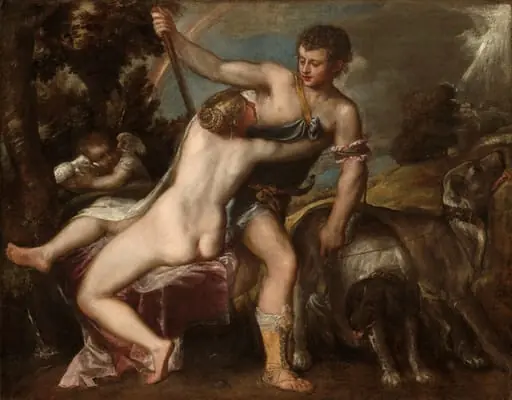 Venus and Adonis
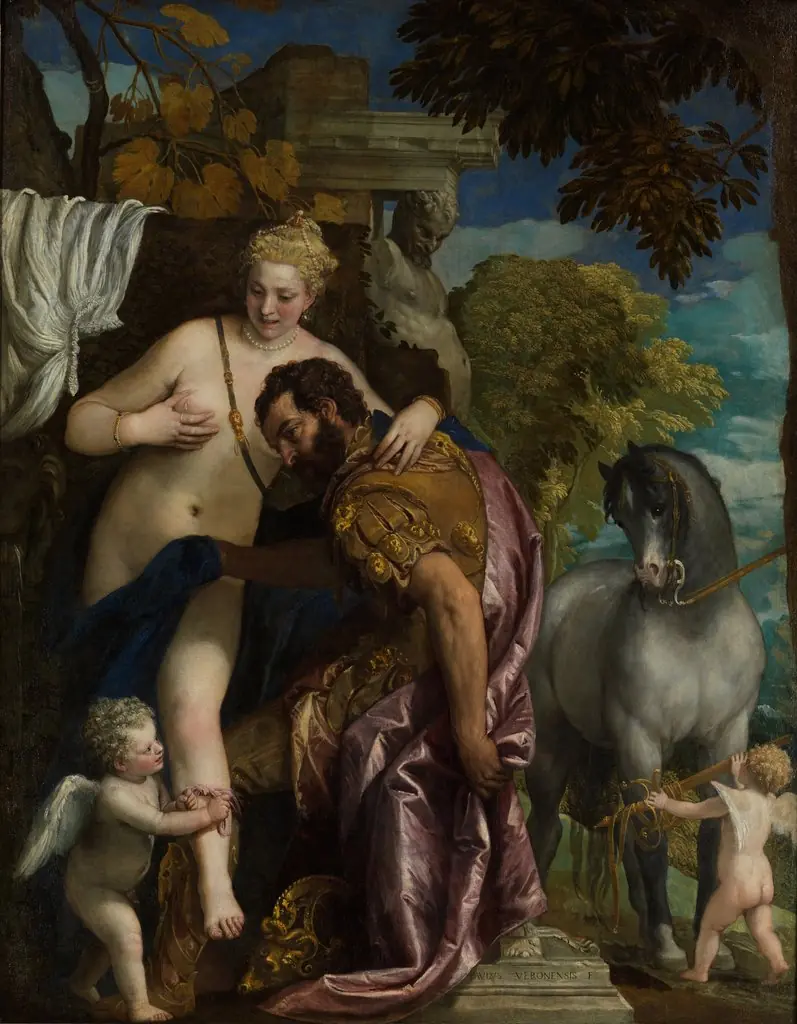 Venus and Mars
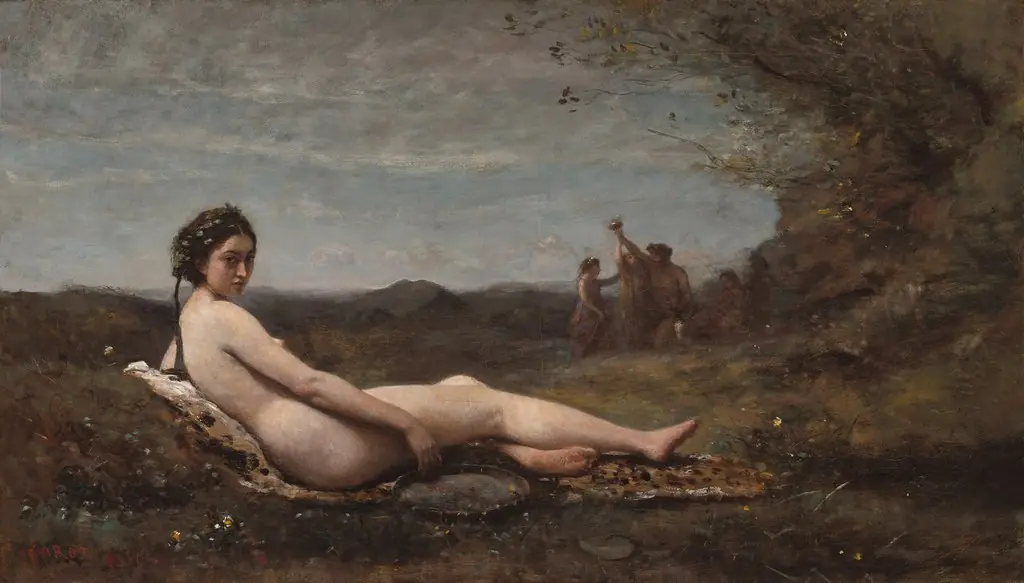 The Repose
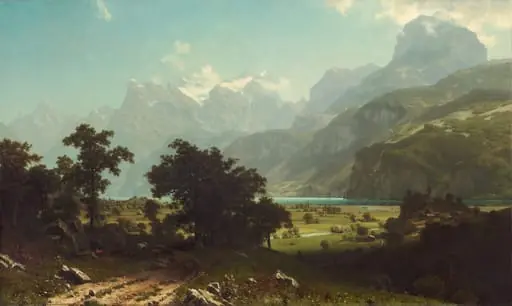 Lake Lucerne
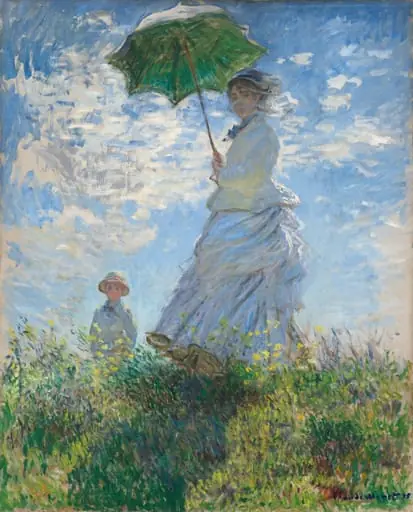 Woman with a Parasol - Madame Monet and Her Son
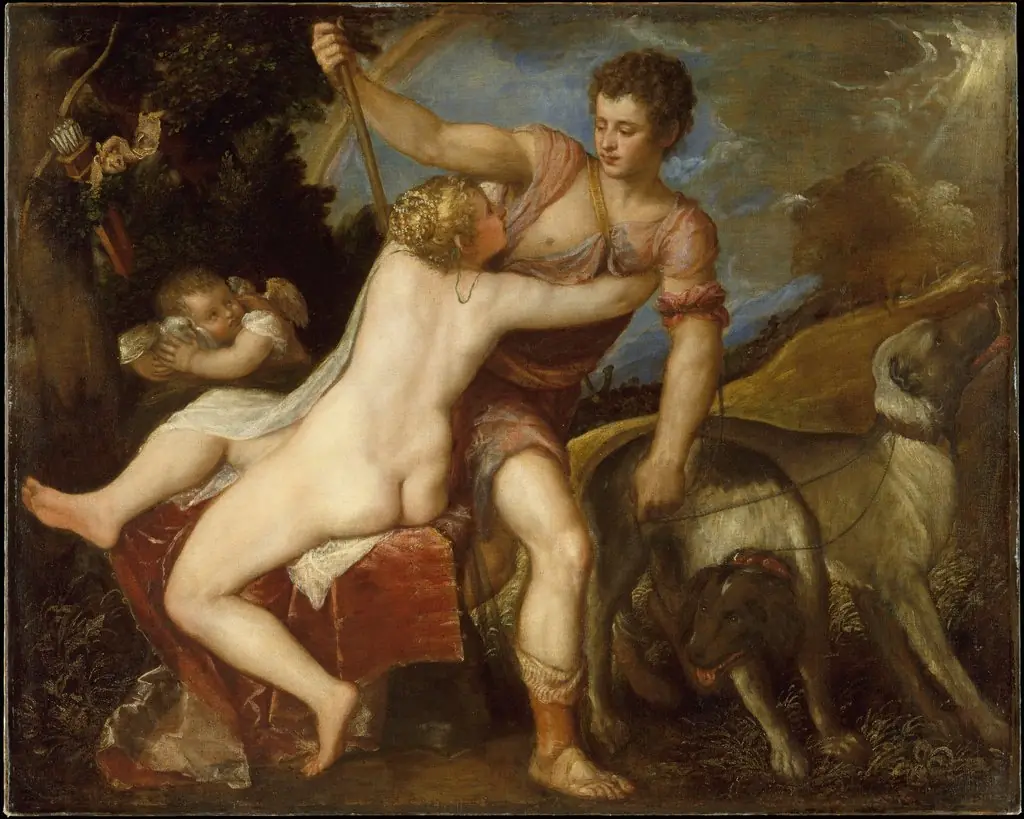 Venus and Adonis
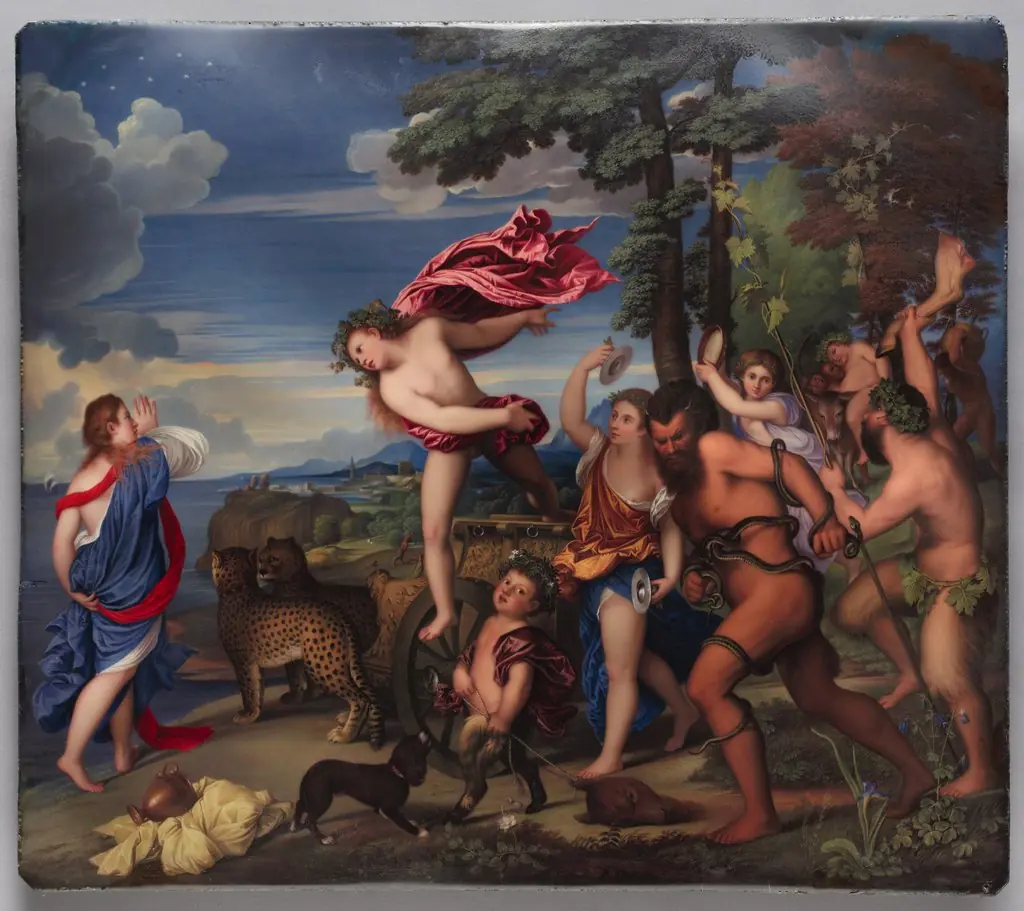 Bacchus and Ariadne
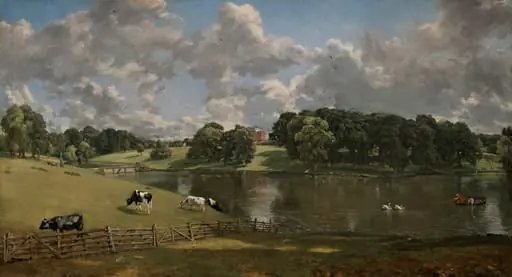 Wivenhoe Park, Essex
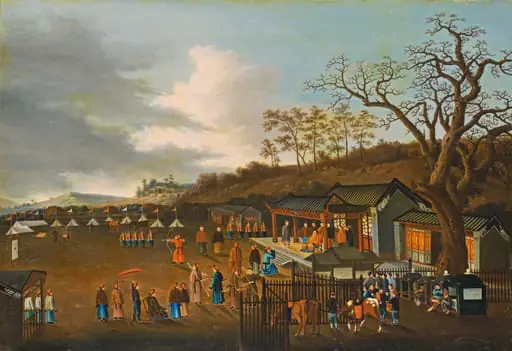 Archery Contest
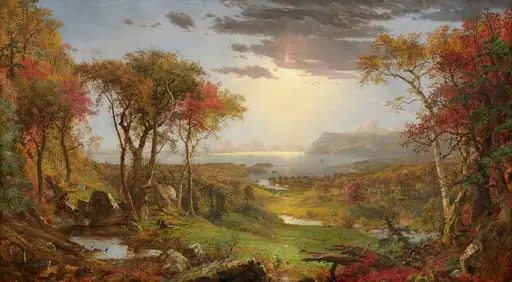 Autumn - On the Hudson River
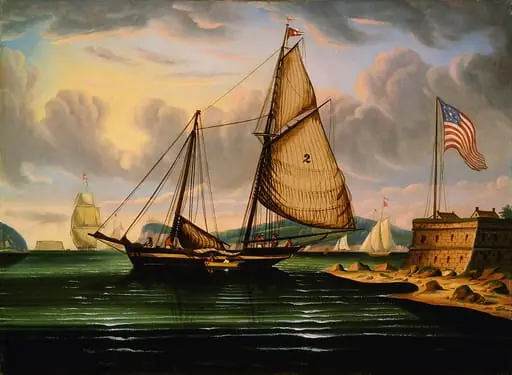 New York Harbor with Pilot Boat "George Washington"
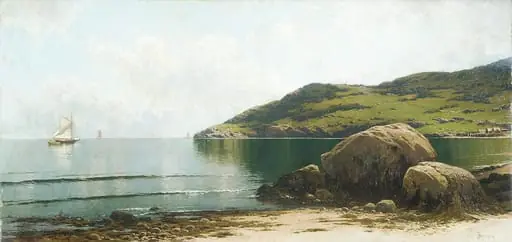 Marine Landscape
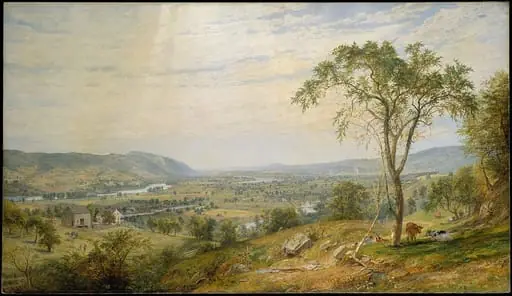 The Valley of Wyoming
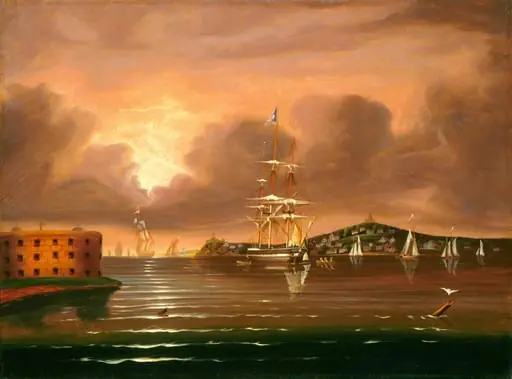 Threatening Sky, Bay of New York
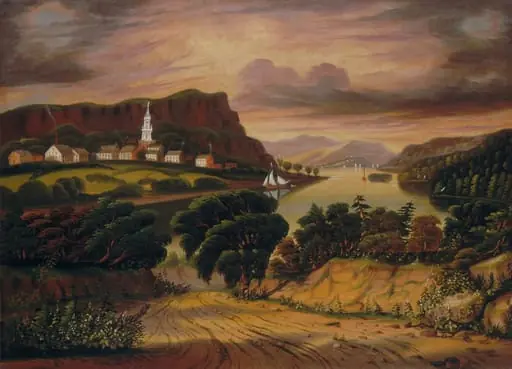 Lake George and the Village of Caldwell
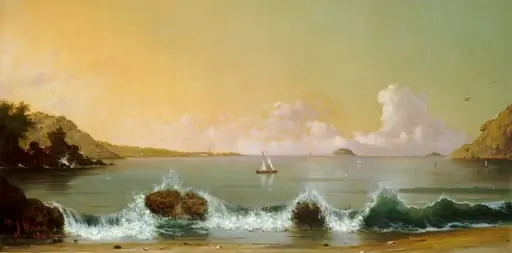 Rio de Janeiro Bay
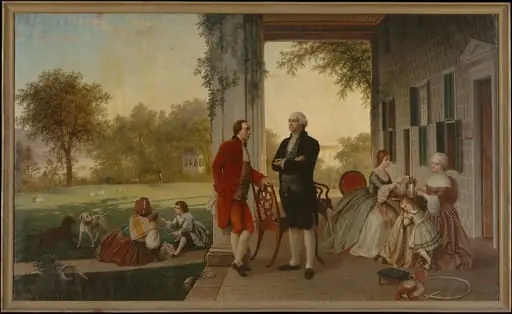 Washington and Lafayette at Mount Vernon, 1784 (The Home of Washington after the War)
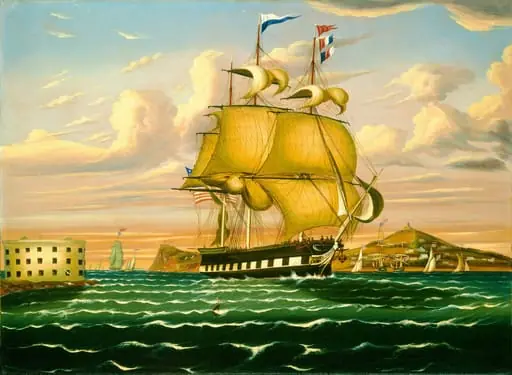 Packet Ship Passing Castle Williams, New York Harbor
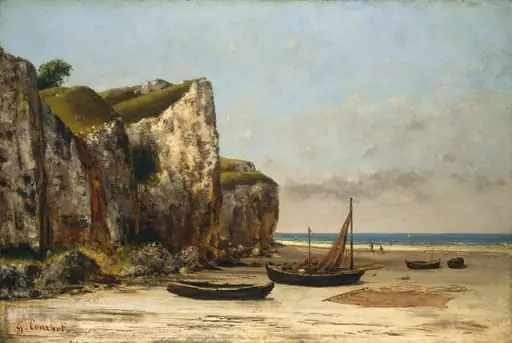 Beach in Normandy
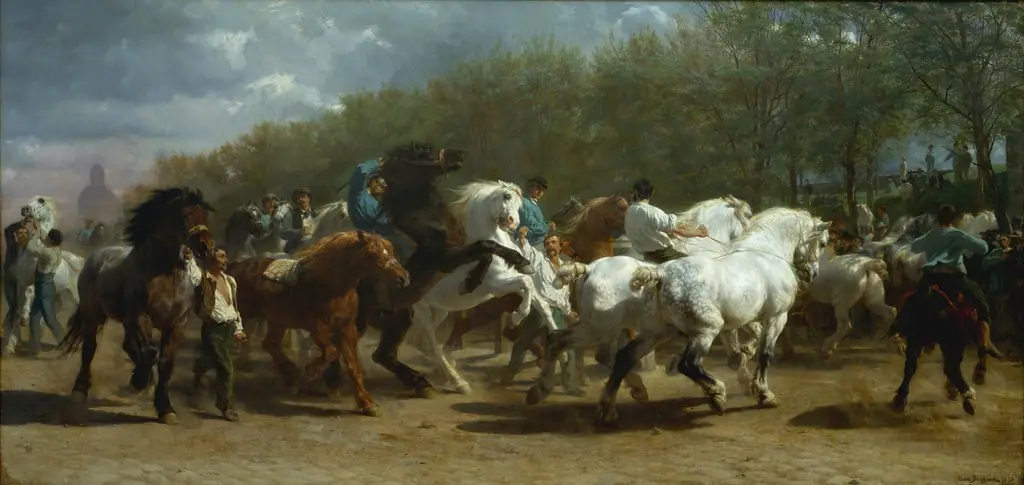 The Horse Fair
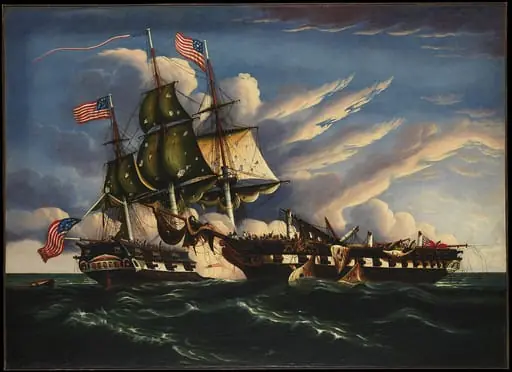 The Constitution and the Guerriere
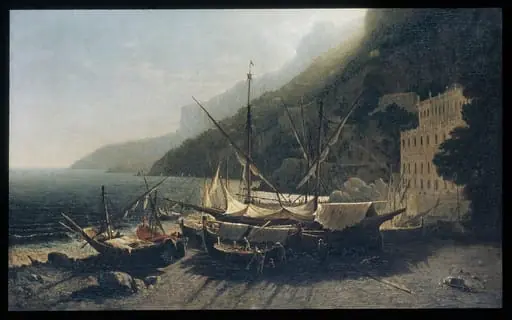 View at Amalfi, Bay of Salerno
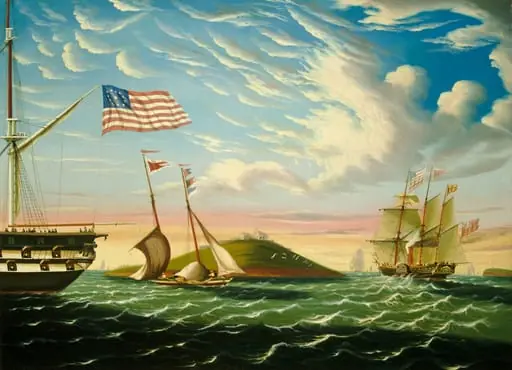 Boston Harbor
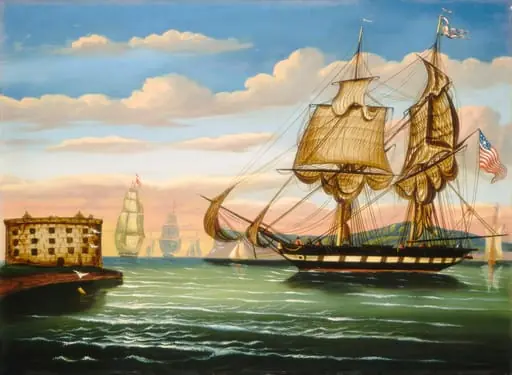 Bay of New York, Sunset
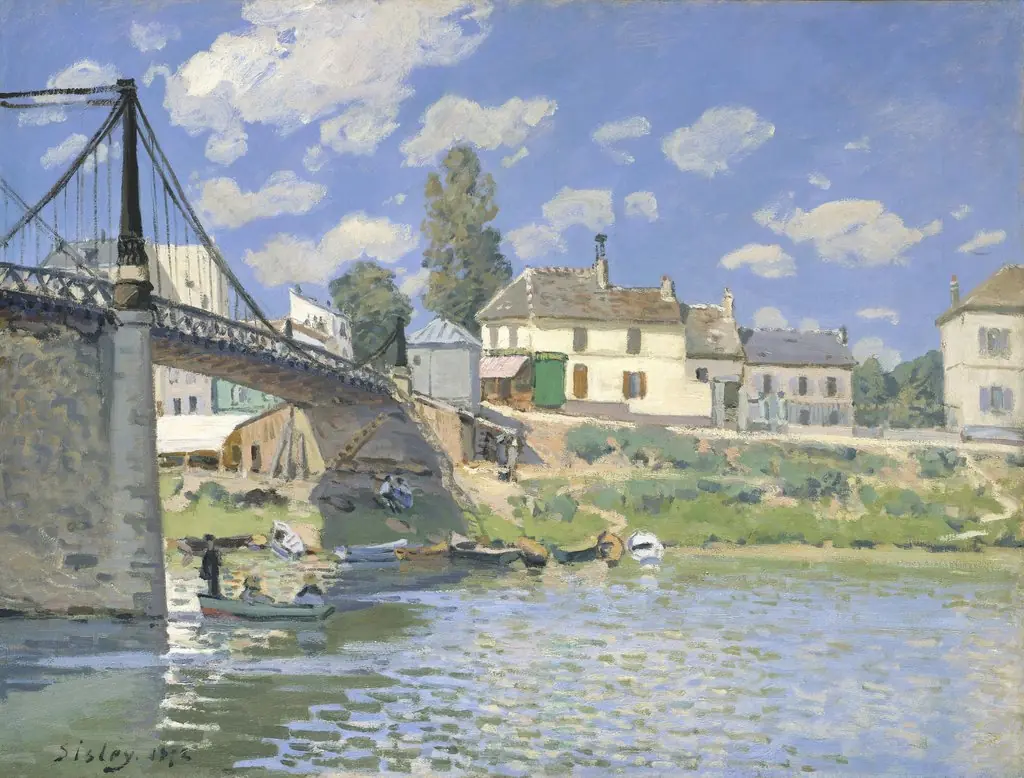 The Bridge at Villeneuve-la-Garenne
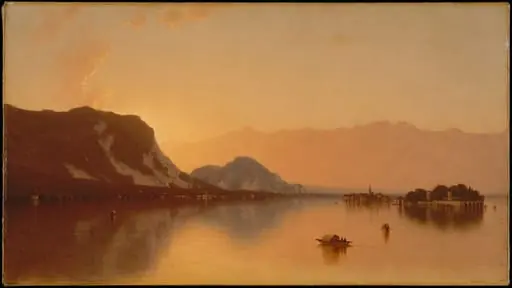 Isola Bella in Lago Maggiore
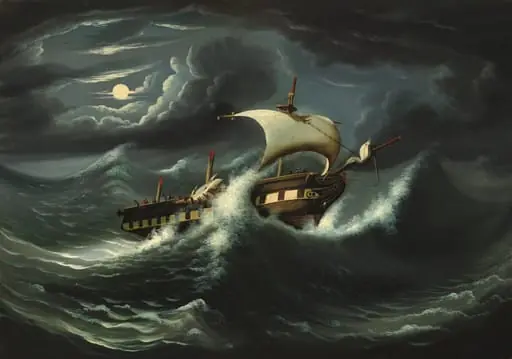 Storm-Tossed Frigate
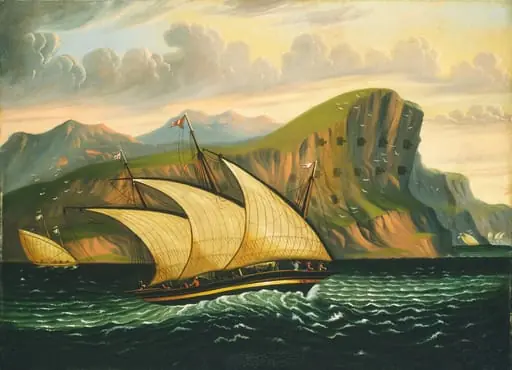 Felucca off Gibraltar
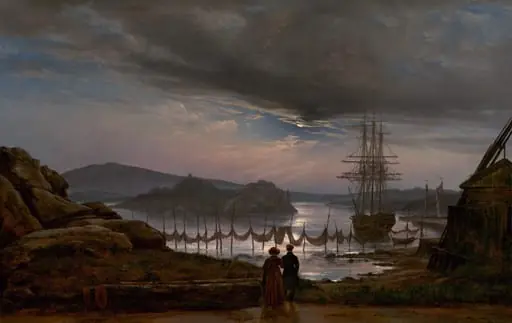 View from Vaekero near Christiania
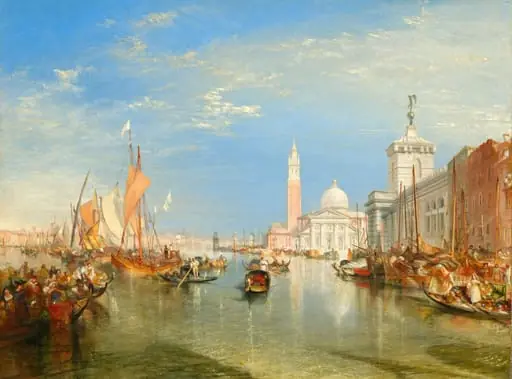 Venice: The Dogana and San Giorgio Maggiore
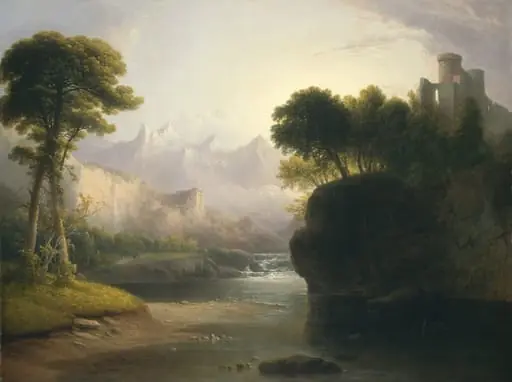 Fanciful Landscape
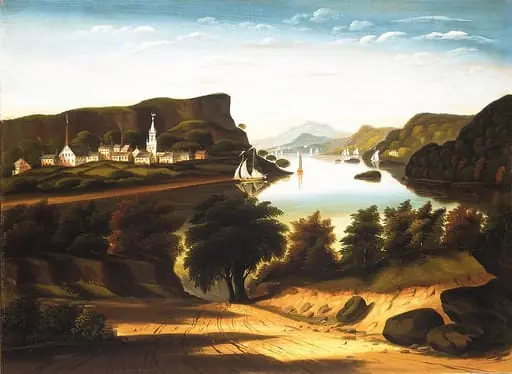 Lake George and the Village of Caldwell
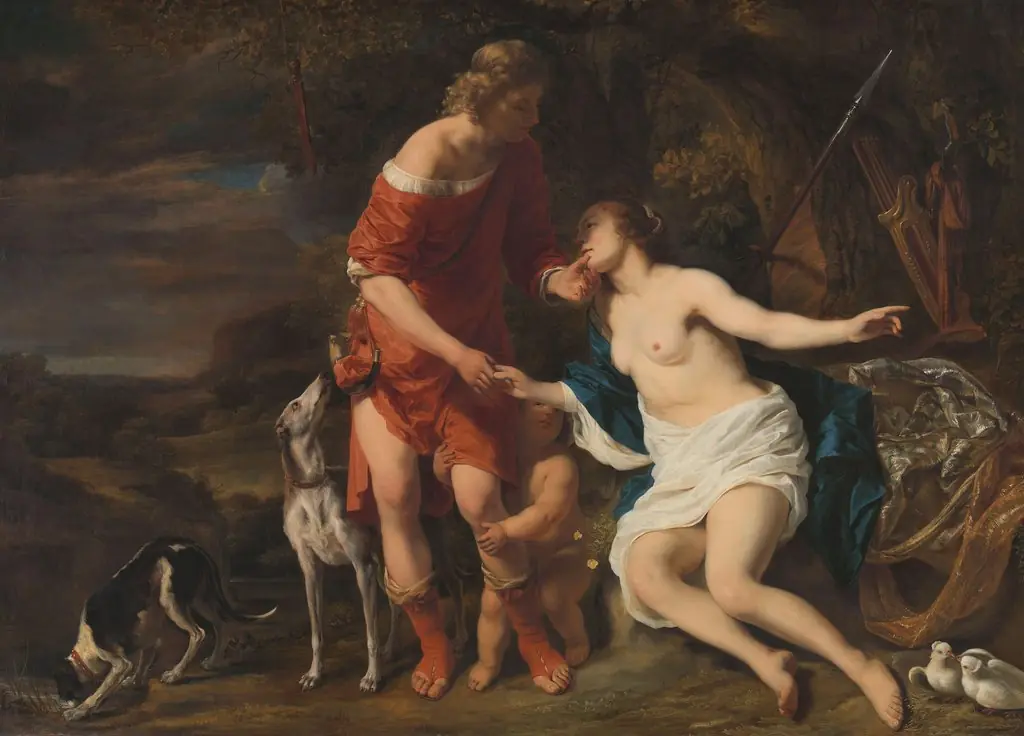 Venus and Adonis
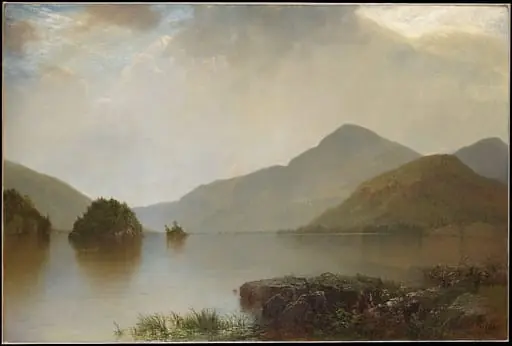 Lake George
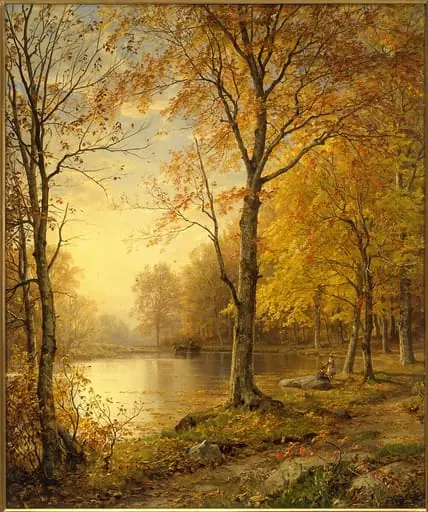 Indian Summer
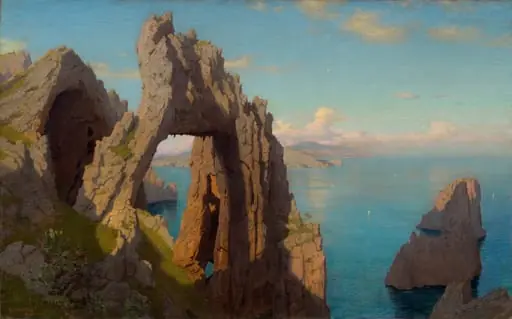 Natural Arch at Capri
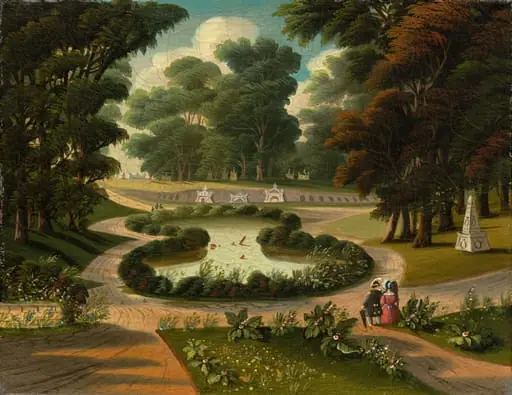 Mount Auburn Cemetery
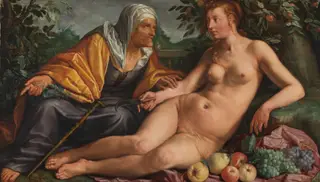 Vertumnus and Pomona
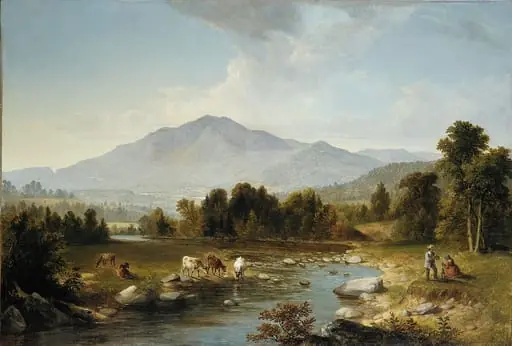 High Point: Shandaken Mountains
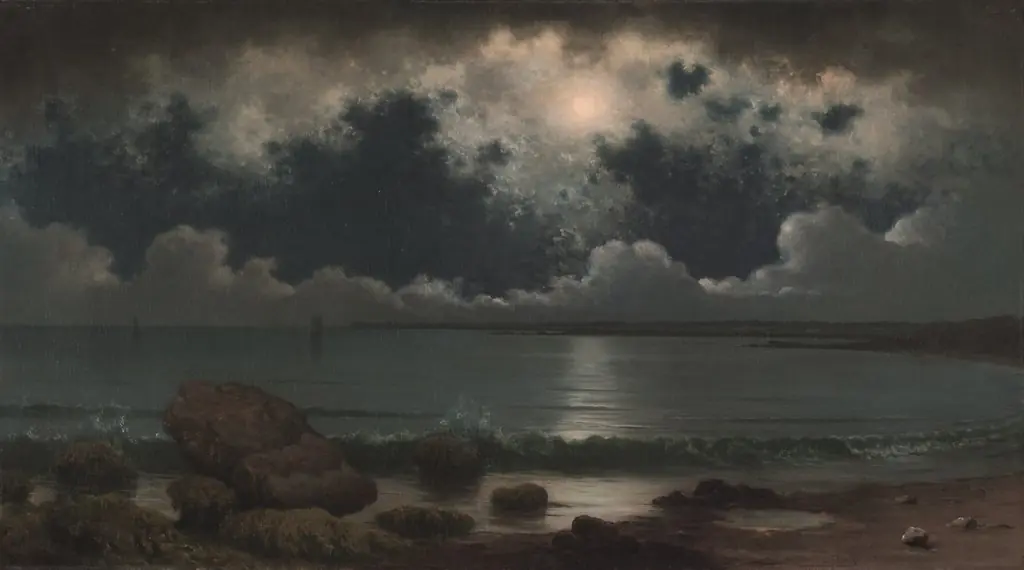 Point Judith, Rhode Island
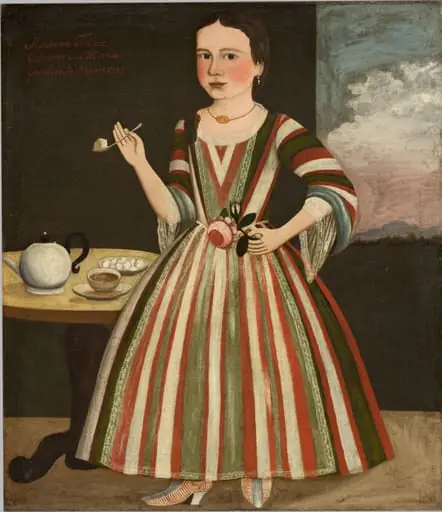 Susanna Truax
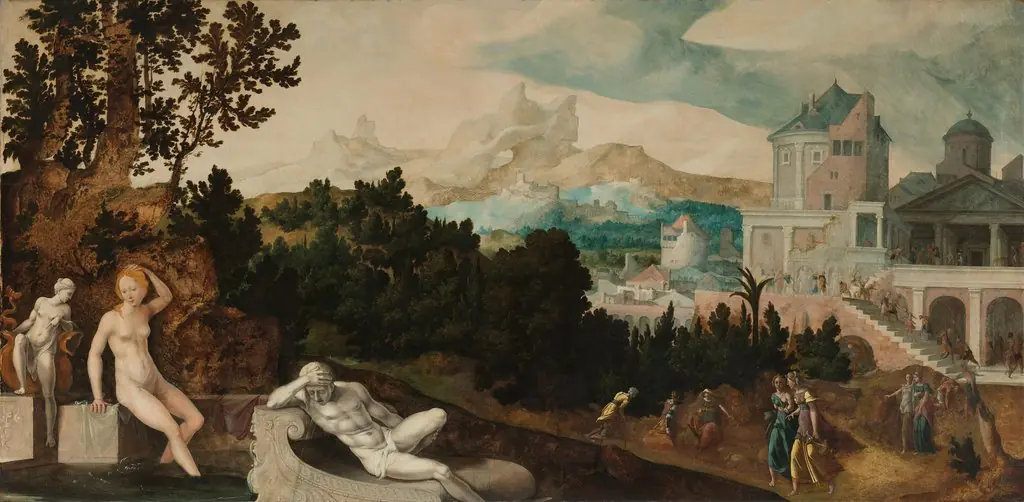 Landscape with Bathsheba
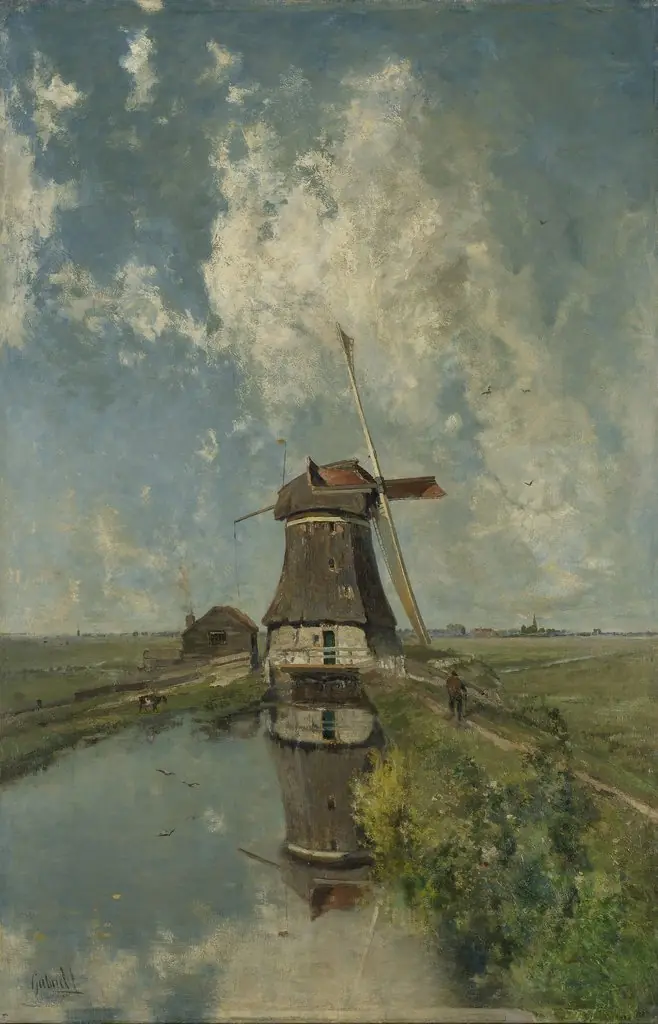 A Windmill on a Polder Waterway, Known as ‘In the Month of July’
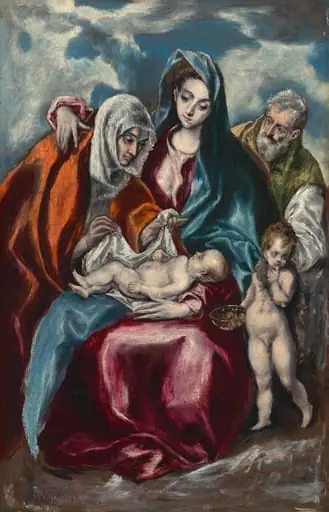 The Holy Family with Saint Anne and the Infant John the Baptist
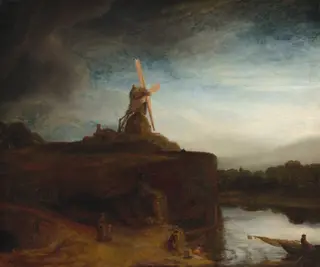 The Mill
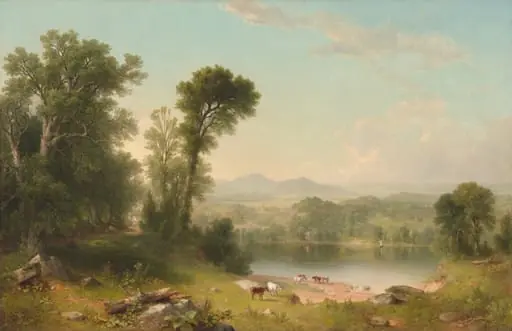 Pastoral Landscape
 The Spirit of War
 Summer Afternoon
 A Gorge in the Mountains (Kauterskill Clove)
 Venus and Adonis
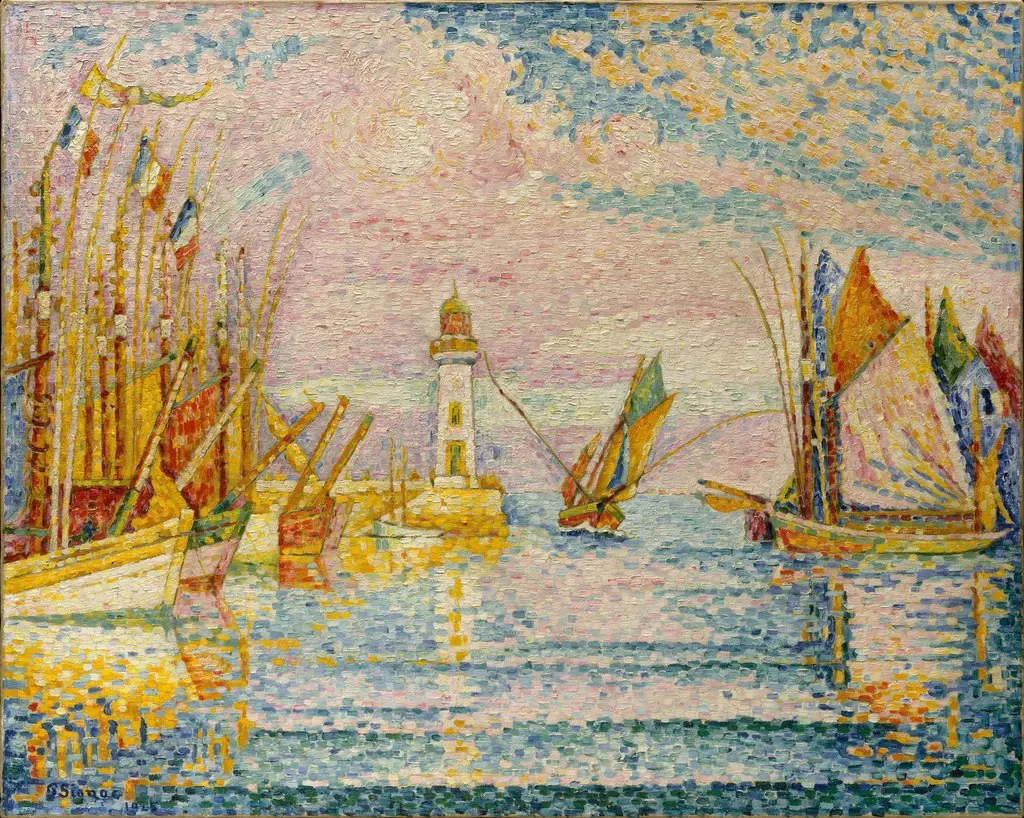 Lighthouse at Groix
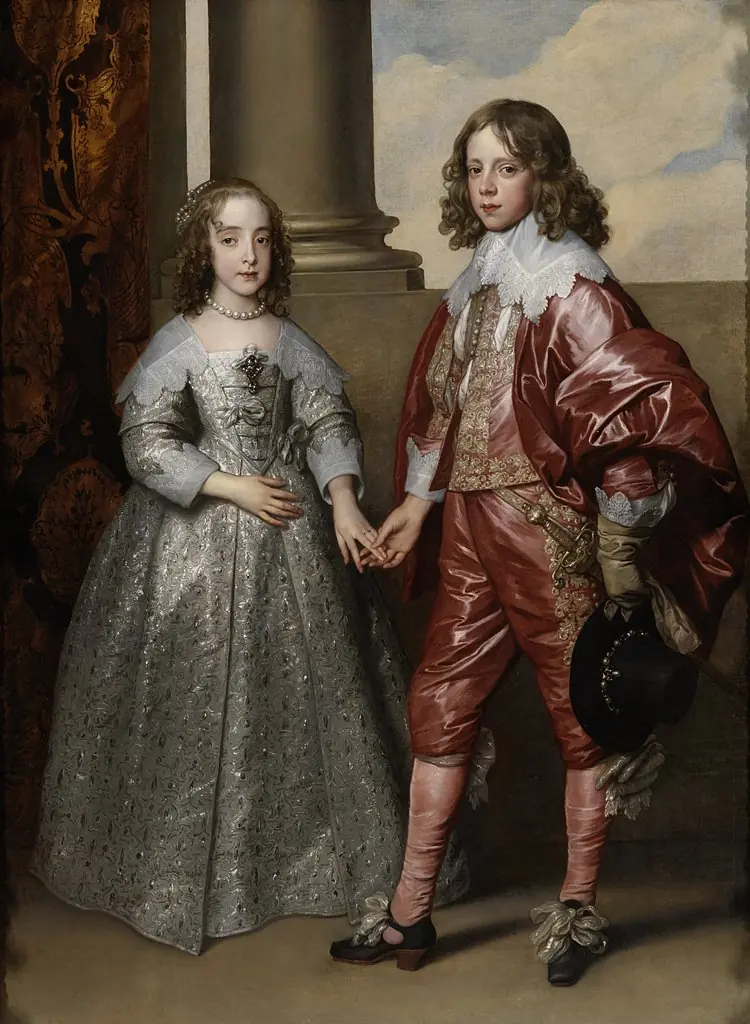 William II, Prince of Orange, and his Bride, Mary Stuart
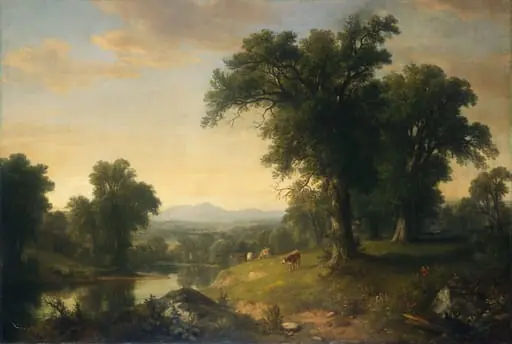 A Pastoral Scene
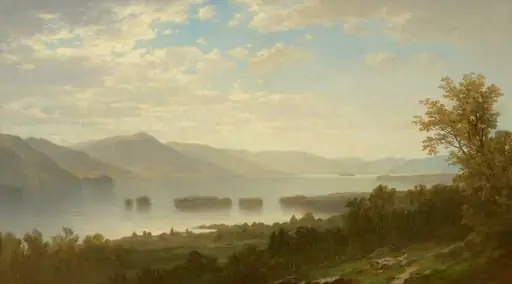 Lake George
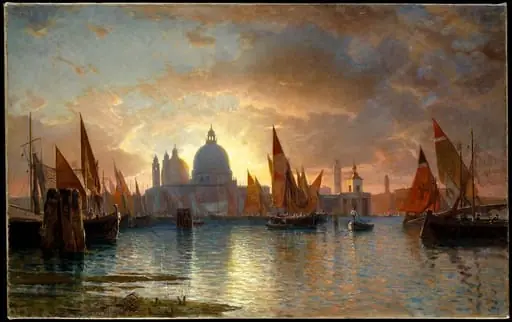 Santa Maria della Salute, Sunset
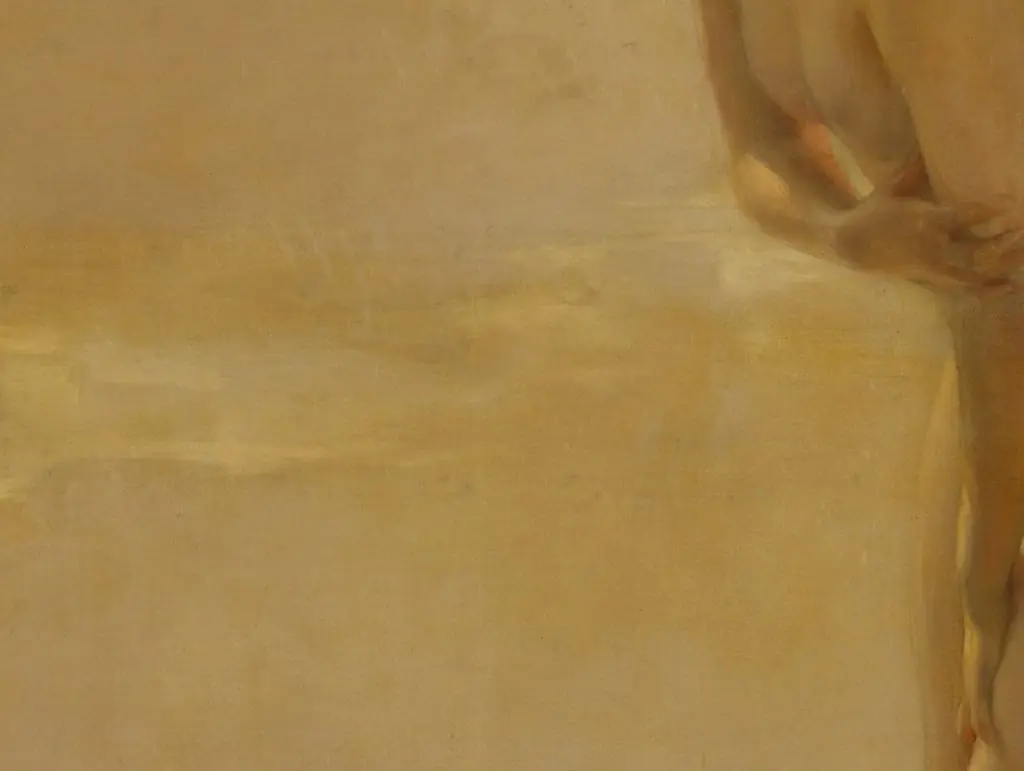 September Morn
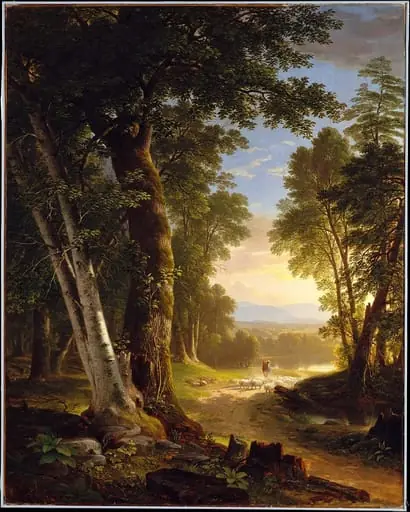 The Beeches
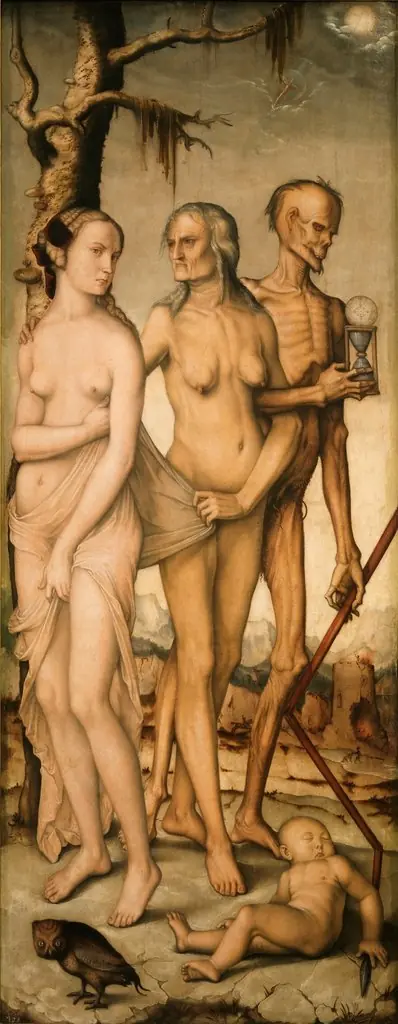 The Ages and Death
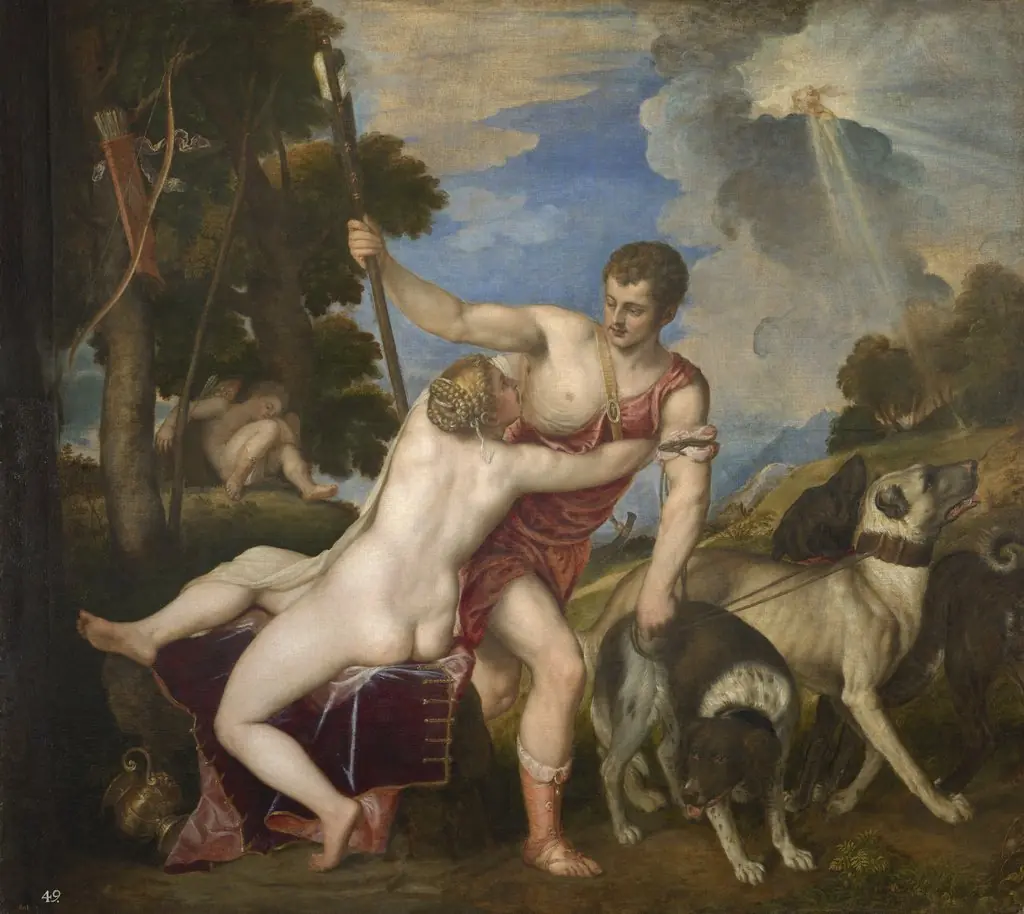 Venus and Adonis
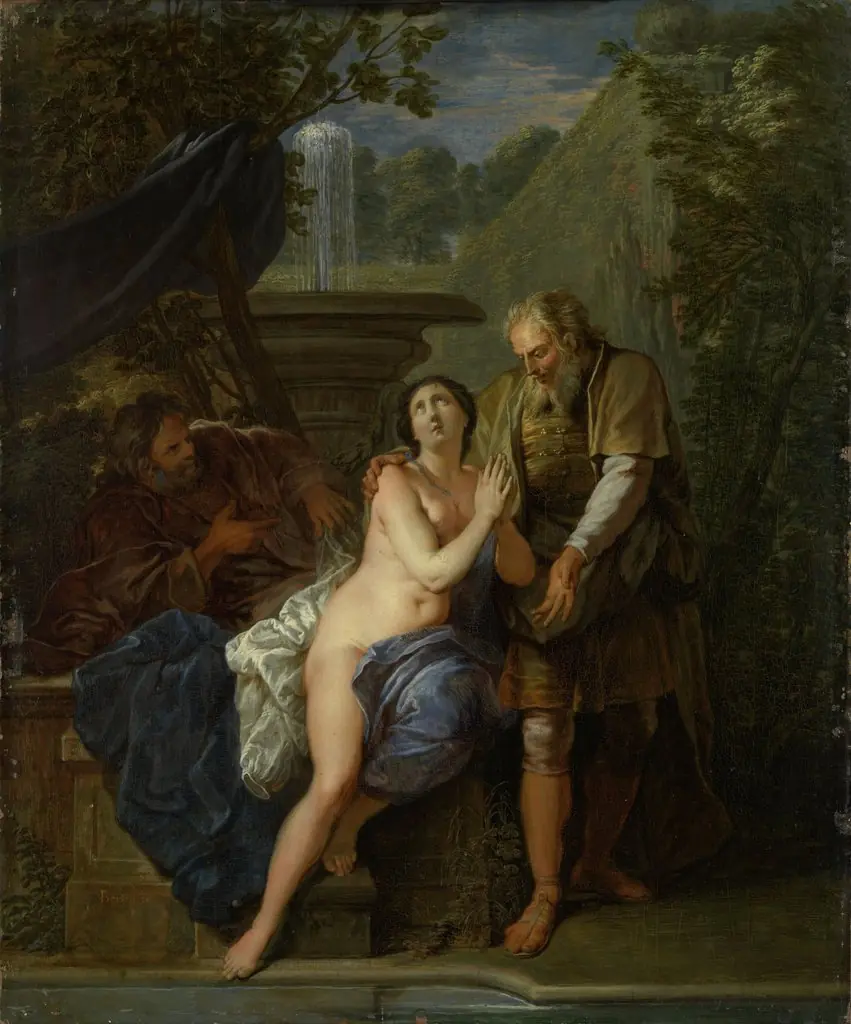 Susanna and the Elders
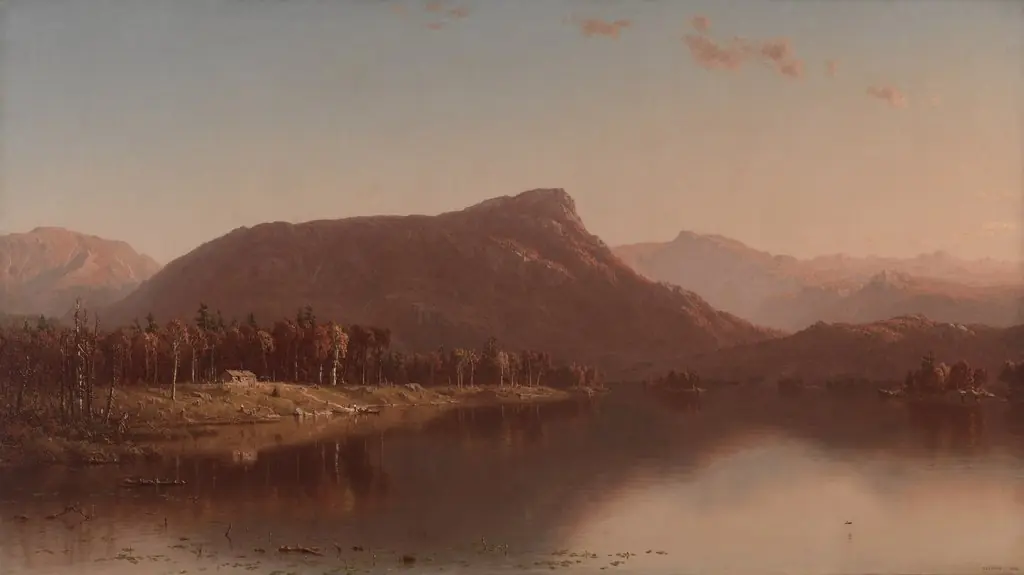 A Home in the Wilderness
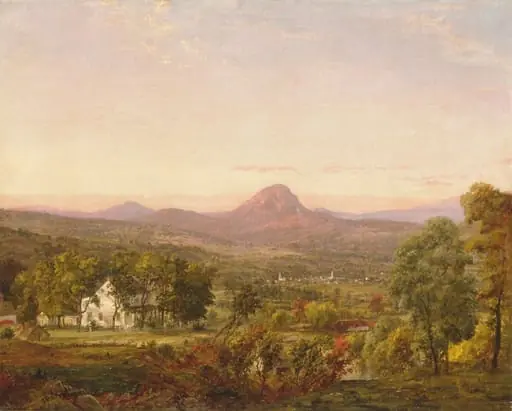 Autumn Landscape, Sugar Loaf Mountain, Orange County, New York
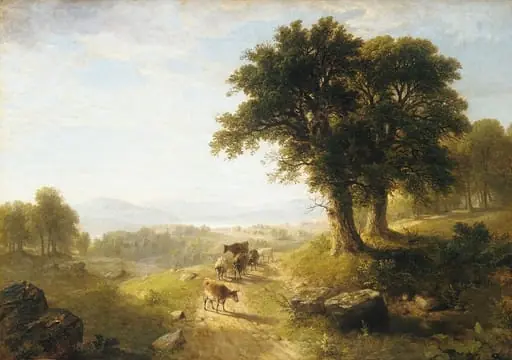 River Scene
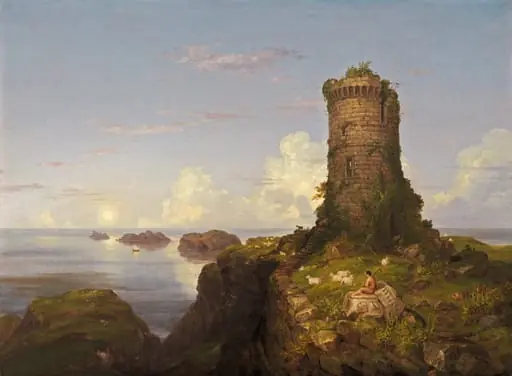 Italian Coast Scene with Ruined Tower
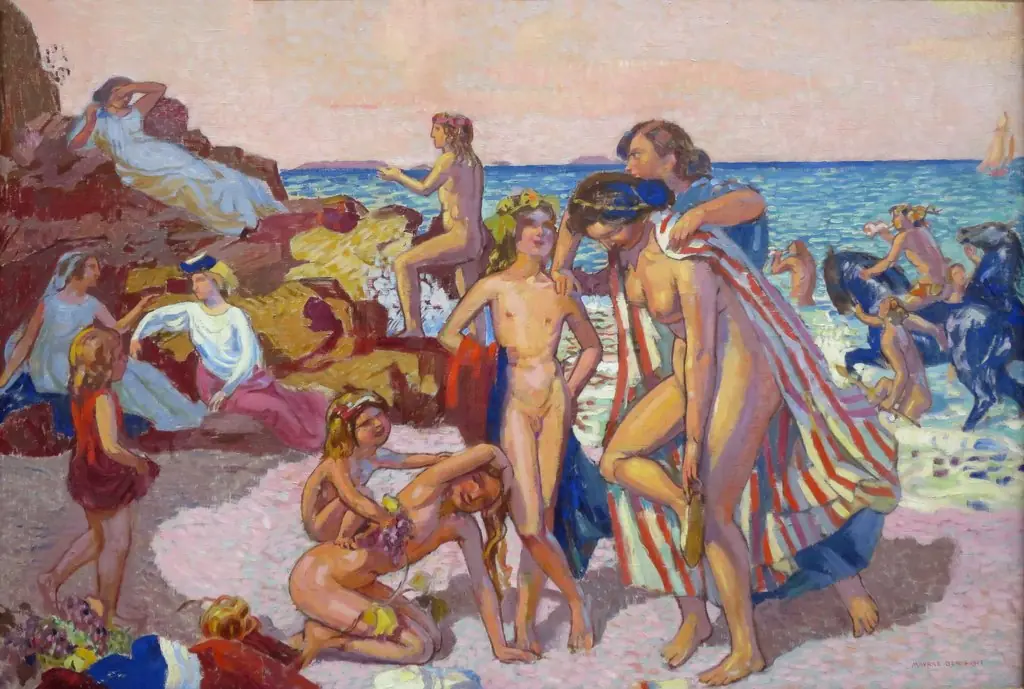 Bacchus and Ariadne
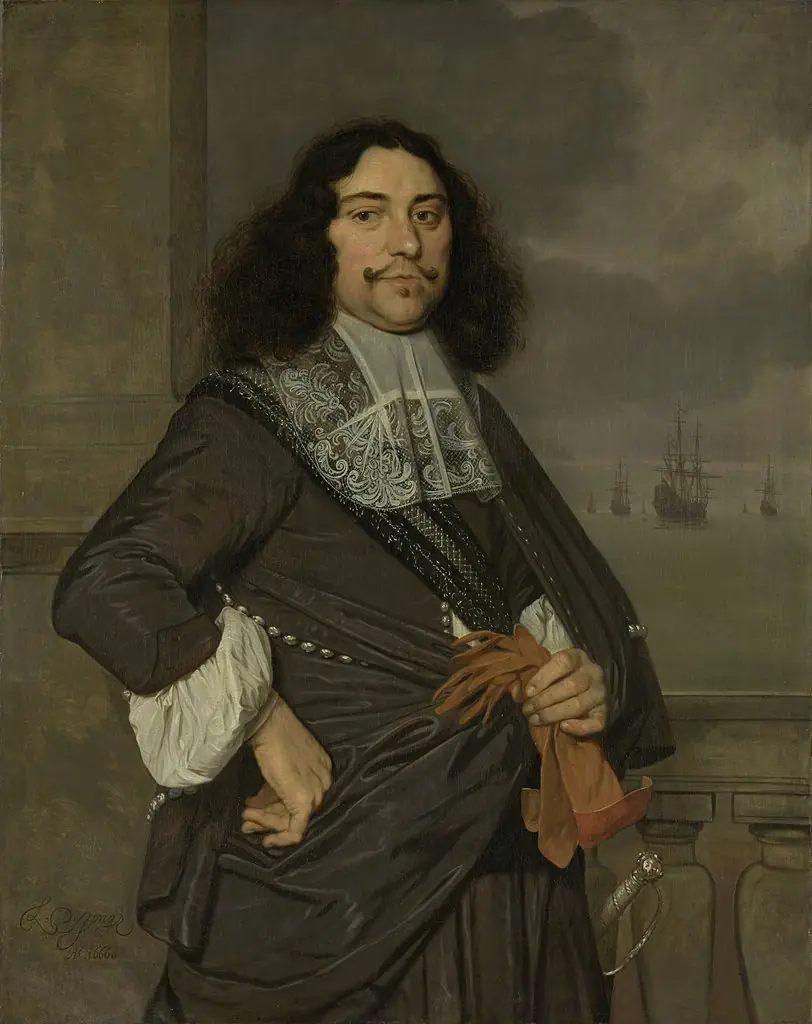 Portrait of Jan van Nes (1631-80). Vice admiral of Holland and West-Friesland
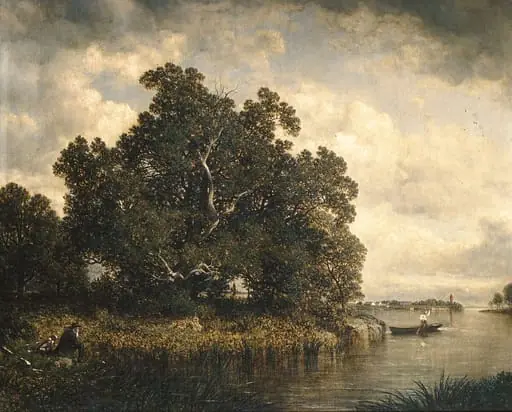 Bayside, New Rochelle, New York
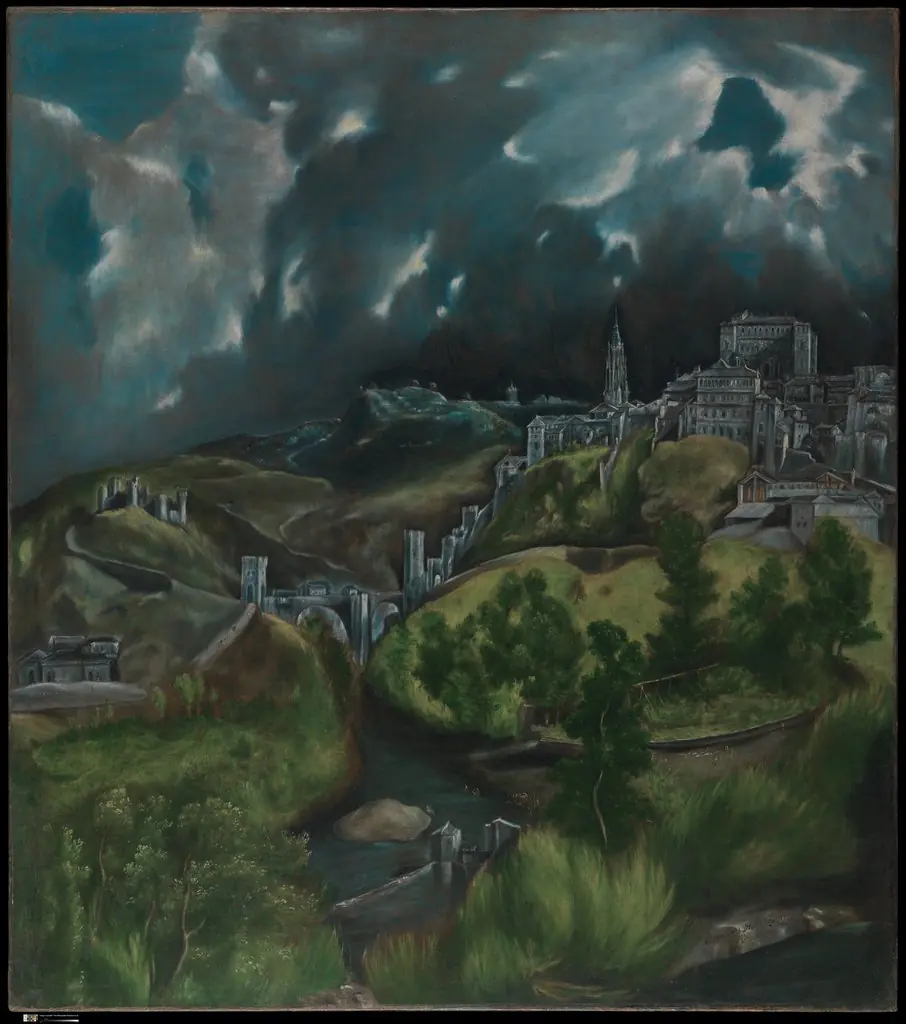 View of Toledo
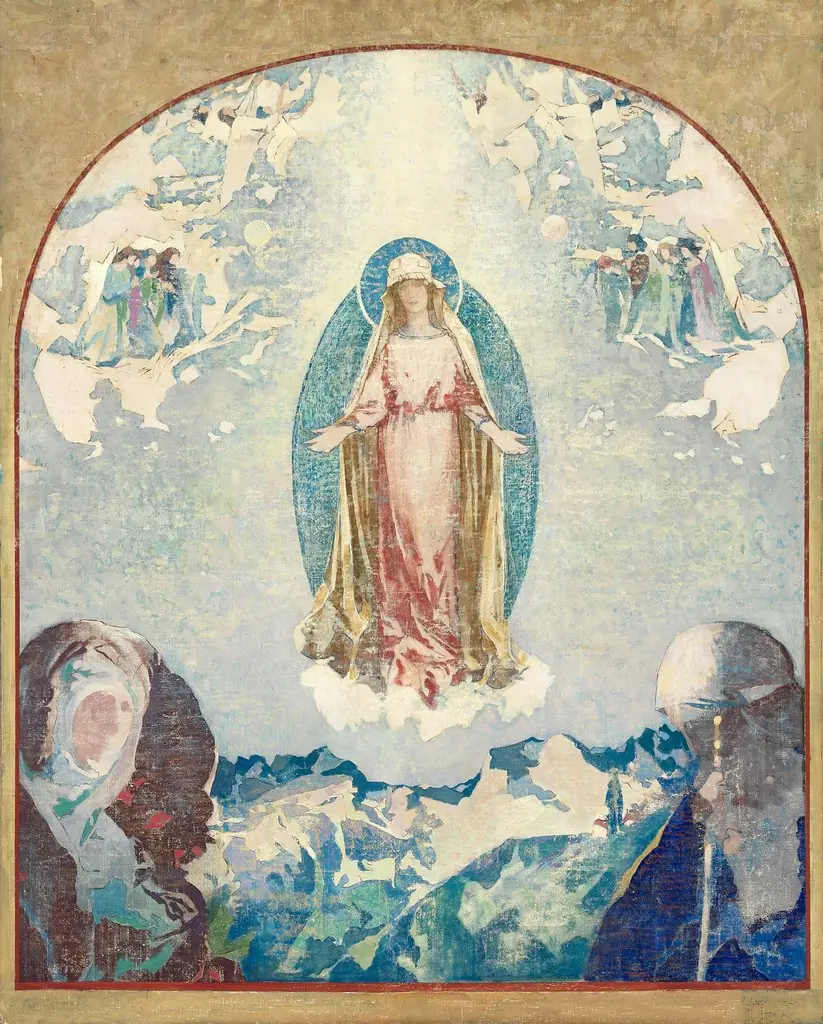 Rosa Mystica
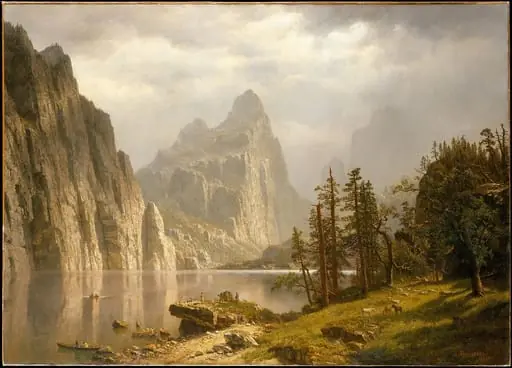 Merced River, Yosemite Valley
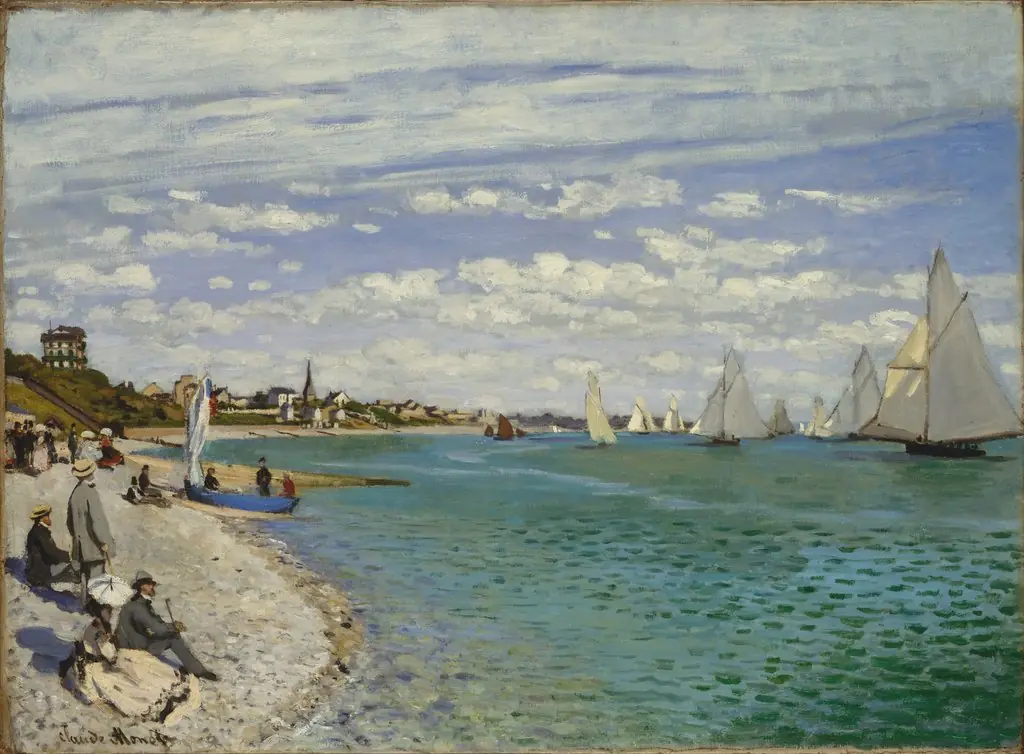 Regatta at Sainte-Adresse
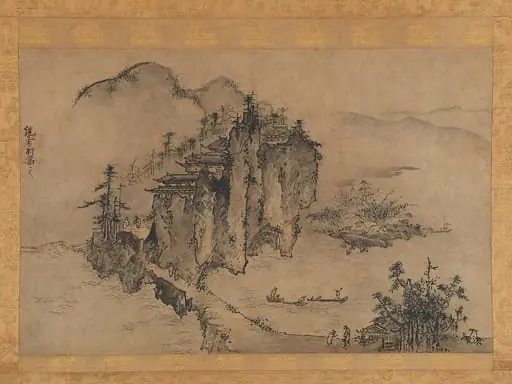 雪村周継筆 山水図|Landscape with Rocky Precipice
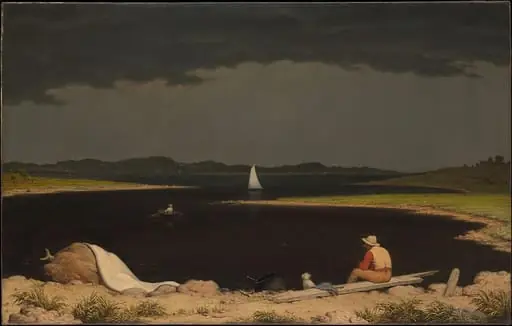 Approaching Thunder Storm
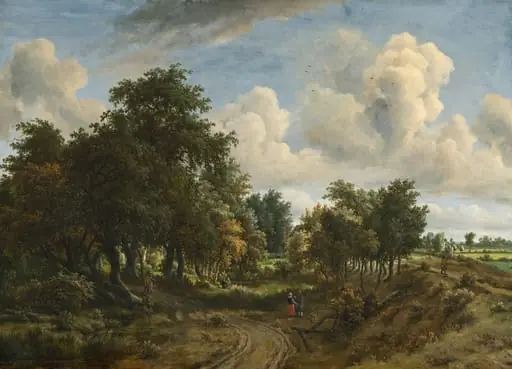 A Wooded Landscape
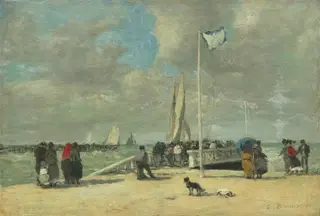 On the Jetty
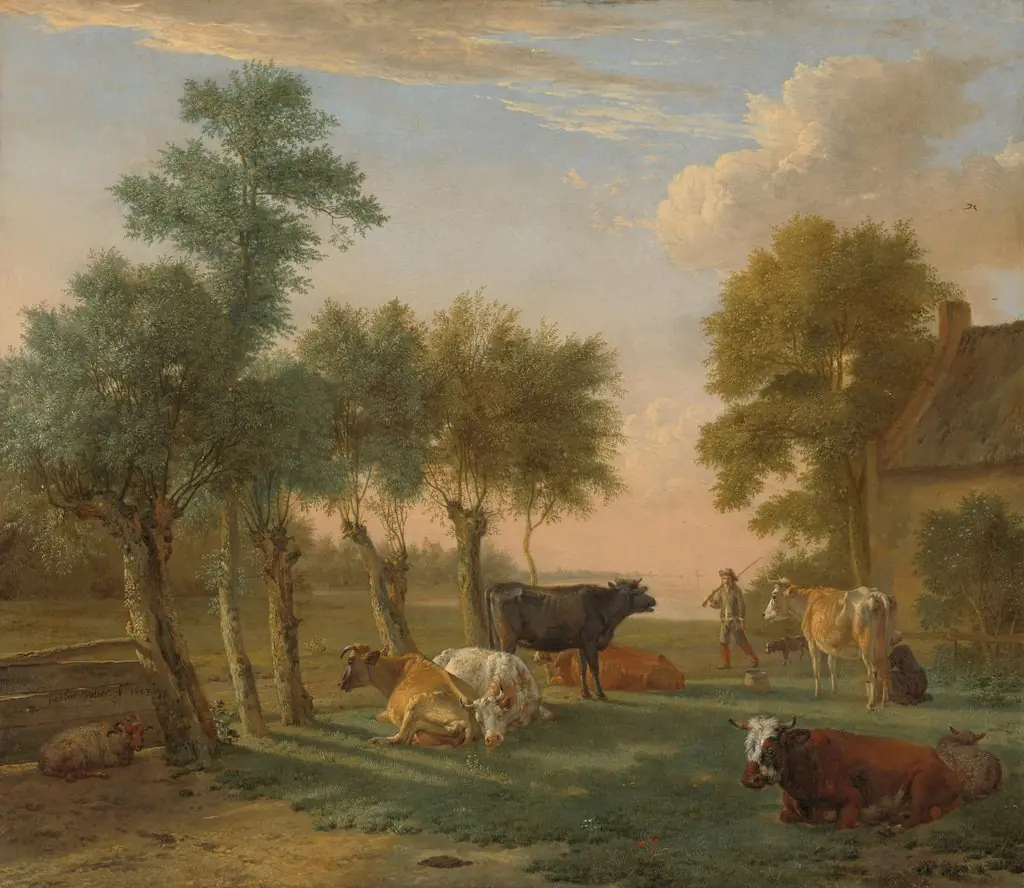 Cows in a Meadow near a Farm
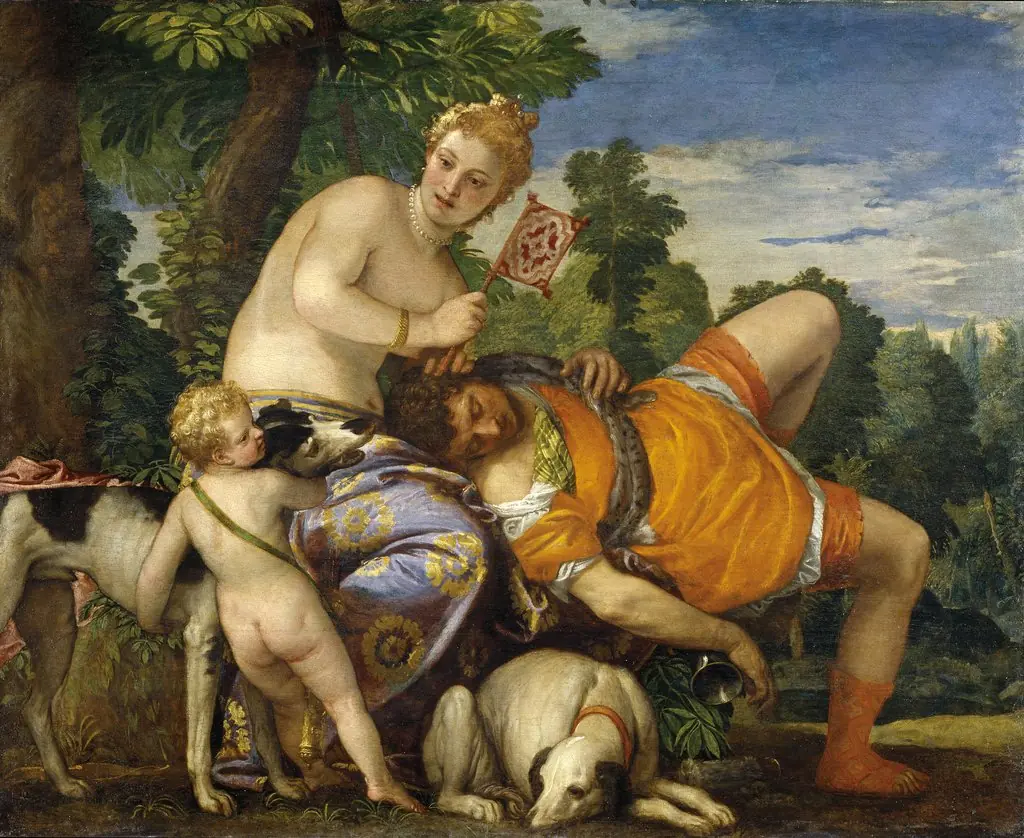 Venus and Adonis
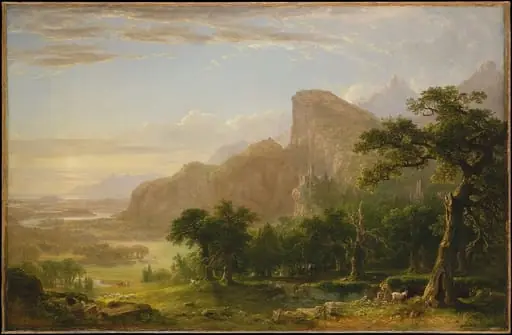 Landscape—Scene from "Thanatopsis"
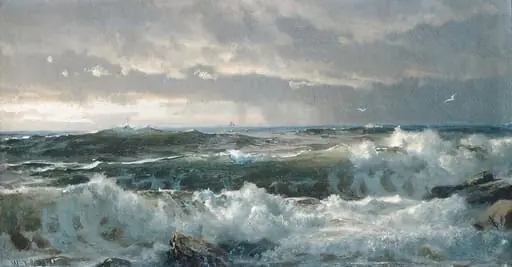 Surf on Rocks
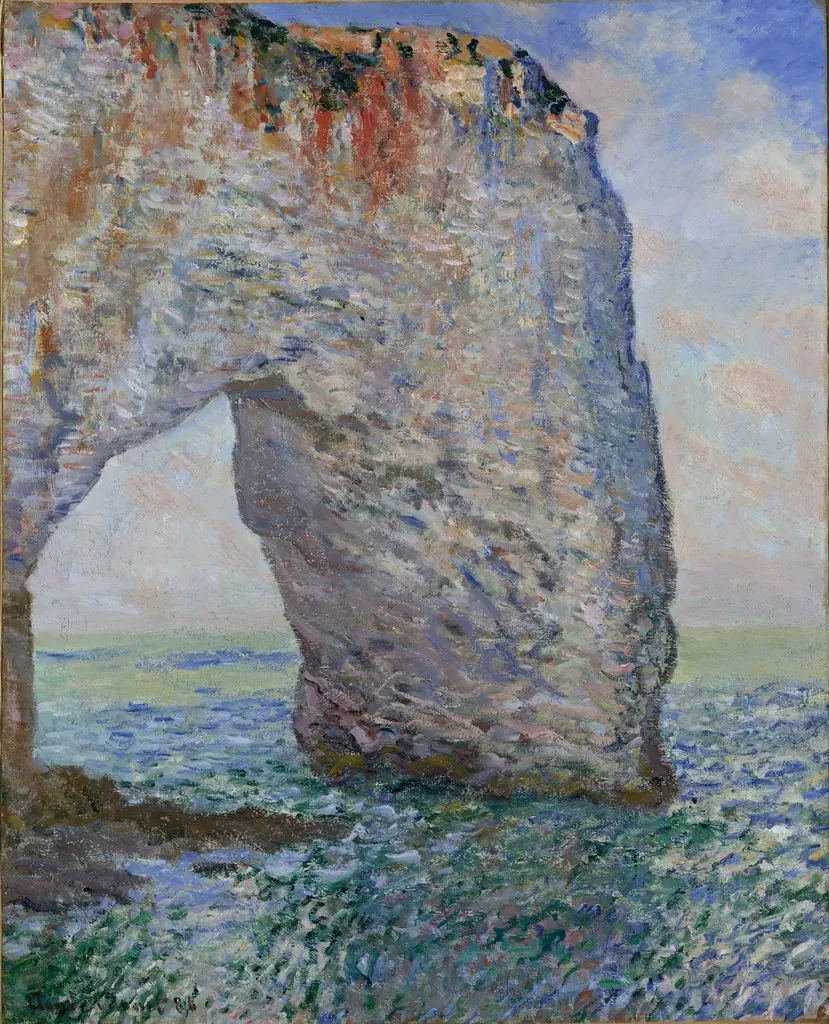 The Manneporte near Étretat
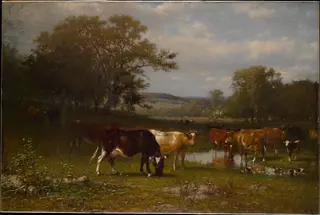 From Shifting Shade
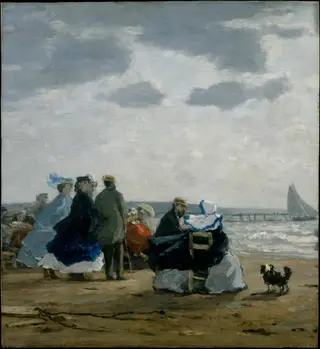 On the Beach, Dieppe
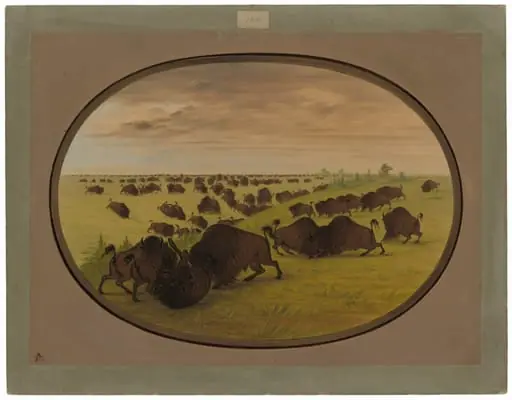 Bulls Fighting
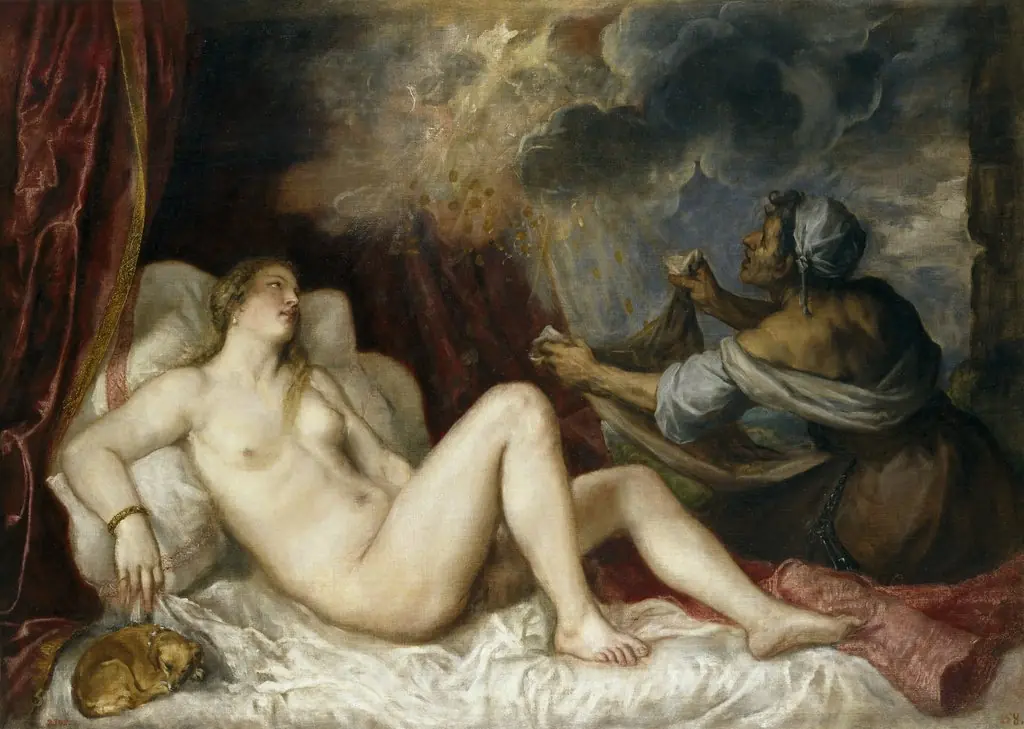 Danaë
Danaë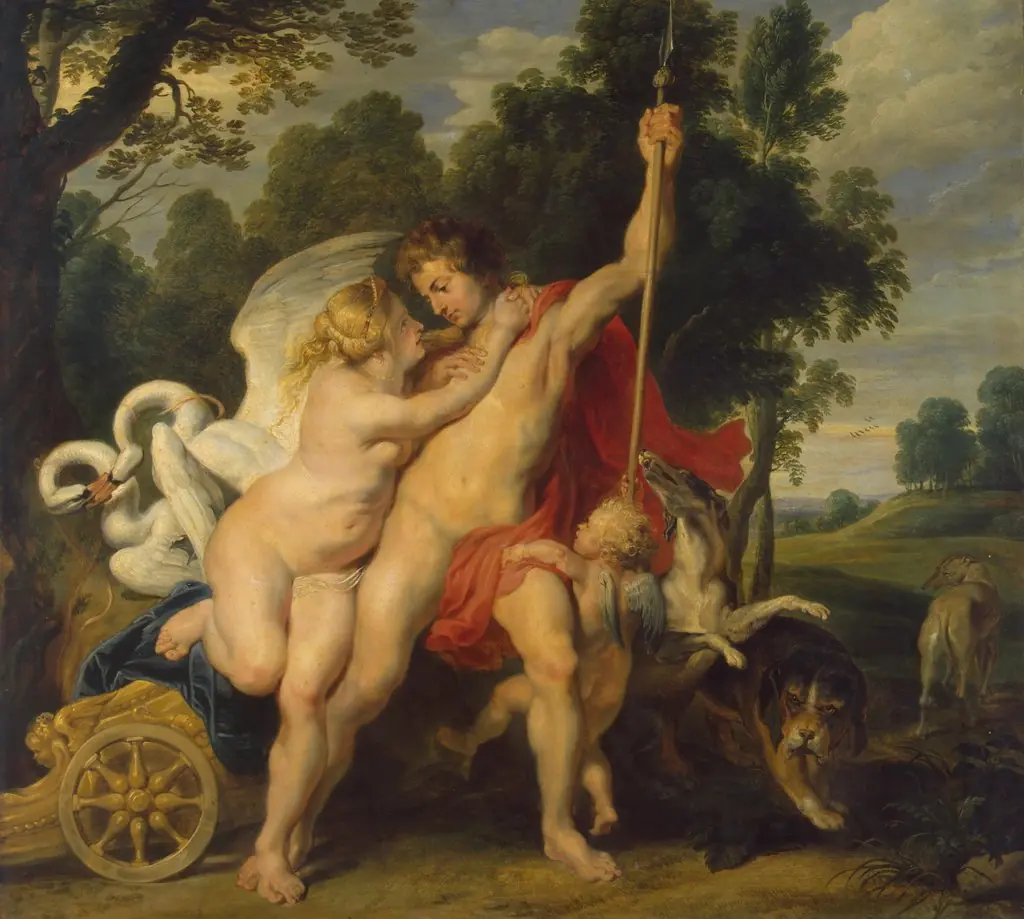 Venus and Adonis (Rubens, 1614)
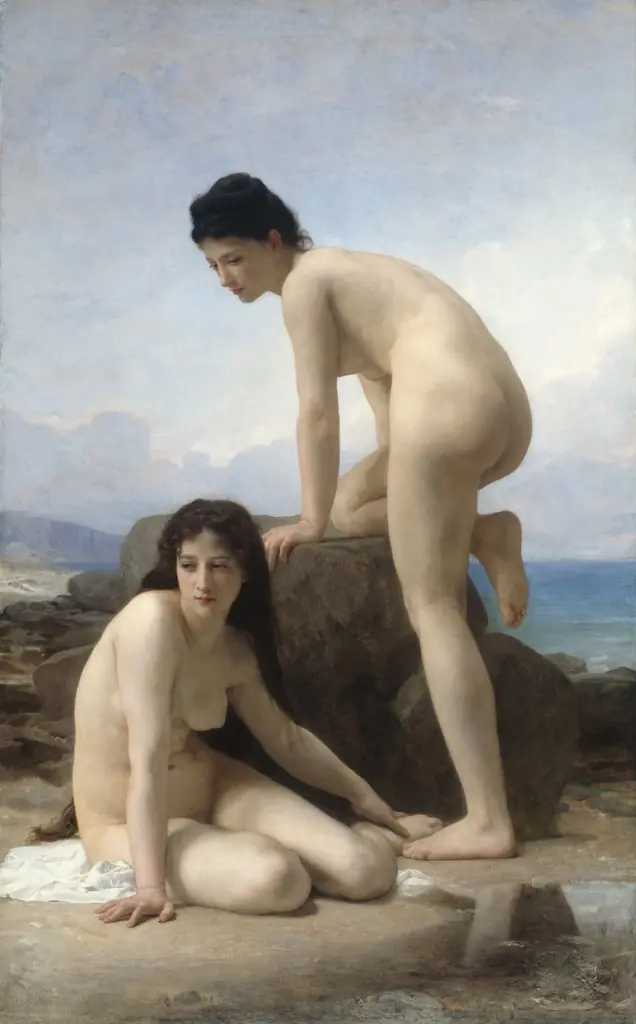 The Two Bathers
 A General and His Aide-de-camp
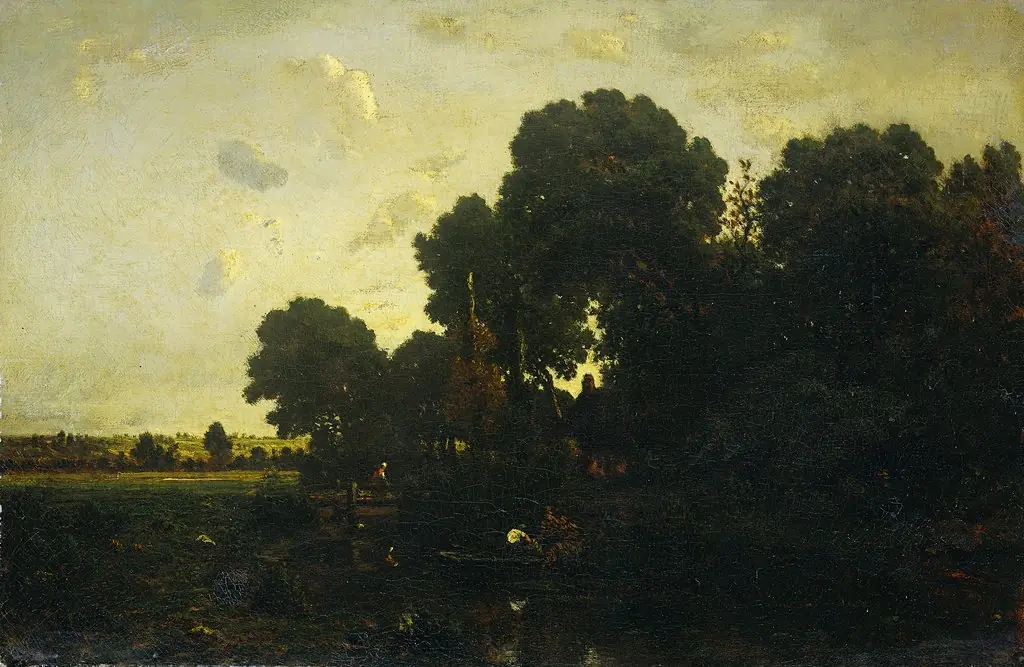 Twilight
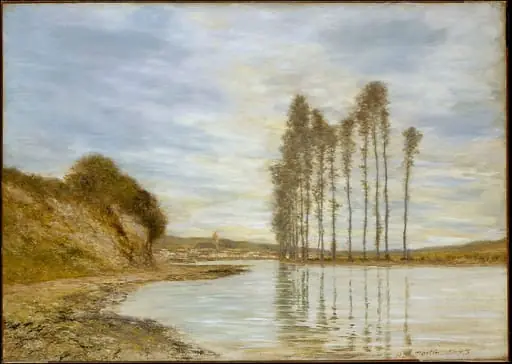 View on the Seine: Harp of the Winds
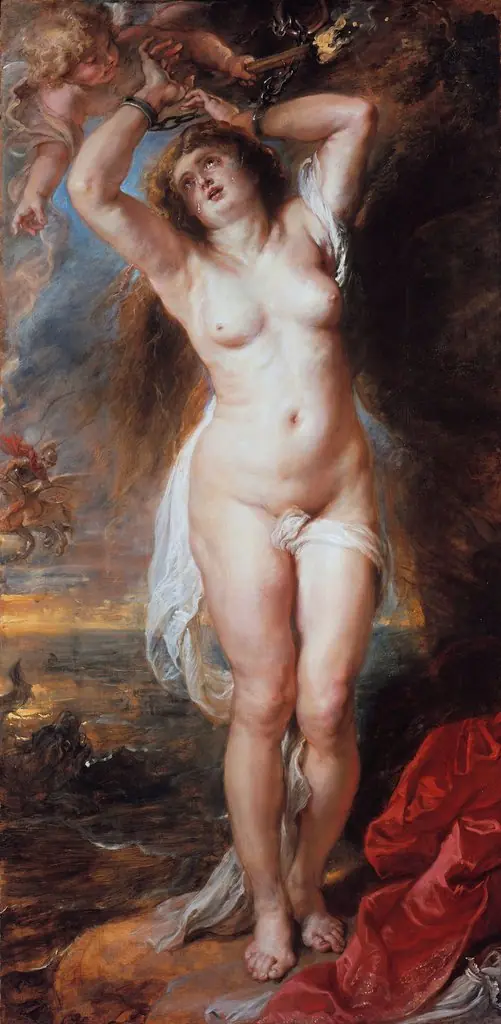 Perseus Freeing Andromeda
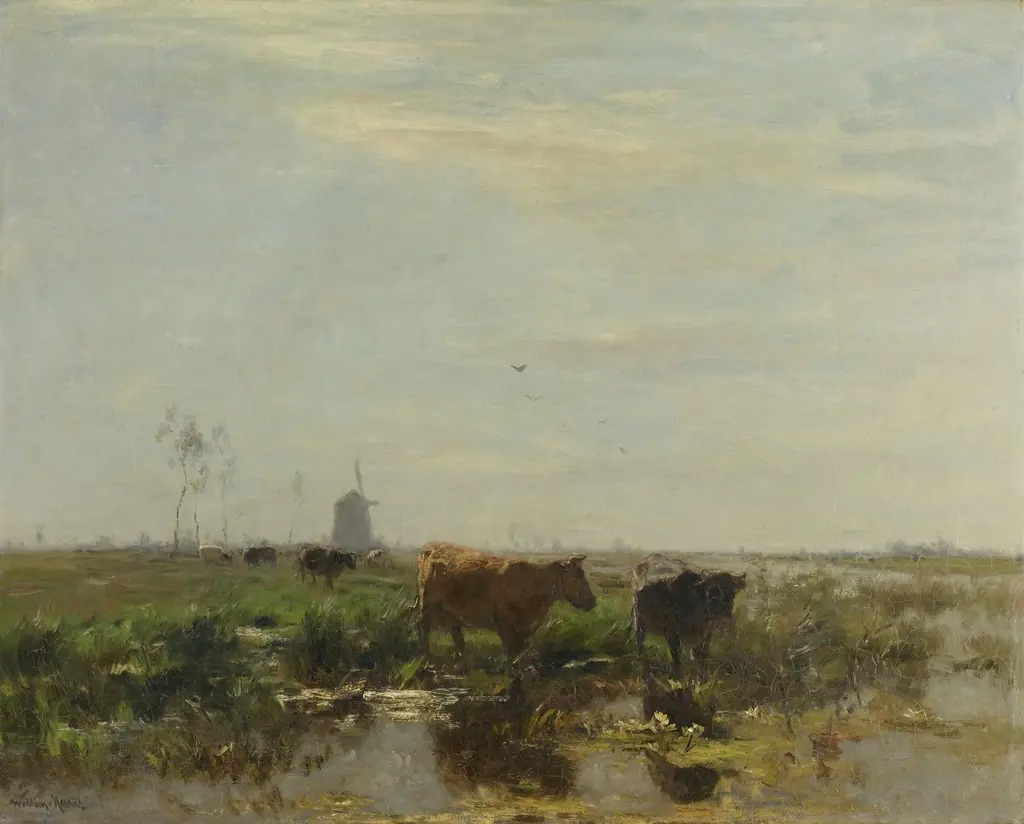 Meadow with Cows by the Water
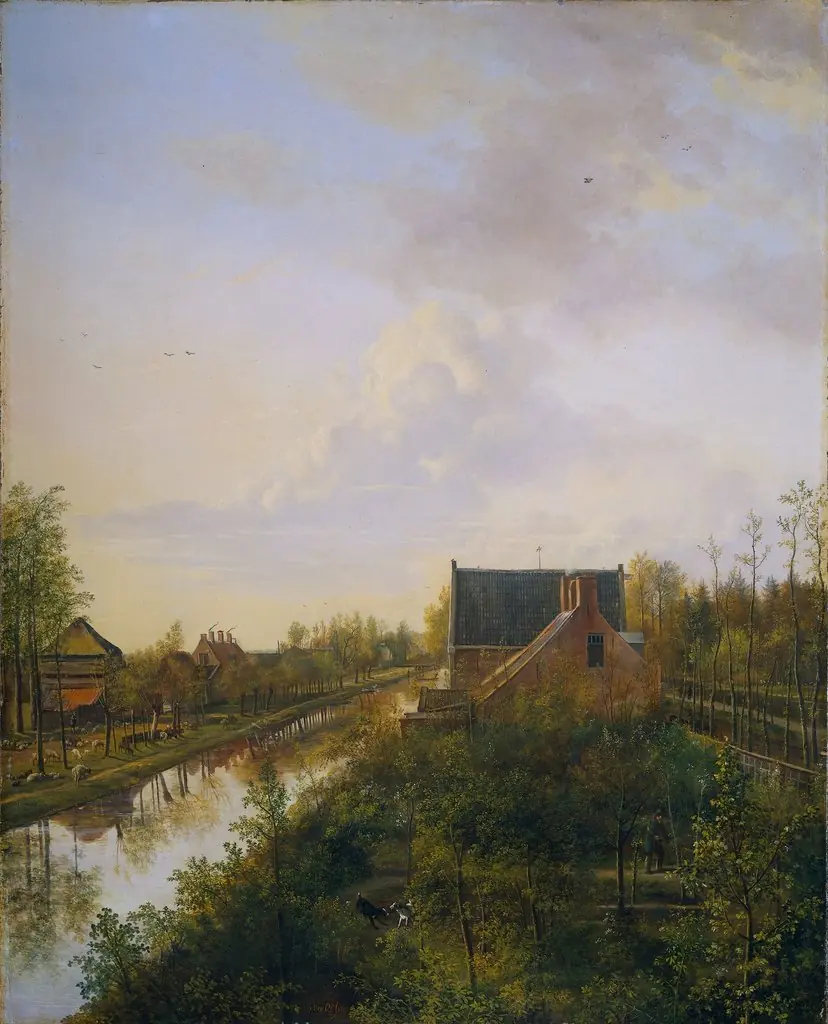 The canal at 's-Graveland
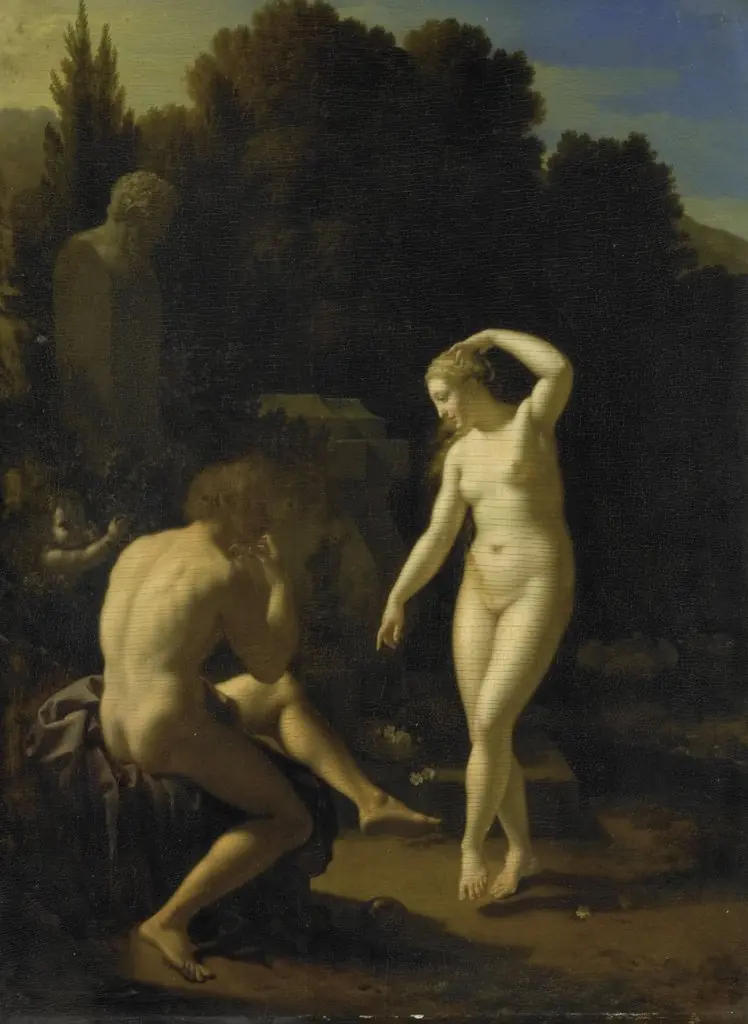 A Nymph Dancing to a Shepherd's Flute-Playing
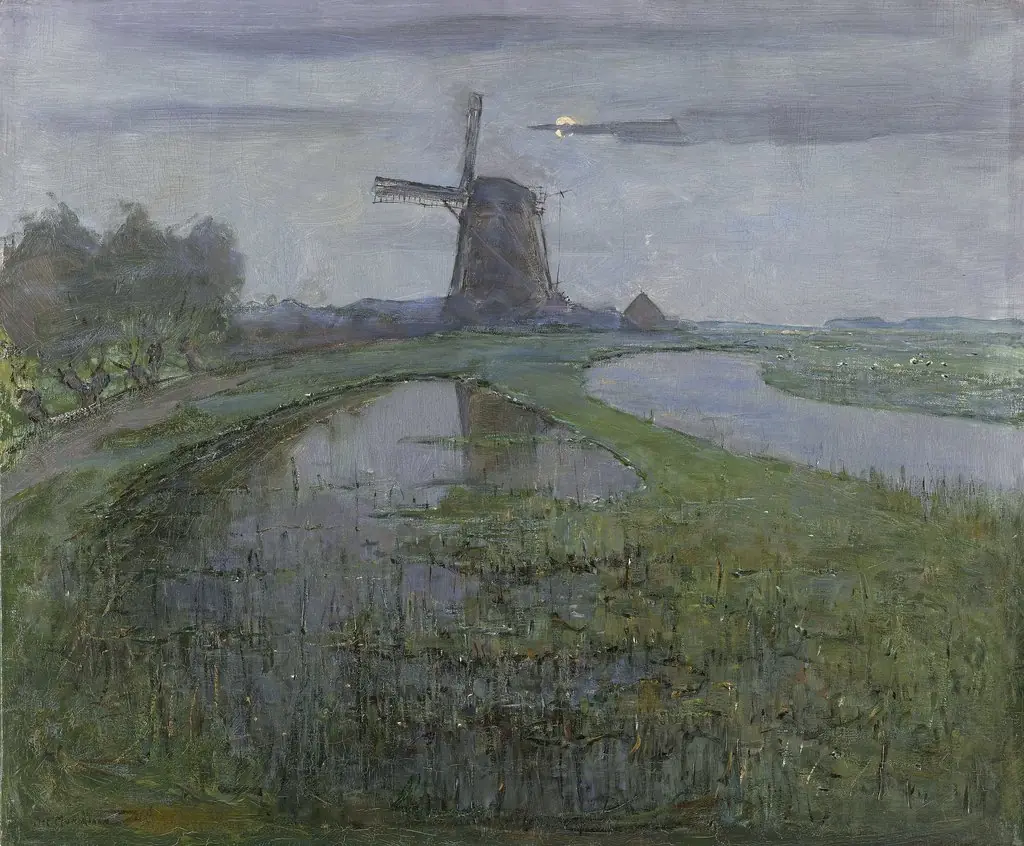 Oostzijdse Mill along the River Gein by Moonlight
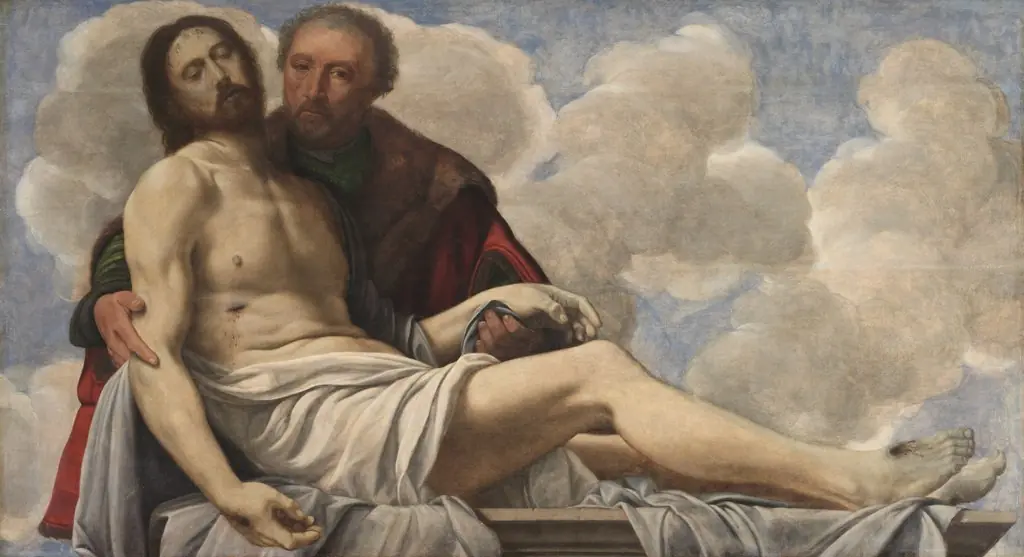 Christ with Joseph of Arimathea
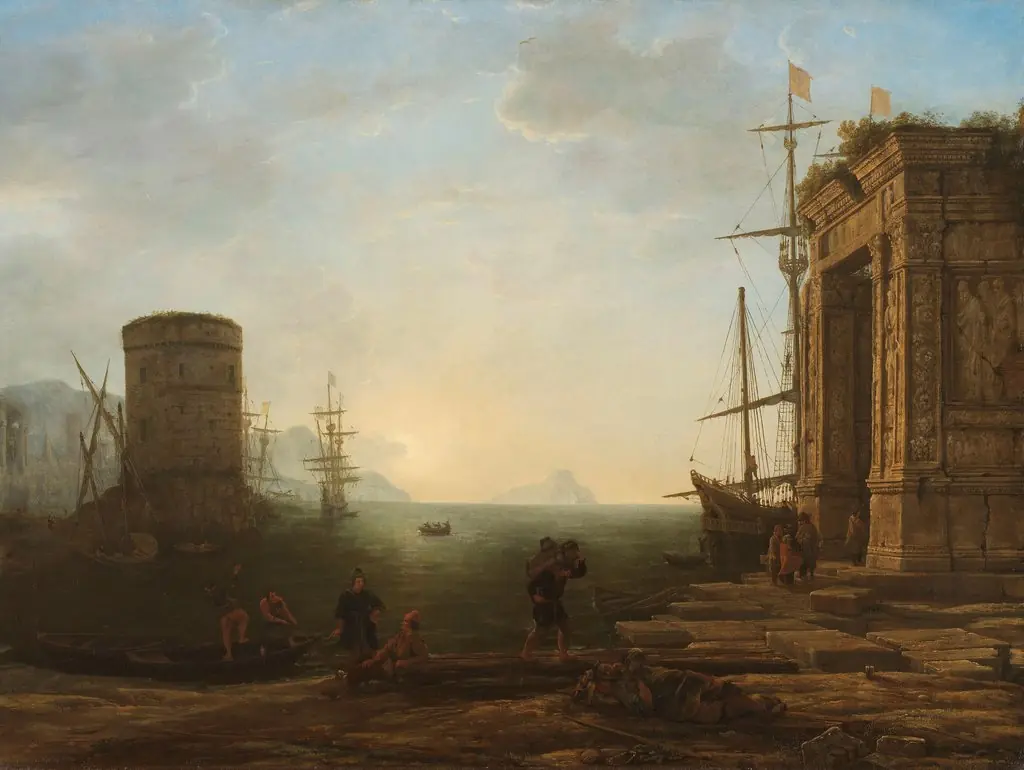 Harbour at Sunrise
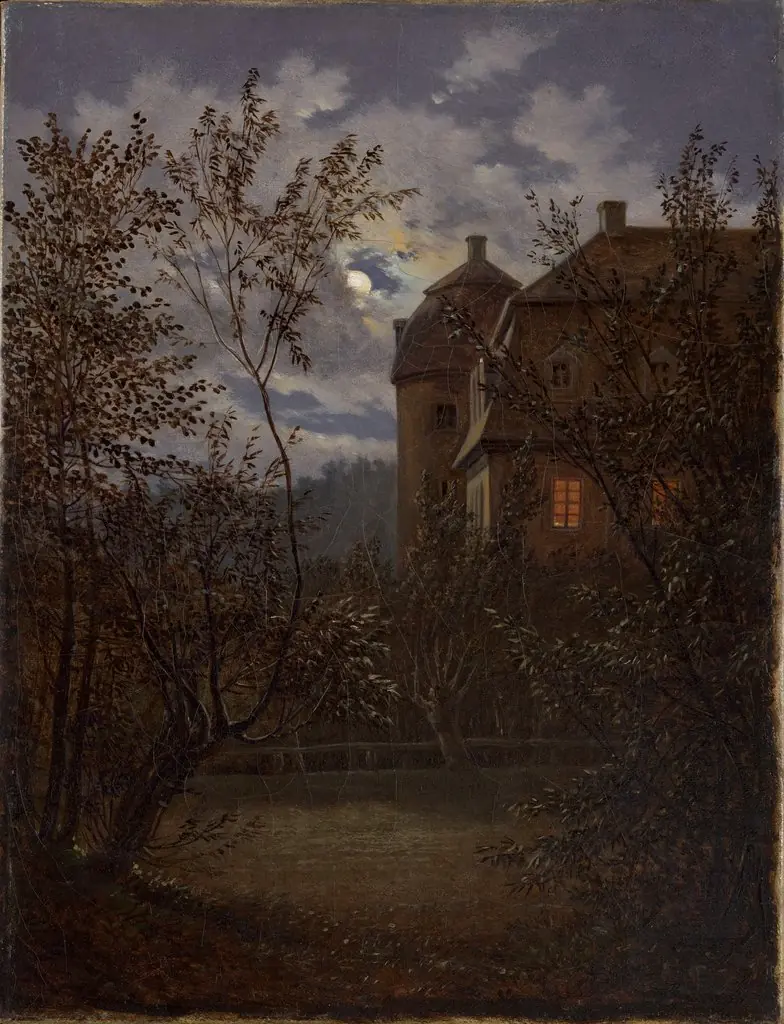 Schloss Milkel in Moonlight
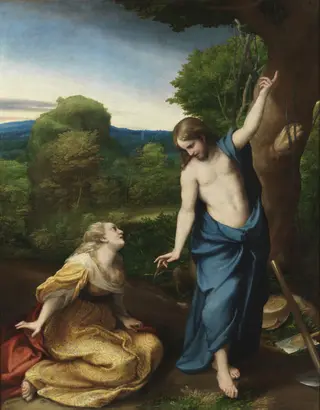 Noli me tangere
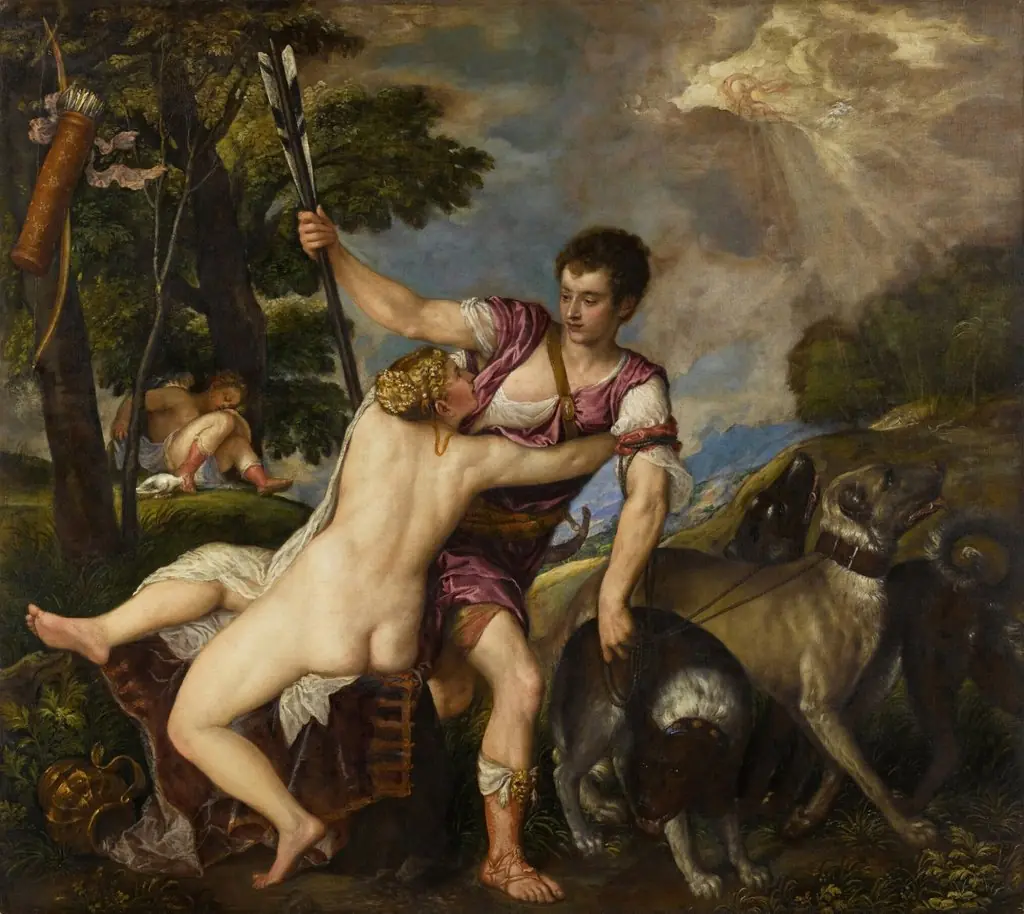 Venus and Adonis
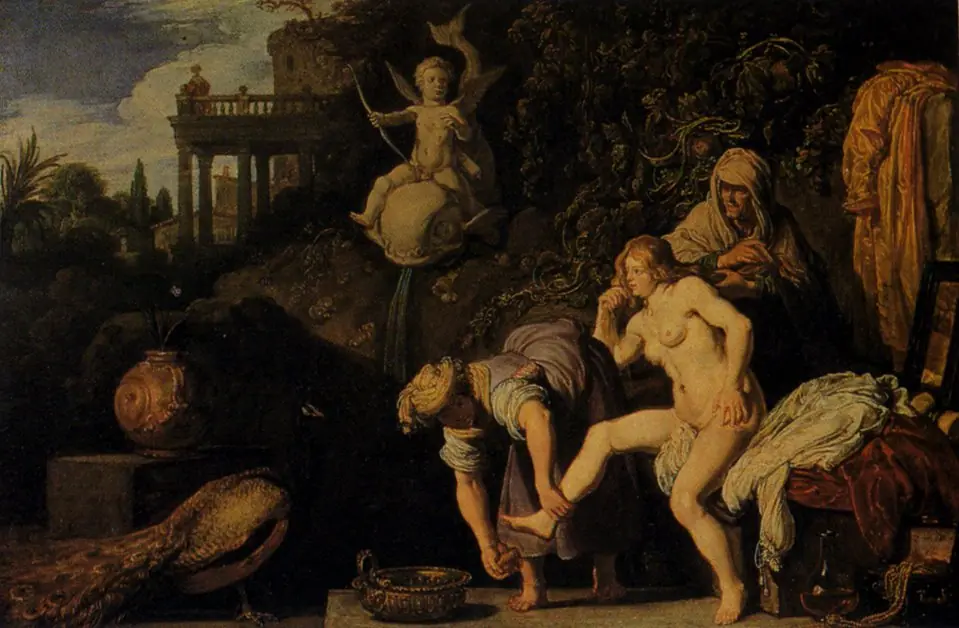 Bathsheba at her Toilette
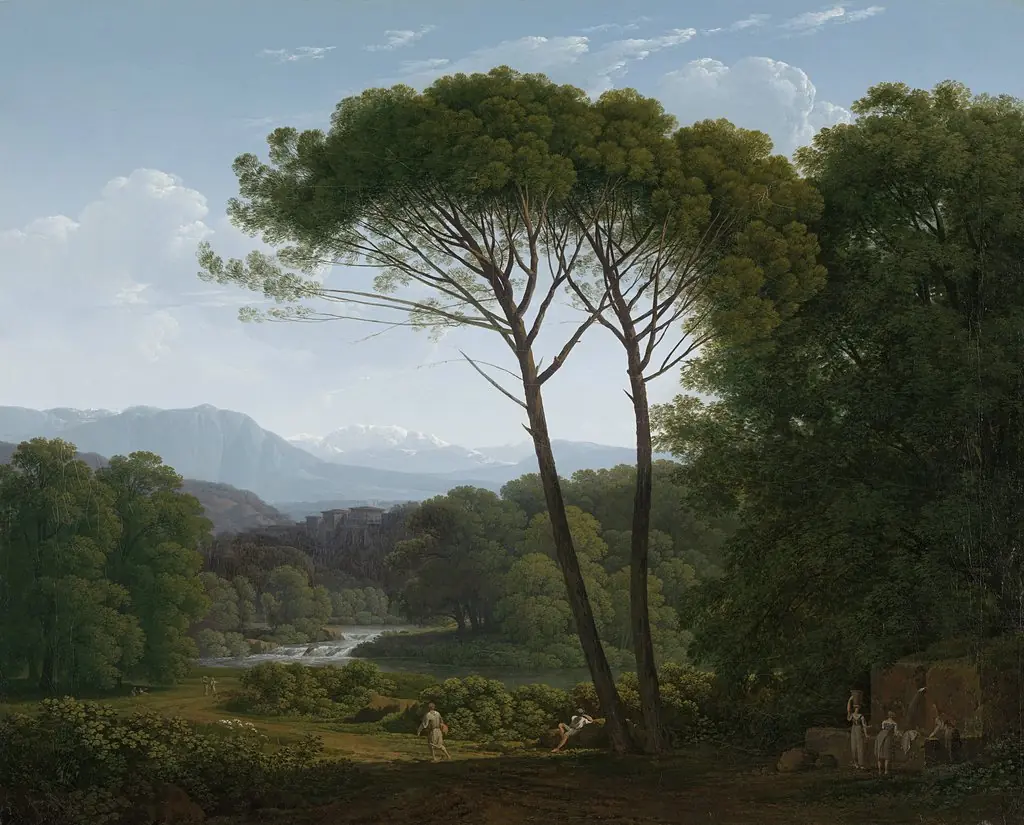 Italianate Landscape with Pines
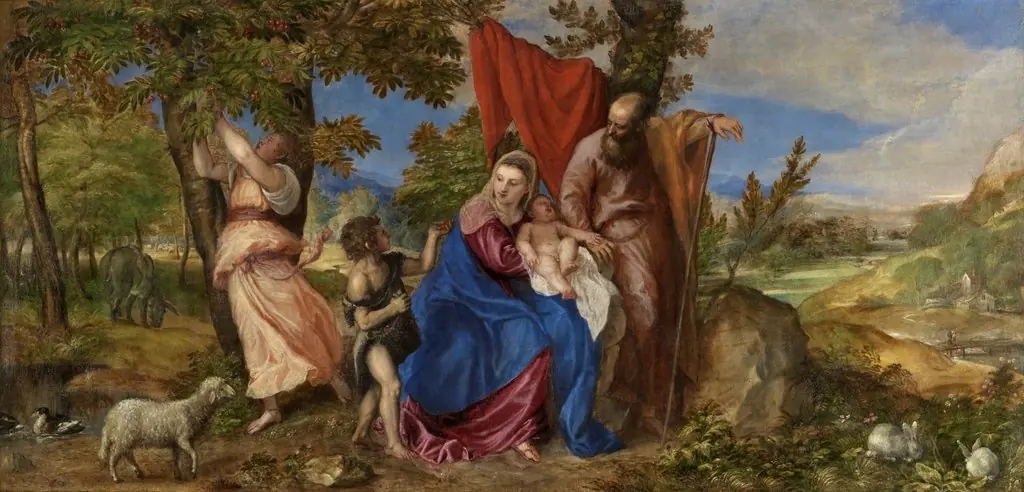 Rest on the Flight into Egypt
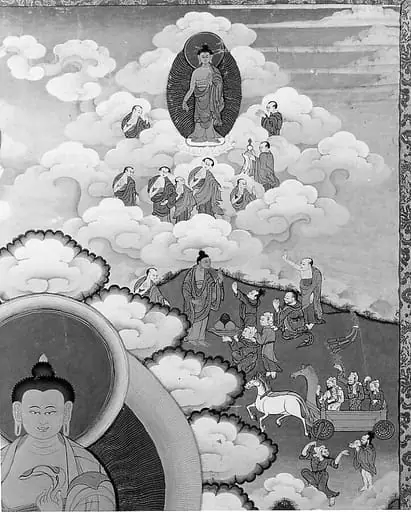 Untitled
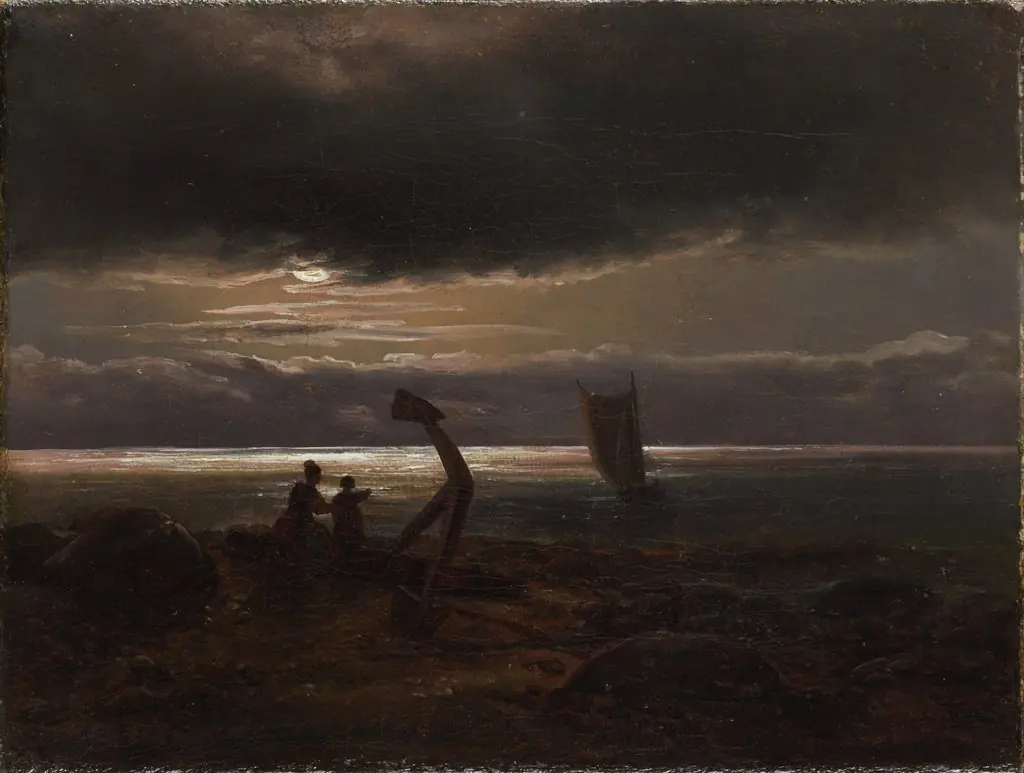 Mother and Child by the Sea
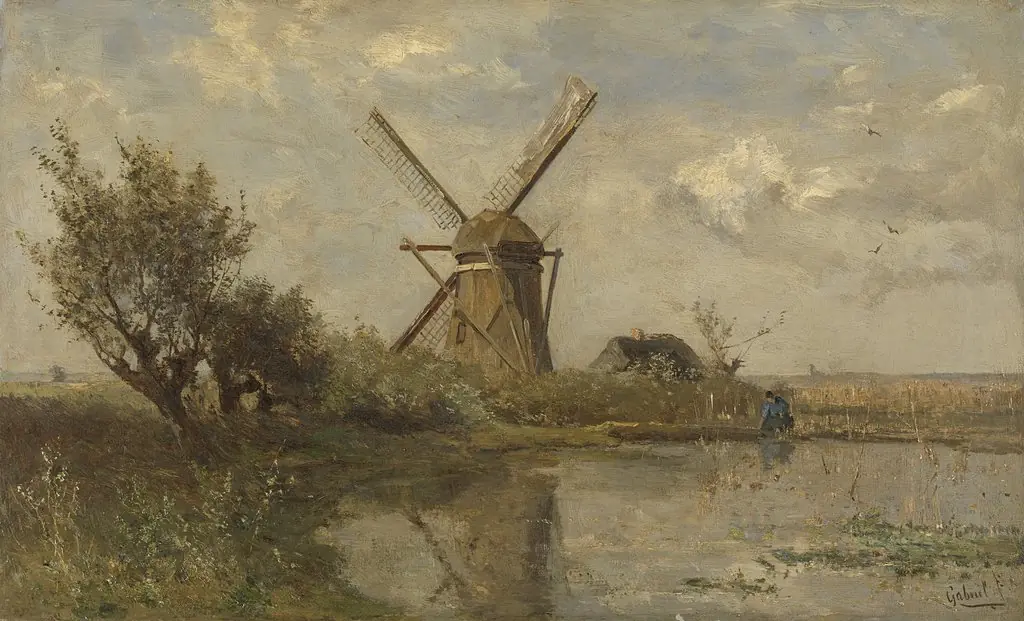 Windmill on a pond
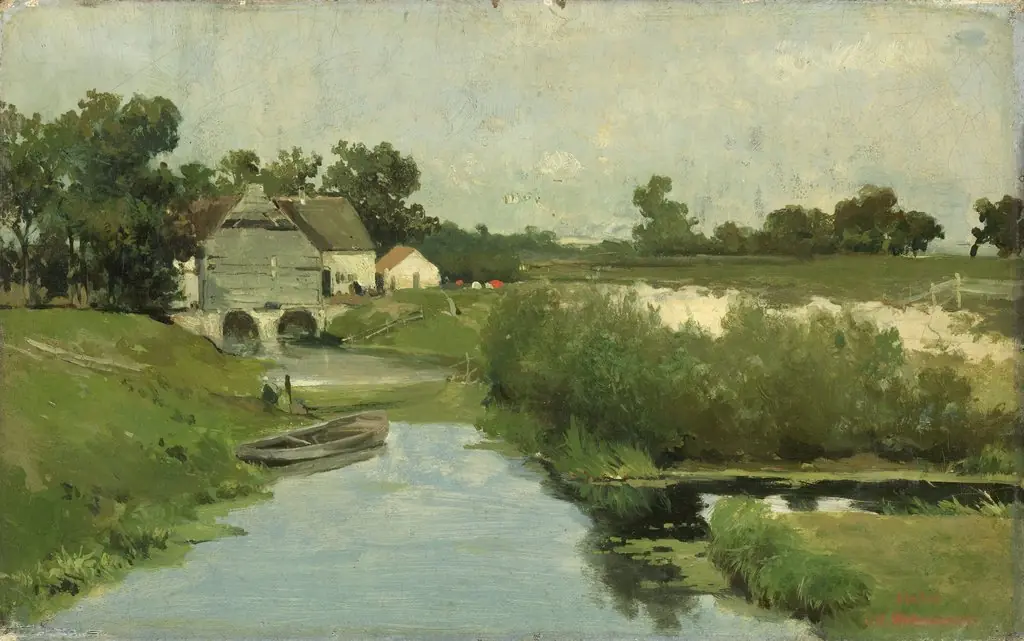 Summer Day
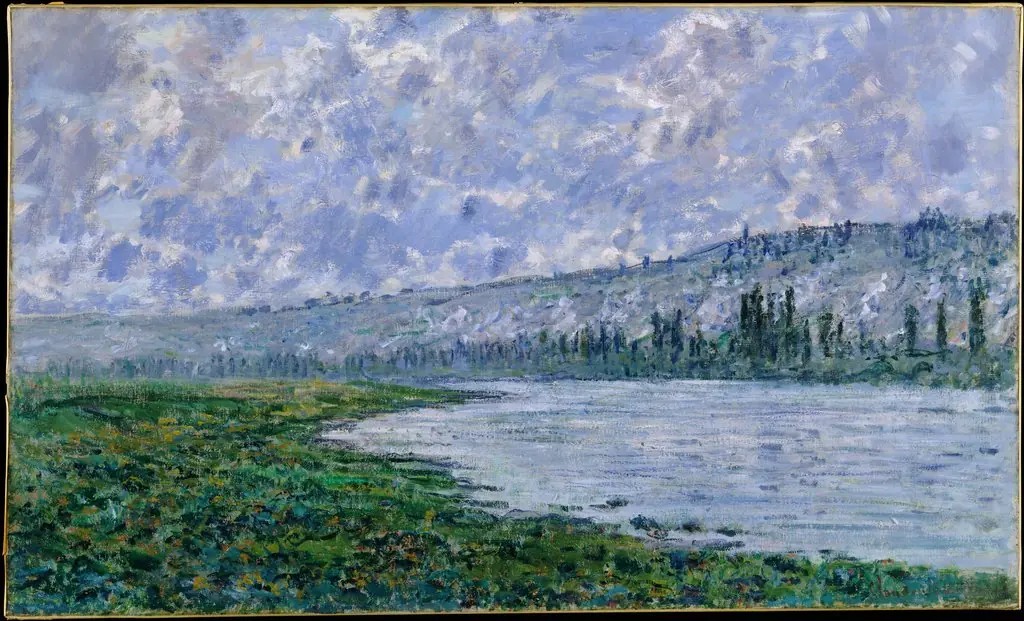 The Seine at Vétheuil
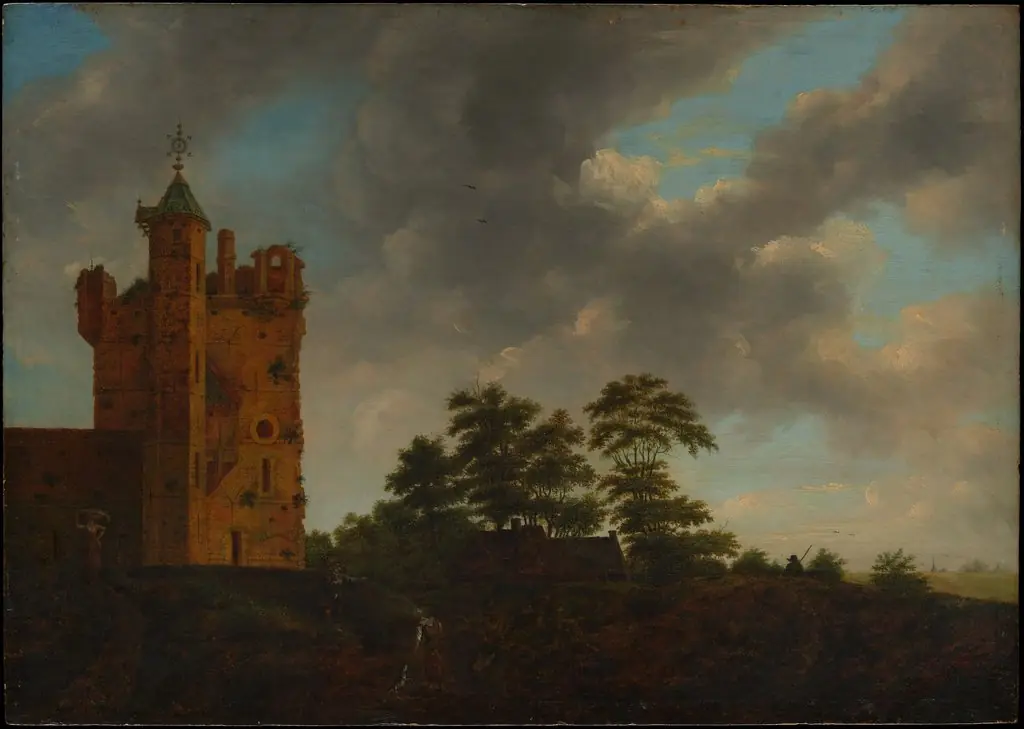 The Old Castle
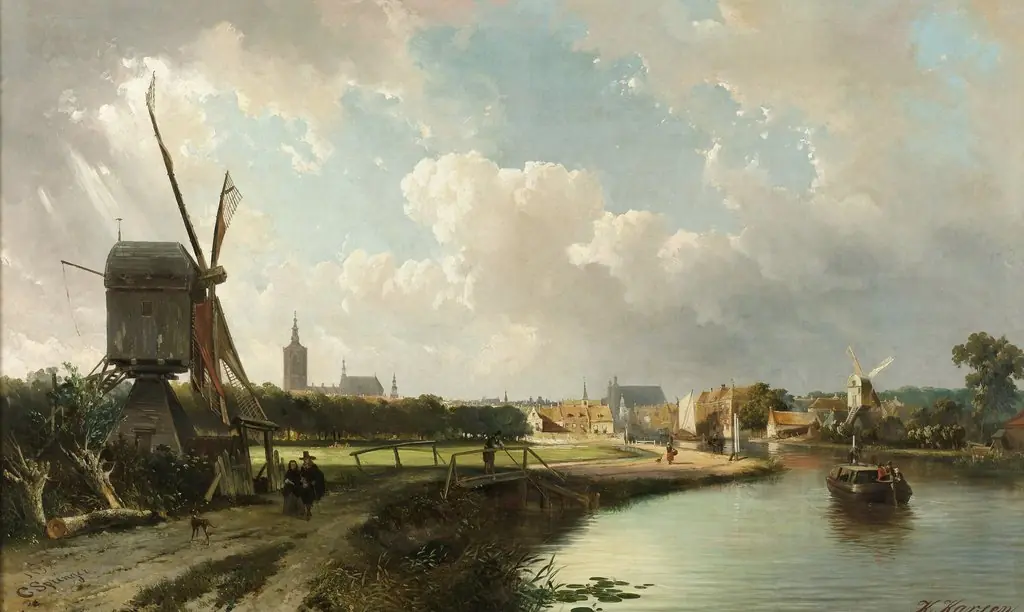 View of The Hague from the Delftse Vaart in the 17th Century
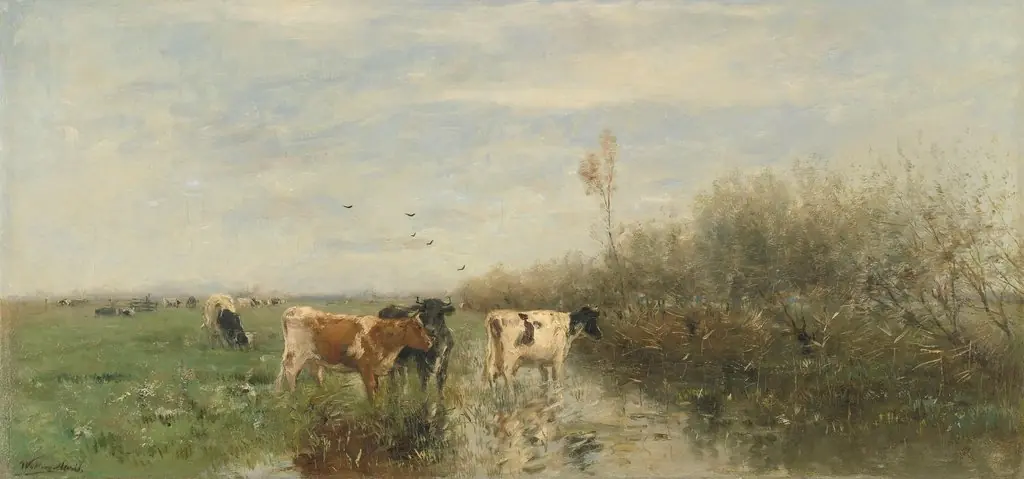 Cows in a soggy meadow
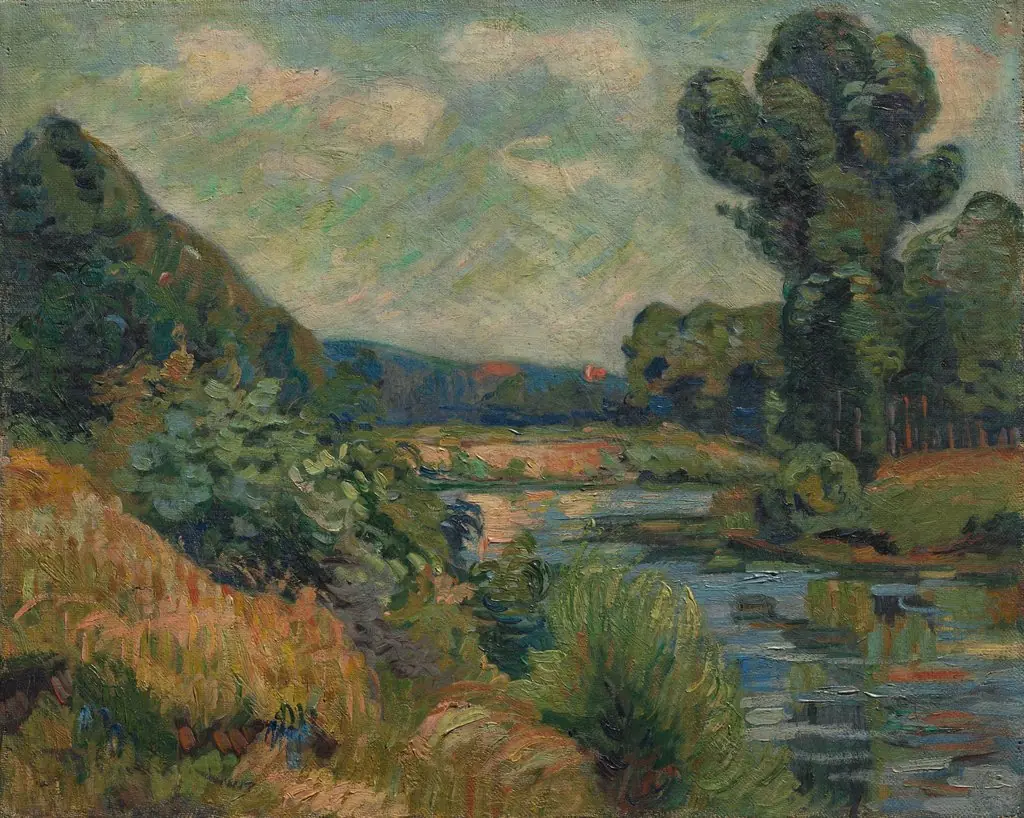 The Banks of the Marne at Charenton
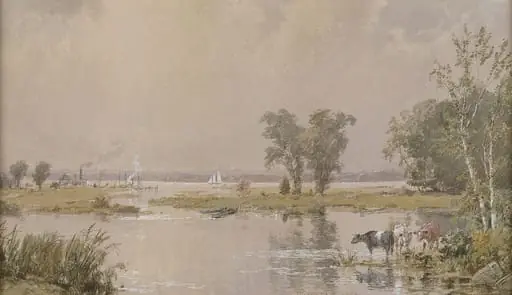 Hackensack Meadows
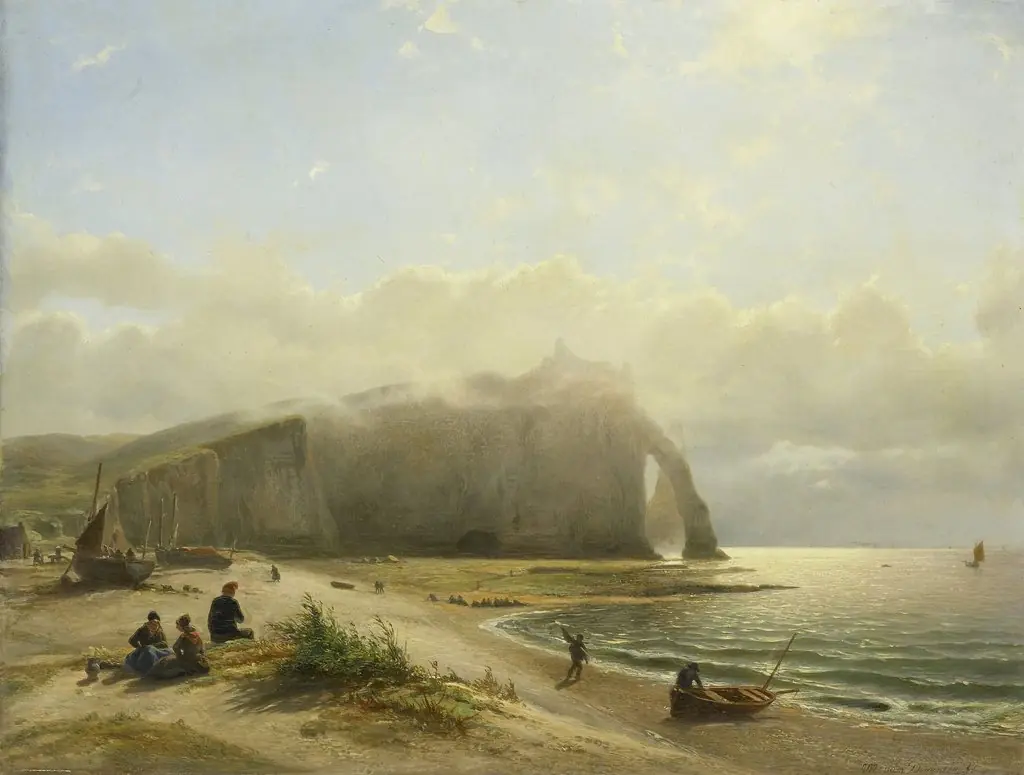 Seascape
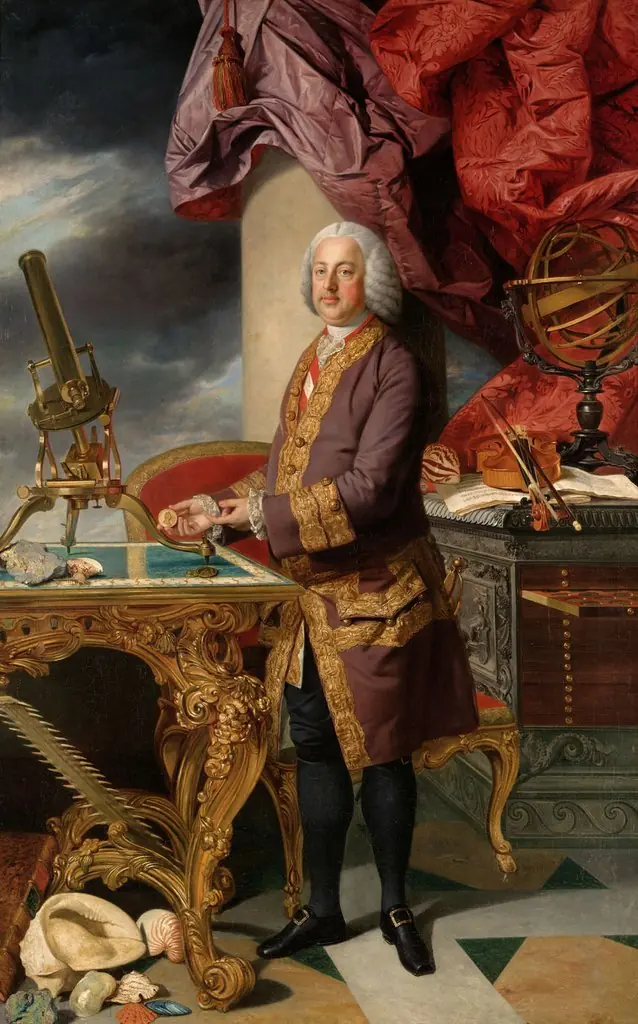 François Ier du Saint-Empire et sa collection d'histoire naturelle
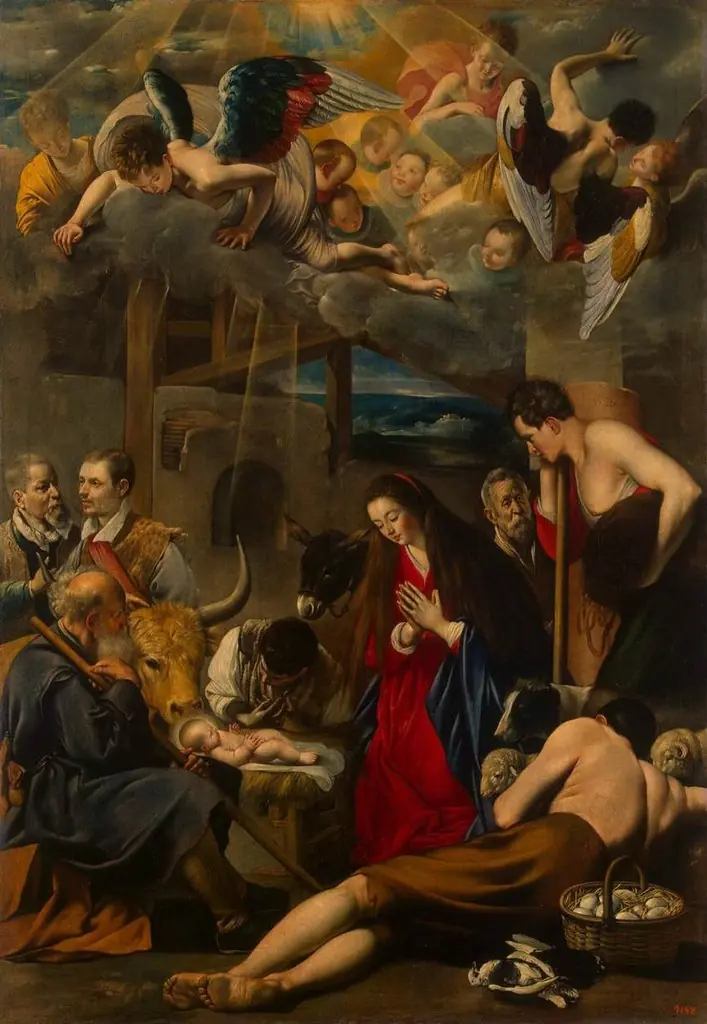 Adoration of the Shepherds
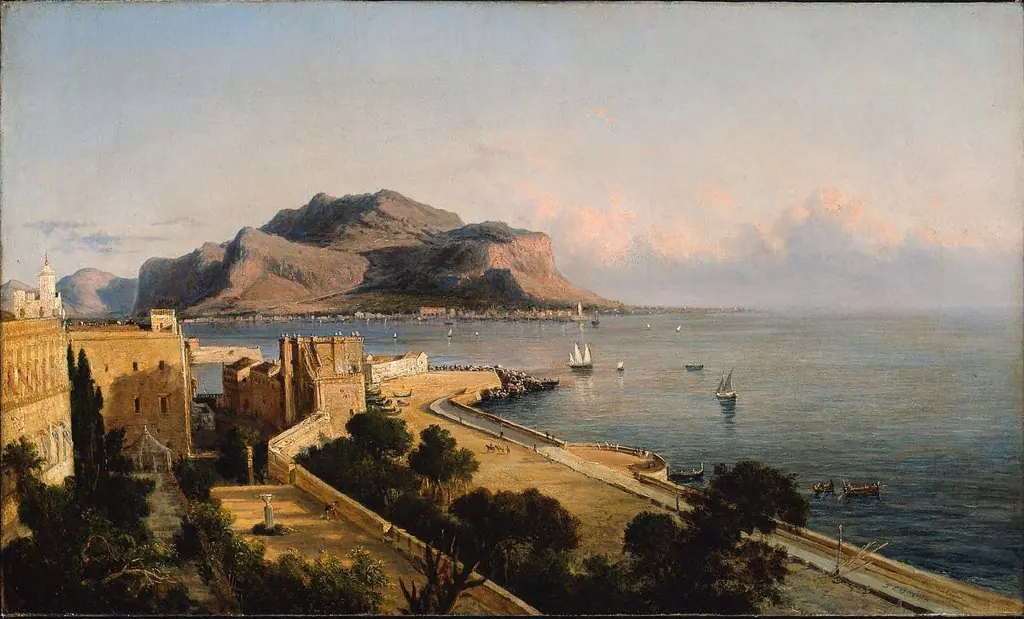 Monte Pellegrino at Palermo, Italy
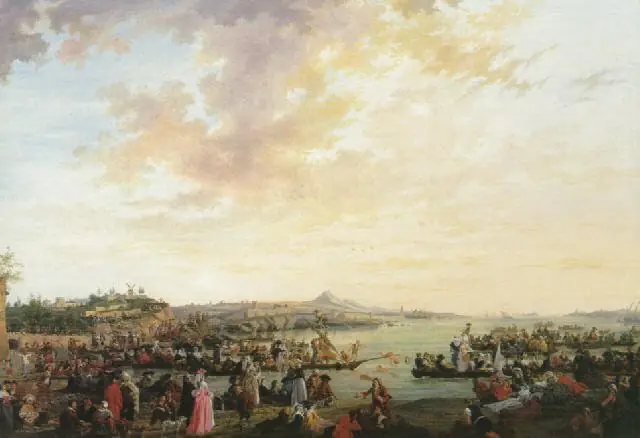 Vue de Marseille : Joute et fête sur l'eau
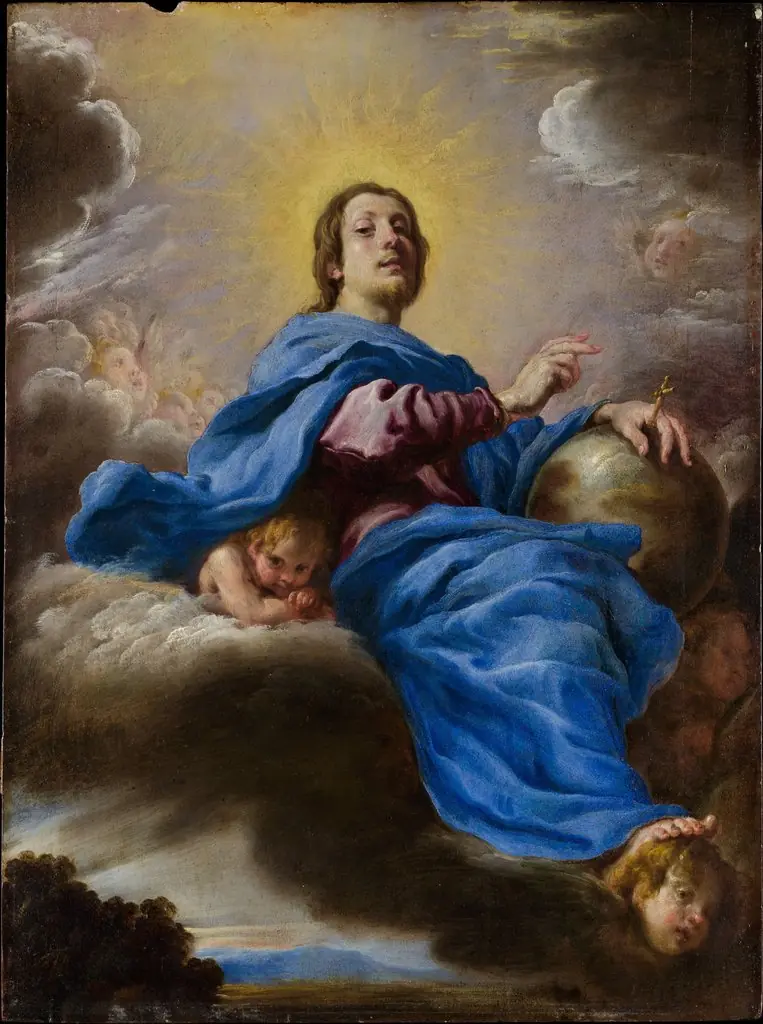 Salvator Mundi
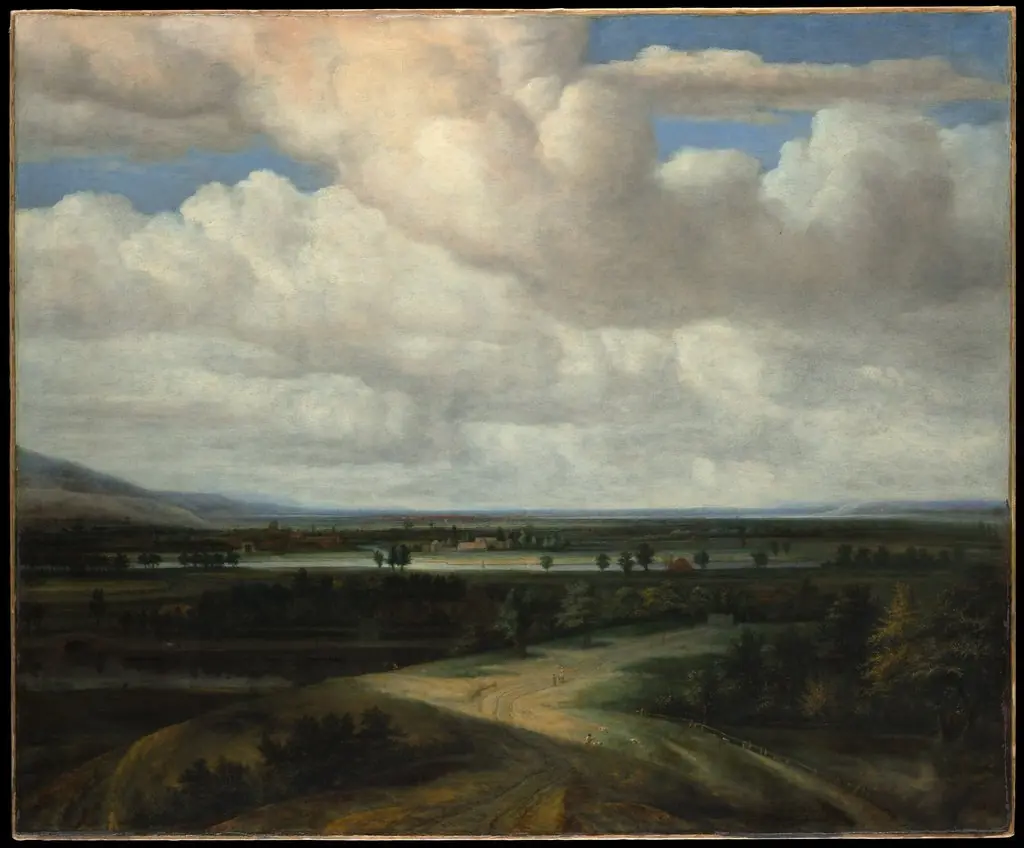 A Panoramic Landscape with a Country Estate
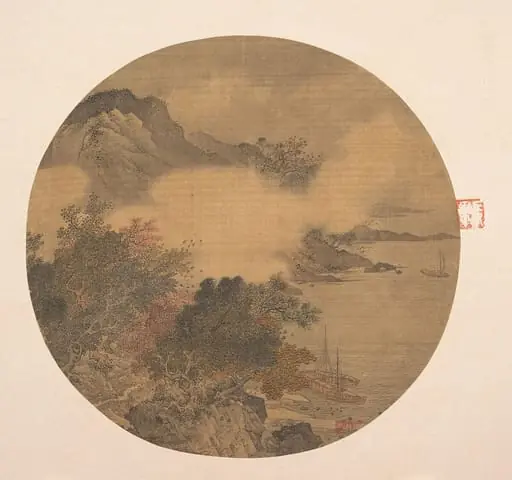 明 佚名 風雨艤舟圖 團扇|Misty Landscape
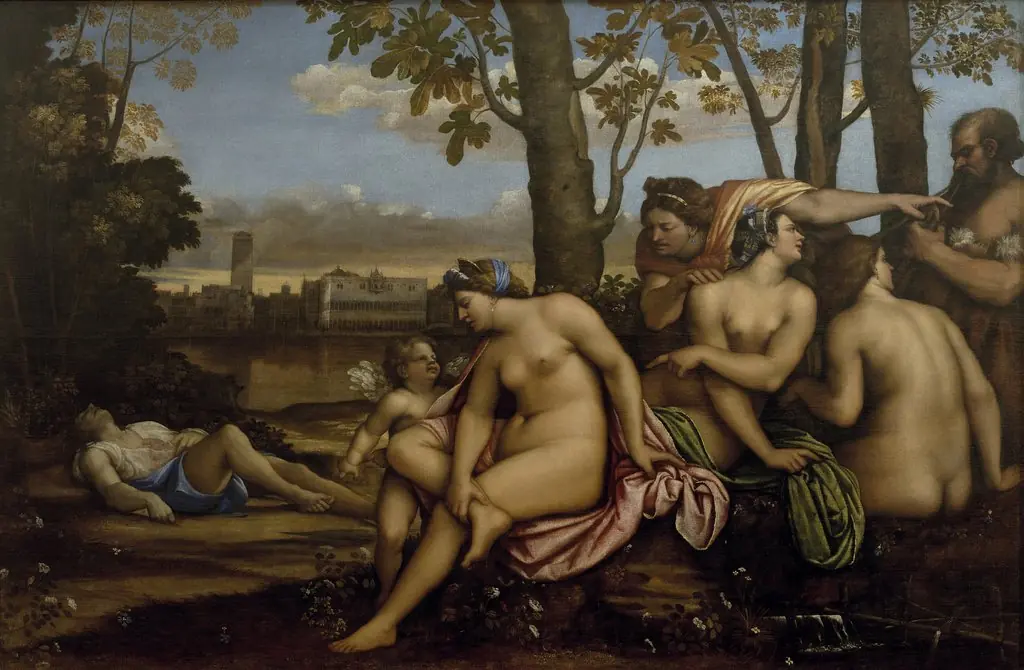 Death of Adonis
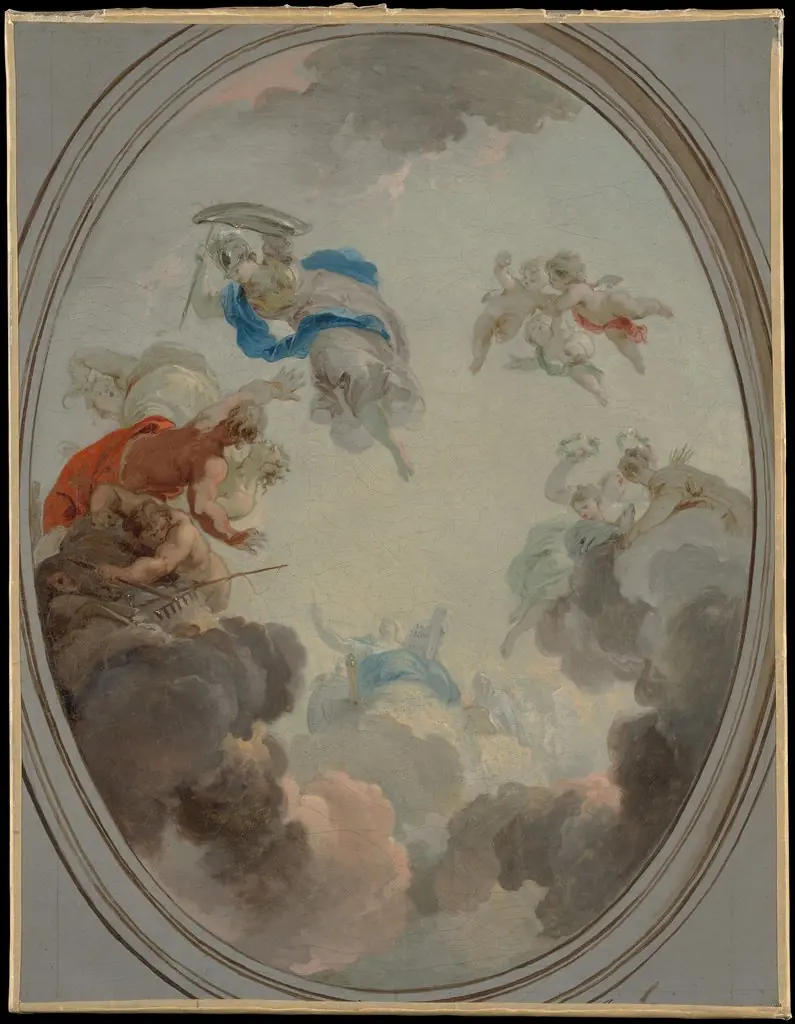 Allegory of Government: Wisdom Defeating Discord
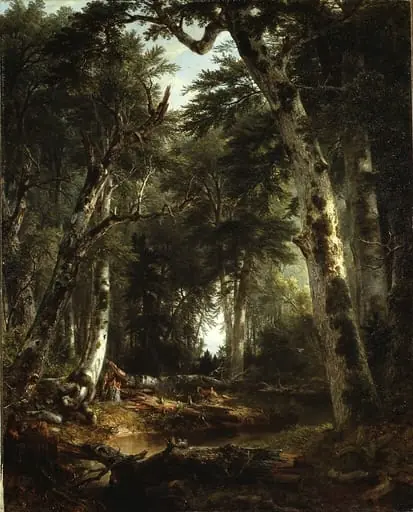 In the Woods
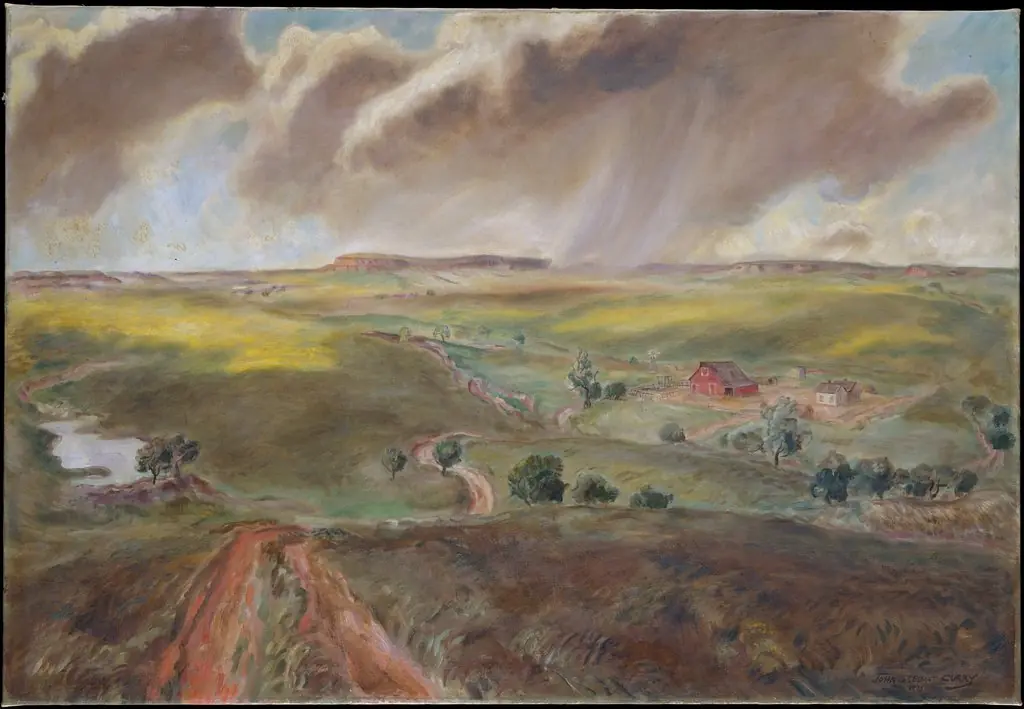 Spring Shower (Western Kansas Landscape)
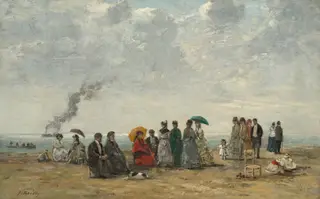 Figures on the Beach
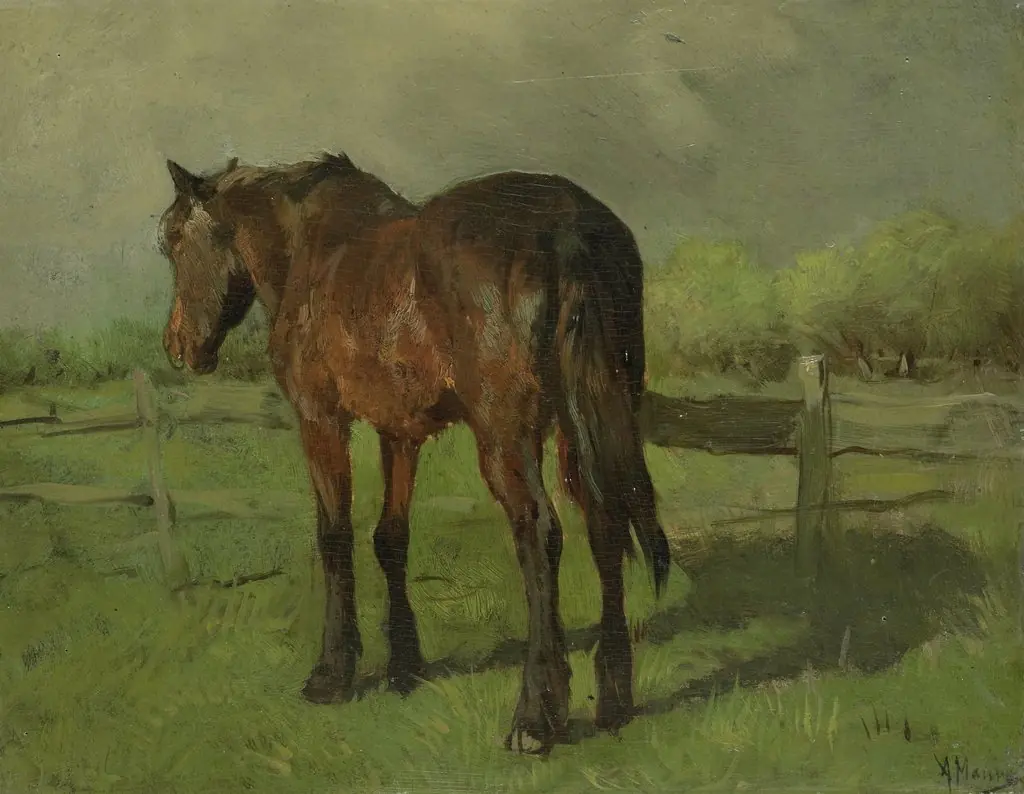 Horse
Horse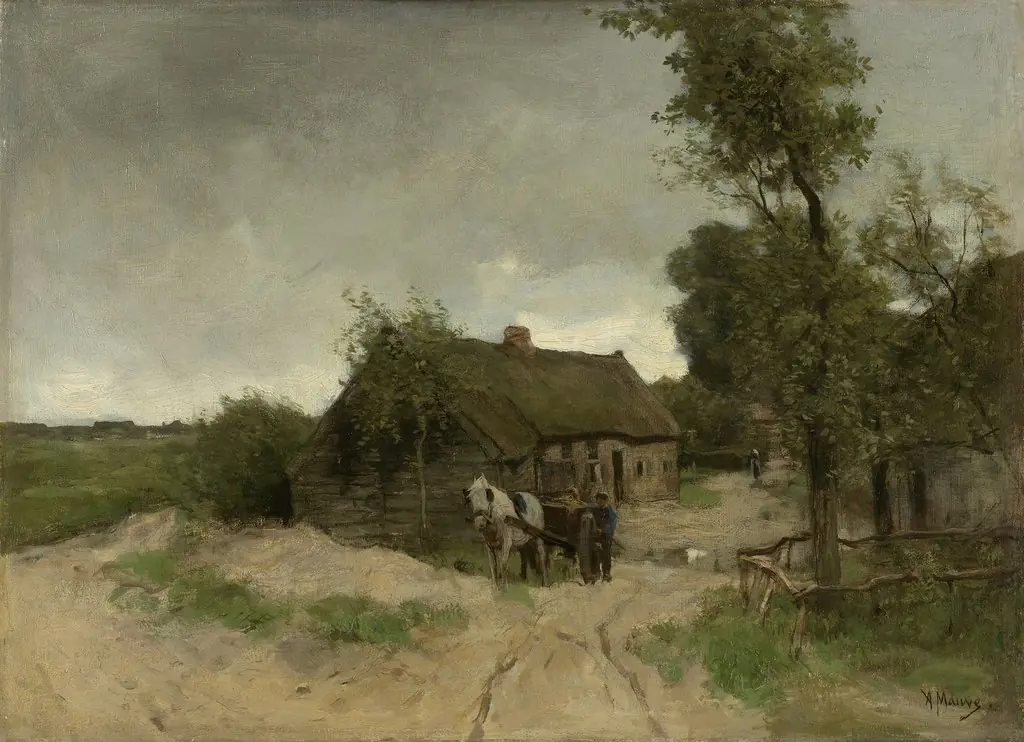 Cottage on the dirt road
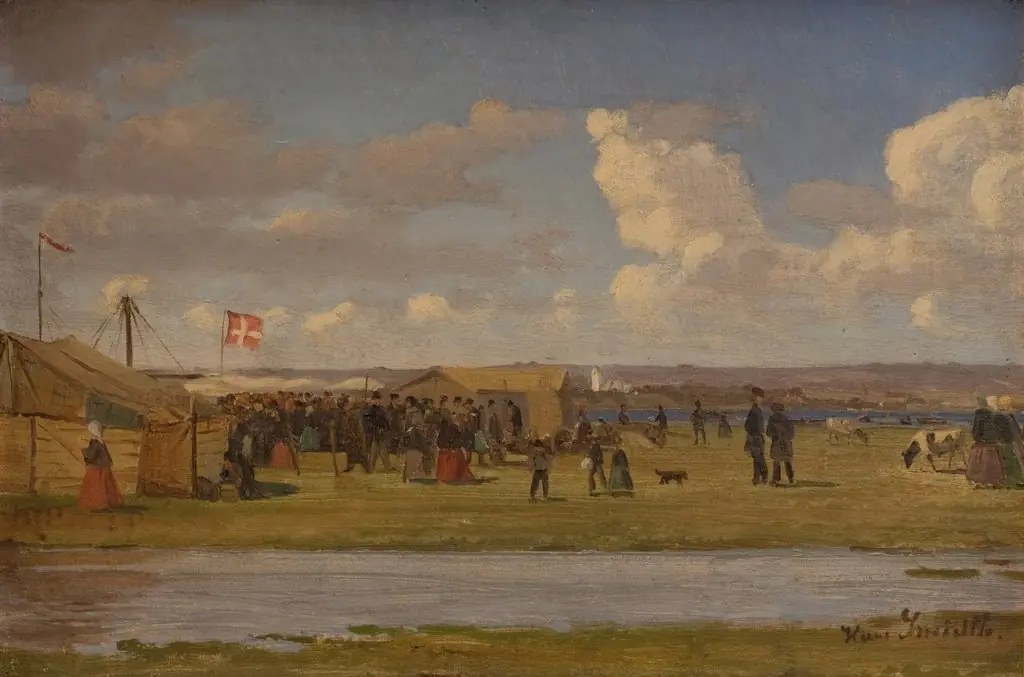 Fur marked
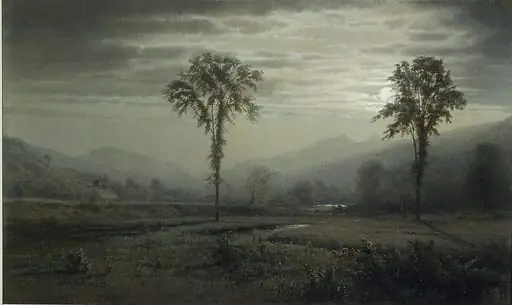 Moonlight on Mount Lafayette, New Hampshire
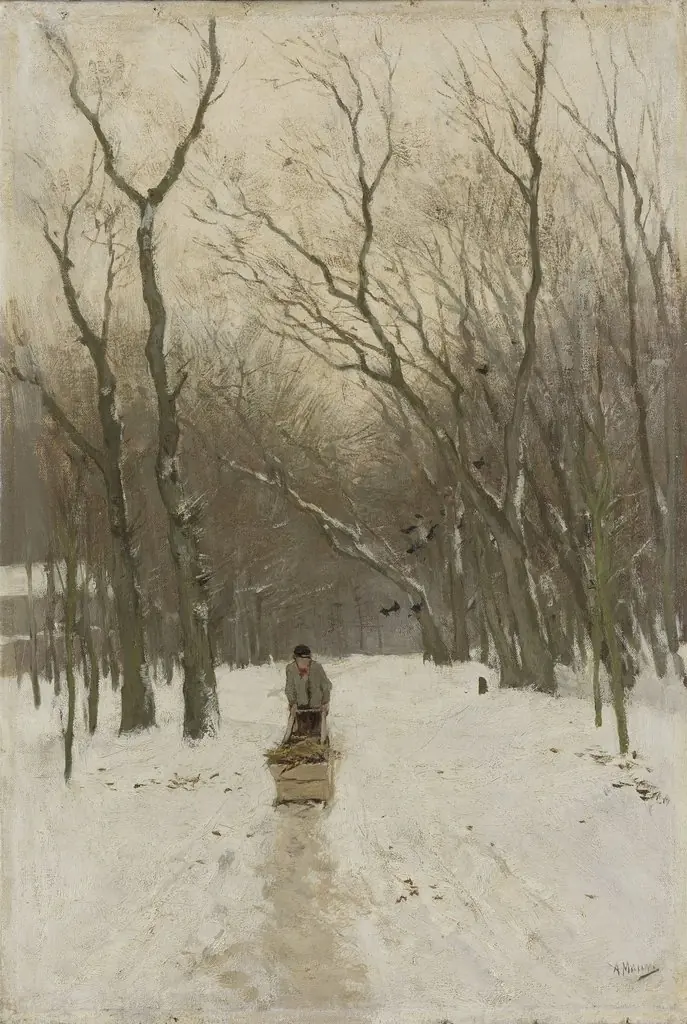 Winter in the Scheveningse bosjes.
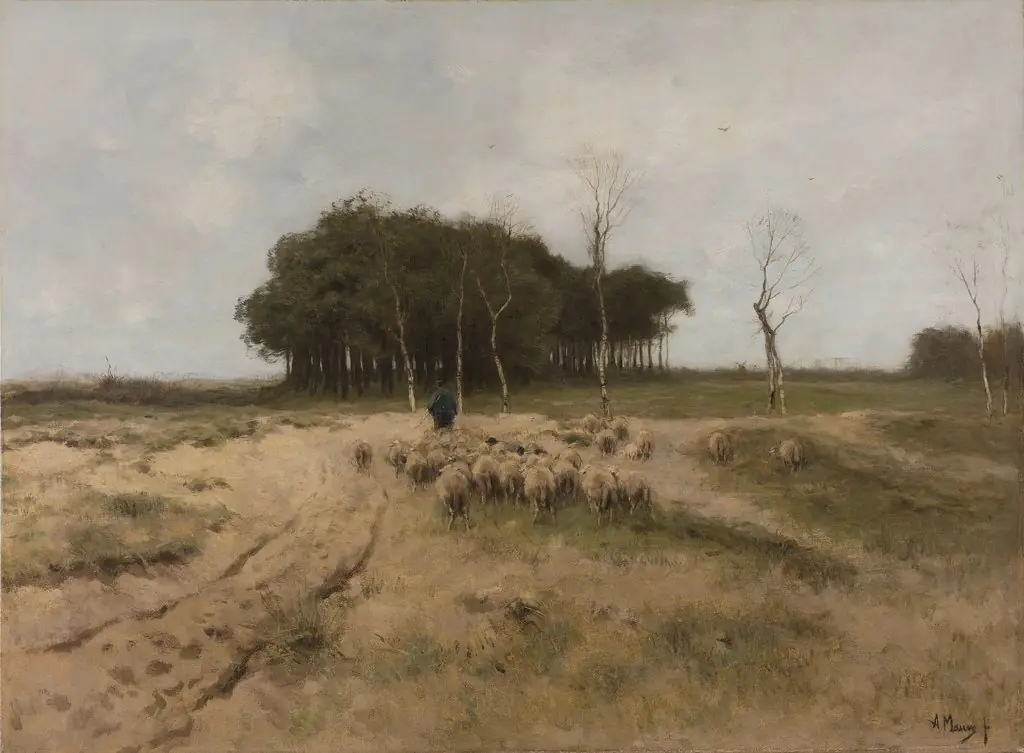 On the Heath near Laren
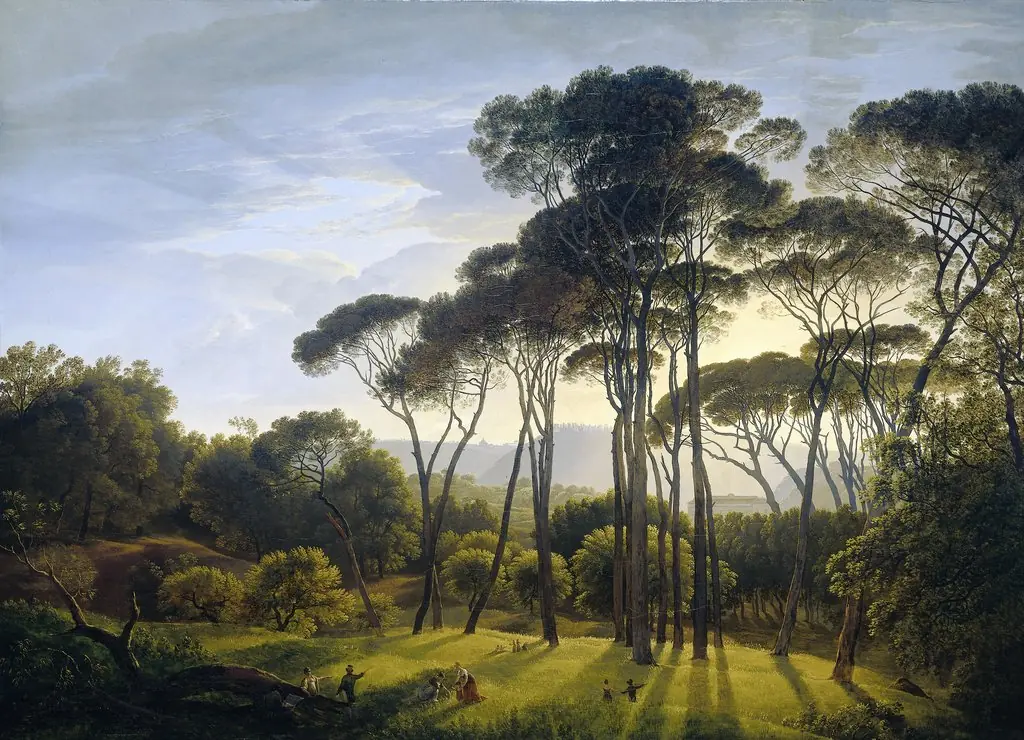 Italian Landscape with Umbrella Pines
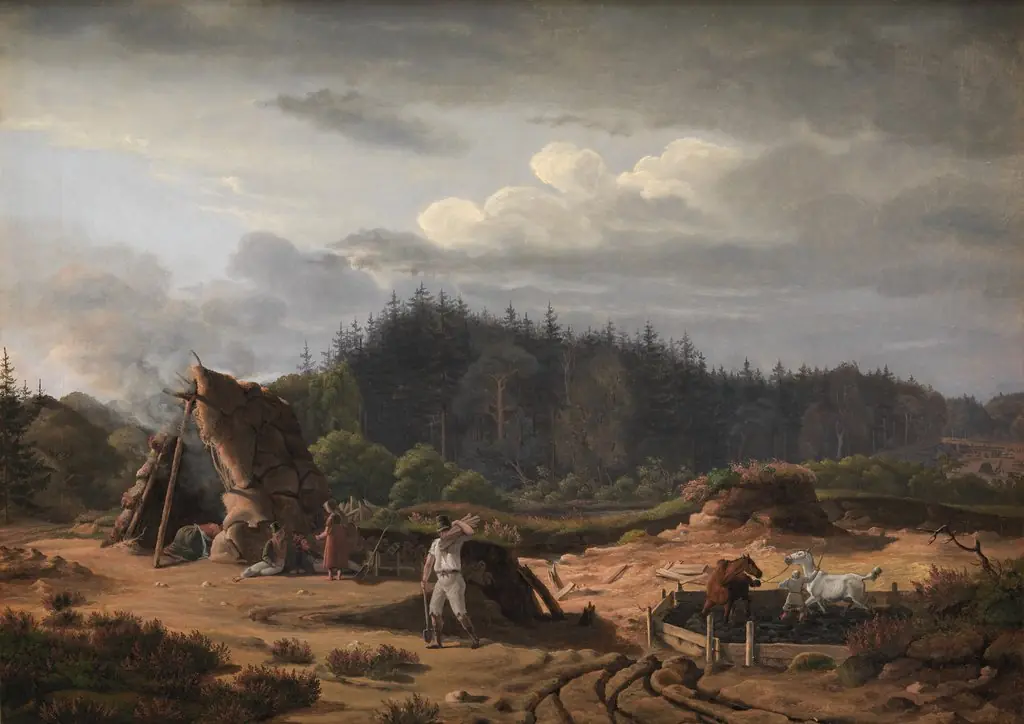 A Bog with Peat Cutters. Høsterkøb, North Zealand
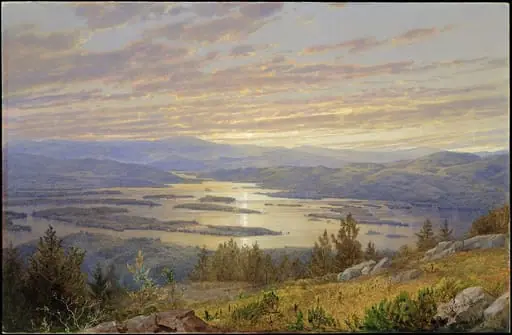 Lake Squam from Red Hill
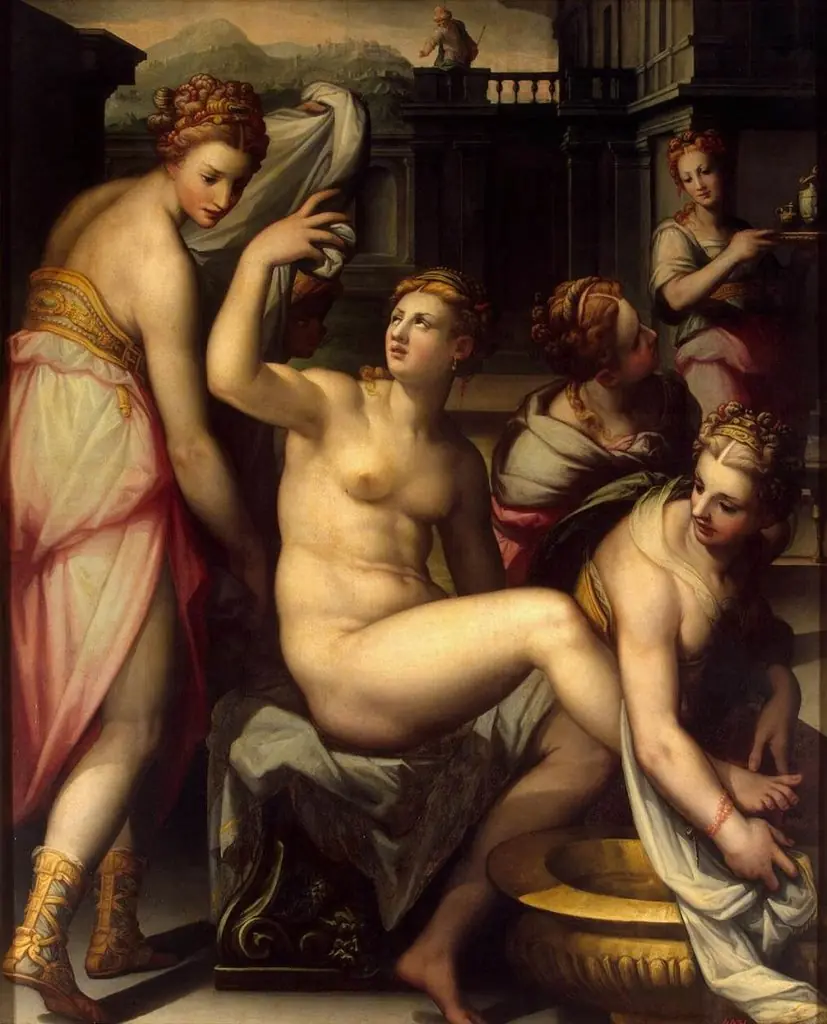 Bathsheba
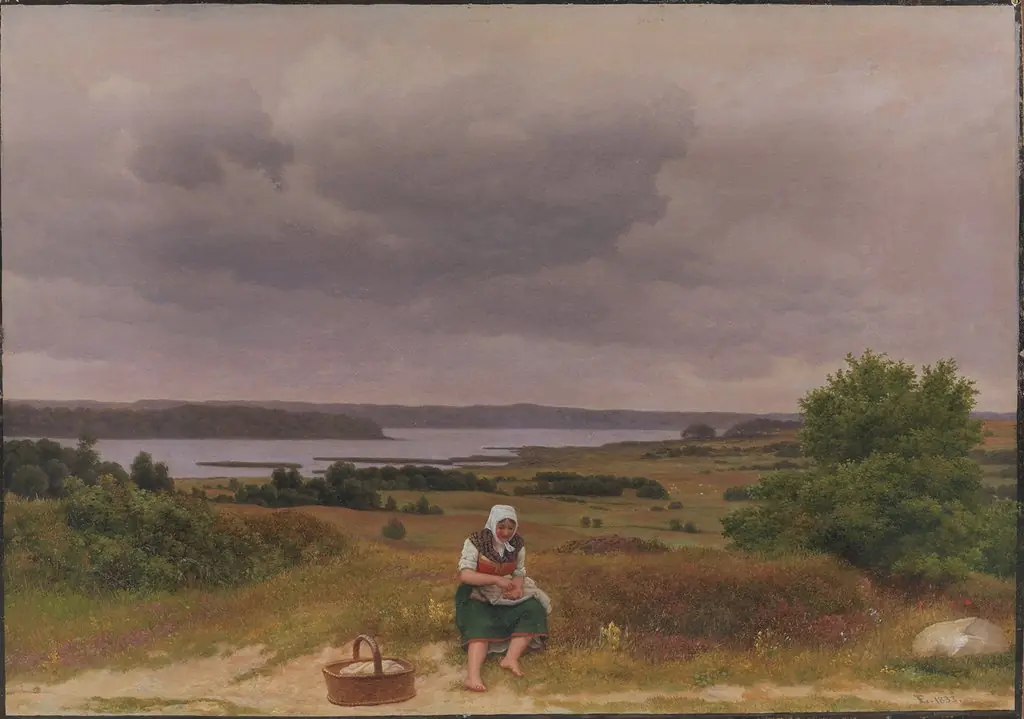 View of Lake Fure near Rudersdal, North Sealand.
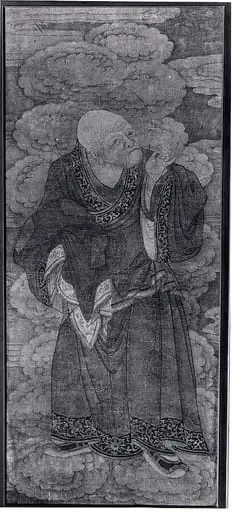 Untitled
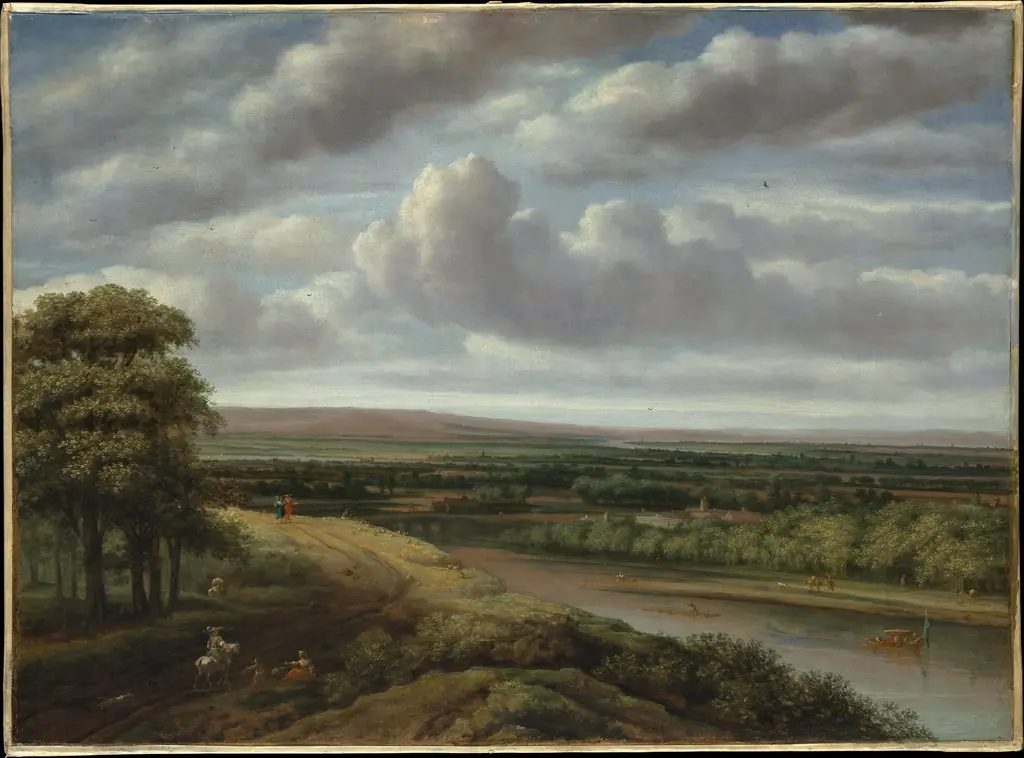 An Extensive Wooded Landscape
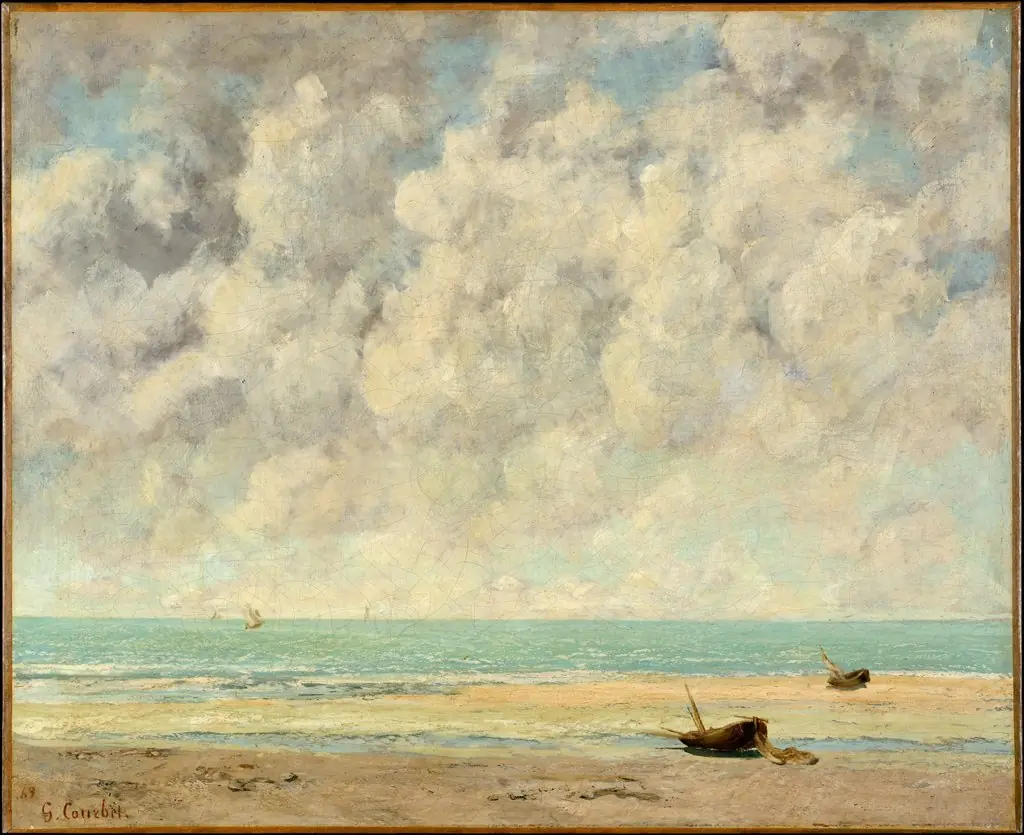 The Calm Sea
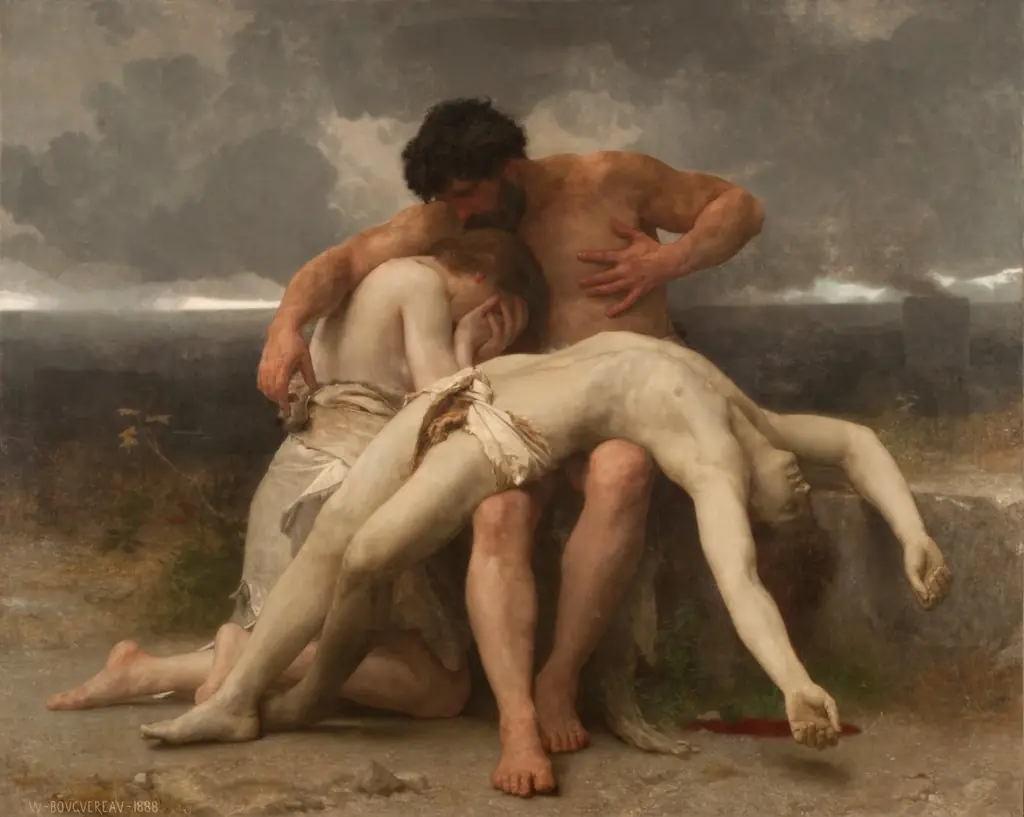 The First Mourning
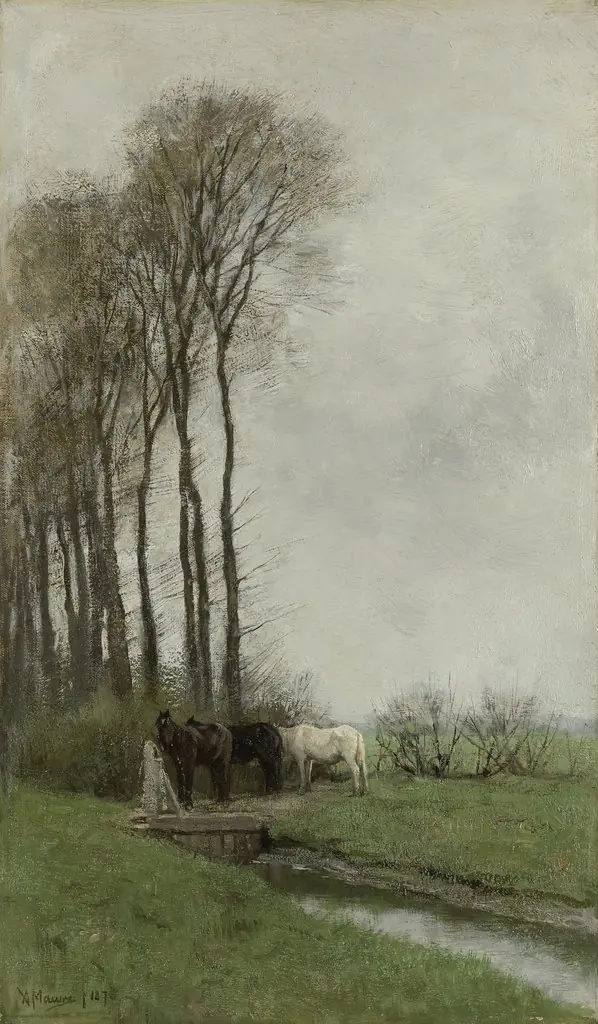 Horses near the fence.
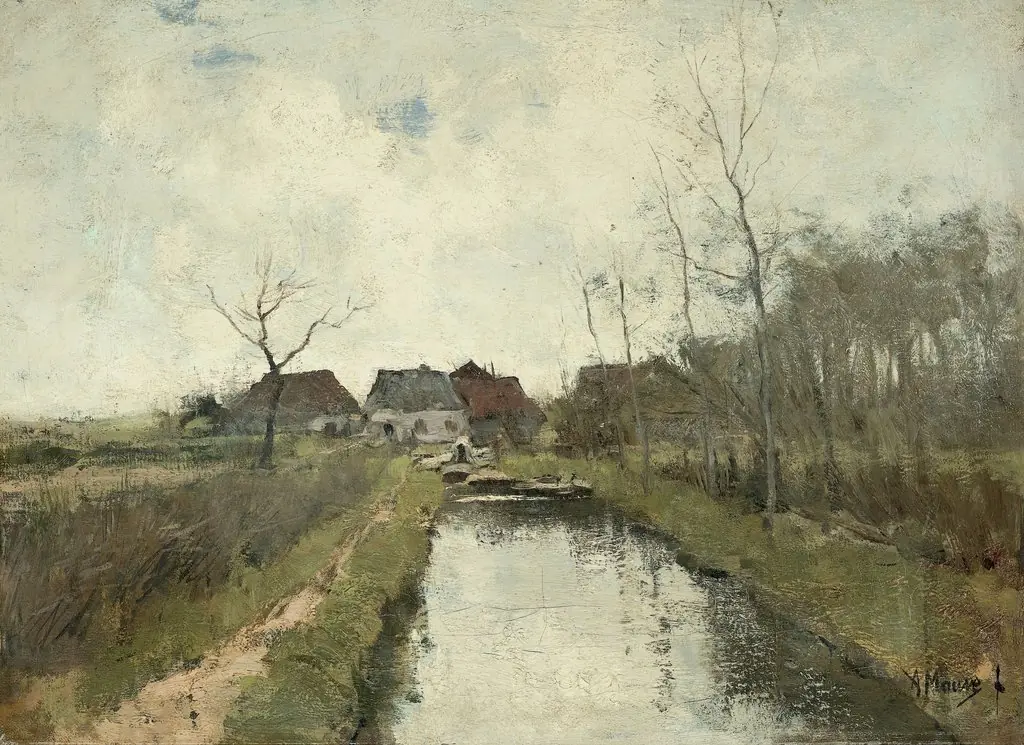 Cottages by a ditch
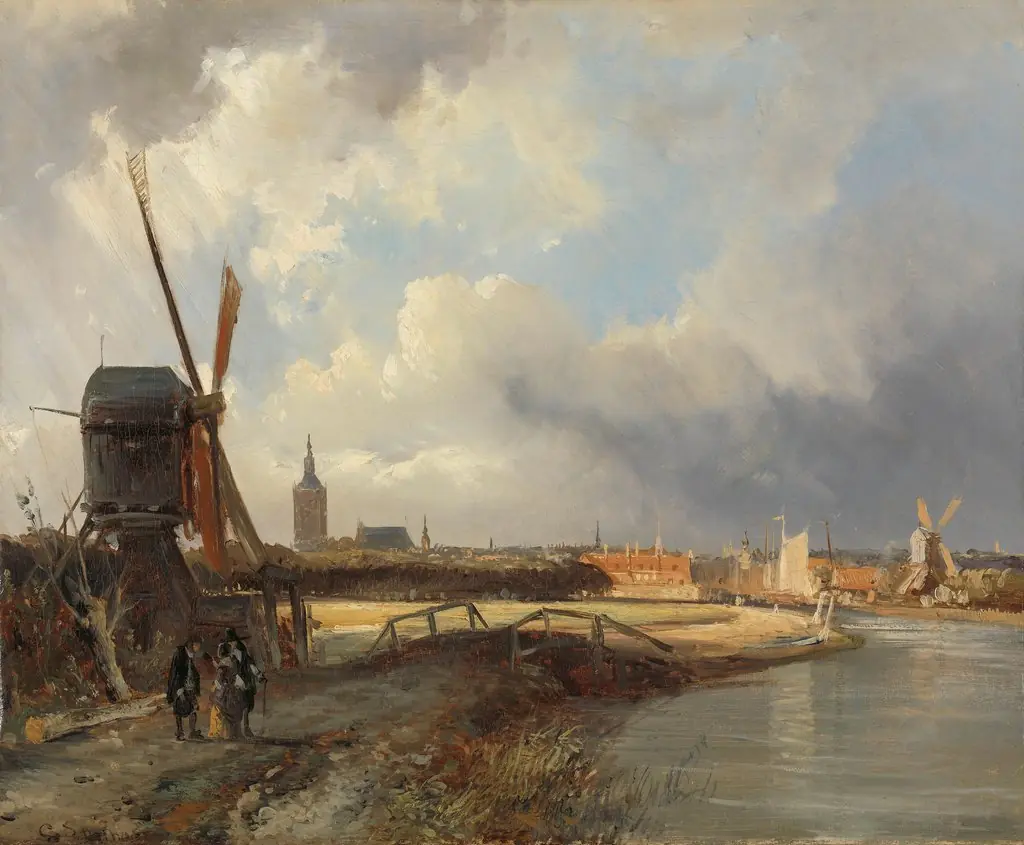 View of The Hague
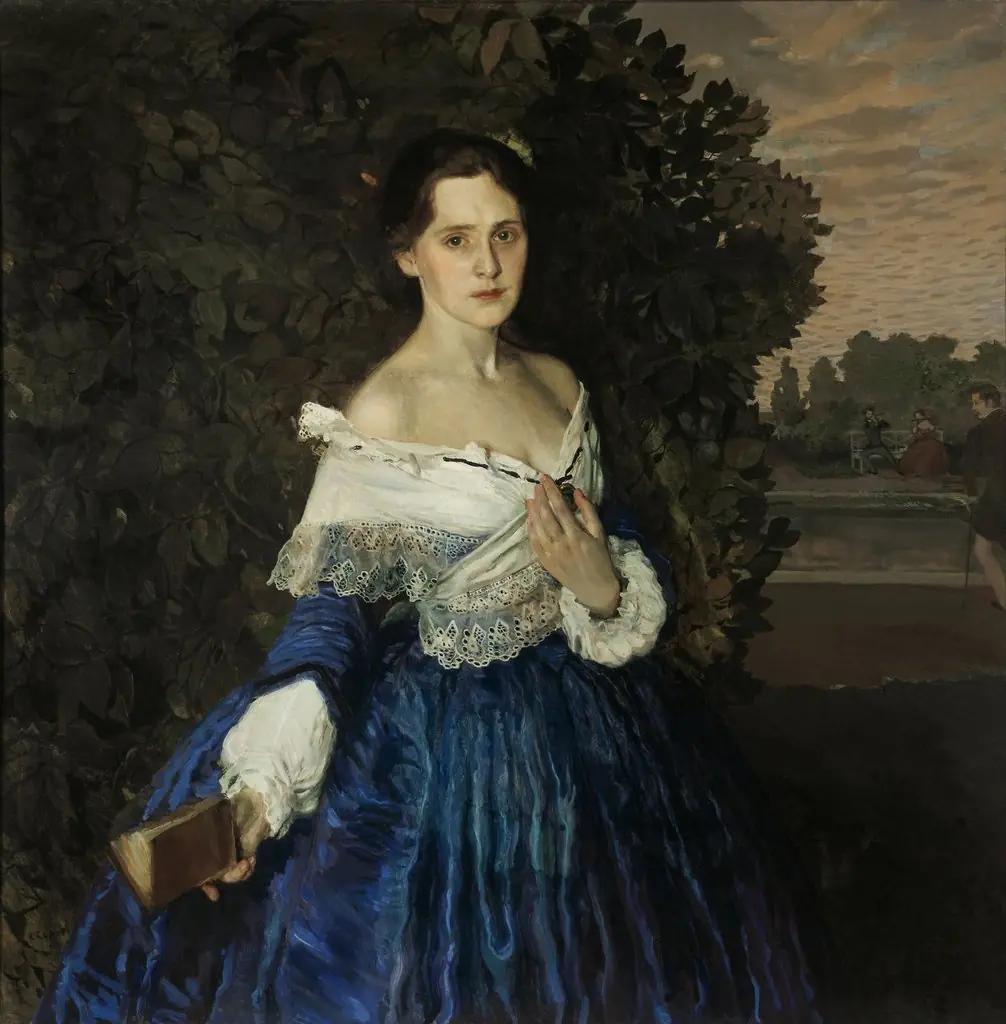 Lady in Blue
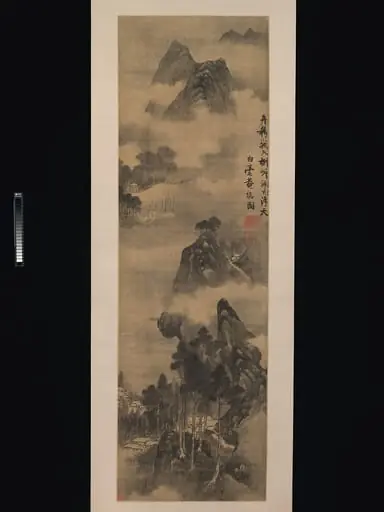 明 張瑞圖 山水圖 軸|Mountains Along Riverbanks
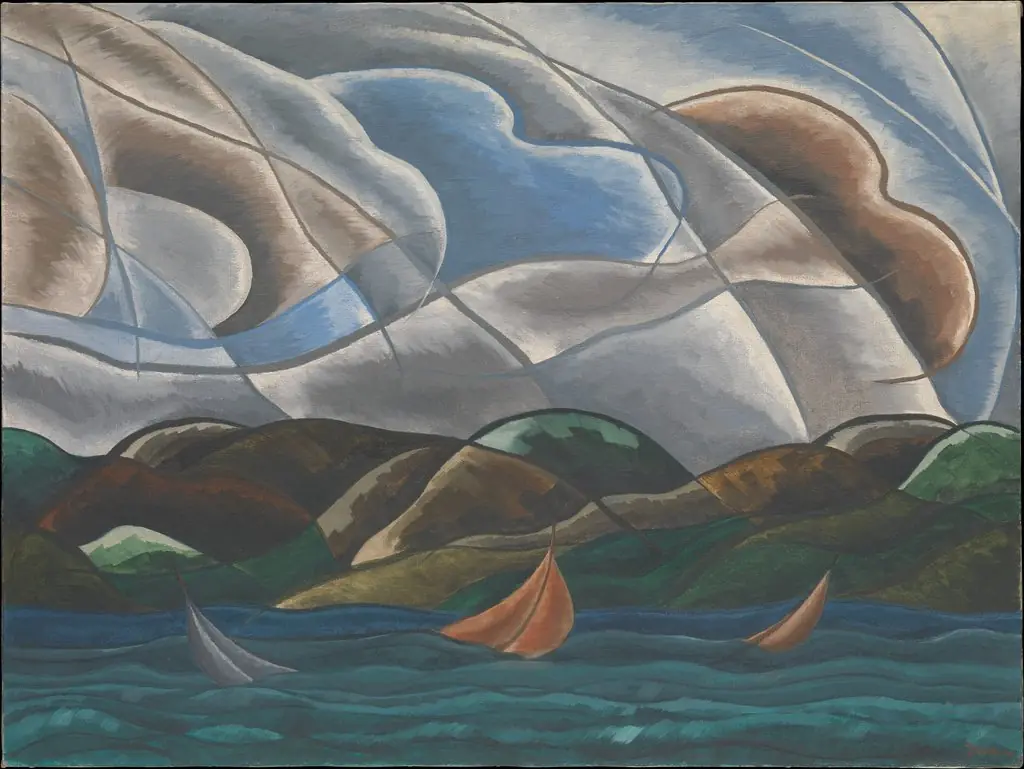 Clouds and Water
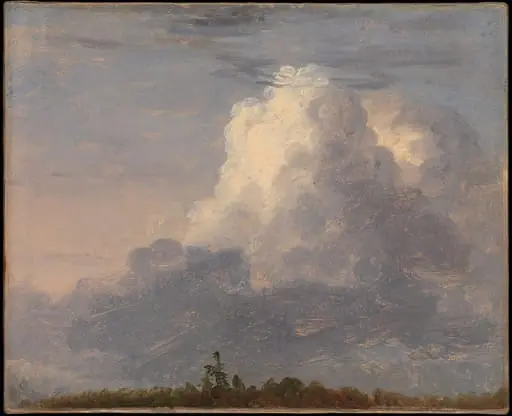 Clouds
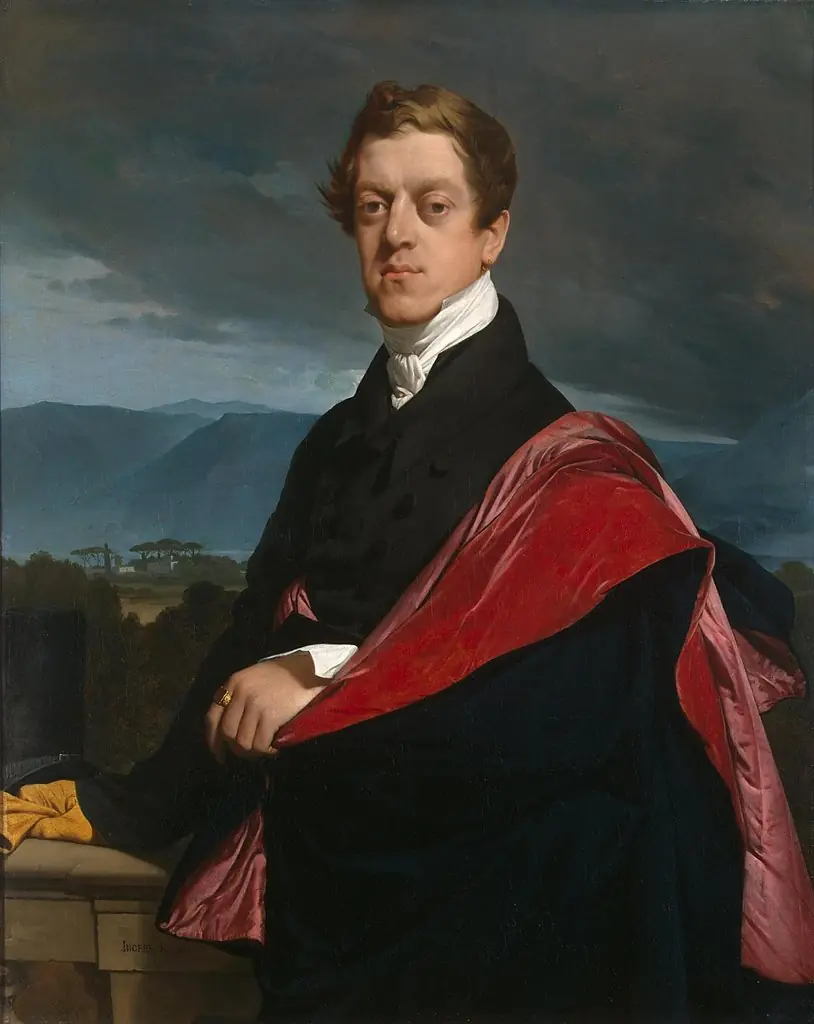 Portrait of Count Nikolay Guryev
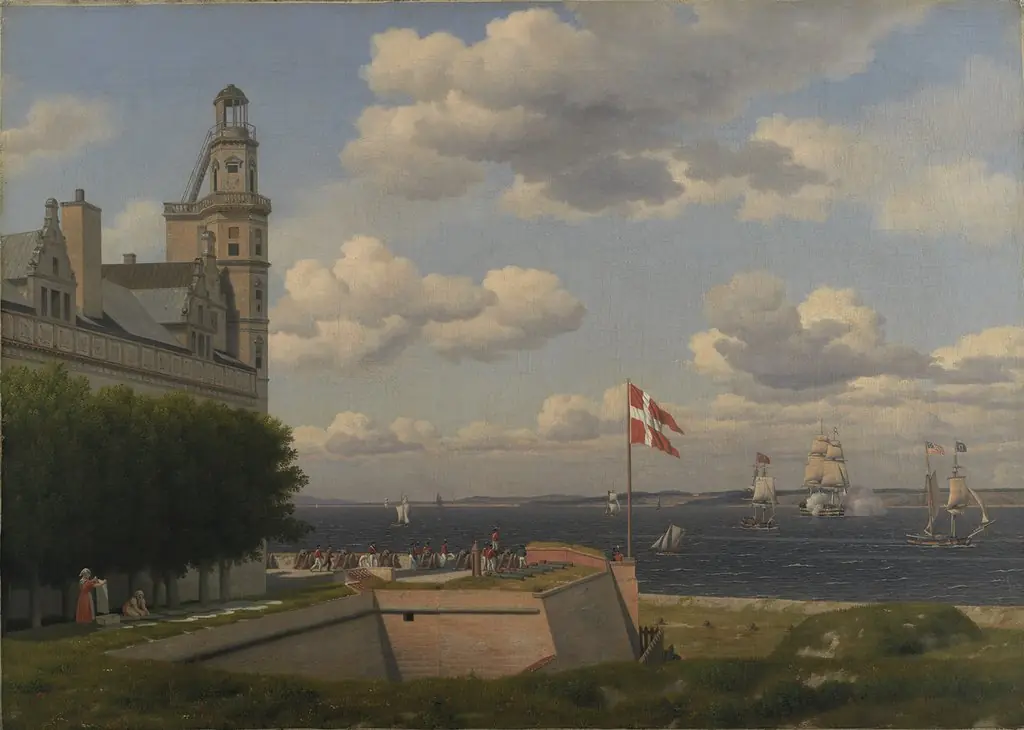 A View towards the Swedish Coast from the Ramparts of Kronborg Castle
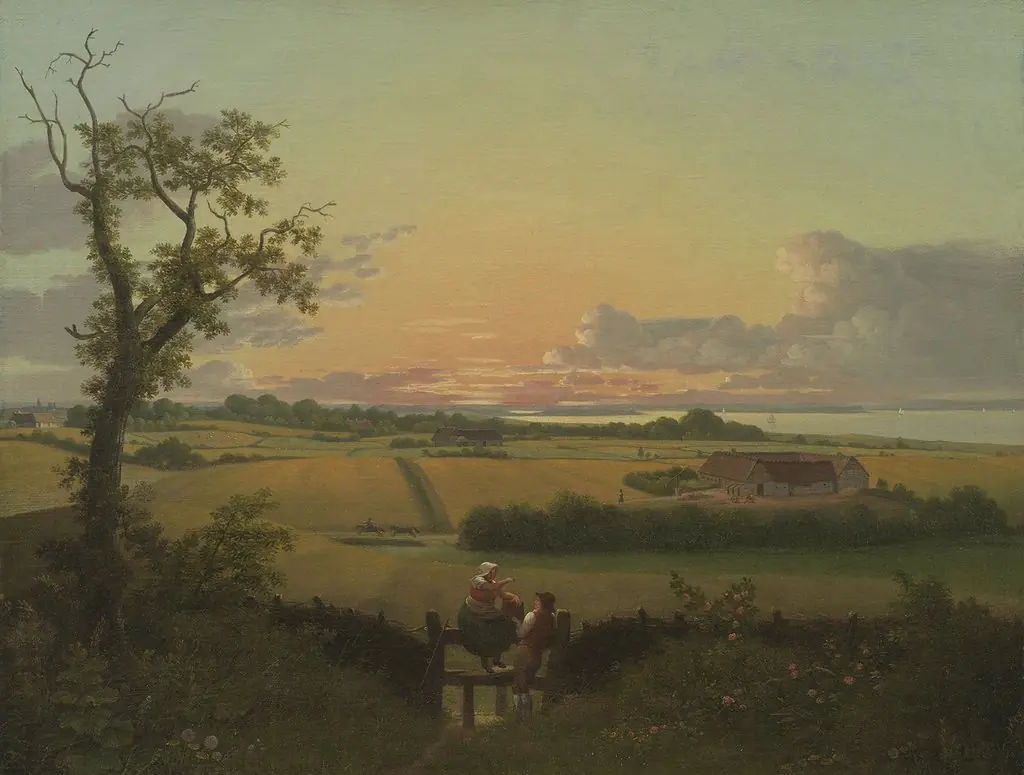 Landscape with a Stile. The Isle of Møn
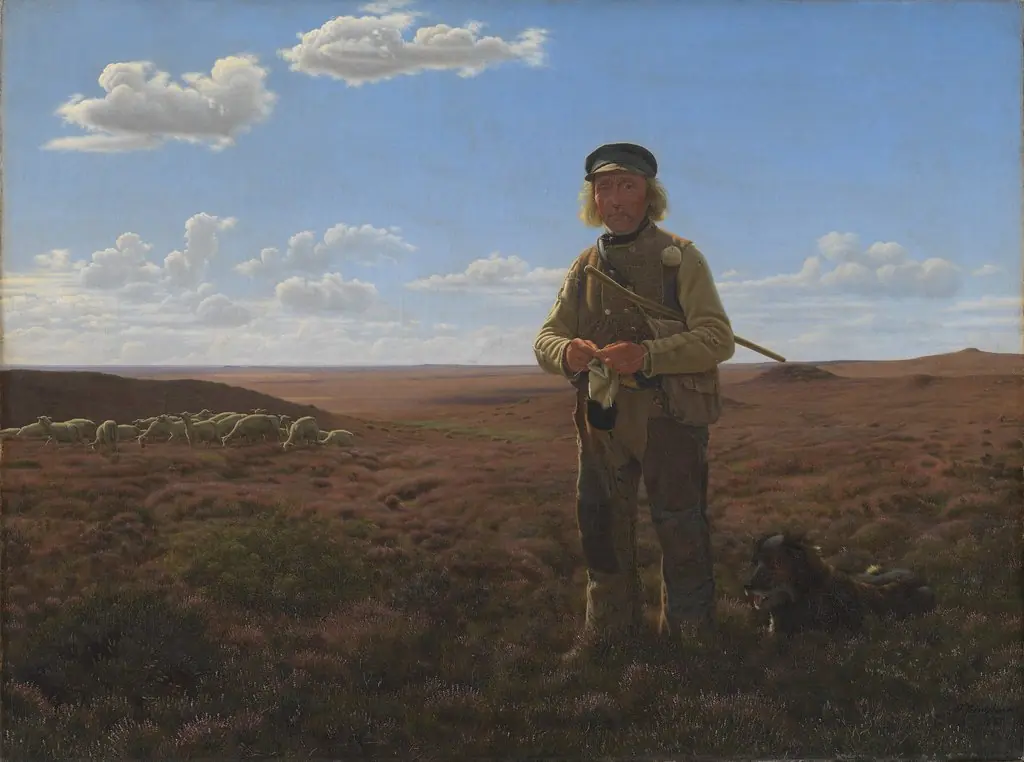 A Jutland Sheperd on the Moors
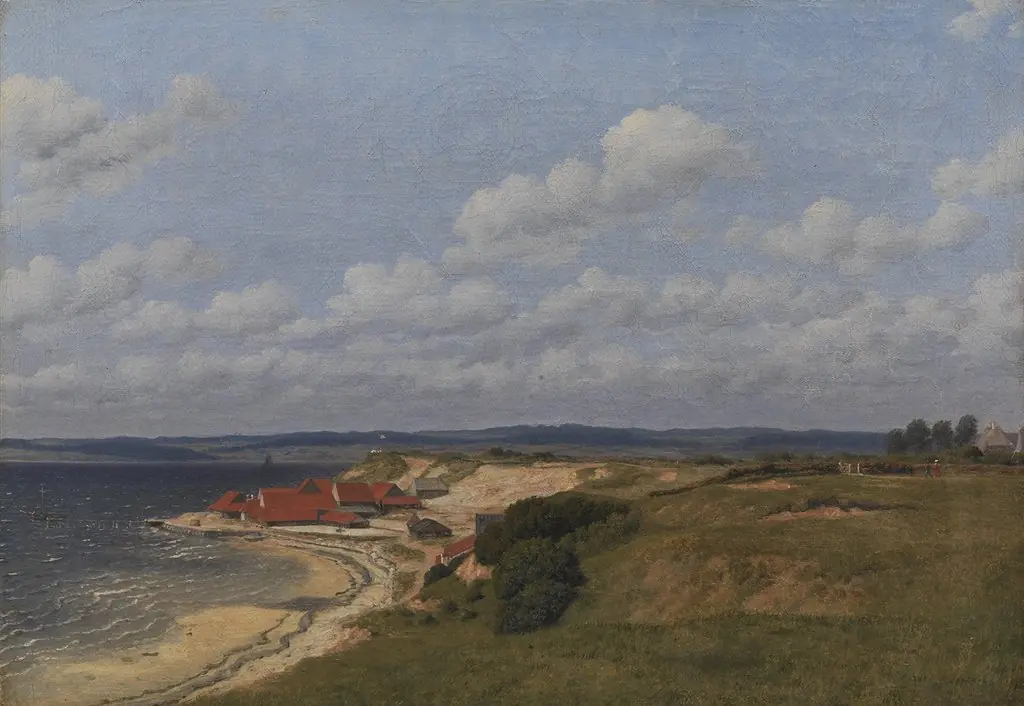 Renbjærg Tileworks by Flensburg Fiord
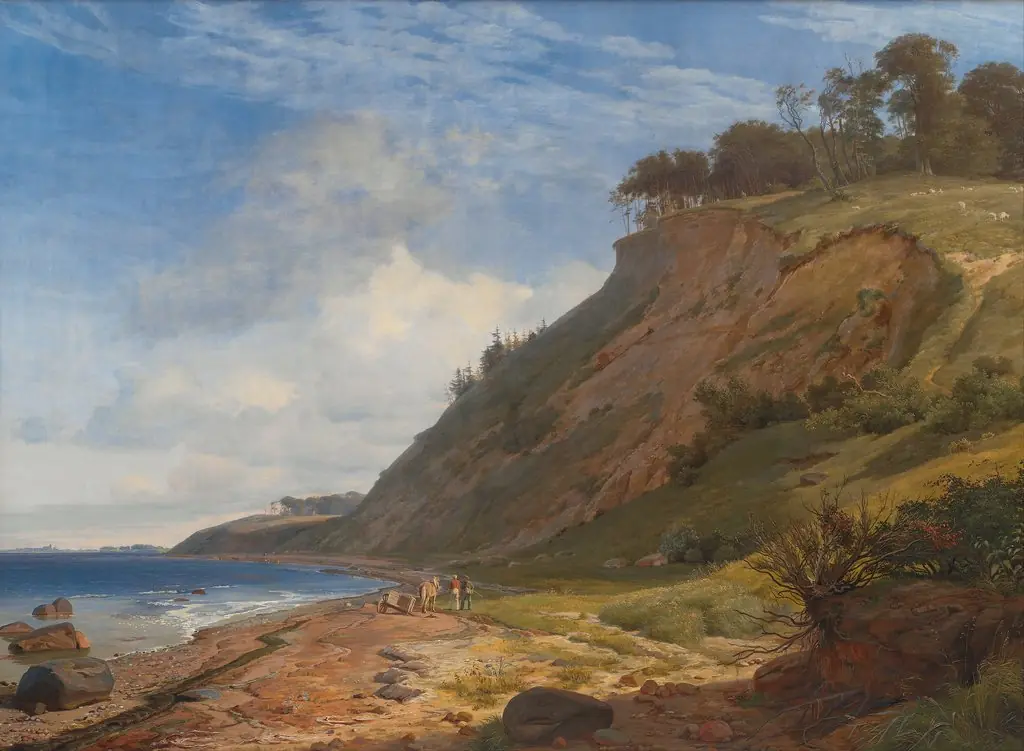 A Danish Coast. View from Kitnæs on Roskilde Fjord. Zealand
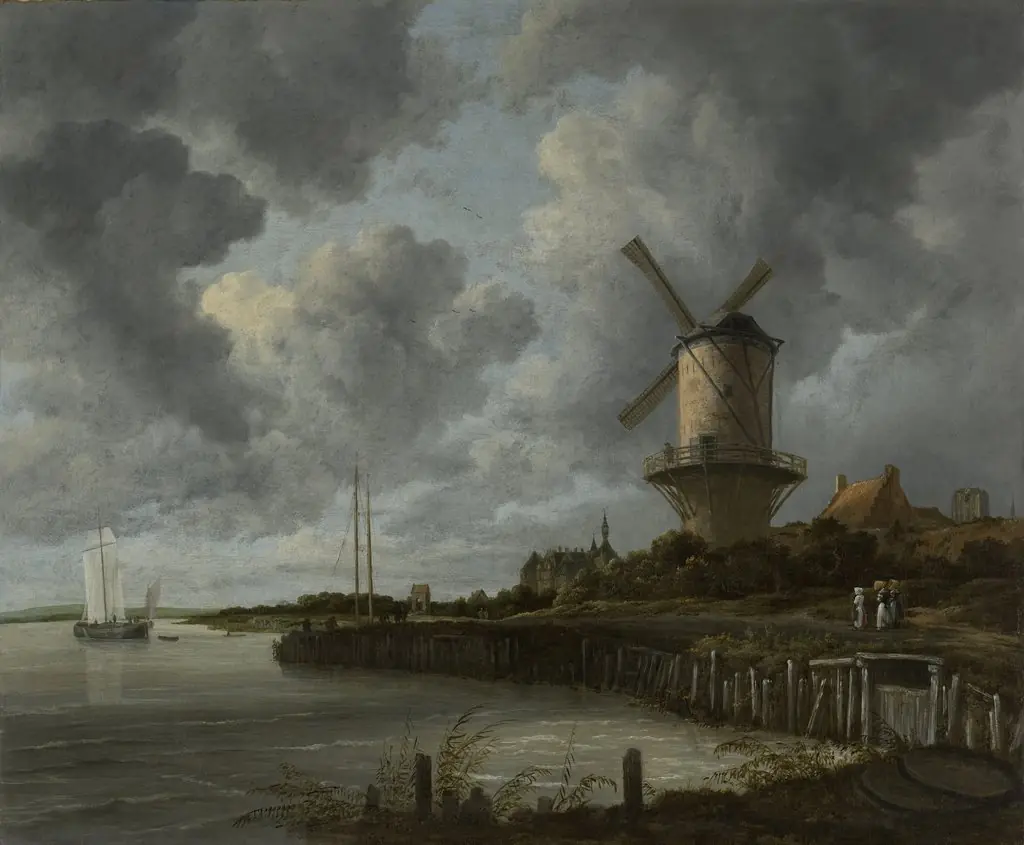 The Windmill at Wijk bij Duurstede
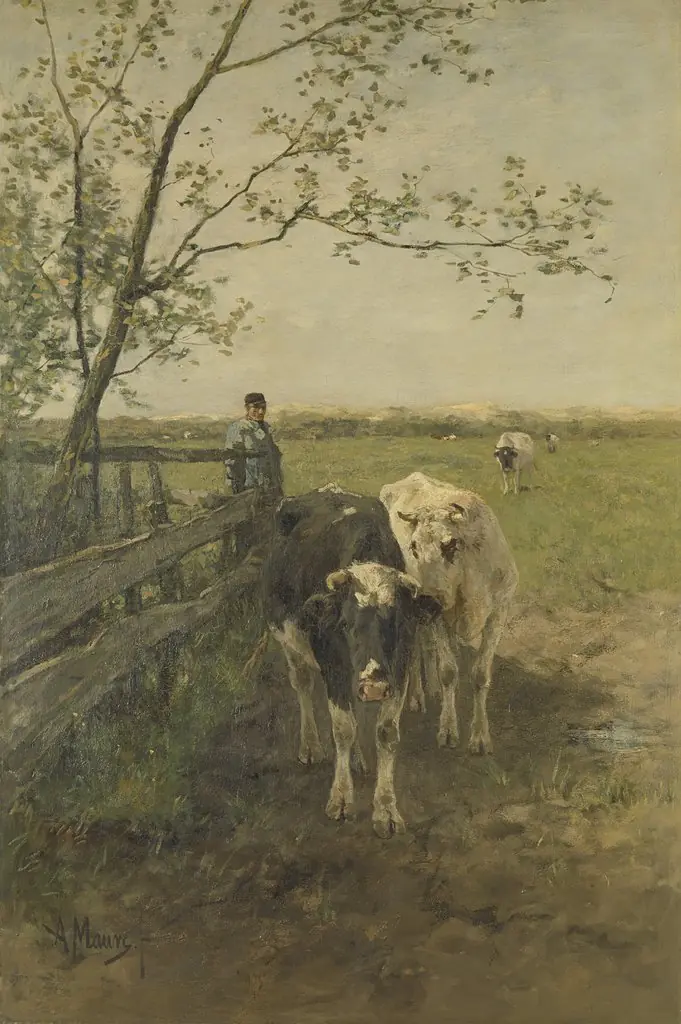 The milking corner.
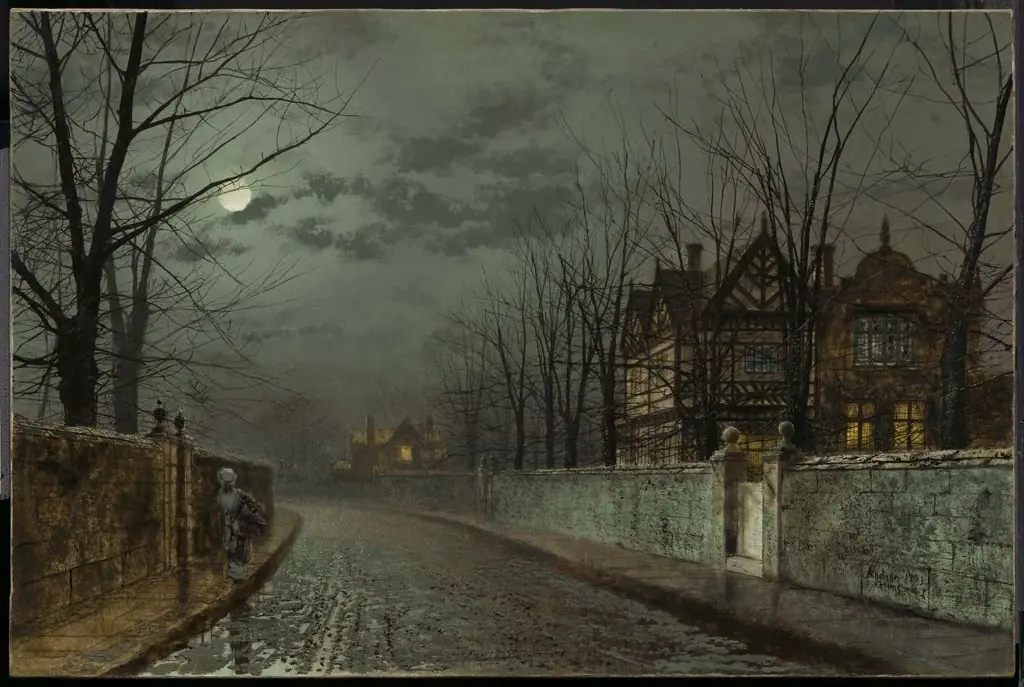 Old English House by Moonlight
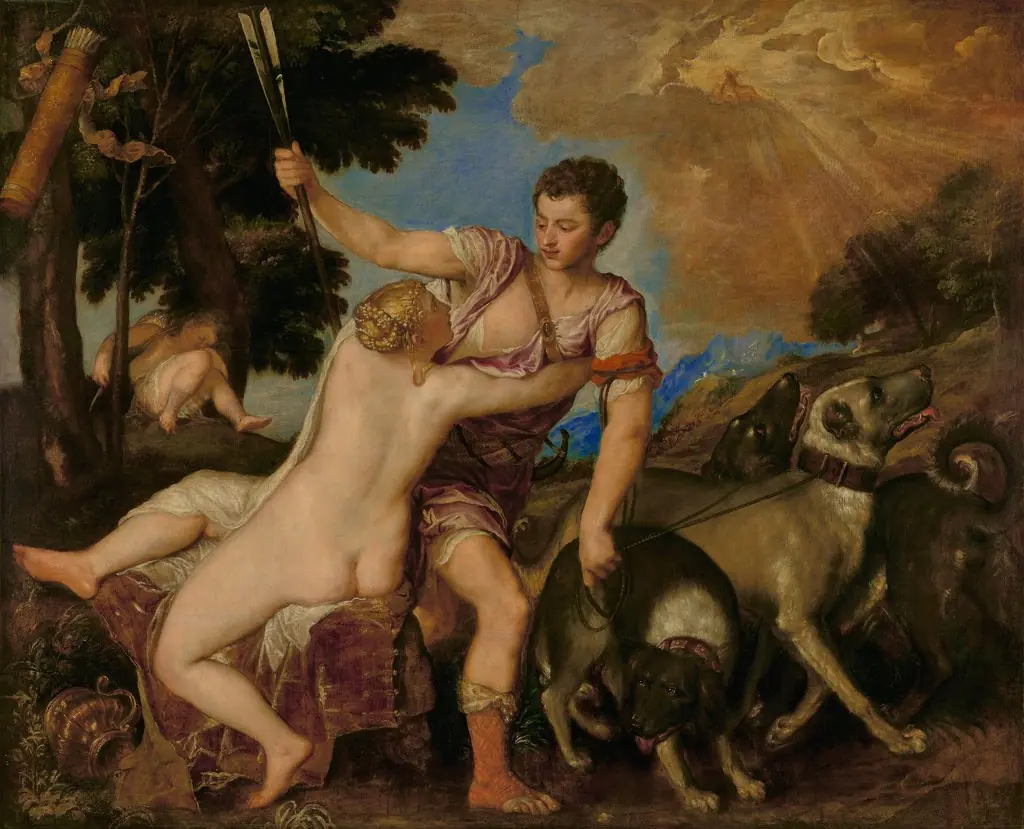 Venus and Adonis
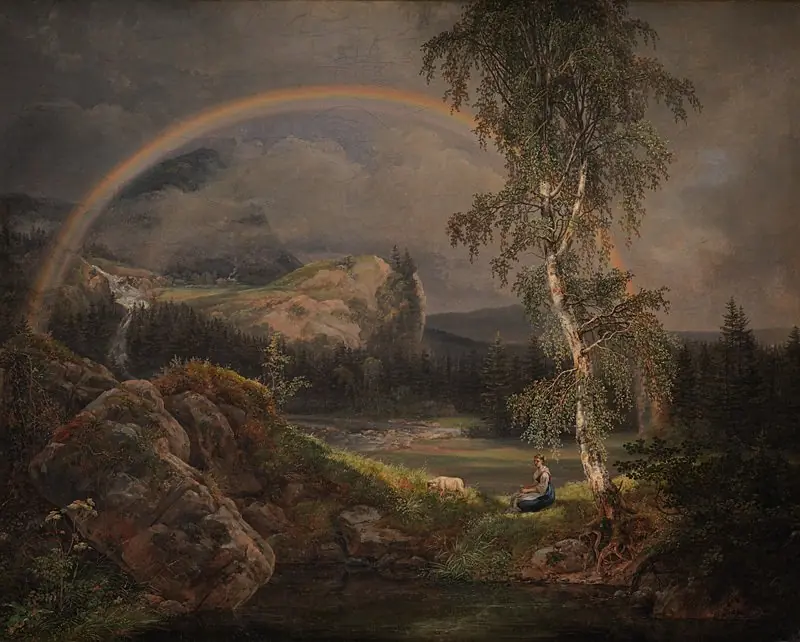 Norwegian Landscape with a Rainbow
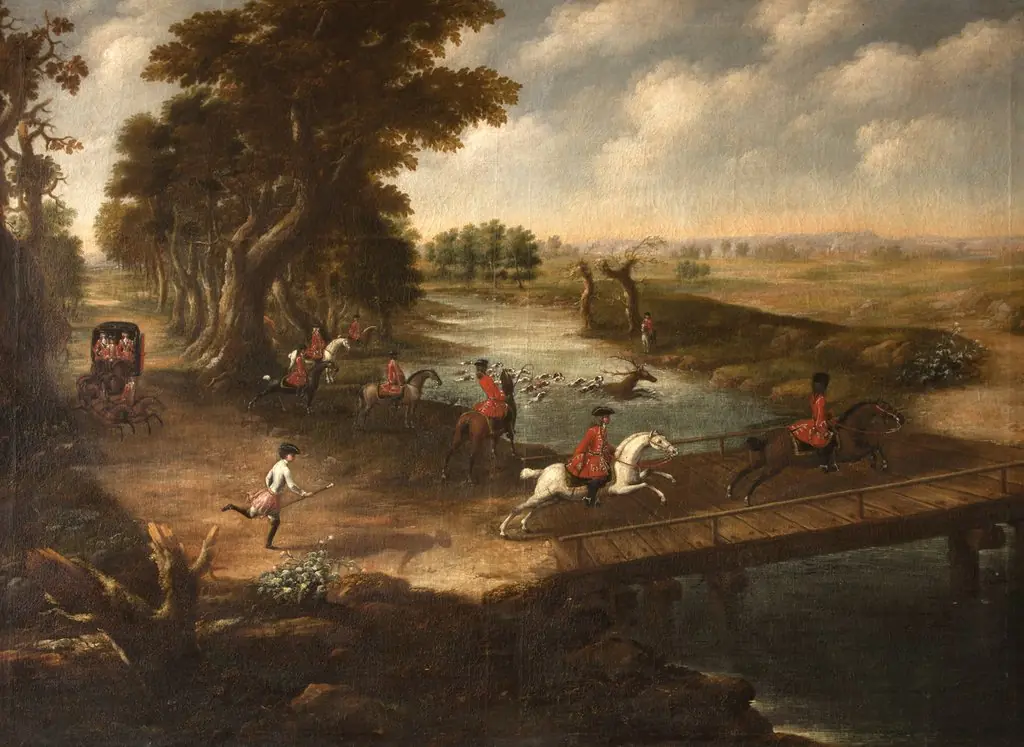 En jagt af kongelige personer
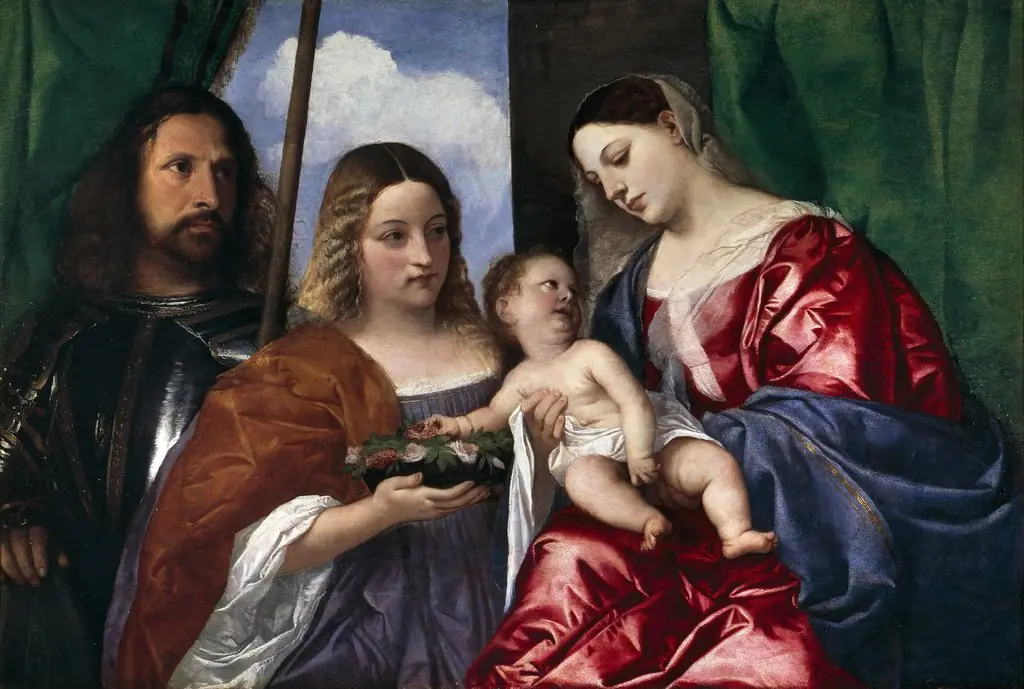 Madonna and Child with Saints Dorothy and George
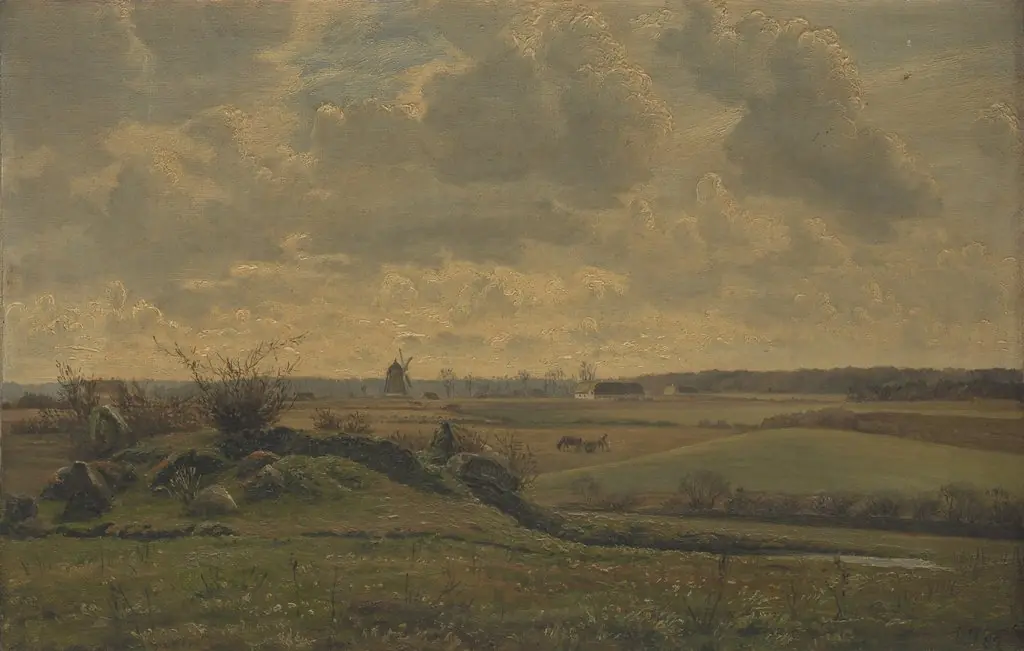 Landskab ved Gyrstinge
 Dogs and hunting gear
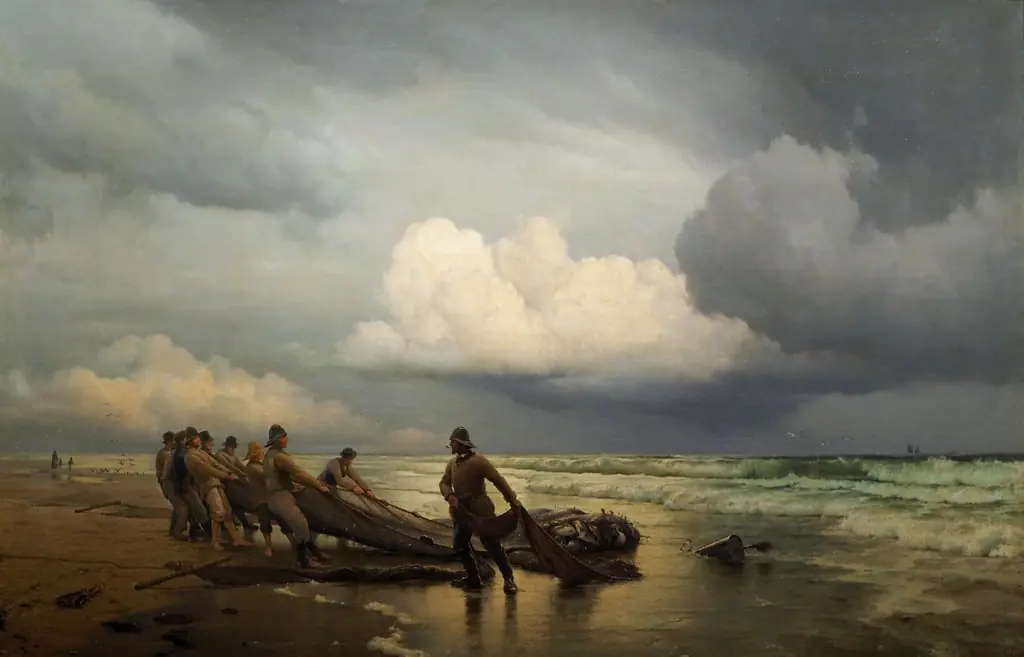 Fiskere trækker våd på Skagen Nordstrand
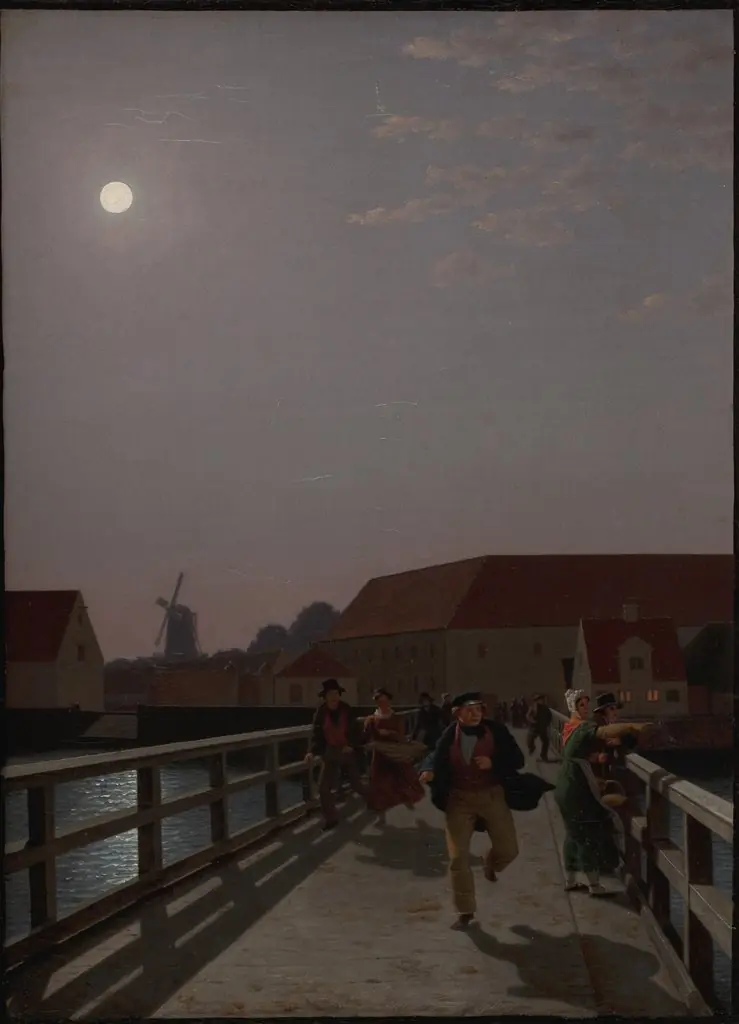 Langebro, Copenhagen, in the Moonlight with Running Figures
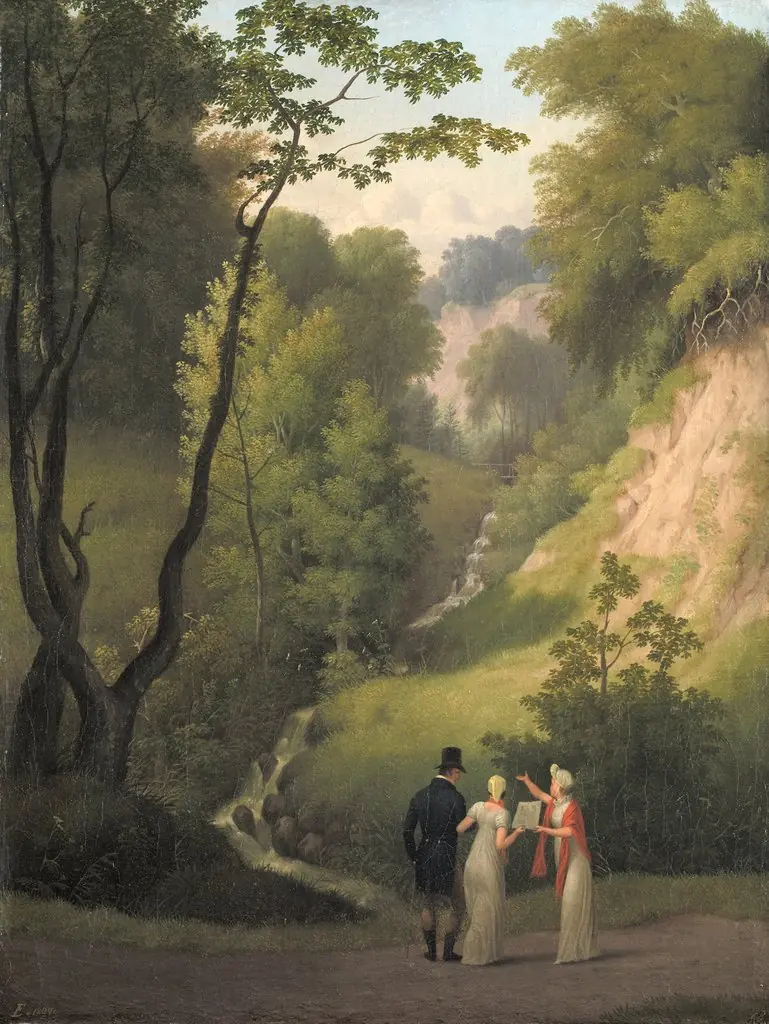 View of the Park of Liselund Manor on the Island of Møn
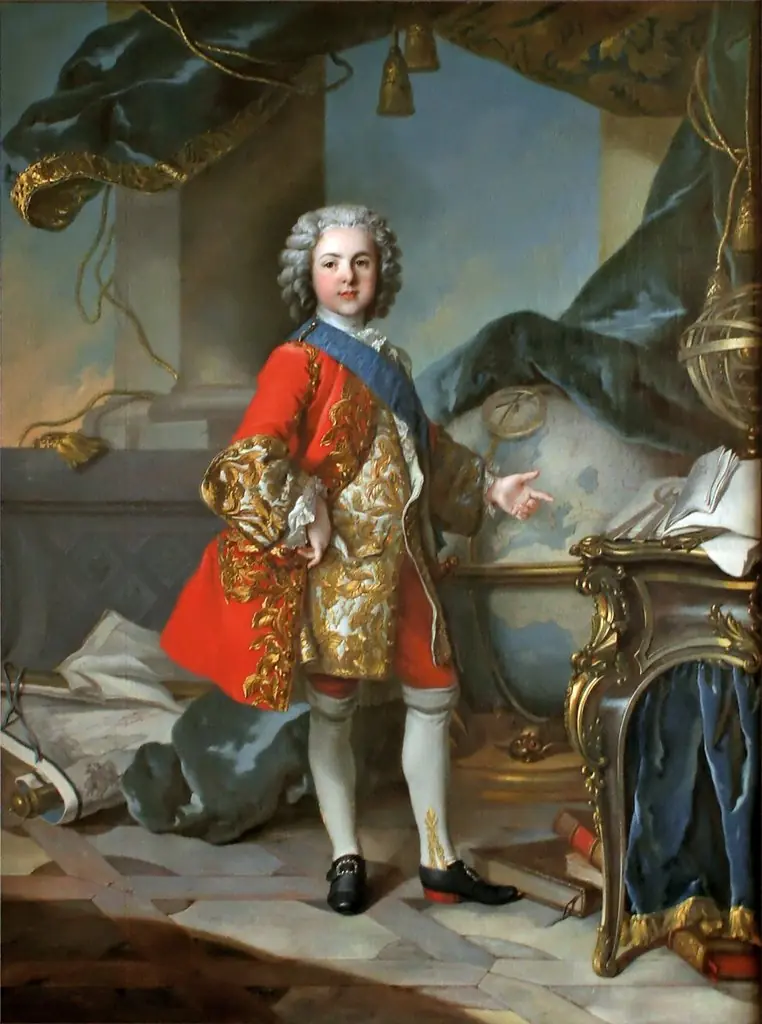 Portrait of Louis of France
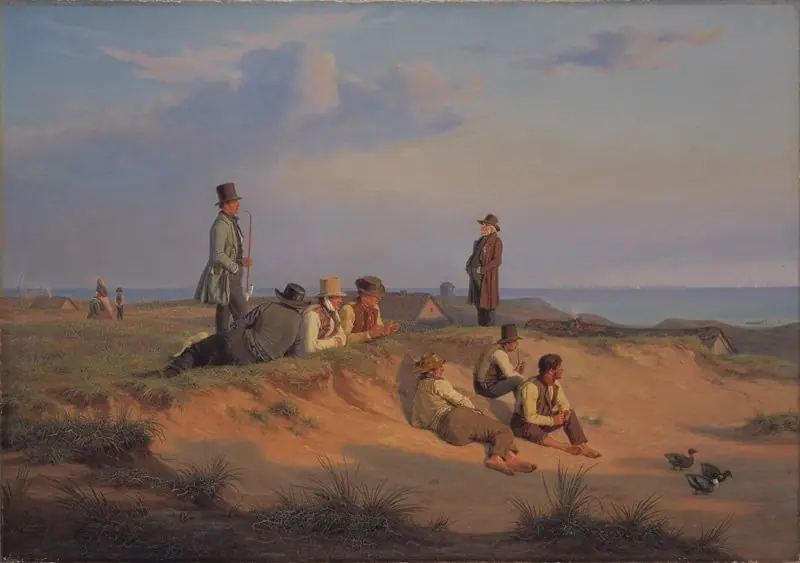 Men of Skagen on a Summer Evening in Fair Weather
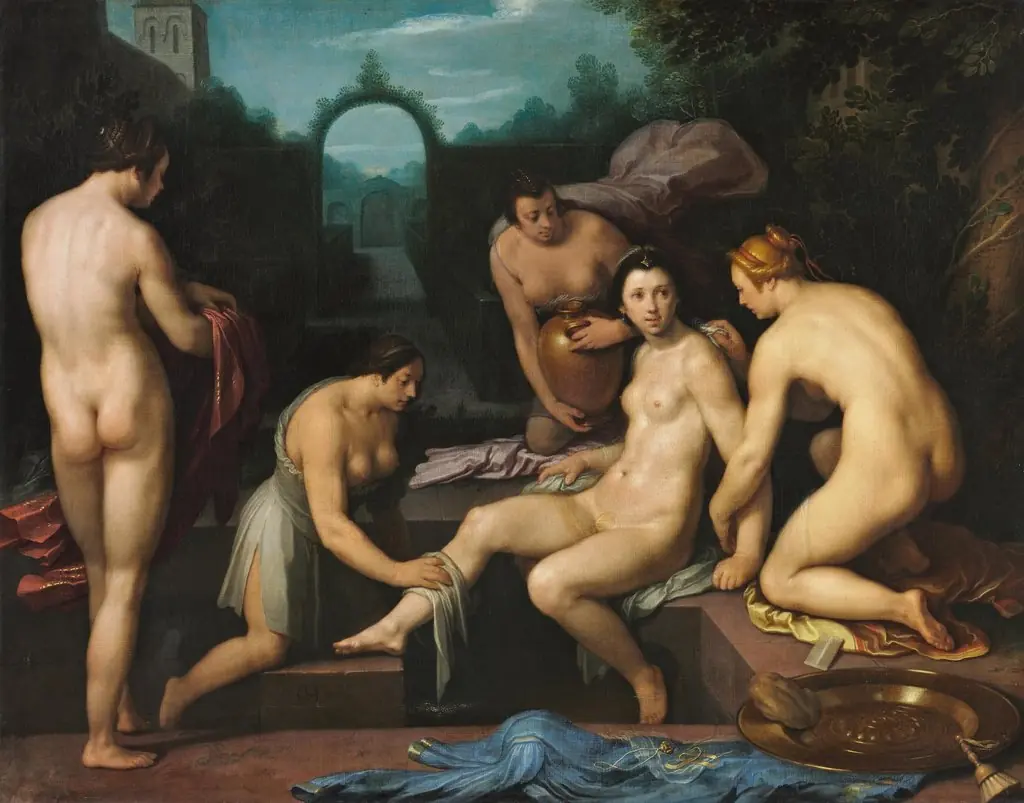 Bathsheba at her toilet
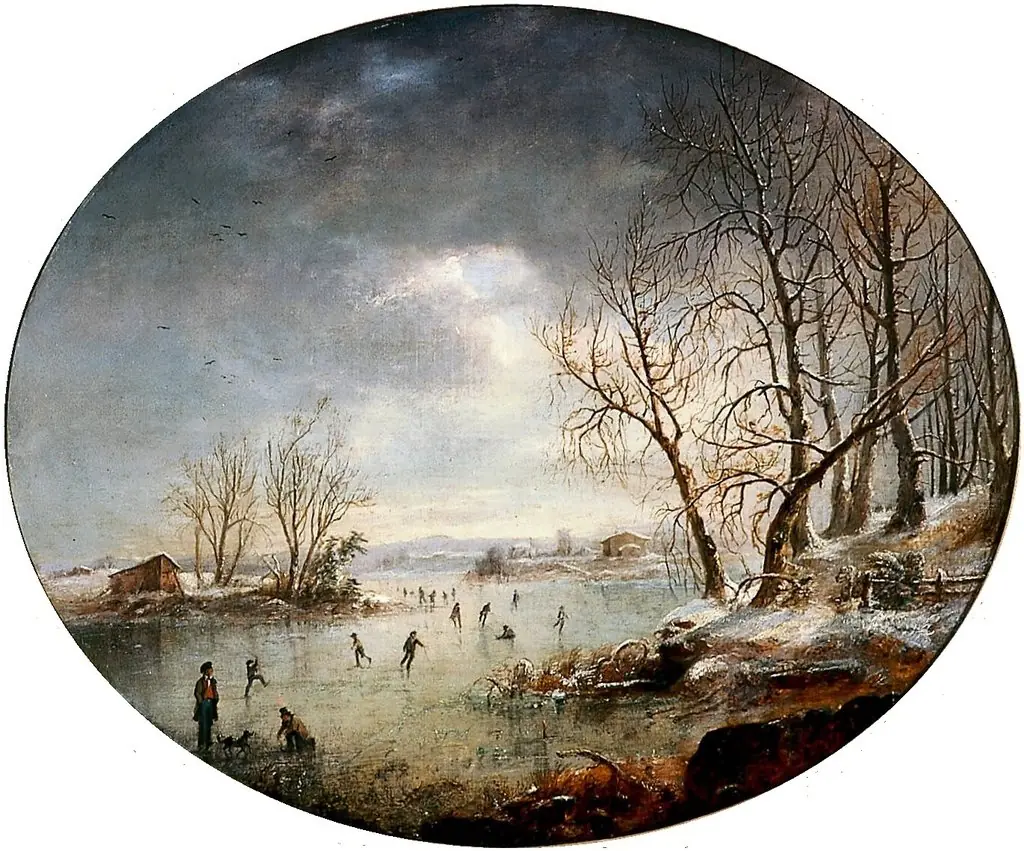 Winter Scene in New Jersey
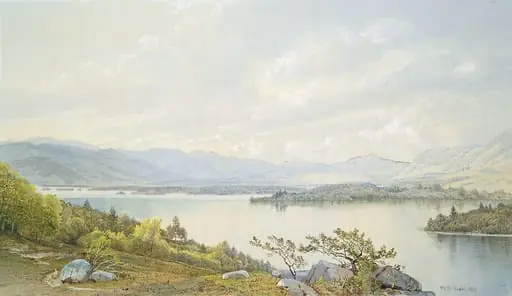 Lake Squam and the Sandwich Mountains
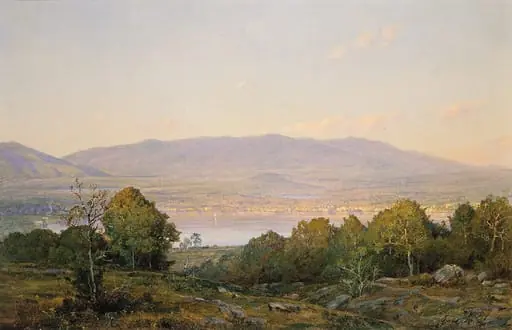 Sundown at Centre Harbor, New Hampshire
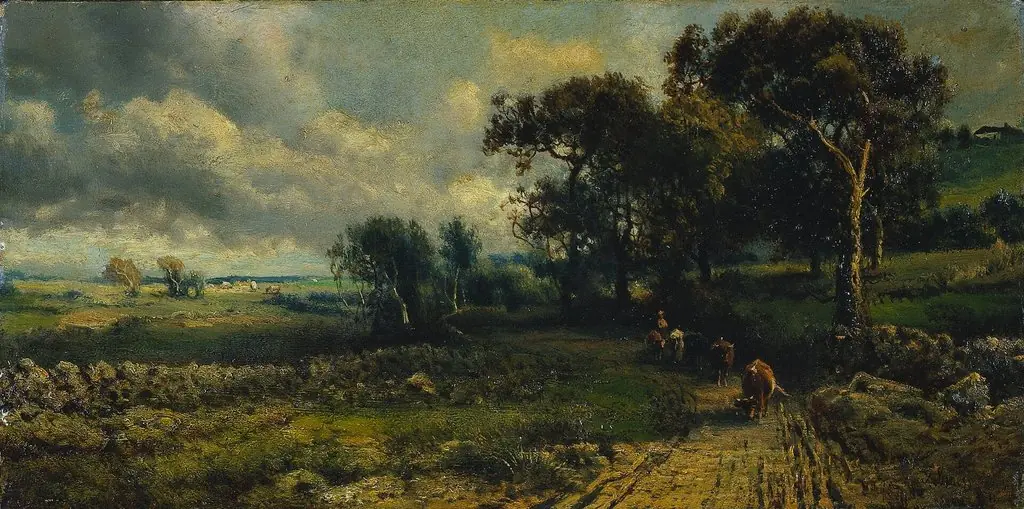 Fleecy Clouds
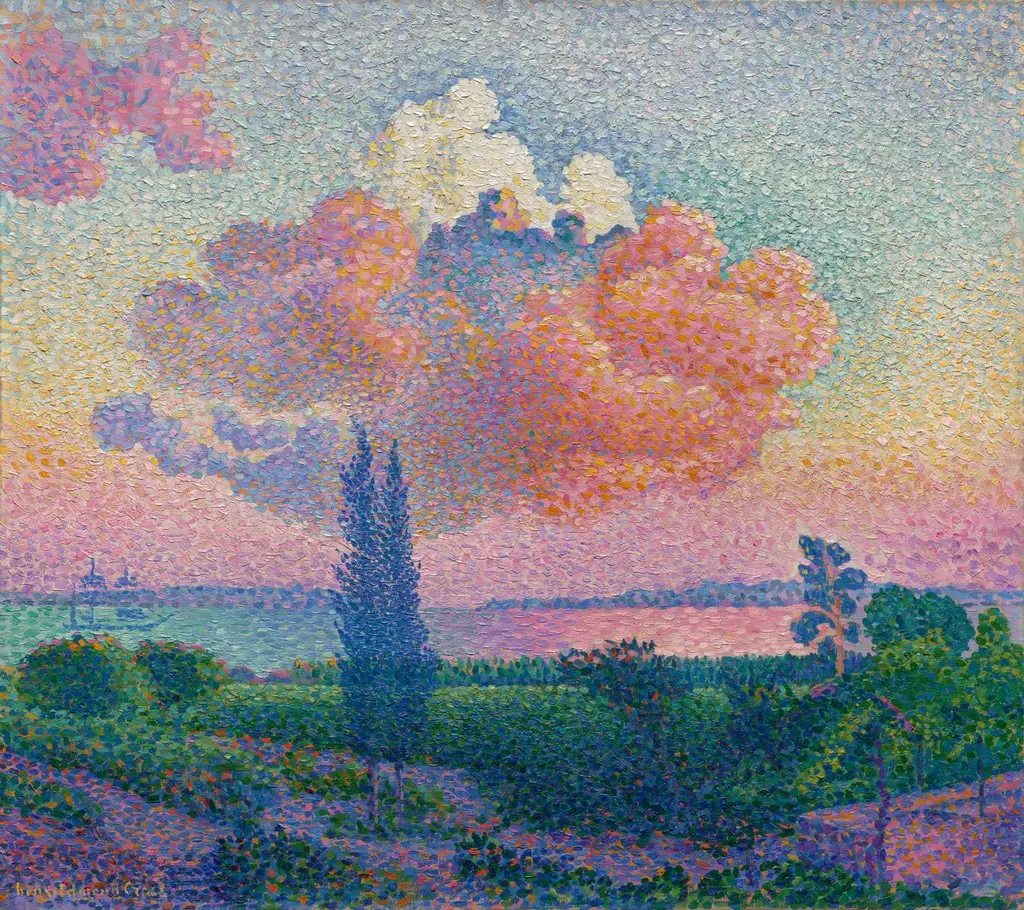 The Pink Cloud
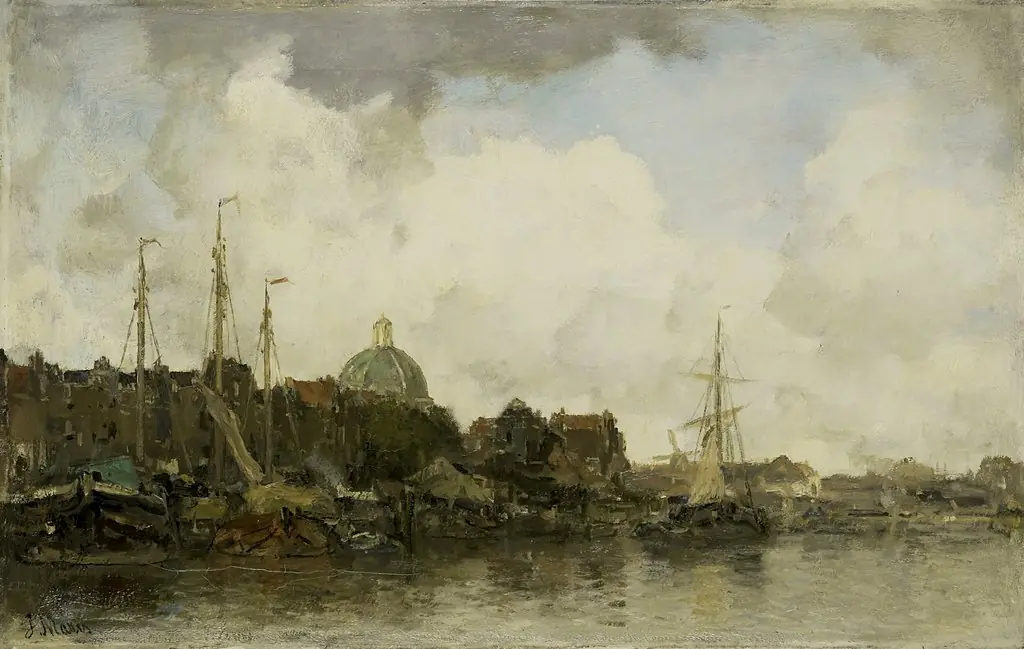 Townscape with a Domed Church
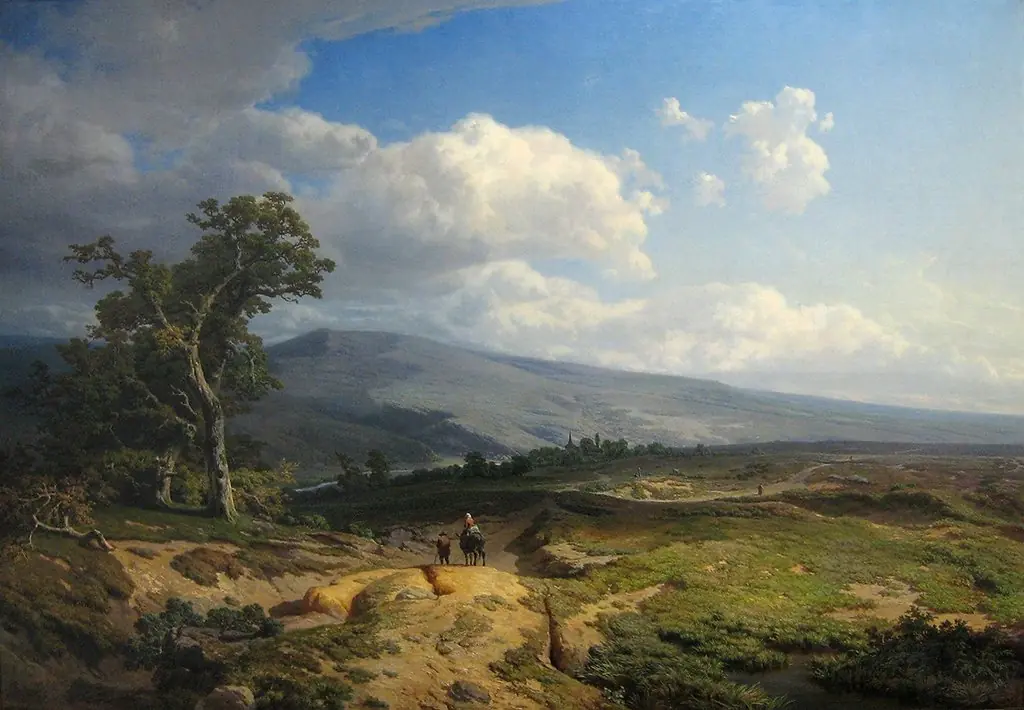 Valley of Amblève
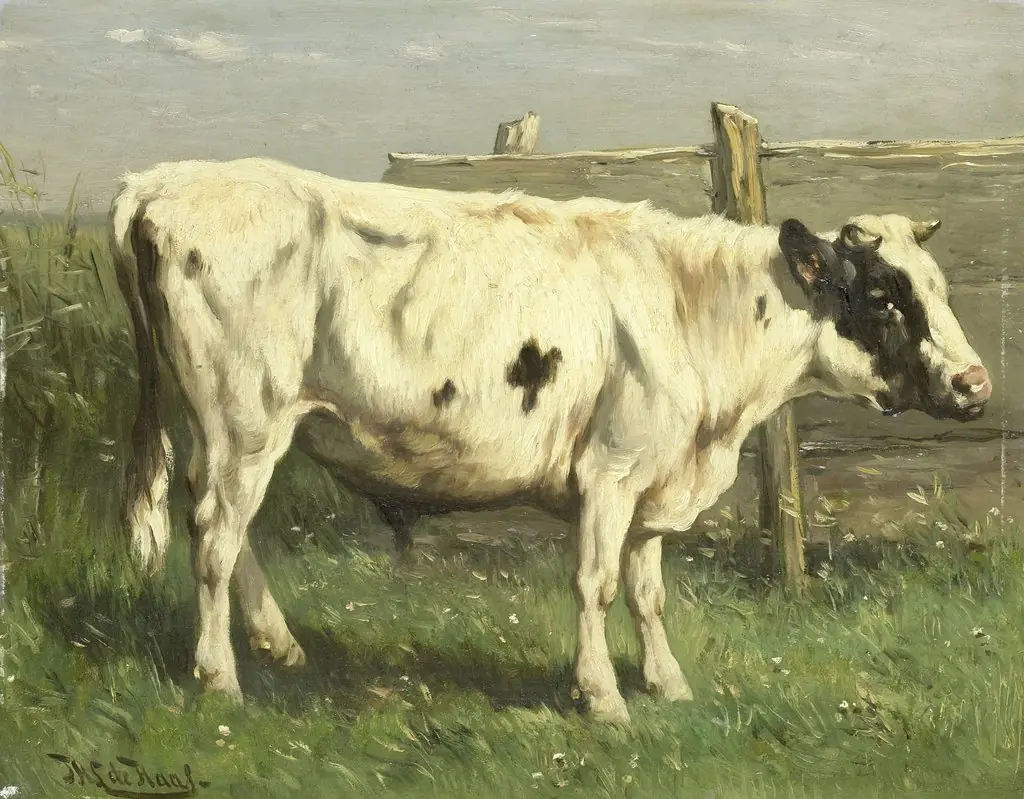 Young Bull
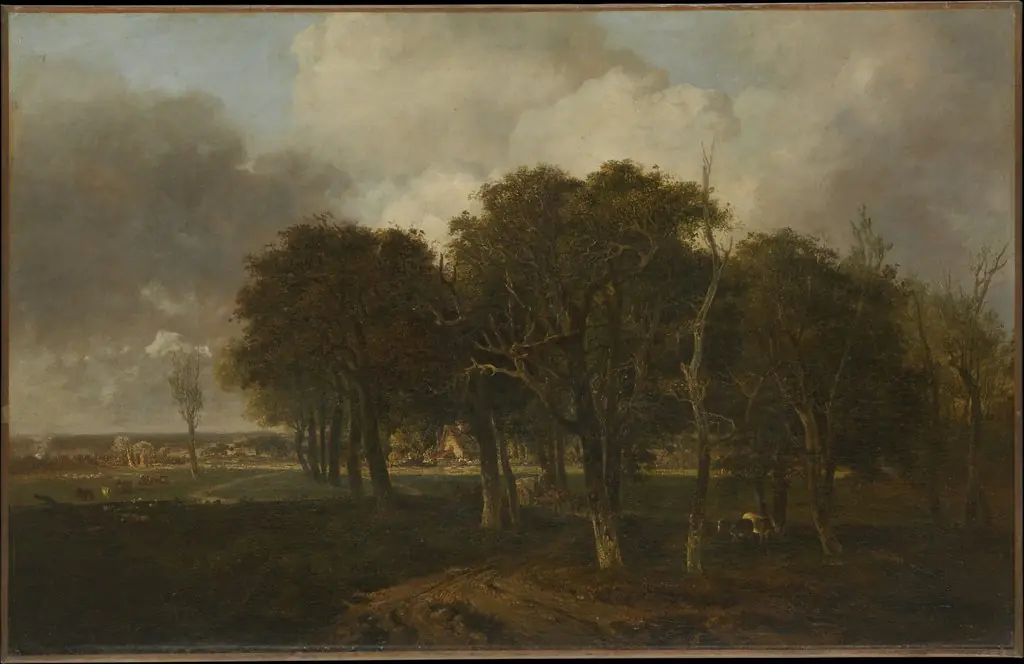 Hautbois Common, Norfolk
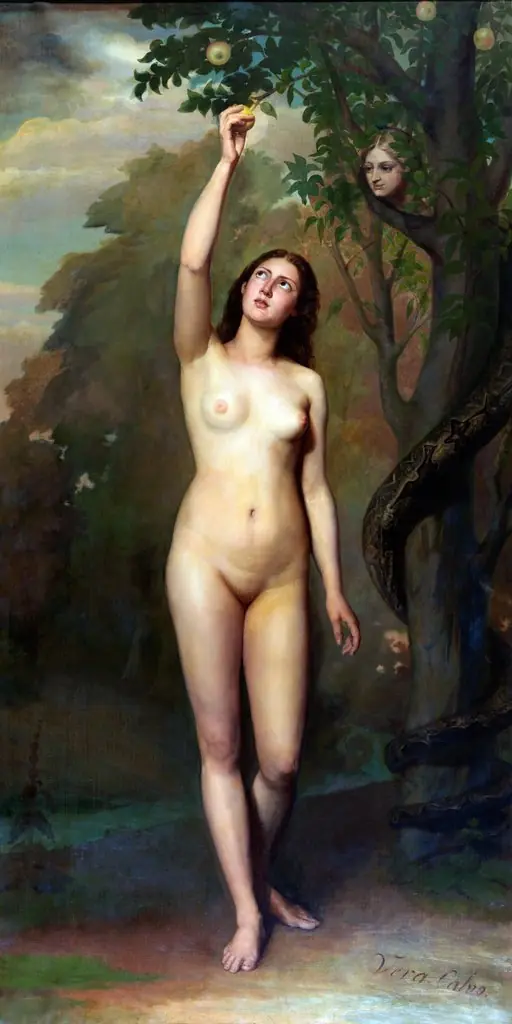 Eva cogiendo la manzana
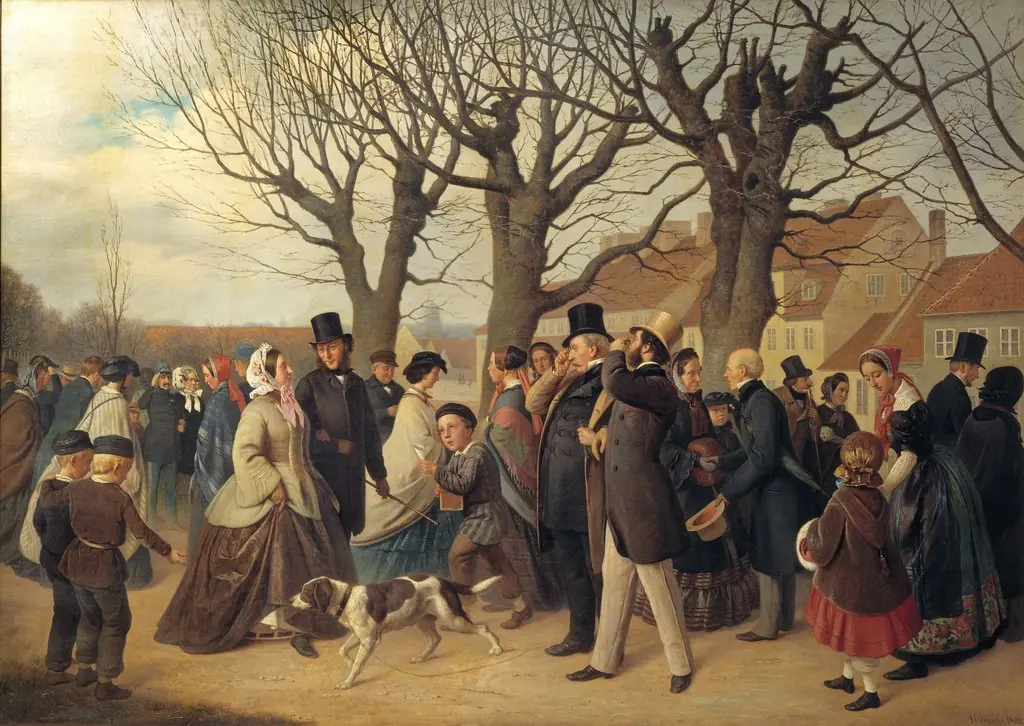 Promenading on the Ramparts of Copenhagen on the Evening of a Public Holiday in Spring
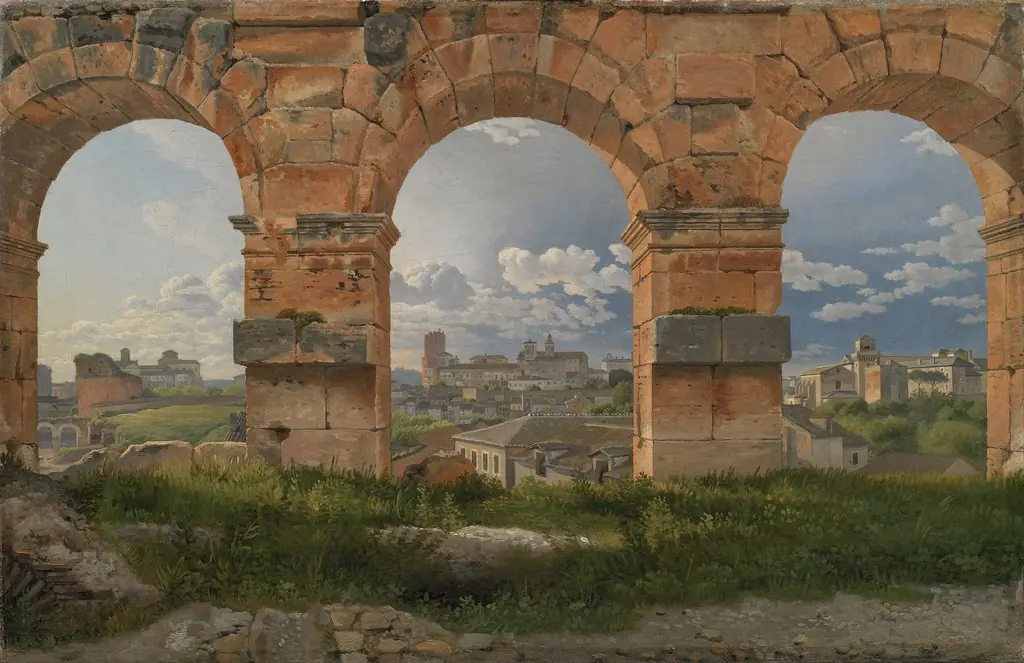 A View through Three of the North-Western Arches of the Third Storey of the Coliseum
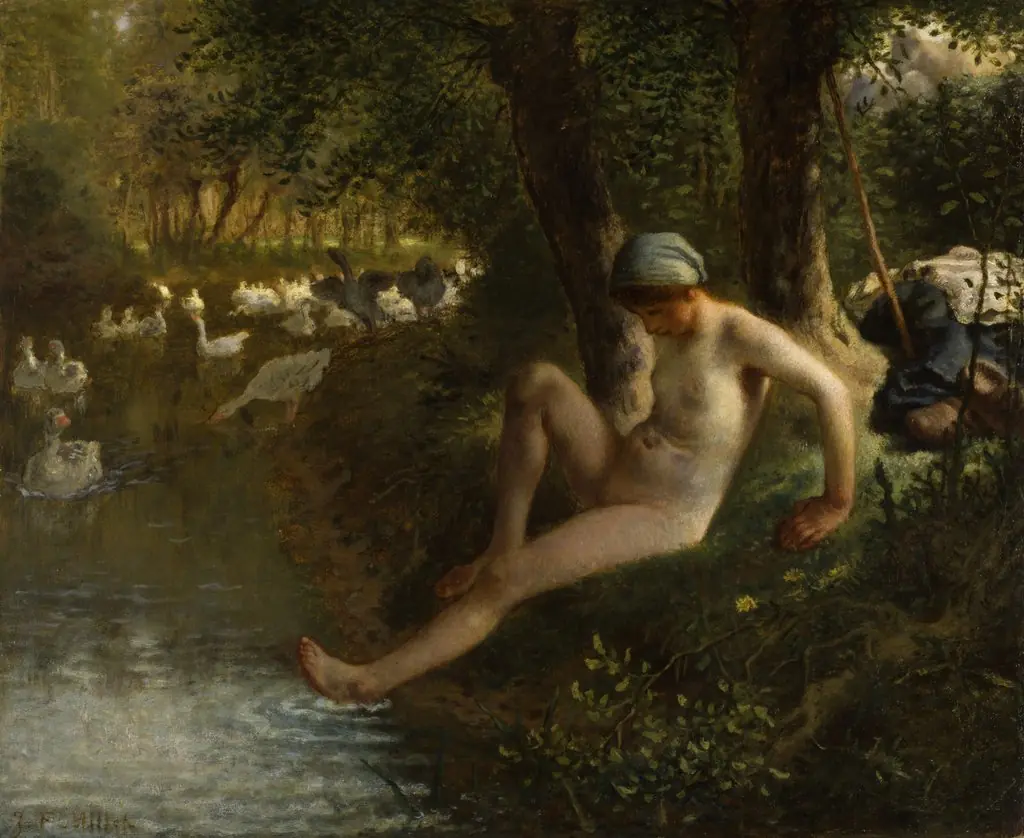 The Goose Girl
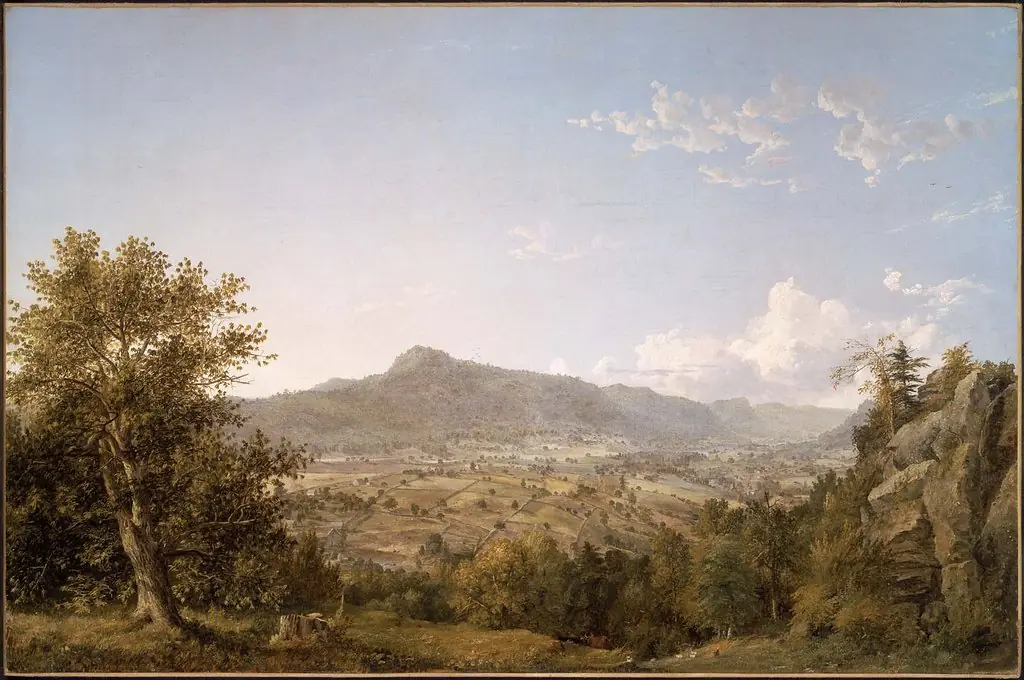 Schatacook Mountain, Housatonic Valley, Connecticut
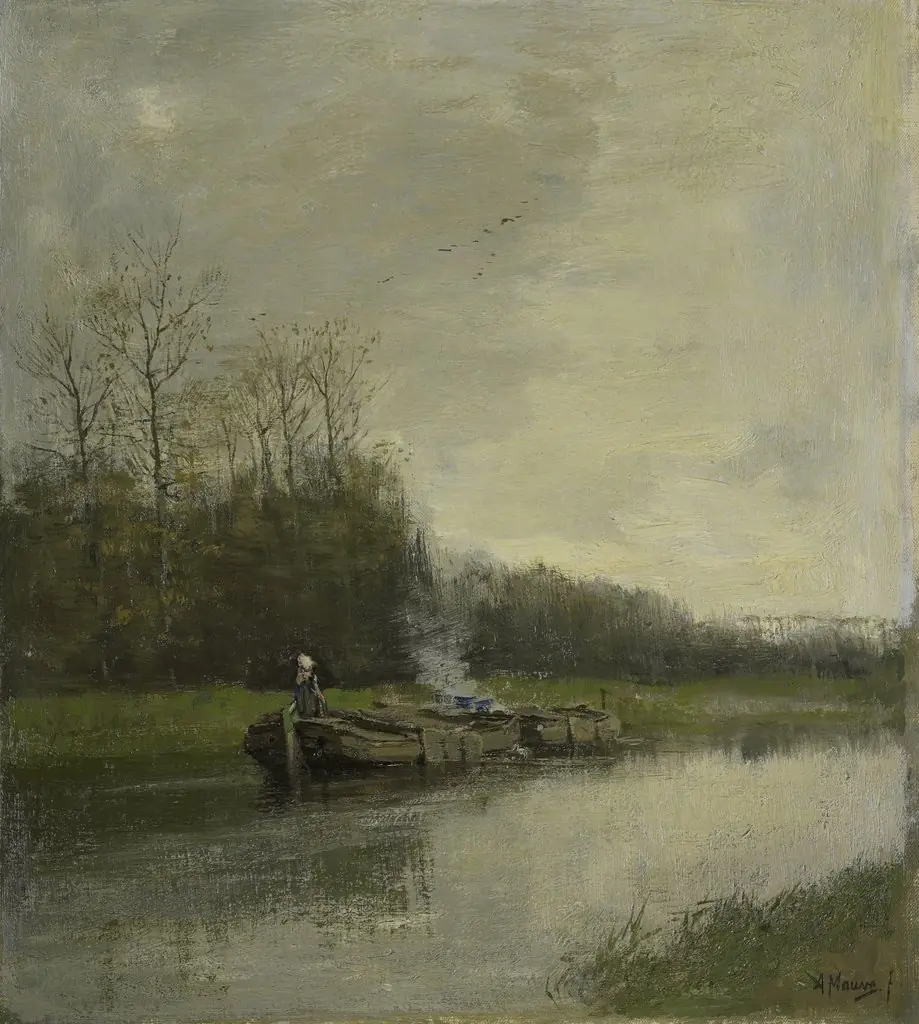 Towing canal.
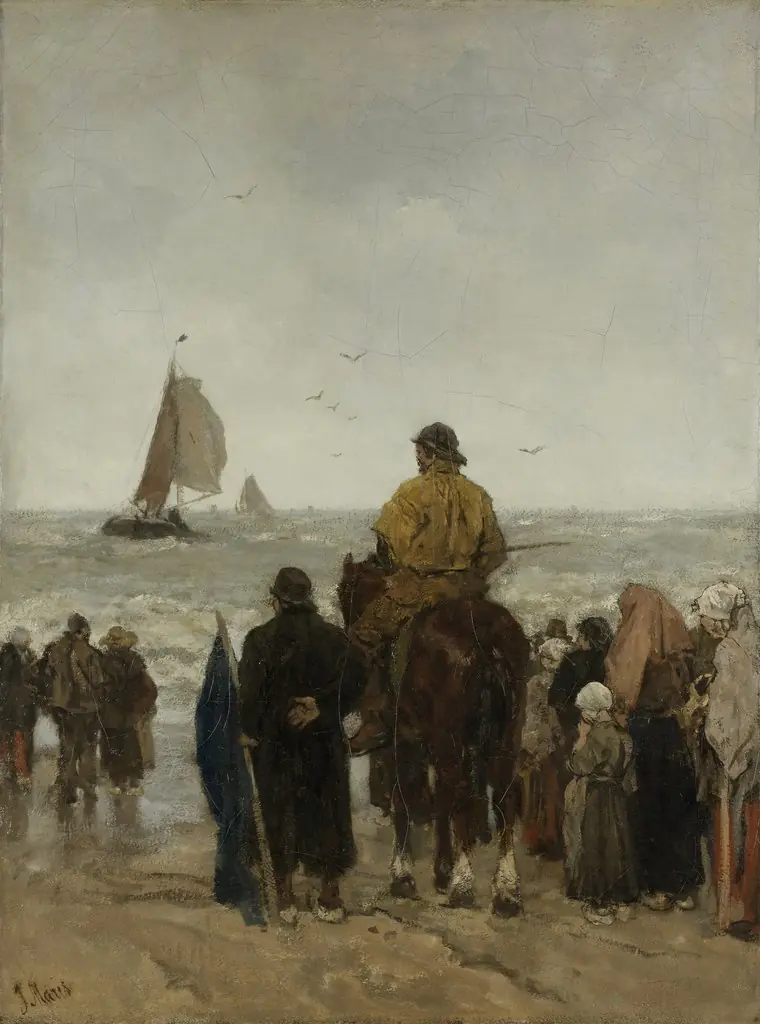 Arrival of the Boats
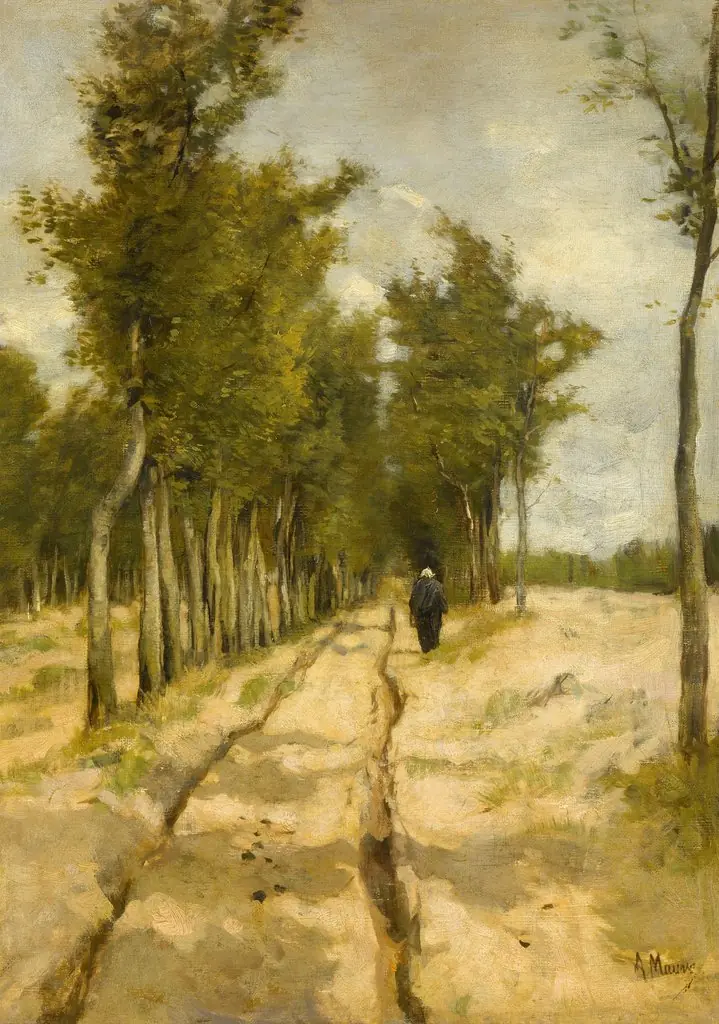 The Torenlaan at Laren.
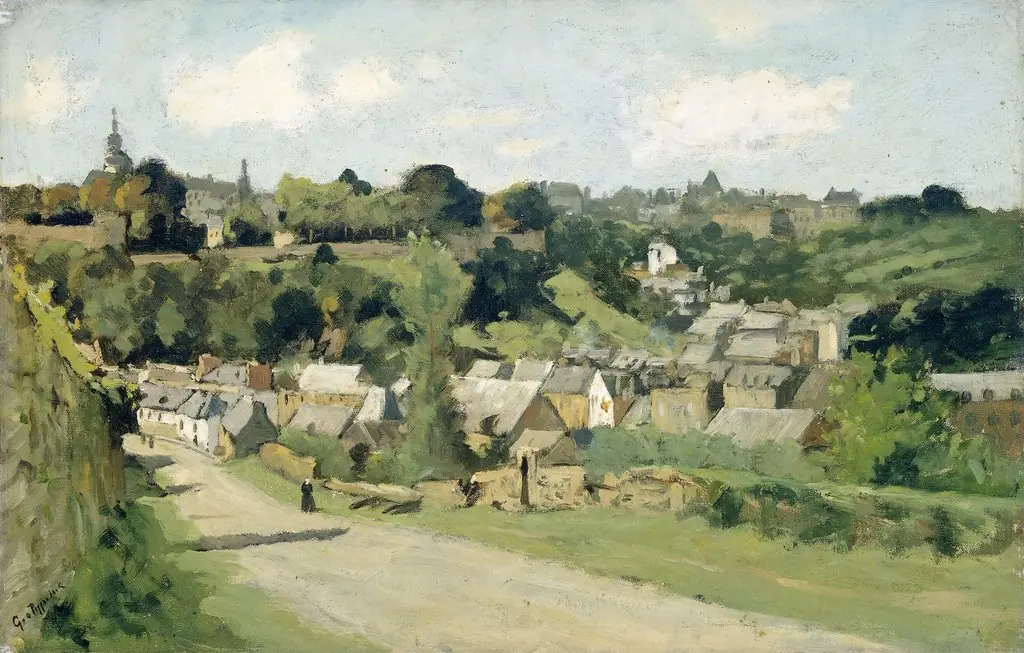 View of Dinant
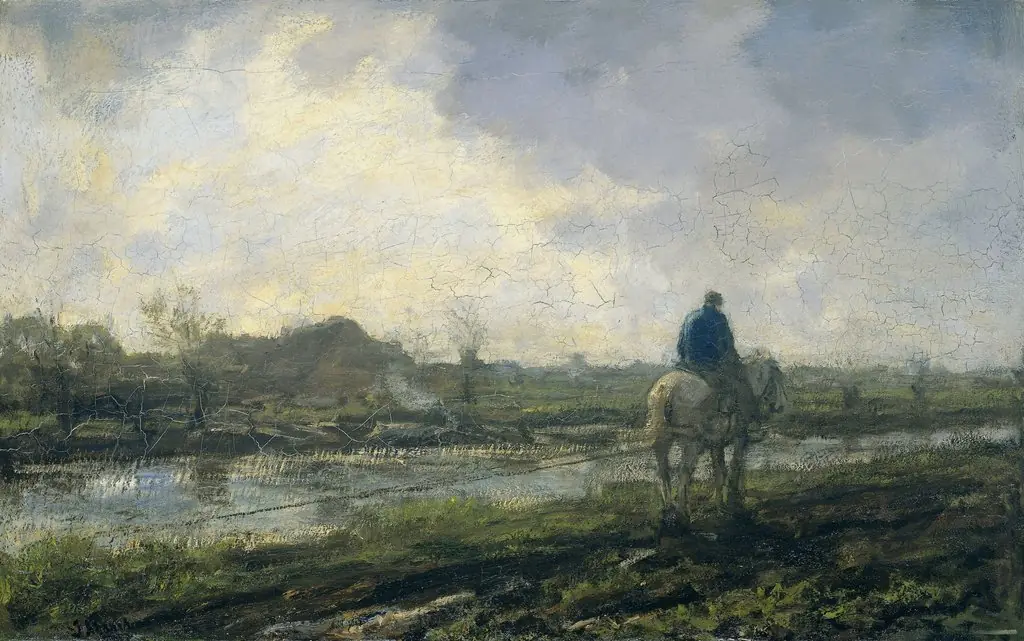 Tow path
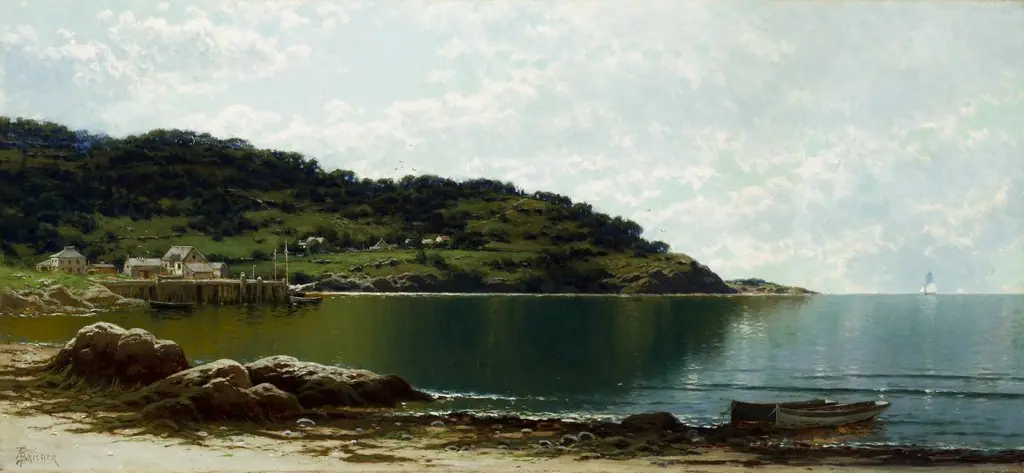 Along the Maine Coast
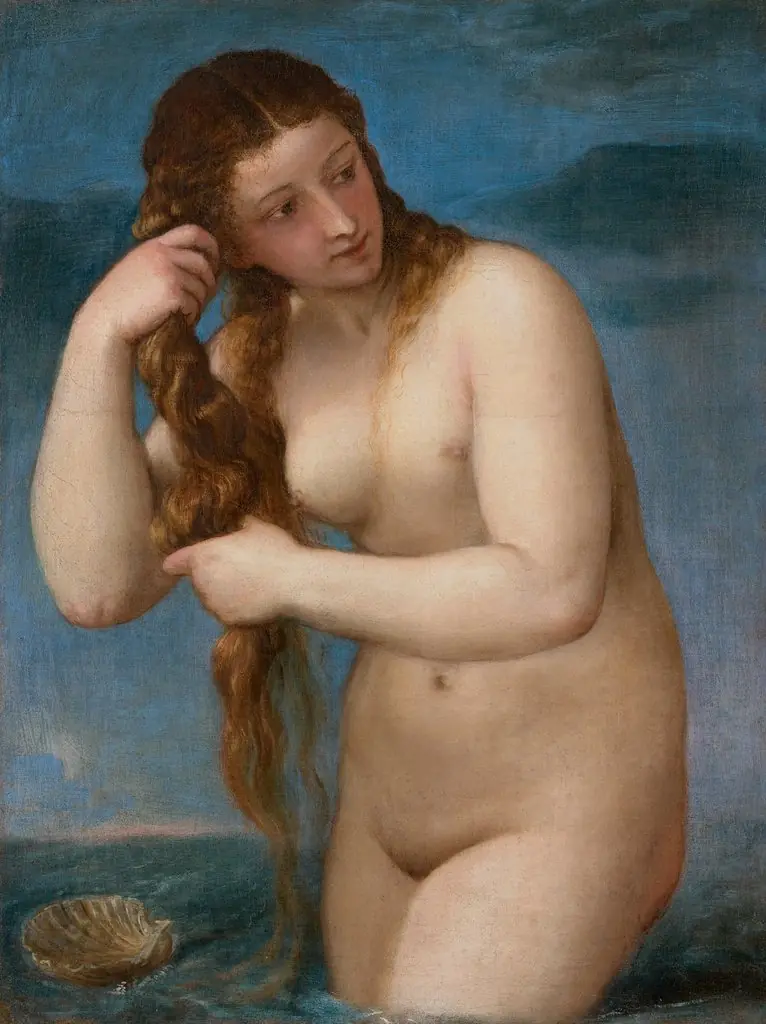 Venus Anadyomene
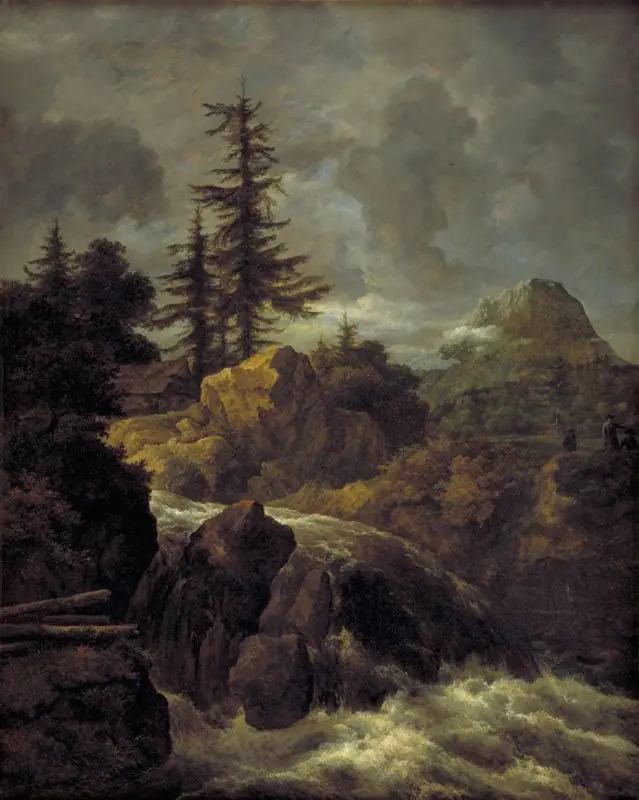 Landscape with a Waterfall and a Hut
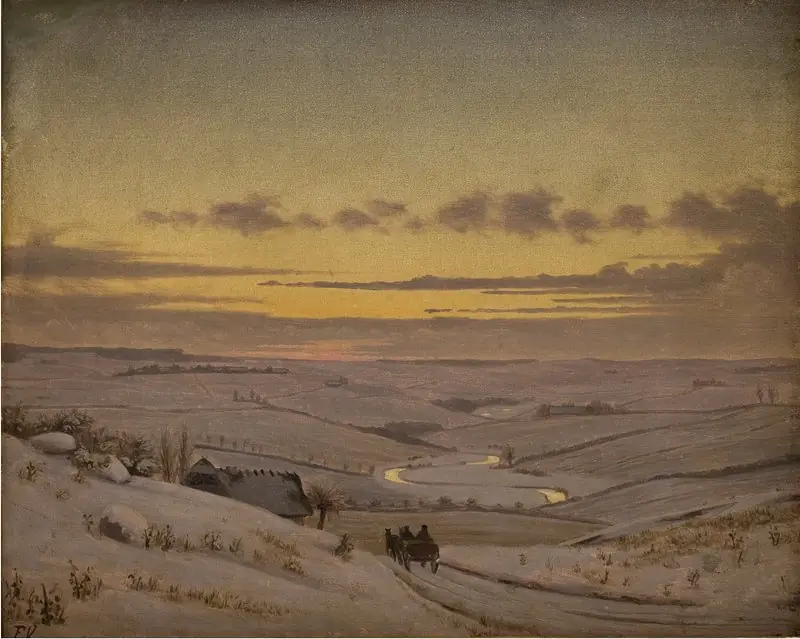 Vinteraften ved Susåen
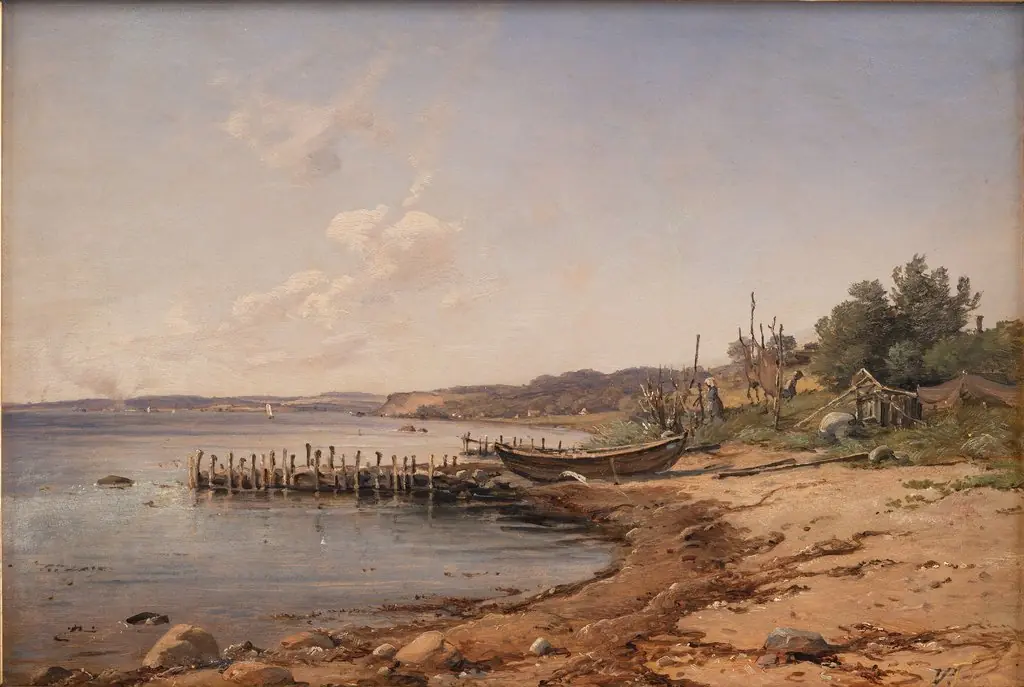 A Beach by the Sound
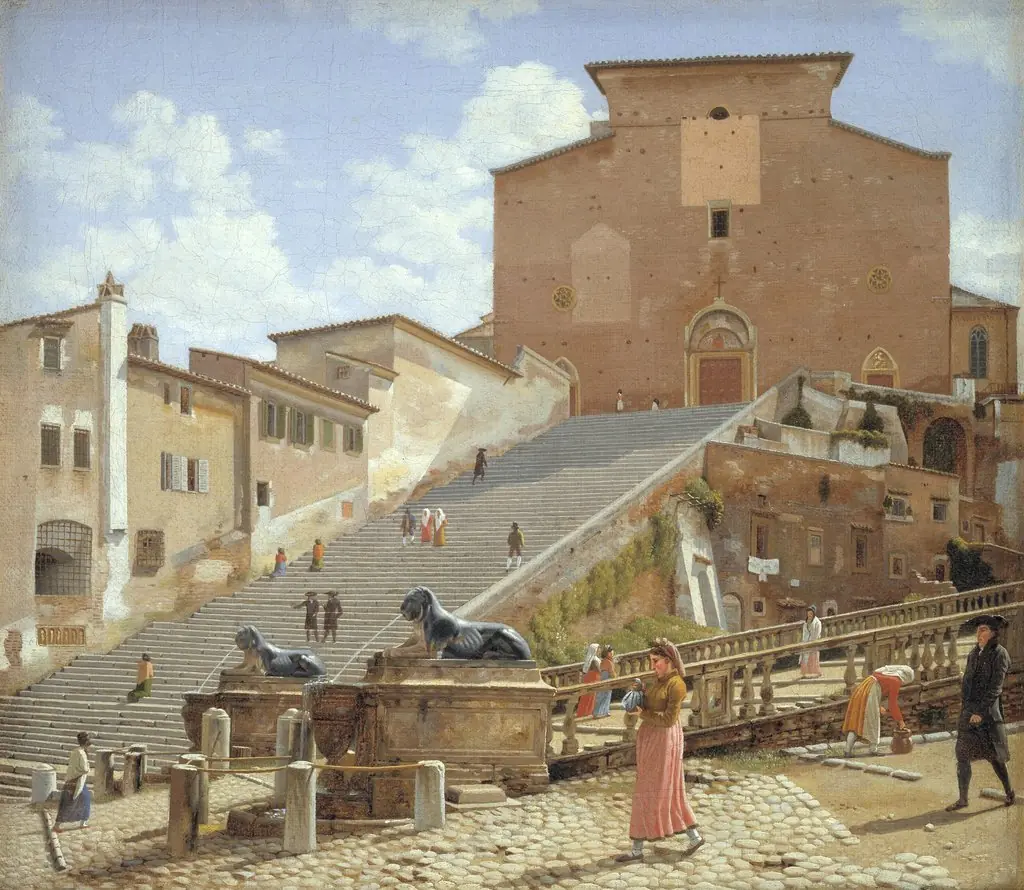 The Marble Steps Leading to the Church of Santa Maria in Aracoeli in Rome
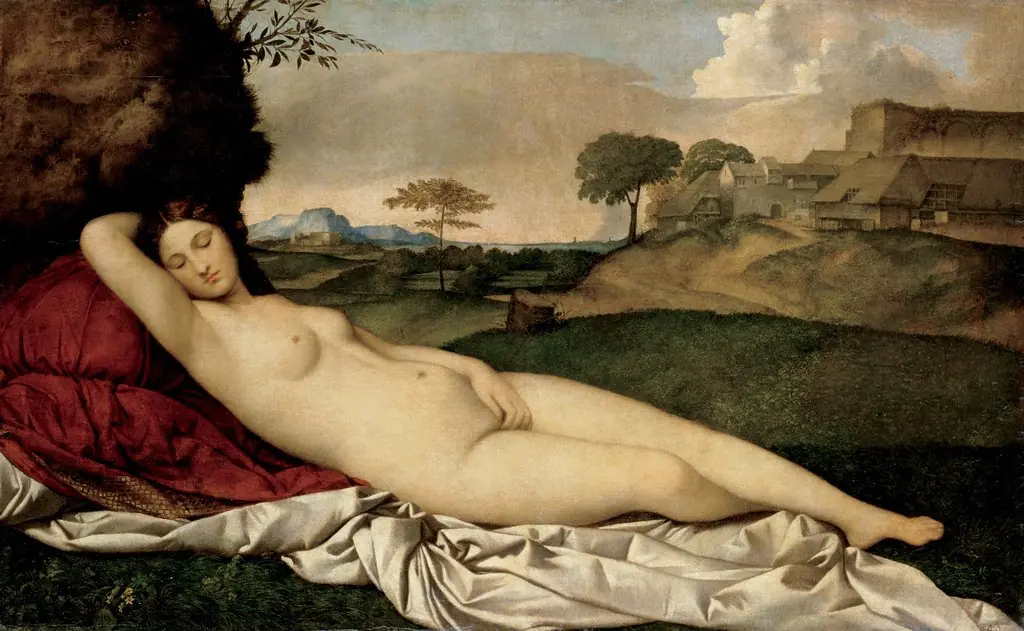 Sleeping Venus
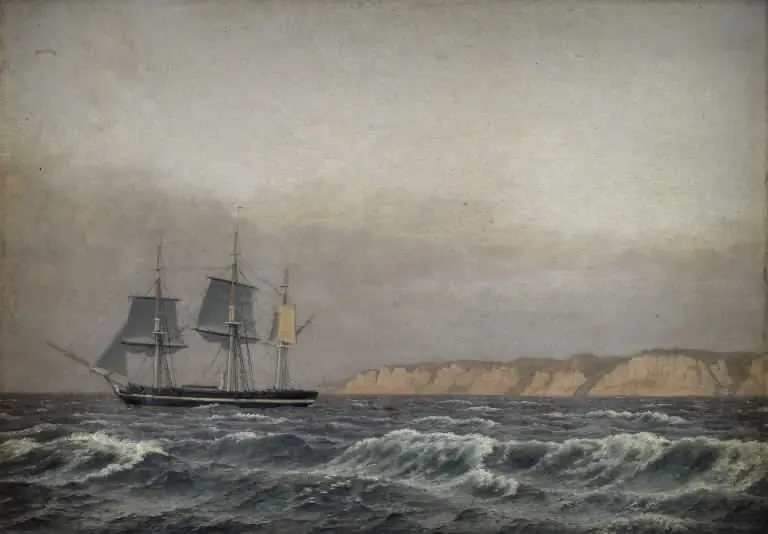 View of the Cliffs of Møn and a Corvette
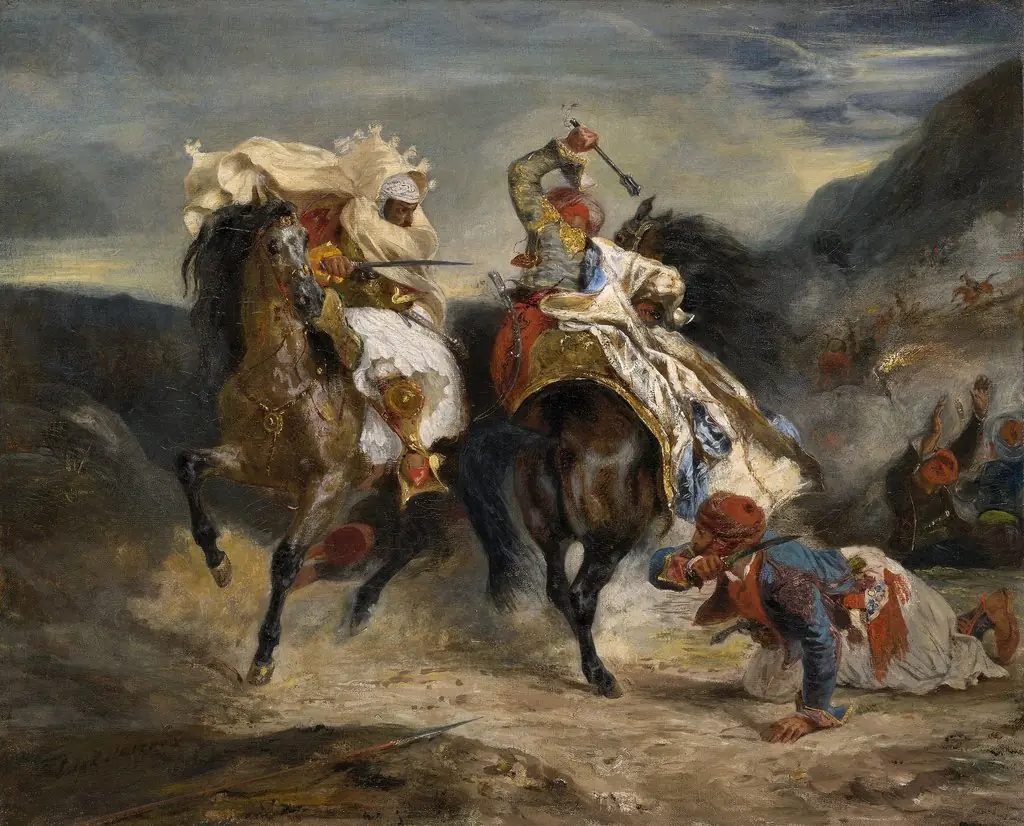 The Combat of the Giaour and Hassan
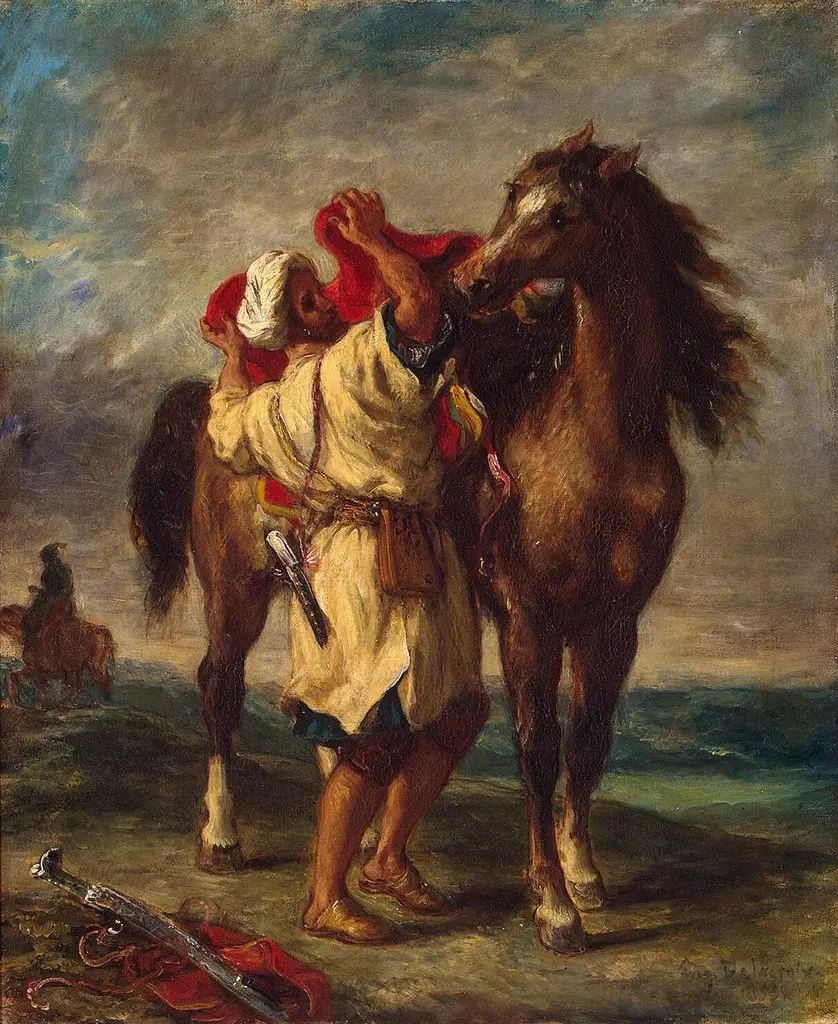 Arab Saddling his Horse
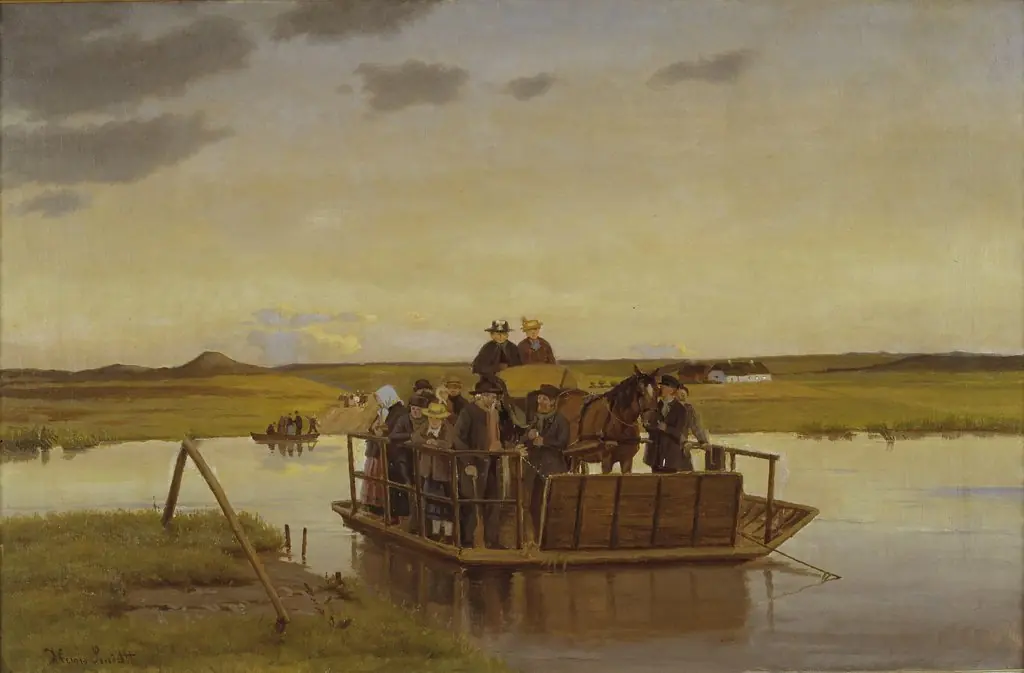 En færge over Gudenåen
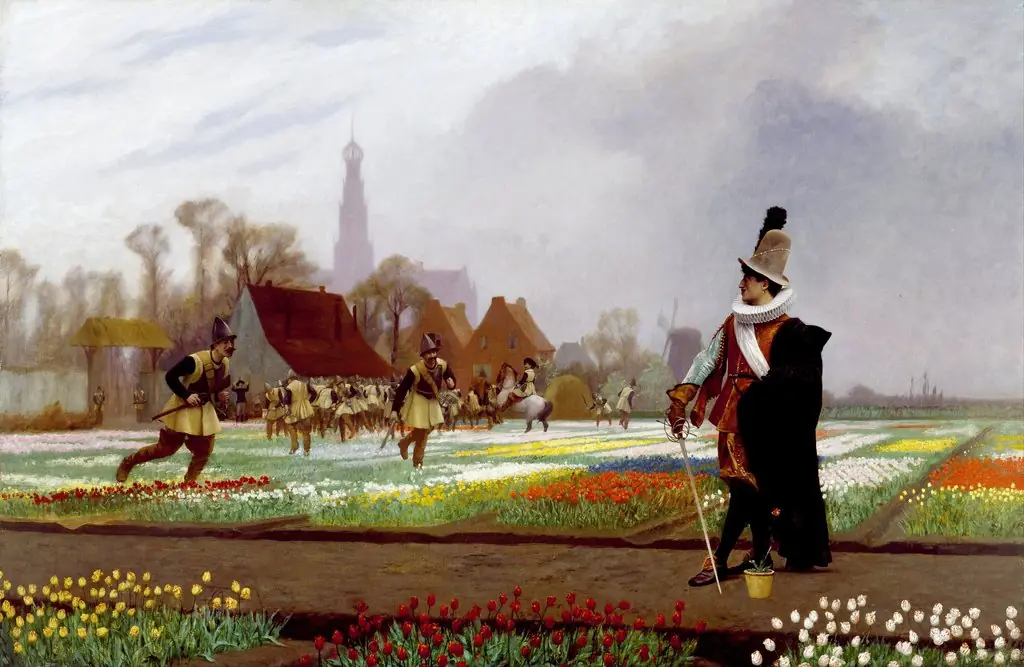 The Tulip Folly
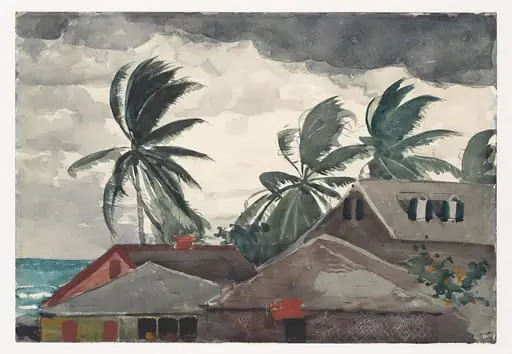 Hurricane, Bahamas
Frequently asked questions
What is Cloud?
Cloud is a subject in art. In meteorology, a cloud is an aerosol consisting of a visible mass of miniature liquid droplets, ice crystals, or other particles, suspended in the atmosphere of a planetary body or similar space.
How many Cloud works does Artifact World Gallery have?
Artifact World Gallery holds 200 public-domain Cloud works, all free to view and download.
Who are the key Cloud artists?
Key Cloud artists in the collection include Titian, Paolo Veronese and Jean Baptiste Camille Corot.
Where can I see Cloud works?
Cloud works in the collection are held by Metropolitan Museum of Art, Groeningemuseum and Rijksmuseum.