Artwork
Woman with a Birdcage
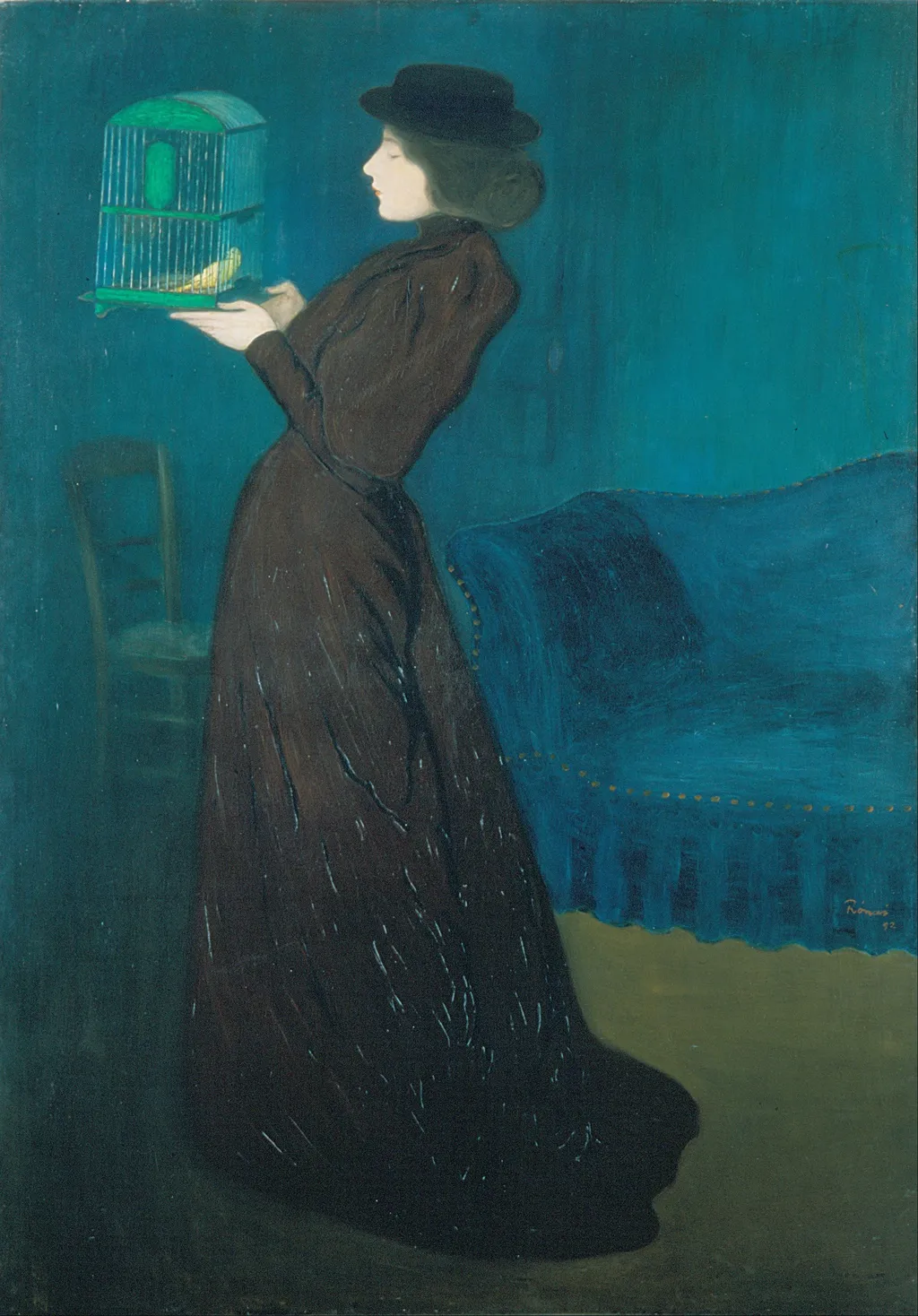
Woman with a Birdcage is an oil painting by the Post-Impressionist artist József Rippl-Rónai. It dates from 1896 and is held in the collection of the Hungarian National Gallery.
About this work
Overview
Its quiet intensity and restrained palette mark it as a key early example of modernism in Hungarian art.
Painted in 1896 by Hungarian artist József Rippl-Rónai, Woman with a Birdcage is an oil on canvas work that reflects his engagement with post-impressionist tendencies. The painting is part of the Hungarian National Gallery’s collection and exemplifies Rippl-Rónai’s shift from academic traditions toward more personal, atmospheric compositions. Its quiet intensity and restrained palette mark it as a key early example of modernism in Hungarian art.
Subject & Meaning
The painting portrays a woman in a dim interior, holding a green birdcage with a small bird inside. Her posture, slightly forward-leaning and still, suggests a moment of hesitation before release. The dark clothing and subdued setting emphasize introspection.
The birdcage functions not as a decorative element but as a symbol of restraint and potential freedom, inviting contemplation on isolation, choice, or emotional transition.
Technique & Style
Rippl-Rónai employs a muted, earthy palette with deep blues and browns, using subtle tonal shifts to model form rather than sharp outlines. Light falls unevenly across the figure and cage, creating soft contrasts that evoke chiaroscuro without dramatic intensity. Brushwork is deliberate but not visible, favoring smooth transitions and a sense of stillness. The background is simplified, drawing focus to the woman’s quiet gesture and the cage’s delicate structure.
History & Provenance
Created during Rippl-Rónai’s return to Hungary after years in Paris, the painting reflects his synthesis of French modernist influences with Hungarian sensibilities. It entered the Hungarian National Gallery’s collection in the early 20th century and has remained a consistent part of its modernist holdings. No significant changes in ownership are documented, and the work has been exhibited periodically as a representative of national artistic evolution.
Context
In the mid-1890s, Hungarian artists were redefining national identity through art, moving beyond historical themes toward intimate, psychological subjects. Rippl-Rónai, influenced by Gauguin and Symbolism, rejected academic realism in favor of mood and suggestion. Woman with a Birdcage aligns with this shift, capturing a private moment that resonates with broader cultural questions about autonomy and tradition in a rapidly changing society.
Legacy
The painting is regarded as an early milestone in Hungarian modernism, illustrating Rippl-Rónai’s role in bridging European avant-garde ideas with local artistic concerns. While not widely known outside Hungary, it remains a touchstone in national art history for its emotional restraint and innovative use of light and color. Later generations of Hungarian painters cited its quiet intensity as an influence on their own explorations of interiority.
Own this work as a print
Artist & collection
Artist
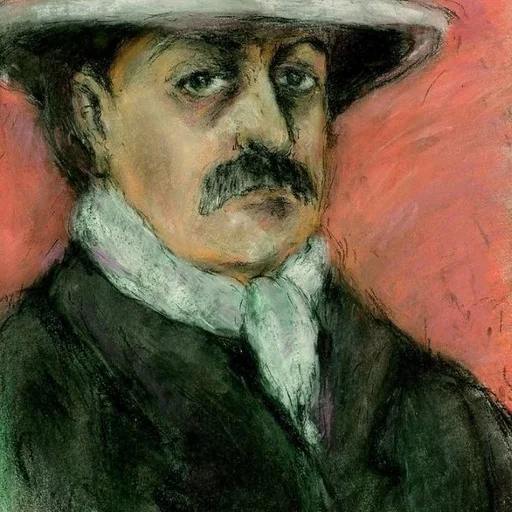
József Rippl-Rónai (23 May 1861 – 25 November 1927) was a Hungarian painter. He was among the first Hungarian exponents of artistic modernism.

- Olga Buhre
 Lady in Black
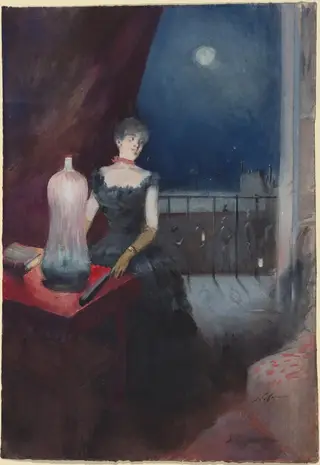 a) Standing Woman with a Fan (recto); b) Study of a Man and Woman (verso)
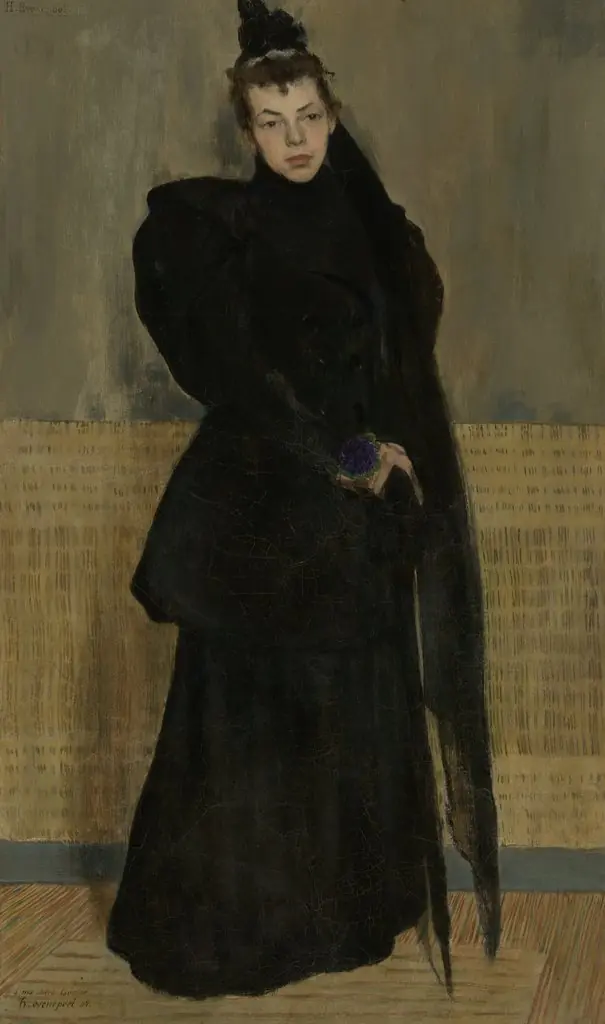 Louise in Mourning
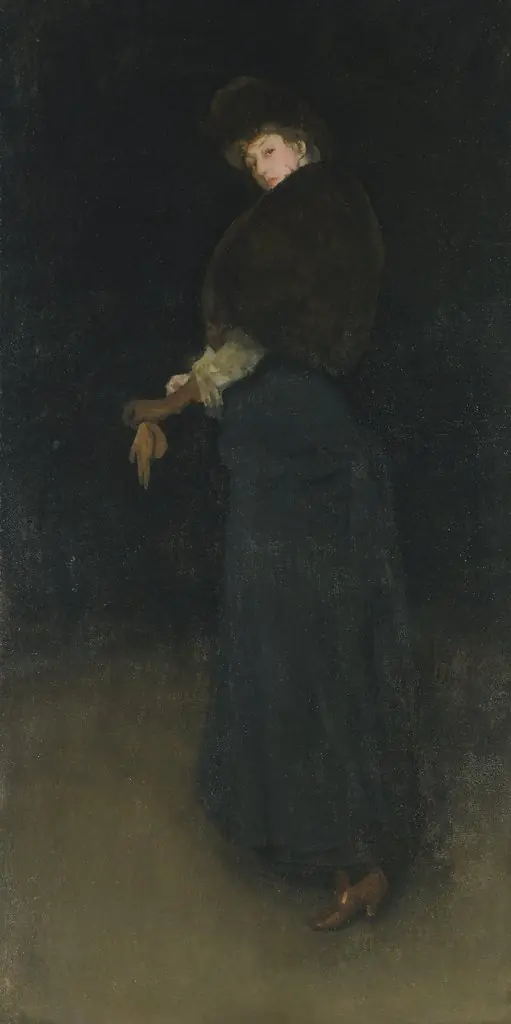 Arrangement in Black (The Lady in the Yellow Buskin)
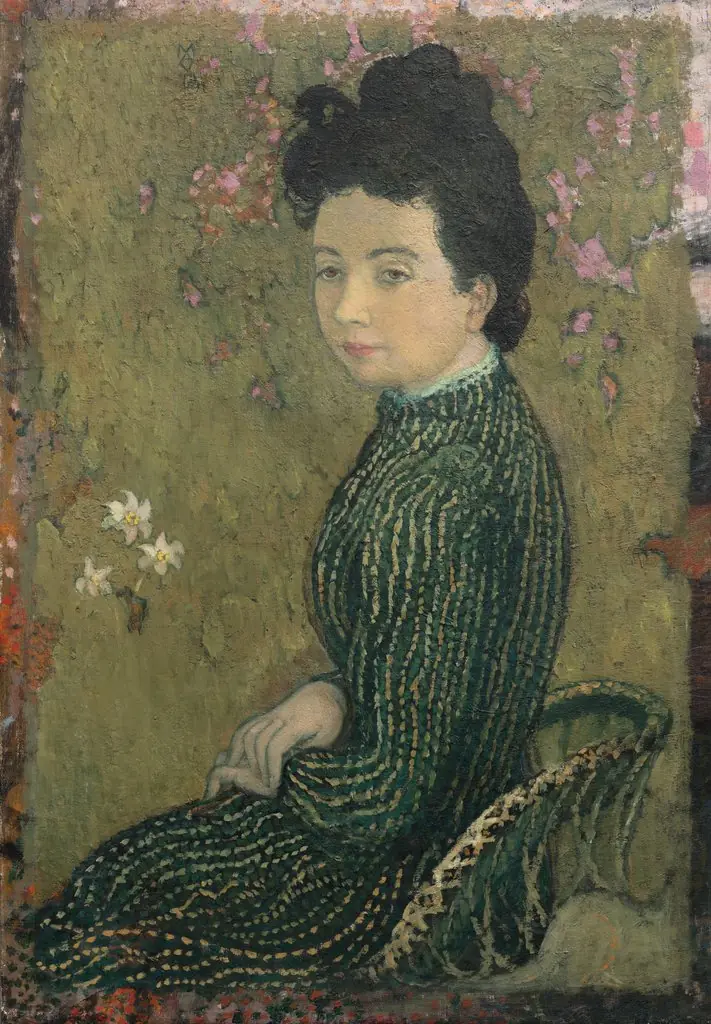 Eva Meurier in a Green Dress
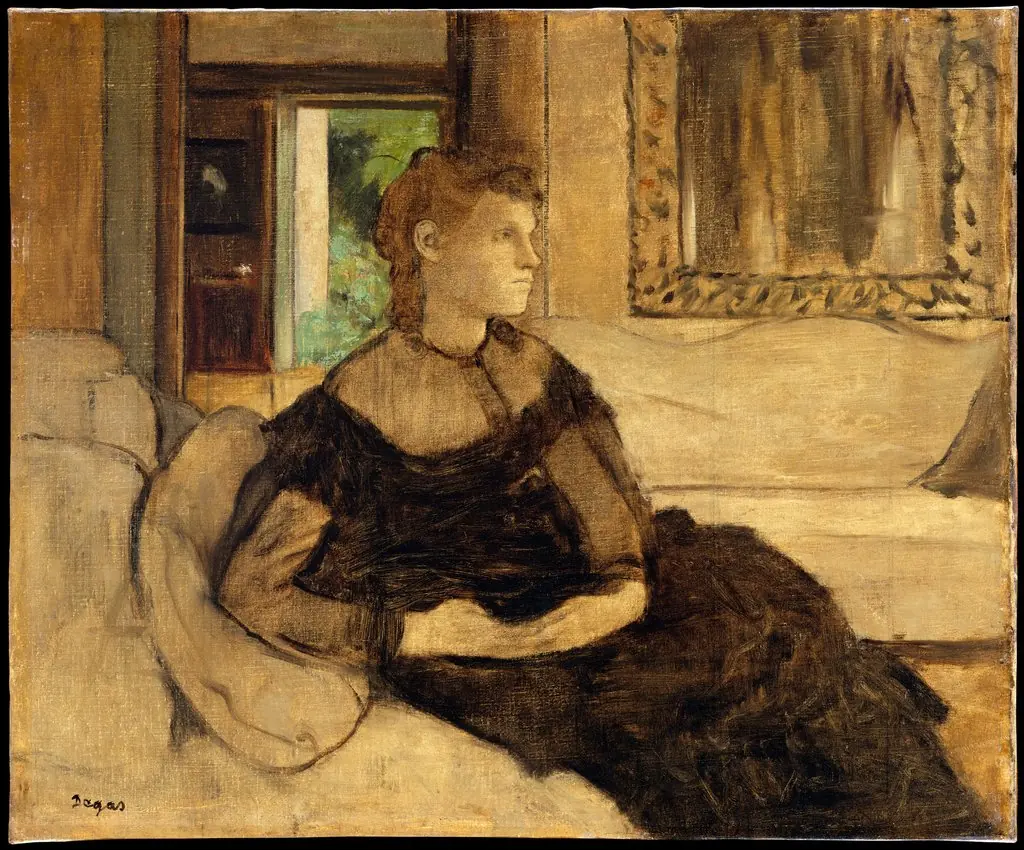 Madame Théodore Gobillard (Yves Morisot, 1838–1893)
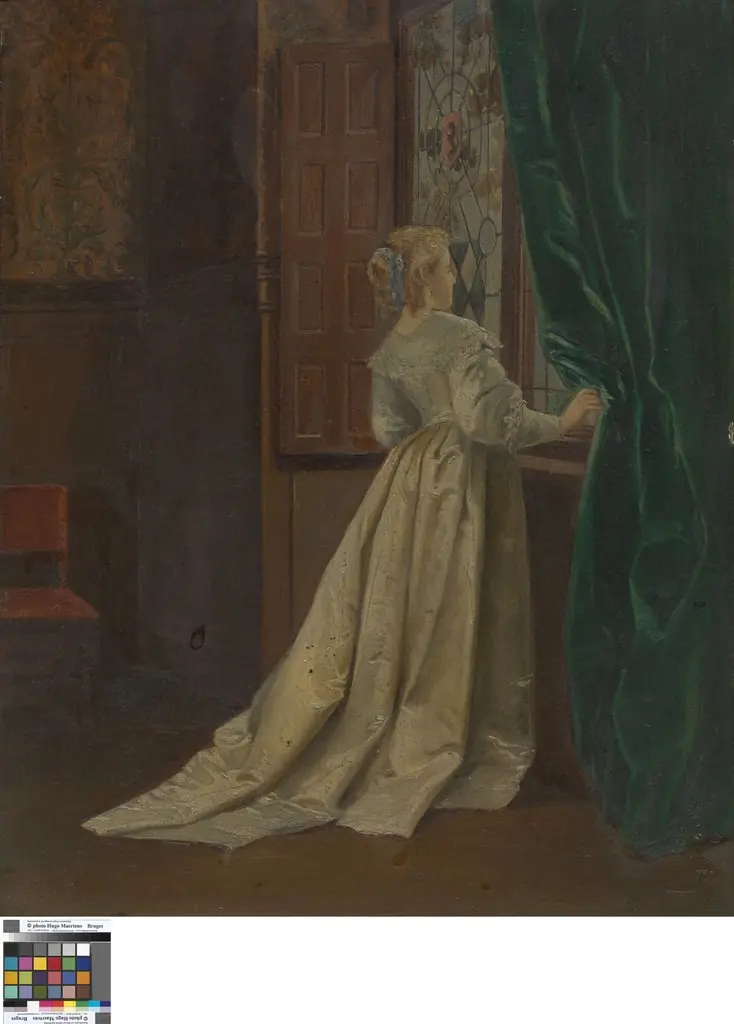 Woman near a window
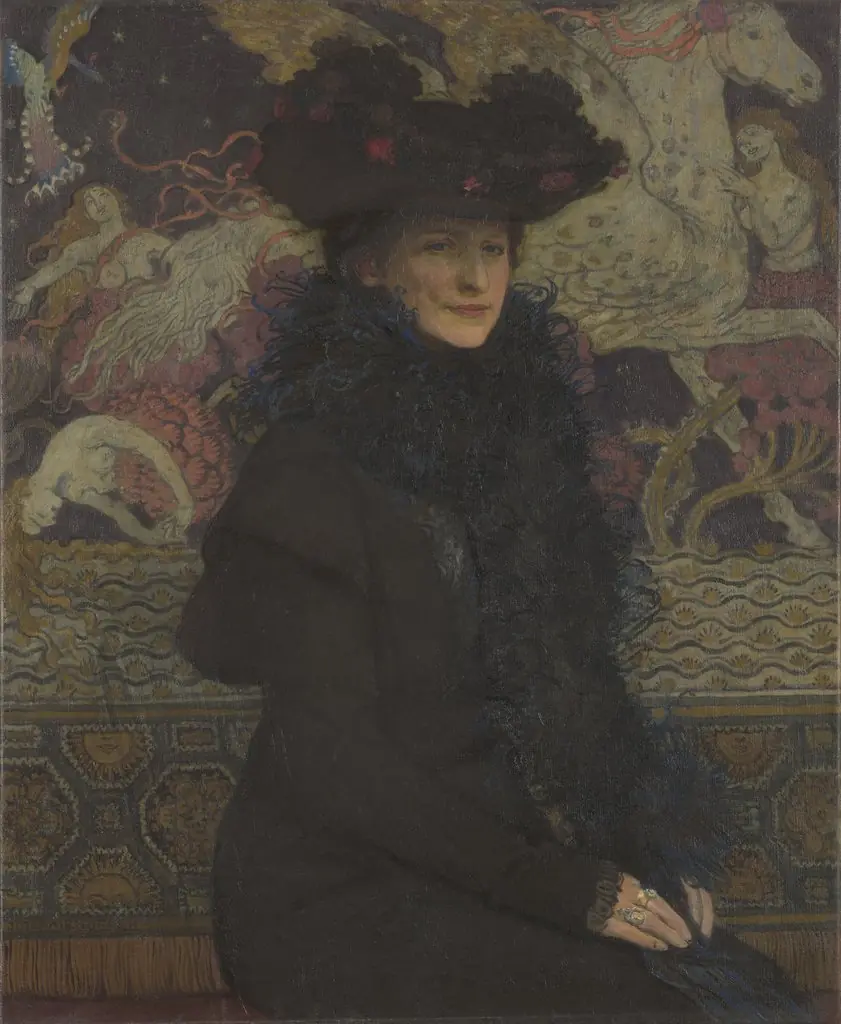 Portret żony na tle Pegaza
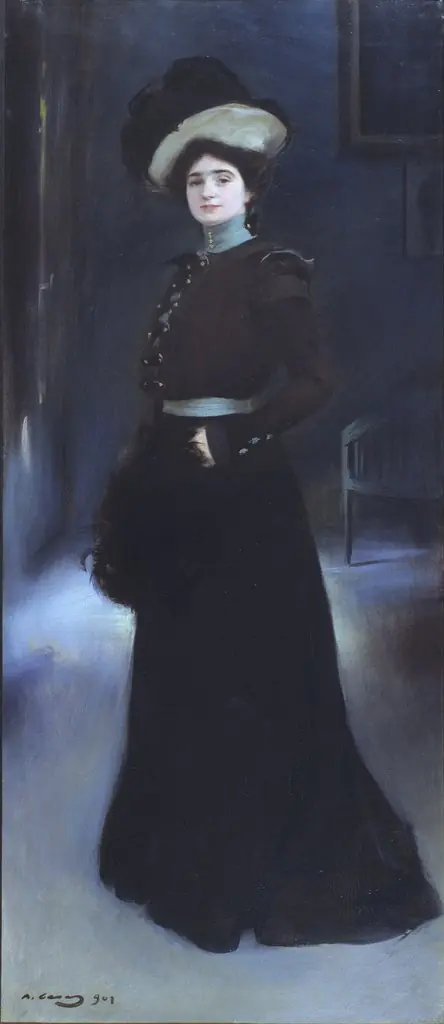 Portrait of Isabel Llorach
 Le solitaire
 Mother of Pearl and Silver: The Andalusian