Artwork
Apollo flaying Marsyas (Ovid, Metamorphoses, VI, 382–400)
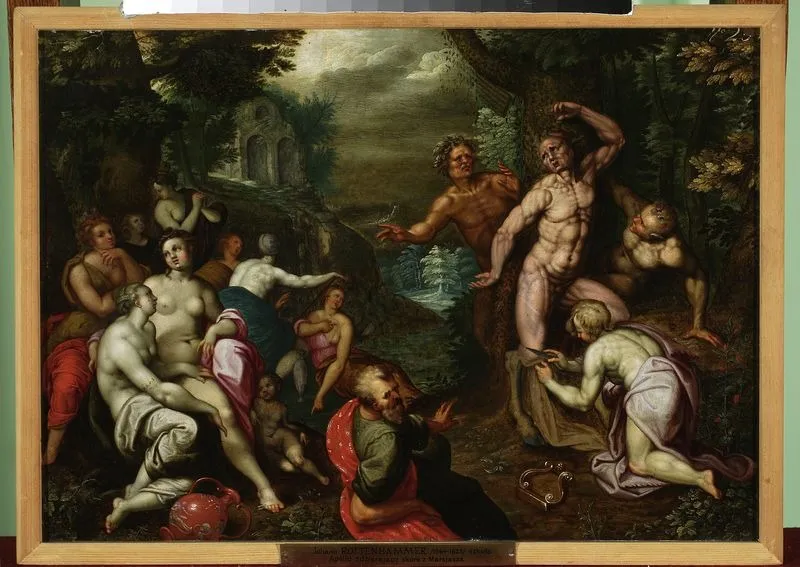
Apollo flaying Marsyas (Ovid, Metamorphoses, VI, 382–400) is an unspecified painting by the Dutch Golden Age artist Jacob Adriaensz Backer. It dates from 1639 and is held in the collection of the National Museum in Warsaw.
About this work
Overview
Created around 1639 by Jacob Adriaensz Backer, a Dutch Golden Age painter, this work illustrates a dramatic scene from Ovid's Metamorphoses.
Subject & Meaning
The painting depicts Apollo punishing Marsyas, a satyr, by flaying him alive after losing a musical contest, conveying a scene of intense violence and agony.
Technique & Style
Characterized by dramatic composition and detailed human anatomy, the work showcases Backer's skillful use of chiaroscuro, adding depth and tension to the scene.
Context
Influenced by contemporaries like Rubens and Bloemaert, Backer's work is part of the Dutch Golden Age tradition, which often featured mythological and religious themes.
Artist & collection
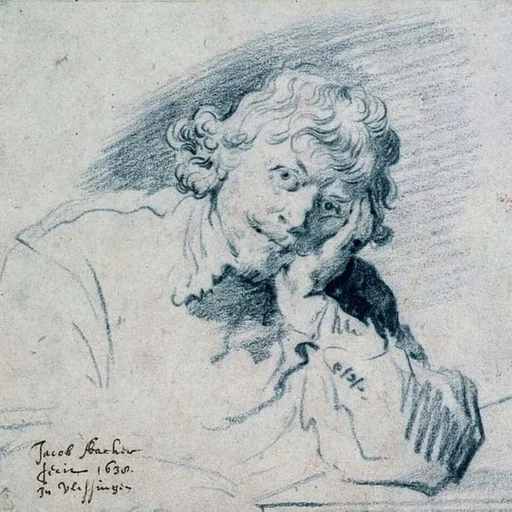
Artist
Jacob Adriaensz Backer (1608 – 27 August 1651) was a Dutch Golden Age painter. He produced about 140 paintings in twenty years, including portraits, religious subjects, and mythological paintings. In his style, he was…

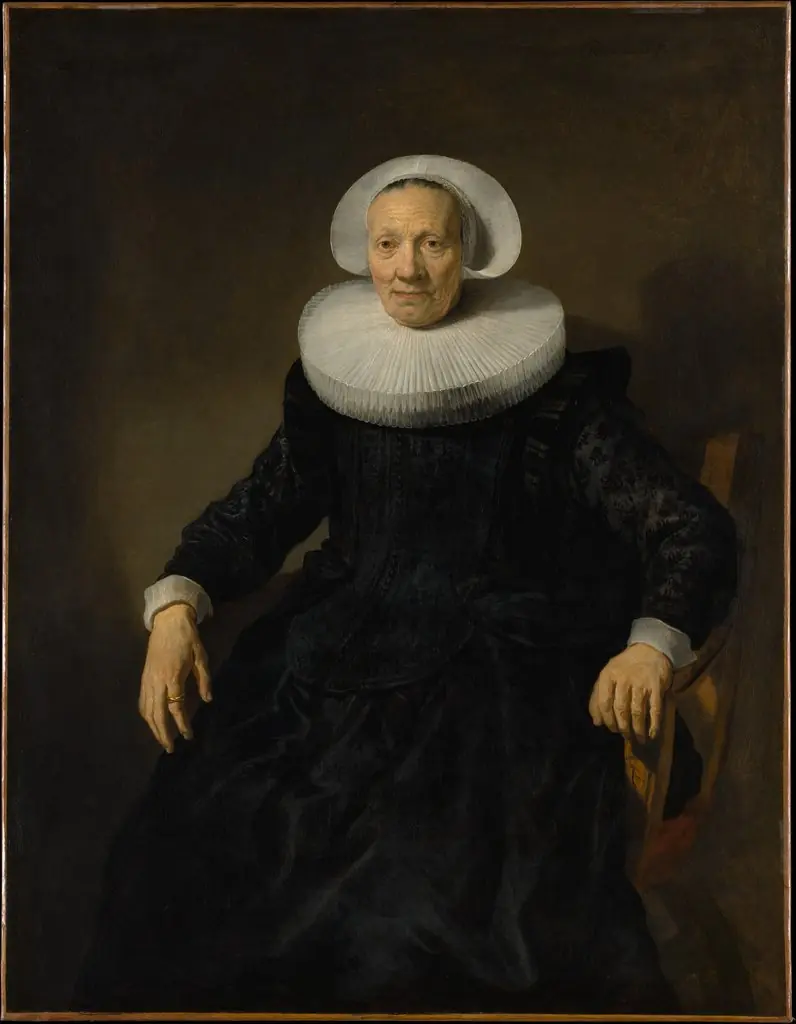 Old Woman in an Armchair
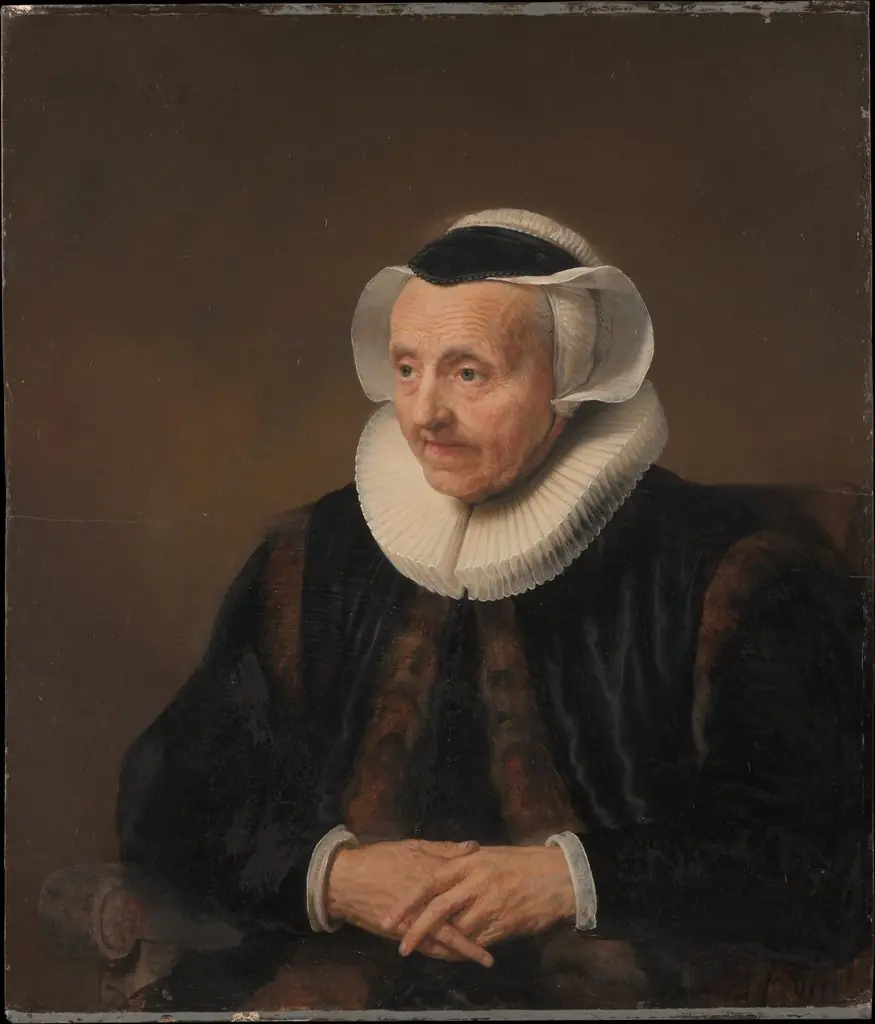 Portrait of an Old Woman
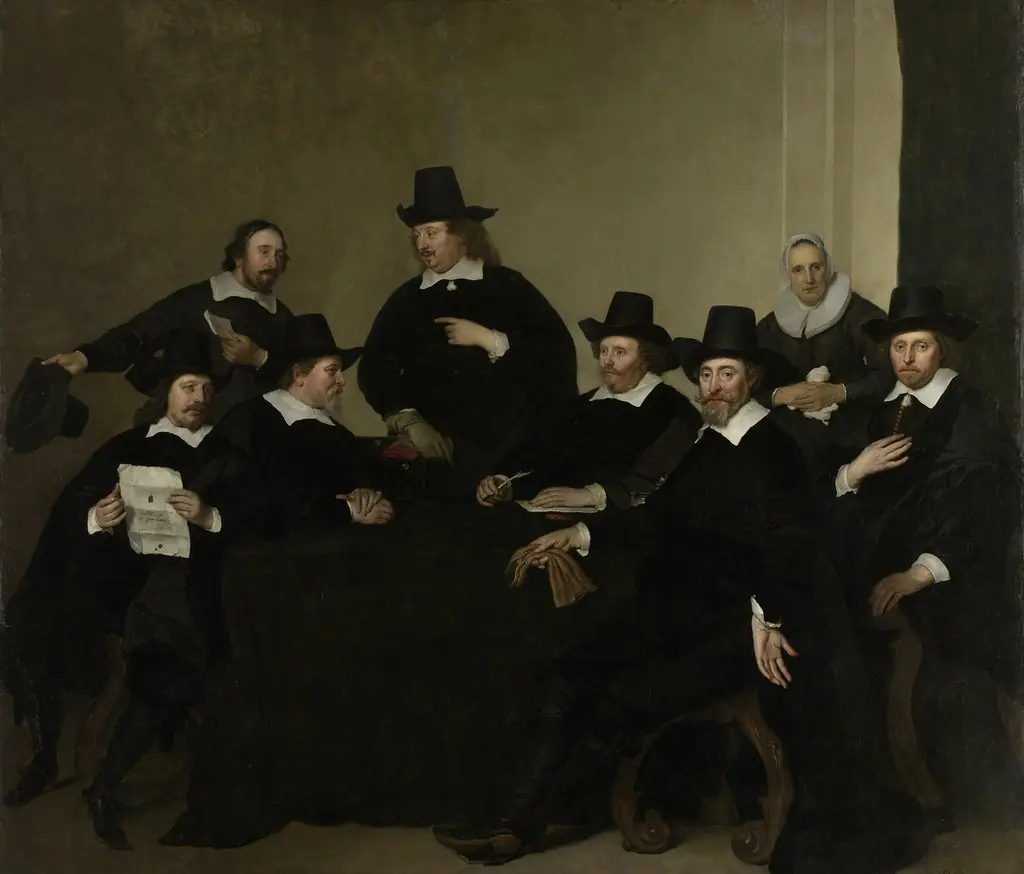 The regents of the Nieuwe Zijds institute for the outdoor relief of the poor, Amsterdam, ca 1650
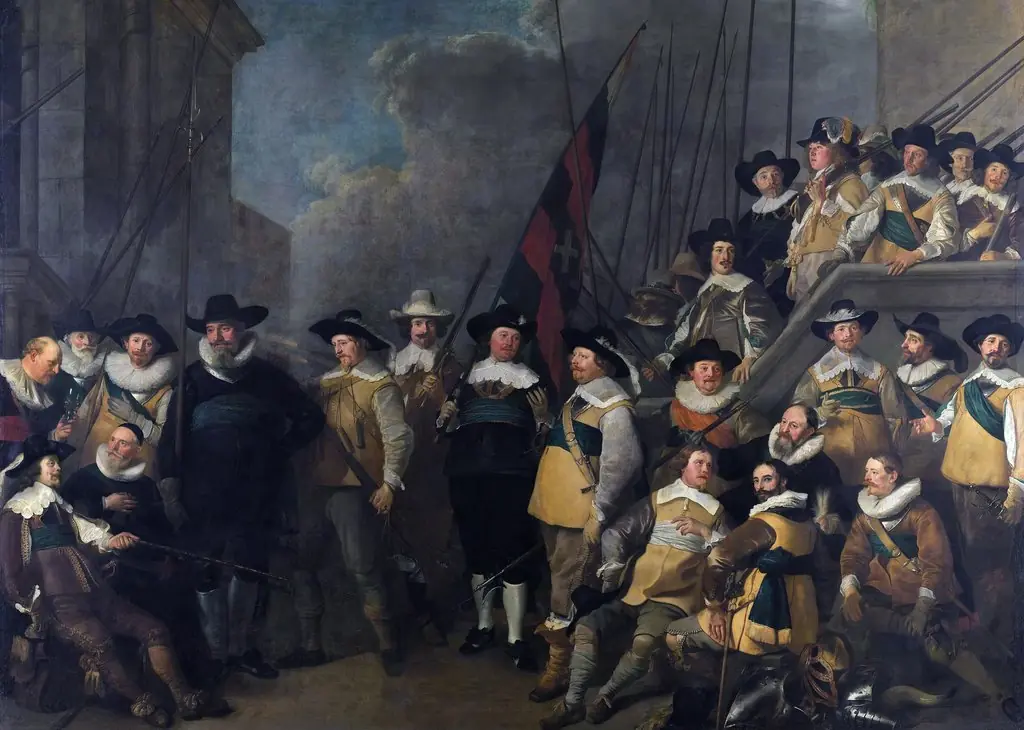 Officers and other Civic Guardsmen of the V District in Amsterdam under the command of Captain Cornelis de Graeff and Lieutenant Hendrick Lauwrensz
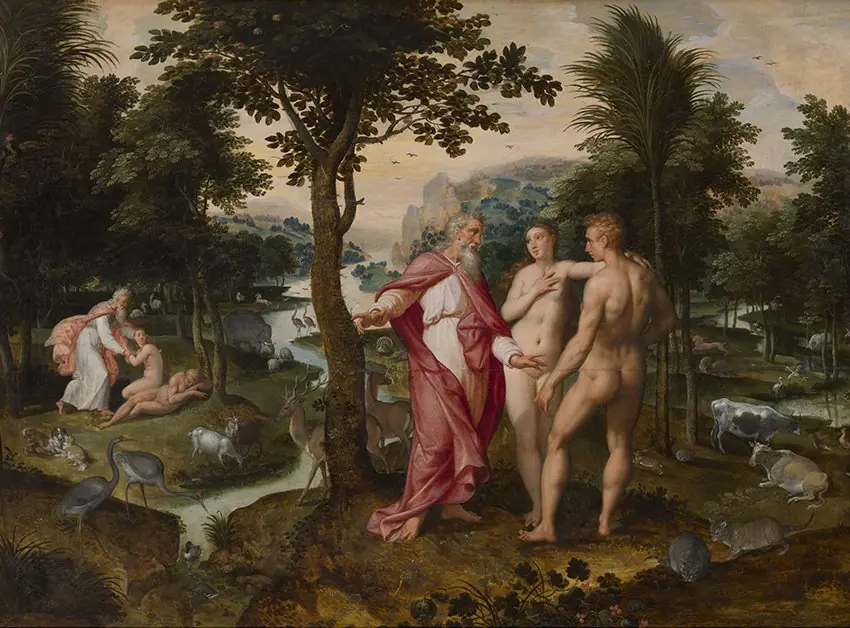 The Garden of Eden
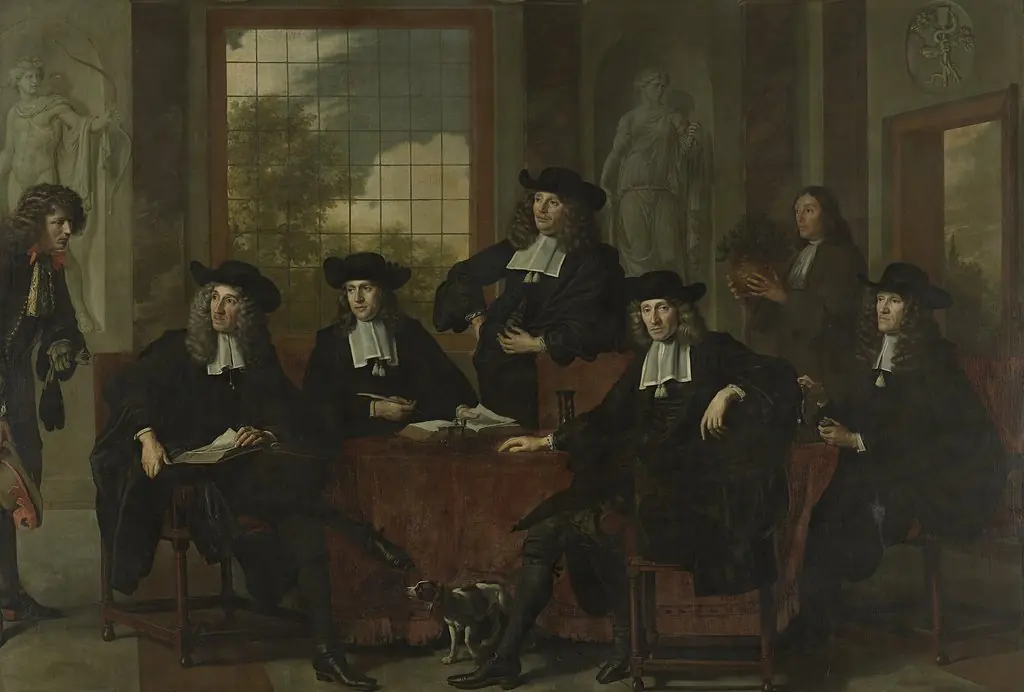 The superintendents of the Collegium Medicum in Amsterdam
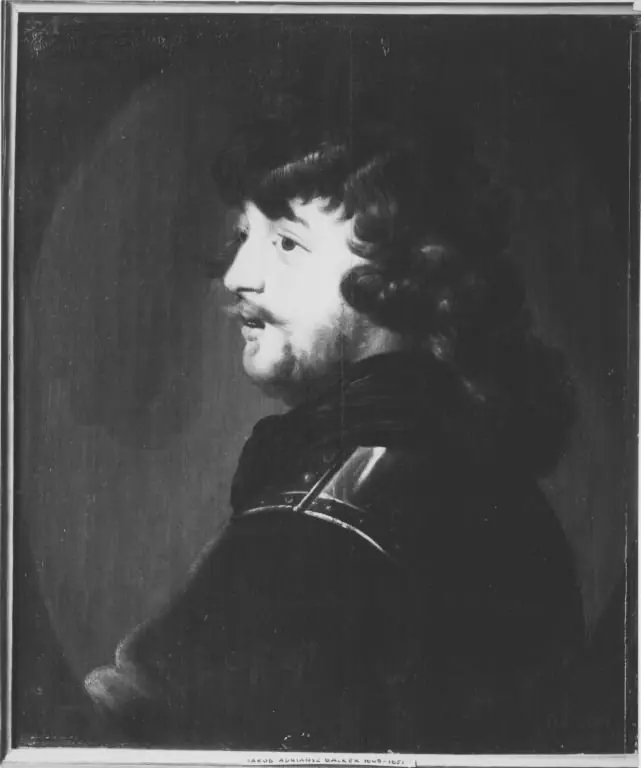 Portrait of a man in armor (self-portrait)
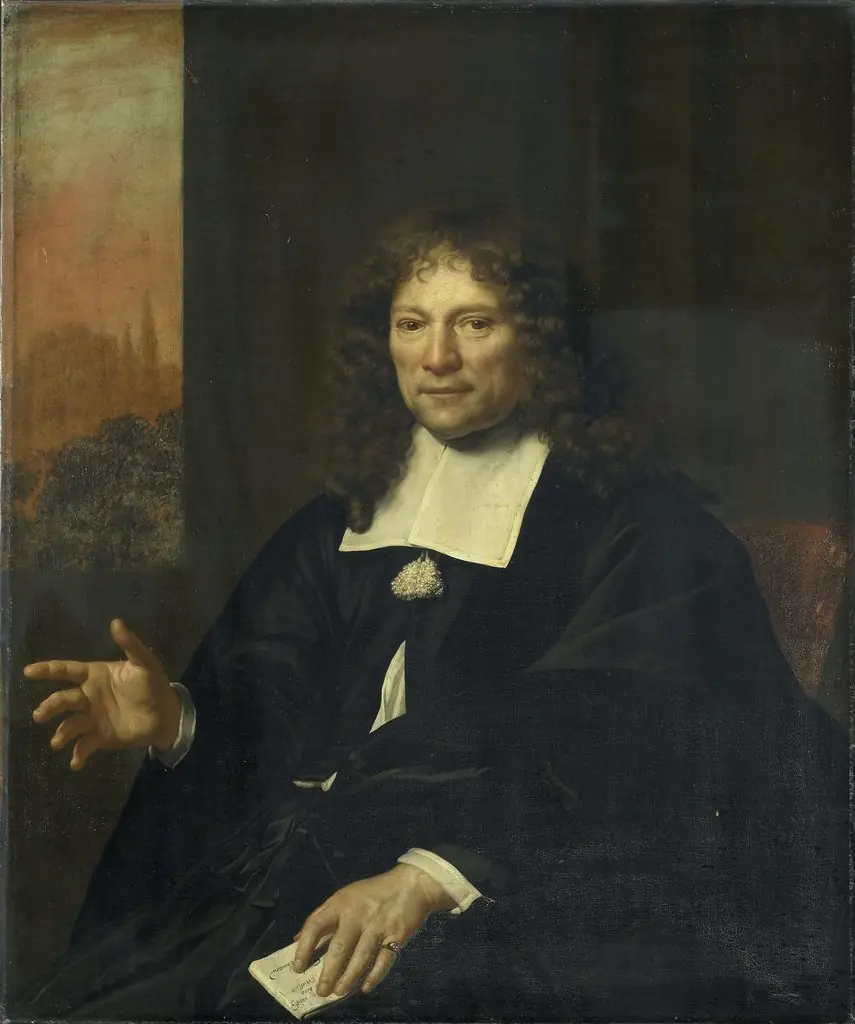 Portrait of Daniel Nellius, elder of the Remonstrant church and sampling official of Alkmaar
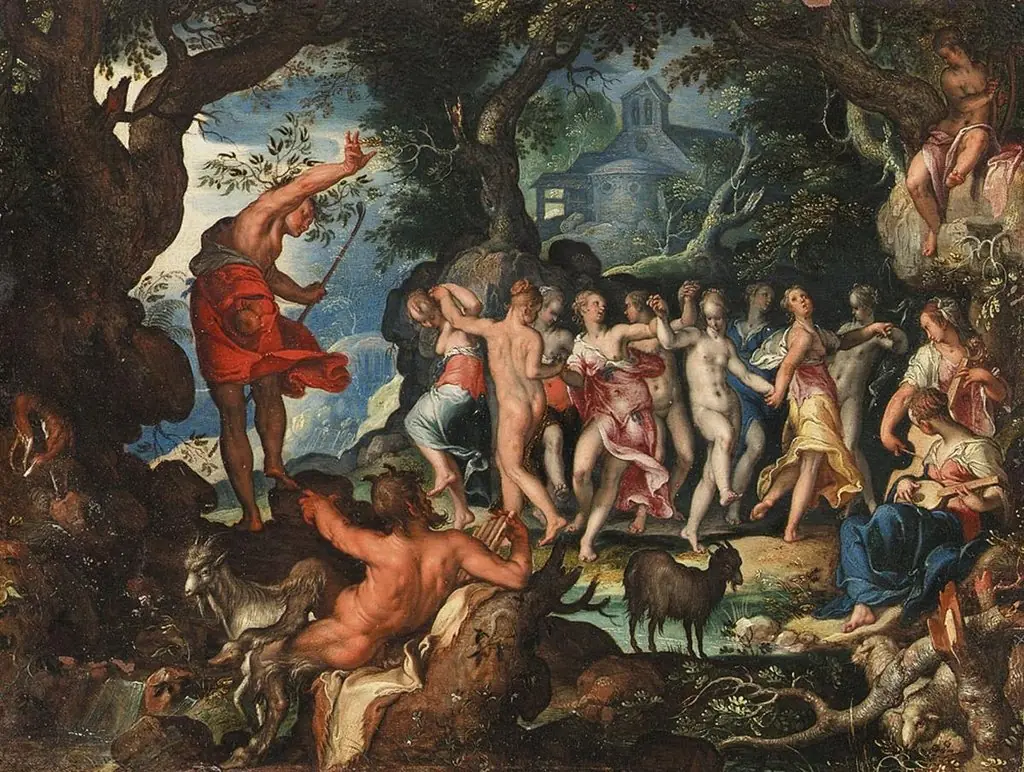 The Apulian Shepherd
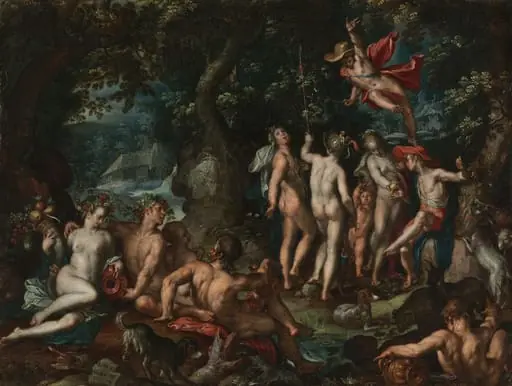 The Judgment of Paris
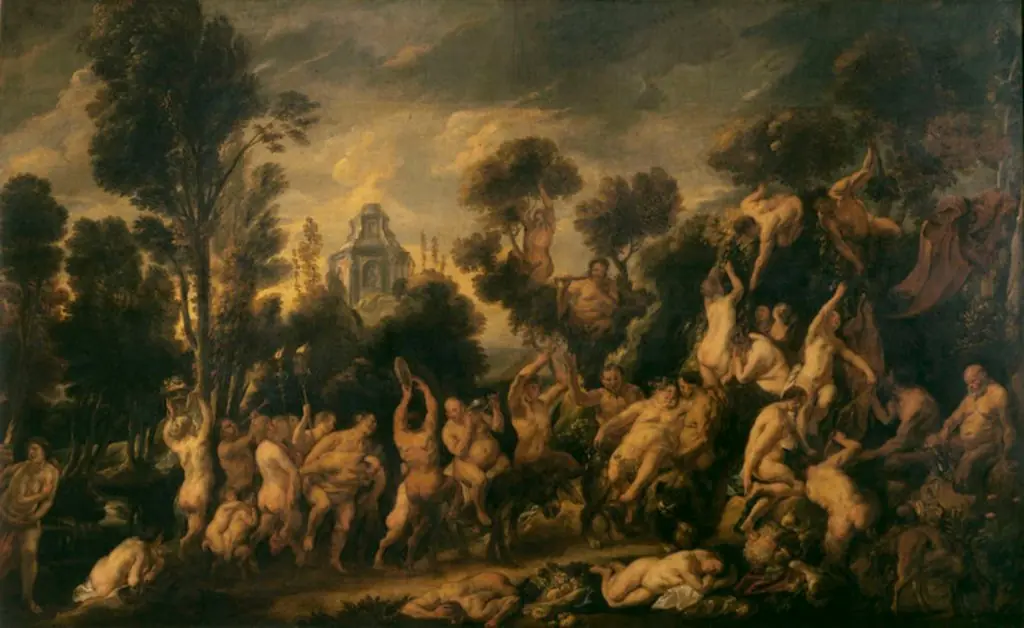 The Triumph of Bacchus
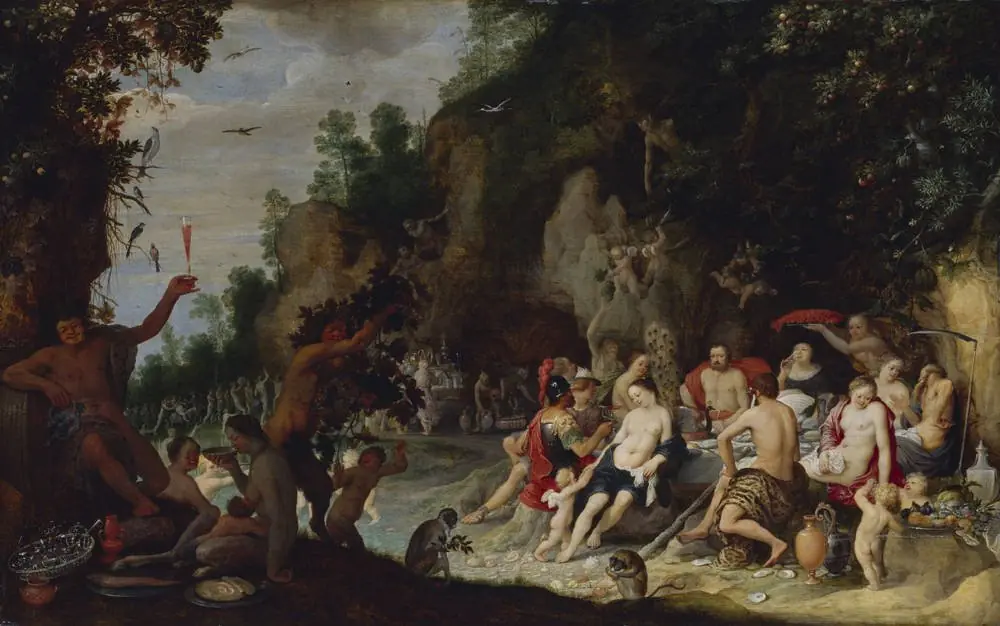 Feast of the gods in the forest
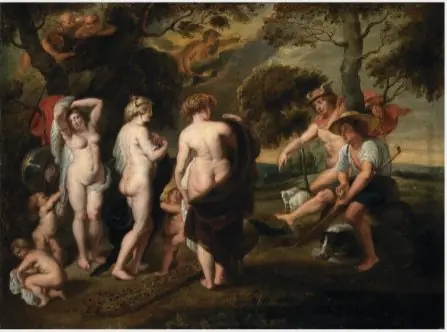 The Judgement of Paris
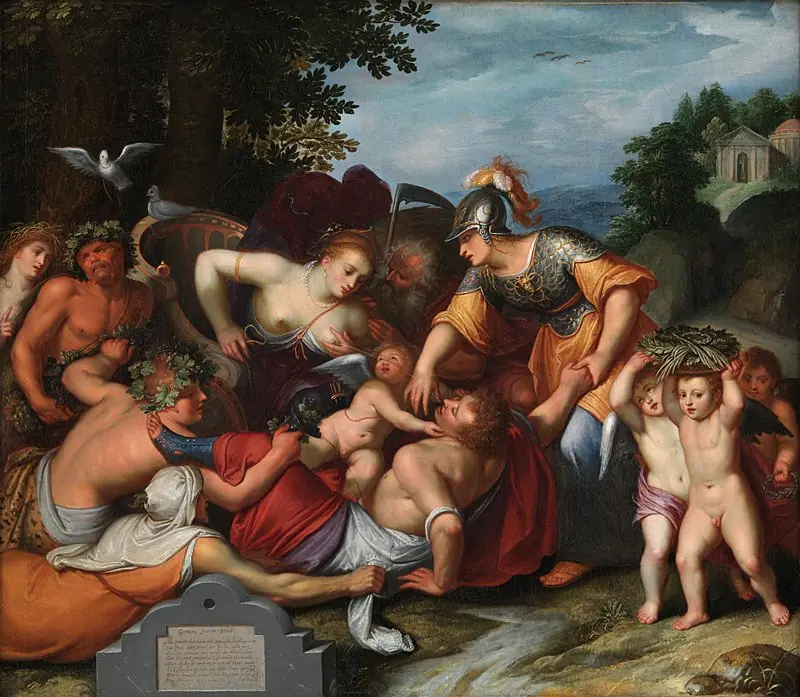 Gemeine Jeuchts Beeldt. Allegori på ungdommens fristelser
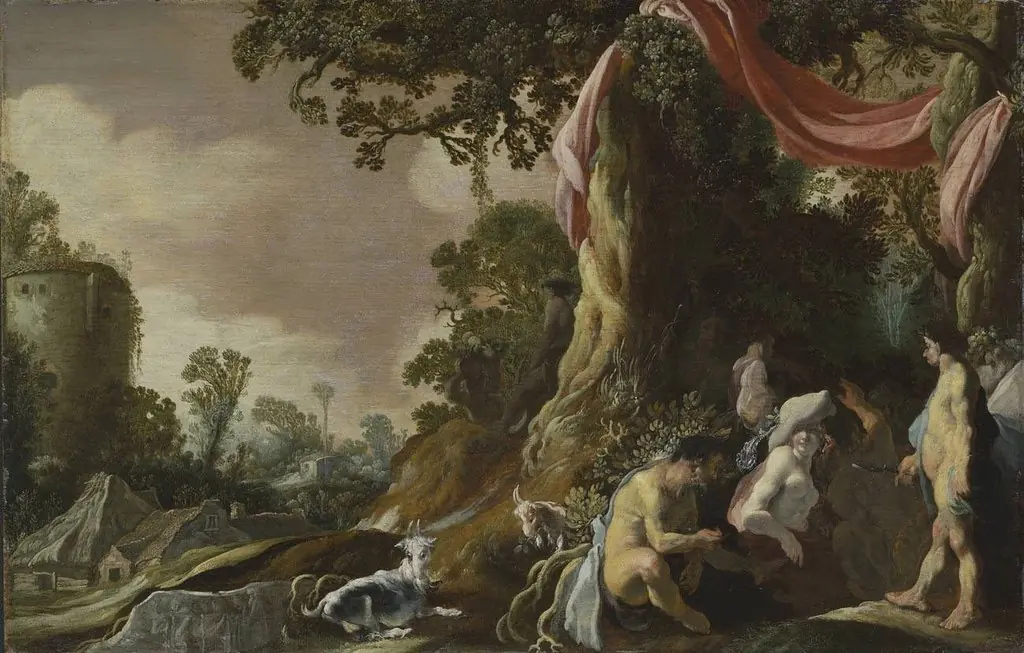 Bucolic scene (shepherd scene ?)
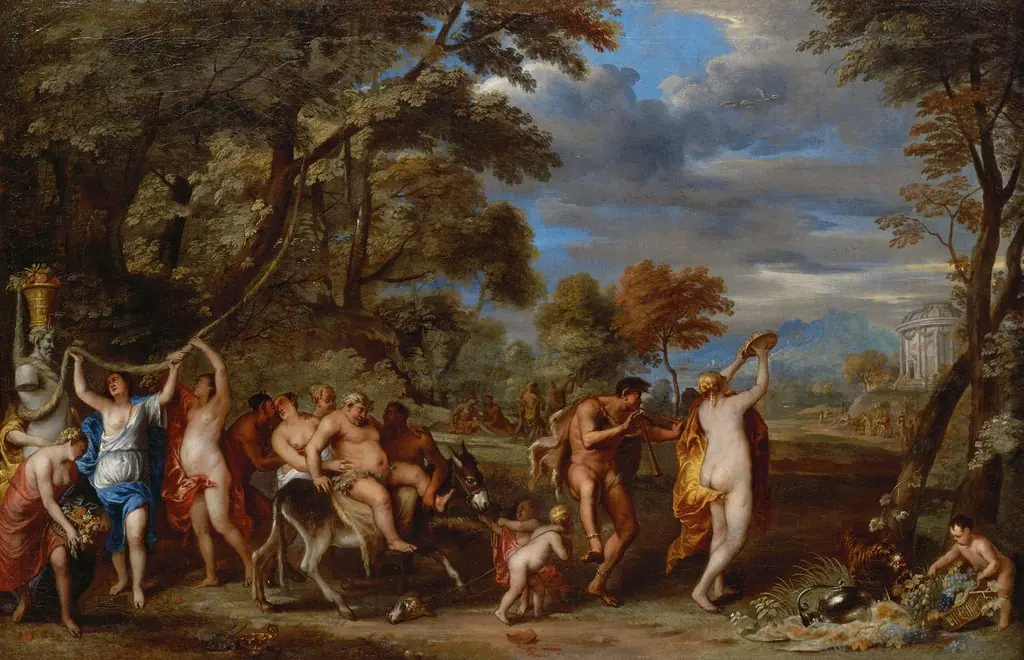 Bacchanal
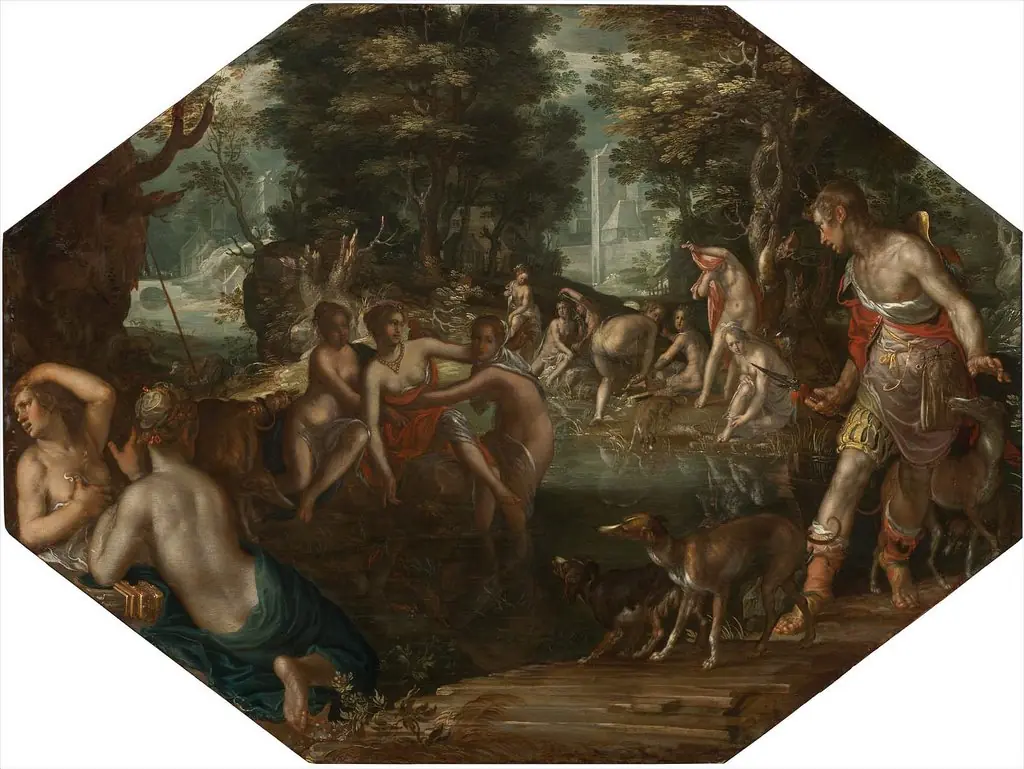 Actaeon Watching Diana and Her Nymphs Bathing
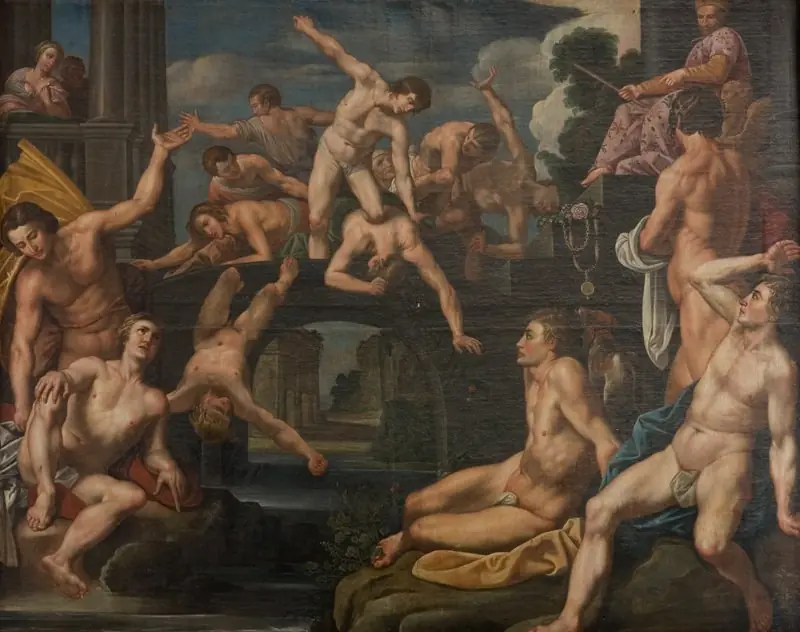 Unge mænd brydes på en bro. Allegori
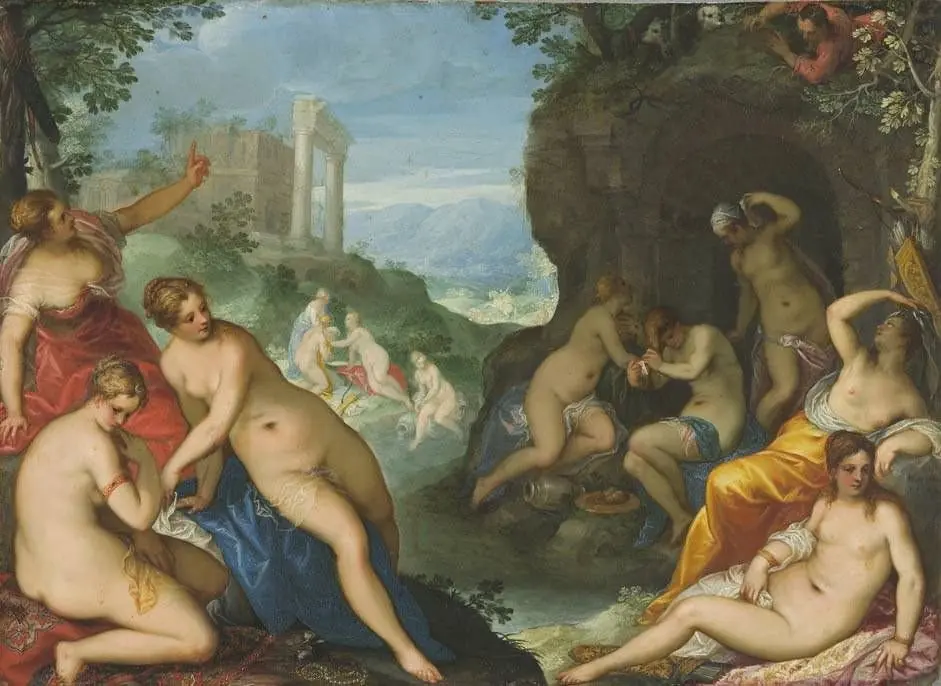 Diana und Aktäon
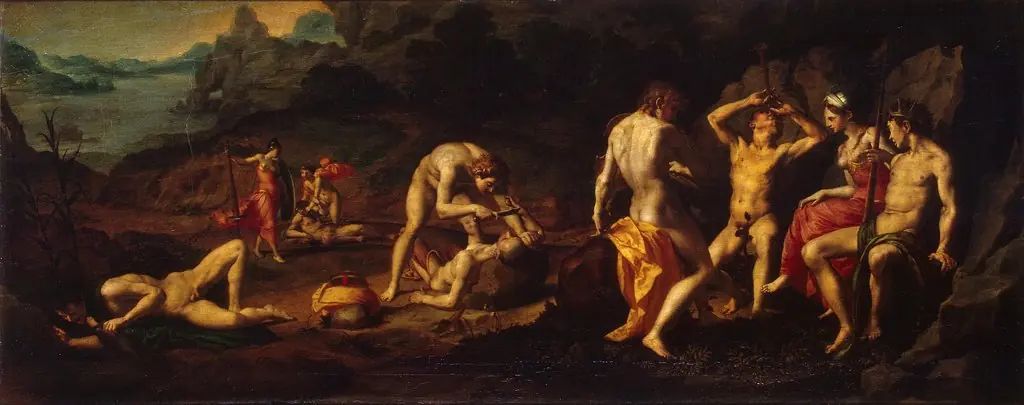 Flaying of Marsyas