Artwork
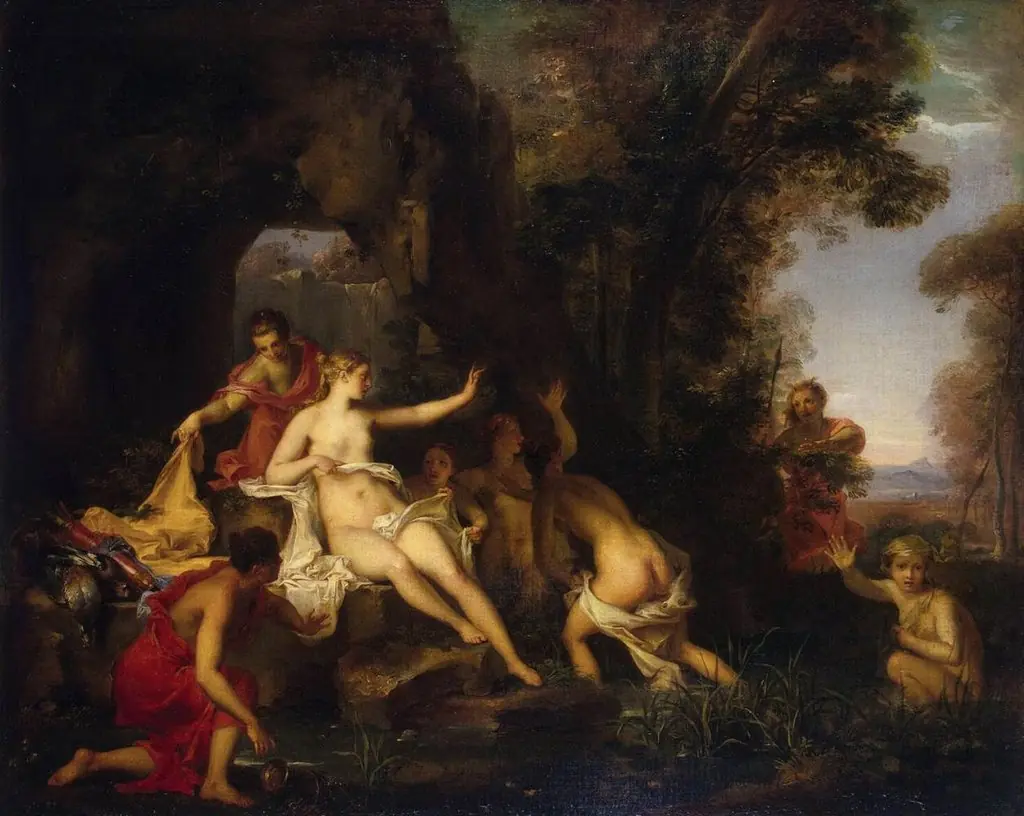
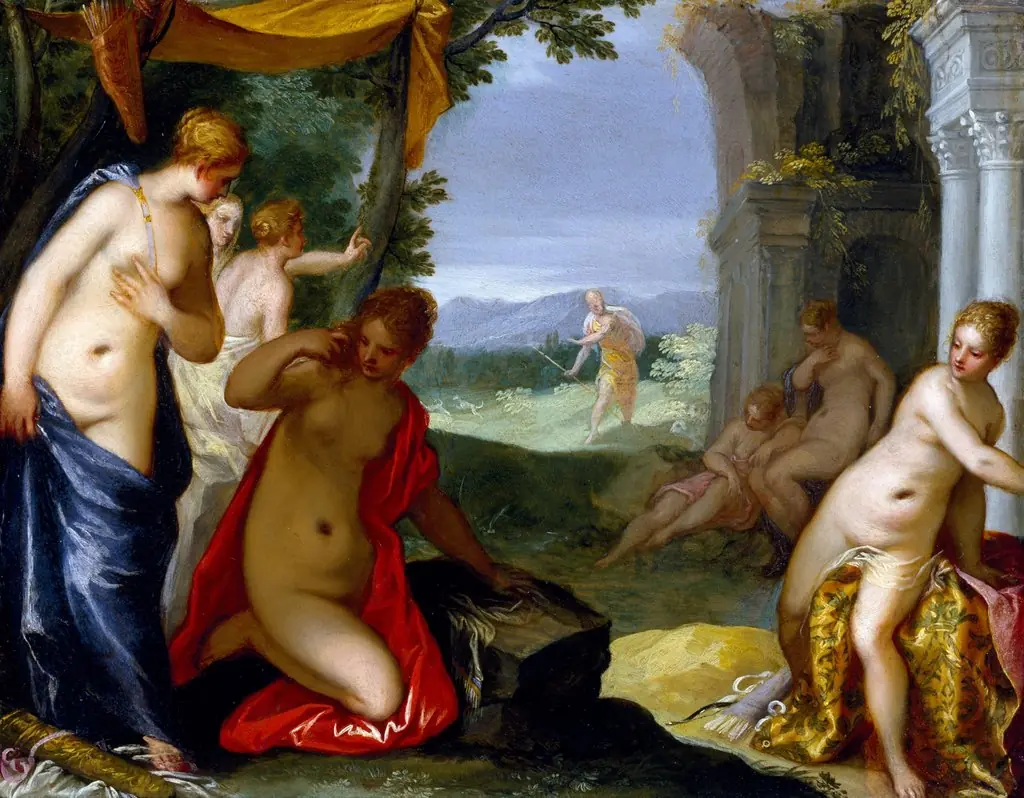
Diana und Aktäon
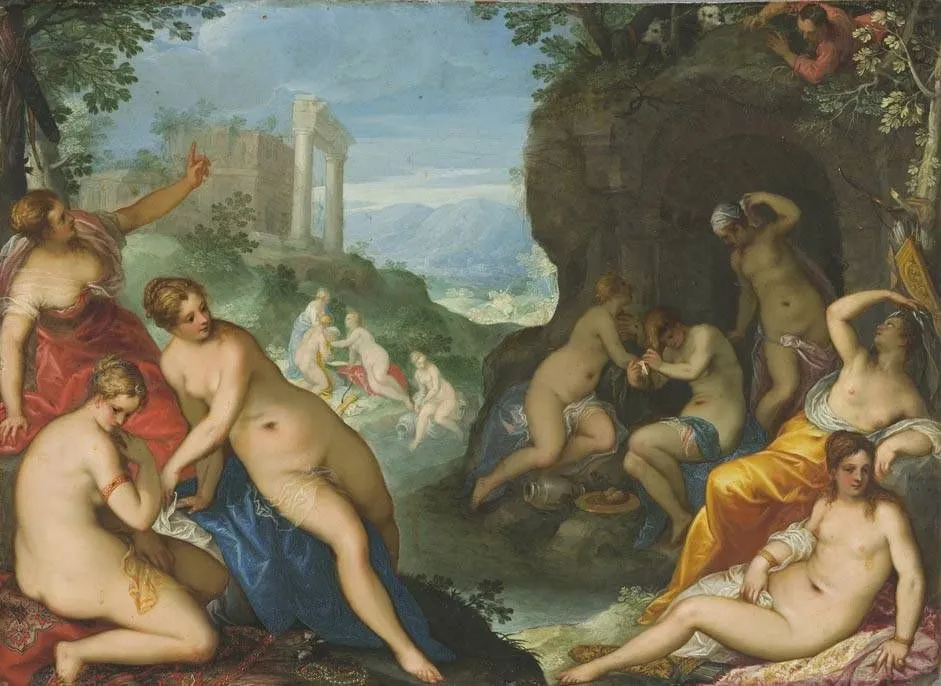
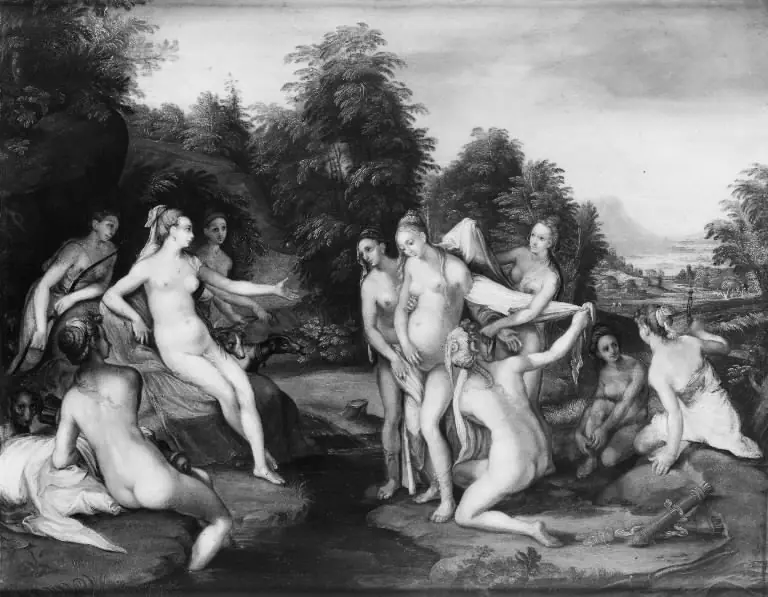
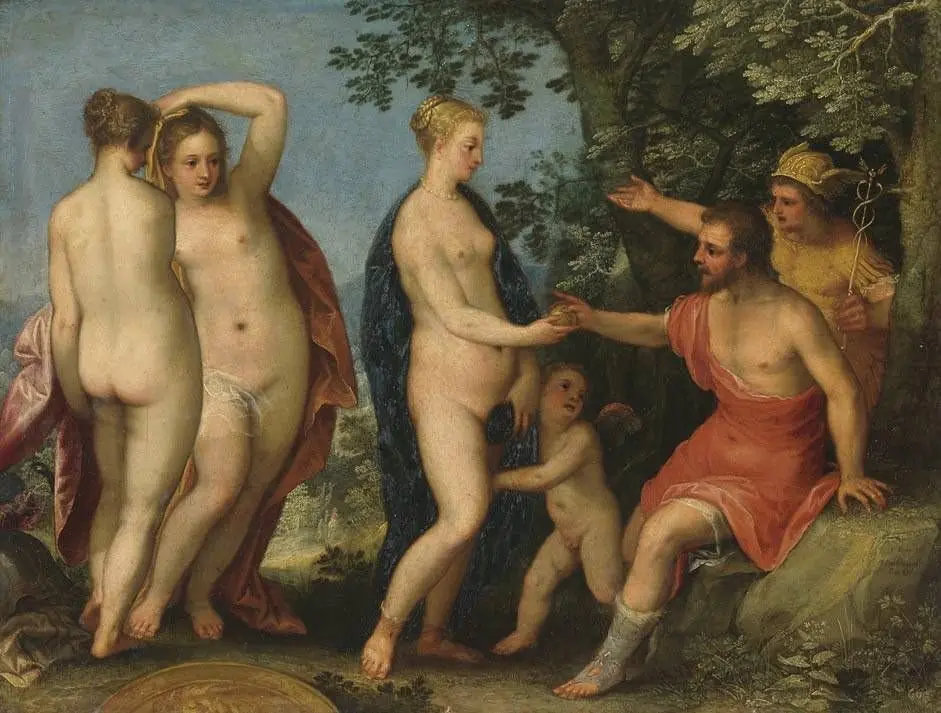
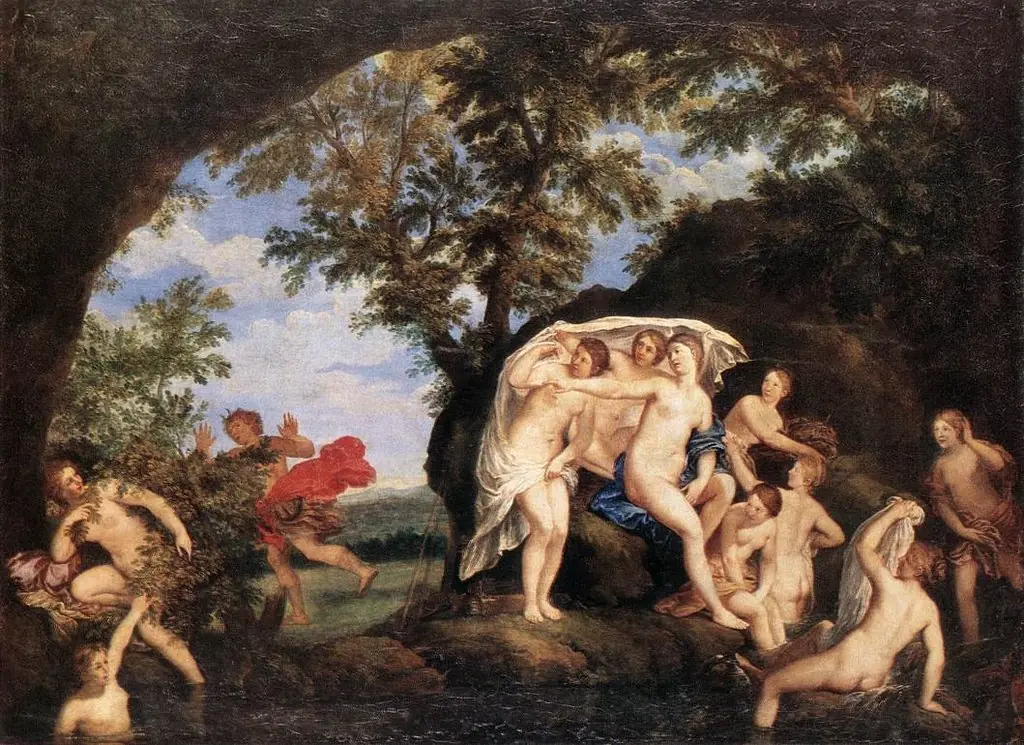
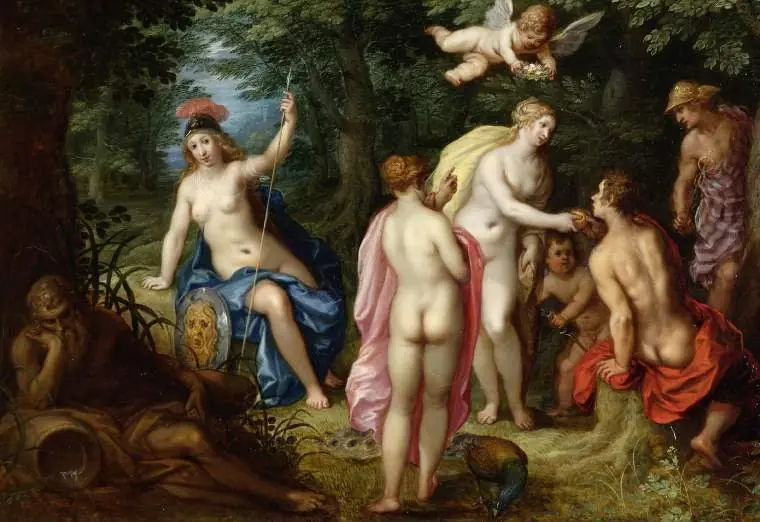
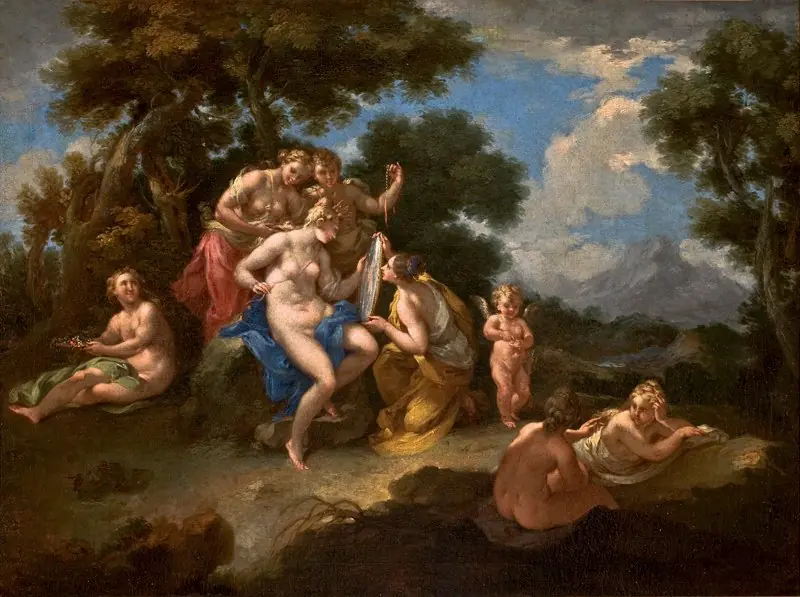
Diana und Aktäon is an unspecified painting by the Early Baroque Italian artist Hans Rottenhammer. It dates from 1602 and is held in the collection of the Bavarian State Painting Collections.
About this work
Subject & Meaning
As a work of mythological painting, the piece depicts the specific figures of the goddess and the hunter to illustrate their legendary interaction.
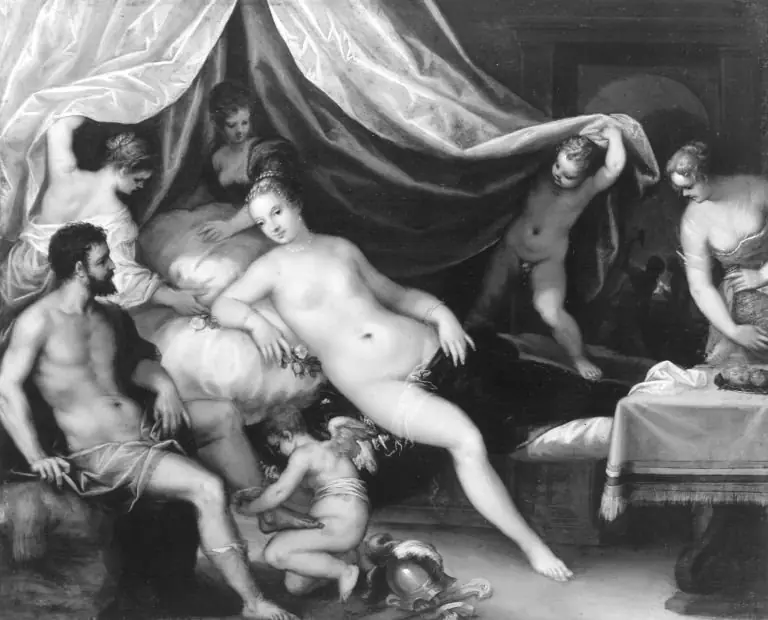
Hans Rottenhammer's 1602 painting, Diana und Aktäon, is a mythological work that visually narrates the classical story of the hunter Actaeon and the goddess Diana. The composition centers on the main subjects of Diana and Actaeon, capturing the pivotal moment of their encounter. As a work of mythological painting, the piece depicts the specific figures of the goddess and the hunter to illustrate their legendary interaction.
The iconography focuses on the dramatic meeting between the divine and the mortal, representing the core narrative of this ancient myth without extraneous allegorical elements.
Technique & Style
Diana und Aktäon is classified as a painting within the mythological genre, dated to 1602. According to the Wikidata record, the work measures 35 cm in height by 48 cm in width, indicating a modest, intimate scale typical of cabinet pictures rather than large altarpieces. It is held in the Bavarian State Painting Collections at the Alte Pinakothek.
The classification entry identifies the work simply as a painting without specifying the medium, support, or particular technique. No information is provided in the available sources regarding the materials used (such as oil, tempera, or copper panel), the handling of paint, the present condition of the surface, or the formal and stylistic qualities of the composition.
History & Provenance
The painting Diana und Aktäon by Hans Rottenhammer is dated to 1602, as indicated by both the artist’s records and the work’s classification as a mythological painting from that year.
It entered the collection of the Bavarian State Painting Collections and is now housed in the Alte Pinakothek in Munich. The work depicts the classical Ovidian scene of Diana and Actaeon, aligning with the artist’s known focus on mythological subjects during this period.
The painting is held by the Bavarian State Painting Collections in Munich, where it is part of the holdings of the Alte Pinakothek.
It is inventoried as accession number 1470 in the Alte Pinakothek’s collection.
The work has not been recorded in major traveling exhibitions in accessible sources.
Overview
Johann Rottenhammer’s 1602 oil painting Diana und Aktäon portrays a moment from the classical myth in which the hunter Actaeon inadvertently encounters the goddess Diana while she is bathing. Executed on a modest scale, the work is part of the collection of Munich’s Alte Pinakothek and exemplifies the artist’s meticulous approach to narrative detail.
Context
Rottenhammer, a German artist who spent significant periods in Italy, merged Northern precision with Southern dynamism. Diana und Aktäon demonstrates his engagement with mythological subjects popular among patrons seeking both scholarly and decorative content, and it aligns with contemporary trends that favored dramatic lighting and emotionally charged narratives.
Artist & collection
Artist
Johann Rottenhammer, or Hans Rottenhammer (1564 – 14 August 1625), was a German painter. He specialized in highly finished paintings on a small scale.