Artwork
The adoration of the magi
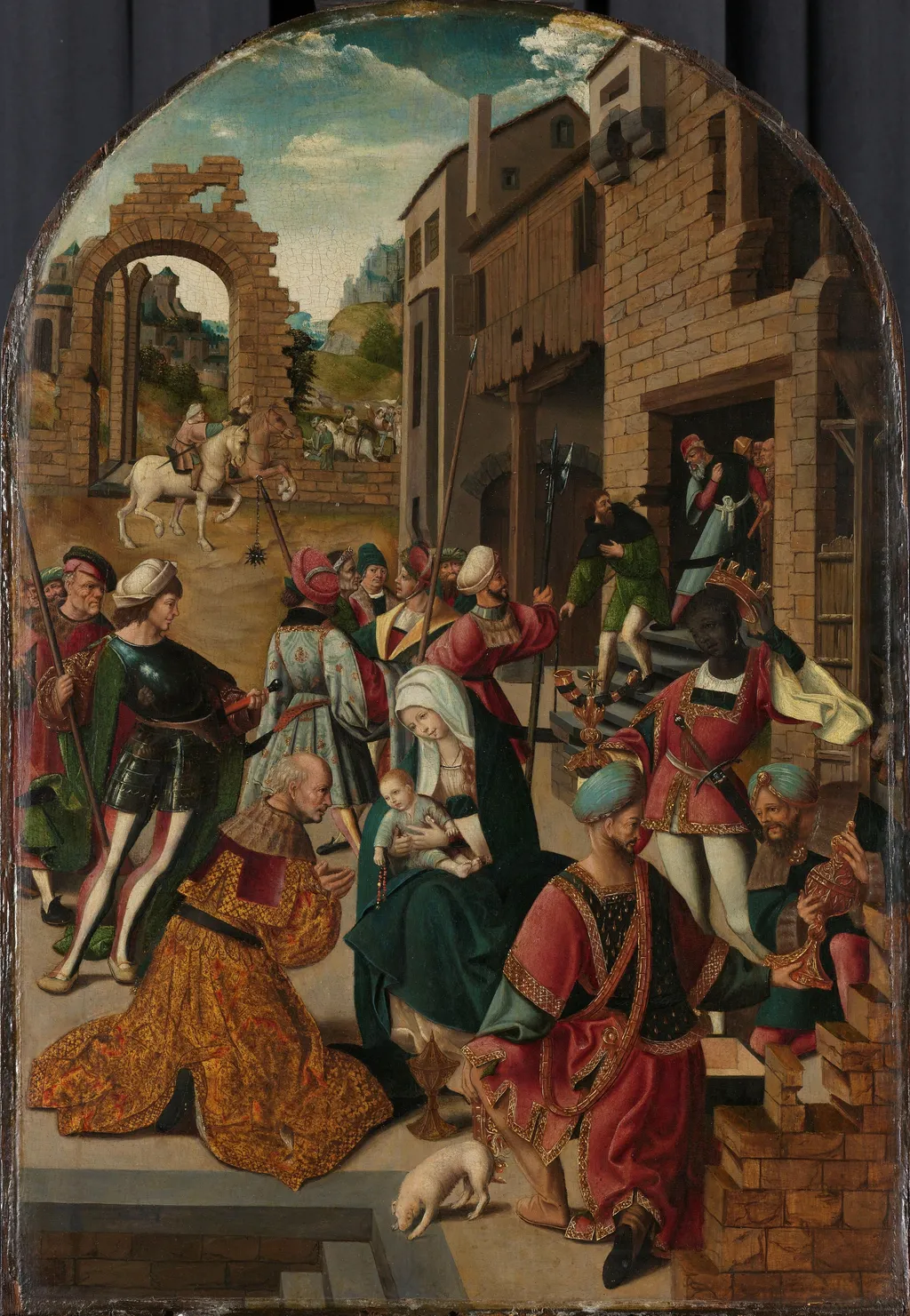
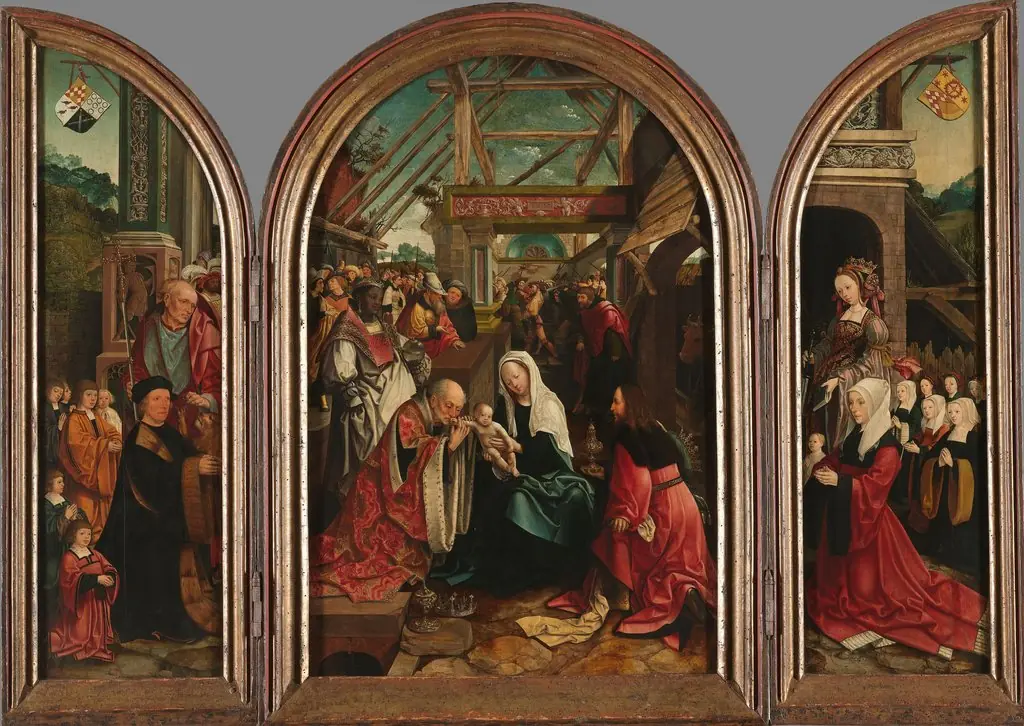
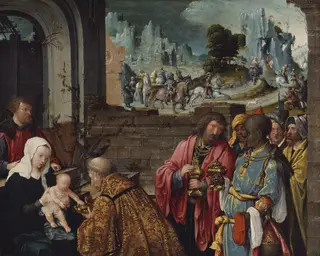
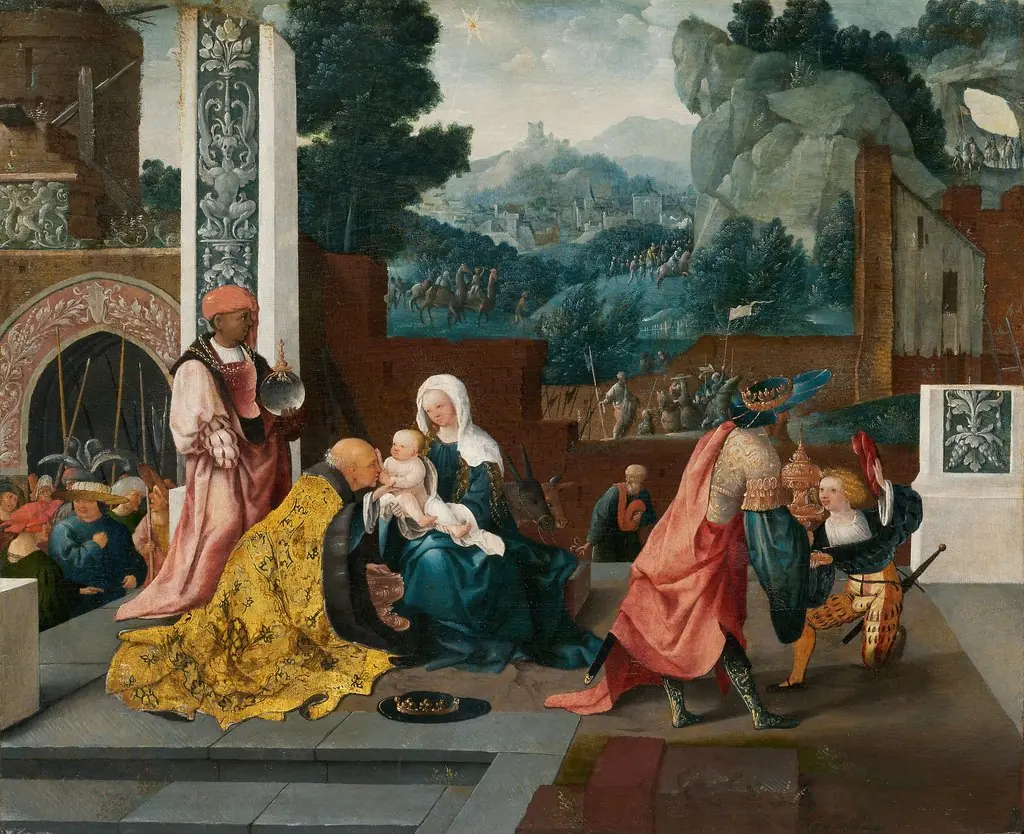
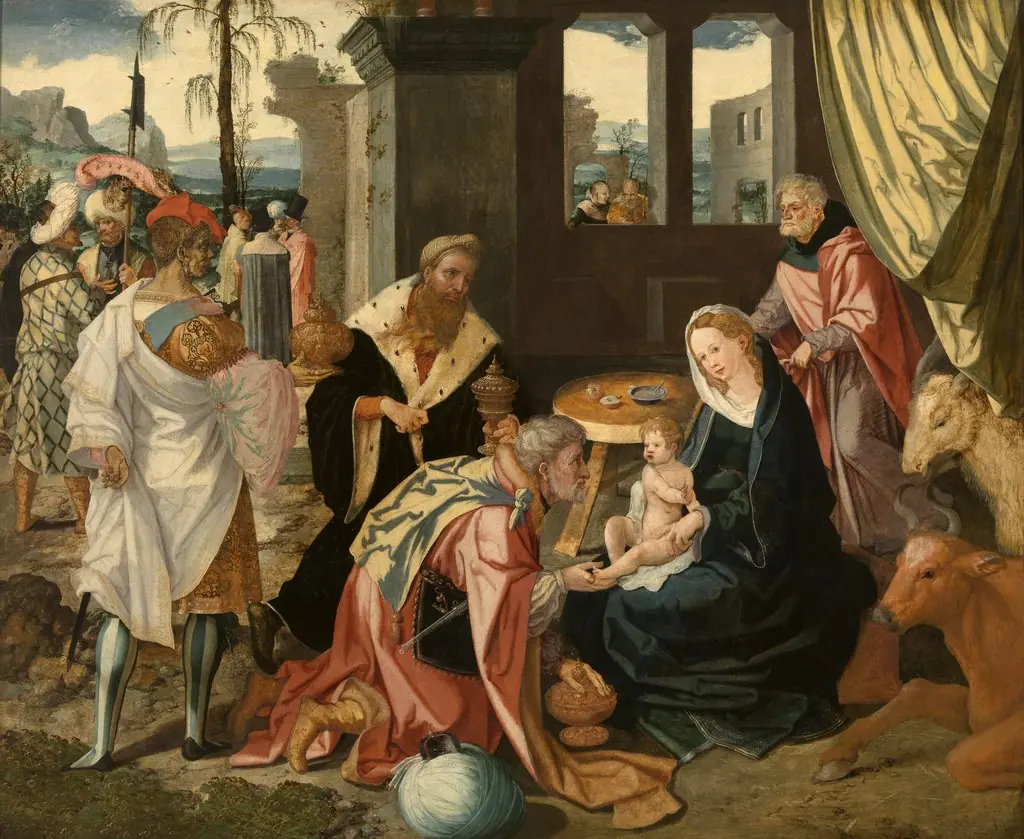
The adoration of the magi is an oil painting by the High Renaissance artist Jacob Cornelisz. van Oostsanen. It dates from 1510 and is held in the collection of the Rijksmuseum.
About this work
Subject & Meaning
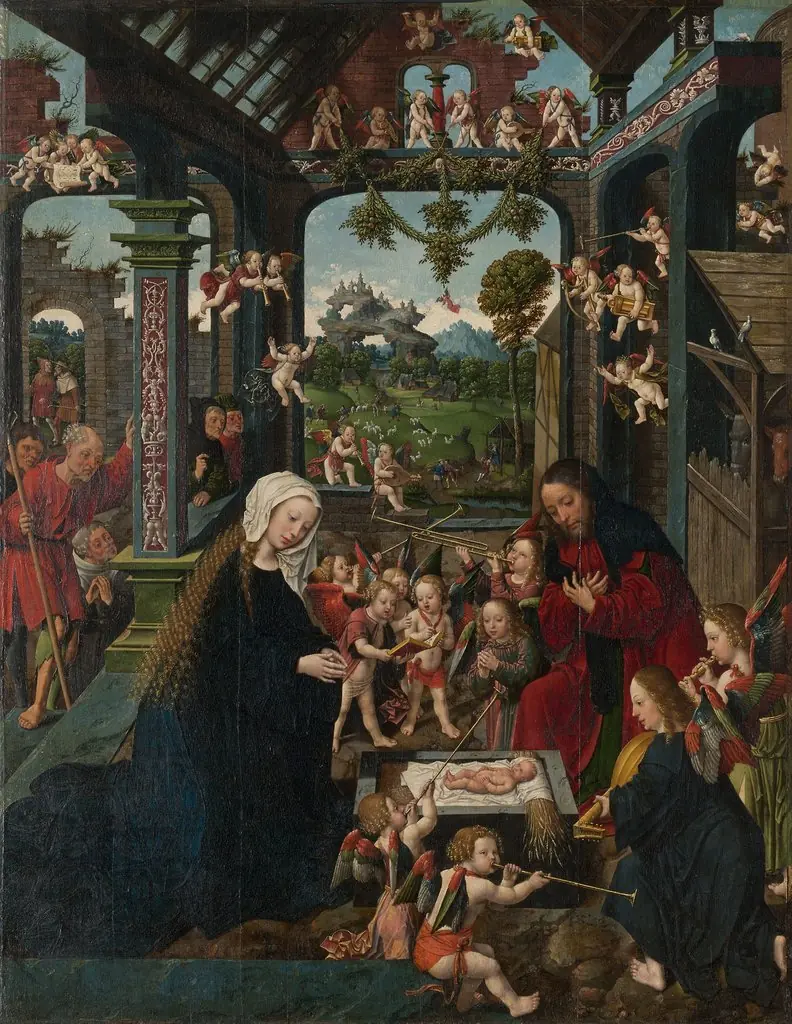
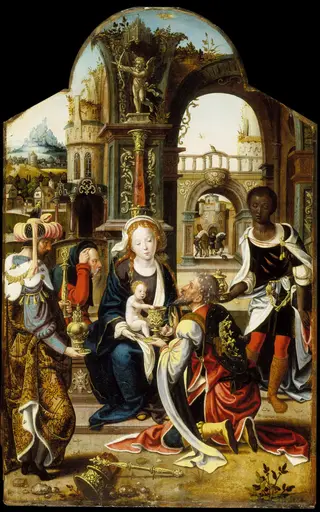
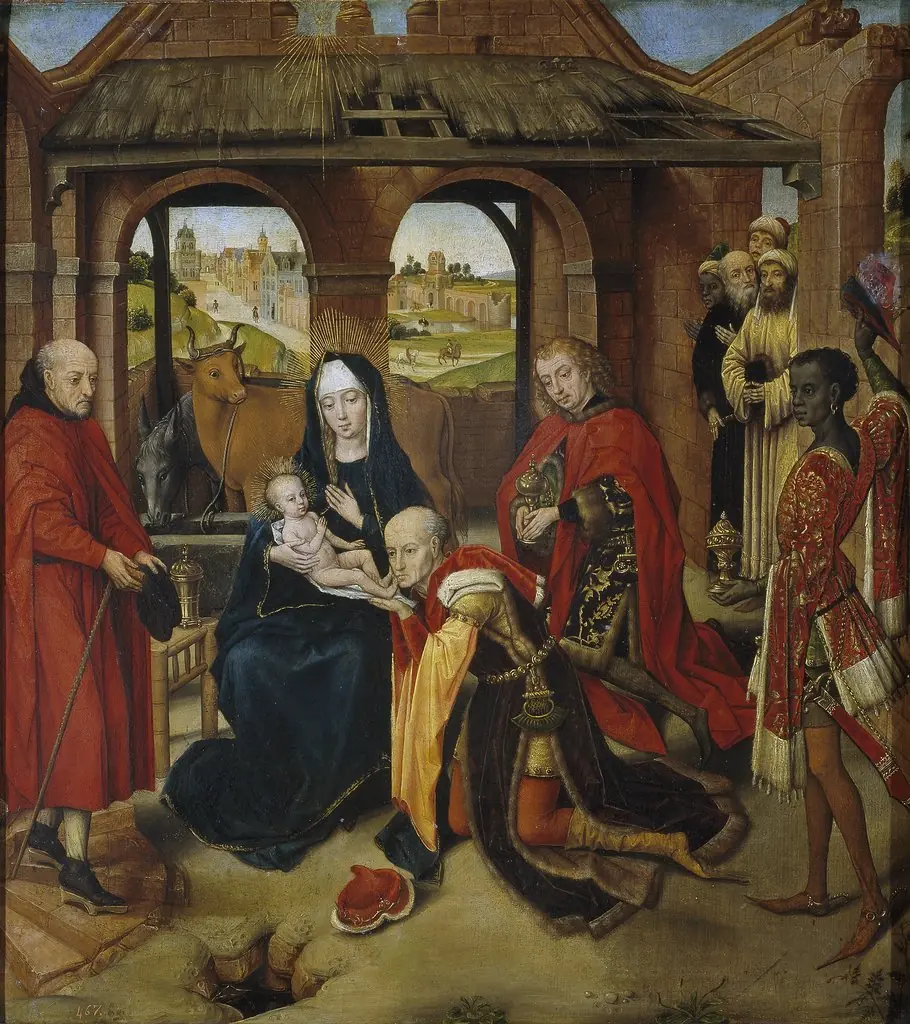
The work depicts the biblical Adoration of the Magi, showing the three wise men presenting gifts to the Christ Child in the presence of the Virgin Mary.
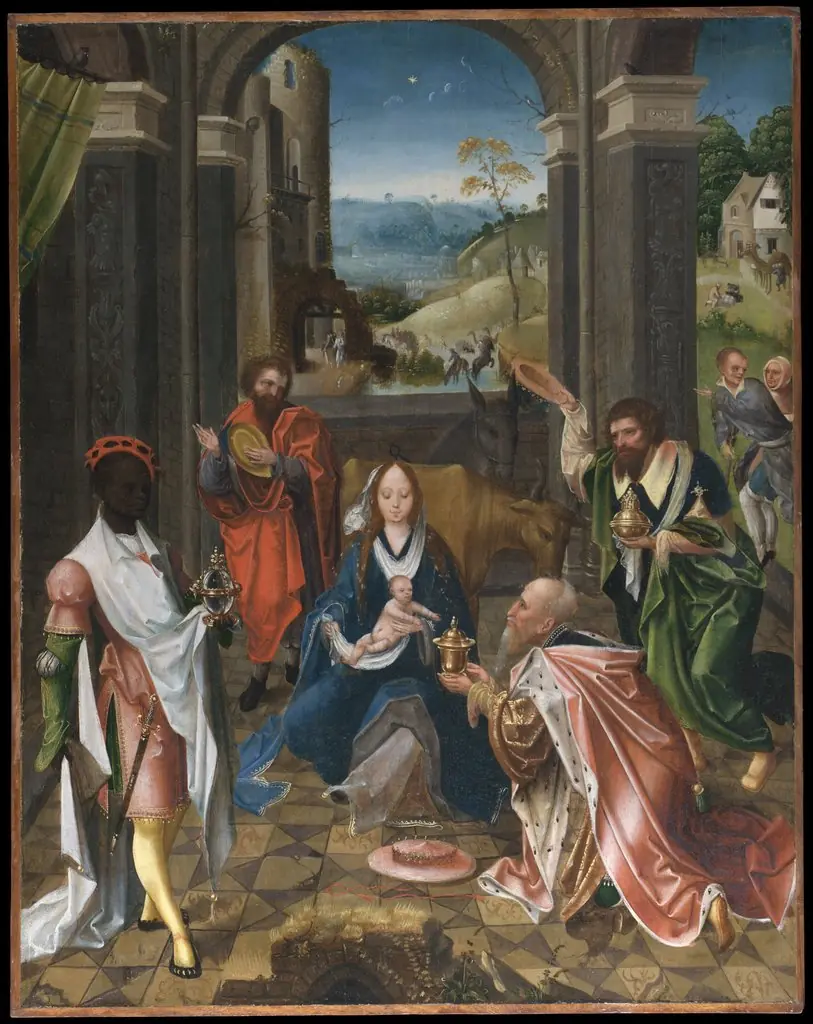
The work depicts the biblical Adoration of the Magi, showing the three wise men presenting gifts to the Christ Child in the presence of the Virgin Mary. The scene includes the traditional iconographic elements: the Virgin seated with the Christ Child, the Magi kneeling in varied ages to offer gold, frankincense, and myrrh, and attendant figures and animals that populate the setting. The small panel format and refined detail suggest a domestic devotional context, emphasizing reverence and the sacred narrative’s accessibility to private contemplation.
History & Provenance
Created in 1510, this oil-on-panel painting is attributed to the workshop of Jacob Cornelisz van Oostsanen. The work depicts the Adoration of the Magi, a religious subject featuring the Biblical Magi, Mary, and the Christ Child. Measuring 64.6 cm in height and 44.7 cm in width, the piece has been part of the Rijksmuseum collection since at least the time of its cataloging.
The creation history places the work firmly in the early sixteenth century within the artistic circle of Jacob Cornelisz van Oostsanen. It remains a significant example of religious art from this period, preserved in the Netherlands.
Overview
Jacob Cornelisz van Oostsanen's oil painting, The Adoration of the Magi, dates to 1510. This work exemplifies the Northern Netherlandish High Renaissance style. It depicts the biblical narrative of the three wise men presenting their offerings to the infant Jesus, accompanied by the Virgin Mary. The artwork is presently housed in the Rijksmuseum collection.
Technique & Style
Van Oostsanen employs oil paint to create a detailed and visually rich composition. The artist utilizes strong contrasts between light and shadow, illuminating key figures and drapery, a technique that enhances the dramatic effect. Rich reds and shimmering golds dominate the robes of the Magi, contributing to the painting's luxurious feel. This approach to color and light is characteristic of Northern European painting of the period.
Context
Created in 1510, this painting reflects the artistic environment of Amsterdam during a period of considerable prosperity. Jacob Cornelisz van Oostsanen was a prominent figure in the Northern Netherlands, recognized for his contributions to both painting and woodcut design. His work, including this piece, illustrates the religious themes and stylistic developments prevalent in the region during the High Renaissance.
Own this work as a print
Artist & collection

Artist
Jacob Cornelisz. van Oostsanen
Jacob Cornelisz van Oostsanen (before 1470 – 1533) was a Northern Netherlandish designer of woodcuts and painter.